
Review · WORKSHOPS
Kyoto: Japanese Koto Musical Instrument Class
Kyoto is great for art, but this lesson is hands-on. In a calm room at Gojo Paradiso, you hear traditional koto music live and then learn how to play it yourself in just 90 minutes. I like that the class is truly beginner-friendly, with koto and materials provided, so you are not stuck watching from the sidelines. The main drawback to plan for is that it is not meant for younger kids, since it is not suitable for children under 10.
What makes this experience especially worth your time is the setting and the teaching. Gojo Paradiso sits along the Takase River on Kiyamachi Street, so even getting there feels like part of the event. Also, the group is kept small, limited to 10 participants, which means you get real attention as you try the first notes. You will leave with a new cultural connection, plus the kind of photo and video memory you actually want to show later.
In This Review
- Key Things You’ll Love About This Kyoto Koto Class
- Why Learning Koto in Kyoto Feels Different Than a Museum Visit
- Gojo Paradiso on Kiyamachi Street, A Quiet Pre-Game Before Music
- What Happens in the First 20 Minutes: Listening That Sets You Up to Play
- Getting Your Hands on the Koto: The Setup You Don’t Have to Figure Out
- Playing Sakura Sakura in Kyoto: Your Real First Milestone
- After the Main Song: Trying Other Tunes Once You Feel Stable
- The Instructor Factor: Why Natsuko’s Style Works for Beginners
- Photos and Videos During the Lesson: Record the Moment Without Stress
- Logistics That Matter: Duration, Small Groups, and Where to Meet
- Price and Value: Is $32 Worth 90 Minutes of Koto?
- Cultural Payoff: Why a Folk Song Connects You to the Place
- Who This Kyoto Koto Class Is Best For
- FAQ
- Where is the Koto class meeting point?
- How far is Gojo Paradiso from the nearest stations?
- How long is the class?
- How much does it cost?
- What language is the instruction in?
- Is prior musical experience required?
- What song do you learn first?
- Is the group large?
- Is it okay for kids?
- Should You Book This Kyoto Koto Class?
Key Things You’ll Love About This Kyoto Koto Class
- A live start so you learn by listening first, then playing right after
- Sakura Sakura practice using a famous Japanese folk song as your first real goal
- First-time friendly instruction with everything you need provided
- Small group coaching capped at 10 participants
- English and Japanese support, led by a skilled instructor (Natsuko is specifically praised)
- Make memories on the spot with photos and videos during the lesson
Why Learning Koto in Kyoto Feels Different Than a Museum Visit
Kyoto has plenty of places to admire Japanese culture. This is not one of those “look and leave” experiences. Instead, you sit in a classroom-like space and work on a musical skill while the sound of koto music guides you.
I love how the lesson is built around doing, not decoding. You start by listening to a live performance, then you try playing the same kind of music with your own hands. That sequence matters. It turns the music from something you recognize into something you can reproduce, even at a beginner level.
You also get a direct, personal connection to the tradition. Koto music is tied to Japanese musical culture, and when you learn a folk song like Sakura Sakura, you stop thinking of it as “background.” It becomes a small personal achievement that fits your trip.
The tone is practical and relaxed. People call out how friendly and patient the instructor is, and that is exactly what you want on a first instrument lesson.
A few more Kyoto days to weigh up
- PERFECT KYOTO 1-Day Bus Tour
★ 5.0 · 13,518 reviews - Kyoto: Fushimi Inari, Kinkakuji, Bamboo Grove 1 Day Bus Tour
★ 4.8 · 4,316 reviews - Kyoto: Tea Ceremony in a Traditional Tea House in Kiyomizu
★ 4.9 · 3,519 reviews
Gojo Paradiso on Kiyamachi Street, A Quiet Pre-Game Before Music
Your meetup is at Gojo Paradiso, along the Takase River on Kiyamachi Street. The directions are straightforward: it is about a 5-minute walk from Keihan Kiyomizu Gojo Station and around a 10-minute walk from Keihan Shichijo Station. If you are navigating on foot, you are looking for Kiyamachi Street and the Takase River area.
I like this location choice because it sets the right mood before you even touch a koto. Kyoto can be busy, even in “quieter” neighborhoods. Being by the river helps your mind slow down, which is useful for music training.
Also, the walk is short enough that you can reach the meeting point without turning the start of your class into a stressful scramble. That matters because koto lessons work better when you arrive calm and ready.
What Happens in the First 20 Minutes: Listening That Sets You Up to Play
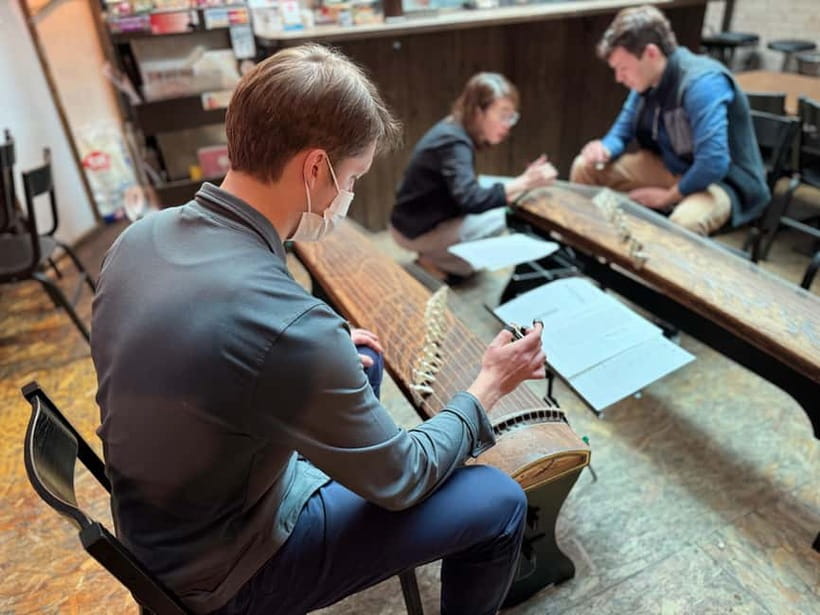
The class begins with a live performance. This is not a random warm-up. It is your model for what the sound should feel like and how the music moves. If you have never played an instrument before, this is a gift. You do not need theory first. You need sound cues.
Then the instructor helps you connect what you heard to what your hands do next. The lesson is structured so you can follow along without prior experience.
This listening-first approach is a smart beginner tactic. You start building an ear for the song, and you learn how the koto sounds as you attempt to play. That reduces the classic “my hands do the wrong thing” frustration.
If you are wondering about language, the instructor supports both English and Japanese, so you should not feel completely lost even if your Japanese is limited.
Getting Your Hands on the Koto: The Setup You Don’t Have to Figure Out
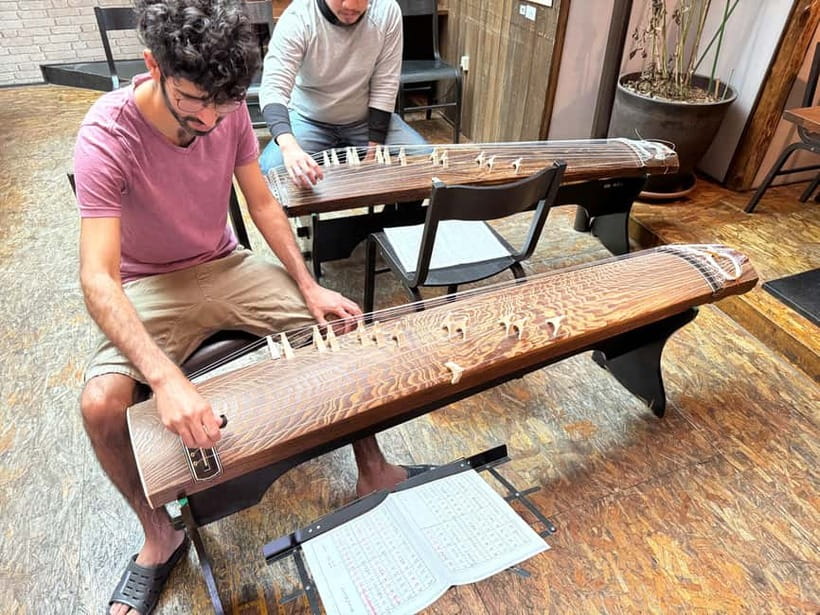
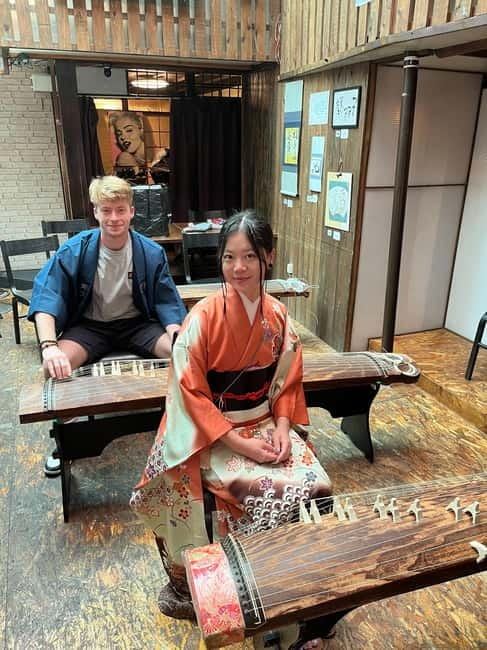
One of the best parts of this experience is that you do not need to bring anything or hunt for rentals. The class includes the koto and all necessary materials. That means you can focus on the lesson instead of logistics.
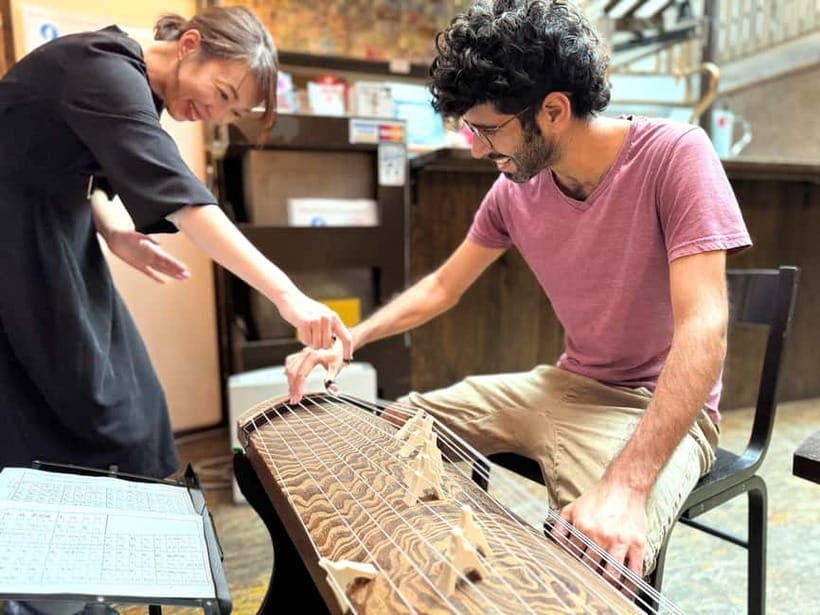
You also get a beginner-friendly experience style. Based on how the instructor is described, the coaching tone is gentle and supportive. People specifically mention patience and clarity, and that is exactly what matters when you are learning coordination for the first time.
As you begin, the goal is not perfection. It is control and comfort. You learn the basics you need to play Sakura Sakura, the famous Japanese folk song chosen as the class centerpiece.
Practical tip: if you usually travel with camera gear, plan to keep your hands free. You will be playing, so avoid bulky bags and make sure you can move smoothly while following instructions.
A different sort of day in Japan:
- Kyoto Geisha Walking Tour: Gion District & Hidden Gems
★ 4.7 · 3,273 reviews - Kyoto: Tea Ceremony Ju-An at Jotokuji Temple
★ 4.9 · 3,207 reviews - Kyoto: 45-Minute Tea Ceremony Lesson Experience
★ 4.3 · 2,378 reviews - Kyoto: Gion Geisha District Walking Tour – Stories of Geisha
★ 4.7 · 2,187 reviews
Playing Sakura Sakura in Kyoto: Your Real First Milestone
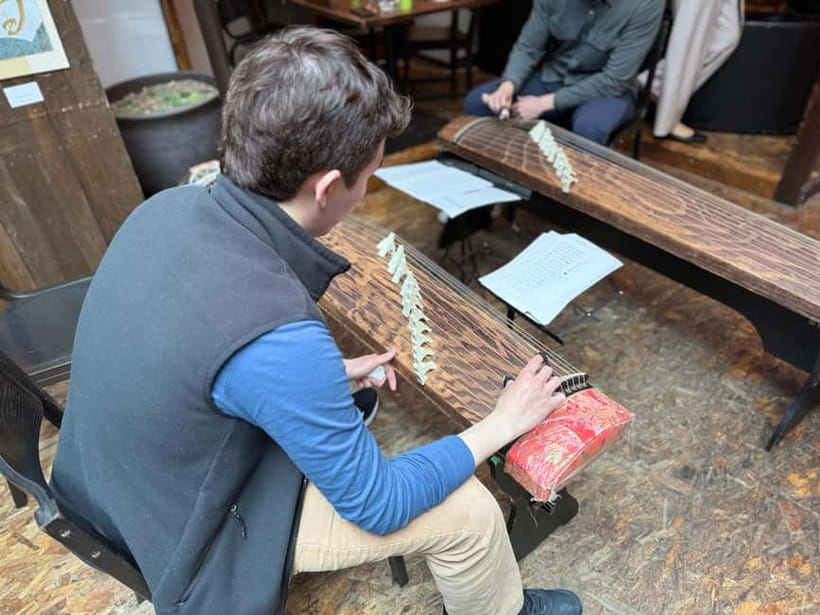
The lesson’s core goal is simple: learn to play Sakura Sakura. It is a well-known melody, which makes the achievement feel real. When you recognize the tune, you can tell quickly whether you are getting closer.
This is where the class feels most magical. You start with listening, then you try the melody yourself. That switch from audience to player is what turns a culture stop into a skill you carry home.
I like that the class does not stop at one attempt. You do not just hear the instructor play and then leave. You work toward actually producing the song, then you build from there.
Also, the teacher’s approach matters. In the feedback, Natsuko is mentioned positively and described as skilled and patient. That kind of instruction helps you correct mistakes without feeling embarrassed.
If you have zero instrument experience, you will still understand what you are doing. If you have played before, you will enjoy the cultural twist and the new sound world that koto brings.
After the Main Song: Trying Other Tunes Once You Feel Stable
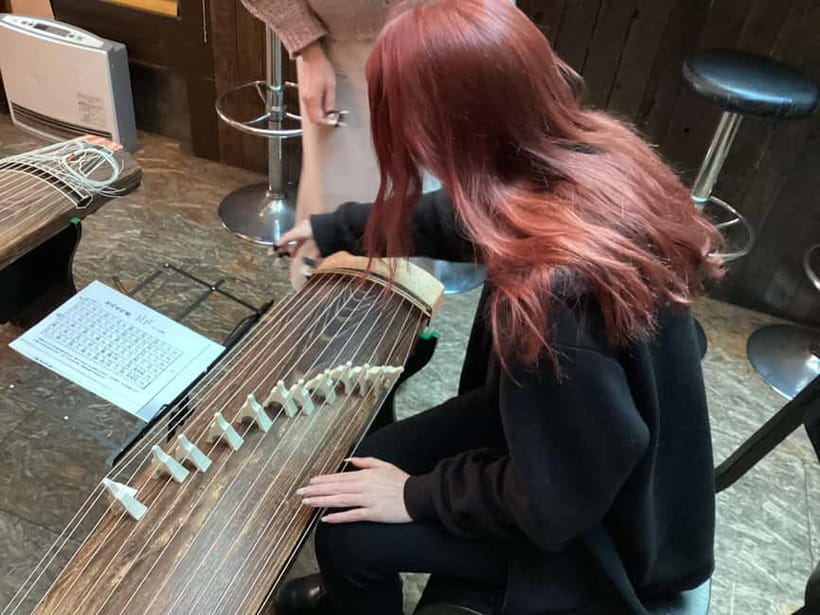
Once you manage Sakura Sakura, the lesson moves into trying other songs. This is a great follow-up because it keeps the class from feeling like a one-song workshop that ends too quickly.
It also gives you a sense of momentum. When you go home, it is not just one melody stuck in your memory. You have a taste of variety, which makes it more likely you will keep listening to koto music after your trip.
One practical way to make this part count: pay attention to what the instructor changes between songs, like the pacing and how you set up your playing for the next melody. Even as a beginner, noticing those shifts will help you feel more confident.
The Instructor Factor: Why Natsuko’s Style Works for Beginners
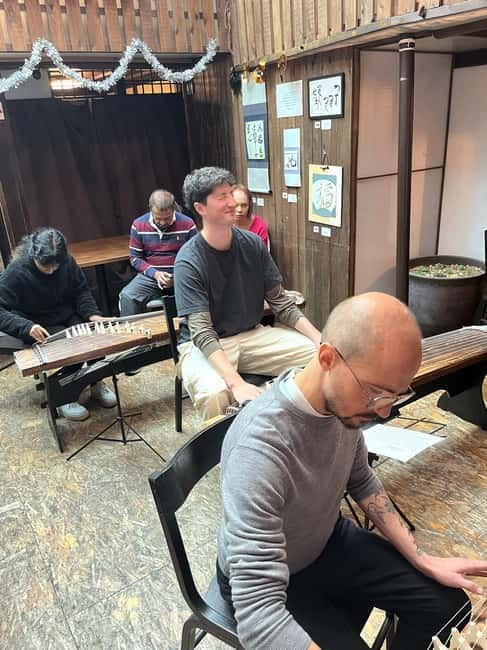
This class earns its high rating for a reason: the teaching style. Natsuko gets called out for being friendly, clearly skilled, and very patient. People also emphasize that the experience felt welcoming even for those who had never played an instrument before.
So here is what you should expect as a student. You get guidance that is not overly technical. You get corrections that aim to help you improve your sound, not overwhelm you with jargon. And because the group is small, you are less likely to be lost while others catch up.
If you are nervous about looking clumsy, that is normal. A good teacher protects your confidence. This lesson is designed for first-timers, and that shows in the way the coaching is described.
You can think of it like this: the instructor acts as a translator between your brain and your fingers, helping you turn intention into sound.
Photos and Videos During the Lesson: Record the Moment Without Stress
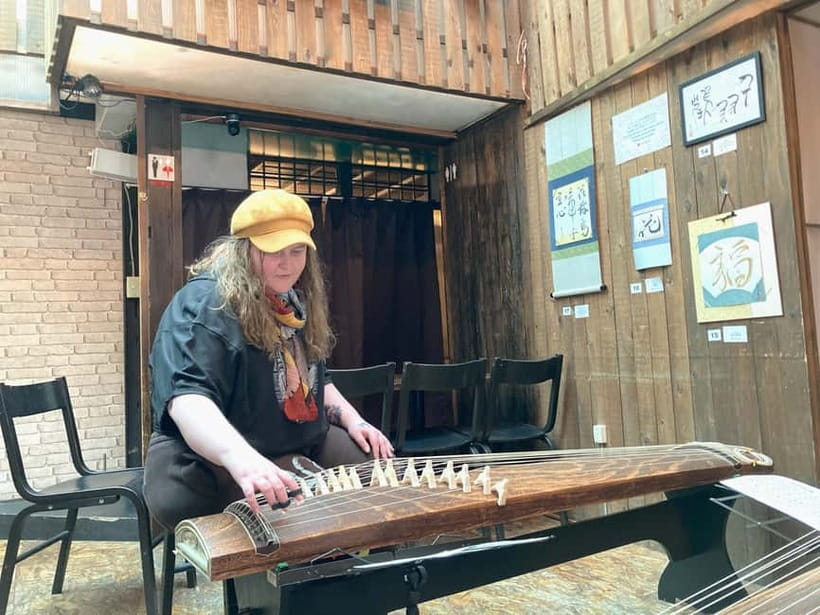
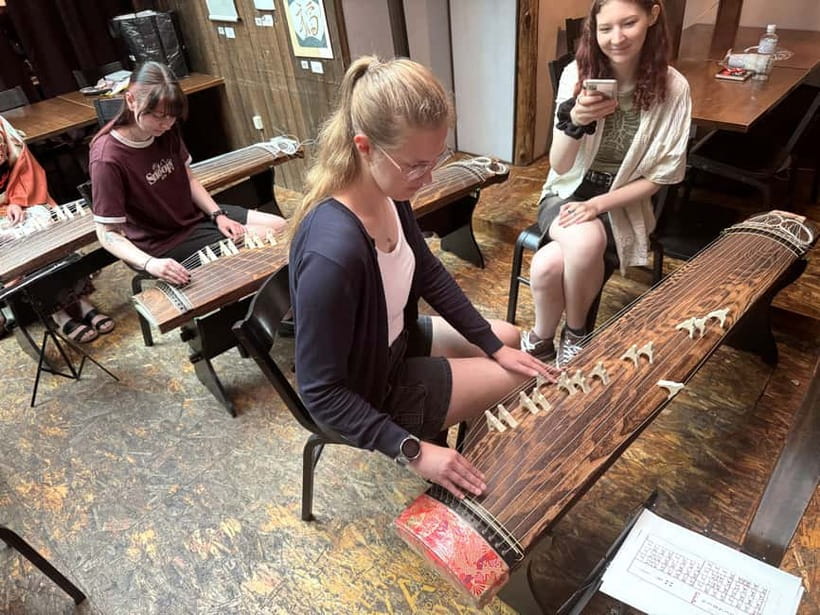
You are encouraged to capture photos and videos during the experience. That is a nice detail, because the first time you play something, you want proof and you want the memory.
My advice: choose a simple routine. Turn your phone on, set it to record or take photos, and then pause it when you need full attention on the instructor. Do not try to film and play at the same time, even if you see others doing it.
If you do this neatly, you will end up with a short clip or a couple of photos that actually bring you back to the feeling of learning, not just a blurred view of a room.
Logistics That Matter: Duration, Small Groups, and Where to Meet
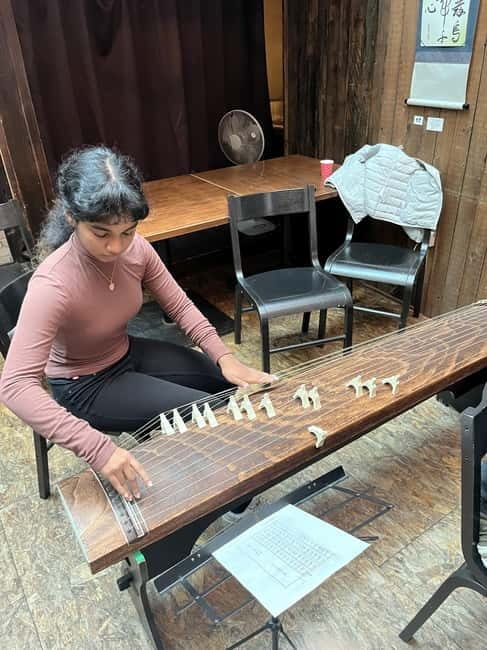
The lesson lasts 90 minutes. That is a comfortable length for a first instrument class. Long enough to hear a live piece, learn the basics, and reach a real outcome with Sakura Sakura. Not so long that you lose focus halfway through.
The group is limited to 10 participants. That matters because music lessons are attention-based. With a small group, you get more direct feedback, and you are less likely to wait through long pauses.
Languages are English and Japanese. If you are not comfortable in Japanese, you should still be able to follow along with the English support.
Wheelchair access is listed, so the space is set up to be accessible. If you use mobility devices, you should still confirm the exact best route to the room when you arrive, since buildings can differ by entrance.
Not suitable for children under 10. If you are traveling with kids younger than that, you will want a different activity option.
Price and Value: Is $32 Worth 90 Minutes of Koto?
At $32 per person for 90 minutes, this is priced like a serious cultural class, not a sightseeing add-on. The value comes from three things you do not always get together:
- Instruction from a skilled, patient teacher
- Materials provided, including the koto you play
- A real outcome, starting with Sakura Sakura and continuing into other songs
In other words, you are paying for time plus guided practice. You are not paying for a seat in a show. That changes how satisfying the experience feels when you walk out.
Also, the small group limit supports the value. When you get hands-on attention, you learn faster and you feel more connected to what is happening.
If you are doing a short Kyoto trip and you want one “active culture” experience, this is the kind of choice that pays off for years.
Cultural Payoff: Why a Folk Song Connects You to the Place
Koto music is not just pretty sound. It is tied to Japanese musical tradition, and learning a recognizable folk melody is a bridge between the culture you heard and the culture you lived.
When you play Sakura Sakura, you do more than imitate notes. You participate in a piece of Japanese musical storytelling that is widely known. That gives the music a personal anchor.
And because the lesson includes listening first, you also deepen your ear. After the class, you are more likely to notice how koto music differs from other Japanese instruments and how it carries emotion through melody and tone.
This kind of connection is hard to get from photos alone. You will still take plenty of pictures, but you will also take home something more lasting: a memory of learning.
Who This Kyoto Koto Class Is Best For
You will love this if you match any of these:
- You want a hands-on cultural activity in Kyoto
- You are a music lover who has never played before
- You like small group experiences with real instructor guidance
- You want a short, focused class that does not eat your whole day
You might skip it if:
- You are traveling with children under 10
- You prefer purely sightseeing with no active participation
- You are looking for a long performance rather than a beginner lesson
If you are on a tight schedule, this also works well because 90 minutes is easy to slot in between other Kyoto stops.
FAQ
Where is the Koto class meeting point?
It meets at Gojo Paradiso on Kiyamachi Street along the Takase River.
How far is Gojo Paradiso from the nearest stations?
It is about a 5-minute walk from Keihan Kiyomizu Gojo Station and about a 10-minute walk from Keihan Shichijo Station (386 meters from Kiyomizu Gojo Station).
How long is the class?
The experience lasts 90 minutes.
How much does it cost?
The price is $32 per person.
What language is the instruction in?
The instructor offers English and Japanese.
Is prior musical experience required?
No. Beginners are welcome, and koto and necessary materials are provided.
What song do you learn first?
You begin by learning the Japanese folk song Sakura Sakura.
Is the group large?
No. It is a small group limited to 10 participants.
Is it okay for kids?
It is not suitable for children under 10 years.
Should You Book This Kyoto Koto Class?
Yes, if you want a Kyoto experience that is practical, memorable, and beginner-friendly. The big win is that you do not just watch koto music, you learn to play it, starting with Sakura Sakura, with patient support from Natsuko and other instructors at Gojo Paradiso. At $32 for 90 minutes, with the instrument and materials included, it is a solid value for a skill you can actually brag about and revisit later.
Newly listed around Kyoto
- Taste of Nishiki Market Walking Food Tour with Local guide★ 5.0 · 17 reviews
- Kyoto: Sushi Making Class with Sushi Chef★ 4.8 · 64 reviews
- Simple Plan with Maiko★ 4.4 · 10 reviews
- Shibori Furoshiki Course at Kyoto Shibori Museum★ 5.0 · 21 reviews
- Kyoto: City Secrets eBike Tour★ 4.9 · 196 reviews
- Sacred Pathways: Discover the Philosopher’s Path of Kyoto★ 4.9 · 20 reviews
- Private Tour to Monkey Park and Arashiyama Highlights★ 5.0 · 22 reviews
- Private Nara Tour from Osaka – Meet at Your Hotel★ 5.0 · 22 reviews
Workshops, compared.
Sushi Making Tokyo Roll and Authentic Japanese Sushi Class
Read our review →
Roll and Authentic Sushi Making Class in Asakusa
Read our review →
Ramen Cooking Class at Ramen Factory in Kyoto
Read our review →
Sushi Making Class in a Happi Coat near a Famous Spot
Read our review →

Tokyo Sushi Making Class in Tsukiji with Professional Chef
Read our review →
Ramen & Gyoza Cooking Class in Tokyo with Local Supermarket Visit
Read our review →Browse the lists this tour appears in