
Review · MATCHA & TEA CEREMONY SESSIONS
Kyoto: Kimono Tea Ceremony with Matcha and Sweet
Whisk matcha, then wear Kyoto on your sleeves. I love the combo of kimono dressing and a real tea master-led ceremony with calm, step-by-step guidance. The hands-on matcha part is especially satisfying because you make your own bowl of matcha with premium powder.
One thing to keep in mind: the session starts with getting dressed, and that kimono fitting can move quickly, so you may feel slightly rushed if you want lots of extra makeup time.
In This Review
- Key things I’d remember
- Kyoto Kimono and Matcha: What makes this tea ceremony feel special
- Getting dressed in kimono: what happens before the tea starts
- Inside the tea room: etiquette, tools, and the Zen behind it
- Matcha making, hands-on: turning lessons into your own bowl
- Wagashi sweets by season: the dessert that teaches manners
- Tatami mats or bamboo chair: comfort tips that help you enjoy it
- Group size and pacing: what 12 to 14 participants changes
- Photos in kimono: how to get great memories without losing the mood
- Price and value of $66 for a kimono, matcha, and ceremony
- Who this suits best in Kyoto (and who should consider alternatives)
- Quick practical checklist before you go
- Should you book this Kyoto kimono tea ceremony?
- FAQ
- How long is the Kyoto kimono tea ceremony experience?
- Does the price include kimono dressing?
- Is this tea ceremony guided in English?
- Do I sit on tatami mats?
- Can I use a chair instead of floor seating?
- What ages are allowed?
- Is matcha preparation hands-on?
- Is hair styling included?
- Is transportation included to and from the venue?
Key things I’d remember
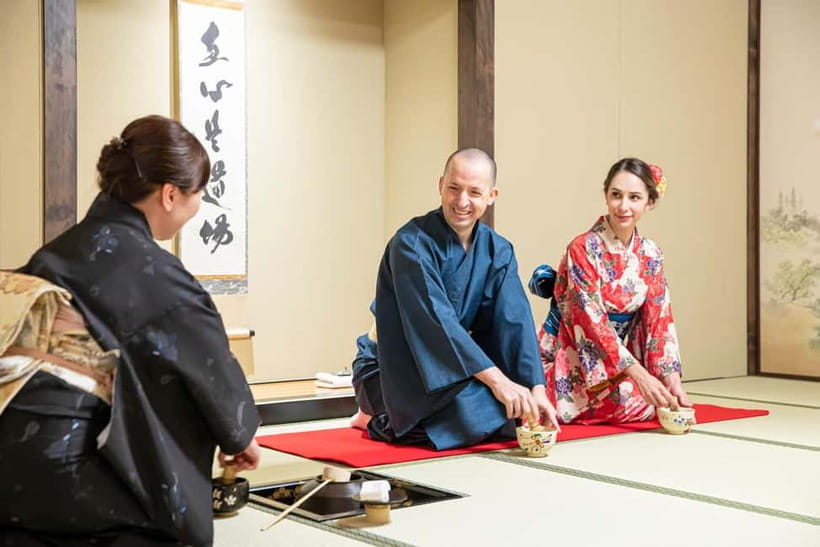
- Kimono choice plus styling: staff help with dressing, and women with long hair get hair styling
- English-led tea master experience: you learn tools, history, and etiquette while watching and then participating
- Your own bowl of matcha: you whisk and taste what you make, not just observe
- Seasonal wagashi: sweets change with the seasons in flavor, color, and design
- Zen values built into the ritual: Wa, Kei, Sei, Jaku are explained through the movements and manners
- Comfort options for seating: tatami is standard, with bamboo chairs available if you request ahead
Kyoto Kimono and Matcha: What makes this tea ceremony feel special
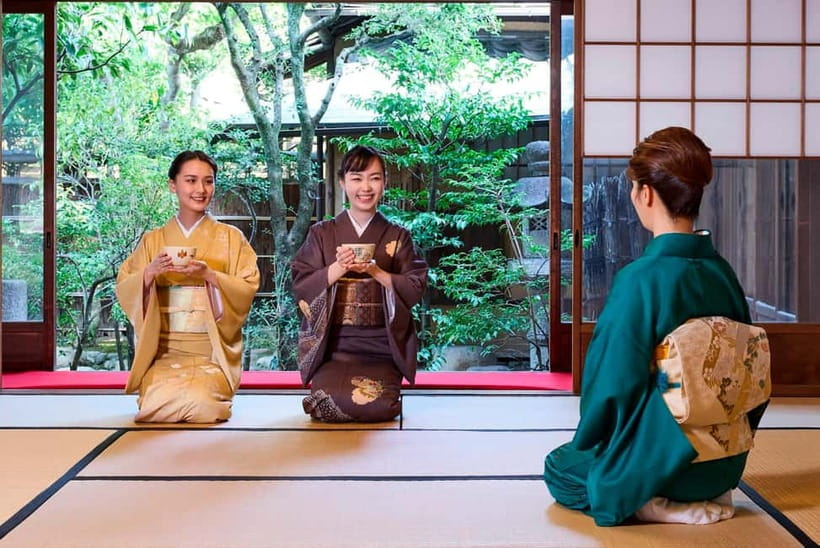
Kyoto has tons of culture you can watch from a distance. This experience asks you to slow down and do something hands-on, where manners, pace, and attention matter. You start by stepping into a traditional tea room dressed in a kimono, then you learn the logic behind the ritual, not just the motions.
Two parts tend to make people smile immediately. First, the kimono dressing is a full experience by itself. Staff help you get into the kimono properly, and the result looks stunning in photos both before and after the ceremony. Second, you don’t stop at tasting, you make the matcha. You’ll whisk your own bowl with premium matcha and learn why the texture, temperature, and technique matter.
The overall tone is calm and guided. You’ll hear about the Zen principles behind tea, and you’ll see how those ideas show up in small details like posture, how utensils are handled, and how you greet and receive the bowl. It’s not a party, it’s a focused reset.
More Kimono Rentals in Kyoto
- Kimono Tea Ceremony at Kyoto Maikoya, NISHIKI
★ 5.0 · 911 reviews - Kyoto: Kimono Rental with Hairstyling and Accessories
★ 4.8 · 653 reviews - KYOTO Tea Ceremony with kimono near by Imamiya Jinjya Shrine
★ 5.0 · 343 reviews
Getting dressed in kimono: what happens before the tea starts
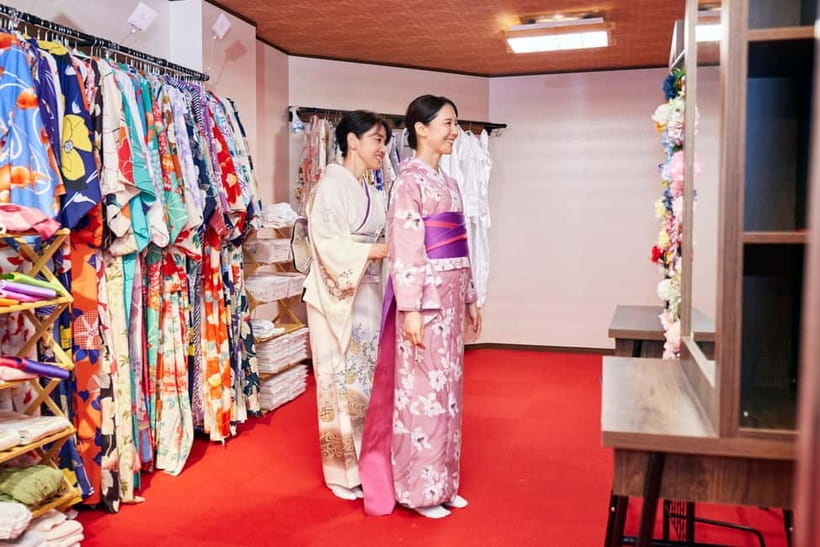
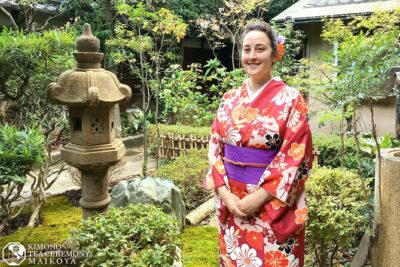
The session begins with kimono dressing, and that part is built to feel supportive, not stressful. You’ll choose from a range of kimonos, and staff then assist with dressing so the fit looks right. Women with long hair can also get hair styling as part of the included service.
This is one reason the experience works well as a first-timer activity. You’re not guessing how to wear layers, tie an obi, or manage sleeves. Instead, you get help, which means you can concentrate on looking presentable and comfortable for the tea room.
A practical note: because the day starts with dressing, timing can feel tight if you’re the type who wants time for careful makeup touches after. If that’s you, plan to arrive with your base ready, and treat the kimono fitting like the main event clock.
Inside the tea room: etiquette, tools, and the Zen behind it
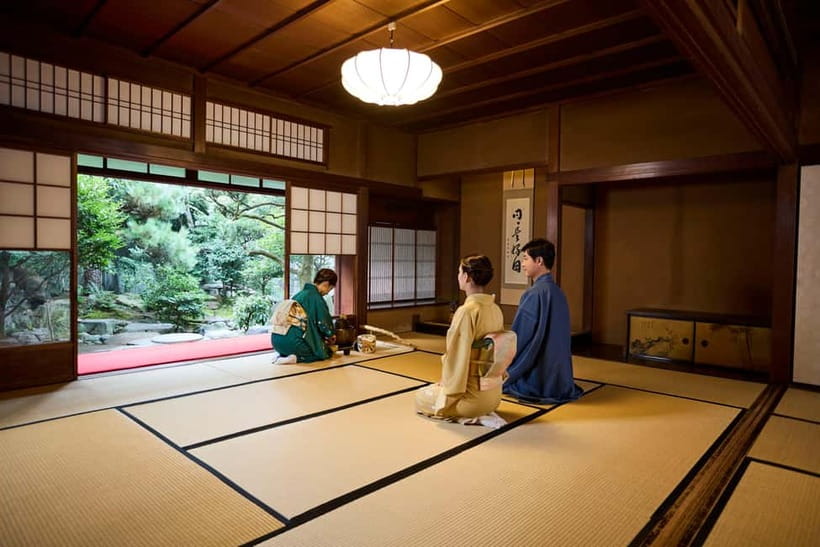
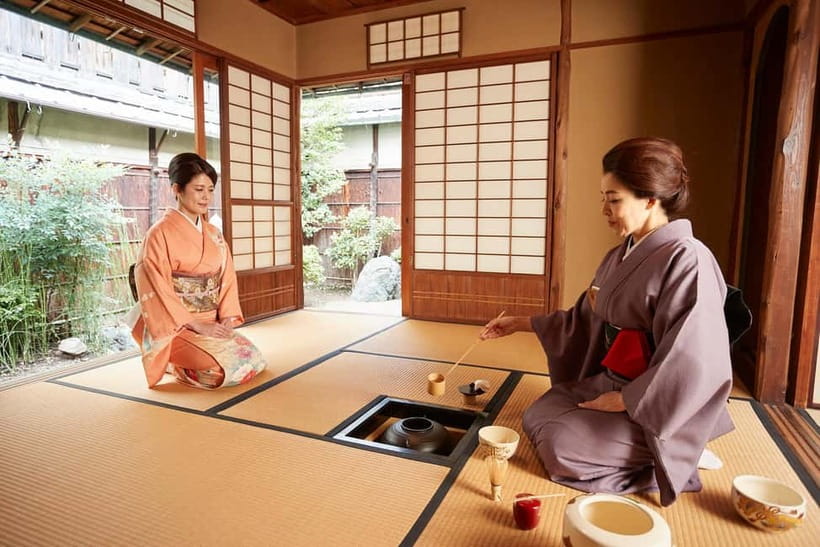
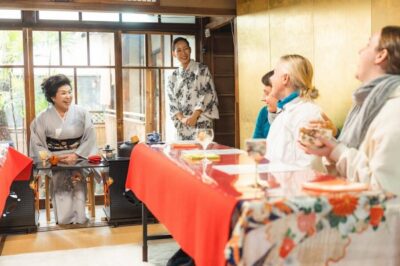
Once you’re dressed, you’ll sit in a traditional tea setting where the tools and utensils are arranged for the ritual. If you’re used to plastic trays at a cafe, this will feel like a different world. Everything has a place, and each action has a reason.
A skilled tea master leads the ceremony, and the guidance is in English, so you’re not stuck guessing what you’re watching. You’ll observe the full process, and you’ll learn the history, the tools, and the etiquette that surround the ceremony. The explanations also connect the ritual to Zen principles, including Wa (harmony), Kei (respect), Sei (purity), and Jaku (tranquility). Those words may sound abstract at first, but they become clear through behavior: how you move, how you hold the bowl, and how you respond to others in the room.
Names of hosts you might meet come up in real sessions, like Maki and Megumi, and that matters. In practice, a good host makes the room feel welcoming. They keep the pace comfortable, explain step by step, and encourage you to participate without making it feel like a test.
Matcha making, hands-on: turning lessons into your own bowl
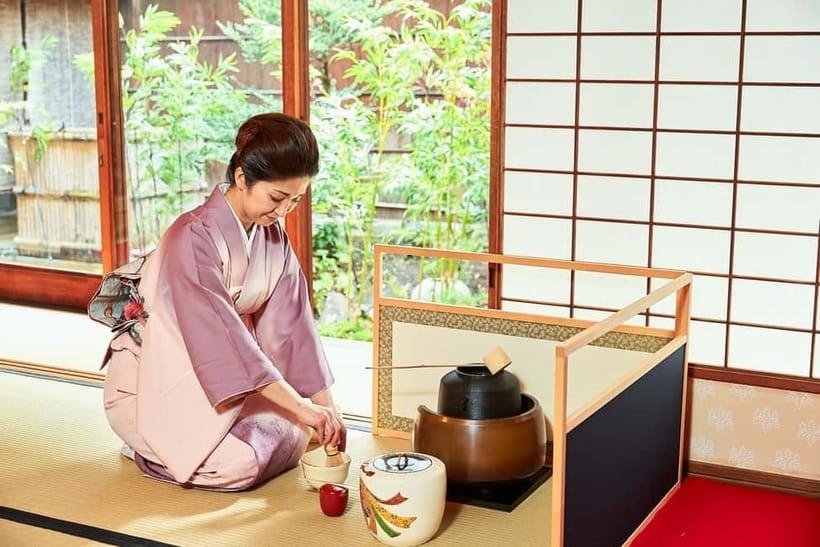
This is where the experience clicks from cultural viewing to personal memory. After you watch the tea master, you’ll make your own matcha bowl using high-quality matcha powder. You’ll learn how to assemble and prepare it, then you’ll taste what you created.
If you’ve only had matcha drinks from a bottle or a supermarket packet, you’ll likely notice two things fast: the texture and the freshness of the whisked foam. The ceremony approach focuses on getting the matcha properly mixed so it’s smooth and frothy. That’s not just a detail, it’s the point of the ritual.
The guidance here also helps you understand why tea ceremony isn’t only about taste. It’s about attention. When you’re whisking, you’re doing something precise with your hands while you listen and watch. That combination is a good antidote to travel fatigue.
More Tea Ceremonies in Kyoto
- Kyoto: Tea Ceremony in a Traditional Tea House in Kiyomizu
★ 4.9 · 3,519 reviews - Kyoto: Tea Ceremony Ju-An at Jotokuji Temple
★ 4.9 · 3,207 reviews - Kyoto: 45-Minute Tea Ceremony Lesson Experience
★ 4.3 · 2,378 reviews - Kyoto: Table-Style Tea Ceremony at a Kyo-Machiya
★ 4.9 · 1,211 reviews
Wagashi sweets by season: the dessert that teaches manners
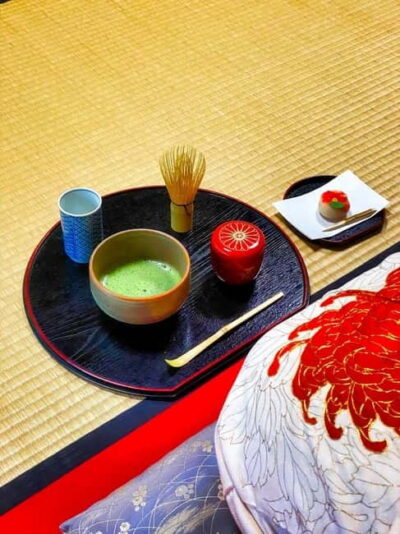
Wagashi are traditional Japanese sweets served alongside the tea, and they change with the seasons. That means you’re not just getting a random snack. You’ll see sweets with seasonal flavor, color, and design, and the ceremony gives you time to take them in properly.
This matters because wagashi are part of how tea prepares you for the matcha. Sweetness and presentation are tuned to the time of year, and that seasonal shift is one of the ways tea connects the day you’re having to the larger rhythm of Japan.
If you care about food culture, this is a nice payoff. You’ll taste sweets designed to be enjoyed calmly, not shoved in between sightseeing stops. It feels more like a curated pause than a hurried treat.
Tatami mats or bamboo chair: comfort tips that help you enjoy it
Traditional tea rooms often expect tatami seating. Here, tatami is customary, but there are options if you need them. Wooden chairs and bamboo chairs are available upon request, and they’re there for comfort. That’s important, because the ceremony can be awkward if you’re fighting stiff knees or a sore back.
My advice: if you know sitting on the floor is hard for you, request the chair option in advance. Don’t wait until the day of. Getting comfortable early helps you focus on learning rather than negotiating your body.
Also, plan your expectations. This isn’t a long lecture where you can stand up whenever. You’ll be seated through parts of the ceremony and matcha preparation, so a little comfort planning goes a long way.
Group size and pacing: what 12 to 14 participants changes
Your session won’t be private. The group is typically around 12 to 14 participants, and sessions are run with bilingual staff assistance. That size usually keeps things personal enough for questions while still feeling like a real tea room rather than a crowded workshop.
Pacing is part of the experience. You’ll start with kimono dressing, then move into the tea room, observe the ceremony, and then make your own matcha. The full session is listed around 90 minutes, but you should expect the experience to run about 90 to 120 minutes.
This timing matters for your Kyoto day plan. Build in a buffer afterward. You’ll likely want a few minutes to settle, take photos, and let the calm linger before you jump back into temples and streets.
Photos in kimono: how to get great memories without losing the mood
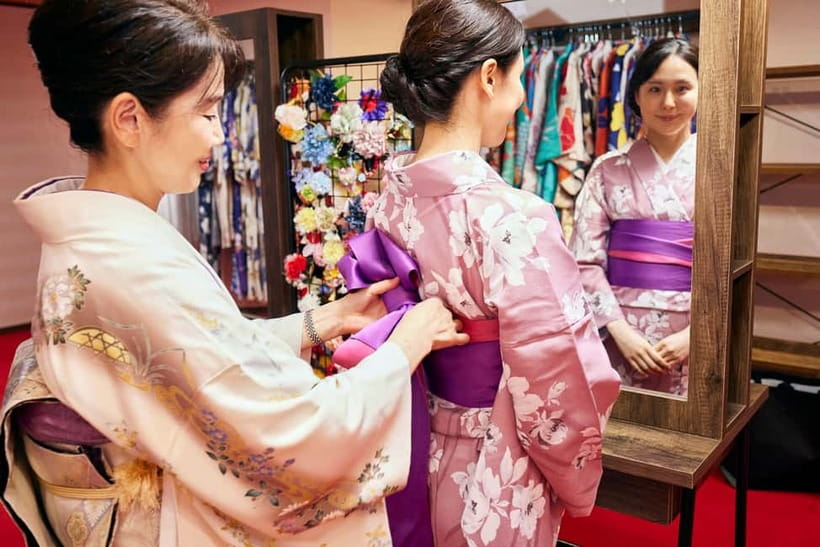
Kimono photos are one of the most obvious reasons people book this. The good news is that the experience includes time for photos both before and after the ceremony. That means you can create memories without feeling like you’re interrupting the ritual every five seconds.
If you want the best results, come ready to move. You’ll be dressed in layers, and your sleeves can catch on doorways or chairs if you’re careless. Move slowly, let staff guide you, and you’ll avoid the frantic scramble that ruins pictures.
Also, keep your phone use respectful once the tea begins. This isn’t a performance you can treat like a video set. If you stay calm and follow the lead of the tea master, you’ll get the photos, plus you’ll keep the room’s peaceful vibe intact.
Price and value of $66 for a kimono, matcha, and ceremony
At $66 per person for about 90 minutes, this sits in the midrange for Kyoto cultural experiences. The value is not just that you get a show. You get kimono dressing, English guidance, a tea ceremony led by a tea master, and hands-on matcha preparation, plus wagashi.
For me, the best value check is this: how much of the experience is interactive? Here, you’re not only watching and listening. You’re whisking and tasting what you made. That makes the experience feel like you carried home a skill, not only a photo.
You’re also paying for the staff effort that most DIY options don’t provide. Dressing properly in a kimono takes time and know-how, and the tea master’s explanations connect the ritual to Zen principles. If you’ve ever tried to learn tea culture from a book while standing in a souvenir street, you know how much context you miss.
One more practical value point: the group size keeps the experience from feeling like a conveyor belt, even though it’s not private. That balance is often what makes a cultural activity feel worth the money.
Who this suits best in Kyoto (and who should consider alternatives)
This is a great match if you want a calm, structured cultural moment in the middle of travel. You’ll enjoy it if you like food culture, enjoy hands-on activities, or simply want a meaningful break from busy sightseeing days.
It also works well for couples and friends. Several of the most enthusiastic experiences are the kind where someone surprised a partner with kimono time, and both people enjoyed the learning. It’s also a strong choice for first-time visitors to tea culture because the English guidance reduces confusion fast.
Who should think twice? If you hate sitting on tatami for long periods, don’t ignore the comfort options. Request bamboo or wooden seating ahead of time. If you have very young kids, this one is not suitable for children under 7.
Finally, if you’re obsessed with personal control of every moment, you might find the flow feels guided. But that’s also why tea ceremony works. The structure is the comfort.
Quick practical checklist before you go
Bring:
- comfortable clothing underneath your kimono fitting
- an open mind about etiquette and slow pace
- patience for a session that runs closer to 90 to 120 minutes than a strict clock
Know the basics:
- kimono dressing happens first
- tatami is standard, seating alternatives are available by request
- the ceremony includes learning, making matcha, and eating seasonal wagashi
- it’s guided in English
One small tip: show up a little early so you’re not rushing through dressing. That makes the whole ritual feel calmer, and your photos will look better too.
Should you book this Kyoto kimono tea ceremony?
Book it if you want a Kyoto experience that’s more than a photo stop. This is one of the better ways to get hands-on matcha skills, learn etiquette, and sit with the Zen ideas that explain why tea looks the way it does.
Skip it or choose carefully if you need lots of flexibility because the session has a set flow, and the start includes kimono fitting that can feel fast. Also skip if your group includes children under 7.
If your ideal Kyoto day includes calm, beauty, and a small skill you can use after, this is a strong yes.
FAQ
How long is the Kyoto kimono tea ceremony experience?
The experience is listed at about 90 minutes, and it may run approximately 90 to 120 minutes.
Does the price include kimono dressing?
Yes. Kimono dressing is included in the experience.
Is this tea ceremony guided in English?
Yes. The instruction is in English, with bilingual staff assistance.
Do I sit on tatami mats?
Tatami seating is customary. If you prefer not to sit on tatami mats, bamboo chairs are available upon advance request.
Can I use a chair instead of floor seating?
Wooden chairs are available upon request, and bamboo chairs are also available if you request in advance.
What ages are allowed?
Children under 7 are not allowed.
Is matcha preparation hands-on?
Yes. You’ll participate in hands-on matcha tea preparation and make your own bowl of matcha.
Is hair styling included?
Hair styling is included for women with long hair only.
Is transportation included to and from the venue?
No. Transportation to and from the venue is not included.
Newly listed around Kyoto
- Taste of Nishiki Market Walking Food Tour with Local guide★ 5.0 · 17 reviews
- Kyoto: Sushi Making Class with Sushi Chef★ 4.8 · 64 reviews
- Simple Plan with Maiko★ 4.4 · 10 reviews
- Shibori Furoshiki Course at Kyoto Shibori Museum★ 5.0 · 21 reviews
- Kyoto: City Secrets eBike Tour★ 4.9 · 196 reviews
- Sacred Pathways: Discover the Philosopher’s Path of Kyoto★ 4.9 · 20 reviews
- Private Tour to Monkey Park and Arashiyama Highlights★ 5.0 · 22 reviews
- Private Nara Tour from Osaka – Meet at Your Hotel★ 5.0 · 22 reviews
Matcha & Tea Ceremony Sessions, compared.
Tea Ceremony in a Traditional Tea House in Kiyomizu
Read our review →
World Heritage Kyoto & Nara Uji Authentic Matcha Experience
Read our review →
Browse the lists this tour appears in