
Review · WORKSHOPS
Kyoto: Kintsugi Jewelry Workshop with Natural Stones
Kintsugi turns broken into beautiful. This Kyoto workshop lets you make your own kintsugi jewelry near Fushimi Inari Taisha, using gold powder and vibrant stone choices inside a 100-year-old townhouse.
I love that you get real guidance from Natsuka as you work step by step, and I love the upcycling angle, turning pottery shards into wearable pieces with meaning. The one thing to consider is that the studio is not wheelchair-friendly, and the meeting area is in a narrow alley with no parking.
If you want a calmer Kyoto break from temples and crowds, this is a great fit. You can also choose your accessory type, so you end up with something you’ll actually wear.
In This Review
- Key Things I’d Book This For
- A Slow, Satisfying Craft Session in the Shadow of Fushimi Inari
- Finding the Atelier Near Fushimi Inari Without Stress
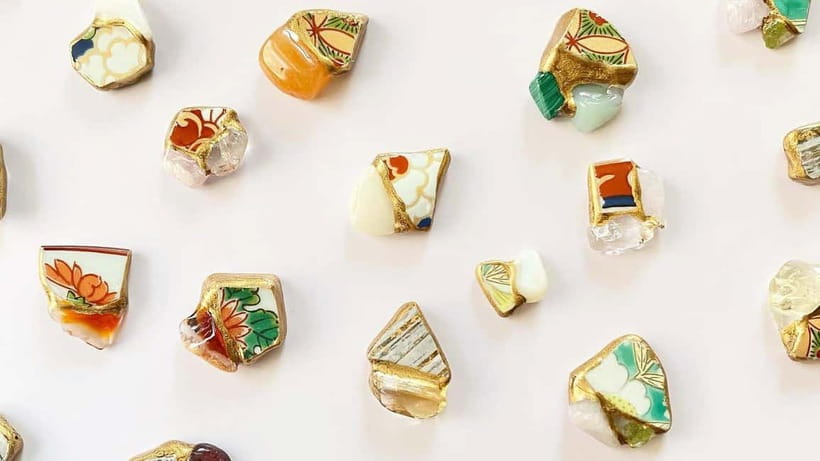
- What You Make: Jewelry From Pottery Shards and Natural Stones
- The Real Meaning of Kintsugi (And Why It Matters for Your Piece)
- The Workshop Flow: How 150 Minutes Feels Productive, Not Rushed
- 1) Choose your components
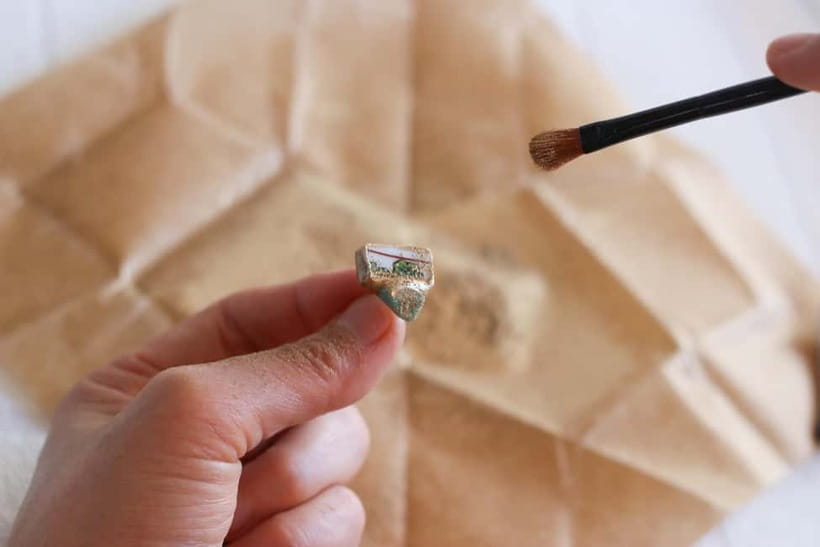
- 2) Learn the method, then try it
- 3) Build your jewelry piece
- 4) Polish and finish, then take it home
- What you can expect socially
- The Craft Space: Why a Kyoto Townhouse Changes the Mood
- Price and Value: Is $106 a Fair Deal?
- Who This Workshop Fits Best (And Who Might Want to Choose Otherwise)
- What to Do Before You Go (Practical Tips That Help)
- Should You Book This Kyoto Kintsugi Jewelry Workshop?
- FAQ
- How long is the Kyoto Kintsugi Jewelry Workshop?
- What type of jewelry can I make in this workshop?
- Are materials included?
- Is synthetic lacquer used, and why?
- Can I take the jewelry home the same day?
- How big is the group?
- What languages does the instructor speak?
- Where is the workshop located and how close is it to Fushimi Inari Taisha?
- Is there parking at the atelier?
- What are the cancellation and payment options?
Key Things I’d Book This For
- A small group (limited to 10), so you get help without rushing
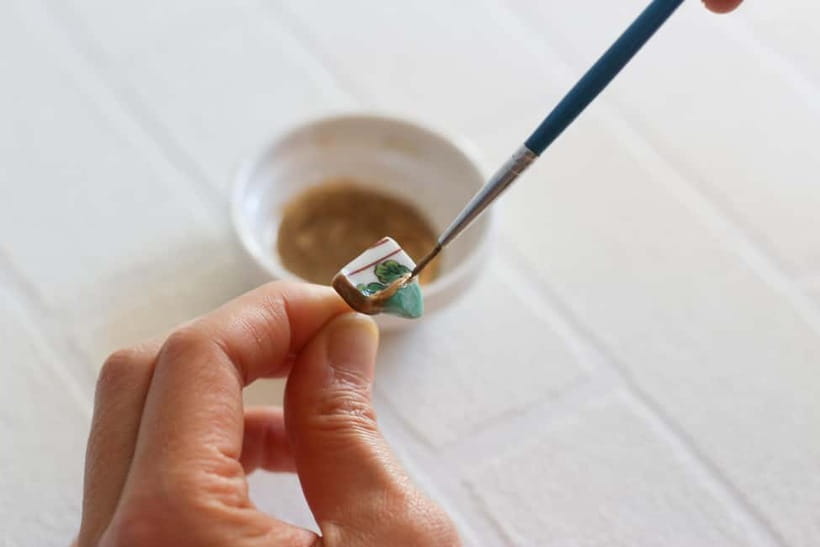
- Gold powder + synthetic lacquer to avoid allergy issues
- Pick from named pottery regions, including Arita, Karatsu, Oribe, Kyoto, Shigaraki, and Hagi
- Lots of accessory formats, from earrings to brooches, rings, tie pins, cufflinks, and more
- Take home the finished jewelry the same day
A Slow, Satisfying Craft Session in the Shadow of Fushimi Inari
Kyoto does “big sights” really well, but this workshop gives you a different kind of Kyoto souvenir. Kintsugi is about repairing with intention, not hiding damage. In your hands, it becomes a design tool: lines become highlights, and cracks become part of the story.
This class is also timed well for people who want something productive but not exhausting. The total duration is 150 minutes, so you’re not committing to half a day of travel and waiting around.
Finally, the location makes it easy to pair with sightseeing. The atelier is described as about a 3-minute walk from Fushimi Inari Taisha, and the official meeting point is also close to major rail stops.
A few more Kyoto days to weigh up
- PERFECT KYOTO 1-Day Bus Tour
★ 5.0 · 13,518 reviews - Kyoto: Fushimi Inari, Kinkakuji, Bamboo Grove 1 Day Bus Tour
★ 4.8 · 4,316 reviews - Kyoto: Tea Ceremony in a Traditional Tea House in Kiyomizu
★ 4.9 · 3,519 reviews
Finding the Atelier Near Fushimi Inari Without Stress
The workshop happens in a traditional 100-year-old one-story Kyoto townhouse. At the entrance, there’s a white hanging curtain (you’ll want to look for that as a visual cue when you arrive).
For transit, you can plan around either:
- A 5-minute walk from Keihan Ryukoku Daimae-Fukakusa Station
- A 5-minute walk from JR Inari Station
One practical heads-up: there’s no parking available. The street in front of the atelier is a narrow alley, not a vehicle-friendly place. If you’re driving, you’ll want to park elsewhere and walk the final stretch.
If you like certainty, use the provided photo map for the route from the nearest station. That narrow-alley element is exactly where trips can go sideways if you rely on guesswork.
What You Make: Jewelry From Pottery Shards and Natural Stones
This is not a generic “make a charm” class. You’re creating jewelry using a kintsugi-inspired repair approach, which means pottery fragments are a feature, not waste.
You get to choose from:
- Pottery shards (including Arita, Karatsu, Oribe, Kyoto, Shigaraki, and Hagi)
- Decorative materials like stained glass, natural stones, shells, and pearls
That choice part matters more than it sounds. Different ceramics bring different shapes and color tones, and you can match those tones to the kind of jewelry you want to wear. It’s a hands-on way to connect with Japanese craft traditions without needing to be an expert first.
On top of that, you can usually pick your accessory type. Options listed include:
- Earrings
- Rings
- Necklaces
- Brooches
- Tie pins
- Cufflinks
- And more accessory formats
In a workshop like this, the final piece tends to look more personal when you choose for your own wardrobe. If you like subtle sparkle, choose stone-heavy combinations. If you prefer statement jewelry, go bolder with your pottery shard size and outline.
The Real Meaning of Kintsugi (And Why It Matters for Your Piece)
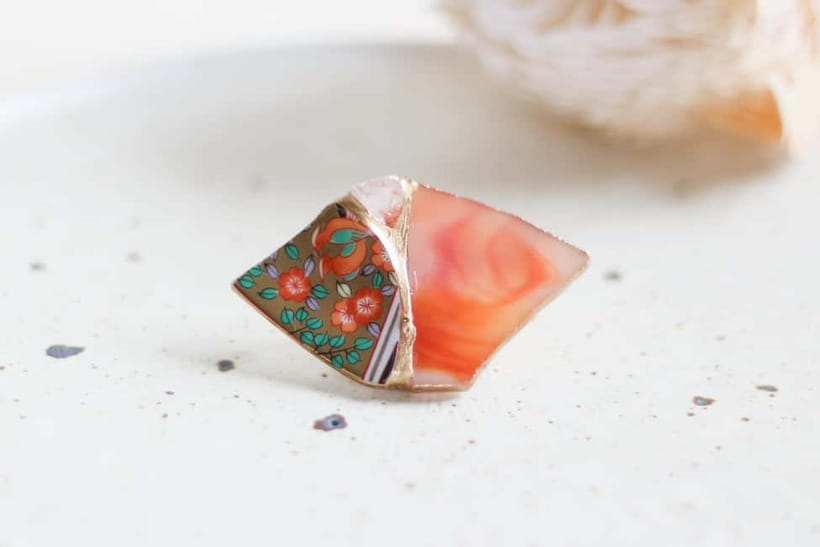
Kintsugi is a repair tradition that dates back to the Japanese idea of valuing what’s already there. Instead of covering damage, you highlight it with contrast and shine. In this workshop, that contrast comes from synthetic lacquer and gold powder.
You’ll learn the history and cultural significance of kintsugi, and you’ll also hear about ideas like wabi-sabi, which is often connected to accepting imperfection as part of life and beauty. The point is not just aesthetic. It changes how you think about the materials while you work.
You also learn about where the upcycled pottery comes from. That matters because each pottery style has its own identity in Japan, and it’s the difference between a random shard and a meaningful fragment. Even if you’re only learning for one afternoon, you’re not just assembling parts. You’re making something informed.
A different sort of day in Japan:
- Kyoto Geisha Walking Tour: Gion District & Hidden Gems
★ 4.7 · 3,273 reviews - Kyoto: Tea Ceremony Ju-An at Jotokuji Temple
★ 4.9 · 3,207 reviews - Kyoto: 45-Minute Tea Ceremony Lesson Experience
★ 4.3 · 2,378 reviews - Kyoto: Gion Geisha District Walking Tour – Stories of Geisha
★ 4.7 · 2,187 reviews
The Workshop Flow: How 150 Minutes Feels Productive, Not Rushed
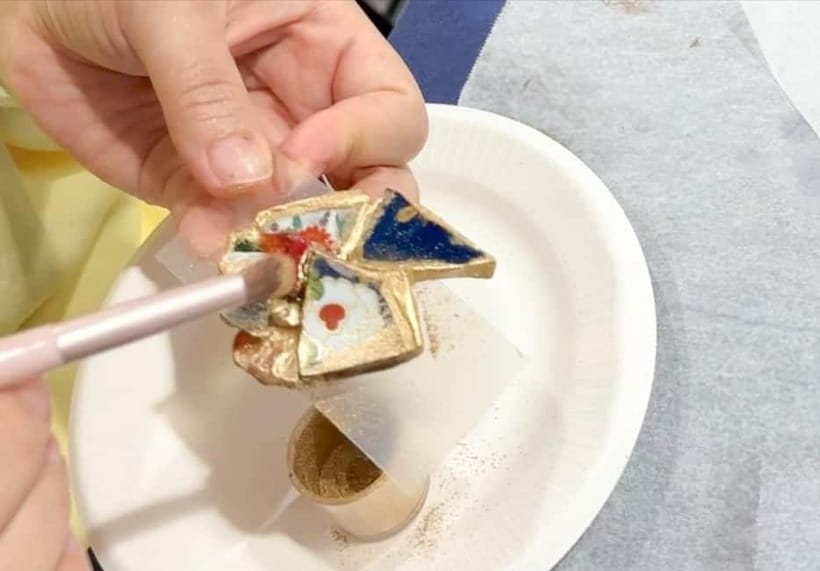
This class is built around doing, not watching. You start with an introduction to the kintsugi process, and then Natsuka guides you through the steps. The workshop is set up as a creative session where you can take your time designing.
Here’s what the rhythm usually feels like:
1) Choose your components
You’ll pick pottery shards and natural stones (and other options like pearls, shells, or stained glass). This is where you get to think like a designer instead of just a student.
2) Learn the method, then try it
You work with synthetic lacquer and gold powder. The technique is traditional in spirit, but the workshop uses synthetic lacquer to help avoid allergic reactions. That’s a very practical choice, especially for a hands-on craft.
3) Build your jewelry piece
Once you’ve decided on your accessory type, you apply the kintsugi joining method in a way that turns repaired lines into part of the design. You’re not aiming for invisibility. You’re aiming for cohesion and character.
4) Polish and finish, then take it home
You finish with jewelry you can take home the same day. That’s a big deal in a craft class, because you don’t need to worry about return shipping, pickup hassles, or unfinished work the next time you’re in town.
One more detail I appreciate: this doesn’t read like a factory class. The instructor’s style is described as patient and calm, with plenty of time for design. In at least one case, the session ran longer because the group wanted time to refine. That tells me the workshop prioritizes quality over speed.
What you can expect socially
This is a small group experience, limited to 10 participants. Reviews describe a cozy, creative atmosphere that helps people slow down. If you’re traveling solo, that structure makes it easier to chat without feeling crowded.
The Craft Space: Why a Kyoto Townhouse Changes the Mood
Making kintsugi in a 100-year-old townhouse near Fushimi Inari is not just a nice backdrop. It changes the feel of the workshop. You’re doing a mindful repair art in a setting that already carries quiet character.
The atelier setup is described as welcoming and cozy. You’ll also be provided with refreshment during the session, which helps turn it from a quick activity into a real reset.
If Kyoto feels intense to you some days, this is the kind of break that feels restorative. It’s creative work with a cultural story attached, but without the pressure of a performance or a lecture marathon.
Price and Value: Is $106 a Fair Deal?
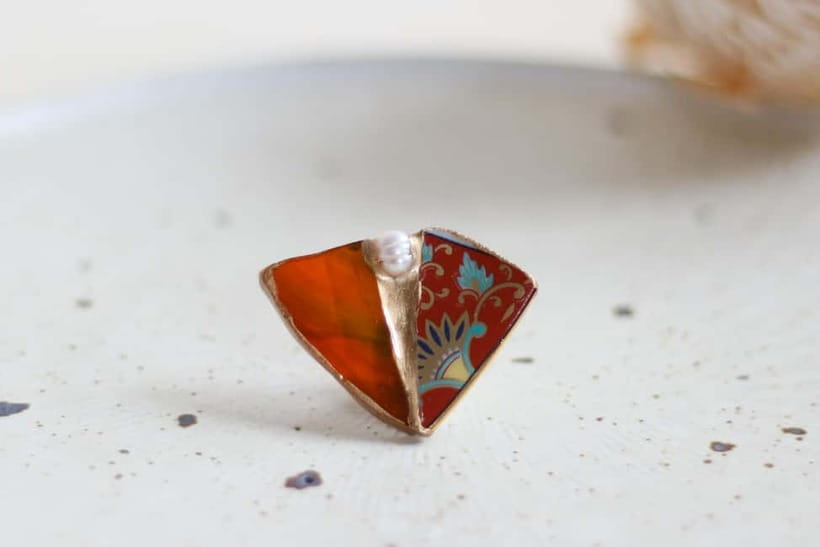
The price is listed at $106 per person for 150 minutes. On paper, that can sound high compared to other activities. But in practice, the value is better if you care about materials, instruction, and the fact that you take home finished jewelry.
Here’s where the value comes from:
- You get an instructor guiding you through the kintsugi process
- Materials are included, including synthetic lacquer and gold powder
- You get to choose from multiple categories of pottery and decorative elements
- The output is wearable, not a decoration you’ll forget in a drawer
- The session length is long enough to actually complete your piece(s)
Also, the workshop experience is described as including time for learning the origins of the pottery fragments and the history of kintsugi, not just the technical steps. That adds meaning, and it can make the final souvenir feel more like a memory than a purchase.
If your goal is simply a cheap souvenir, skip it. If your goal is a one-of-a-kind piece with a story you can explain, this is strong value.
Who This Workshop Fits Best (And Who Might Want to Choose Otherwise)
This experience is a great fit if you want:
- A creative Kyoto activity with small-group attention
- A hands-on lesson tied to Japanese culture
- A wearable souvenir built from broken pottery, not mass-produced goods
- A calmer way to spend time on a rainy day
It is not suitable for wheelchair users, so mobility needs matter here. Also, since the workshop location is in a narrow alley with no parking, it’s best for walkers and people using rail transit.
If you don’t enjoy craft work at all, you might find the slower, detail-focused pace hard to get into. But if you like the idea of repairing and designing with your hands, it’s exactly the right temperament.
What to Do Before You Go (Practical Tips That Help)
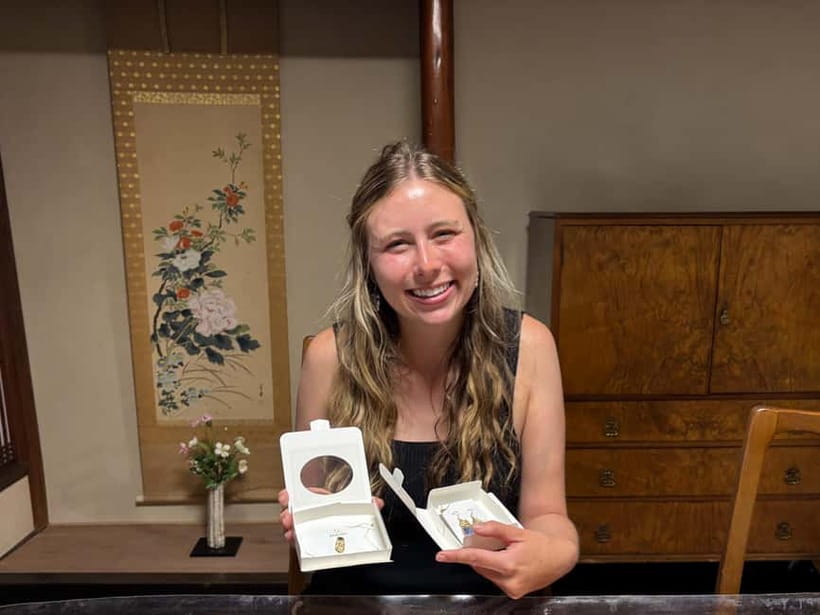
To make your visit smooth:
- Plan to walk from Inari Station or Ryukoku Daimae-Fukakusa Station. The final approach is short but in an alley.
- If you’re sensitive to materials, you’ll be glad the workshop uses synthetic lacquer to avoid allergic reactions.
- Go in with an idea of the accessory type you want, like earrings or a brooch. That keeps your design choices focused from the start.
Also, keep your expectations realistic. You are making something detailed, but not in a “super fast” way. That’s part of the point.
Should You Book This Kyoto Kintsugi Jewelry Workshop?
If you want a souvenir that feels personal, meaningful, and genuinely different from the usual temple trinkets, I’d book it. The combination of kintsugi technique, named pottery options, and a finished take-home piece in 150 minutes is a very good match for people who like craftsmanship and story.
I’d skip it only if you need wheelchair access, or if you want a high-energy sightseeing day. Otherwise, this is the kind of Kyoto afternoon that gives you a wearable reminder of a cultural idea: broken things can become beautiful on purpose.
FAQ
How long is the Kyoto Kintsugi Jewelry Workshop?
The workshop duration is 150 minutes.
What type of jewelry can I make in this workshop?
You can choose jewelry accessories such as earrings, rings, necklaces, brooches, tie pins, cufflinks, and more.
Are materials included?
Yes. The workshop includes materials such as synthetic lacquer and gold powder, plus you can choose pottery shards and natural stones (and also pearls, shells, or stained glass options).
Is synthetic lacquer used, and why?
The workshop uses synthetic lacquer to help avoid allergic reactions.
Can I take the jewelry home the same day?
Yes. You can take your finished creations home on the same day.
How big is the group?
The workshop is a small group with a limit of 10 participants.
What languages does the instructor speak?
The instructor provides instruction in English and Japanese.
Where is the workshop located and how close is it to Fushimi Inari Taisha?
It takes place in a 100-year-old Kyoto townhouse about a 3-minute walk from Fushimi Inari Taisha. The meeting point is about a 5-minute walk from Keihan Ryukoku Daimae-Fukakusa Station or JR Inari Station.
Is there parking at the atelier?
No. There is no parking available at the atelier, and the street in front is a narrow alley unsuitable for vehicles.
What are the cancellation and payment options?
There is free cancellation up to 24 hours in advance for a full refund. You can also reserve now and pay later, keeping your travel plans flexible.
Newly listed around Kyoto
- Kyoto: Maiko, Samurai, or Kimono Rental and Tea Ceremony★ 4.3 · 31 reviews
- Kyoto: Maiko Happy Hour at a Historic Machiya★ 4.0 · 6 reviews
- Kyoto: Local Home Visit and Japanese Calligraphy Class★ 5.0 · 66 reviews
- Kyoto : Maiko Makeover stroll and photo shoot experience★ 3.9 · 9 reviews
- Kyoto: Local Food Tasting Tour at the Nishiki Market★ 4.7 · 135 reviews
- Kyoto: Maiko Dinner in Traditional Restaurant and Tour★ 4.8 · 55 reviews
- Kyoto: KITSUNE Nightclub Admission Ticket with Drink★ 4.2 · 13 reviews
- Kyoto: Kiyomizudera, Higashiyama and Yasaka Discovery Tour★ 4.8 · 17 reviews
Workshops, compared.
Sushi Making Tokyo Roll and Authentic Japanese Sushi Class
Read our review →
Roll and Authentic Sushi Making Class in Asakusa
Read our review →
Ramen Cooking Class at Ramen Factory in Kyoto
Read our review →
Sushi Making Class in a Happi Coat near a Famous Spot
Read our review →

Tokyo Sushi Making Class in Tsukiji with Professional Chef
Read our review →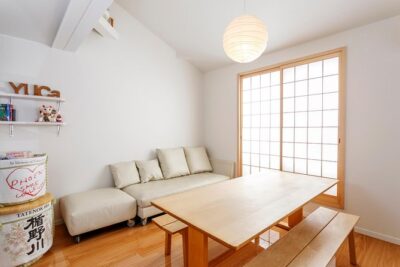
Ramen & Gyoza Cooking Class in Tokyo with Local Supermarket Visit
Read our review →Browse the lists this tour appears in