
Review · WORKSHOPS
Kyoto: Make Your Own “Daruma” Craft & Painting Workshop
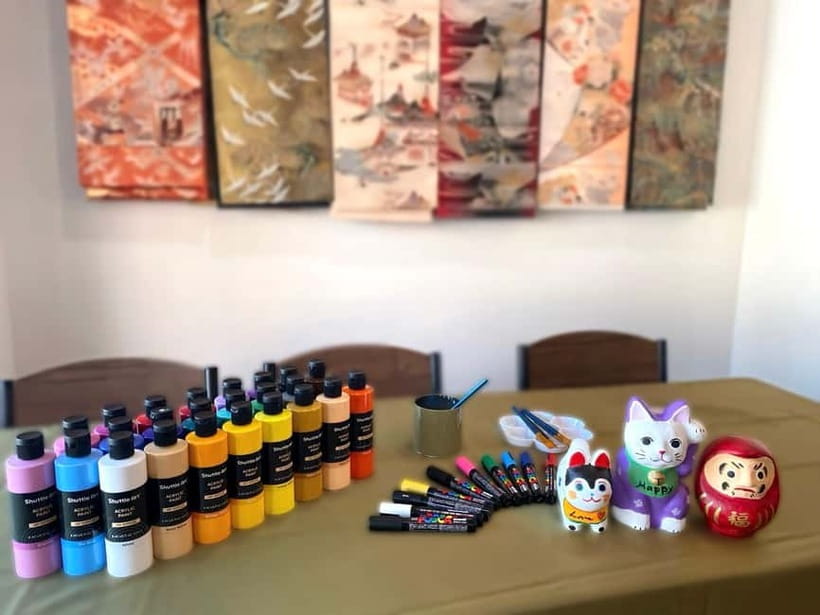
A rainy afternoon in Kyoto can still be fun. This small-group workshop lets you create a personalized papier-mâché figurine, then paint it with guidance from an English-speaking local instructor. I especially like that the result is a real take-home souvenir, not just a photo. One thing to consider is that you will want to protect your finished piece when you head back out.
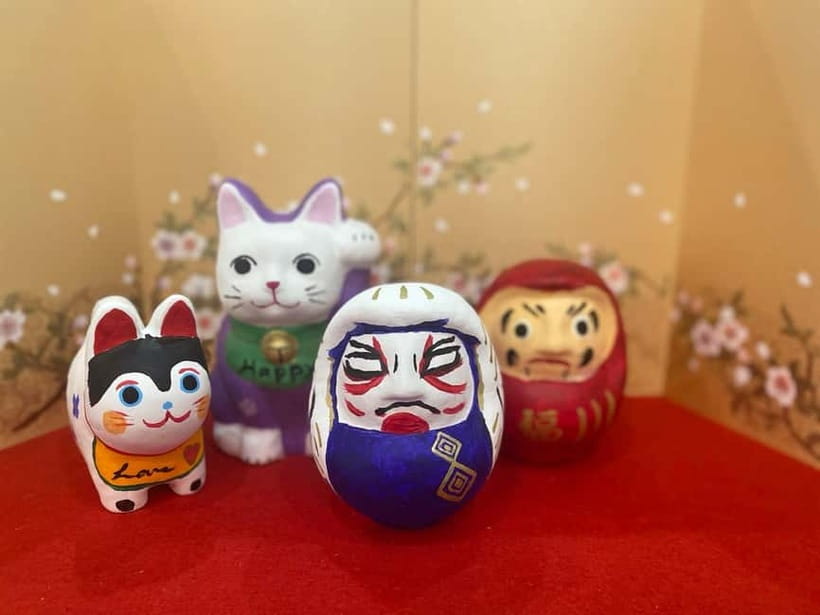
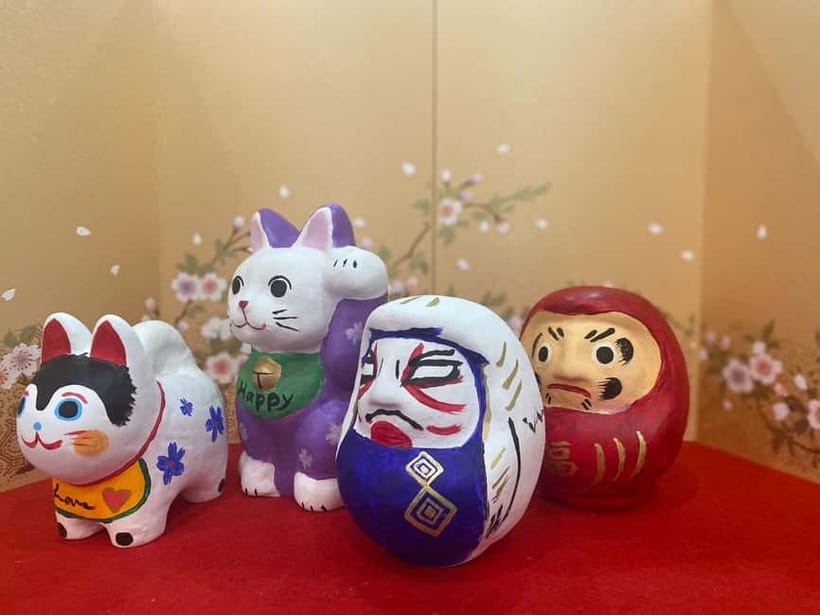
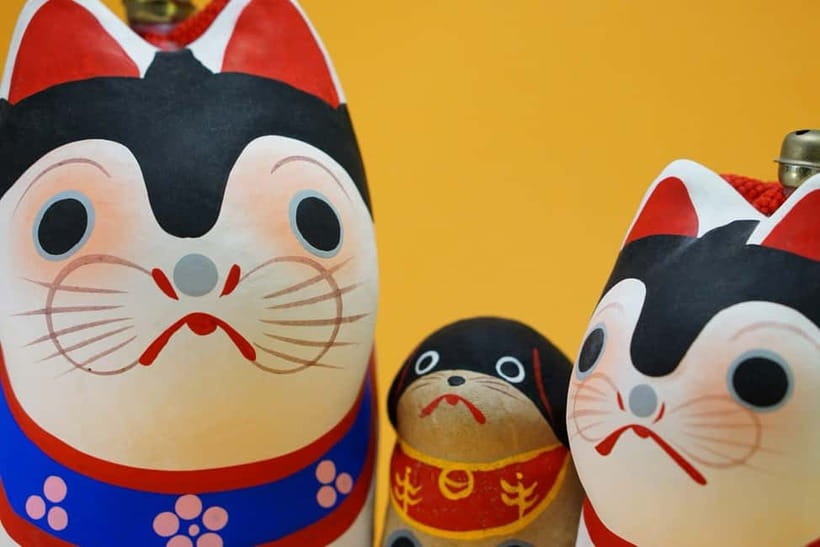
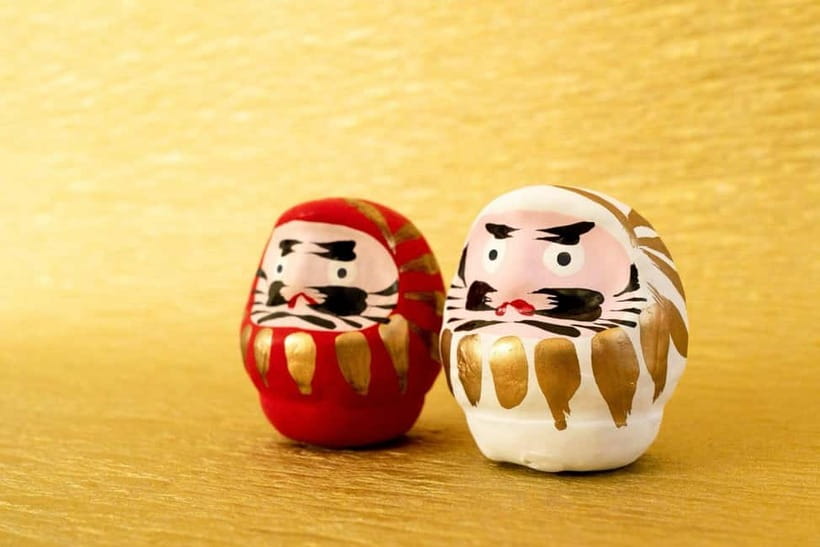
In a renovated boutique workshop in central Kyoto, you can choose a Daruma, Lucky Cat-style beckoning figure, dog, or Kitsune (fox) shape and decorate it in your own style. I also like the calm pace, with a complimentary drink plus traditional Japanese confectionery to match the mood. The only mild drawback is that the session is only two hours, so plan to spend a bit longer on details if you care about crisp finishing.
In This Review
- Key things I’d watch for before you go
- Why this Kyoto Daruma workshop feels more personal than sightseeing
- What you actually create, Daruma, Lucky Cat, dog, and Kitsune shapes
- Entering the renovated workshop, tools provided, and small-group attention
- Painting time plus tea: why the included drink and sweets matter
- Understanding the symbolism behind Daruma and other shapes
- How to fit the 2-hour session into a Kyoto day without stress
- Price and value: $25 for a souvenir you made, not bought
- What to bring, and how to protect your finished figurine
- Who this workshop suits best, and who might want another option
- Should you book this Kyoto Daruma craft painting session?
- FAQ
- How long is the Kyoto Daruma craft and painting workshop?
- What will I make during the workshop?
- Do I need any prior crafting experience?
- What language is the instructor?
- Is the price $25 per person, and what is included?
- Is the workshop wheelchair accessible?
Key things I’d watch for before you go
- Small group of up to 4 means you get attention without feeling rushed
- You paint your own design on a papier-mâché figurine, so it becomes personal fast
- Tea and sweets are included, which makes the workshop feel like a break, not a chore
- Symbol talk is part of it, so you learn why Daruma, cats, and foxes are shaped this way
- English instruction helps you follow along and ask questions easily
Why this Kyoto Daruma workshop feels more personal than sightseeing
Kyoto is packed with places to see, but it can be hard to take something home that is truly yours. This workshop solves that problem in a simple way: you make the souvenir while you’re there. You start with a papier-mâché figurine form, and within about two hours you turn it into a finished object that reflects your taste.
I like how low-pressure it feels. There’s a structure, tools are provided, and the instructor guides you step by step. But the painting is still yours, so you are not stuck copying a sample like you are in a factory craft class.
You also get a more human side of Kyoto here. Instead of sprinting from stop to stop, you slow down in a shop setting and talk with a local craft artist. That matters, because Kyoto traditions make more sense when someone explains them in plain terms, not just on a sign.
A few more Kyoto days to weigh up
- PERFECT KYOTO 1-Day Bus Tour
★ 5.0 · 13,518 reviews - Kyoto: Fushimi Inari, Kinkakuji, Bamboo Grove 1 Day Bus Tour
★ 4.8 · 4,316 reviews - Kyoto: Tea Ceremony in a Traditional Tea House in Kiyomizu
★ 4.9 · 3,519 reviews
What you actually create, Daruma, Lucky Cat, dog, and Kitsune shapes
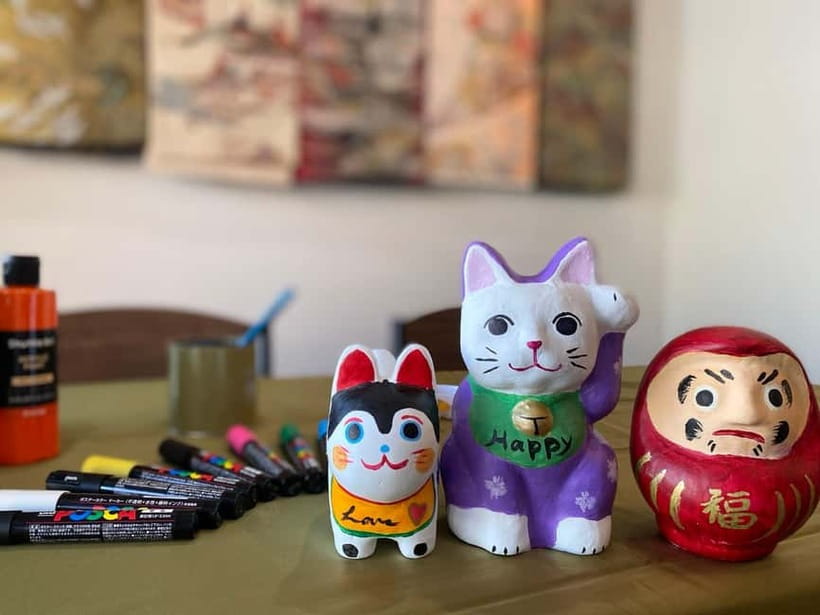
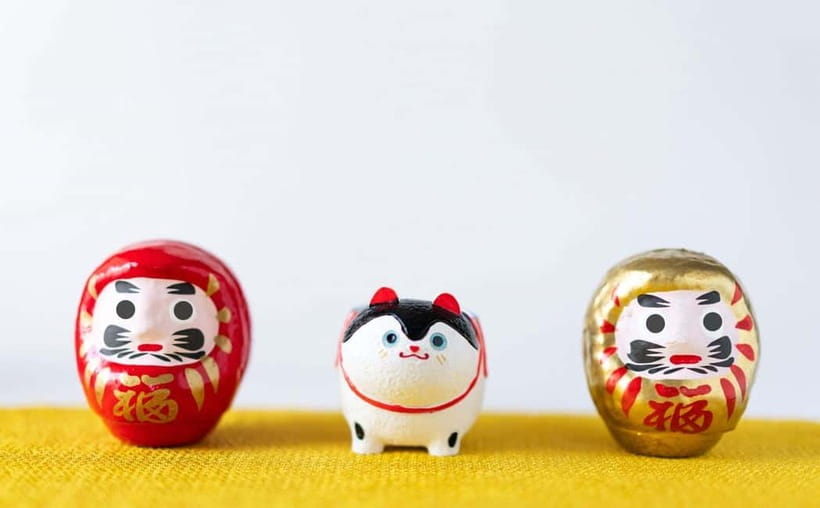
The core of the experience is straightforward. You craft a papier-mâché figurine and then personalize it with paint. You can choose among traditional-style shapes such as Daruma, a beckoning cat, a dog, and Kitsune (fox). Your choices are guided, but the final look is up to you.
Here’s what that means for you in real life. If you like a clean, minimal style, you can do that. If you love bright colors and bold patterns, you can do that too. The workshop doesn’t reward speed, it rewards your own decisions.
This also works well if you are traveling with family. Kids can enjoy color and shapes without needing technical skill. Adults can take their time and aim for details. The figurine is forgiving, because papier-mâché works like a craft base, not fragile glass or ceramic you have to baby.
One more practical point: the figurine is your take-home piece. So you are not leaving with nothing but photos, and you avoid the awkward souvenir shopping problem of buying something pretty but forgettable.
Entering the renovated workshop, tools provided, and small-group attention
You’ll meet your host by entering the workshop when you arrive. The format is designed for a small group setting, limited to 4 participants, which changes the whole feel. You get real interaction, not a background briefing that everyone hears the same way.
All necessary materials are provided, including what you need for the crafting process and painting. That is a big value factor. In Kyoto, “hands-on” can sometimes mean you still have to hunt down supplies. Here, you show up and start.
The instructor is there to guide you in English. That matters because craft steps can get confusing if you have to guess. You can also ask about what you are painting and how traditional shapes are understood.
You should expect a helpful, practical flow:
- You begin with shaping guidance and explanation of the figurine form
- You paint and personalize your design
- You finish with something you can take home
Also, because the class is wheelchair accessible, the space is built to be usable rather than just aesthetic. If you use mobility support, you can plan with more confidence than in older, narrow shops.
Painting time plus tea: why the included drink and sweets matter
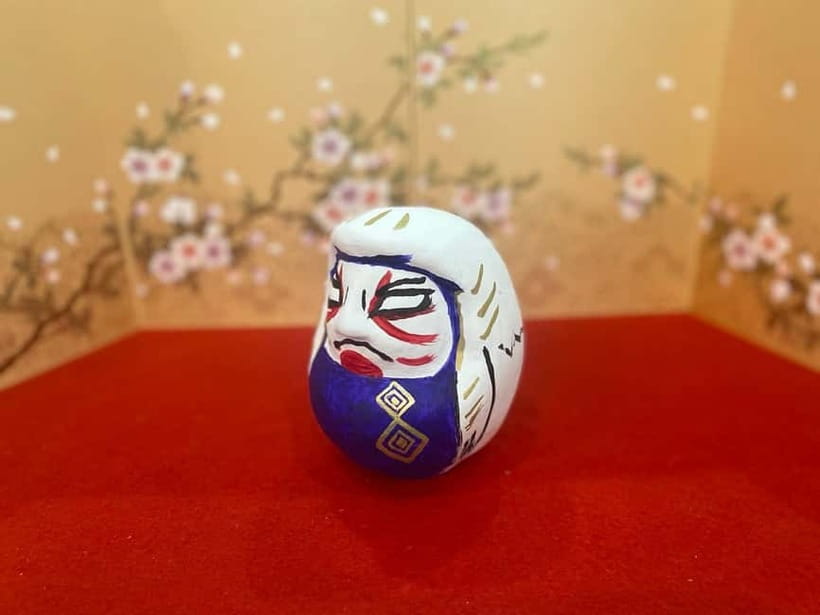
A lot of craft activities feel like you are on a schedule to get the product done. This one feels more like a focused afternoon break. For each guest, you get a complimentary drink and a traditional Japanese confectionery of your choice.
In practice, that changes how you experience the workshop. When you pause for tea and a sweet, you can look at your piece and adjust details with fresh eyes instead of painting through fatigue. It also turns the session into a conversation, not just instructions.
Some people end up chatting more than they expected, especially in a small group. If you like learning while you work, you will probably appreciate this format. The instructor also shares context about local culture and the surrounding area, which can help you plan what to see next in Kyoto.
One practical note: because you’re painting, you’ll want to treat your workspace and your figurine gently during the class. It’s not a fragile museum moment, but acrylic paint and craft tools do not love being handled carelessly.
A different sort of day in Japan:
- Kyoto Geisha Walking Tour: Gion District & Hidden Gems
★ 4.7 · 3,273 reviews - Kyoto: Tea Ceremony Ju-An at Jotokuji Temple
★ 4.9 · 3,207 reviews - Kyoto: 45-Minute Tea Ceremony Lesson Experience
★ 4.3 · 2,378 reviews - Kyoto: Gion Geisha District Walking Tour – Stories of Geisha
★ 4.7 · 2,187 reviews
Understanding the symbolism behind Daruma and other shapes
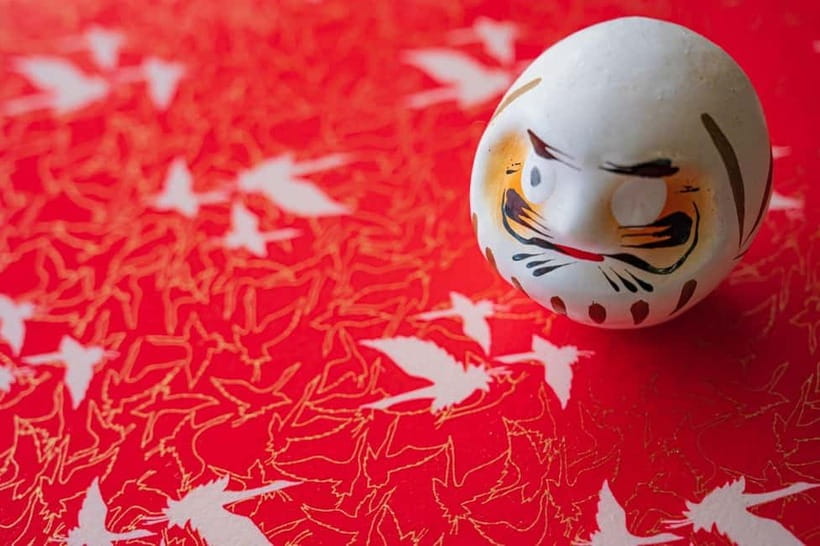
Daruma isn’t just a cute face with bold colors. In Japanese tradition, Daruma is tied to perseverance and goal-setting. The workshop includes time to learn about the symbolism behind these traditional shapes, so your figurine has a story, not just a style.
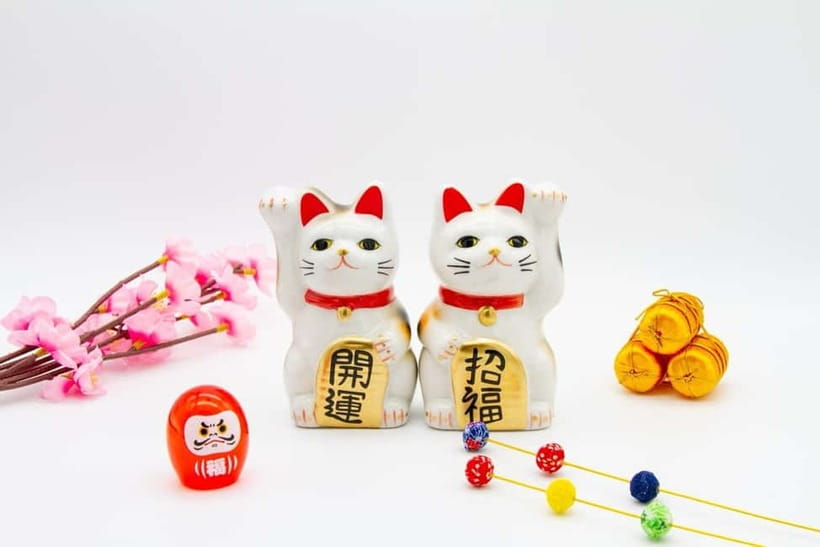
The same idea applies to the other options. A fox Kitsune figure connects to folklore, and the dog and beckoning cat designs connect to everyday symbols people used historically for luck and wellbeing. You don’t need to already know any of this to enjoy the workshop, but knowing the meaning can make your painting choices feel more intentional.
I like that the symbolism is explained alongside the making process. That’s when it clicks. When you are actively painting a shape, it’s easier to remember what it represents and why certain designs are common.
Also, because it’s not a lecture-only format, you get a more personal education. You can ask questions while you work, so you leave with understanding that actually sticks.
How to fit the 2-hour session into a Kyoto day without stress
Two hours sounds simple, but in Kyoto you still need to plan around crowds and transit times. This workshop gives you a clean block of time in the middle of your day.
Here’s how I’d plan it for a smooth experience:
- Put it on a day when you want something slower after temple walking
- Choose a time that gives you time to reach central Kyoto and arrive without rushing
- Treat it as a midday reset or a calm afternoon activity
If you are doing temple and shrine days, this class works as the creative counterbalance. Temple days can be visually intense. A craft session gives you a different kind of cultural understanding, the kind you can hold in your hands afterward.
If you are visiting when weather is uncertain, you’ll also be happy the activity happens indoors. The workshop atmosphere is relaxed, so it’s a good choice when you want to avoid another rainy-day scramble.
Price and value: $25 for a souvenir you made, not bought
At $25 per person, this isn’t priced like an all-day premium experience, but it also isn’t “just another activity.” The value comes from two things that travel costs usually charge extra for:
1) You make a keepsake yourself
2) You get included refreshments (drink plus Japanese confectionery)
If you compare it to the cost of buying a similar souvenir in a shop, you’re basically paying for the experience, instruction, and materials, and you walk away with the finished object. You also avoid the risk of buying something pretty that doesn’t match your taste.
The small-group limit to 4 participants also boosts value. You are more likely to get real guidance, and the host can stay attentive to different skill levels.
Is it “cheap”? Not exactly. But for Kyoto, paying for a handmade souvenir in a focused setting with drinks and guidance makes the math feel fair.
What to bring, and how to protect your finished figurine
You don’t need special skills or prior experience. But you should plan to treat your figurine carefully when you leave. The class is hands-on, and the finished piece will be painted, so it’s worth thinking about how you will carry it.
A useful practical tip: you are using acrylic paint, so if it’s rainy, you’ll want a plan to keep your work protected on the way home. Bring a small bag that can act like a cover, like a tote with a zip or a protective container if you have one.
Other than that, you mostly need normal travel sense. Wear comfortable clothes, since painting can get small messes. And if you bring a camera, it helps to take a quick look at your figurine before you add the final details, so you can recreate any colors you liked from earlier stages.
When you finish, you take your personalized masterpiece home. That means it’s not just a “station” you pass through, it becomes part of your trip story.
Who this workshop suits best, and who might want another option
This Kyoto workshop is designed for all ages and all skill sets. That flexibility is a major reason it gets strong feedback. If you are traveling with children, it’s a fun rainy-day activity where kids can create a distinct piece without worrying about doing it wrong.
For couples, it’s also a nice change of pace from doing separate attractions. You’re both working on something, so the experience naturally gives you shared time without forcing constant conversation.
For solo travelers, the small-group size can be a benefit because it can feel more like an intimate studio visit than a big-group activity.
Where might it not fit? If you are looking for a full guided tour of Kyoto temples and shrines with transport between sites, this is not that kind of day. You do get context about nearby temples and shrines in the surrounding areas, but the main goal is the craft.
Also, if you have a very tight schedule where you can’t spare a calm two-hour block, it may be hard to enjoy. The best part of this class is the unhurried pace.
Should you book this Kyoto Daruma craft painting session?
Book it if you want a Kyoto souvenir with meaning, made by your own hands. You’ll likely enjoy it if you like crafts, if you want something relaxing, or if you want a break from the constant moving rhythm of sightseeing. The small-group format, English instruction, and the included drink plus traditional confectionery make it feel like a complete experience, not a rushed stop.
Skip it if your main goal is to cover as many temples and shrines as possible in a single day. This is a workshop focused on making and learning, not a temple-hopping tour.
If you’re undecided, here’s my simple test: ask yourself whether you’d rather buy a souvenir or create one. If creating sounds better, this is an easy yes for a Kyoto day that needs a softer landing.
FAQ
How long is the Kyoto Daruma craft and painting workshop?
It lasts 2 hours, with starting times based on availability.
What will I make during the workshop?
You will create a papier-mâché figurine and then paint it. Options include Daruma, a beckoning cat, dog, and Kitsune (fox).
Do I need any prior crafting experience?
No. The workshop requires no prior experience or skills and is suitable for all ages and skill levels.
What language is the instructor?
The instructor teaches in English.
Is the price $25 per person, and what is included?
Yes, it’s $25 per person. Included are a complimentary drink, traditional Japanese confectionery, all necessary crafting materials, and guidance from a local crafts master.
Is the workshop wheelchair accessible?
Yes, it is wheelchair accessible.
Newly listed around Kyoto
- Taste of Nishiki Market Walking Food Tour with Local guide★ 5.0 · 17 reviews
- Kyoto: Sushi Making Class with Sushi Chef★ 4.8 · 64 reviews
- Simple Plan with Maiko★ 4.4 · 10 reviews
- Shibori Furoshiki Course at Kyoto Shibori Museum★ 5.0 · 21 reviews
- Kyoto: City Secrets eBike Tour★ 4.9 · 196 reviews
- Sacred Pathways: Discover the Philosopher’s Path of Kyoto★ 4.9 · 20 reviews
- Private Tour to Monkey Park and Arashiyama Highlights★ 5.0 · 22 reviews
- Private Nara Tour from Osaka – Meet at Your Hotel★ 5.0 · 22 reviews
Workshops, compared.
Sushi Making Tokyo Roll and Authentic Japanese Sushi Class
Read our review →
Roll and Authentic Sushi Making Class in Asakusa
Read our review →
Ramen Cooking Class at Ramen Factory in Kyoto
Read our review →
Sushi Making Class in a Happi Coat near a Famous Spot
Read our review →

Tokyo Sushi Making Class in Tsukiji with Professional Chef
Read our review →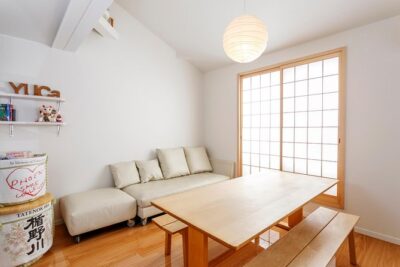
Ramen & Gyoza Cooking Class in Tokyo with Local Supermarket Visit
Read our review →Browse the lists this tour appears in