
Review · MATCHA & TEA CEREMONY SESSIONS
Matcha Making Experience in Shinjuku
Matcha lessons turn Tokyo into a classroom. In this Shinjuku experience, you learn how to prepare matcha tea with the right tools, then you hear the stories behind the rituals while you taste what you made. The class is built to be simple to join, even if you have no idea how tea ceremonies work.
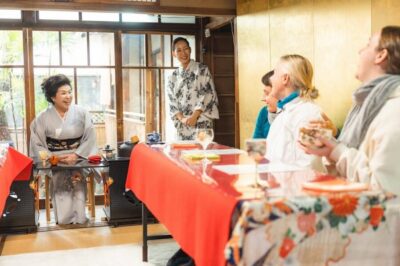
I especially like that everything is handled for you, including equipment and ingredients, so you can focus on learning instead of shopping. I also like the feel of the teaching itself, since the instructor often shows up dressed in kimono for a more authentic touch.
One possible drawback: the whole experience runs about 1 hour, so it is not a long, slow tea ceremony with tons of extra time to linger. And because the day is tied to big landmarks, you should expect a bit of “see it and move on.”
In This Review
- Key points before you go
- Entering Matcha Mode in Shinjuku: Meet at the Flower House
- What You Learn: Chasen Whisking Plus Matcha History and Rituals
- Your Cup Includes Sweets, Not Just Tea
- The Day’s Stops: Senso-ji, Tokyo Tower, and Yokohama Sky Garden
- Price and Value: Why $32.66 Can Be a Fair Deal
- Group Size and Timing: Up to 20 and About One Hour
- Mobile Ticket and Getting There Without Stress
- Who This Matcha-Making Experience Is Best For
- Should You Book This Shinjuku Matcha Experience?
- FAQ
- How long is the matcha making experience?
- What is the price per person?
- What is included in the experience?
- Do I need to bring anything for the matcha lesson?
- What is the meeting point address?
- What is the cancellation policy?
Key points before you go
- No need to bring anything: tools and ingredients are provided.
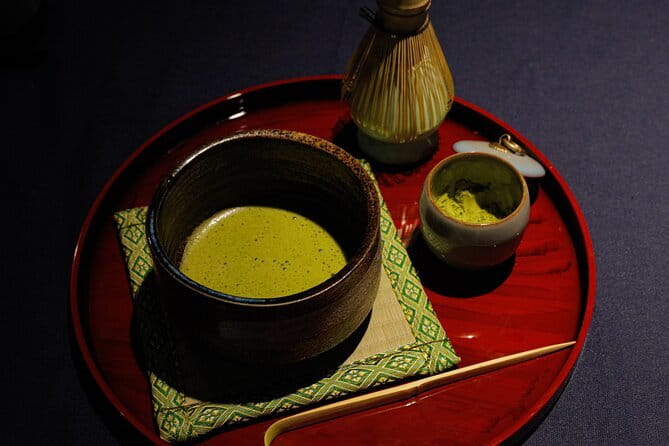
- Learn the bamboo whisk method: you use a chasen to whisk your matcha.
- History and rituals are part of the class: you get context, not just instructions.
- Sweets are included with your cup of tea.
- Small group size (up to 20) helps the lesson feel more personal.
Entering Matcha Mode in Shinjuku: Meet at the Flower House
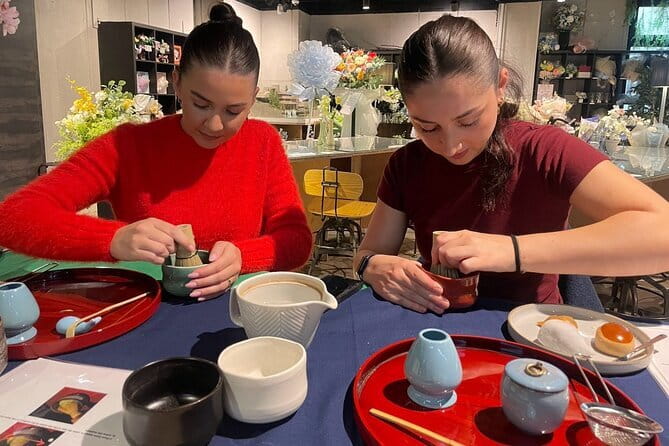
You start at a specific address in Shinjuku: a house with flowers at 3-chōme 6-7 (第6三和ビル 4階), Shinjuku City, Tokyo 160-0022. Your day ends back at the same meeting point, which makes planning easier when you are bouncing between neighborhoods.
This experience is set up to be convenient once you are in the area. It is near public transportation, so you can use trains or buses without building a complicated transfer plan.
More Tea Ceremonies in Tokyo
- Matcha Making Class in Tokyo with Authentic Japanese Sweets Set
★ 5.0 · 744 reviews - Kimono Tea Ceremony at Tokyo, Asakusa Maikoya
★ 5.0 · 638 reviews - Tokyo: Traditional Tea Ceremony with a Tea Master
★ 5.0 · 528 reviews
What You Learn: Chasen Whisking Plus Matcha History and Rituals
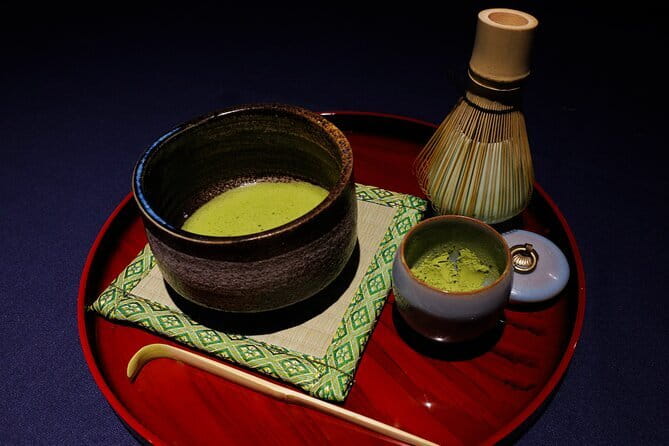
Matcha is powdered green tea, and the experience is built around the traditional way it is prepared. You learn the process using a bamboo whisk called a chasen, which is the signature tool behind that smooth, frothy matcha texture you see in proper tea preparation.
The lesson also includes commentary about the history and rituals of matcha. That part matters because matcha can feel confusing when you just buy it as a drink. When someone explains the why behind the steps, you start to see tea as a whole practice, not only a flavor.
You should also expect that the instruction is hands-on. This is not a sit-and-watch demo. You prepare the tea yourself, then you drink it, which is how you actually remember what you learned.
Your Cup Includes Sweets, Not Just Tea
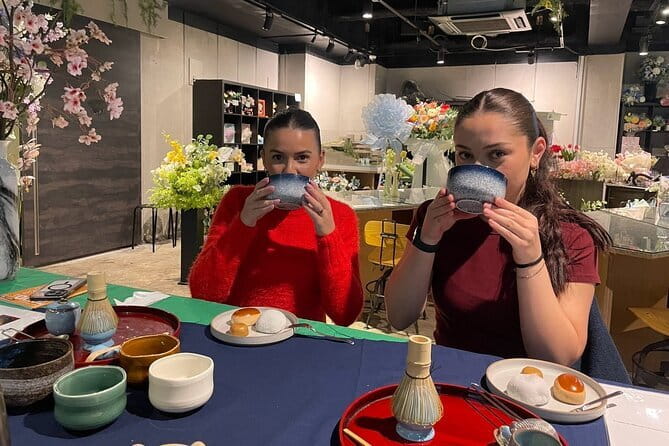
After you prepare your matcha, you get to enjoy it with sweets included. That is a smart setup because matcha is distinctive, and having something sweet alongside makes it easier to appreciate the drink in the context of Japanese tea culture.
Also, having sweets included is one of the reasons this feels like more than a “one-ingredient workshop.” You are getting an experience with a clear finish, a moment to taste, and a small pause that does not require extra spending.
The Day’s Stops: Senso-ji, Tokyo Tower, and Yokohama Sky Garden
This experience ties the lesson day to three iconic stops: Senso-ji Temple, Tokyo Tower, and Yokohama Landmark Tower Sky Garden. You do not need to treat these like separate full tours. Think of them as anchor points that frame your time and help you see the day’s big-picture Tokyo-and-beyond setting.
Here is why that matters. Matcha has deep cultural roots, but it is still easiest to learn when your day has momentum. Pairing the tea class with landmarks can give you an instant sense of place, so the ritual talk lands in the real city, not only in a classroom.
Senso-ji Temple
You start with Senso-ji Temple as Stop 1. The name alone signals you are heading to a well-known temple setting. For me, that is a helpful first step because it sets a cultural tone early, before you switch gears to the practical matcha lesson.
One consideration: temple-area sightseeing can be crowded, and you may want to keep your phone camera handy. If you are someone who needs quiet to focus, you might find the early energy a little loud before the calm of tea.
Tokyo Tower
Stop 2 is Tokyo Tower. This is a classic landmark moment, and it gives you that “I am really in Tokyo” feeling between cultural and food experiences. It also helps break up the day so you are not only thinking about whisking techniques and powdered tea.
A practical note: since you are moving between places, you will get more value if you travel light. Comfortable walking shoes will do more for you than any extra layer of sightseeing planning.
Yokohama Landmark Tower Sky Garden
Stop 3 is Yokohama Landmark Tower Sky Garden. This is the farthest-feeling part of the day, and it is a nice counterpoint to the more traditional temple stop. It can help you end the experience with a wider sense of the Tokyo-to-Yokohama scale.
The drawback to keep in mind is time. With an overall duration of about 1 hour, you are likely looking at quick stop moments rather than long stays. If you want a slower pace at viewpoints, you may want to schedule a separate time to return later.
A few more Shibuya and Shinjuku Nightlife around Tokyo:
- Tokyo: Shinjuku Food Tour (13 Dishes at 4 Local Eateries)
★ 5.0 · 6,603 reviews - Tokyo Bar Hopping Tour in Shinjuku (All-You-Can-Drink + Dinner)
★ 5.0 · 3,587 reviews - Official Street Go-Kart in Shibuya
★ 5.0 · 3,435 reviews - Tokyo: Shinjuku Food Tour (15 Dishes and 4 Eateries)
★ 4.9 · 2,033 reviews
Price and Value: Why $32.66 Can Be a Fair Deal
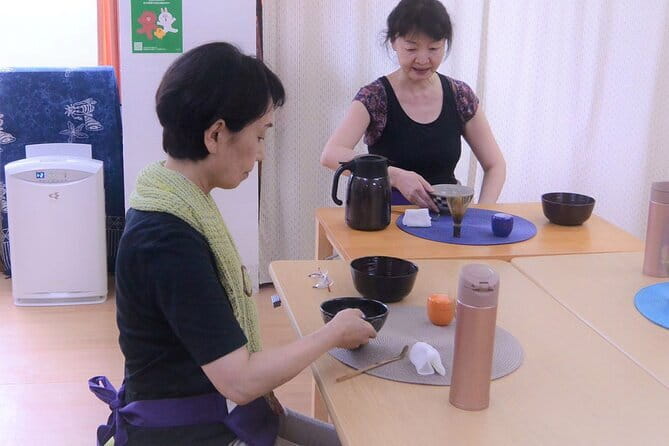
At $32.66 per person, this is priced in a way that makes sense for what you actually get. You are not only buying a matcha drink. You are getting instruction, the tools, the ingredients, and the included sweets.
Value is really about what you do not have to manage. Here, you do not need to bring anything for the lesson, which saves time and avoids the awkward “where do I buy a whisk?” problem that can happen with DIY experiences. You also avoid extra add-ons for basic course components because equipment and ingredients are already part of the plan.
What is not included is also important. Additional meals and drinks are not included, so you should plan on budgeting for food outside the class if you are hungry before or after.
Group Size and Timing: Up to 20 and About One Hour
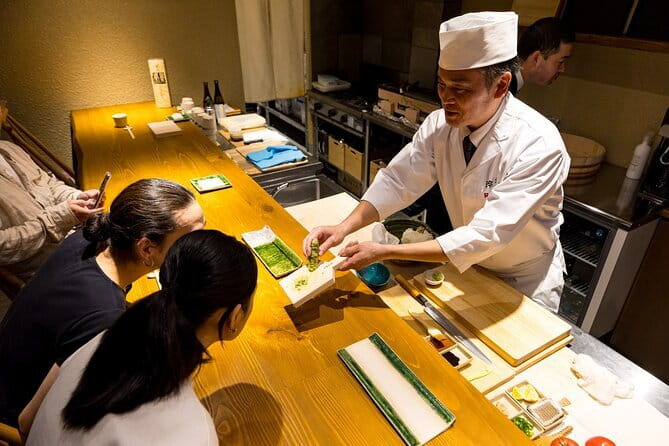
The group size caps at 20 travelers, which is a big plus for a hands-on lesson. In smaller groups, you have a better chance of getting help if you whisk too fast or you are trying to understand the motions. Even if the class moves quickly, a smaller group usually means fewer people in the way of the instructor’s attention.
The duration is about 1 hour, so do not expect a long, slow ceremony-style experience. You are signing up for a focused lesson with a tasting at the end, plus quick stops that connect the theme to major landmarks.
Also note the booking pattern. It is commonly booked around 7 days in advance. If you have fixed plans in Tokyo, it is worth reserving earlier rather than waiting.
Mobile Ticket and Getting There Without Stress
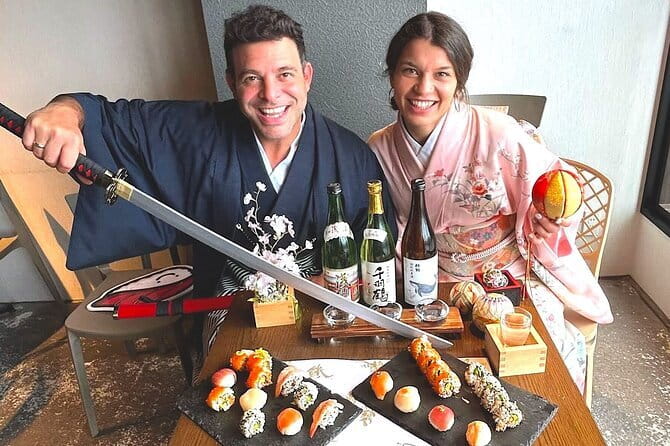
You receive a mobile ticket, which is one less thing to handle. That matters because Tokyo is easier when you keep your plan simple. You do not want to spend your pre-class time hunting for paper tickets or rechecking details on the spot.
The meeting point is clear and the tour ends back where you start. That makes it simpler to fit into the rest of your day, especially if you are using Shinjuku as your base.
If you want the day to feel smooth, give yourself buffer time to reach the flower house address. Shinjuku is big, and even short delays can make a tight one-hour plan feel rushed.
Who This Matcha-Making Experience Is Best For
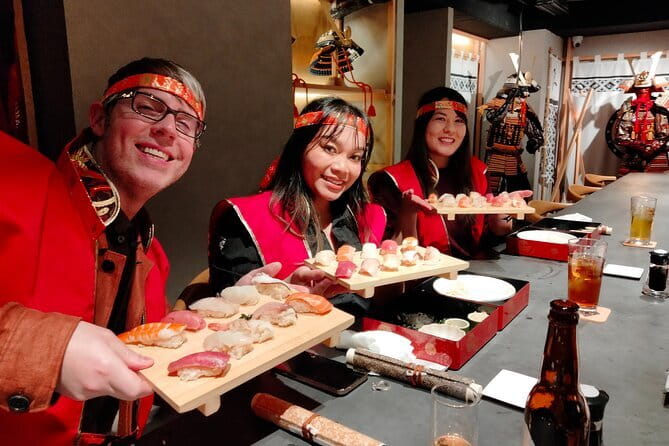
This is a strong choice if you want a cultural activity that also has a practical outcome. If you like learning by doing, you will probably enjoy mixing the matcha, using the chasen, and tasting what you made.
It is also a good fit if you are new to tea rituals. The class includes explanations of matcha history and ritual, so you are not left guessing what you are seeing or doing.
And if you like details that add atmosphere, you may especially appreciate the instructor style. One review highlighted an instructor dressed in kimono, which can turn a simple class into a more memorable moment.
If you are the type who hates “schedule pressure,” keep the timing in mind. With an around-one-hour duration and landmark stops, it is more of a tight plan than a relaxed, long sit-down.
Should You Book This Shinjuku Matcha Experience?
I would book it if you want the best of both worlds: a short, hands-on matcha class and a day that still has major Tokyo landmarks. The biggest reasons to say yes are the practical ones, equipment and ingredients included, plus the fact that sweets and tasting are part of the package.
I would think twice if you are looking for a long traditional tea ceremony format. This is designed to be efficient, and the time is shared with sightseeing stops. For some people, that is perfect. For others, it feels a bit too quick.
If you are in Tokyo and want a memorable skill you can actually use again, this is the kind of activity that makes the city feel personal.
FAQ
How long is the matcha making experience?
The experience lasts about 1 hour.
What is the price per person?
It costs $32.66 per person.
What is included in the experience?
You get all fees and taxes included. The class includes equipment and ingredients, plus you enjoy a cup of matcha with delicious sweets.
Do I need to bring anything for the matcha lesson?
No. You do not need to bring anything because the equipment and ingredients are provided.
What is the meeting point address?
You meet at a house with flowers, Japan, 160-0022 Tokyo, Shinjuku City, Shinjuku, 3-chōme 6-7 第6三和ビル 4階.
What is the cancellation policy?
You can cancel for free up to 24 hours in advance for a full refund. The experience also may be canceled due to poor weather, in which case you are offered a different date or a full refund.
Newly listed around Tokyo
- Private Tokyo Tour with Licensed Guide & Vehicle (Max 15 persons)★ 5.0 · 107 reviews
- Private Tokyo Food Tour – A Journey Through Time Through Food★ 5.0 · 36 reviews
- Private Tokyo Custom Full-Day Tour by Chartered Vehicle★ 5.0 · 16 reviews
- Private Tokyo Custom Half-Day Tour by Chartered Vehicle★ 4.5 · 13 reviews
- Private Outstanding Nikko Tour with English Speaking Driver★ 4.0 · 11 reviews
- Private Sightseeing to Mt Fuji and Hakone with English Driver★ 5.0 · 51 reviews
- Private Snow Monkeys park Day Trip From Tokyo or Nagano★ 4.5 · 26 reviews
- 4 Day Tour – Mount. Fuji, Tokyo, Hakone, Kamakura and Yokohama★ 5.0 · 19 reviews
Matcha & Tea Ceremony Sessions, compared.
Tea Ceremony in a Traditional Tea House in Kiyomizu
Read our review →
World Heritage Kyoto & Nara Uji Authentic Matcha Experience
Read our review →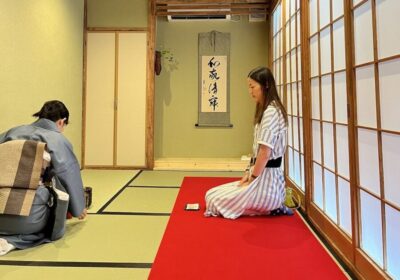
Browse the lists this tour appears in