
Review · MATCHA & TEA CEREMONY SESSIONS
Practicing Zen through Japanese Tea Ceremony
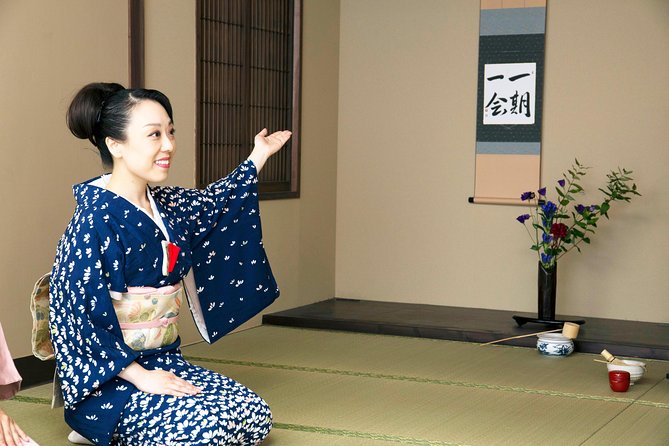
Tea and Zen calm beat the Tokyo rush. I love how this session teaches matcha preparation with classical method, then pairs it with wagashi chosen to match the flavor of your tea. You get more than a photo stop, you get a slow, mindful rhythm that fits right into a city trip.
The main thing to consider is timing: it is about 1 hour 15 minutes, so it is an intro, not a full meditation retreat. Also, the room can be more practical than poetic, including lower-level spaces in some settings, so go in expecting comfort over ceremony-palace drama.
In This Review
- Key Points I Think You’ll Appreciate
- Finding the Calm at Kikai Shinkō Kaikan in Shibakōen
- Meet the Bilingual Tea Master and Learn the Zen Link
- What Happens During the Ceremony (Without the Mystery)
- Matcha Meets Wagashi: Taste Pairing With Real Purpose
- Trying the Second Ceremony Yourself (Where Learning Really Clicks)
- Venue, Group Size, and the Practical Side of Zen
- Price and Value: Is $64.50 Worth It?
- Who Should Book This Tea and Zen Class
- Small Details That Can Affect Your Experience
- Should You Book Practicing Zen Through Japanese Tea Ceremony?
- FAQ
- How long is the tea ceremony experience?
- Where does the experience start and end?
- Is pick-up or drop-off included?
- What is included in the price?
- Are there extra food or drinks included?
- Will I be able to make tea myself?
- What language is used during the class?
- How big is the group?
- How do I receive my ticket?
- What is the cancellation policy?
Key Points I Think You’ll Appreciate
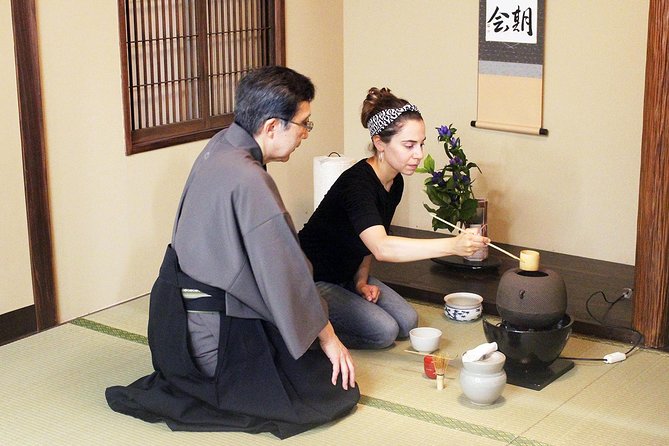
- Hands-on matcha practice, including making tea yourself with instruction
- Wagashi pairing designed for the taste profile of ceremonial matcha
- Bilingual licensed tea master with 5+ years’ experience and English explanations
- Zen connection explained through tea utensils and traditional meanings
- Small-group feel with a maximum of 28 people, so you are not lost in the crowd
Finding the Calm at Kikai Shinkō Kaikan in Shibakōen
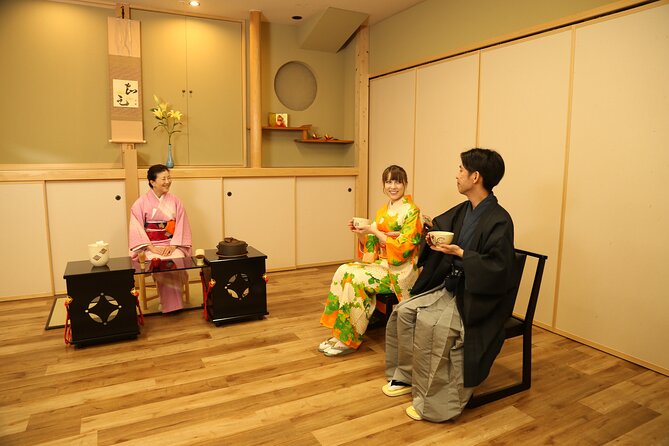
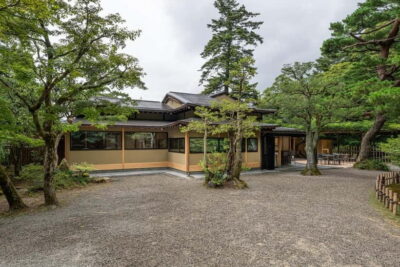
This experience starts at Kikai Shinkō Kaikan, in Minato City, Shibakōen. That part matters because Shibakōen is a real neighborhood. You are not walking out into a theme-park version of Japan, you are getting a short cultural pause that feels like it belongs to everyday Tokyo.
You meet in person and the activity ends back where it started, so there is no awkward half-day drift across town. It is also near public transportation, which helps if you are juggling trains, jet lag, and the classic Tokyo challenge of arriving exactly on time (or at least not exactly 40 minutes late).
The length is about 1 hour 15 minutes. For me, that is the sweet spot. Long enough to learn the flow of a tea ceremony and taste the sweets with intent. Short enough that you do not lose your whole day to one calm moment.
If your schedule is tight, this is also a practical win: you can slot it in as a reset after temples, shopping streets, or a museum day. The pace is designed for focus, not rushing.
More Tea Ceremonies in Tokyo
- Matcha Making Class in Tokyo with Authentic Japanese Sweets Set
★ 5.0 · 744 reviews - Kimono Tea Ceremony at Tokyo, Asakusa Maikoya
★ 5.0 · 638 reviews - Tokyo: Traditional Tea Ceremony with a Tea Master
★ 5.0 · 528 reviews
Meet the Bilingual Tea Master and Learn the Zen Link
The heart of the class is the tea master, a licensed instructor who is bilingual. You also get clear explanations in English, including how tea ceremony connects to Zen practice, plus meanings behind traditional hanging scrolls and the tea utensils.
This is where the experience becomes more than food and fancy tools. The tea ceremony is built around attention, respect, and simplicity. In a classroom setting like this, you get the framework so the actions make sense. You learn what you are doing and why it is done that way, not just how to mimic movements.
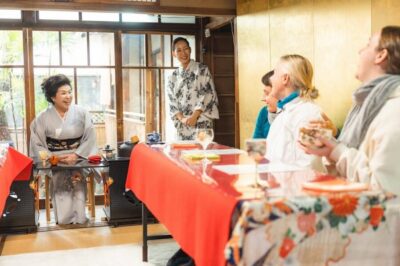
From the reviews and the structure of the session, the instruction style seems warm and responsive. One thing I like about that is you can ask questions in plain language, without feeling like you are interrupting a performance. Another helpful point is that the teacher includes both the ceremonial performance and a chance for you to practice, which is usually where people really start understanding.
Also, note the format: there is a tea ceremony performance, then a second tea ceremony you do yourself. That pacing keeps you from feeling like a spectator at a one-cup show.
What Happens During the Ceremony (Without the Mystery)
You are guided through the tea ceremony atmosphere so everyone follows authentic practices during the session. In practical terms, that means you are not just tasting matcha. You are learning how the moment is paced, how each person fits into the ritual, and how the utensils and sweets connect to the tea itself.
Here is the flow you can expect:
- You watch the master’s ceremonial preparation and the overall performance.
- You taste ceremonial matcha and traditional sweets, with explanation of how the pairing works.
- You are then instructed step-by-step to make tea yourself for a second ceremony.
The session includes classical ceremonial methods for preparing matcha. That matters because matcha is not like regular green tea. It is whisked, it froths, and the texture and taste change based on technique. You are getting the method and the mindset together.
The ceremony also covers the idea of Japanese hospitality through dining aesthetics. Even if you only remember a few points, you will start spotting the logic behind the careful choices: the pacing, the order, and the attention to what is in front of you.
One more practical detail: since the session is designed as an atmosphere recreation, the setting is part of the lesson. In at least one described session, the ceremony took place in a lower-level room inside an office building. That does not make it less authentic. It just means you should focus on the teaching, not hunt for a picture-perfect tea house.
Matcha Meets Wagashi: Taste Pairing With Real Purpose
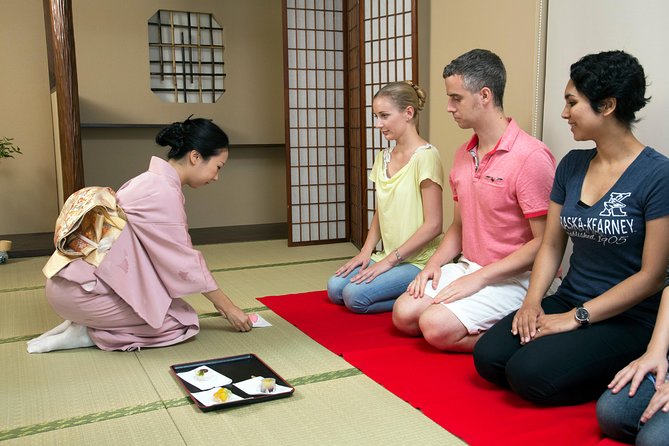
The included sweets are wagashi, and they are selected to complement ceremonial matcha’s flavor profile. That is a big deal because matcha can taste earthy and bitter if you only think of it as a drink. The sweetness and texture of wagashi are meant to balance that, so your mouth gets a designed contrast instead of an accidental one.
In a good pairing, you notice how flavors change with each sip and bite. You also learn to slow down. Instead of tasting like you are speed-running a food list, you taste like you are reading a story. One review called out that the ceremony felt meaningful and memorable, and that kind of response usually comes from exactly this: tasting is part of the ritual, not something you do between the “real” parts.
If you like tea culture beyond the museum explanations, this is the part that turns theory into a sensory memory. You will see how the sweets work with the matcha, and you will leave knowing what to look for when you order matcha later. Not every matcha drink is ceremonial, but once you understand the pairing logic, you can make better choices.
Also, the sweets are included, and no extra food or beverages are listed as part of the package. So if you are hungry, plan your meal timing before the class. Think of this as a calm tea-and-sweet experience, not a full dinner replacement.
A different sort of day in Japan:
- Mt Fuji and Hakone 1-Day Bus Tour Return by Bullet Train
★ 5.0 · 26,383 reviews - 1-Day Tokyo Bus Tour
★ 5.0 · 14,250 reviews - Tokyo: TOKYO SKYTREE® Admission ticket
★ 4.5 · 11,192 reviews - Tokyo: teamLab Planets TOKYO Digital Art Museum Entry Ticket
★ 4.6 · 9,779 reviews
Trying the Second Ceremony Yourself (Where Learning Really Clicks)
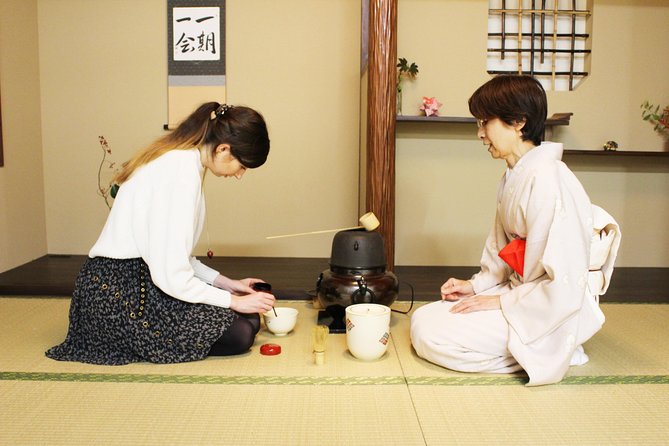
The most valuable part for many people is the second tea ceremony you perform yourself. You get instruction, so you are not thrown into chaos with a whisk and a bowl and told to figure it out.
This is exactly how you learn technique. Watching is good, but doing is what changes your muscle memory and attention. In this session, you do it twice in a way that makes sense: first you observe the master, then you take over for your own ceremony.
Expect the lesson to focus on fundamentals: how to handle the utensils, how to prepare matcha using classical ceremonial methods, and how to keep your movements connected to the ritual. Even if you do not nail every detail, the goal is understanding and respect, not perfection performance.
One review mentioned a short meditation, and that detail fits the Zen theme perfectly. Even a few quiet moments can reframe the experience, turning it from a food class into a mindful practice. If you are used to tourism that runs at full speed, this kind of pause can feel almost comically different in the best way.
Venue, Group Size, and the Practical Side of Zen
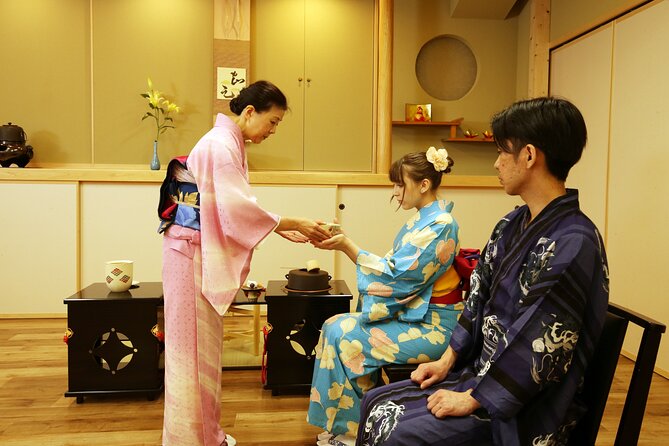
Group size is capped at 28 participants. That matters because it keeps you in a learning environment rather than a conveyor-belt show. You should still expect a shared space and a group rhythm, but you are not stuck at the back watching your own tea like it is a science experiment.
The schedule is also structured. Confirmation is received within 48 hours of booking, subject to availability. That is helpful for planning, since you can lock it in close to your trip dates without last-minute panic.
A few practical notes to keep your experience smooth:
- No pick-up and drop-off services are included, so you will plan your own route to the meeting point.
- Mobile ticket is used, so have it ready on your phone.
- The experience ends back at the meeting point, which makes your next stop easier to organize.
If you are the type who likes to plan, you will appreciate that the average booking lead time is about 8 days. That suggests this one fills up around normal advance booking windows, especially for people building a Tokyo “culture day” itinerary.
Price and Value: Is $64.50 Worth It?
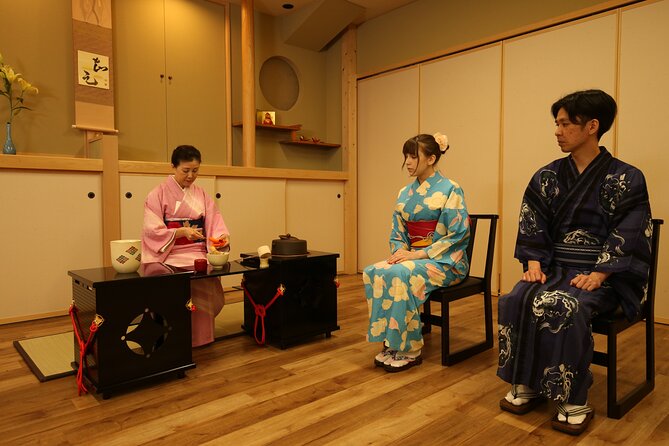
The price is $64.50 per person, for about 1 hour 15 minutes. On paper, that can sound like a lot if you are comparing it to buying a matcha drink off a street corner. But this is not a walk-up purchase. You are paying for instruction, materials, and a guided ceremonial performance, plus a second ceremony where you practice.
What you get included is meaningful:
- Bilingual licensed tea master
- Authentic matcha green tea
- Traditional Japanese sweet confections
- Tea ceremony performance with a tea master who has 5+ years’ experience
- Your own second ceremony with instruction
- Explanations in English about Zen practices, hanging scrolls, and tea utensils
That package turns the class into something closer to a skill lesson than a tasting event. If you want the “how” behind matcha, the value comes from having a professional show you the method and then correct you as you try.
If you mostly want background facts with minimal hands-on, you might feel it is short. But based on the structure, the course is built for participation. And if you like calm, focused experiences, the time investment makes sense.
Who Should Book This Tea and Zen Class
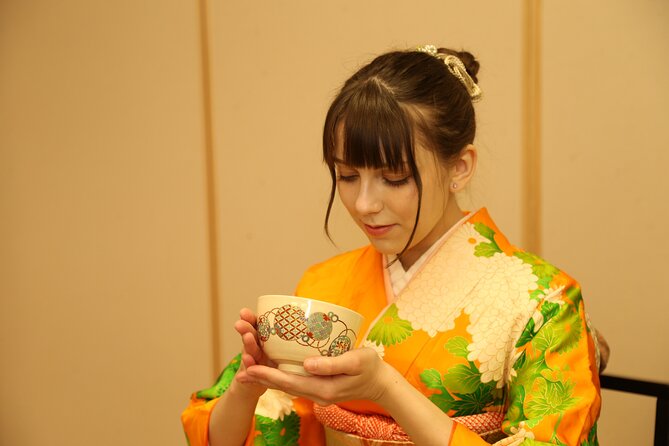
I think this fits best if you:
- want a break from Tokyo’s fast tempo and crowded sightseeing plans
- are curious about Japanese aesthetics and hospitality beyond museums
- enjoy hands-on learning more than pure lectures
- want a practical tea skill you can use later at home
It is also a nice match for first-timers to tea ceremony. You start with foundations, you taste, and then you do the second ceremony yourself with guidance.
If you are expecting a long silent retreat or a multi-hour meditation session, you may find this too short. It is designed as an intro with real technique practice, not an all-day Zen immersion.
Also, if you strongly prefer only high-end traditional spaces, remember that the room can be practical, including lower-level indoor setups in some cases. The teaching is the point.
Small Details That Can Affect Your Experience
A few quick things to know so you do not waste mental energy during the calm part of your day.
First, you will be making tea yourself. That means you should be ready to participate, not just observe. Even if you are shy, the instruction format is meant to include you.
Second, the ceremony includes matcha and traditional sweets, but extra food and beverages are not included. Plan snacks or meals before or after so you are comfortable.
Third, the meeting point is specific, and there is no pick-up. That is usually fine, but it means you should check your route. Arrive with enough buffer to settle in before the session starts.
Finally, confirmation is based on availability and comes within 48 hours. So if your trip dates are tight, it is smart to book when you are confident you can attend.
Should You Book Practicing Zen Through Japanese Tea Ceremony?
If your goal is to understand tea ceremony as mindful hospitality, I would book it. The combination of classical matcha preparation, wagashi pairing, and a second ceremony where you practice is the real value. You leave with a story you can taste, plus a skill you can repeat.
Skip it if you want a long meditation retreat experience or you dislike hands-on activities. Also keep your expectations realistic about the setting. A calm class can happen in a simple room. The point is the ritual, not the wallpaper.
If you want one cultural activity in Tokyo that forces you to slow down and pay attention, this is a solid choice. It is the kind of experience that makes the rest of your trip feel sharper, because your brain finally gets to exhale.
FAQ
How long is the tea ceremony experience?
It lasts about 1 hour 15 minutes.
Where does the experience start and end?
It starts at Kikai Shinkō Kaikan, 3-chōme-5-8 Shibakōen, Minato City, Tokyo 105-0011, Japan, and it ends back at the meeting point.
Is pick-up or drop-off included?
No, pick-up and drop-off services are not included.
What is included in the price?
Included items are a bilingual licensed tea master, authentic matcha green tea, traditional Japanese sweet confections, a tea ceremony performance, your own second tea ceremony with instruction, and explanations in English about Zen practices, hanging scrolls, and tea utensils.
Are there extra food or drinks included?
No extra food or beverages are included beyond the included matcha and traditional sweets.
Will I be able to make tea myself?
Yes. After the master’s performance, you do a second tea ceremony yourself with instruction.
What language is used during the class?
The tea master is bilingual, and the explanations are provided in English.
How big is the group?
The activity has a maximum of 28 travelers.
How do I receive my ticket?
You’ll receive a mobile ticket.
What is the cancellation policy?
Free cancellation is available. You can cancel up to 24 hours in advance for a full refund. If you cancel less than 24 hours before the experience starts, the amount you paid will not be refunded.
Newly listed around Tokyo
- Private Tokyo Food Tour – A Journey Through Time Through Food★ 5.0 · 36 reviews
- Private Tokyo Tour with Licensed Guide & Vehicle (Max 15 persons)★ 5.0 · 107 reviews
- Private Tokyo Custom Full-Day Tour by Chartered Vehicle★ 5.0 · 16 reviews
- Private Tokyo Custom Half-Day Tour by Chartered Vehicle★ 4.5 · 13 reviews
- Private Outstanding Nikko Tour with English Speaking Driver★ 4.0 · 11 reviews
- Private Sightseeing to Mt Fuji and Hakone with English Driver★ 5.0 · 51 reviews
- Private Snow Monkeys park Day Trip From Tokyo or Nagano★ 4.5 · 26 reviews
- 4 Day Tour – Mount. Fuji, Tokyo, Hakone, Kamakura and Yokohama★ 5.0 · 19 reviews
Matcha & Tea Ceremony Sessions, compared.
Tea Ceremony in a Traditional Tea House in Kiyomizu
Read our review →
World Heritage Kyoto & Nara Uji Authentic Matcha Experience
Read our review →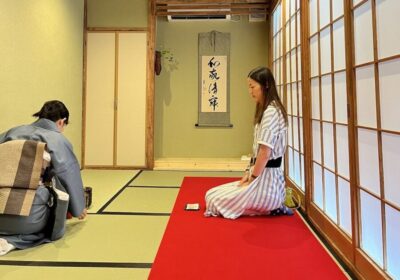
Browse the lists this tour appears in