
Review · WORKSHOPS
Private Koto Lesson in Kyoto with a Professional Koto Performer
Kyoto koto lessons feel like magic. In about 1 hour 20 minutes, you get hands-on instruction at 箏春庵 soushunan from a professional performer, and you’ll work on a real classic, Sakura. It is also a rare chance to hear the instrument well after you learn the basics.
I love the direct, private format, because you are not squeezed into a crowd. And I really like that the lesson supports beginners with the instrument and music notation provided, so you can focus on learning the melody without extra hassle.
One consideration: private lesson time is limited. If you want full mastery or multiple songs, this short session will feel like a strong first taste, not a long-term course. Also, private transportation is not included.
In This Review
- Key things I’d circle before you book
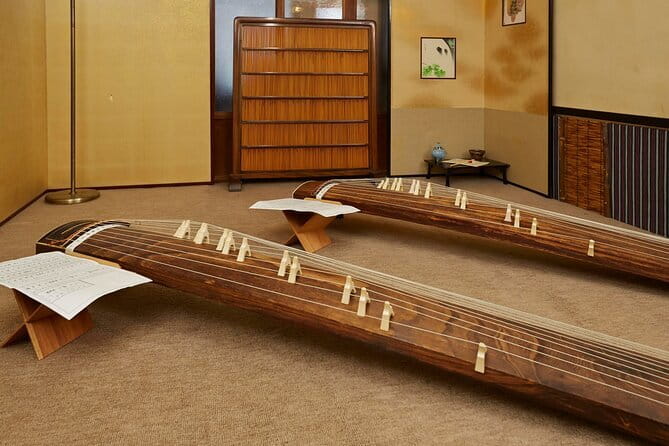
- Inside 箏春庵 soushunan: your private koto classroom in Kamigyo
- How the 1 hour 20 minutes lesson is likely to feel
- Learning Sakura on koto: what you’ll be practicing
- Tea break and the teacher’s performance: listening with better ears
- Price and value: is $60 per person worth it?
- Who this Kyoto koto lesson suits best
- Getting there and making the lesson day easy
- Booking timing: when Kyoto dates fill up
- Should you book the private koto lesson at Soushunan?
- FAQ
- How long is the private koto lesson in Kyoto?
- Where does the experience take place?
- Is transportation included?
- Is the experience private?
- What song will I learn?
- What is included in the price?
- Can I cancel for a full refund?
Key things I’d circle before you book
- Private, instructor-led lesson for only your group at 箏春庵 soushunan
- Sakura is the focus, taught with the help of provided music notation
- Tea break and the teacher’s performance after the lesson, so you hear the results
- All ages welcome, from about 3 years old through elderly participants
- Everything you need is on site, including the koto and lesson materials
Inside 箏春庵 soushunan: your private koto classroom in Kamigyo
This experience is built around one simple idea: learn Japanese music in a calm, real setting, not in a rushed show-up-and-watch situation. The lesson takes place at 箏春庵 soushunan in Kamigyo Ward, Kyoto, and it ends back where you start. That matters because you can treat it like a clean, low-stress block in your day.
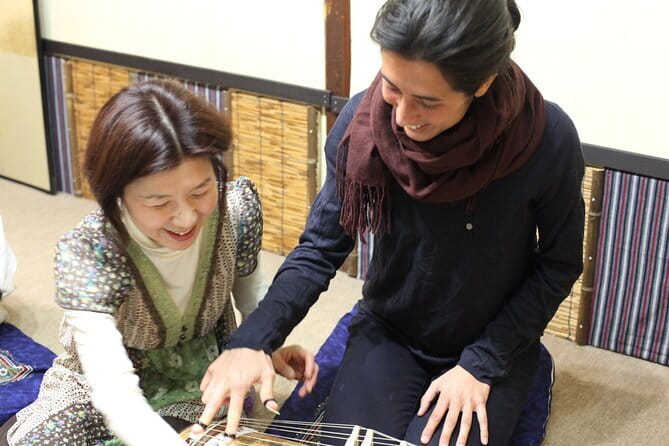
What you get here is a private koto lesson with a professional performer as your guide. That combination changes the whole feel. Instead of general tips, you get feedback and coaching designed for your group, whether you are a true beginner or you have tried instruments before. If you are traveling with family, this setup is also more forgiving. Kids and adults can progress at their own pace, with the teacher adjusting to what they can handle in the time available.
Another thing I like is the emphasis on tradition, not just finger work. A professional Koto performer teaches you how to play while sharing the background and ceremonial importance of the instrument in Japan. If you are the kind of traveler who wants to understand what you are hearing, this is a smart way to connect the dots.
A few more Kyoto days to weigh up
- PERFECT KYOTO 1-Day Bus Tour
★ 5.0 · 13,518 reviews - Kyoto: Fushimi Inari, Kinkakuji, Bamboo Grove 1 Day Bus Tour
★ 4.8 · 4,316 reviews - Kyoto: Tea Ceremony in a Traditional Tea House in Kiyomizu
★ 4.9 · 3,519 reviews
How the 1 hour 20 minutes lesson is likely to feel
Plan for a focused session, not a wandering cultural walk. Your koto lesson runs about 1 hour 20 minutes, so the instructor has time to guide you through the basics and then bring you to a song you can actually play.
In practical terms, the structure usually goes like this: you arrive, get set up at the instrument, and start learning with the help of materials provided on site. The experience is designed to work for beginners, including children, which tells you the pacing is likely straightforward and supportive. You will also be shown how the music connects to the instrument, using the provided sheet music.
Because this is a private activity, you are not competing for attention. If you need a slower explanation or want to repeat a section, you can. That is one of the underrated advantages of booking private lessons in Kyoto. The city is full of great cultural experiences, but in many of them you feel like a spectator. Here, you are the student, and that changes how much you take in.
And then, after the lesson, the experience continues instead of stopping at the classroom moment. You get a tea break and you get to enjoy the teacher’s performance. That sequence is important. It gives your brain a chance to shift from instruction mode to listening mode, which is when music learning often starts to click.
Learning Sakura on koto: what you’ll be practicing
You will learn to play Sakura on the koto. That is a big deal because it is a recognizable, classic piece, and it gives your lesson a clear endpoint. Without a goal song, lessons can feel like random practice. With one defined piece, you can track progress and feel the payoff.
The experience is designed so you do not have to bring your own music materials. Equipment needed for lessons, including the koto instrument and music notation, is available. That lowers the friction for first-time visitors. You also do not need to worry about renting or carrying anything, which is a real bonus in Kyoto when you already have enough logistics.
Since this is taught by a professional performer, the focus is not only on making a sound. The teacher guides you through the tradition behind the instrument and how the song fits into that world. You are learning the mechanics and the meaning at the same time. Even if you only manage a short segment by the end, you leave with a clearer sense of how Japanese classical instruments communicate emotion and structure.
One more practical note for your mindset: this is an 80-minute experience, so you should expect to leave with something you can play, not a full concert-ready performance. Think of it as training for confidence. The best part is that the lesson is paced for a broad range of ages, including young children. That tells you the teaching style is beginner-friendly and patient, so you do not have to be fearless to try it.
Tea break and the teacher’s performance: listening with better ears
After you finish learning, you get a tea break. It is not a random pause. It is a practical reset between doing and hearing. If you have ever tried to learn something musical and then immediately listened to a performance, you know how much your understanding jumps after you have handled the basics.
Then the teacher performs. This is where the whole experience becomes more than a hands-on workshop. You can hear the koto at full voice, with the character that makes it such an important instrument in Japanese ceremonial culture. For many first-time visitors, the biggest surprise is how expressive the instrument can be even when you are listening to a formal tradition rather than pop music.
I also like that the performance is by the same professional who taught you. That keeps the experience grounded. You are not bouncing between different styles or different teaching philosophies. You are learning, then seeing, right away, what those lessons aim toward.
The result is a stronger takeaway. You do not just go home with a story about learning an instrument. You can actually connect the sound you heard in the teacher’s playing to the actions you practiced earlier.
A different sort of day in Japan:
- Kyoto Geisha Walking Tour: Gion District & Hidden Gems
★ 4.7 · 3,273 reviews - Kyoto: Tea Ceremony Ju-An at Jotokuji Temple
★ 4.9 · 3,207 reviews - Kyoto: 45-Minute Tea Ceremony Lesson Experience
★ 4.3 · 2,378 reviews - Kyoto: Gion Geisha District Walking Tour – Stories of Geisha
★ 4.7 · 2,187 reviews
Price and value: is $60 per person worth it?
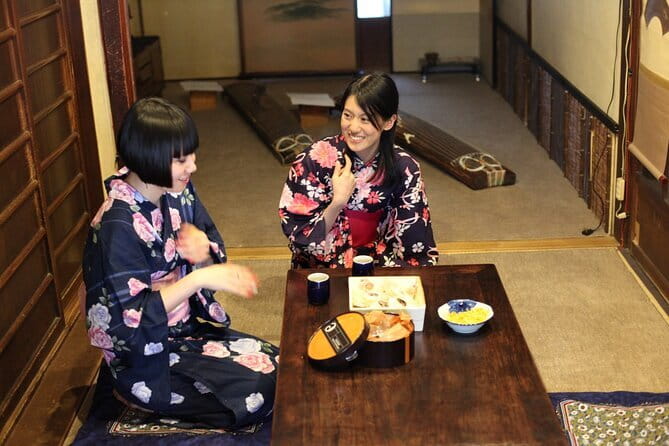
The price is $60.00 per person, and it includes all fees and taxes, plus the koto instrument usage fee and the lesson fee. For many cultural experiences in Kyoto, the hidden costs are what hurt the value. Here, the lesson cost is packaged so you can plan your budget without guessing.
Is it cheap? No. But it is also not overpriced for what you are getting. You are paying for three things that are hard to replicate on your own:
- Private instruction from a professional koto performer
- On-site instruments and provided music notation
- A follow-up tea break and the teacher’s performance
The private format is usually the value driver. Group workshops can be fun, but you often spend part of the time waiting your turn. With a private experience, the time is yours. In an 80-minute window, that matters.
One cost to keep in mind is that private transportation is not included. That is not a dealbreaker, but it can affect the true cost of the day, depending on where you are staying. If you are already close to Kamigyo Ward or near convenient public transit, this becomes a very reasonable add-on to your Kyoto itinerary.
Who this Kyoto koto lesson suits best
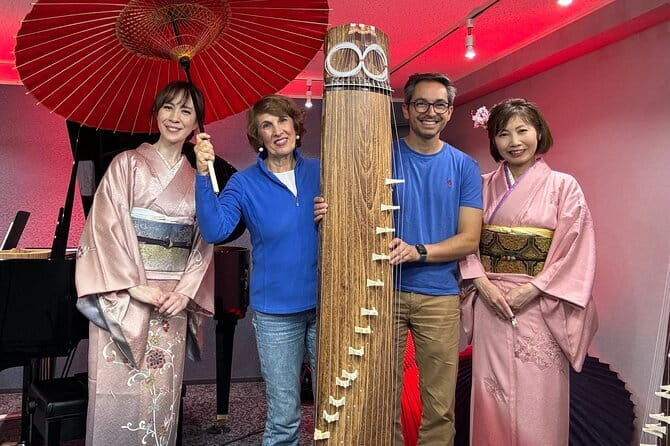
This experience is family-friendly in a real way. The age range is described as usable from about 3 years old through elderly participants. That is rare. It usually signals the teaching approach is gentle, clear, and not dependent on adult technical background.
So I think you will enjoy this most if:
- You want a hands-on, beginner-friendly music lesson in Kyoto
- You want a structured cultural activity that still feels personal
- You are traveling with a child or a mixed-age group
- You like the idea of learning one clear song, Sakura, and then hearing it performed well
Who might want to choose something else? If your goal is a long, multi-song training session, this 1 hour 20 minutes lesson may feel too brief. Also, if you are only interested in watching performances and not in trying the instrument, you may find a pure show experience more suitable, since your time here is focused on learning.
Getting there and making the lesson day easy
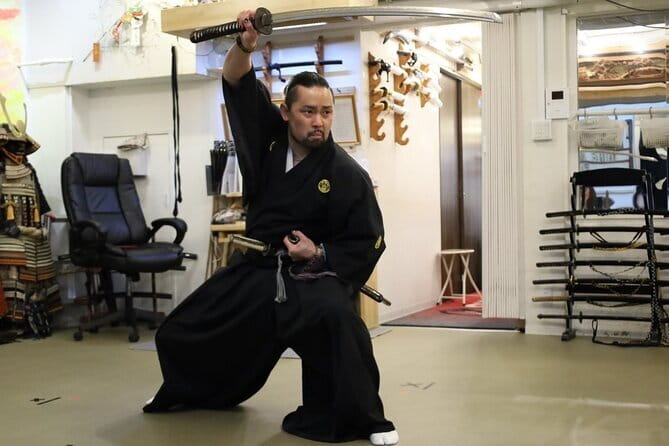
The meeting point is 箏春庵 soushunan, 288-2 Higashishinmeichō, Kamigyo Ward, Kyoto, 602-8162, Japan. The activity ends back at the meeting point, so you can plan a nearby lunch or tea stop afterward without needing to figure out where everyone goes next.
It is near public transportation, which is helpful because private transport is not part of the package. If your day is packed with temples and walking, the fact that this is not a remote location can help you avoid travel stress.
You also get a mobile ticket, so you will want your phone charged and ready. The experience is private, so your group stays together during the lesson. Service animals are allowed, which can make a big difference for some visitors.
What to bring? The nice part is that you do not have to bring the instrument or music materials. Beyond that, you just need to show up ready to sit comfortably and listen carefully. If you are learning with music notation, bring your best attention span for a short, focused session.
Booking timing: when Kyoto dates fill up
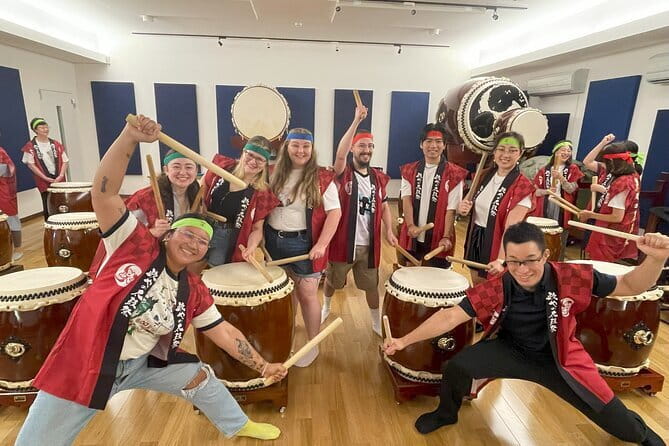
This activity is usually booked about 57 days in advance on average. That is your hint that popular dates can sell out. If you are planning a tight Kyoto schedule or you travel in peak season, I would book early so you get the time slot that fits your day.
Also, you receive confirmation within 48 hours of booking subject to availability. That means you can book with confidence, but you should still avoid waiting until the last minute if your itinerary is already set.
Should you book the private koto lesson at Soushunan?
I think you should book it if you want a meaningful hands-on cultural experience in Kyoto that does not require any musical background. The combination of a professional performer teaching you the koto, a beginner-friendly focus on Sakura, and the added tea break plus teacher performance is a strong value blend. It also works well for families because the teaching is set up for a wide age range.
Skip it only if you are not interested in playing at all, or if you want something longer than 1 hour 20 minutes. This is designed as a complete, satisfying session, not an all-day immersion course.
If you are building a Kyoto day around tradition, craft, and music you can actually participate in, this private koto lesson hits the sweet spot. You leave with a clearer understanding of the instrument and a real piece you practiced, not just a photo and a memory.
FAQ
How long is the private koto lesson in Kyoto?
The lesson lasts about 1 hour 20 minutes.
Where does the experience take place?
It starts at 箏春庵 soushunan, 288-2 Higashishinmeichō, Kamigyo Ward, Kyoto, 602-8162, Japan, and it ends back at the meeting point.
Is transportation included?
No. Private transportation is not included.
Is the experience private?
Yes. It is a private tour or activity, and only your group participates.
What song will I learn?
You will be taught how to play Sakura.
What is included in the price?
All fees and taxes are included, and the koto instrument usage fee and lesson fee are included as well.
Can I cancel for a full refund?
Yes. You can cancel up to 24 hours in advance of the experience for a full refund.
Newly listed around Kyoto
- Zen Meditation for Life in Kyoto★ 5.0 · 10 reviews
- Kyoto: Zen Meditation at a Private Temple with a Monk★ 5.0 · 25 reviews
- Kyoto Private Customizable Day Tour with Guide and Vehicle★ 5.0 · 52 reviews
- Your Private Vacation Photography Session In Kyoto★ 5.0 · 110 reviews
- Private Wagyu Beef Tour with a Local Guide★ 5.0 · 6 reviews
- Kyoto: Gion Geisha District & Sake-in-Hand Walking Tour★ 5.0 · 37 reviews
- Private Guided Traditional Buddhist Cooking in Japan★ 5.0 · 16 reviews
- Private Pewter Sake Cup Experience with a Kyoto Artisan★ 5.0 · 31 reviews
Workshops, compared.
Sushi Making Tokyo Roll and Authentic Japanese Sushi Class
Read our review →
Roll and Authentic Sushi Making Class in Asakusa
Read our review →
Ramen Cooking Class at Ramen Factory in Kyoto
Read our review →
Sushi Making Class in a Happi Coat near a Famous Spot
Read our review →

Tokyo Sushi Making Class in Tsukiji with Professional Chef
Read our review →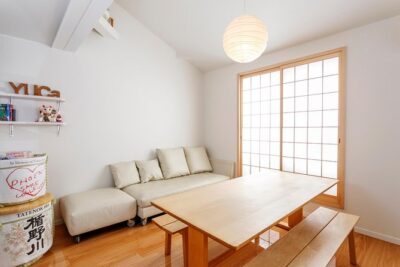
Ramen & Gyoza Cooking Class in Tokyo with Local Supermarket Visit
Read our review →Browse the lists this tour appears in