
Review · WORKSHOPS
Sekka Cotton Furoshiki Class
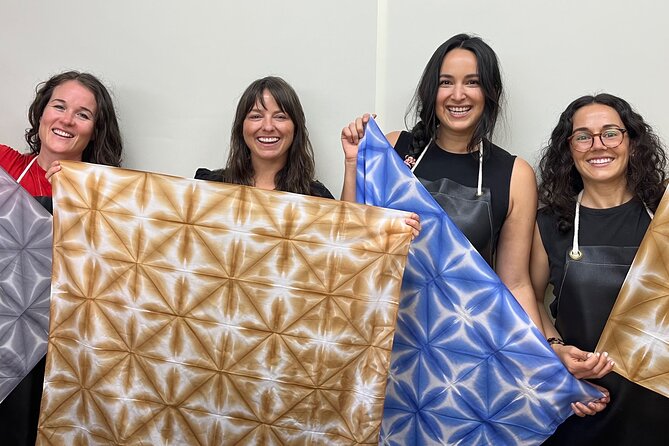
Kyoto dyeing becomes simple, and personal. You do a private sekka shibori lesson at the Kyoto Shibori Museum, making a cotton furoshiki you can use and keep. I like that it is hands-on and structured, with time built in to learn the craft while your fabric dries. The museum part makes it more than just a quick workshop.
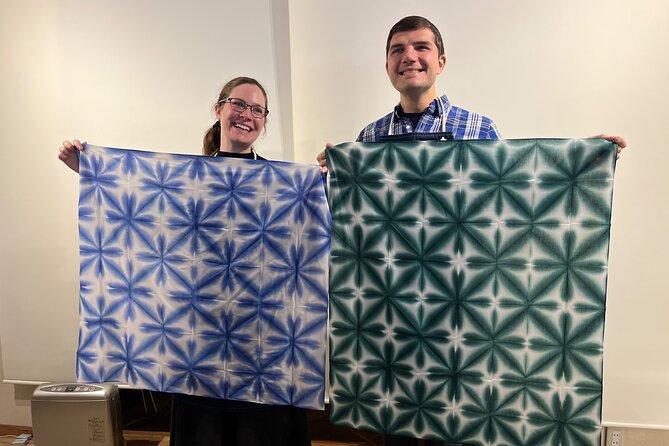
I also like the payoff: you leave with a tangible take-home souvenir sized for real use, an 86cm by 89cm cotton furoshiki you dyed yourself. One drawback to consider is that the dyeing portion can feel fairly standardized, so if you want lots of wild, custom experimentation, this may feel more guided than freeform.
In This Review
- Key things to know before you go
- Kyoto Shibori Museum: where the craft feels real
- Sekka shibori steps: folding, boards, dye, repeat
- The part most people love: museum time while your cloth dries
- Your finished furoshiki: a souvenir with real-world use
- English support and family-friendly vibes
- Price and value: what $43.35 buys you
- Timing and what your hour actually feels like
- Where it is, and how to plan your arrival
- Museum shop stops you will likely want to make
- Who should book Sekka Cotton Furoshiki Class
- Should you book? My take for most Kyoto days
- FAQ
- Where does the class take place?
- How long is the experience?
- Is this a private class?
- What will I make during the lesson?
- Do I get time to explore the museum?
- Can I choose the color?
- Is the ticket mobile?
- Is it near public transportation?
- What is the cancellation policy?
Key things to know before you go
- A private lesson for your group: you are not joining a huge shared class.
- Sekka shibori folding and dyeing: you learn the method using boards and a dyed, folded textile.
- Drying time turns into museum time: about 30 minutes of waiting becomes learning and browsing.
- You take home a full-size furoshiki: 86cm by 89cm cotton wrapping cloth.
- Museum shop for extras: you can buy shibori items, fabrics, and souvenirs.
Kyoto Shibori Museum: where the craft feels real
This class is set up inside the Kyoto Shibori Museum in Nakagyo Ward, which matters more than you might think. When you are learning a technique like sekka shibori, it helps to see the material culture around you, not just follow steps at a counter. The museum gives you context for what you are doing, and it keeps the experience from feeling like a shortcut.
The schedule is also designed to keep you moving. The dyeing itself takes place during the lesson, then your fabric dries while you learn more and look around upstairs. That rhythm is practical, because it turns a potential wait time into part of the activity, instead of leaving you idle.
What I find especially appealing is that it is not pitched as a show. It is presented as traditional craft learning, with displays, tools, and samples that help you connect the folding method to the patterns shibori creates. If you like your Kyoto experiences to have a strong sense of place, this one delivers.
A few more Kyoto days to weigh up
- PERFECT KYOTO 1-Day Bus Tour
★ 5.0 · 13,518 reviews - Kyoto: Fushimi Inari, Kinkakuji, Bamboo Grove 1 Day Bus Tour
★ 4.8 · 4,316 reviews - Kyoto: Tea Ceremony in a Traditional Tea House in Kiyomizu
★ 4.9 · 3,519 reviews
Sekka shibori steps: folding, boards, dye, repeat
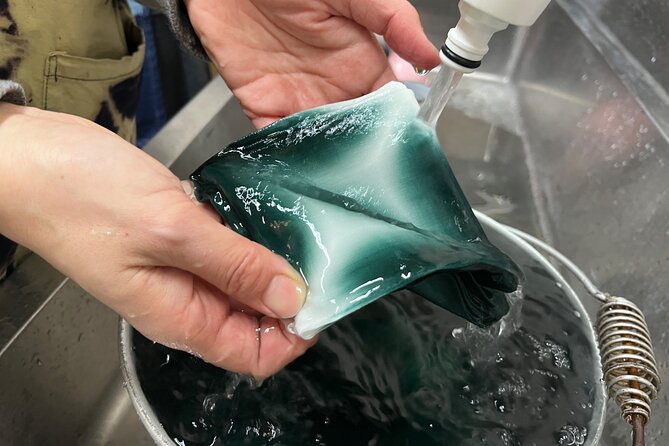
Your hands-on work centers on dyeing a cotton furoshiki, a wrapping cloth. The size is 86cm by 89cm, so you are not making a tiny sample you will toss in a drawer. You choose your favorite color first, then you learn how to fold the fabric in a specific way for sekka shibori.
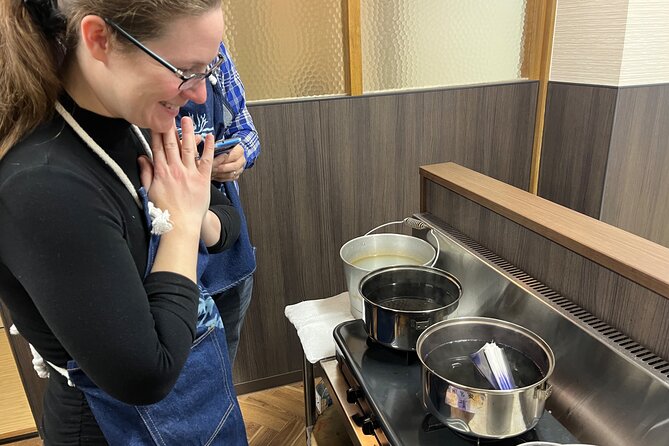
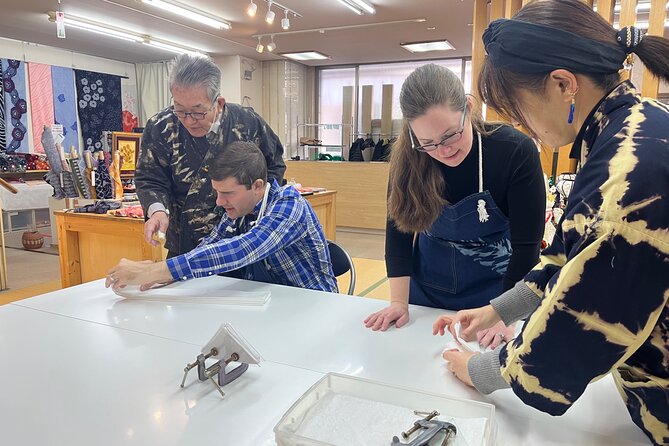
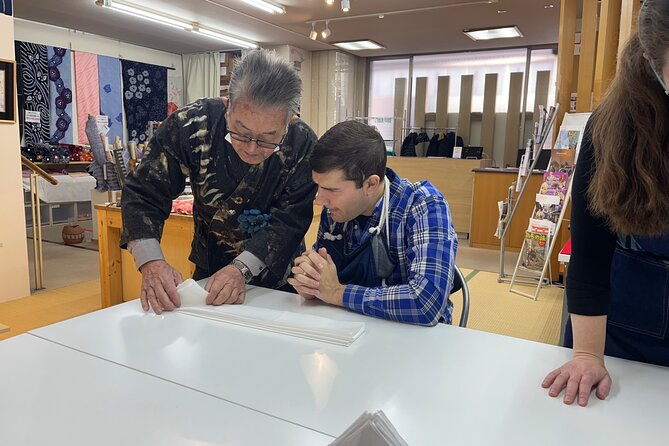
The core technique uses two boards. After folding, you put the folded fabric between the boards, which helps control how the dye reaches the textile. Then you dye the fabric. It is an elegant idea, simple in concept, but it teaches you the logic behind the pattern: shibori is about controlling exposure to dye through shaping the cloth.
You are also guided through the process step by step. One of the best things about this class is that instruction is clear and detailed. In a workshop setting like this, that clarity makes a big difference. If you are new to textiles, you want to understand what each step is doing, not just copy movements.
Since the class format is private for your group, you are not competing for attention. That is a real value point in Japan, where many cultural activities are designed around shared groups. You get the chance to ask questions and get your folding and dyeing technique corrected while you are still in the middle of it, not after you are done.
The part most people love: museum time while your cloth dries
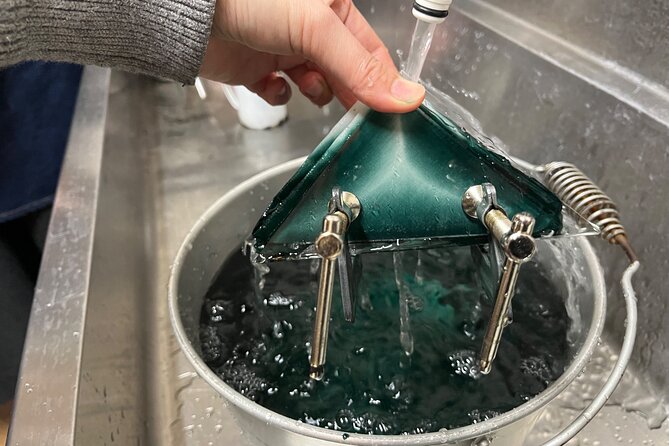
You dye your fabric, then you wait while it dries for about 30 minutes. Instead of a blank gap in the schedule, you use this time to learn about shibori and explore the museum displays.
This is where the experience broadens. You can browse art pieces, tools, and samples in the museum. There is also an educational video shown at the museum, which helps connect what you are making to the bigger craft tradition. If you like understanding why something exists, not only how to do it, this museum time is where you get it.
The upstairs exhibits also shine. The museum highlights shibori textiles and craftsmanship across time, including an impressive collection created by 50 artisans over 50 years. Even if you are not a textile superfan, it is a strong visual reminder that this is a technique with patience built into it.
A practical note: you should plan to slow down during this part. The temptation is to treat it like a quick gallery stop, but it is more interesting when you look closely at the textures, pattern logic, and variations. This is one of those activities where the museum can add depth fast.
Your finished furoshiki: a souvenir with real-world use
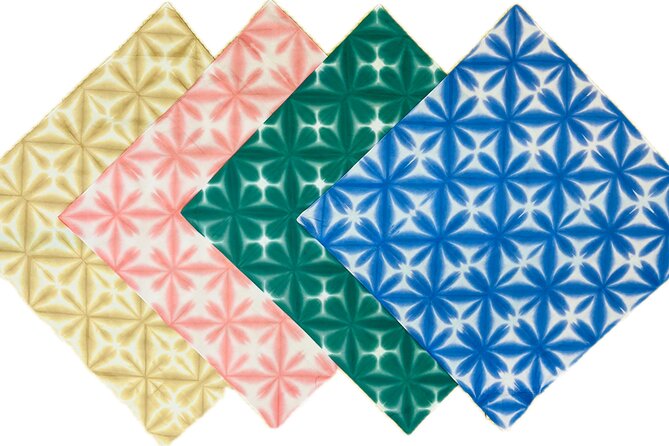
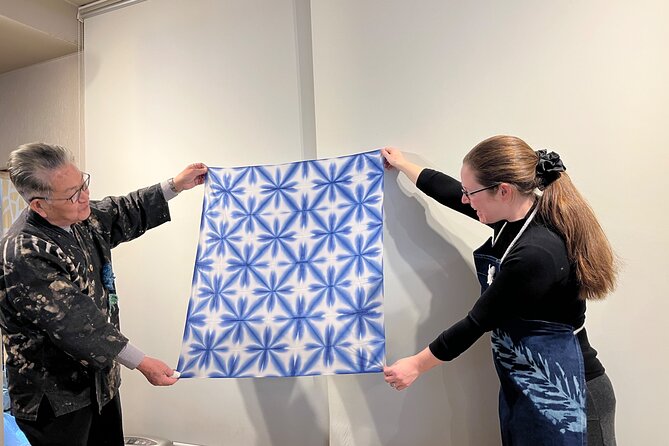
At the end of the lesson, you leave with the cotton furoshiki you dyed. That matters because it is not only decorative. A furoshiki is meant for wrapping, carrying, and styling, which makes the souvenir feel functional.
The size is large enough to actually use, 86cm by 89cm. Many craft classes produce small keepsakes. This one gives you cloth you can fold into practical formats, even after you get home. You can also think of it as a wearable reminder of Kyoto. It is the kind of souvenir that still makes sense weeks later, not just on day one.
I also like that you are not stuck with a single preselected design. You start by choosing a color you like. That personal choice gives the final cloth a little more of your own taste, even though you are learning a specific traditional method.
A different sort of day in Japan:
- Kyoto Geisha Walking Tour: Gion District & Hidden Gems
★ 4.7 · 3,273 reviews - Kyoto: Tea Ceremony Ju-An at Jotokuji Temple
★ 4.9 · 3,207 reviews - Kyoto: 45-Minute Tea Ceremony Lesson Experience
★ 4.3 · 2,378 reviews - Kyoto: Gion Geisha District Walking Tour – Stories of Geisha
★ 4.7 · 2,187 reviews
English support and family-friendly vibes
This class tends to work well for a wide range of ages, including families. The environment is set up in a way that feels welcoming, and many people at the museum and workshop side are comfortable with English. That is a big deal if your Japanese is still in the hello-and-thank-you stage.
For kids and teens, the structure can be a plus. The dyeing portion is hands-on and quick, with a clear sequence: fold, board, dye, then learn while it dries. That makes it easier to stay engaged, because you are always doing something or learning something in close succession.
If you want totally free experimentation, do keep expectations realistic. One person noted that the dyeing portion can feel a little standardized and easy. Translation for you: it may not feel like a DIY art project where you can reinvent the process. But if you want a guided introduction to sekka shibori that results in a real object, that standardized structure is often exactly what you want.
Price and value: what $43.35 buys you
The price is $43.35 per person, with the booking often made about 19 days in advance on average. On paper, it is a straightforward craft class cost. In value terms, what you are paying for is more than the dyeing.
You get:
- A private lesson for your group, which is a better attention ratio than many shared classes.
- Instruction in sekka shibori folding and dyeing using boards.
- A full-size cotton furoshiki to take home (86cm by 89cm).
- Time during dye drying to explore the museum exhibits and shop.
In other words, this is not just a make-and-go activity. The museum visit and the explanation about shibori are part of the experience design. If you were already planning a museum stop in Kyoto, this class slots in as an activity with a clear reason to be there.
Also, you only spend about 1 hour total, approximately. That makes it a strong add-on to a day packed with sights. You are not committing to a half-day workshop, so it is easier to fit into an itinerary without stressing your schedule.
Timing and what your hour actually feels like
This activity runs about 1 hour (approximately). The workshop section is usually 30 to 60 minutes per class, and the dye drying time is about 30 minutes. The likely flow is:
1) You arrive at the Kyoto Shibori Museum meeting point at 135-5 Shikiamichō, Nakagyo Ward, Kyoto.
2) You choose your color and learn the folding steps for sekka shibori.
3) Your folded fabric gets placed between boards and dyed.
4) While the fabric dries, you explore the museum upstairs, including art pieces, tools, and samples.
5) When the lesson wraps, the activity ends back at the meeting point.
Because the drying time is built in, you do not feel like you are waiting in the workshop area for half an hour with nothing to do. You are touring and learning as your cloth does its work.
If you tend to hate timed activities, this one is still pretty comfortable. You are not rushing through a list of tasks. The pace supports both hands-on work and museum browsing.
Where it is, and how to plan your arrival
The meeting point is the Kyoto Shibori Museum itself, address given at 135-5 Shikiamichō, Nakagyo Ward, Kyoto, 604-8261. It is also noted as being near public transportation, which is helpful in Kyoto where transit is often the most efficient option.
You receive confirmation at booking, and you use a mobile ticket. That keeps things easy on the day, especially if you are juggling multiple reservations while exploring the city.
One practical thing to plan for: since this is a private lesson, you want to show up on time. A workshop schedule can shift slightly depending on dye drying and instruction pace, but the activity is designed around that flow.
Museum shop stops you will likely want to make
The museum shop sells shibori items, souvenirs, fabrics, and more. This is not a throwaway add-on. If you enjoy the class, you will likely want to browse for finished pieces, textile gifts, or additional fabric options.
The key is to browse with intention. If you only want one thing, decide before you start walking deeper into the shop. Textile shopping can be tempting because everything looks beautiful, and you can lose track of time and budget quickly.
If you are the type who wants to bring home more than one souvenir, this is a strong feature. You can match what you made in class to what you buy, either as a set or as future inspiration for projects.
Who should book Sekka Cotton Furoshiki Class
This class is a great fit if:
- You want a Kyoto craft experience that produces a real, full-size souvenir.
- You like structured instruction that teaches a traditional method like sekka shibori.
- You want something shorter than a multi-hour workshop.
- Your group values a private format, so you can ask questions and learn at your own pace.
- You want an experience that includes both making and museum learning.
It may be less ideal if:
- You are hunting for a highly experimental, fully custom art project.
- You want lots of free-form dyeing choices beyond color selection.
- You prefer experiences that are purely sightseeing and not hands-on crafting.
Should you book? My take for most Kyoto days
If you are weighing between another temple stop and a craft workshop, I would lean toward booking this one, especially if you like tangible souvenirs and skill-based learning. The mix of private instruction, a practical take-home item, and museum time makes it feel efficient and satisfying.
The price feels reasonable for what you get: a private lesson plus a cotton furoshiki (86cm by 89cm) plus time in the museum and shop. And because it is around 1 hour, it is an easier fit than longer workshops.
If you know you want total freedom and lots of creative variation, you might feel more restrained here. But if you want a guided first look at sekka shibori that ends with something you can actually use, this is a smart Kyoto booking.
FAQ
Where does the class take place?
It takes place at the Kyoto Shibori Museum, at 135-5 Shikiamichō, Nakagyo Ward, Kyoto, 604-8261, Japan. The activity ends back at the meeting point.
How long is the experience?
The duration is about 1 hour. The dyeing class itself is usually 30 to 60 minutes per class.
Is this a private class?
Yes. It is a private tour or activity, and only your group participates.
What will I make during the lesson?
You will dye a cotton furoshiki (wrapping cloth). The cloth size is 86cm by 89cm.
Do I get time to explore the museum?
Yes. While your fabric is drying (about 30 minutes), you learn more about shibori and browse art pieces, tools, and samples in the museum. The museum also includes an exhibition to view.
Can I choose the color?
Yes. You start by choosing your favorite color before learning how to fold and dye the fabric.
Is the ticket mobile?
Yes. The experience uses a mobile ticket.
Is it near public transportation?
Yes, it is noted as being near public transportation.
What is the cancellation policy?
You can cancel for a full refund if you cancel up to 24 hours in advance of the experience start time. If you cancel less than 24 hours before, the amount paid is not refunded.
Newly listed around Kyoto
- Zen Meditation for Life in Kyoto★ 5.0 · 10 reviews
- Kyoto: Zen Meditation at a Private Temple with a Monk★ 5.0 · 25 reviews
- Kyoto Private Customizable Day Tour with Guide and Vehicle★ 5.0 · 52 reviews
- Private Wagyu Beef Tour with a Local Guide★ 5.0 · 6 reviews
- Kyoto: Gion Geisha District & Sake-in-Hand Walking Tour★ 5.0 · 37 reviews
- Your Private Vacation Photography Session In Kyoto★ 5.0 · 110 reviews
- Private Guided Traditional Buddhist Cooking in Japan★ 5.0 · 16 reviews
- Private Pewter Sake Cup Experience with a Kyoto Artisan★ 5.0 · 31 reviews
Workshops, compared.
Sushi Making Tokyo Roll and Authentic Japanese Sushi Class
Read our review →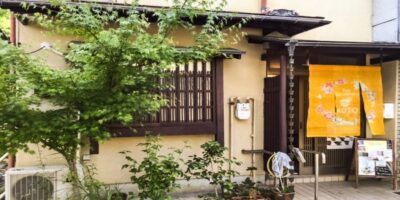
Roll and Authentic Sushi Making Class in Asakusa
Read our review →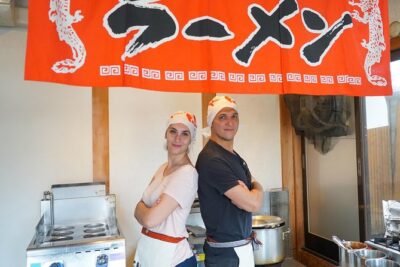
Ramen Cooking Class at Ramen Factory in Kyoto
Read our review →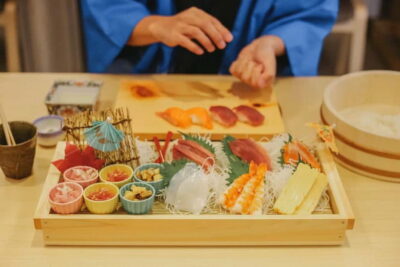
Sushi Making Class in a Happi Coat near a Famous Spot
Read our review →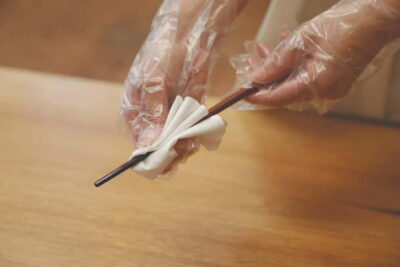
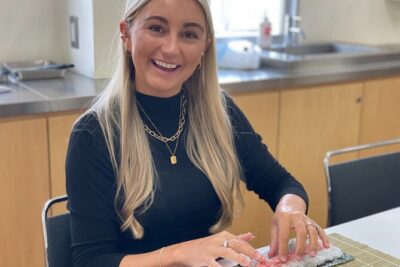
Tokyo Sushi Making Class in Tsukiji with Professional Chef
Read our review →
Ramen & Gyoza Cooking Class in Tokyo with Local Supermarket Visit
Read our review →Browse the lists this tour appears in