
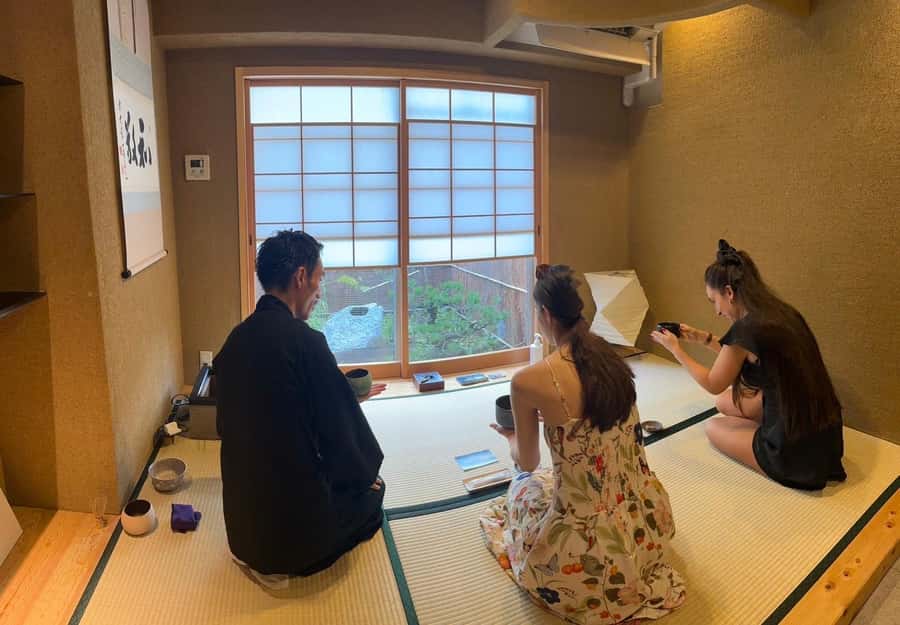
Review · MATCHA & TEA CEREMONY SESSIONS
Tea Ceremony Experience in a Private Tea Room in Shibuya
A quiet tea room in the middle of Shibuya. I love the EAST GREEN MATCHA matcha and the careful, step-by-step guidance from the host, Tatsu, including how to whisk and sip correctly. One thing to plan around is no toilet in the tea room.
You meet near Shibuya Station and end up in a small, private space tucked inside an apartment block, where the pace slows fast. It is a great way to experience Japanese tea culture without trying to fit it into a crowded day of Shibuya sights, plus you get traditional wagashi with your tea.
In This Review
- Key highlights at a glance
- Tea Room Kakoi: Finding the Calm Near Shibuya Station
- What Makes This Tea Ceremony Feel Private (Not Staged)
- EAST GREEN MATCHA and the 2% Harvest Detail
- The Tea Ceremony Flow: Learning, Watching, Then Doing
- Step 1: Intro to tea and matcha
- Step 2: Matcha preparation in formal style
- Step 3: Learn the correct way to drink
- Step 4: Make your own matcha
- Wagashi, Texture, and Why the Pairing Works
- Shibuya Access Plus Real Cultural Focus
- Price and Value: Is $30 Actually Fair?
- Who Should Book This Tea Room Experience
- Who Should Skip It (Or Plan Around It)
- Buying Matcha and Tea Tools as Souvenirs
- FAQ
- Where do I meet for the tea ceremony?
- How far is it from Shibuya Station?
- Is there a toilet in the tea room?
- What languages are offered?
- Is this suitable for children?
- Does matcha contain caffeine?
- What is the cancellation policy?
- Should you book the Shibuya private tea ceremony?
Key highlights at a glance
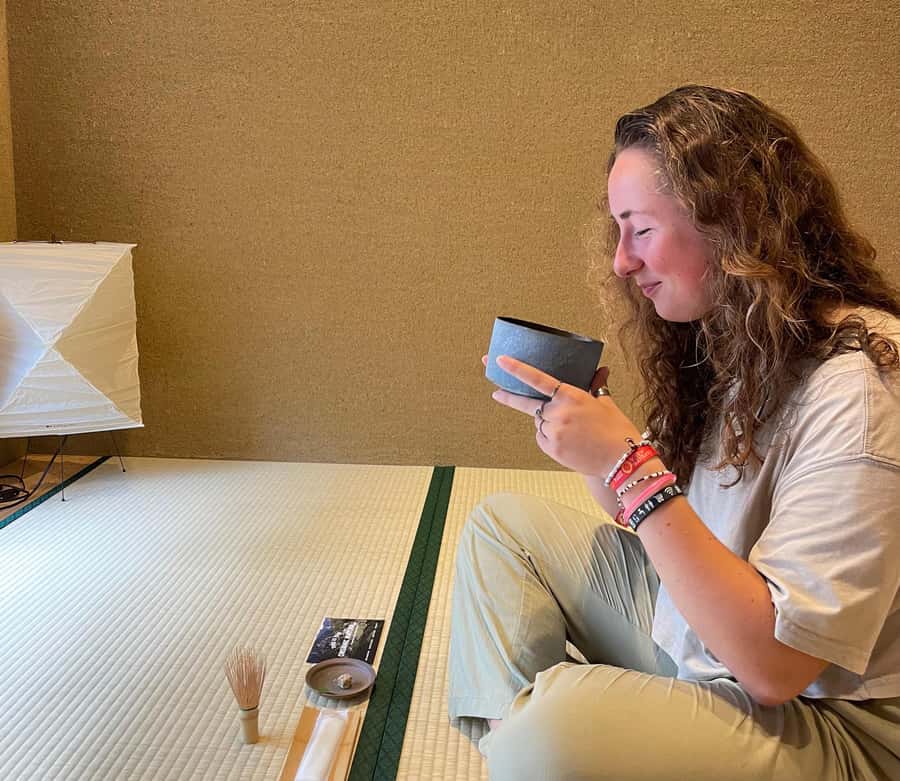
- Organic matcha that comes from only 2% of Japan’s harvest
- Formal tea ceremony style preparation, plus you get to make your own bowl
- Traditional wagashi served alongside your matcha
- A calm, private setting inside TEA ROOM KAKOI
- Shibuya location that’s walkable from Shibuya Station (about 8 minutes)
- English or Japanese hosting, with time for questions at the end
Tea Room Kakoi: Finding the Calm Near Shibuya Station
This experience is built for convenience. You’ll meet at the front of The OneFive Tokyo Shibuya hotel, and the guide will be holding a sign for TEA ROOM KAKOI. From Shibuya Station, it’s about an 8-minute walk, which is handy if you want a cultural break without hauling luggage or lining up for trains.
The surrounding area matters, too. You’re in Shibuya, close to big landmarks like Hachiko Statue and Meiji Shrine, so it is easy to combine tea with a normal sightseeing day. Then you shift into a quiet tea-room atmosphere, which feels like stepping into a different volume of sound.
One practical note: since the tea room is private and on the small side, you should expect a low-key, focused visit rather than a big show. That is part of the charm, but it also means the setting is intimate, and you’ll want to be ready to sit, watch, and participate.
More Tea Ceremonies in Tokyo
- Matcha Making Class in Tokyo with Authentic Japanese Sweets Set
★ 5.0 · 744 reviews - Kimono Tea Ceremony at Tokyo, Asakusa Maikoya
★ 5.0 · 638 reviews - Tokyo: Traditional Tea Ceremony with a Tea Master
★ 5.0 · 528 reviews
What Makes This Tea Ceremony Feel Private (Not Staged)
A lot of tea experiences are either strictly scripted or so open-ended they drift. This one lands in the sweet spot: structured enough to learn the real forms, but still personal enough that you can ask questions at the end.
The format centers on a traditional private tea room. Even though it is in Shibuya, it does not feel like a storefront performance. The atmosphere is calm, and the ceremony pace is meant to slow your brain down, one step at a time.
I also like that the host is not just reading lines. In the accounts I’m drawn to, Tatsu shares matcha know-how with a personal connection to tea farming through his family, including two generations. That usually translates into explanations that make sense, like why specific tools matter and why the whisking technique is not just for show.
EAST GREEN MATCHA and the 2% Harvest Detail
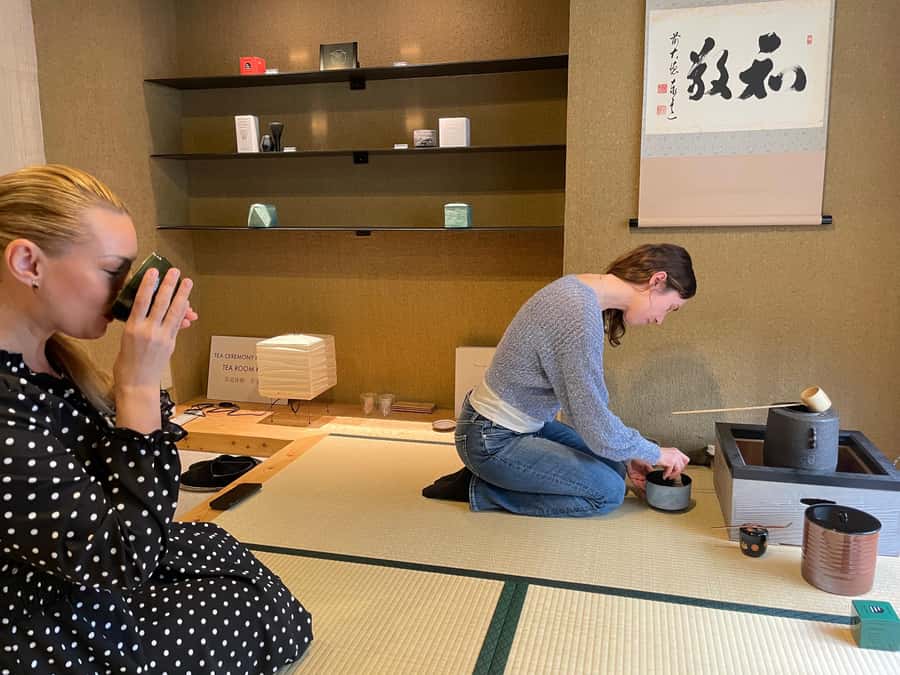
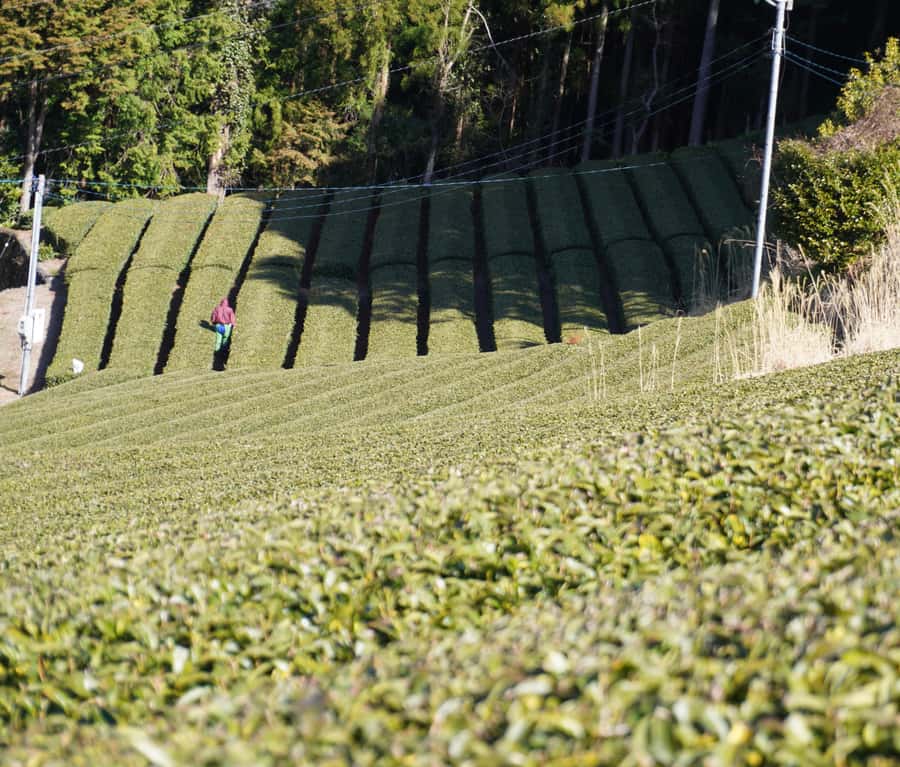
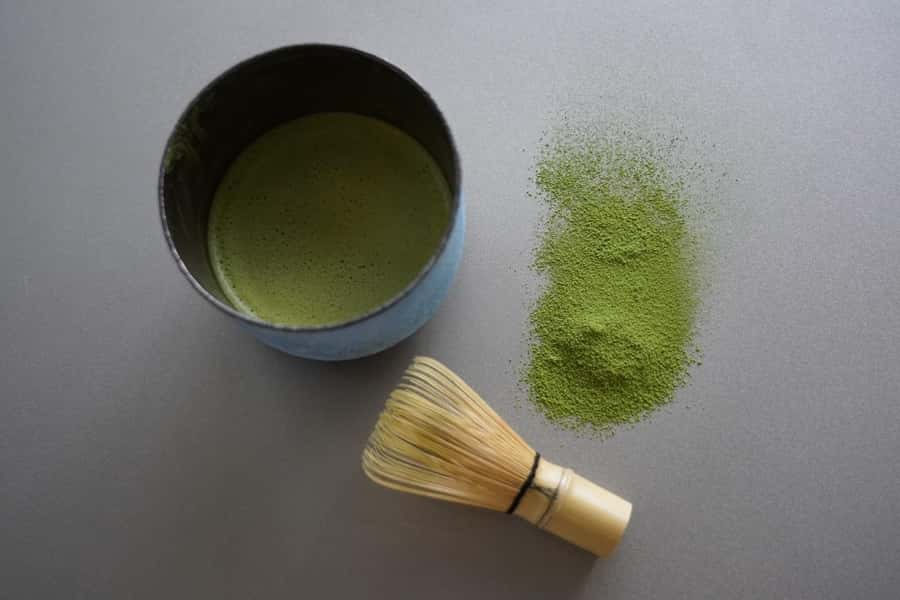
The star ingredient here is rare, organic matcha from EAST GREEN MATCHA. The big claim to know is that their high-grade organic matcha comes from only 2% of the harvest in Japan. Even if you do not chase tea nerd facts at home, that detail signals something important: this is meant to be ceremonial matcha quality, not everyday powder.
They also make a point of discussing how matcha is produced, not just how to drink it. You’ll hear about the history of the Japanese tea ceremony and the background of matcha as a produce that later gained global attention for its health benefits.
This matters because matcha can taste very different depending on quality and how it is prepared. When you understand what you are tasting, the whole experience becomes less of a novelty and more of a skill. You also get a clearer reason why the ceremony treats every object with respect.
One more practical reminder: matcha contains caffeine. If you are sensitive, consider planning the ceremony earlier in the day so the caffeine does not mess with your evening plans.
The Tea Ceremony Flow: Learning, Watching, Then Doing
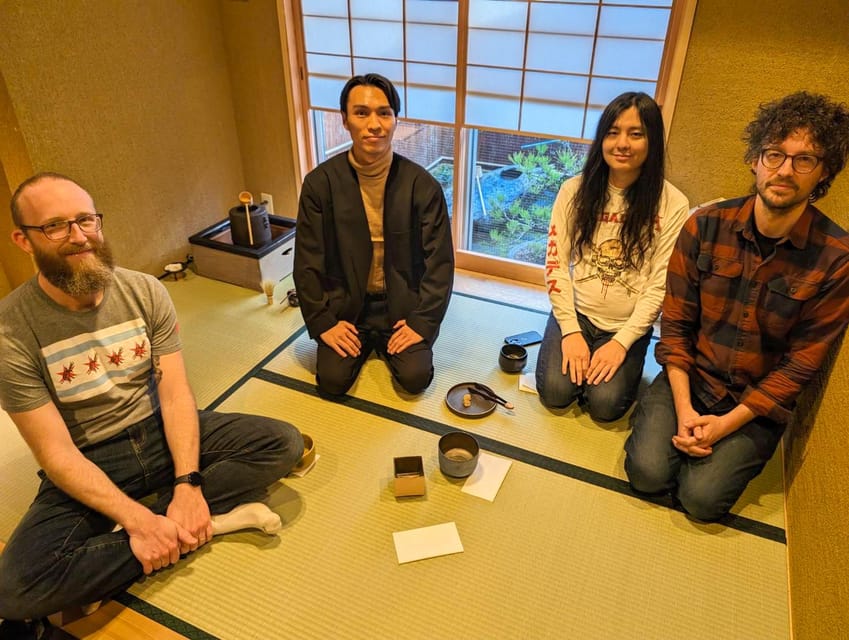
The ceremony is structured like a small lesson with a purpose. It starts with an explanation of tea ceremony traditions and the role of matcha, then moves into preparation in a formal tea style. After that, you get served traditional sweets and your matcha, and then the host teaches you how to make your own bowl.
A few more Shibuya and Shinjuku Nightlife around Tokyo:
- Tokyo: Shinjuku Food Tour (13 Dishes at 4 Local Eateries)
★ 5.0 · 6,603 reviews - Tokyo Bar Hopping Tour in Shinjuku (All-You-Can-Drink + Dinner)
★ 5.0 · 3,587 reviews - Official Street Go-Kart in Shibuya
★ 5.0 · 3,435 reviews - Tokyo: Shinjuku Food Tour (15 Dishes and 4 Eateries)
★ 4.9 · 2,033 reviews
Step 1: Intro to tea and matcha
First, you’ll talk through the meaning behind the ritual. That includes the history of the Japanese tea ceremony and how matcha is tied to agriculture and cultivation practices. The goal is to help you understand why the procedure looks the way it does.
Step 2: Matcha preparation in formal style
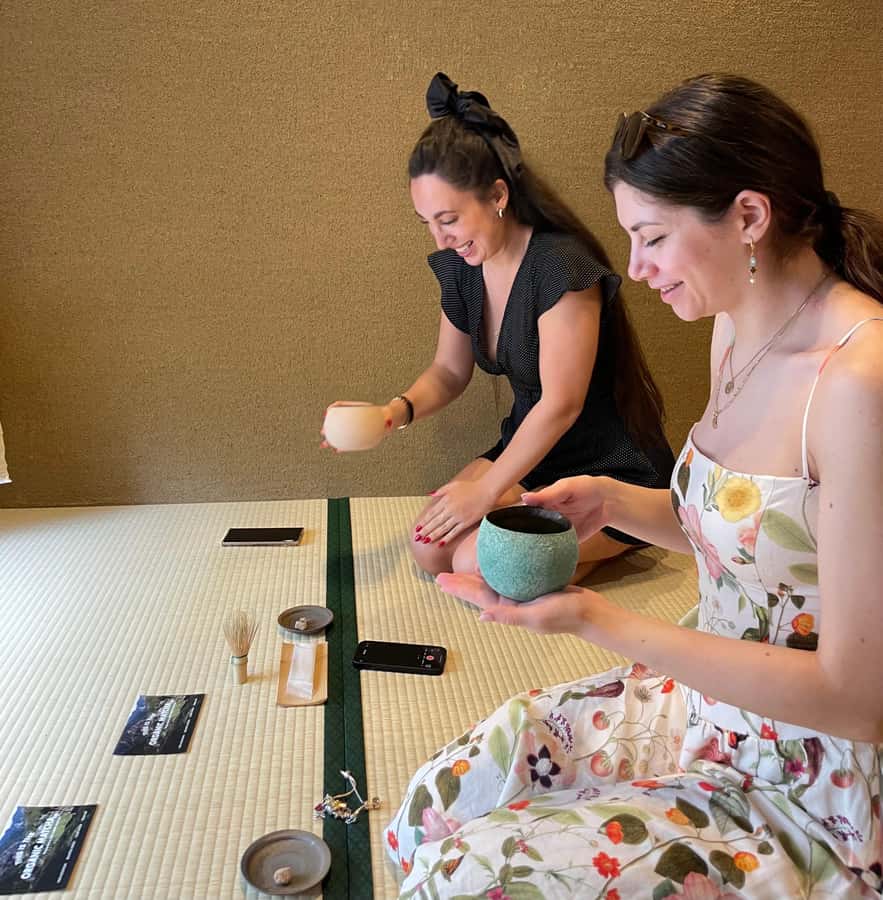
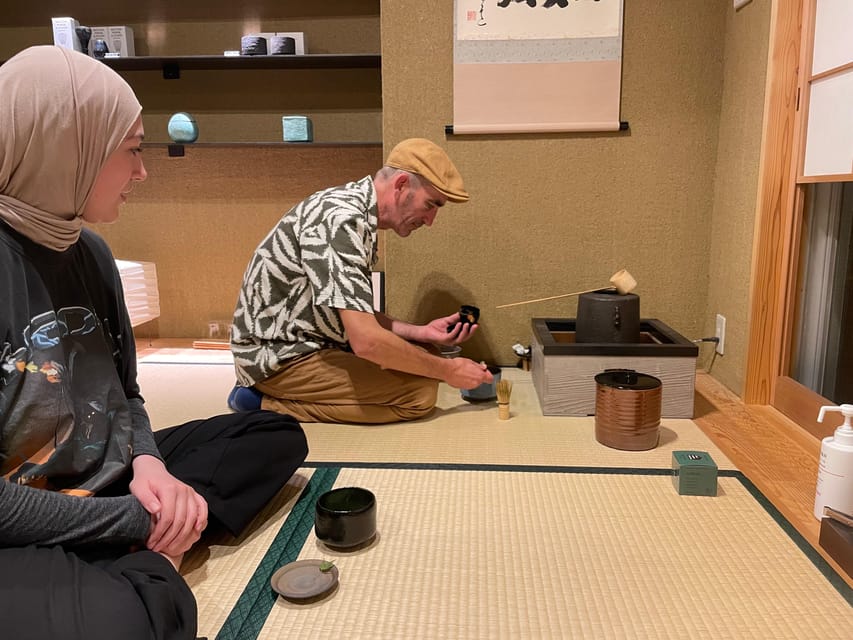
Then comes the visual part you can actually learn from. The host prepares matcha in the standard ceremonial manner and serves it to you. The drink is paired with traditional wagashi from a long-established shop with over 200 years of history, so you taste matcha alongside classic sweetness and texture.
Step 3: Learn the correct way to drink
This is one of those small details that makes a big difference. You are guided on how to drink the tea properly, not just to sip quickly and move on. It might sound tiny, but the ceremony’s rhythm changes how you experience the flavor, especially the froth and aroma.
Step 4: Make your own matcha
Finally, you try. The host guides you through the process and the significance of the technique, so you understand what you are doing and why it matters. I like that the method is taught with patience, and the overall energy stays relaxed rather than rushed.
If you care about photos and memories, this is also a moment where you’ll likely capture plenty of video and picture material, because the tea-room setup is designed for that kind of focus.
Wagashi, Texture, and Why the Pairing Works
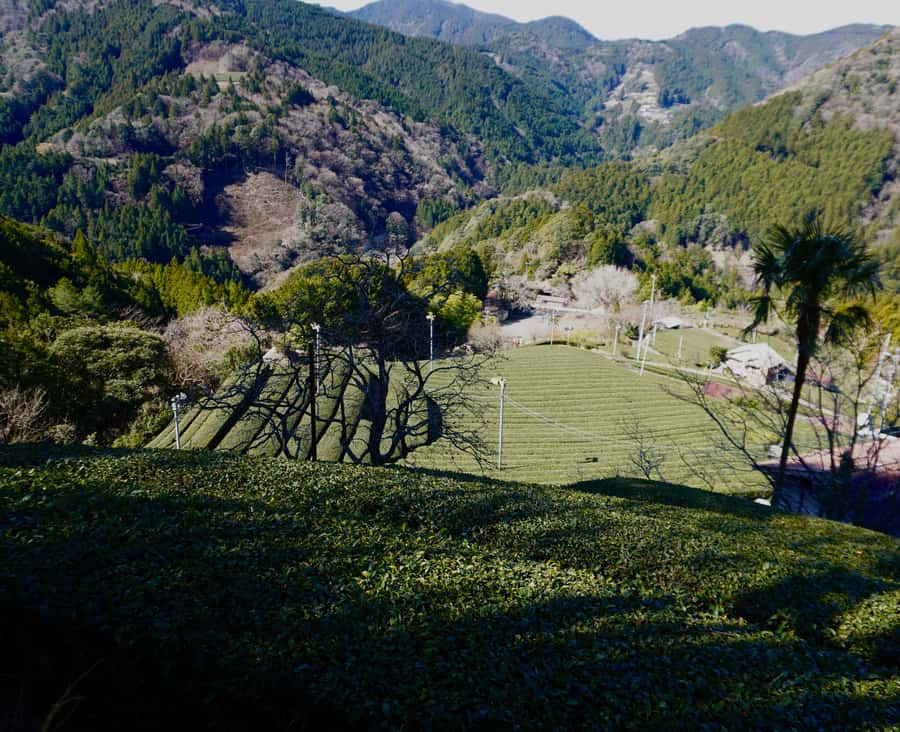
Matcha in Japan is rarely a standalone event. Here you get traditional Japanese sweets, wagashi, alongside the ceremonial drink. That pairing is not random. Wagashi is meant to balance matcha’s character, helping you experience sweetness, aroma, and mouthfeel in the same session.
What you’re looking for is contrast. Matcha can be grassy and rich, especially when it’s high grade. The wagashi brings a different texture and sweetness so you can taste the matcha more clearly, not just drown it out.
The tea-room pace also helps. You are not shoving food into your day like a snack stop. You’re sitting down for a short ritual where each bite and sip has a place.
Shibuya Access Plus Real Cultural Focus
A big part of why this works for me is logistics. Shibuya can eat your day: crowds, crossings, lines, and loud decision-making. This experience adds a calm center point, and you’re still close to everything else when it ends.
The meeting point is straightforward, and the guide leads you into the tea space from there. The experience ends back at the meeting point, so you do not have to figure out a second route home in the middle of the day.
Languages are also a plus. The experience runs in English and Japanese, which helps you get the explanations clearly, especially for the more technical points about matcha and utensils.
Price and Value: Is $30 Actually Fair?
At $30 per person, this is not a budget-only activity, but it also is not overpriced for what you receive. The cost includes:
- Organic matcha from EAST GREEN MATCHA
- Traditional wagashi
- A matcha-making session with guidance
- Everything you need for the experience
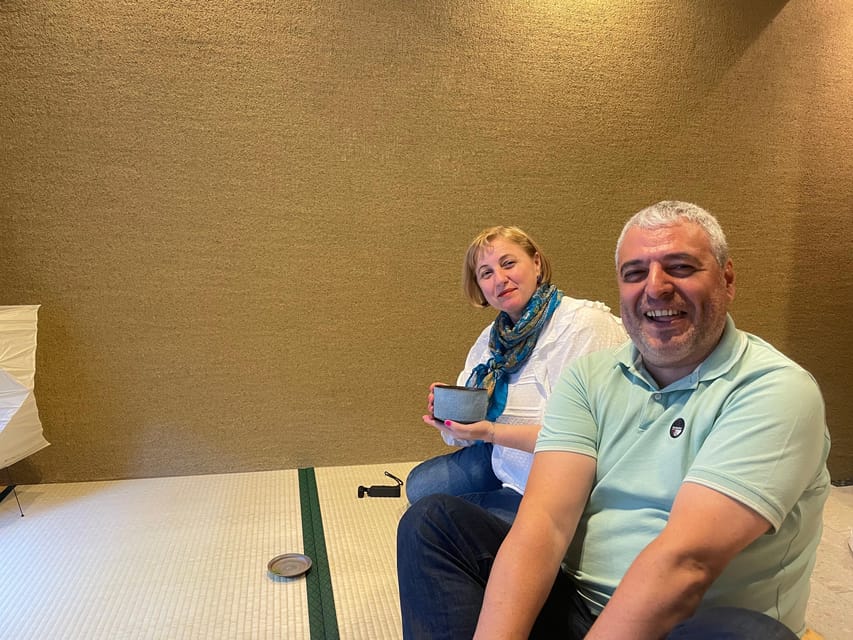
That package is the key value. You are not just watching a ceremony. You’re learning how to whisk and preparing your own bowl, with matcha that’s described as ceremonial grade and linked to a very limited 2% harvest source.
If you’ve ever bought matcha in Tokyo and then wondered why your home cup tastes different, this can help you understand the gap. The experience gives you context, technique, and the right pairing, all in one sitting. That makes the price feel more like a hands-on lesson than a one-time show.
Who Should Book This Tea Room Experience
This is a strong fit if you want a calm, respectful taste of Japanese tea culture in the middle of Shibuya. I especially think it suits:
- People who like hands-on activities, not just watching
- Tea curious travelers who want matcha technique and tasting guidance
- Anyone who wants a slower, quieter moment between major Shibuya stops
It also helps if you enjoy smaller spaces. The tea room is described as private and serene, and that low-key setting makes it easier to focus.
Who Should Skip It (Or Plan Around It)
This is not the best choice for every traveler.
Not suitable:
- Children under 10 years
- Pregnant women
- Babies under 1 year
And plan around the room rules:
- No toilet in the tea room
- Pets are not allowed (assistance dogs are allowed)
Also, because matcha has caffeine, if you are caffeine sensitive, you might want to schedule it earlier.
Buying Matcha and Tea Tools as Souvenirs
If you fall in love with the flavor, there is an option to purchase high-quality organic matcha and original tea tools as souvenirs. You’ll have free time at the end for questions, and if you want to take the experience home, that’s when it makes sense to ask what to buy and how to use it.
This is one of the practical perks I like. Many cultural activities end with a photo and a memory. Here you can also leave with a product that connects to what you practiced inside the tea room.
FAQ
Where do I meet for the tea ceremony?
You meet at the front of The OneFive Tokyo Shibuya hotel at 1-8-11, Jinnan, Shibuya-ku, Tokyo 150-0041. The guide holds a sign for TEA ROOM KAKOI.
How far is it from Shibuya Station?
It’s about an 8-minute walk from Shibuya Station.
Is there a toilet in the tea room?
No. There is no toilet in the tea room.
What languages are offered?
The experience is hosted in English and Japanese.
Is this suitable for children?
It’s not suitable for children under 10 years.
Does matcha contain caffeine?
Yes. Matcha contains caffeine.
What is the cancellation policy?
You can cancel up to 24 hours in advance for a full refund.
Should you book the Shibuya private tea ceremony?
If you want something calm, cultural, and hands-on, I’d say yes. For about $30, you get ceremonial matcha quality, traditional wagashi, and guided matcha-making in a private tea room near the heart of Shibuya.
Skip it if you need a toilet on site, if you are traveling with a young child, or if caffeine is an issue for you. If those constraints fit your needs, this is a smart way to trade part of your Shibuya day for real tea technique and a quiet pocket of Tokyo life.
Newly listed around Tokyo
- Tokyo private transfer for Yokohama Port★ 4.5 · 63 reviews
- Luxury Kimono Photoshoot at Ginza Tokyo★ 5.0 · 7 reviews
- Tokyo Allstar Food Tour★ 4.5 · 206 reviews
- Tokyo Art Aquarium Museum E-Ticket with optional Tokyo Metro Pass★ 5.0 · 17 reviews
- Tokyo: Best Ginza Food Tour at 3 Local Eateries★ 5.0 · 83 reviews
- Private One Day Nikko Tour with Bilingual driver★ 3.5 · 11 reviews
- Japanese Whisky Tasting Experience at Local Bar in Tokyo★ 5.0 · 59 reviews
- PRIVATE tour in 180SX to Daikoku+++++★ 5.0 · 6 reviews
Matcha & Tea Ceremony Sessions, compared.
Tea Ceremony in a Traditional Tea House in Kiyomizu
Read our review →
World Heritage Kyoto & Nara Uji Authentic Matcha Experience
Read our review →
Browse the lists this tour appears in