
Review · MATCHA & TEA CEREMONY SESSIONS
Tokyo: Matcha Tasting and Making Experience
Your nose and tongue get a workout.
This 90 minute Tokyo class turns matcha into a hands-on, compare-and-choose experience, not a one-note drink. I like how Chisei, a former tea farmer who grew tea for 6 years in Kyoto, explains what you are tasting while you taste it. I also love the small group feel, up to 5 people, which keeps the pace relaxed and lets you ask questions. One possible drawback: with so many sips in one sitting, it can feel like a lot if you are not a matcha person to begin with.
You get real side-by-side contrasts, including both ceremonial and non-traditional matcha sold internationally. Expect 10 different matcha types from 5 production areas, and then a practical “I can do this at home” making session with a bamboo whisk. The main consideration is that this is a learning class for general guests, so it is not a deep technical lab for tea nerds looking for obscure processing details.
In This Review
- Key things that make this matcha experience worth your time
- A tiny class at Henn na Hotel Asakusa Tawaramachi
- Matcha tasting across Japan, color to finish
- Ceremonial grade vs world-style matcha, and why you will notice it
- Learning from Chisei, the Kyoto tea farmer behind the class
- Making your own matcha with a bamboo whisk
- Milk friends: matcha latte, hojicha latte, and sweets
- Is this 90-minute matcha class worth booking?
- FAQ
- Where does the experience take place?
- How long is the matcha experience?
- What is included in the price?
- How many matcha types do I taste?
- Do I get to make matcha myself?
- Is the class taught in English?
- How big is the group?
- What are the cancellation options?
Key things that make this matcha experience worth your time
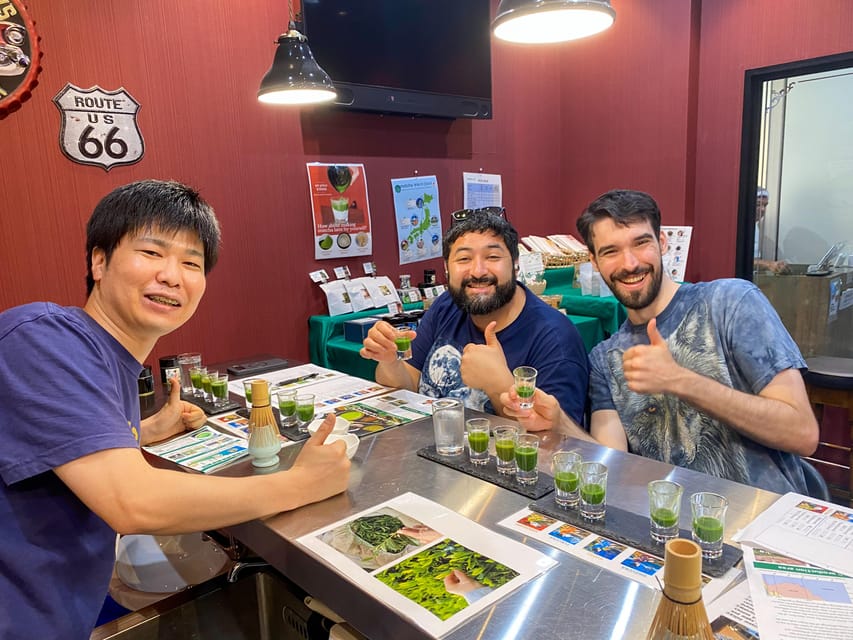
- Chisei, former Kyoto tea farmer: lessons come from hands-on growing experience, not just theory
- 5 production areas, 10 matcha types: you taste range, not a single style
- Color, fragrance, then flavor: you look first, then brew, so you notice what changes
- Ceremonial grade plus international-style matcha: you learn why labeling matters
- Make and whisk your own: you leave with a method, not just a souvenir
- Milk-friendly tasting: matcha latte plus hojicha latte with matcha sweets
A tiny class at Henn na Hotel Asakusa Tawaramachi
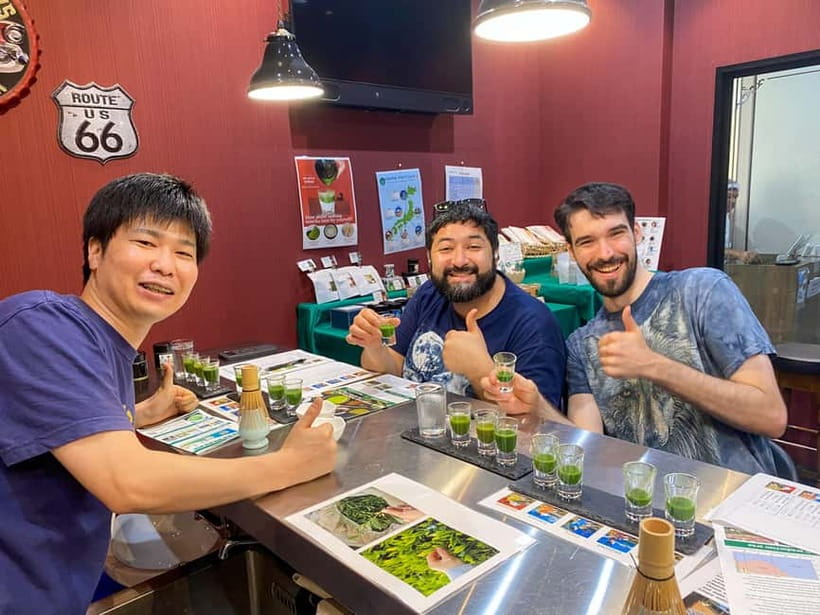
This is an easy stop to build into an Asakusa day, because the meetup is inside Henn na hotel Asakusa Tawaramachi. You enter the hotel, and there is a Familymart on the 1st floor. Then you go up to the 2nd floor where the class takes place.
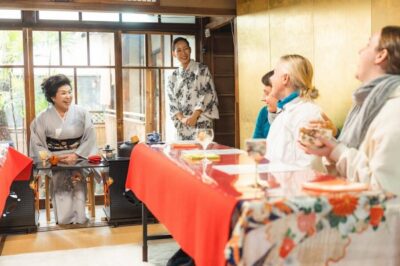
The format keeps you moving. You arrive, you get a welcome drink, you taste, you make, and you finish with drinks and sweets. Everything runs in English, and the group is limited to 5 participants, so you are not stuck watching from the back. The total time is 90 minutes, which is perfect if you want something meaningful without eating your whole afternoon.
If you are already planning to shop in Asakusa or wander toward Sensō-ji area, this class is a nice “sit down and focus” break. If you hate anything structured, you might find the step-by-step flow a little strict. But for most people, that structure is the point, because it helps you compare matcha properly.
More Food Tours in Tokyo
- Tokyo: Shinjuku Food Tour (13 Dishes at 4 Local Eateries)
★ 5.0 · 6,603 reviews - Tokyo Tsukiji Fish Market Food and Culture Walking Tour
★ 5.0 · 3,184 reviews - Tokyo: Shinjuku Food Tour (15 Dishes and 4 Eateries)
★ 4.9 · 2,033 reviews
Matcha tasting across Japan, color to finish
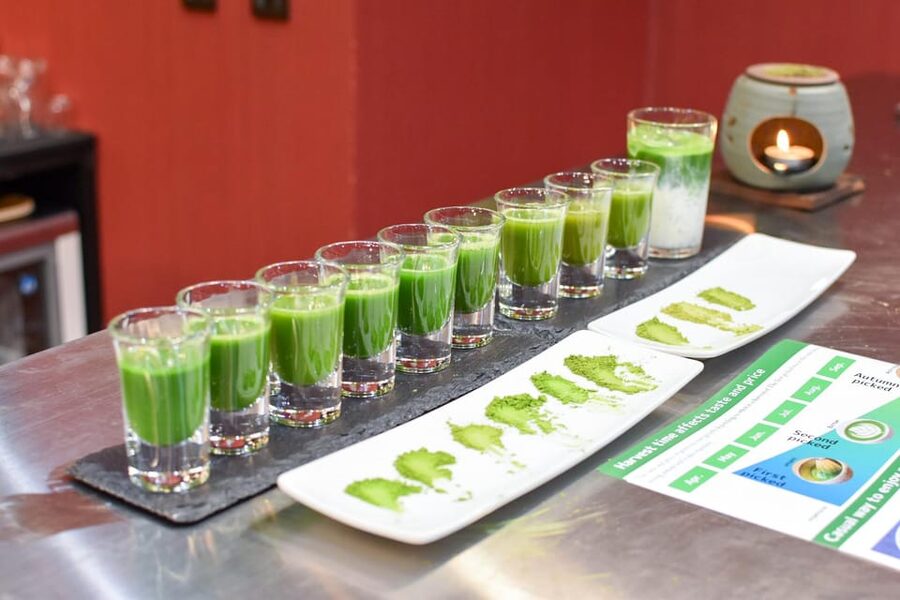
The heart of the experience is straight-up tasting and comparing. You sample matcha from 5 different production areas, and you taste 10 different types overall. At your tasting table, you are served 8 kinds of matcha in small portions so you can compare them side by side without getting overloaded all at once.
Here is what I think works so well: you are not just sipping blindly. You look at the color first, then you smell and taste after the guide prepares each one. That order helps you understand how matcha can vary visually and aromatically, long before you talk about flavor notes. You end up making your own sense of the differences instead of just memorizing what you are told.
During the first part, your guide walks you through the basics while you enjoy the welcome drink. You learn the definition of matcha and the cultivation methods behind it, plus the history of how matcha became what it is today. Even if you already know the basics, this timing is useful because it gives context before you taste your first samples.
One practical tip: plan to pace yourself. When you taste multiple types, it is normal for flavors to blur if you rush. Let the guide’s order slow you down. Each small portion is there so you can actually register differences.
Ceremonial grade vs world-style matcha, and why you will notice it
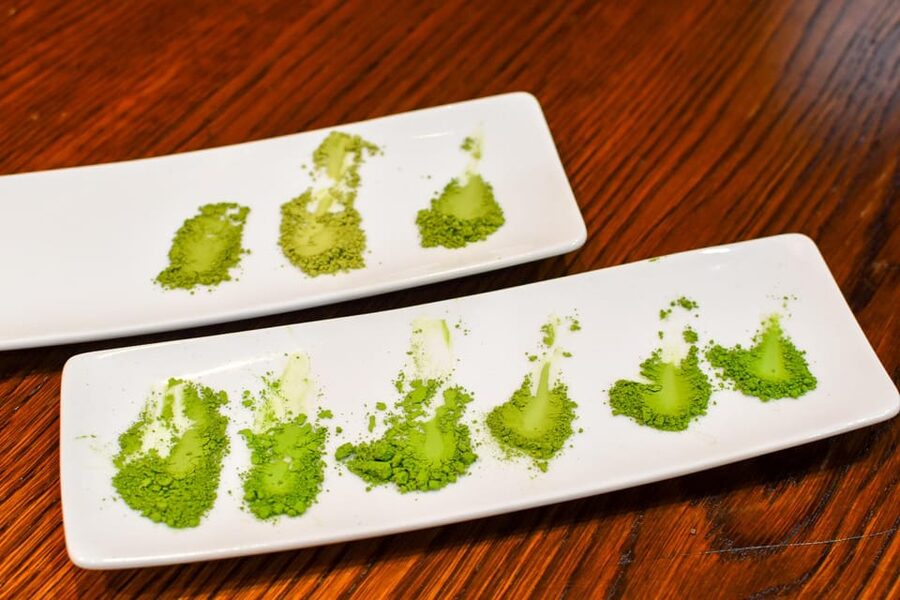
A standout part of this class is that you do not only taste “nice matcha.” You get a mix that includes 6 ceremonial grade matcha and 2 that are not defined as matcha but are sold as matcha around the world.
That matters because it teaches you how label words can mislead. Even if two drinks look similar in a cup, the sourcing and processing behind them can lead to different results once you taste. You are training your senses to catch those differences, not just trusting marketing.
You will also hear the guide explain how matcha is defined and why certain standards get called ceremonial grade. I like this approach because it turns your tasting into a practical skill. You can take that skill to a café later, and you will be quicker to ask the right questions or pick the option that matches what you want, creamy and mellow or more traditionally intense.
If you are expecting every sample to taste exactly like the green matcha powder you see in stores, this may challenge your assumptions. But that is also why this tasting feels educational. You come away with a real understanding of why “matcha” can mean different things.
Learning from Chisei, the Kyoto tea farmer behind the class
The tone of the class is helped a lot by the guide’s background. Chisei is described as a former tea farmer who grew tea for 6 years in Kyoto. That kind of experience shows up in how he explains production and preparation, because he can link what you taste back to cultivation choices.
You do not just get facts dumped at you. The class is structured so the explanations land right when you need them. For example, while you are drinking the welcome matcha, you get the matcha history and production context. Later, during tasting, you get cues for what to pay attention to, like color and fragrance before the taste.
That teaching style is what many people praise. The common thread in strong feedback is that the explanation is detailed and grounded, and that the guide’s practical understanding makes the class feel lively, not like a lecture. One review specifically notes practical know-how shared in a charming way, and that lines up with what you should expect here.
English instruction also makes a difference. If you have ever been in a Japanese food experience where translation gets messy, this kind of focused class setup is calmer. You can follow along without guessing what the guide means.
More Tea Ceremonies in Tokyo
- Matcha Making Class in Tokyo with Authentic Japanese Sweets Set
★ 5.0 · 744 reviews - Kimono Tea Ceremony at Tokyo, Asakusa Maikoya
★ 5.0 · 638 reviews - Tokyo: Traditional Tea Ceremony with a Tea Master
★ 5.0 · 528 reviews - Tokyo: Matcha Making Experience with Mochi Sweets in Asakusa
★ 4.9 · 388 reviews
Making your own matcha with a bamboo whisk
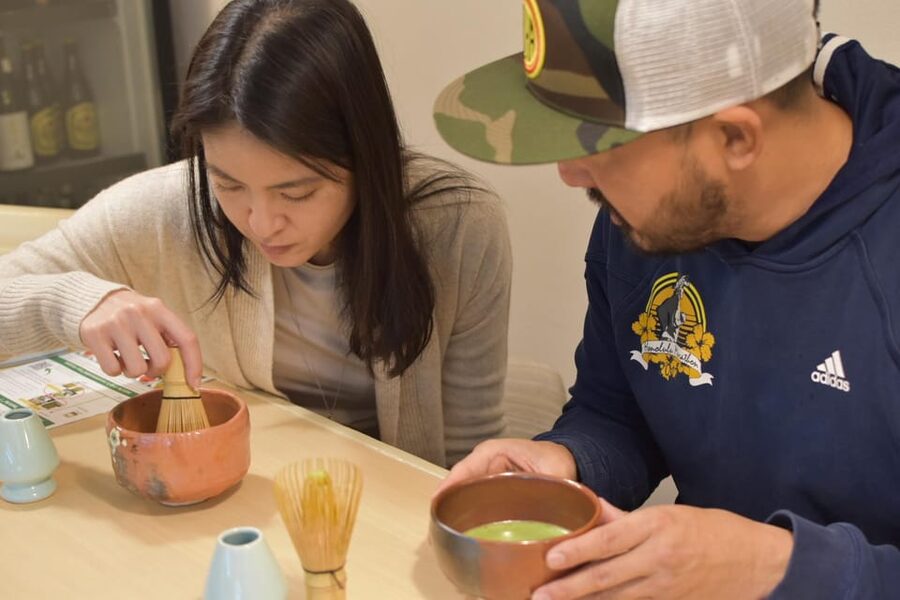
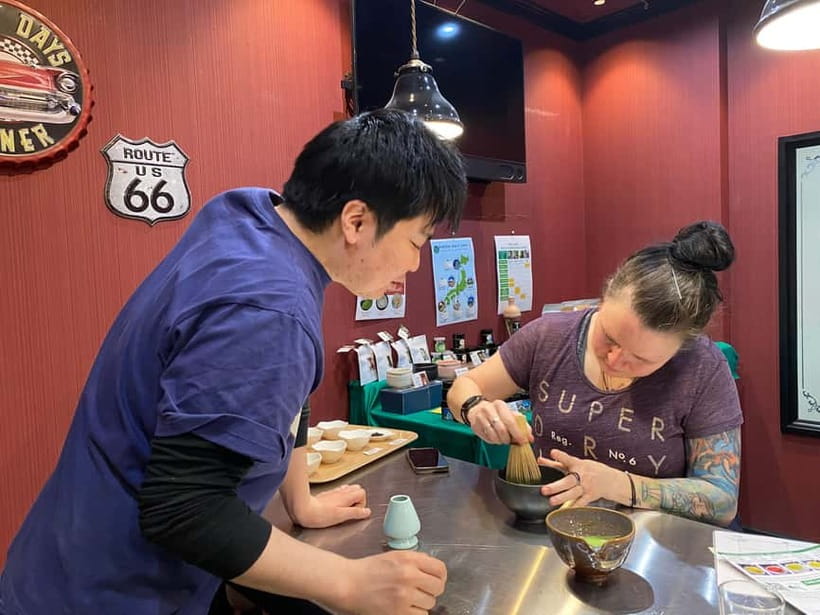
After you taste and compare, the guide has you choose the matcha you liked best from what you tried. Then you make it yourself using a bamboo tea whisk.
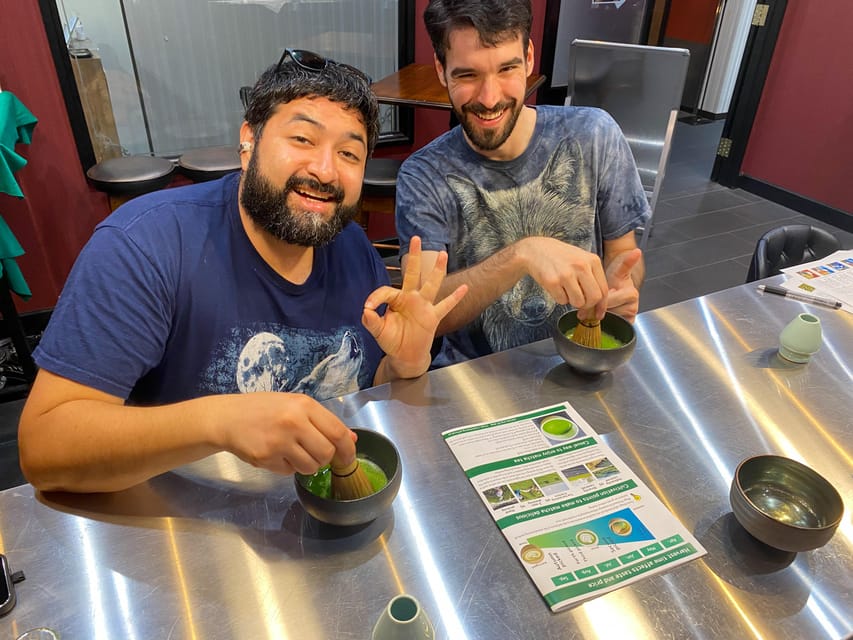
This is the part that turns the class from educational into empowering. It is one thing to taste matcha and think you understand. It is another thing to actually whisk powdered tea and see how it comes together in your own hands. Even if you make small mistakes, you learn quickly because the guide is there to guide you step by step.
You also learn what to do so you can repeat the basics at home afterward. The class includes an explicit takeaway element, meaning you are not only consuming, you are preparing. That is what makes the experience feel like value, not just entertainment.
One more useful point: since you pick the matcha you enjoyed most, you are making something that matches your taste. That keeps the final bowl from feeling like a random end-of-class task. It feels more like, I liked this one, so now I understand how to prepare it.
Milk friends: matcha latte, hojicha latte, and sweets
Once the hands-on part is done, you relax with drinks and snacks. You get matcha latte plus hojicha latte and also matcha sweets.
What I like here is that the class does not pretend matcha exists only in one form. You learn how matcha behaves when milk enters the picture. The experience uses their original blend matcha, designed to go perfectly with milk, so the latte part is not just a gimmick. You are tasting a specific recipe choice.
The hojicha latte addition is also smart. Hojicha is a roasted tea style, and pairing it alongside matcha makes it easier to understand how different tea characters can complement different cravings. You can finish with a sweet, milky drink rather than more intense matcha if you are already feeling full.
And yes, the sweets help. Matcha can taste grassy or bitter depending on type and preparation, while sweets bring out balance. Here, it feels like a final “real-life” test, because most people drink matcha with something, even if it is just a small bite of dessert.
Is this 90-minute matcha class worth booking?
If you are new to matcha, this is a strong pick because it is structured for general guests and taught in English. You will leave understanding the basics of what matcha is, how production affects what you taste, and which types actually appeal to you. If you are more experienced, the ceremonial vs international-style tasting mix gives you a useful reality check. You do not just learn words, you taste differences.
It also fits well if you like food experiences that are calm and guided, not chaotic. The small group size up to 5 keeps the pacing friendly.
Who might skip it: if you hate tasting sessions, or you know you only want one single matcha style and nothing else, the range could feel like too many comparisons. Also, if you want purely technical tea science, you may find it more accessible than academic.
Still, for the price of $63 per person and a full 90 minutes that includes multiple tastings, making your own matcha, and finishing with drinks and sweets, the value comes from the “teach plus practice” format. You get skills you can repeat, not just photos of green cups.
FAQ
Where does the experience take place?
It’s at the café in Henn na hotel Asakusa Tawaramachi. Enter the hotel, then go to the 2nd floor. There is a Familymart on the 1st floor.
How long is the matcha experience?
The class lasts 90 minutes.
What is included in the price?
You get a welcome drink, matcha tasting, a matcha making experience, and matcha latte plus matcha sweets. Hojicha latte is also available as part of the tasting/drinks.
How many matcha types do I taste?
You taste 10 different matcha types from 5 production areas. In the comparison part, you’re served 8 kinds in small portions at once.
Do I get to make matcha myself?
Yes. After tasting, you choose the matcha you like best and make it yourself using a bamboo tea whisk.
Is the class taught in English?
Yes, the instructor teaches in English.
How big is the group?
It is a small group limited to 5 participants.
What are the cancellation options?
You can cancel up to 24 hours in advance for a full refund, and there is also a reserve now & pay later option to keep plans flexible.
More Food & Drink in Tokyo
- Tokyo: Tsukiji Fish Market Food and Walking tour
★ 5.0 · 1,724 reviews - Shinjuku Izakaya Food Tour
★ 5.0 · 1,041 reviews - Eat and Drink Like a Local: Tokyo Ueno Food Tour-Taverns&Ramen
★ 5.0 · 957 reviews - Tokyo: Shibuya Food Tour (13 dishes and 4 Eateries)
★ 5.0 · 770 reviews
Newly listed around Tokyo
- Tokyo private transfer for Yokohama Port★ 4.5 · 63 reviews
- Luxury Kimono Photoshoot at Ginza Tokyo★ 5.0 · 7 reviews
- Tokyo Allstar Food Tour★ 4.5 · 206 reviews
- Tokyo Art Aquarium Museum E-Ticket with optional Tokyo Metro Pass★ 5.0 · 17 reviews
- Tokyo: Best Ginza Food Tour at 3 Local Eateries★ 5.0 · 83 reviews
- Private One Day Nikko Tour with Bilingual driver★ 3.5 · 11 reviews
- Japanese Whisky Tasting Experience at Local Bar in Tokyo★ 5.0 · 59 reviews
- PRIVATE tour in 180SX to Daikoku+++++★ 5.0 · 6 reviews
Matcha & Tea Ceremony Sessions, compared.
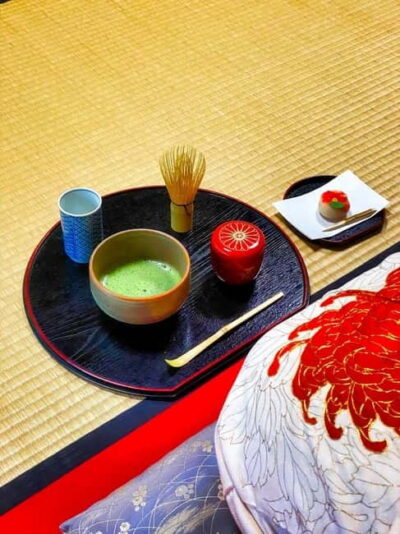
Tea Ceremony in a Traditional Tea House in Kiyomizu
Read our review →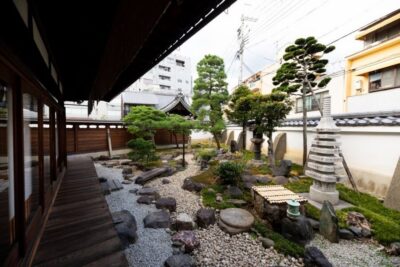
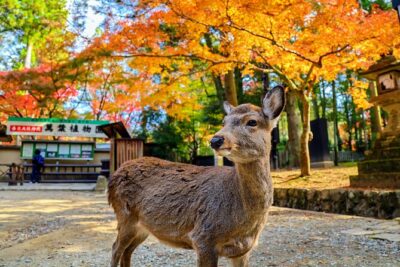
World Heritage Kyoto & Nara Uji Authentic Matcha Experience
Read our review →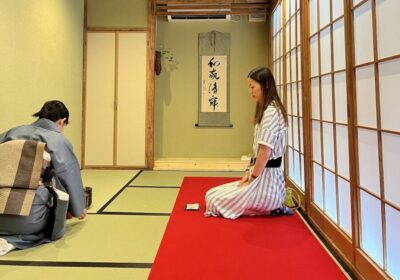
Browse the lists this tour appears in