
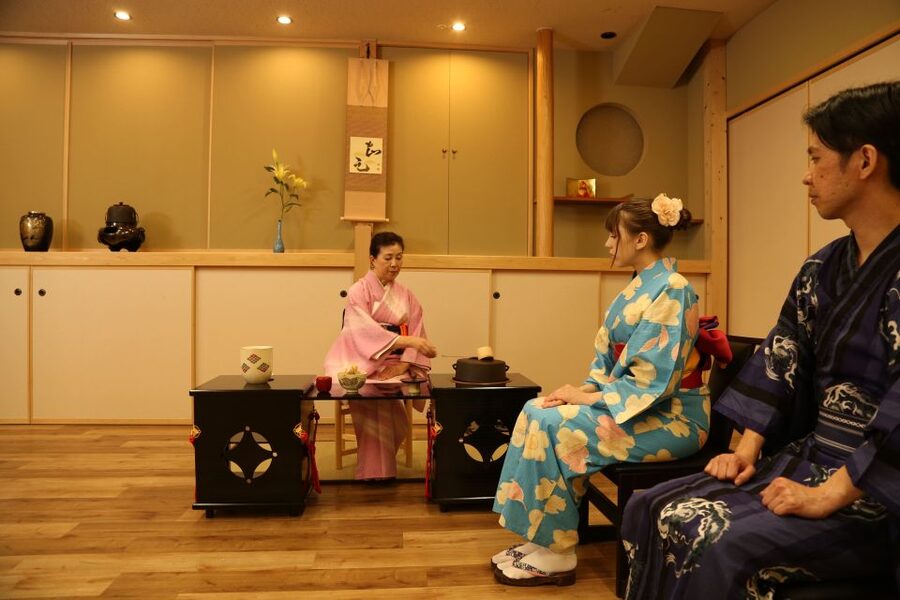
Review · MATCHA & TEA CEREMONY SESSIONS
Tokyo: Practicing Zen with a Japanese Tea Ceremony
Tokyo tea feels different when it is tied to Zen. You get a real matcha tea ceremony plus an easy hands-on lesson, not just sightseeing. What I like most is the step by step guidance and the way the instructor explains how the ritual connects to Zen Buddhism through Japanese art and architecture. One thing to note, the experience is quiet by design, so if you hate low-key rules, this may feel strict.
Here is the practical part: in 75 minutes you watch the first ceremony, taste carefully paired Japanese sweets and matcha, then do a second ceremony yourself with expert coaching. The group stays small, limited to 10 people, and the instructor speaks English. You will even have seating options if you do not want to sit on the floor.
In This Review
- Key Takeaways Before You Go
- Zen and Matcha, Right by Tokyo Tower
- Your First Ceremony: Watch the Movements, Feel the Flow
- Japanese Sweets and Matcha Pairing, What to Pay Attention To
- Zen Buddhism, Utensils, and the Hidden Meaning in the Details
- Your Turn: Performing the Second Tea Ceremony
- Comfort Rules, Quiet Space, and Floor Sitting Choices
- Instructor Time, English Teaching, and How the Small Group Helps
- Price and Value for a 75 Minute Zen Workshop
- Where to Meet: Kikai Shinko Kaikan and Tokyo Tower Landmarks
- Who This Tokyo Zen Tea Ceremony Is Best For
- Should You Book This Zen Tea Workshop?
- FAQ
- How long is the tea ceremony experience?
- What is included in the price?
- Is transportation included?
- Where do I meet the instructor?
- Is the class taught in English?
- Is seating available if I cannot sit on the floor?
- Is it suitable for young children?
Key Takeaways Before You Go
- Watch first, then do it yourself with guided coaching during the second tea ceremony
- Zen lessons tied to Japanese art and architecture, not just tea trivia
- Matcha plus Japanese sweets come as a paired tasting moment during the ritual
- Small group (up to 10) helps you see movements clearly and ask questions
- Comfort options matter, with seats available if floor sitting is not your thing
Zen and Matcha, Right by Tokyo Tower
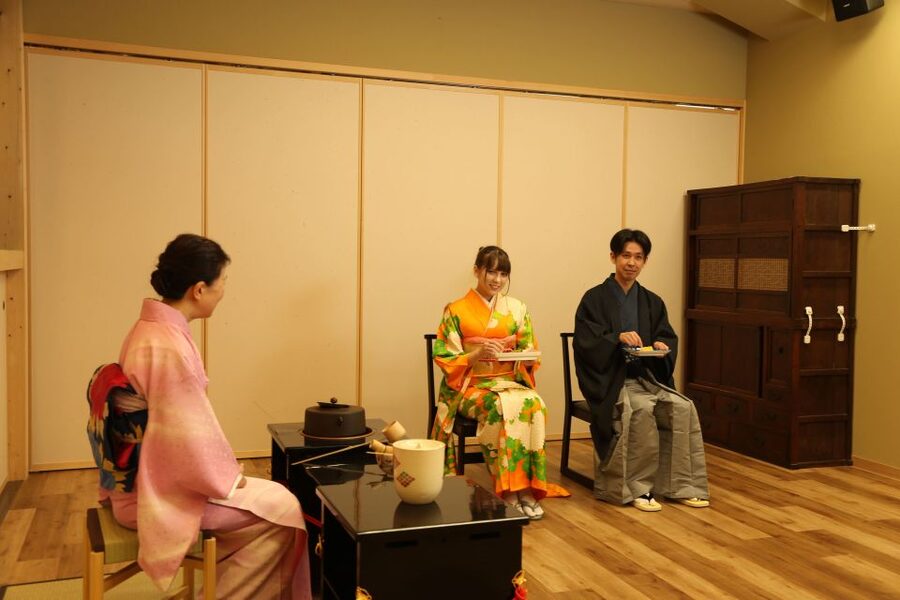
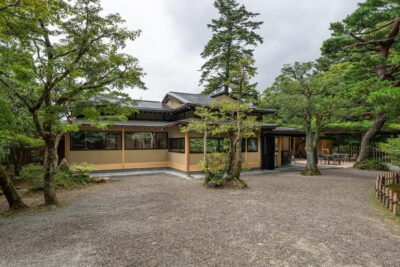
This is one of those Tokyo experiences where the surroundings and the pacing actually matter. The ceremony takes place in the Kikai Shinko Kaikan building, right opposite Tokyo Tower, so you can tack it onto a classic Tower area day without wasting time. You meet your instructor at the main entrance on the 1st floor, which is simple enough even if you are navigating solo.
What makes it feel special is the connection between the tea ceremony and Zen thinking. The instructor frames the movements and the atmosphere as a way to search for peace of mind, using Japanese art and architecture as context. In other words, you are not just learning how to whisk matcha, you are learning why the steps follow a specific order.
The small group size, capped at 10, is a big plus in a hands-on class. With fewer people, the tea master can correct your posture and hand motions before they become bad habits.
More Tea Ceremonies in Tokyo
- Matcha Making Class in Tokyo with Authentic Japanese Sweets Set
★ 5.0 · 744 reviews - Kimono Tea Ceremony at Tokyo, Asakusa Maikoya
★ 5.0 · 638 reviews - Tokyo: Traditional Tea Ceremony with a Tea Master
★ 5.0 · 528 reviews
Your First Ceremony: Watch the Movements, Feel the Flow
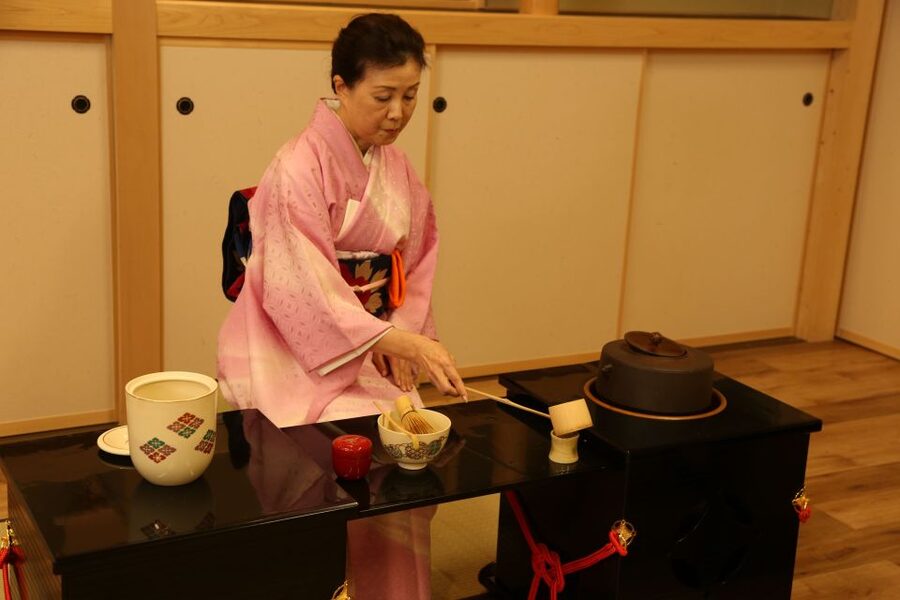
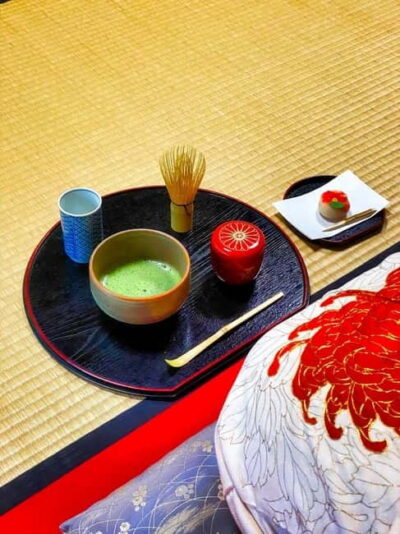
The session starts with the traditional tea ceremony, paced to be both calm and clear. You will watch your instructor prepare matcha green tea, including the utensils and the exact sequence of movements. This matters because tea ceremony is all about precision, but you do not have to be a perfectionist to enjoy it.
Then you get the tasting part: traditional Japanese sweets are served to pair with the green tea. This is not random snacking. The sweets are meant to balance the experience as you slow down and focus on taste, aroma, and texture in a quiet setting.
As you watch, the instructor also explains the spirit of Zen expressed through the ceremony. You will learn how Zen Buddhism connects to the ritual and why that link is still important in certain parts of Japanese society. That framing can make the whole thing click, especially if you arrive thinking it is only about matcha.
Japanese Sweets and Matcha Pairing, What to Pay Attention To
If you only care about matcha flavor, you will still enjoy this. But I think the best value comes from noticing the pairing. The sweets are served specifically alongside the tea, so you can taste the contrast and see how the ceremony builds a small “course” experience in one sitting.
For me, the most useful thing is learning what to pay attention to during the ritual. The class encourages you to treat the tasting as part of practice, not a break from practice. That shift can change how a short class feels.
Also, matcha here is not treated like a quick caffeine moment. You learn it through preparation steps and the rhythm of serving, so by the time you drink, you understand what you just witnessed.
Zen Buddhism, Utensils, and the Hidden Meaning in the Details
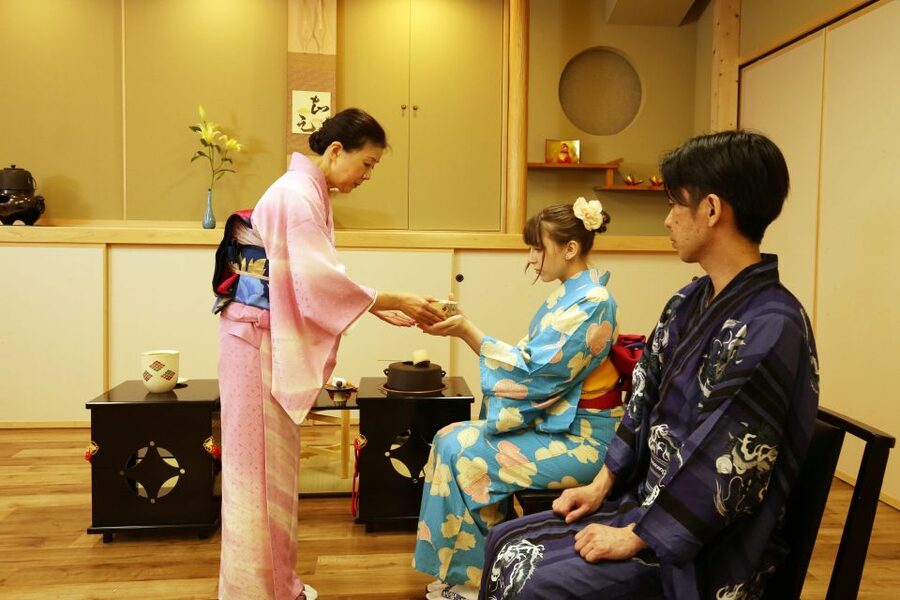
You will cover the utensils used in the tea ceremony and what each one contributes to the process. The instructor also explains how the different aspects connect to Zen Buddhism, including how the ceremony plays a role in Japanese culture. That cultural context helps you move from guessing to understanding.
In a good tea class, the details are where the learning happens. Here, you will be shown the movements that accompany the matcha preparation, and the instructor walks you through the reasoning behind the steps. Even if you think you will forget every single gesture, you will remember the overall logic: calm order, respect for the moment, and mindfulness in small actions.
You might also find the setting contributes to the lesson. One review noted the ambience felt like a tearoom, and another appreciated the small classroom layout because it helped everyone see and hear clearly. That helps a lot, because in tea ceremony, you cannot learn by approximation.
A different sort of day in Japan:
- Mt Fuji and Hakone 1-Day Bus Tour Return by Bullet Train
★ 5.0 · 26,383 reviews - 1-Day Tokyo Bus Tour
★ 5.0 · 14,250 reviews - Tokyo: TOKYO SKYTREE® Admission ticket
★ 4.5 · 11,192 reviews - Tokyo: teamLab Planets TOKYO Digital Art Museum Entry Ticket
★ 4.6 · 9,779 reviews
Your Turn: Performing the Second Tea Ceremony
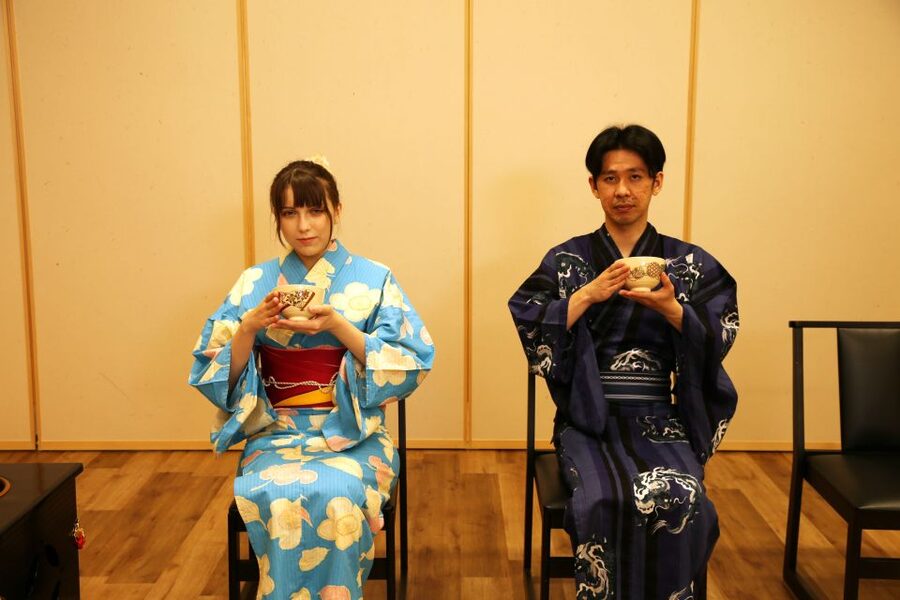
The highlight for most people is the second ceremony, when you actually run the ritual yourself with guidance. This is where the experience stops being passive. After you finish watching and tasting, you get the chance to perform the tea ceremony steps while an instructor helps you correct timing, hand positions, and the overall flow.
That matters because many short Tokyo experiences stop at demonstration. This one is designed so you come away with muscle memory, not just photos. You will conduct a tea ceremony with expert guidance, then finish with a final tasting moment.
One review mentioned this is more than a ceremony and tea, it is learning how to do it yourself and learning the why behind the details. That is exactly the difference between “I watched tea being made” and “I can repeat this at home in some form.”
Comfort Rules, Quiet Space, and Floor Sitting Choices
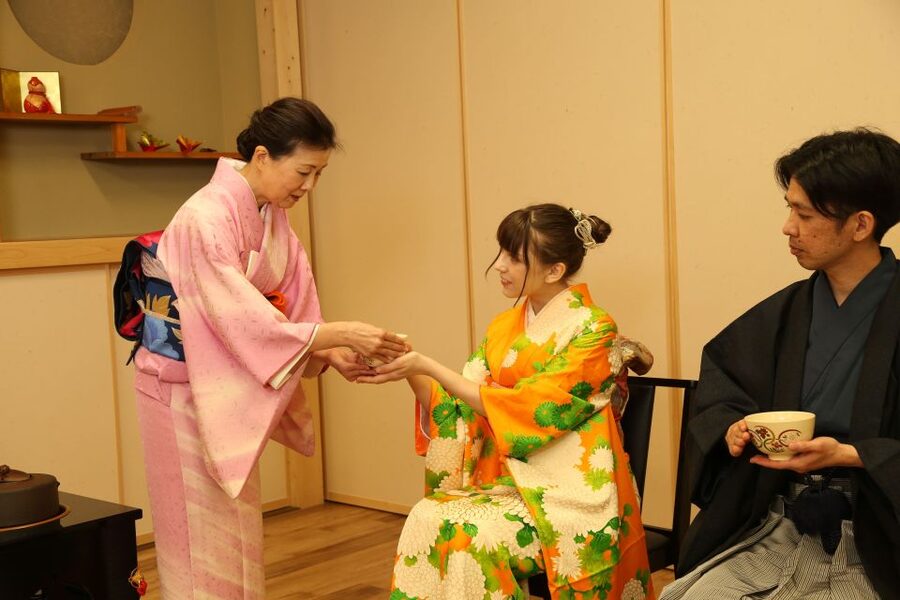
The setting is intentionally calm, and there is a clear rule: making noise is not allowed. That is usually a good sign. It means the instructor can keep everyone focused, and it protects the quiet atmosphere that makes Zen practice meaningful.
On the practical side, seating is available for guests who prefer not to sit on the floor. Wheelchair accessibility is also listed, so this is not only for people who can comfortably do formal floor posture. One review specifically praised the accommodation for guests who could not sit on the floor, and another noted the space worked well for able-bodied people and others with seating needs.
Still, there is one realistic consideration. A review called out sound issues from the next door activity, suggesting the room could be more soundproof. So if absolute silence is your top priority, you may want to set expectations for a shared building environment.
Instructor Time, English Teaching, and How the Small Group Helps
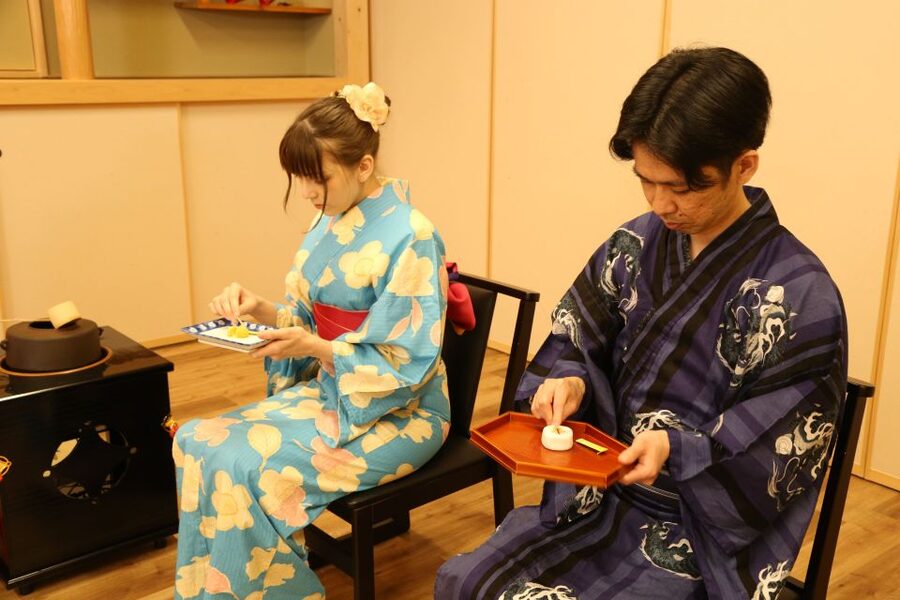
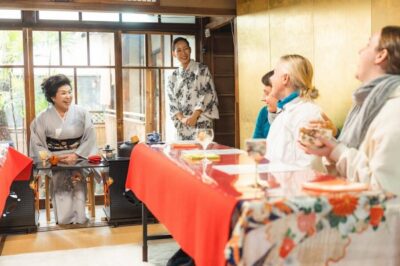
You get an English instructor, and the class is limited to 10 participants. That combination is ideal in a tea setting, because it is easy to get lost in translation if the class is large or overly scripted.
It also helps that instruction is hands-on. Multiple reviews praised the tea master style teaching, with names like Junko, Ken, and Midori appearing as guides who made people comfortable and explained things clearly. If you like learning from a teacher who can both demonstrate and coach, that is the heart of this activity.
Small group size also reduces the waiting time. You spend more of your limited 75 minutes actually practicing, and less time watching other people only after you.
Price and Value for a 75 Minute Zen Workshop
At $63 per person for 75 minutes, this is not a bargain-basement class. But it is also not overpriced for what you get. You are paying for a guided, structured experience with a tea master, a small class format, matcha, Japanese sweets, and a second ceremony where you participate.
The value is strongest if you want the full arc: observe, learn, taste, then perform. If you only want a quick matcha cup, you could find cheaper options in Tokyo. But if you want a guided ritual with Zen context and coaching, the price makes more sense.
Also, the experience is timed right for busy Tokyo days. Seventy five minutes is long enough to learn and practice without swallowing your entire afternoon.
Where to Meet: Kikai Shinko Kaikan and Tokyo Tower Landmarks
Your meeting point is the main entrance of the Kikai Shinko Kaikan building on the 1st floor. The building is opposite Tokyo Tower, so use that landmark to orient yourself.
If you cannot find the instructor, you can go to True Japan Tour, Room B109 on the B1 floor of the building. That fallback is useful because small meeting points can be confusing when you arrive early.
One practical tip: arrive a few minutes early and take a slow look at the entrances. In a class that depends on quiet focus, being late can throw off the rhythm for everyone.
Who This Tokyo Zen Tea Ceremony Is Best For
I think this is ideal for three kinds of visitors.
First, it is perfect if you want more meaning than a typical food stop. The Zen framing and the explanation of how the ceremony connects to Zen Buddhism can turn matcha into a cultural lesson.
Second, it suits people who like guided practice. The second ceremony is the difference maker, especially if you enjoy learning by doing, even for just a short time.
Third, it works well for travelers with different mobility needs because seats are available and wheelchair accessibility is listed. You still get the core ritual, not a watered down alternative.
If you are hoping for a long, heavy meditation session, adjust expectations. The class is 75 minutes, and at least one review noted the Zen exercise felt too short. Think of this as a focused introduction to Zen through tea, not an all day retreat.
Should You Book This Zen Tea Workshop?
Yes, I would book it if you want a calm, structured way to learn Tokyo culture through a ritual you can actually reproduce. The best reasons are the guided step by step preparation, the Zen context tied to art and architecture, and the fact that you perform a second ceremony yourself.
I would think twice only if you dislike quiet rules or you are extremely sensitive to sound. The room is designed for focus, but one review suggested you might hear activity from nearby, so silence is not guaranteed in a shared building.
If you have Tokyo Tower on your itinerary already, this class fits neatly. You get a meaningful, hands-on experience close to major sights, without needing transportation details built into the plan.
FAQ
How long is the tea ceremony experience?
It lasts 75 minutes. You can check availability to see the starting times.
What is included in the price?
The included items are a tea ceremony, traditional sweets, matcha green tea, and a second tea ceremony that you perform yourself.
Is transportation included?
No. Transportation is not included.
Where do I meet the instructor?
Meet your instructor at the main entrance of the Kikai Shinko Kaikan building on the 1st floor. If you cannot find them, visit True Japan Tour, Room B109 on the B1 floor.
Is the class taught in English?
Yes. The instructor is English-speaking.
Is seating available if I cannot sit on the floor?
Yes. Seats are available for guests who prefer not to sit on the floor, and the experience is wheelchair accessible.
Is it suitable for young children?
No. It is not suitable for children under 4 years. Also, the experience requests that guests do not make noise.
Newly listed around Tokyo
- Tokyo: Japanese Massage – Kangfu Beauty & Body Care Salon★ 4.4 · 43 reviews
- Tokyo: Hama-rikyu Gardens tour with Japanese Tea & Sweets★ 4.7 · 14 reviews
- Tokyo: Japanese Style Variety Show with Dance,Magic & Dinner★ 4.5 · 13 reviews
- Tokyo: Imperial Palace with Nostalgic Alley Kagurazaka tour★ 4.3 · 8 reviews
- Tokyo: Night Cooking Class: 5 Home-Cooked Japanese Dishes★ 4.9 · 13 reviews
- Tokyo: Full-Day Japanese Garden Private Guided Tour★ 4.6 · 13 reviews
- Tokyo: Imperial Palace East Gardens and Tokyo Station Tour★ 5.0 · 16 reviews
- Tokyo: Imperial Palace, the history of Japan (ENGLISH GUIDE)★ 5.0 · 77 reviews
Matcha & Tea Ceremony Sessions, compared.
Tea Ceremony in a Traditional Tea House in Kiyomizu
Read our review →
World Heritage Kyoto & Nara Uji Authentic Matcha Experience
Read our review →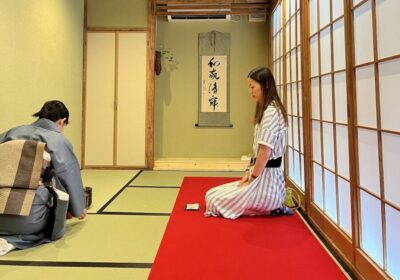
Browse the lists this tour appears in