
Review · MATCHA & TEA CEREMONY SESSIONS
Tokyo: Private Japanese Traditional Tea Ceremony
In Tokyo, quiet moments are hard to find. This Japanese traditional tea ceremony at Mita Koboji Temple, in a 24-mat tatami room, slows everything down with hands-on matcha, wagashi, and clear English guidance. I especially liked the calm temple setting and the way the teishu explains utensils and etiquette step by step. One thing to consider is that what you see in photos can make kimono expectations tricky, since kimono and even an Oshima Tsumugi haori are optional add-ons.
You’ll spend about an hour in a private or semi-private format, guided in English and Japanese, with a short lecture on tea ceremonies and what you’re doing. Matcha and sweets are included, but there are no other meals, so plan your timing and hunger accordingly. If you’re price-sensitive, this one can feel steep for a 60-minute experience, even though you are getting real instruction, not just watching.
In This Review
- Key highlights you will care about
- Koboji Temple tea: a calmer Tokyo ritual
- Inside the 24-mat tatami room, this runs like a real lesson
- Matcha and wagashi: the part you will remember
- Tea utensils and etiquette, explained so it actually clicks
- Making it special with kimono and the Oshima Tsumugi haori add-on
- Price and value: why $74 can feel fair or frustrating
- Who this tea ceremony suits best in Tokyo
- Practical tips before you go
- Should you book the Koboji tea ceremony experience?
- FAQ
- How long is the Japanese traditional tea ceremony at Koboji Temple?
- What do you drink and eat during the experience?
- Is this a private or group experience?
- Where does the experience start and end?
- Which languages are used during the tea ceremony?
- Is kimono included, or is it optional?
- Are other meals included?
- What is the cancellation window?
Key highlights you will care about
- 1200-year-old Koboji Temple setting that makes the ceremony feel grounded and not staged
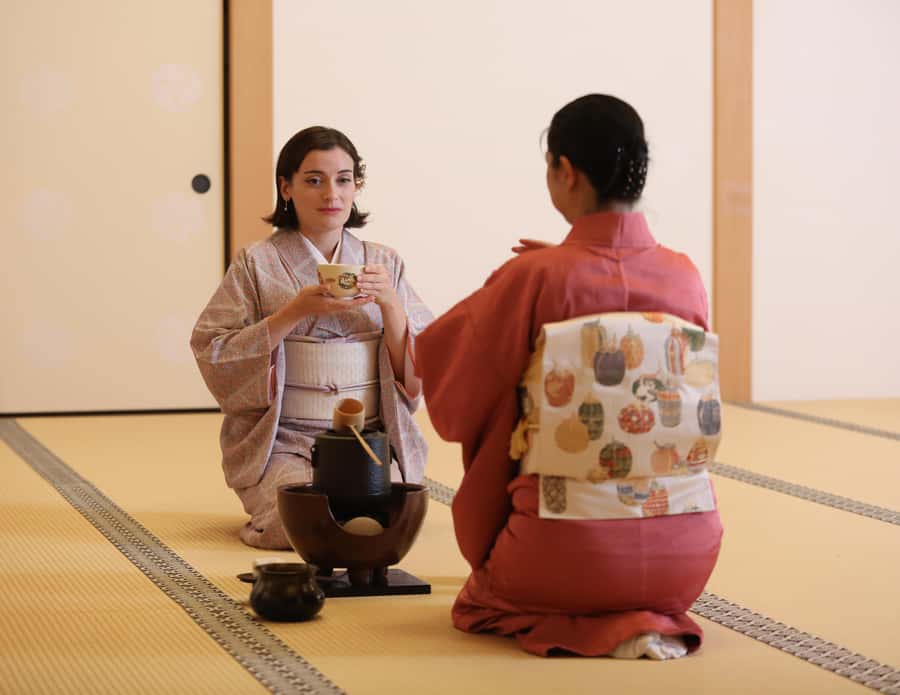
- 24-mat tatami room experience, designed for the full ritual flow
- English and Japanese guidance, so you can follow the etiquette without guessing
- Hands-on matcha plus wagashi, prepared with help from the teishu
- Optional kimono and Oshima Tsumugi haori add-ons for photos and extra elegance
Koboji Temple tea: a calmer Tokyo ritual
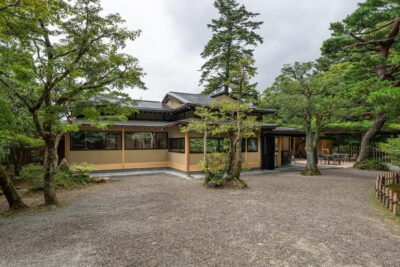
A Tokyo tea ceremony works best when it feels like a pocket of time travel. At Koboji Temple (Mita Koboji Temple, on Honshu), you are doing tea inside an old temple atmosphere that naturally lowers the volume, even when the city outside is loud.
The setting matters because tea ceremony is not just about drinking matcha. It’s about attention, order, and etiquette, and the temple space supports that mood. I also like that you are not being rushed through a performance, because the pace stays steady for the full hour.
There’s also a cultural angle that adds meaning fast. Tea ceremony has roots tied to samurai culture, and it was once considered one of the highest forms of entertainment. Even if you only learn the basics, that context helps you understand why the movements and utensils are treated with such care.
More Tea Ceremonies in Tokyo
- Matcha Making Class in Tokyo with Authentic Japanese Sweets Set
★ 5.0 · 744 reviews - Kimono Tea Ceremony at Tokyo, Asakusa Maikoya
★ 5.0 · 638 reviews - Tokyo: Traditional Tea Ceremony with a Tea Master
★ 5.0 · 528 reviews
Inside the 24-mat tatami room, this runs like a real lesson
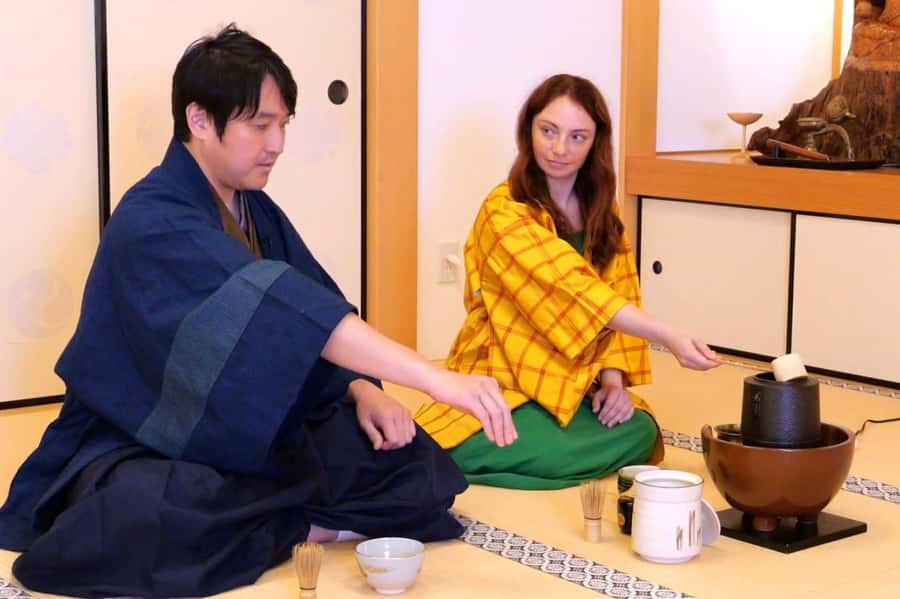
You will meet at Mita Koboji Temple, then head into the ceremony space. The experience takes place in an authentic 24-mat tatami room, which is part of why this doesn’t feel like a generic class.
The whole course is about 60 minutes, and it is guided in English and Japanese. The private or semi-private setup is a big deal here because you are more likely to ask questions and actually get answers, instead of listening from the back of a crowded room.
Plan for a thoughtful pace. You are not just tasting. You are learning what to look for, how to handle the utensils, and why certain steps happen in a specific order. If you like structured experiences where someone calmly directs you, you’ll probably enjoy this format a lot.
Matcha and wagashi: the part you will remember
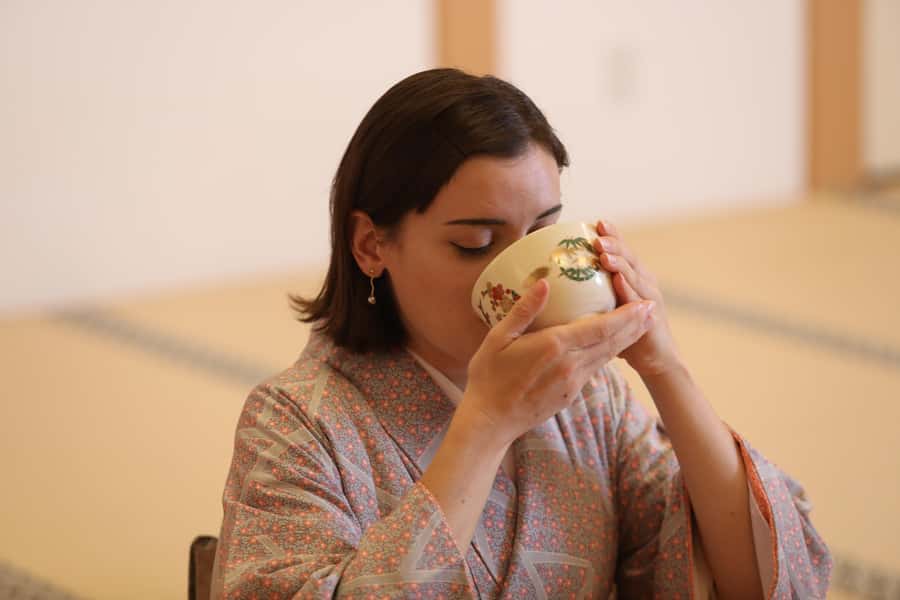
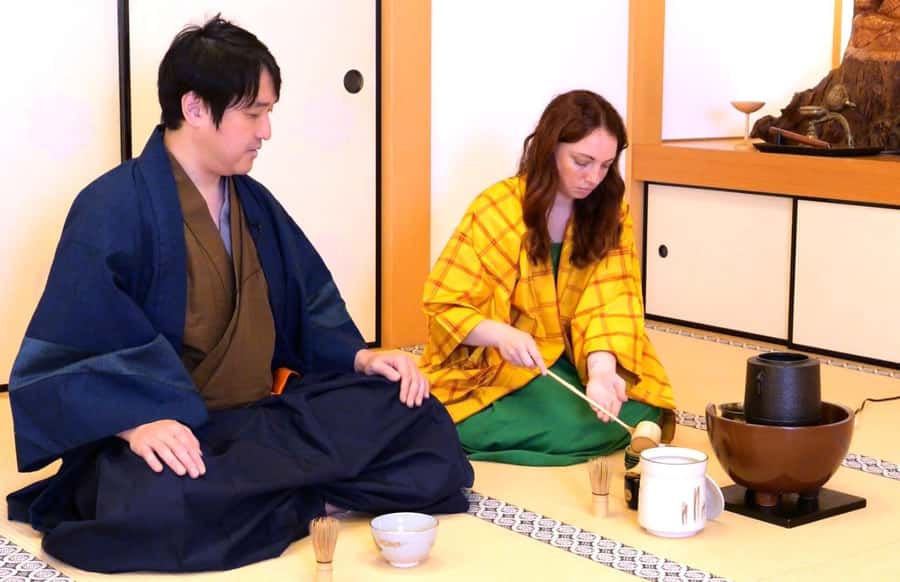
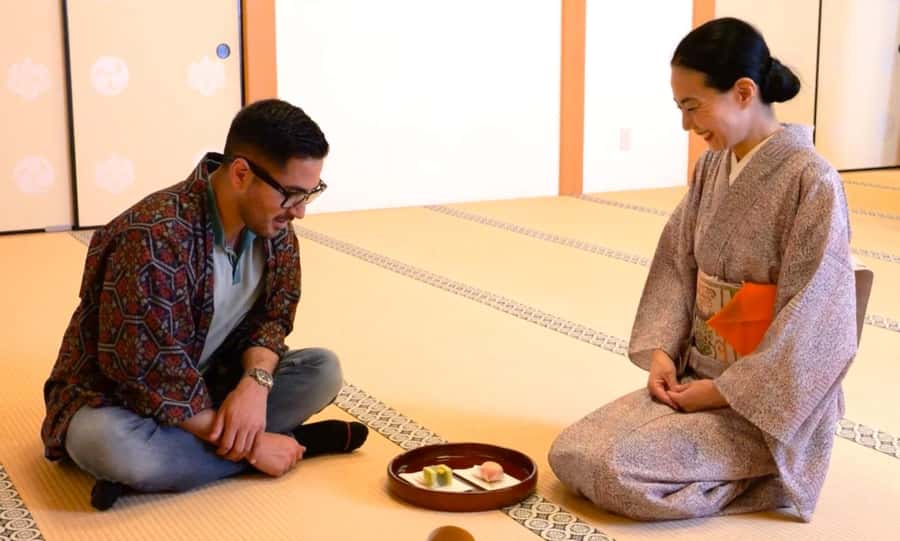
Yes, you will drink matcha green tea. But the best part is that you do more than sip. You take part in preparing tea with the teishu, so you learn how the ritual feels in your hands.
Alongside the matcha, you get wagashi, traditional Japanese sweets designed to pair with tea. That pairing is practical, not random. The sweetness and texture give your palate a break between the grassy, earthy matcha flavors, which makes the overall experience easier to appreciate.
From the way the ceremony typically flows, you can expect a mix of doing and being guided. Many people enjoy the moment when they make the tea themselves, then the teishu demonstrates again or makes additional tea for you. That keeps the lesson grounded in real technique, not just words.
One practical note: this is matcha and Japanese sweets only. If you plan your day like you would for a full meal experience, you’ll be disappointed. I suggest eating something light before you go, especially if you are doing the ceremony later in the day.
Tea utensils and etiquette, explained so it actually clicks
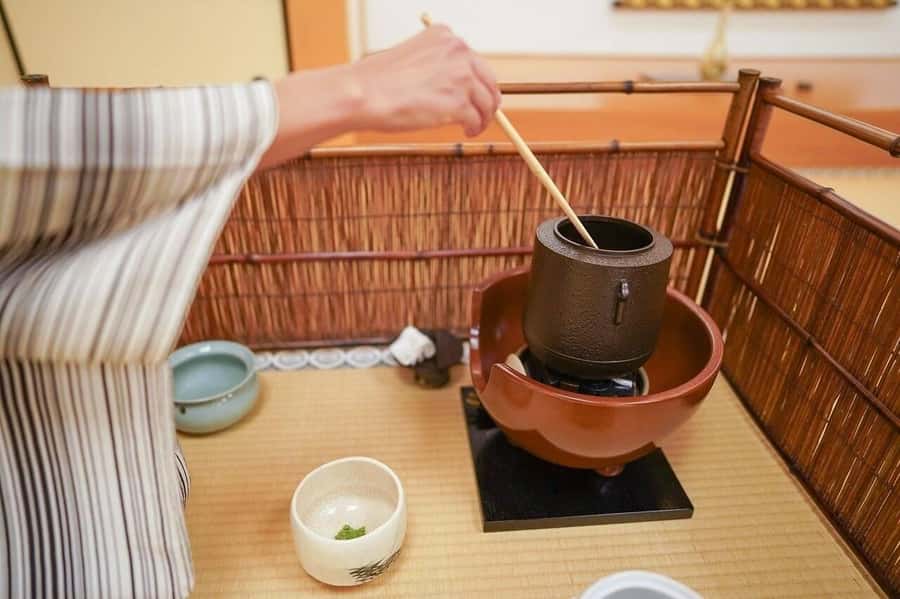
Tea ceremony has a lot of details, and the trick is making those details understandable. That’s where the teishu instruction shines. You will get a lecture on tea ceremonies and then guidance as you experience the ceremony firsthand.
What I like about this kind of teaching is that etiquette becomes concrete. Instead of abstract rules, you learn what to do with the utensils, when to pause, and how to move with intention. The teishu also explains the special utensils used during the ceremony, so you understand what you’re looking at instead of just copying motions.
There’s also a cultural story running through the experience. Since tea ceremony was historically linked to samurai culture and held in high regard, the ritual elements make more sense. You start to see how tea became a kind of respectful performance, where attention and manners were the whole point.
If you enjoy learning cultural customs you can actually use, this is a strong choice. You walk out with at least a basic mental map of what you saw, and you can recognize the logic behind the steps next time you encounter tea ceremony elsewhere.
A different sort of day in Japan:
- Mt Fuji and Hakone 1-Day Bus Tour Return by Bullet Train
★ 5.0 · 26,383 reviews - 1-Day Tokyo Bus Tour
★ 5.0 · 14,250 reviews - Tokyo: TOKYO SKYTREE® Admission ticket
★ 4.5 · 11,192 reviews - Tokyo: teamLab Planets TOKYO Digital Art Museum Entry Ticket
★ 4.6 · 9,779 reviews
Making it special with kimono and the Oshima Tsumugi haori add-on
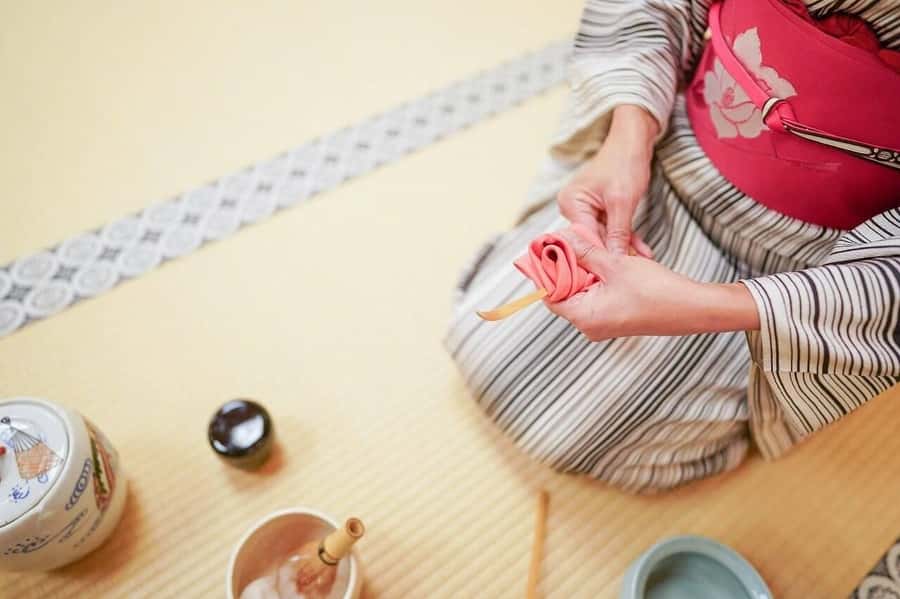
This is where you need to pay close attention to expectations. You can choose optional clothing upgrades, including a traditional kimono and a rare Oshima Tsumugi haori. Oshima Tsumugi is described as a luxurious silk textile, mud-dyed for rich color, woven with kasuri patterns, and known for its lightweight, supple drape.
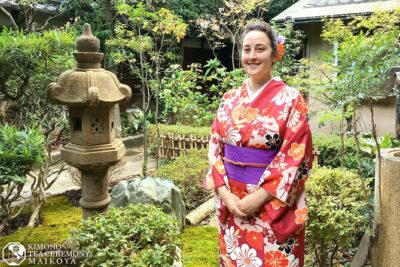
The good news is that if you add the kimono experience, a certified kimono master dresses you comfortably over a T-shirt or kimono undergarment, so you do not need to bring anything or know how to wear it.
The possible drawback is timing and inclusion. Some people think kimono is automatically part of the main activity, but the data here frames kimono and the haori as optional add-ons. If photos led you to expect full dressing, double-check what is included with your selected option before you book. You’ll have a better day if you already know what you are signing up for.
Also, kimono and haori are especially worth it if you care about commemorative photos. The ceremony already has a calm, historic backdrop, and traditional clothing tends to make those photos look more authentic and less like a costume shoot.
Price and value: why $74 can feel fair or frustrating
At $74 per person for a 60-minute tea ceremony, this is not a bargain activity. I won’t sugarcoat that. Some people find the price high for what is essentially one focused hour.
But value here depends on what you want. If you value hands-on instruction in a temple setting, plus matcha, plus wagashi, and you like the idea of private or semi-private guidance, the price starts to make sense. You’re paying for the teishu’s time, the teaching, and the real ceremony structure, not just tasting.
There’s also the setting value. A 1200-year-old temple is not the same experience as a storefront studio. The tatami room, the ceremony etiquette, and the guided pacing are all part of why this feels more meaningful than a quick demo.
If you are the type who wants the cheapest version of tea culture, you might decide this is too much. If, however, you like guided cultural experiences, this can be a satisfying spend, especially because it’s an hour you will likely remember more than a rushed stop.
Who this tea ceremony suits best in Tokyo

I think this is a good fit for you if you want something peaceful that still feels educational. If you are interested in Japanese culture, and you like learning customs through direct participation, the tea ceremony format is ideal.
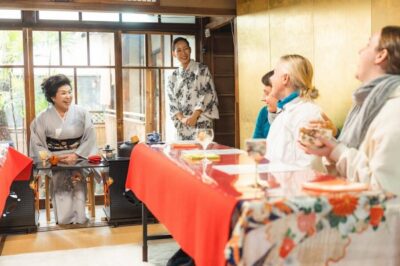
It’s also a solid choice for couples or small groups, mainly because the experience is private or semi-private. You’re not stuck only watching, and it’s easier to ask questions when the group size stays small.
Language support helps too. The ceremony offers English and Japanese guidance. In practice, English guidance is available, and you should feel comfortable expecting explanation rather than silence. Still, if you are very sensitive to language nuance, it’s worth choosing the option that best matches your comfort level when booking.
Finally, if you want a break from the fast pace of Tokyo, this is that break. It’s not an all-day production, so it won’t crowd your itinerary, but it gives you a real cultural reset.
Practical tips before you go
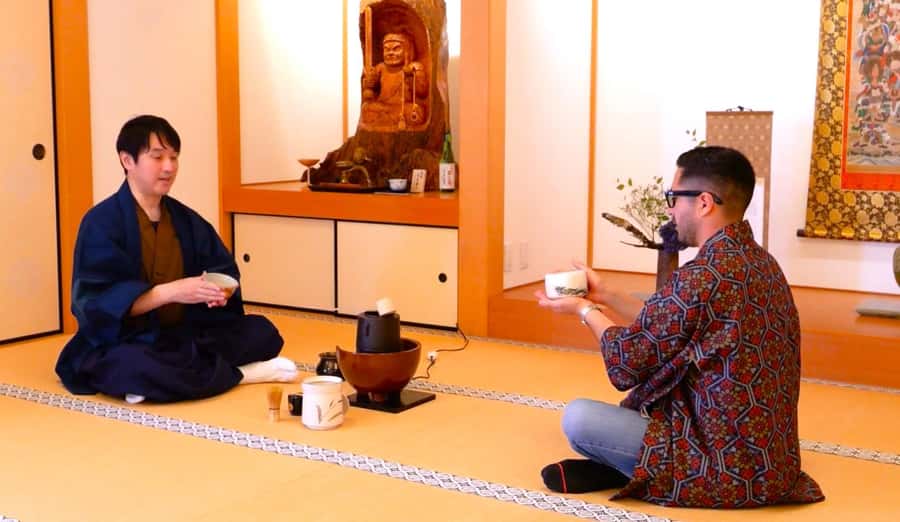
Come as you are. The ceremony description emphasizes that you do not need to bring anything, and even kimono dressing is designed to be comfortable and effortless with a kimono master.
Wear comfortable clothing for a tatami room. Even though you might not know the specific sitting style, tatami settings usually ask more from your legs and posture than regular chairs. If you’re planning to do a lot of walking that day, consider keeping your outfit comfortable from start to finish.
Also, plan around food. Since other meals are not included, your schedule should account for breakfast or lunch elsewhere. I like to treat this like a cultural experience plus a snack, not a meal.
If kimono and haori matter to you, confirm your selected add-ons. That small detail can turn the experience from joyful to frustrating, depending on what you thought was included.
Should you book the Koboji tea ceremony experience?
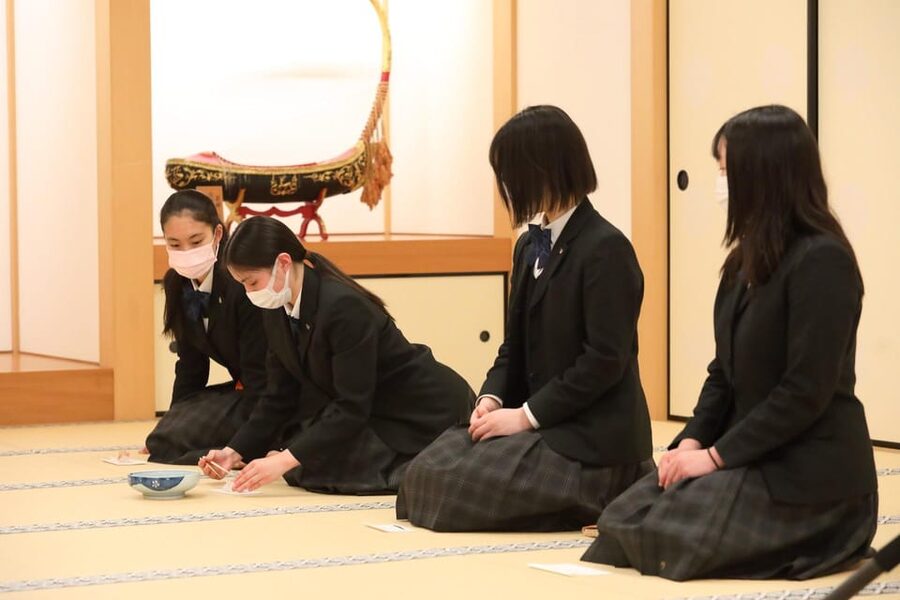
Book it if you want a calm, hands-on Tokyo tea ceremony in a historic temple setting, with clear guidance and included matcha and wagashi. The private or semi-private structure and the hands-on matcha making are the ingredients that make this worth it, especially if you care about etiquette and you like learning through doing.
Skip it, or think twice, if your main goal is only cheap access to matcha or if you are expecting kimono dressing to be automatic. Double-check the optional clothing add-ons before you commit, because that’s the most common spot where expectations can miss the mark.
FAQ
How long is the Japanese traditional tea ceremony at Koboji Temple?
The ceremony lasts about 60 minutes.
What do you drink and eat during the experience?
You will have matcha green tea and Japanese sweets (wagashi).
Is this a private or group experience?
It is a private or semi-private experience.
Where does the experience start and end?
It starts at Mita Koboji Temple and ends back at the meeting point.
Which languages are used during the tea ceremony?
The experience offers guidance in English and Japanese.
Is kimono included, or is it optional?
Traditional kimono and an Oshima Tsumugi haori are offered as optional add-ons.
Are other meals included?
No. Other meals are not included, only matcha and Japanese sweets.
What is the cancellation window?
You can cancel up to 24 hours in advance for a full refund.
Newly listed around Tokyo
- Tokyo private transfer for Yokohama Port★ 4.5 · 63 reviews
- Luxury Kimono Photoshoot at Ginza Tokyo★ 5.0 · 7 reviews
- Tokyo Allstar Food Tour★ 4.5 · 206 reviews
- Tokyo Art Aquarium Museum E-Ticket with optional Tokyo Metro Pass★ 5.0 · 17 reviews
- Tokyo: Best Ginza Food Tour at 3 Local Eateries★ 5.0 · 83 reviews
- Private One Day Nikko Tour with Bilingual driver★ 3.5 · 11 reviews
- PRIVATE tour in 180SX to Daikoku+++++★ 5.0 · 6 reviews
- Kabuki Talk★ 5.0 · 10 reviews
Matcha & Tea Ceremony Sessions, compared.
Tea Ceremony in a Traditional Tea House in Kiyomizu
Read our review →

World Heritage Kyoto & Nara Uji Authentic Matcha Experience
Read our review →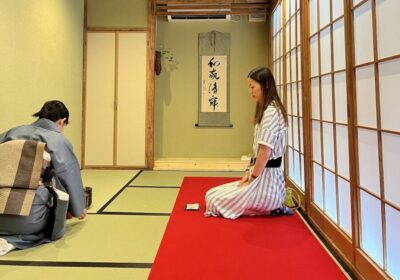
Browse the lists this tour appears in