
Review · MATCHA & TEA CEREMONY SESSIONS
Tokyo Small-Group Ramen, Gyoza & Matcha Class with a Pro Chef
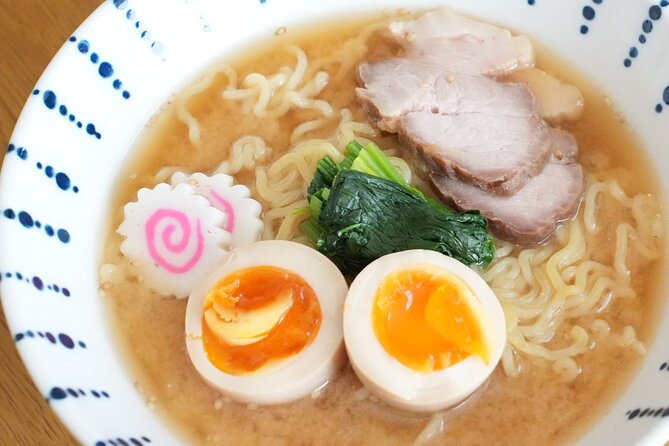
Ramen, taught like a skill. In Ikebukuro, UMAMI ONE helps you build dashi and craft miso ramen with hands-on guidance, then you finish with matcha and sweets. I love that it is a small group, so your questions get real answers. One caution: this class cannot offer vegetarian, halal, vegan, or gluten-free options.
The setup is also practical. You get the full dinner you cook, plus take-home recipes, an apron, and even a photo giveaway as a thank-you. The location is convenient too, with easy access from Shibuya and Shinjuku, and you can tack on exploring Ikebukuro right afterward.
In This Review
- Key Highlights That Matter
- Where Ikebukuro Puts You, and Why It Helps
- Inside the Class: Small Group Energy at UMAMI ONE
- Dashi and Miso Ramen Techniques You Can Use Again
- Gyoza: Turning Heat and Timing Into Juicy Dumplings
- Matcha Green Tea and Seasonal Sweets, Done Your Way
- The Meal You Get: Miso Ramen, Gyoza, Matcha, and Sweets
- Price and Value: How $104.51 Adds Up
- Who Should Book This (and Who Should Think Twice)
- Before You Go: Simple Tips That Make Class Smoother
- Should You Book This Tokyo Ramen, Gyoza & Matcha Class?
- FAQ
- How long is the Tokyo ramen, gyoza, and matcha class?
- Where is the class meeting point, and does it end there too?
- Is this a small-group experience?
- What is included in the dinner during the class?
- Do I get recipes to take home?
- Can the chef accommodate vegetarian or halal diets?
- Is alcohol included?
- What alcohol options are offered if I want to add it?
- When will I receive confirmation after booking?
- What is the cancellation policy?
Key Highlights That Matter
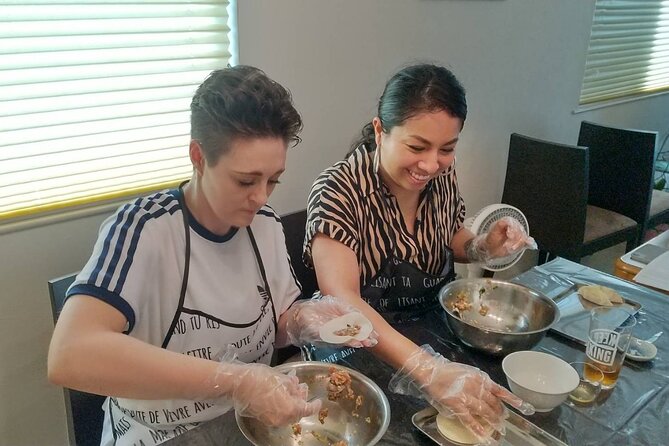
- Maximum 4 travelers: Small enough that the chef can actually slow down for you when you need it.
- Real ramen foundations: You learn techniques that start with dashi and lead to flavorful miso ramen.
- Gyoza made with guidance: You cook gyoza in class and eat what you make.
- Matcha hands-on: You prepare your own matcha and pair it with seasonal Japanese sweets.
- Take-home recipes and photos: You leave with instructions for repeating it later, not just a memory.
- Ikebukuro as your after-class plan: Easy to combine with shopping and a stroll near nearby shrines.
Where Ikebukuro Puts You, and Why It Helps
This class is in Zoshigaya, Tokyo, with a smooth commute from Shibuya using the Fukutoshin Line. On the way, you pass by Meiji Shrine and Shinjuku, which makes the trip feel like more than just getting to class. If you are coming from the big-name neighborhoods, this matters because you spend less time fighting transit and more time actually cooking.
The meeting point is at 3-chōme-1-7 Zōshigaya, Toshima City. The area around Ikebukuro is also right there, with shopping options like Animate, a Pokémon Center, and electronics stores. After the class ends back at the meeting point, you can keep the momentum and head into Ikebukuro for an evening that is fun and easy to plan.
One extra local touch: near the classroom, Kishimo Shrine has red torii gates. If you want a calm walk between train stations and dinner, this is a nice way to reset your brain before you start whisking, chopping, and tasting.
More Ramen Trips in Tokyo
- Eat and Drink Like a Local: Tokyo Ueno Food Tour-Taverns&Ramen
★ 5.0 · 957 reviews - Ramen & Gyoza Cooking Class in Tokyo with Local Supermarket Visit
★ 5.0 · 823 reviews - Tokyo: Mount Fuji and Hakone Full Day Tour with Ramen Making
★ 4.5 · 476 reviews
Inside the Class: Small Group Energy at UMAMI ONE
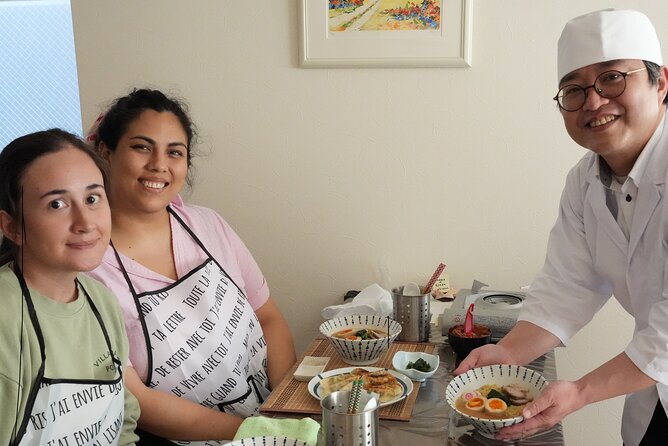
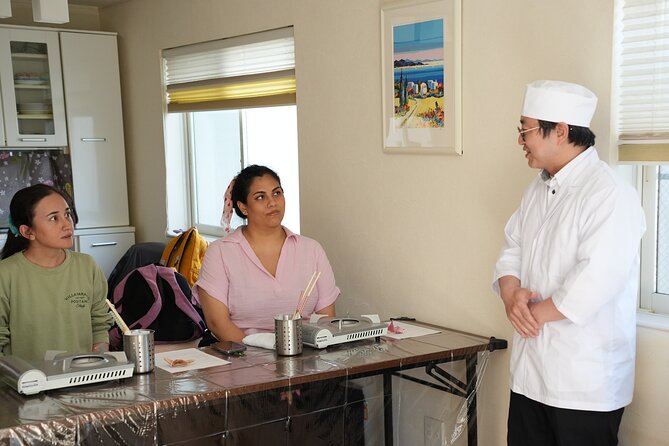
This is a small-group cooking class capped at a maximum of 4 travelers. That cap sounds like a marketing detail until you feel it. In practice, smaller groups mean the chef can watch your technique closely, help you correct small mistakes, and move at a pace that makes sense for you.
You get a friendly English-speaking guide who explains ingredients and techniques clearly. If you have ever taken a class in another country where everyone just watched and nodded, this is the opposite. Here, the lesson is set up so you can follow along step-by-step and ask questions without feeling rushed.
Practical perks are included too. Aprons are provided, so you do not have to worry about your clothes getting splattered. You also get take-home recipes, which is the difference between eating a great meal once and actually learning how to recreate it later.
And yes, you also get photos as a thank-you. It is a small thing, but it helps you remember the dishes and the key steps without relying only on memory.
Dashi and Miso Ramen Techniques You Can Use Again
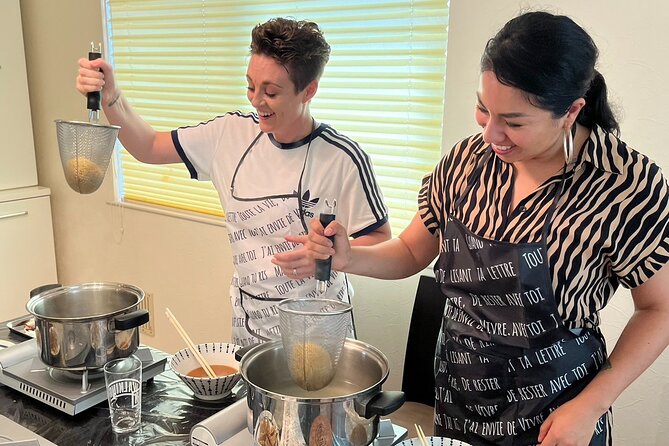
The ramen part of the class is built around technique, not just assembly. You learn how to make authentic dashi, the flavor foundation that affects everything that follows. When dashi is off, the whole bowl feels flat. When it is right, even simple toppings taste like they belong.
Then you move into crafting miso ramen, described as rich and made by your own hands. Even if you have eaten miso ramen plenty of times, cooking it is a different experience. You start noticing how the soup base, seasoning balance, and texture come together, and you stop treating ramen like a mysterious restaurant product.
What I like about this approach is that it turns ramen into something you can repeat. The class includes easy-to-follow recipes you take home, so the goal is not just a one-time dinner. You leave with the structure to recreate the bowl in your own kitchen, using the same core method you practiced in class.
Gyoza: Turning Heat and Timing Into Juicy Dumplings
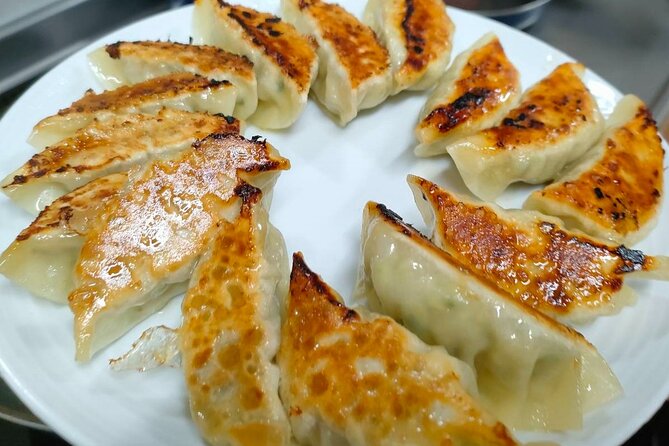
Gyoza is the second main dish you cook and eat during the class. The lesson focuses on making juicy gyoza, and that is exactly what makes it worth learning in person. Dumplings can be forgiving, but they can also go wrong fast if you rush the process.
In class, you get step-by-step instruction while you cook. The key benefit here is not only taste, it is learning the feel of the process. You will understand what you should watch for as you handle and cook gyoza, and you will have the guide there to answer questions while you still have time to fix things.
Since this is a dinner class, you do not just taste a sample and move on. You make gyoza, then you get to eat the results with your ramen and tea. That makes the feedback loop immediate, so you know right away what worked and what you might adjust next time.
More Tea Ceremonies in Tokyo
- Matcha Making Class in Tokyo with Authentic Japanese Sweets Set
★ 5.0 · 744 reviews - Kimono Tea Ceremony at Tokyo, Asakusa Maikoya
★ 5.0 · 638 reviews - Tokyo: Traditional Tea Ceremony with a Tea Master
★ 5.0 · 528 reviews - Tokyo: Matcha Making Experience with Mochi Sweets in Asakusa
★ 4.9 · 388 reviews
Matcha Green Tea and Seasonal Sweets, Done Your Way
After ramen and gyoza, you switch gears to matcha. You prepare your own matcha green tea, then savor it with seasonal Japanese sweets. This part is a real win if you want more than one cuisine skill, because it connects cooking and tea culture in a natural way.
Matcha is not complicated, but it is easy to do wrong if you treat it like an afterthought. In class, you get guidance so you can make it the way the lesson intends, and then you taste it immediately with the sweets that are meant to pair well.
I also like the seasonal sweets angle. You get something that fits the time of year, which makes it feel more local than grabbing a random dessert on a walk. It is a small moment, but it rounds out the meal nicely.
The Meal You Get: Miso Ramen, Gyoza, Matcha, and Sweets
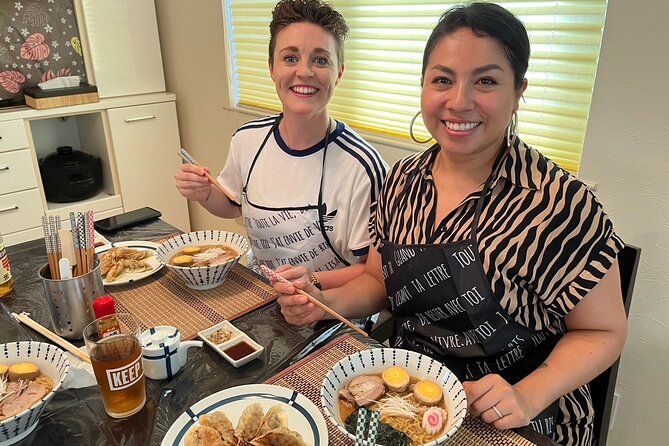
This class is a dinner experience. Included in the price are miso ramen and gyoza, plus matcha tea and Japanese sweets. So you are paying for both instruction and a full meal, not just a cooking show where you snack and leave.
A plus from real feedback: people appreciate that time is respected and questions get answered. That matters because a cooking class can drag if the group is large or if the chef cannot manage pace. With a maximum of 4 travelers, the timing tends to stay focused.
You can also add alcohol for an extra 500 yen each, paid in cash. The options listed are Hakkaisan sake (180ml) and Kirin Ichiban Shibori beer (350ml). Alcohol is not included, so if you want that part of the evening, plan to carry cash.
There is one major dietary consideration. The class does not offer vegetarian or halal menu options, and it cannot accommodate dietary restrictions such as gluten-free. If you need a different diet, you will want to look for another cooking experience that can truly customize.
Price and Value: How $104.51 Adds Up
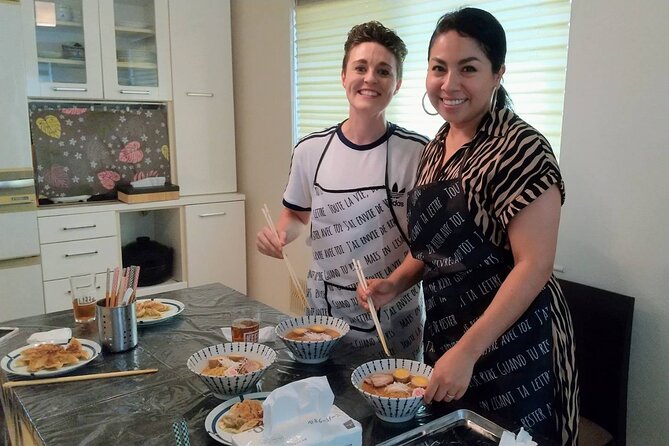
At $104.51 per person for about 2 hours, you are not paying just for ramen knowledge. You are paying for guided cooking, the ingredients and meal, matcha, sweets, recipes to take home, aprons, and photo takeaways. For Tokyo, where you can spend that much fast on dinner alone, the value comes from the instruction and the fact that you eat what you cook.
The small group cap at 4 is also part of the value story. If this were a large group class, you might spend half the time waiting. Here, your pace is supported by the chef and guide, which improves the odds that you actually learn something you can repeat.
Also, the location helps reduce hidden costs. Getting there from Shibuya or Shinjuku is straightforward, and you can continue into Ikebukuro after class without a complicated plan. Less time commuting means more time with the experience.
Who Should Book This (and Who Should Think Twice)
This is a good fit for beginners who want structured steps and for food lovers who want to understand why flavors work. You get hands-on practice with dashi, miso ramen, gyoza, matcha, and sweets, so it is not one narrow topic.
It also seems well-suited to mixed ages. One piece of feedback that stands out is that a multi-generation group enjoyed it together, with questions answered and the schedule respected. In a small class, that kind of attention to pace makes a difference.
Think twice if you have dietary restrictions. The class cannot accommodate vegetarian, halal, vegan, or gluten-free needs, and there is no special menu indicated.
Skip it if you are only looking for a quick meal. This is a lesson, and the value is in cooking and learning. If you want restaurant-only convenience, you might feel more satisfied eating out.
Before You Go: Simple Tips That Make Class Smoother
Wear comfortable clothes. An apron is provided, but cooking classes still involve kitchen activity, so choose something you can move in. If you plan to add alcohol, bring cash so you can pay the 500 yen per drink option listed.
Arrive ready to participate. This is not a sit-and-watch format. The class is designed for you to cook at your own pace with clear English explanations.
When you finish, do not rush off immediately. The area offers a handy plan: stroll near Kishimo Shrine with its red torii gates, then head into Ikebukuro for shopping and sights like Animate and the Pokémon Center. It is an easy way to turn a short class into a full evening.
Should You Book This Tokyo Ramen, Gyoza & Matcha Class?
I think this is an excellent booking choice if your goal is to learn Japanese cooking in a way you can repeat at home. The combination is smart: dashi and miso ramen give you the foundation, gyoza teaches technique, and matcha with sweets adds a cultural finale.
Book it if you want small-group attention, clear English guidance, and a class that respects time. You also get take-home recipes, which is what turns the experience into something practical.
I would not book it if your dietary needs fall outside what is supported. Since there is no vegetarian, halal, vegan, or gluten-free option, you could end up disappointed.
If those conditions work for you, go for it. A 2-hour dinner class that teaches real skills, in a convenient part of Tokyo, is one of the simplest ways to experience the city through its food.
FAQ
How long is the Tokyo ramen, gyoza, and matcha class?
The class lasts about 2 hours.
Where is the class meeting point, and does it end there too?
The meeting point is 3-chōme-1-7 Zōshigaya, Toshima City, Tokyo 171-0032, Japan, and the activity ends back at the meeting point.
Is this a small-group experience?
Yes. The tour has a maximum of 4 travelers.
What is included in the dinner during the class?
Dinner includes miso ramen and gyoza, plus matcha tea and Japanese sweets.
Do I get recipes to take home?
Yes. Take-home recipes are included, and you also receive easy-to-follow recipes during the class.
Can the chef accommodate vegetarian or halal diets?
No. The class cannot accommodate dietary restrictions such as halal, vegetarian, vegan, or gluten-free.
Is alcohol included?
No. Alcoholic beverages are available for an additional 500 yen each, payable in cash.
What alcohol options are offered if I want to add it?
Sake is Hakkaisan (180ml), and beer is Kirin Ichiban Shibori (350ml).
When will I receive confirmation after booking?
Confirmation is received within 48 hours of booking, subject to availability.
What is the cancellation policy?
Free cancellation is allowed up to 24 hours in advance of the experience start time for a full refund. Canceling less than 24 hours before start time is not refundable.
Newly listed around Tokyo
- Private Tokyo Food Tour – A Journey Through Time Through Food★ 5.0 · 36 reviews
- Private Tokyo Tour with Licensed Guide & Vehicle (Max 15 persons)★ 5.0 · 107 reviews
- Private Tokyo Custom Full-Day Tour by Chartered Vehicle★ 5.0 · 16 reviews
- Private Tokyo Custom Half-Day Tour by Chartered Vehicle★ 4.5 · 13 reviews
- Private Outstanding Nikko Tour with English Speaking Driver★ 4.0 · 11 reviews
- Private Sightseeing to Mt Fuji and Hakone with English Driver★ 5.0 · 51 reviews
- Private Snow Monkeys park Day Trip From Tokyo or Nagano★ 4.5 · 26 reviews
- 4 Day Tour – Mount. Fuji, Tokyo, Hakone, Kamakura and Yokohama★ 5.0 · 19 reviews
Matcha & Tea Ceremony Sessions, compared.
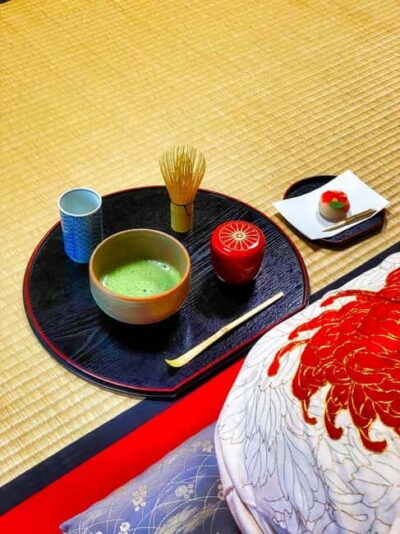
Tea Ceremony in a Traditional Tea House in Kiyomizu
Read our review →

World Heritage Kyoto & Nara Uji Authentic Matcha Experience
Read our review →
Browse the lists this tour appears in