
Review · MATCHA & TEA CEREMONY SESSIONS
Tokyo: Tea Ceremony Experience in a small tea room
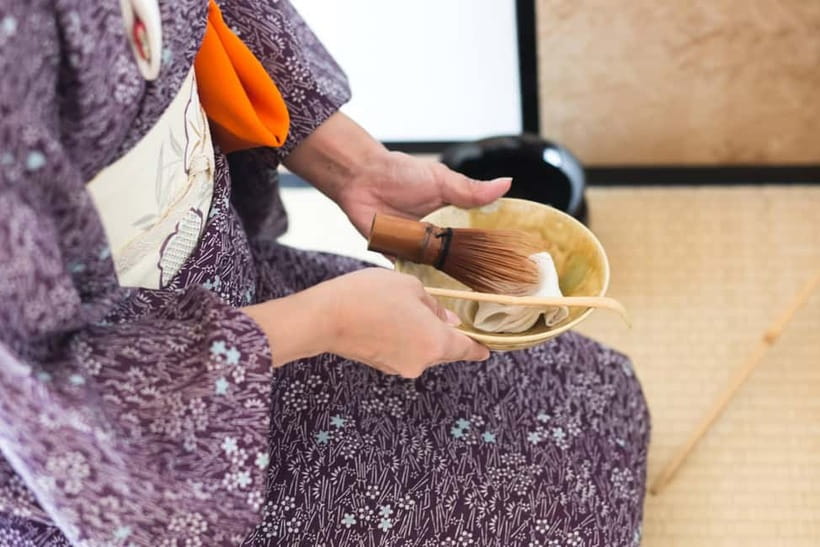
Matcha, quiet, and a little ritual in Tokyo. This tea ceremony experience takes place in a small tea room by the Kamogawa Delta area, with English guidance from Mari and a focus on you doing the steps, not just watching.
I especially love the chance to learn from a teacher with 20 years of tea know-how, and I like how the session stays welcoming even if you have zero experience. You also get hands-on matcha prep plus traditional dried sweets, so the hour feels like a full cultural lesson, not a quick performance.
One thing to consider: the setting is in a residential area and the tea room is reached by two flights of narrow stairs, so it may be hard if stairs are a challenge. Also, kimono dressing costs extra if you want it.
In This Review
- Key takeaways before you go
- Tea ceremony near Kamogawa Delta, with a local-feeling setting
- Meeting Mari at Senraku-an, then settling in for 1 hour
- The matcha lesson: making your own bowl step by step
- Sweets, etiquette, and the meaning behind omotenashi
- Kamogawa Delta calm, plus why this area is a smarter base
- Kimono option: a fun extra, but plan for cost
- Price and value: what you get for $51 per person
- Practical logistics that actually help
- Who should book this tea ceremony, and who should skip it
- Should you book this Tokyo tea ceremony?
- FAQ
- What is the duration of the tea ceremony experience?
- How large is the group?
- Is the instructor available in English?
- Where is the meeting point?
- How far is it from a train station?
- What’s included in the price?
- Can I make matcha myself?
- Is kimono included?
- Is there a cancellation option?
- Can I pay later?
Key takeaways before you go
- Small group, limited to 6 so you get real attention and time to practice
- English instruction from Mari, with patient guidance and room to ask questions
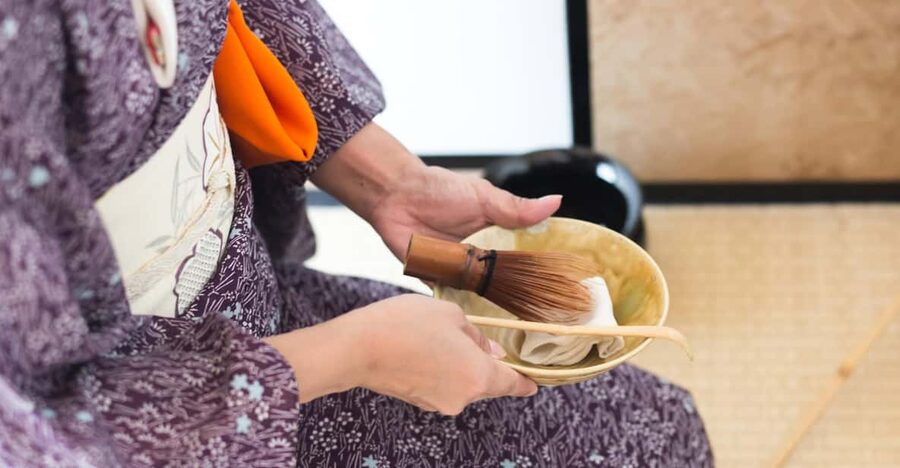
- Hands-on matcha including whisking your own bowl if you want to
- A calm break near Kamogawa Delta, plus easy access from Nishi-Nippori
- Traditional dried sweets included with the ceremony
- Optional kimono request, including help dressing up if you choose it
Tea ceremony near Kamogawa Delta, with a local-feeling setting
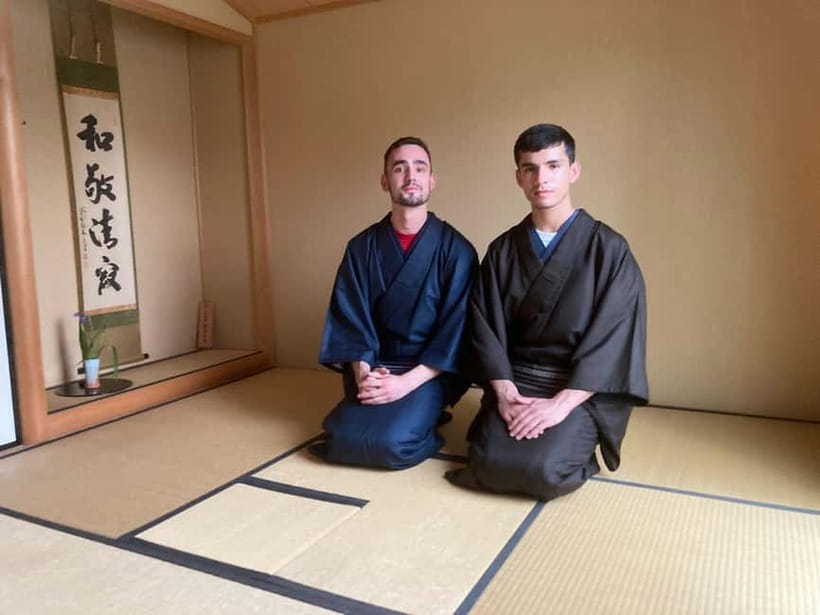
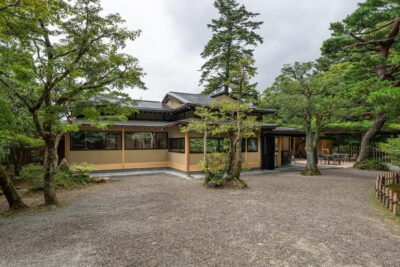
This experience is designed to slow your day down. Instead of doing tea as a staged show, you get a small-room ceremony near Tokyo’s Kamogawa Delta area, close to the Yanaka and Nezu Shrine neighborhood.
Getting there is straightforward once you know the anchor point. You meet at Senraku-an about 10 minutes before the start time, and the location is about a 7-minute walk from Nishi-Nippori Station. That walk matters, because you’re moving through the everyday texture of Tokyo, not just a tourist strip.
The vibe is intentionally quiet. Several parts of the experience lean into calm and patience, so it works best when you arrive ready to sit and pay attention for the full hour, not when you’re in a hurry.
More Tea Ceremonies in Tokyo
- Matcha Making Class in Tokyo with Authentic Japanese Sweets Set
★ 5.0 · 744 reviews - Kimono Tea Ceremony at Tokyo, Asakusa Maikoya
★ 5.0 · 638 reviews - Tokyo: Traditional Tea Ceremony with a Tea Master
★ 5.0 · 528 reviews
Meeting Mari at Senraku-an, then settling in for 1 hour
Mari’s role is central to why this feels personal. She guides the ceremony in English, and the pace stays gentle, with lots of chances to ask questions and get clarity on what you’re doing.
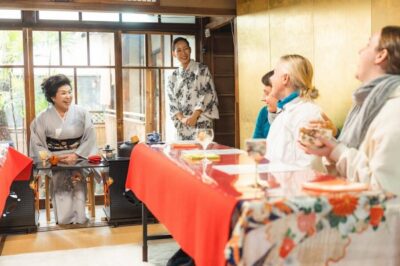
The class runs for 1 hour, and that time is used on more than just matcha. You get a guided explanation of the steps and why they matter, then you practice. People come as singles, couples, and families, and the structure keeps it understandable even if you have never held a whisk before.
Small group size is the quiet advantage here. With a maximum of 6 participants, you avoid that frustrating feeling of doing one rushed look, then waiting your turn. It also means your questions do not float away into the background.
One practical note: the ceremony takes place in a space that involves narrow stairs. If you have mobility limitations, it’s worth thinking ahead. In a residential setting, directions can be less obvious than big landmark tours, so it helps to confirm the exact room inside the building when you’re close by.
The matcha lesson: making your own bowl step by step
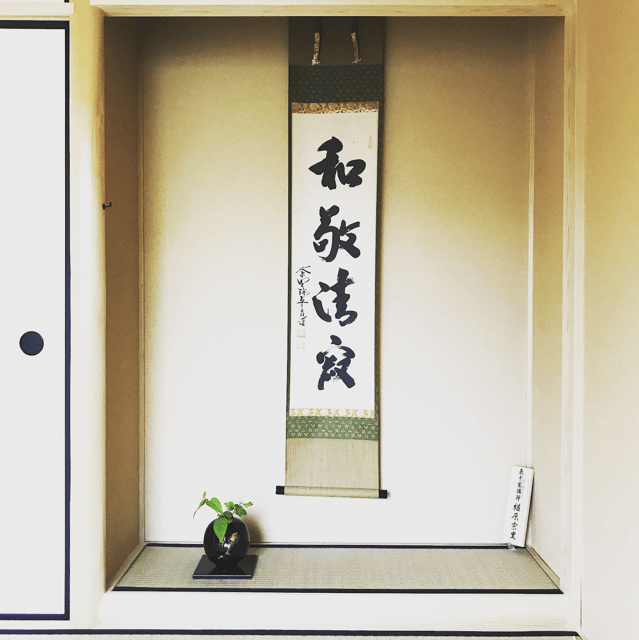
If you remember one thing, make it this: this is hands-on matcha preparation. You will learn the process, including whisking powdered matcha to the right texture and learning the movements that keep the ritual calm and consistent.
You’re not stuck watching someone else perform. You can choose to make your own tea, and Mari guides your technique as you go. That matters because matcha is one of those foods where the details change the result, even if the ingredients look simple.
You’ll also learn the idea behind the motions. The ceremony emphasizes harmony and mindfulness, but it also has practical purpose: repeatable steps help you avoid haphazard whisking and keep the experience steady.
A useful bonus is practice time. One small detail that came up in guidance is learning a few motions repeatedly, like folding a tea towel enough that you can remember it. It’s the kind of training that turns the ceremony from a one-time show into something you can carry home.
Sweets, etiquette, and the meaning behind omotenashi
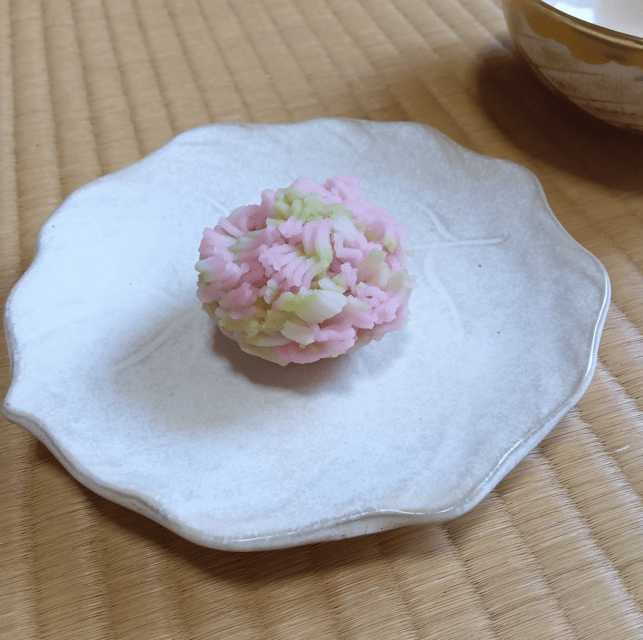
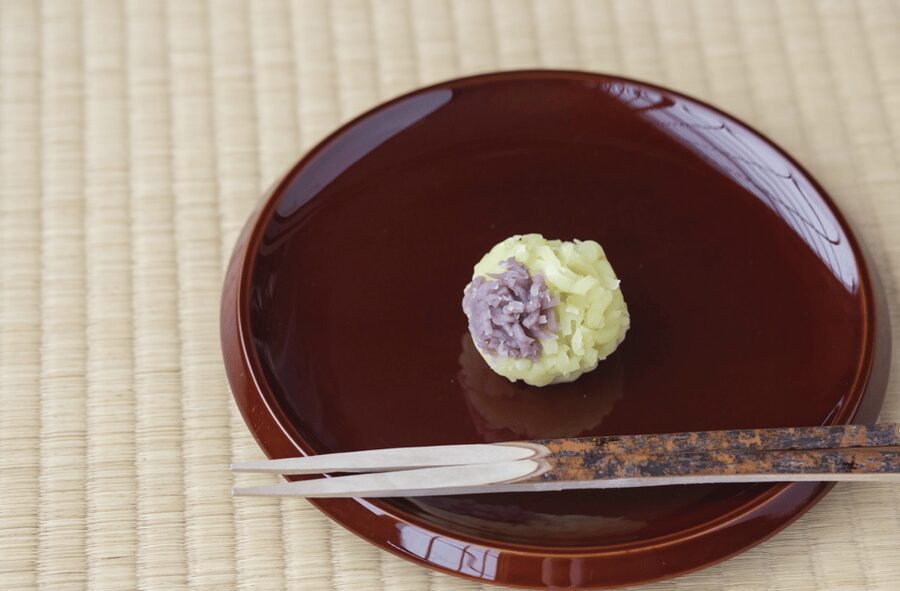
Tea in Japan is never only about taste. This ceremony includes traditional dried sweets, and they are part of the rhythm of the hour: you take them in, then the matcha arrives with its own set of manners.
Mari connects the experience to cultural themes people actually notice in daily life in Japan. Terms like omotenashi, purity, and harmony come up naturally because the ritual is built around respect for the moment and for the person across from you.
Etiquette can sound intimidating, but the structure here keeps it approachable. You’re taught what to do and when, and you have time to get it right instead of feeling embarrassed. That makes a big difference, especially if you’re traveling with kids or if you’re the only tea-curious person in your group.
And yes, there’s also a physical comfort to it. You’re in a small room, guided at human speed, not pushed through a program of photos and checklists. The ceremony becomes a pause button for Tokyo.
A different sort of day in Japan:
- Mt Fuji and Hakone 1-Day Bus Tour Return by Bullet Train
★ 5.0 · 26,383 reviews - 1-Day Tokyo Bus Tour
★ 5.0 · 14,250 reviews - Tokyo: TOKYO SKYTREE® Admission ticket
★ 4.5 · 11,192 reviews - Tokyo: teamLab Planets TOKYO Digital Art Museum Entry Ticket
★ 4.6 · 9,779 reviews
Kamogawa Delta calm, plus why this area is a smarter base
A lot of Tokyo activities happen in the most obvious corners of town. This one is different. You’re doing tea close to the Kamogawa Delta area, where the pace feels less frantic, especially compared with major station hubs.
Then you’re also positioned near neighborhoods like Yanaka and Nezu Shrine. That combination is useful because after your tea ceremony, you can keep the day coherent: walk around the side streets, slow down, and see a different face of Tokyo without needing another long commute.
You might not get a dramatic view or a famous skyline in the background, but that’s kind of the point. The day’s payoff is the feeling of being in a quiet pocket where tradition is still practiced, not just displayed.
Kimono option: a fun extra, but plan for cost
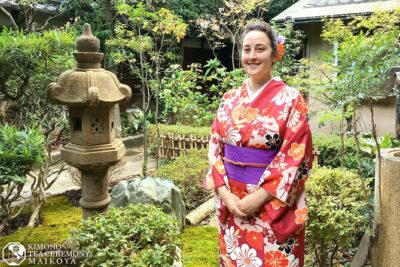
Want to dress up? You can request kimono dressing, and Mari can help. Some families and couples choose this because it makes the experience feel more ceremonial and photo-ready, and at least one family found the option especially helpful for dressing children too.
One consideration: the kimono is not included. If kimono is a must for your group, factor the add-on cost into your decision.
Also remember that stairs can matter even more in traditional clothing. If you go for kimono, wear shoes or footwear that let you handle steps safely and calmly.
Price and value: what you get for $51 per person
At $51 per person for 1 hour, the value depends on what you want from the experience. If you’re hoping for a fast taste with no real instruction, you might feel it’s pricey. If you want a real teacher, hands-on time, and included matcha and sweets, the math makes more sense.
Here’s what’s clearly part of the package:
- Matcha for the ceremony
- Traditional dried sweets
- A lesson led by the tea teacher (English)
- A small-group format limited to 6
- Optional kimono dressing if you request it
That included matcha is key. Matcha isn’t just a garnish here, it’s the center of the hour. And because the group stays small, the instructor can spend time correcting your motions and answering questions.
You’re also paying for context, not only steps. The ceremony communicates why each movement matters, and that kind of explanation is hard to replace with a self-guided video.
Practical logistics that actually help
This is one of those Tokyo experiences where small details can make or break your stress level. Here are the points that will help you arrive calm and prepared.
First, show up at Senraku-an about 10 minutes early. You want time to find the right room and settle in before tea begins.
Second, plan for a residential location. The experience is about a 7-minute walk from Nishi-Nippori Station, and it’s very near Yanaka and Nezu Shrine, but the exact room inside the building can take a moment. If you’re using a taxi, it can take a little patience to pinpoint the right spot, so don’t wait until the last second.
Third, think about your body. The space involves two flights of narrow stairs based on participant feedback. If stairs are hard for you, bring it up in advance so you can decide whether this is comfortable.
Finally, wear clothes that let you sit comfortably. You’ll be focused on posture and movements, so comfort beats fashion here.
Who should book this tea ceremony, and who should skip it
This experience fits best if you want a quiet, guided cultural activity that doesn’t require prior knowledge. Beginners are welcome, and the hour is structured so you can follow along and even practice making your own matcha.
I’d also recommend it if you like learning with your hands. Watching a process can be fun, but whisking matcha with guidance is a different level of connection. It’s also a strong option for couples and families because the atmosphere is calm and the pace is patient.
You might want to skip or reconsider if:
- You have difficulty with stairs, since the room is reached by narrow steps
- You only want the easiest, most central logistics with zero navigation
- You expect a longer ceremony, since this is one hour, not a half-day ritual
Should you book this Tokyo tea ceremony?
I’d book it if your ideal Tokyo day includes a slower rhythm and a real teacher-led experience. For the price, you get hands-on matcha, included sweets, English guidance, and a small group setting with time to practice. That combination is hard to beat when you want something authentic, but still understandable on day one.
I’d only hesitate if stairs are a problem or if you need a more “tour-like” venue with easier access. If that’s you, message first and double-check how the room is reached.
If you want a calm cultural reset in the middle of Tokyo, this tea ceremony near Kamogawa Delta is a smart choice.
FAQ
What is the duration of the tea ceremony experience?
The experience lasts 1 hour.
How large is the group?
The group is small, limited to 6 participants.
Is the instructor available in English?
Yes. The instructor speaks English.
Where is the meeting point?
You meet at Senraku-an, 10 minutes before the experience starts.
How far is it from a train station?
It is about a 7-minute walk from Nishi-Nippori Station.
What’s included in the price?
The experience includes matcha, traditional dried sweets, and a lesson by the tea ceremony teacher.
Can I make matcha myself?
Yes. You can make your own tea if you wish, with guided instruction.
Is kimono included?
Kimono is not included, but you can request it if you want.
Is there a cancellation option?
Yes. You can cancel up to 24 hours in advance for a full refund.
Can I pay later?
Yes. You can reserve now & pay later, meaning you do not pay on the booking day.
Newly listed around Tokyo
- Tokyo private transfer for Yokohama Port★ 4.5 · 63 reviews
- Luxury Kimono Photoshoot at Ginza Tokyo★ 5.0 · 7 reviews
- Tokyo Allstar Food Tour★ 4.5 · 206 reviews
- Tokyo: Best Ginza Food Tour at 3 Local Eateries★ 5.0 · 83 reviews
- Private One Day Nikko Tour with Bilingual driver★ 3.5 · 11 reviews
- Tokyo Art Aquarium Museum E-Ticket with optional Tokyo Metro Pass★ 5.0 · 17 reviews
- PRIVATE tour in 180SX to Daikoku+++++★ 5.0 · 6 reviews
- Kabuki Talk★ 5.0 · 10 reviews
Matcha & Tea Ceremony Sessions, compared.
Tea Ceremony in a Traditional Tea House in Kiyomizu
Read our review →
World Heritage Kyoto & Nara Uji Authentic Matcha Experience
Read our review →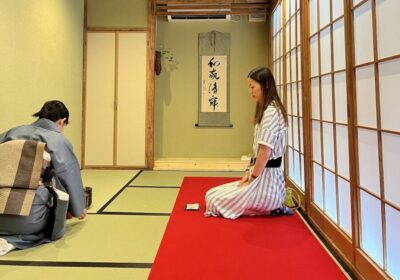
Browse the lists this tour appears in