
Review · MATCHA & TEA CEREMONY SESSIONS
Tokyo: Tea Ceremony Experience
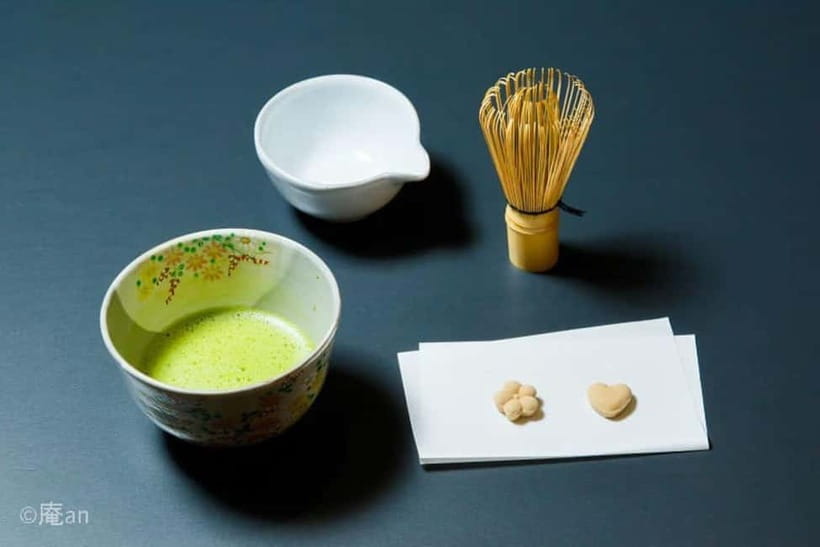
If you think tea ceremonies take forever, rethink it. This Tokyo tea ceremony packs the essentials into about 30 minutes, with a hands-on feel and a calm break from sightseeing. You’ll learn the basics first, then make your own cup of matcha in a simple, no-fuss style.
What I really like is the way they let you enjoy matcha casually, not like you need a formal background to participate. I also like that the tea is single-origin special matcha, paired with Japanese sweets called Ohigashi that make the whole experience feel complete.
One thing to consider: it’s short, so the explanation is quick, and they won’t be able to hold the event for delays. If you’re the type who runs late in Tokyo, this one is not forgiving.
In This Review
- Key things to know before you go
- Tokyo tea ceremony at AN Tokyo: what you really do in 30 minutes
- Single-origin matcha and Ohigashi: the taste plan
- How OTE-MAE flows: from tea explanation to your cup
- The matcha grinding moment: why watching changes your sip
- Timing in real Tokyo: where this fits in your day
- Price and value: what $7 buys you, and what costs extra
- Language and instruction: you can follow even if your Japanese is basic
- Who should book this tea ceremony, and who might not
- Should you book the Tokyo tea ceremony experience at AN Tokyo?
- FAQ
- How long is the Tokyo tea ceremony experience?
- Where is the meeting point?
- What is included in the experience?
- Do I make the matcha myself or just watch?
- Is there English translation during the session?
- Is there an additional cost for a completion certificate?
- Are children allowed?
Key things to know before you go
- Single-origin matcha with a casual, approachable setup
- You get to make your own matcha, not just watch
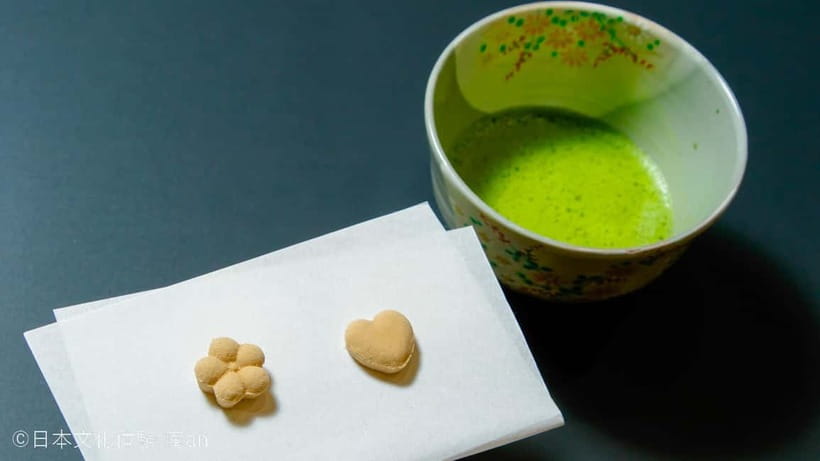
- Ohigashi sweets are included, so you’re not drinking plain green tea only
- OTE-MAE experience is the included format, with a structured flow
- Picture time is built in, so you can capture the moment without rushing
- English support is limited but available, with help provided as much as possible
Tokyo tea ceremony at AN Tokyo: what you really do in 30 minutes
This isn’t one of those half-day cultural tours. The whole experience is designed to be a pocket-sized reset while you’re already walking around Tokyo.
You’ll start at AN TOKYO Japanese Culture Experience at the coordinates 35.6916541, 139.7715022. From there, the session moves in a clear sequence. First comes a short orientation to tea, then you’ll see a matcha grinding demonstration. After that, you’ll move into the tea-ceremony portion, followed by a photo time moment. Then the session ends with a relaxed drink and snack window.
Because it’s only 30 minutes, it works best as a planned stop between neighborhoods, not as a major centerpiece of your day. Think “quiet pause” more than “deep ceremony immersion,” and you’ll enjoy it more.
More Tea Ceremonies in Tokyo
- Matcha Making Class in Tokyo with Authentic Japanese Sweets Set
★ 5.0 · 744 reviews - Kimono Tea Ceremony at Tokyo, Asakusa Maikoya
★ 5.0 · 638 reviews - Tokyo: Traditional Tea Ceremony with a Tea Master
★ 5.0 · 528 reviews
Single-origin matcha and Ohigashi: the taste plan
Let’s talk food and flavor, because this is where the experience earns its keep.
They emphasize using special single-origin matcha, which matters. Single-origin usually means the tea is from a specific source, and the goal is a cleaner, more focused taste than generic blends. In a short session like this, quality stands out faster. You’re not spending hours cultivating the perfect technique, so the matcha itself needs to be worth the cup.
Then there’s Ohigashi, Japanese sweets included with your tea. Even if you’re not sure what style you like, you’re getting a built-in pairing. Sweet + matcha is a classic balance in Japan, and it makes the whole ritual feel less like a demo and more like a real break.
If you have a sensitive palate or strong preferences, take note that matcha flavor can be bold, even when prepared gently. The best move is to treat this as a tasting moment. You’ll likely learn what you like simply by having one properly prepared cup.
How OTE-MAE flows: from tea explanation to your cup
The structure is straightforward, and that’s a plus when you have limited time.
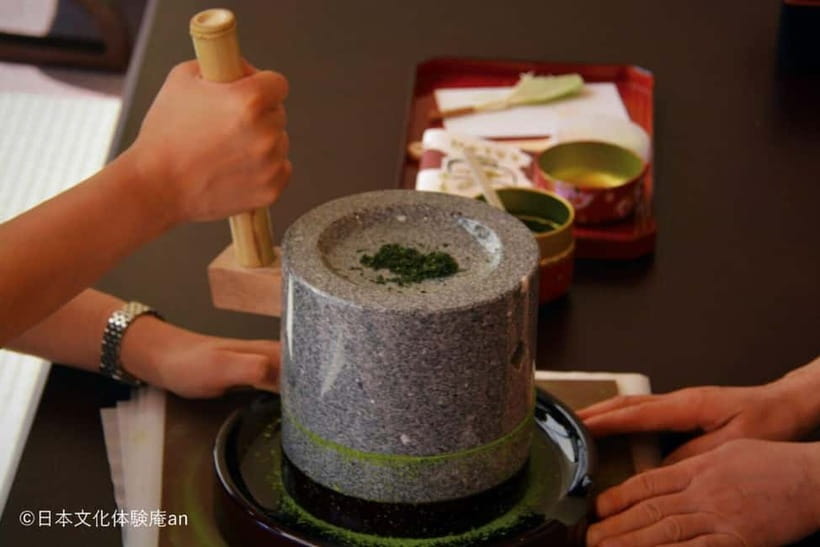
The session starts with an explanation about tea. This is where you get the basic context you need so the ceremony doesn’t feel like a set of mysterious steps. Next, you’ll watch the matcha grinding demonstration, which helps you understand where the green powder comes from and why the texture matters.
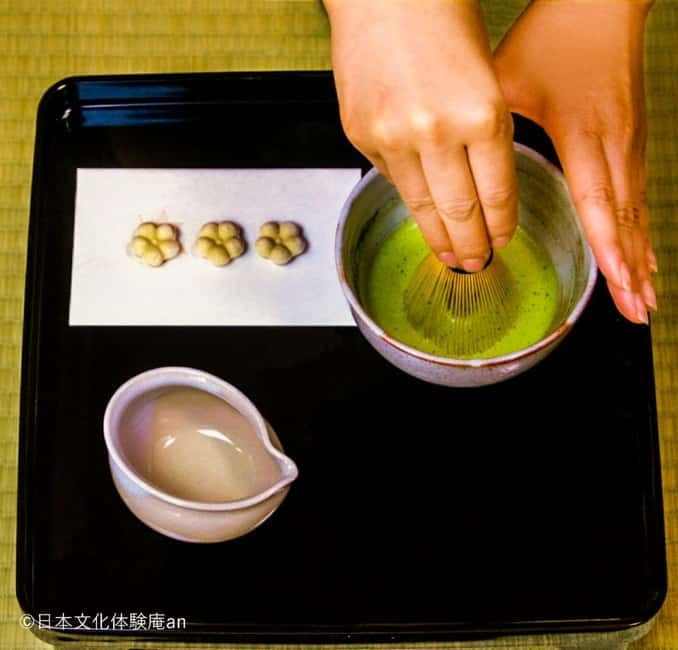
Then comes the part you actually participate in. You’ll do the tea-ceremony experience and you’ll make your own matcha. That hands-on element is the core value here. You’re not just observing from the sidelines. You’re learning by doing, and you’re tasting what you just made.
After the main ceremony, there’s picture time. That matters more than you might think. In some activities, photos happen at random, usually while you’re still trying to follow instructions. Here, the photo moment is scheduled, so you can enjoy it without turning the ceremony into a rushed blur.
Finally, there’s time for eating and drinking before you head out. That closing window is what makes it feel like a true experience rather than a quick show.
The matcha grinding moment: why watching changes your sip
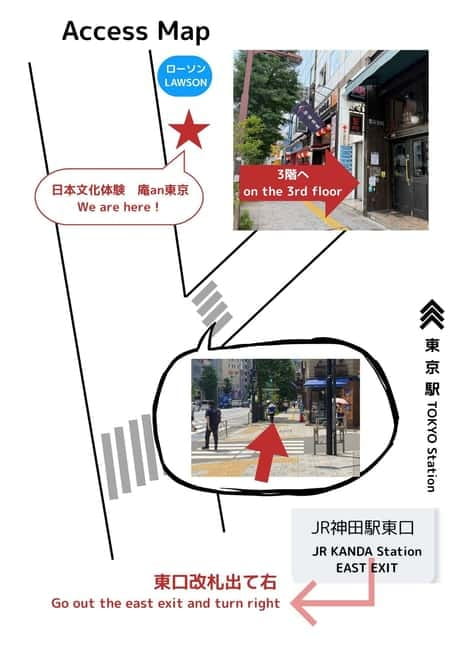
Even if you already know matcha basics, the grinding demonstration is worth paying attention to.
Grinding is where matcha’s character is born. You can taste a difference between powder that’s fresh and fine versus tea powder that’s been sitting around or isn’t as finely milled. In a short ceremony, you don’t have time to become an expert. But you do have time to understand the idea that texture and preparation are part of the flavor.
When you then make your own matcha after seeing the grinding, your brain connects the steps to the result. That’s the trick of this activity. It’s simple, but it’s not superficial.
Also, a quick practical point: watch how they handle the powder and the tools, then follow along closely. Don’t overthink it. The goal is to participate in the process and leave with a good cup and a few useful mental notes you can use later if you order matcha in cafés around Tokyo.
A different sort of day in Japan:
- Mt Fuji and Hakone 1-Day Bus Tour Return by Bullet Train
★ 5.0 · 26,383 reviews - 1-Day Tokyo Bus Tour
★ 5.0 · 14,250 reviews - Tokyo: TOKYO SKYTREE® Admission ticket
★ 4.5 · 11,192 reviews - Tokyo: teamLab Planets TOKYO Digital Art Museum Entry Ticket
★ 4.6 · 9,779 reviews
Timing in real Tokyo: where this fits in your day
This is where the 30-minute duration becomes a real advantage.
Tea ceremonies can feel like a commitment, especially if you’re juggling train times and long walking days. Here, you can slot it in as a calm stop while you’re sightseeing. That’s a smart move when Tokyo days get hectic.
Just plan around the reality that they won’t hold the event for delays. The program is timed, and you’re expected to be ready when it begins. If you’re coming from somewhere else, build a buffer into your route.
Operation hours are 10:00 to 17:00. Reservations received after 17:00 are processed the next day. That doesn’t mean you can’t do it later in the evening, but it does mean if you’re planning tightly, you’ll want to reserve within operating hours so you don’t end up waiting for the next day’s processing.
If you’re trying to place it on a busy day, I’d treat it like a 30-minute appointment: arrive a little early, use the time to settle, and let the ceremony slow your pace for a bit.
Price and value: what $7 buys you, and what costs extra
At $7 per person, this sits in the budget-friendly range, especially for an activity that includes matcha prep and the paired sweets.
What you get for the price:
- An OTE-MAE style tea-ceremony experience
- A matcha grinding demonstration
- The chance to make your own matcha
- Included Ohigashi sweets
- Tea and drink time, plus picture time
What may cost extra:
- A completion certificate is not included. It’s 300 JPY. If you want a nominative certificate, they ask you to provide your names in advance so they can put them into the blanks.
So is it good value? For most people, yes, because you’re buying access to a structured ritual, not just a drink in a café. You get the sequence, the brief teaching, and the hands-on part. If your main goal is purely taste, you might also find matcha in many shops for less. But if your goal is a short cultural experience that changes how you understand what you’re drinking, this price makes sense.
Language and instruction: you can follow even if your Japanese is basic
The instructor is Japanese, and the language is listed as Japanese. Still, English support is provided as much as possible.
So what’s your best strategy?
- Go in with a calm attitude. You don’t need perfect Japanese to participate.
- Watch the steps closely during the ceremony and grinding portion.
- If you specifically want more English help, the activity notes you can contact them to request it.
Because the session is only 30 minutes, there isn’t time for long back-and-forth communication anyway. The experience works when you treat it like a guided sequence you can follow through actions and simple cues, then end with drinking and eating.
One more human note from the general feedback pattern: the staff have been described as kind, even when transportation issues cause timing problems. That said, the important rule remains that delays can’t be accommodated during the session. Kind service doesn’t replace timing requirements, so still aim to arrive on time.
Who should book this tea ceremony, and who might not
This experience is a great fit if:
- You want a genuine Tokyo tea ceremony but only have a short window
- You like the idea of learning basics fast and leaving with a cup you made
- You want a break that feels traditional without feeling intimidating
- You enjoy matcha and also want a pairing with Ohigashi
You might consider skipping if:
- You’re expecting a long, slow, very detailed ceremony with deep instruction time
- You tend to run late or have unpredictable schedules
- You want a purely English-led experience with extensive translation for every step
If you want something easy, structured, and low-pressure, this hits the target.
Should you book the Tokyo tea ceremony experience at AN Tokyo?
I think it’s worth booking for most visitors who want a quick but real cultural stop in Tokyo.
Book it if you want single-origin matcha, a chance to make your own cup, and a small dose of Japanese ritual that fits into a sightseeing day. The included Ohigashi is a smart bonus, and the built-in photo time means you’ll get the moment you’re there for without derailing the ceremony.
Don’t book it if you need lots of flexibility around delays or you’re looking for a long, classroom-style deep dive into tea. This is short on purpose, and it assumes you’ll arrive ready to participate.
If you’re planning your Tokyo day and you want one calm activity that’s different from shopping and street food, this is a solid, budget-friendly choice.
FAQ
How long is the Tokyo tea ceremony experience?
It takes about 30 minutes.
Where is the meeting point?
The meeting point is at AN TOKYO Japanese Culture Experience, coordinates 35.6916541, 139.7715022.
What is included in the experience?
You’ll take part in an OTE-MAE tea ceremony experience, including making and enjoying matcha and having Japanese sweets called Ohigashi.
Do I make the matcha myself or just watch?
You can make your own matcha as part of the tea ceremony experience, and there is also a matcha grinding demonstration.
Is there English translation during the session?
English translation is provided as much as possible. If you would like to add it, you can contact the activity provider.
Is there an additional cost for a completion certificate?
Yes. The experience completion certificate is not included and costs 300 JPY.
Are children allowed?
Children who sit on their parents’ laps are free of charge for those under 2 years old only.
Newly listed around Tokyo
- Tokyo private transfer for Yokohama Port★ 4.5 · 63 reviews
- Luxury Kimono Photoshoot at Ginza Tokyo★ 5.0 · 7 reviews
- Tokyo Allstar Food Tour★ 4.5 · 206 reviews
- Tokyo Art Aquarium Museum E-Ticket with optional Tokyo Metro Pass★ 5.0 · 17 reviews
- Tokyo: Best Ginza Food Tour at 3 Local Eateries★ 5.0 · 83 reviews
- Private One Day Nikko Tour with Bilingual driver★ 3.5 · 11 reviews
- PRIVATE tour in 180SX to Daikoku+++++★ 5.0 · 6 reviews
- Kabuki Talk★ 5.0 · 10 reviews
Matcha & Tea Ceremony Sessions, compared.
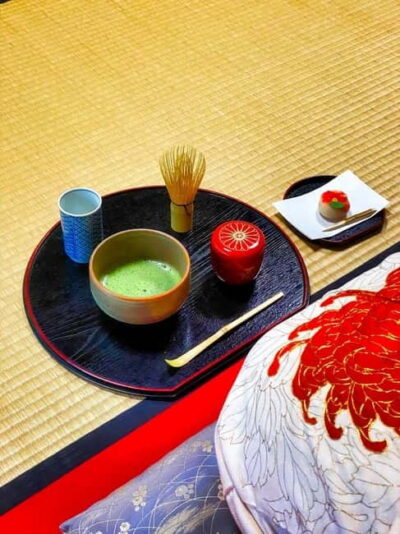
Tea Ceremony in a Traditional Tea House in Kiyomizu
Read our review →
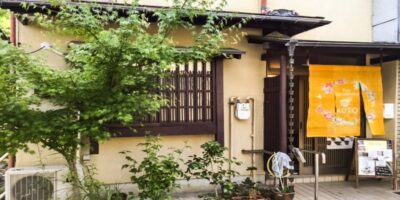
World Heritage Kyoto & Nara Uji Authentic Matcha Experience
Read our review →
Browse the lists this tour appears in