
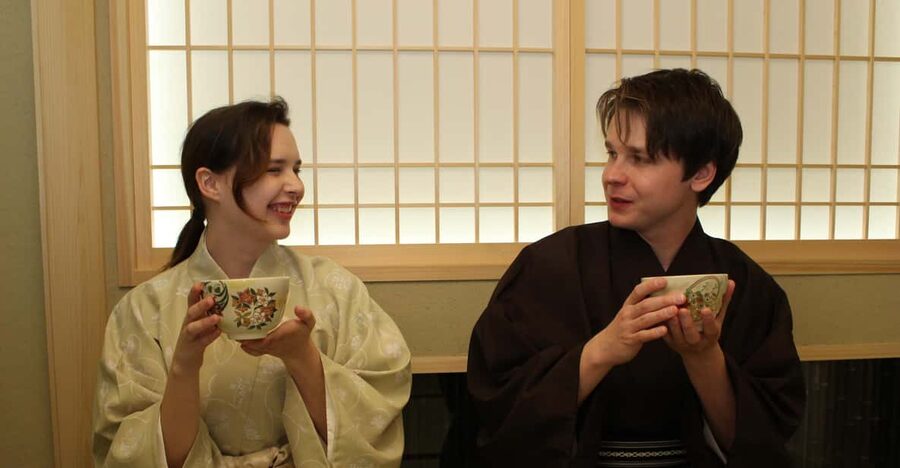
Review · MATCHA & TEA CEREMONY SESSIONS
Tokyo: Tea Ceremony in Shibuya Tokyo
Tea and silence, right in Shibuya. What makes this experience special is the private tea room atmosphere and the hands-on Matcha making with an English-speaking teacher. I also like that you get the full flow, from etiquette and history basics to Otemae, then tasting the result. One possible drawback, at $81 per person, is that it is not the cheapest way to do tea in Tokyo, so it only feels like a great deal if you will actually enjoy the lesson format.
This is set up for small groups, 1 to 4 people per booking, with no mixing with other parties. That matters in a city where quiet can be hard to find. You will be able to ask questions and move at a calm pace, especially if you are going with family or a friend group.
You will start with an explanation of tea ceremony culture and etiquette, then watch the Otemae demonstration, taste traditional Japanese sweets, and finally make and drink your own matcha. Dress-wise, plan to cover your knees. If you do not have the right clothes, they lend you suitable pants or a wrap skirt for free.
In This Review
- Key highlights I’d circle first
- Why a tea room in Shibuya feels different from a quick tasting
- Private tea room, 1 to 4 people, and why that changes everything
- Otemae demonstration: the etiquette you can use, not just watch
- Making your own matcha: where the class becomes yours
- Sweets tasting first: the easiest way to enjoy the ceremony
- Kimono upgrade, plus Pokemon-style keepsakes you can actually find
- Price and value: what $81 buys you in Shibuya
- Who should book, and timing tips that keep it stress-free
- Should you book this tea ceremony in Shibuya?
- FAQ
- Is the tea ceremony private?
- How many people can book together?
- What language is the class taught in?
- What does the $81 price include?
- Do I get to make matcha myself?
- What should I wear?
- Can I wear a kimono?
Key highlights I’d circle first
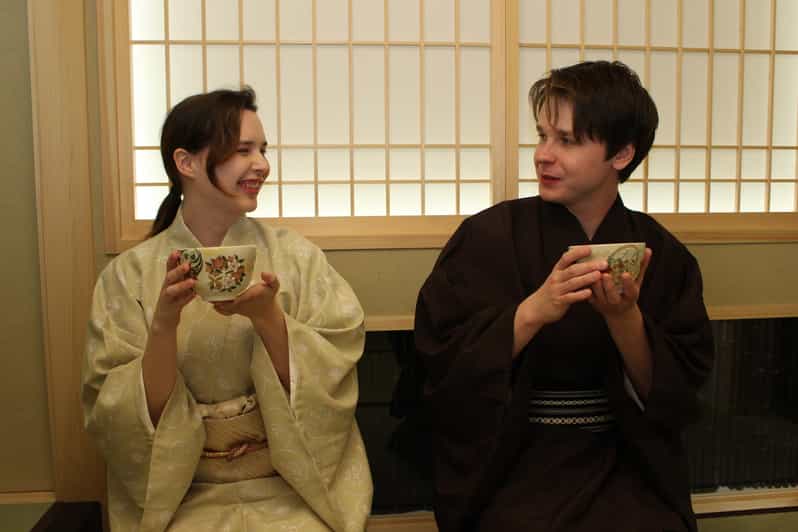
- Truly private group sessions (1 to 4 people), no mixing with strangers
- English instruction from teachers with real tea experience
- Otemae demonstration plus your own tea-making step-by-step
- Sweets tasting before you whisk matcha, so you can focus on the flavors
- Fun keepsakes, including Pokemon made from kimono material
- Optional kimono time for an extra charge, if you want the full look
Why a tea room in Shibuya feels different from a quick tasting
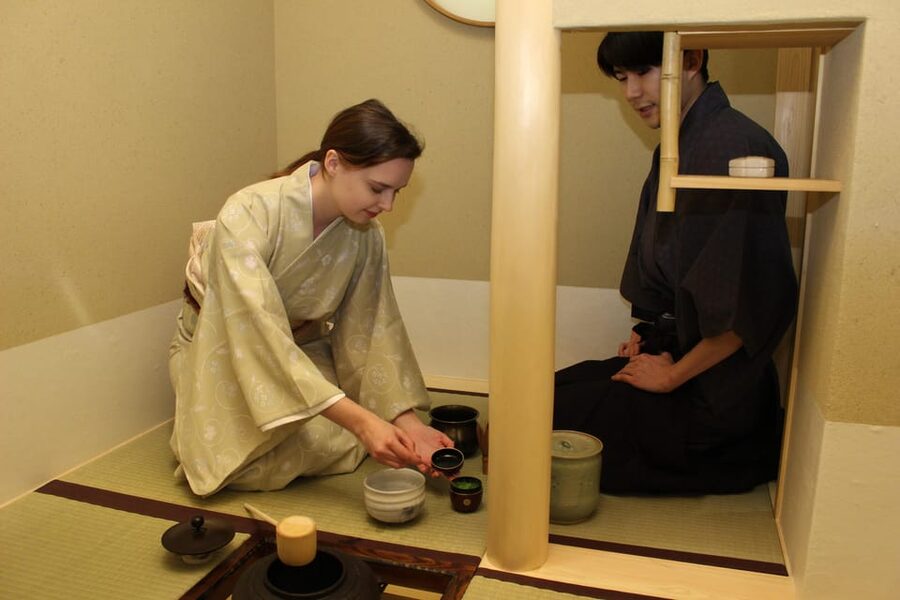
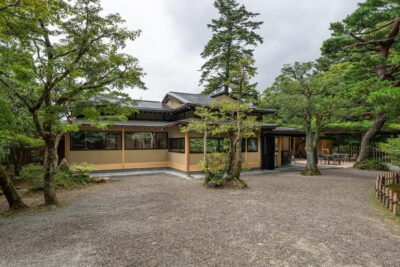
Shibuya is busy by default. So walking into a tea room that is built for calm changes the mood fast. This experience leans into that contrast. Instead of being rushed through a demo, you get a structured class in a prestigious setting designed for tea ceremony.
What I like most is that it is not just about drinking matcha. You learn the why behind the motions. Tea ceremony etiquette, the basic history and culture, and how Otemae ties it all together. That turns matcha from a drink you ordered once into something you can actually understand and repeat at home.
You also get a guided pace that feels intentionally slow, and that is a practical win. Tokyo can scramble your attention. Here, you get a simple sequence: explanation, demonstration, sweets, then your turn. It is easy to follow, even if you are new to tea.
More Tea Ceremonies in Tokyo
- Matcha Making Class in Tokyo with Authentic Japanese Sweets Set
★ 5.0 · 744 reviews - Kimono Tea Ceremony at Tokyo, Asakusa Maikoya
★ 5.0 · 638 reviews - Tokyo: Traditional Tea Ceremony with a Tea Master
★ 5.0 · 528 reviews
Private tea room, 1 to 4 people, and why that changes everything
This is a completely private experience for your group. The class size is 1 person up to 4 people per booking. They do not arrange mixed sessions, so your conversation stays yours.
For families, this is huge. Kids and adults can move through the steps without worrying that other people will be watching. For couples or friends, it means you can take photos without feeling like you are interrupting a stranger’s class flow.
It also helps you learn faster. When it is just your group, the teacher can adjust the pace. You can ask questions during the explanation of etiquette, or ask what to pay attention to when you make matcha yourself. Even small questions are welcome, like how to handle the tools or what good matcha consistency looks like.
If you want a class where you actually participate instead of merely observe, the small group setup is a big part of the value.
Otemae demonstration: the etiquette you can use, not just watch
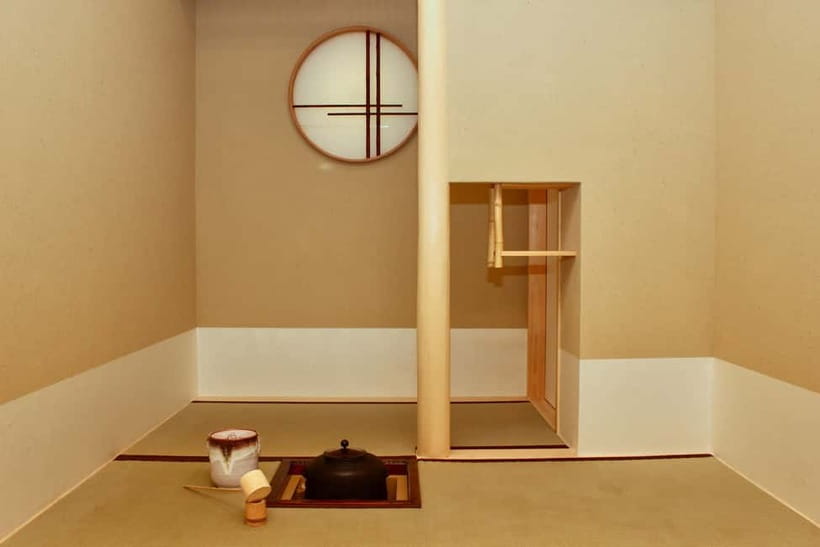
The centerpiece here is Otemae, the tea preparation sequence. You start with an explanation of the tea ceremony’s history and culture, plus etiquette. That is where the lesson becomes more than a performance.
Expect the teacher to walk you through what matters in a tea ceremony: respectful behavior in the room, how to handle items properly, and why the steps are arranged the way they are. You are not expected to be a tea expert. The point is to understand what you are doing and why each movement has a place.
Then you watch the Otemae demonstration by an experienced English-speaking teacher. One highlight from real visits is the warm presence of Mako-san, who has a charming teaching style and a calm way of guiding people through what can feel intimidating at first.
A practical tip: during the demonstration, focus on timing and order, not perfection. You are learning the sequence. Later, when it is your turn, you will remember the flow far more than you will remember each tiny motion.
This is also where the prestigious tea room environment helps. The decor and setup make the etiquette feel natural, not like rules you memorized for school.
Making your own matcha: where the class becomes yours
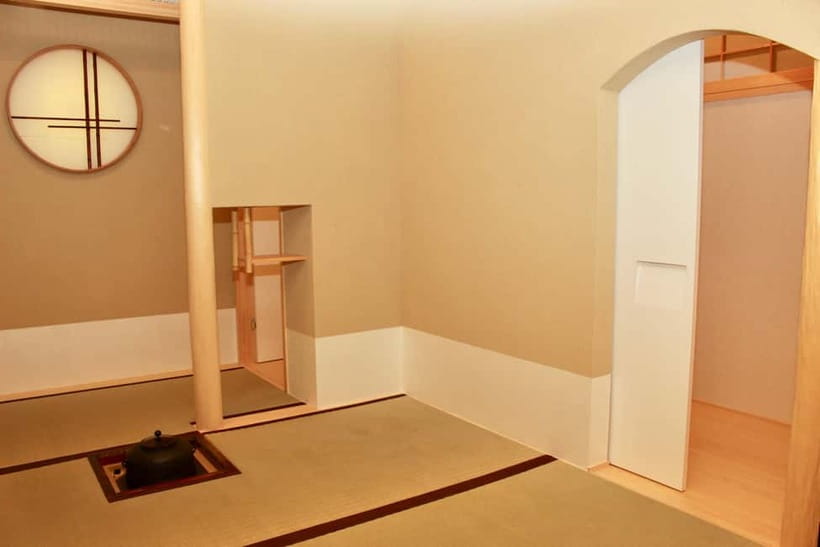
After the history, etiquette, and demonstration, you get to make your own matcha. This is not just a taste at the end. It is the main event.
The sequence usually goes like this:
- You watch the method once so you can spot the steps.
- You taste sweets first, so your palate is awake and ready for matcha.
- Then you make matcha yourself, with the teacher guiding you through the process.
When you make matcha, you learn the feel of the whisking and the importance of how it is prepared. You also learn how to respond to what you see and smell. If the texture looks off, you do not just guess. You can ask for corrections and adjust.
Then you taste your matcha tea. That tasting moment matters. It connects the ceremony steps to actual flavor, bitterness level, aroma, and overall balance. You leave with a better sense of how matcha can taste when prepared the intended way.
If you choose a shorter session option (some bookings are around one hour), the experience still follows the same core idea: explanation, Otemae demo, then hands-on tea making and tasting. So you get the learning without it dragging.
A few more Shibuya and Shinjuku Nightlife around Tokyo:
- Tokyo: Shinjuku Food Tour (13 Dishes at 4 Local Eateries)
★ 5.0 · 6,603 reviews - Tokyo Bar Hopping Tour in Shinjuku (All-You-Can-Drink + Dinner)
★ 5.0 · 3,587 reviews - Official Street Go-Kart in Shibuya
★ 5.0 · 3,435 reviews - Tokyo: Shinjuku Food Tour (15 Dishes and 4 Eateries)
★ 4.9 · 2,033 reviews
Sweets tasting first: the easiest way to enjoy the ceremony
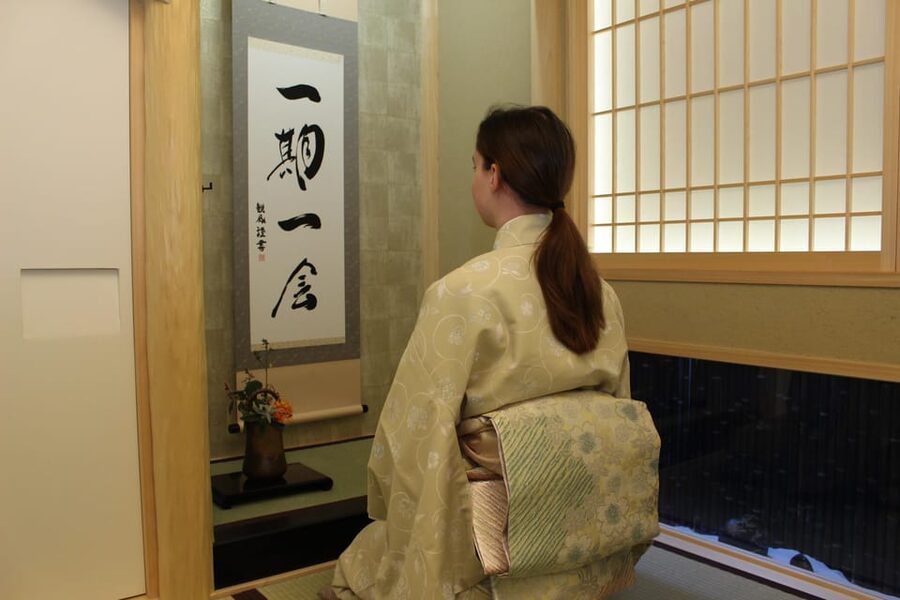
One clever part of the experience is that you get traditional Japanese sweets before you make matcha. That does two useful things.
First, it primes your senses. Matcha has a distinct taste profile, and starting with sweets helps you notice differences more clearly. Second, it slows you down in a good way. You are not rushing straight into whisking. You are settling into the room and focusing on flavor.
These are traditional Japanese sweets served as part of the class flow. People often describe the sweets as delicious, and that makes sense. The ceremony is designed to balance taste, texture, and timing, not just to serve tea as a souvenir photo moment.
Practical advice: eat the sweets slowly and let the matcha tasting feel separate. If you rush everything, you lose the benefit of that pacing.
Kimono upgrade, plus Pokemon-style keepsakes you can actually find
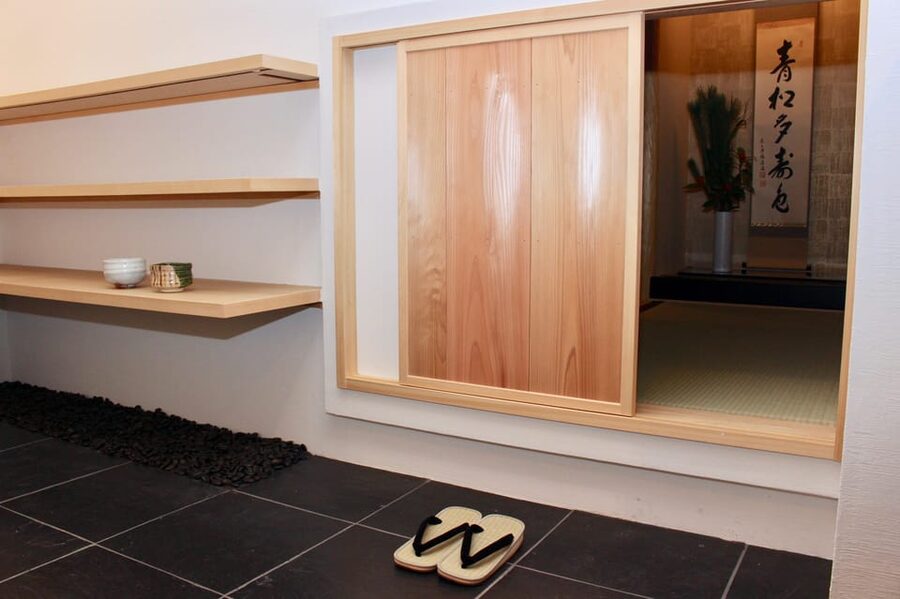
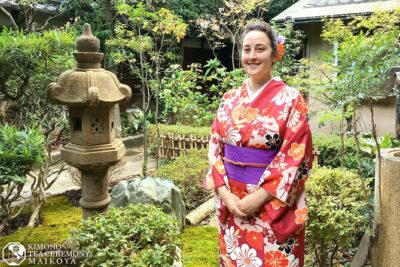
The experience can include an opportunity to wear a kimono, usually for an extra charge. If that appeals to you, it is a fun way to lean into the visual side of tea ceremony culture. It also makes for a memorable photo set in a setting that is already designed for that kind of moment.
One other detail I like for value: there are souvenirs such as Pokemon made from kimono material. It is a playful, Japan-specific take-home that does not feel random. You are still connected to the theme of kimono materials and traditional craft.
Do not feel like you have to buy something immediately. If you finish the class feeling proud of what you learned, it is the right time to choose a tea set or a small keepsake. The tea tools and matcha experience tend to make shopping feel intentional, not like tourist browsing.
Price and value: what $81 buys you in Shibuya
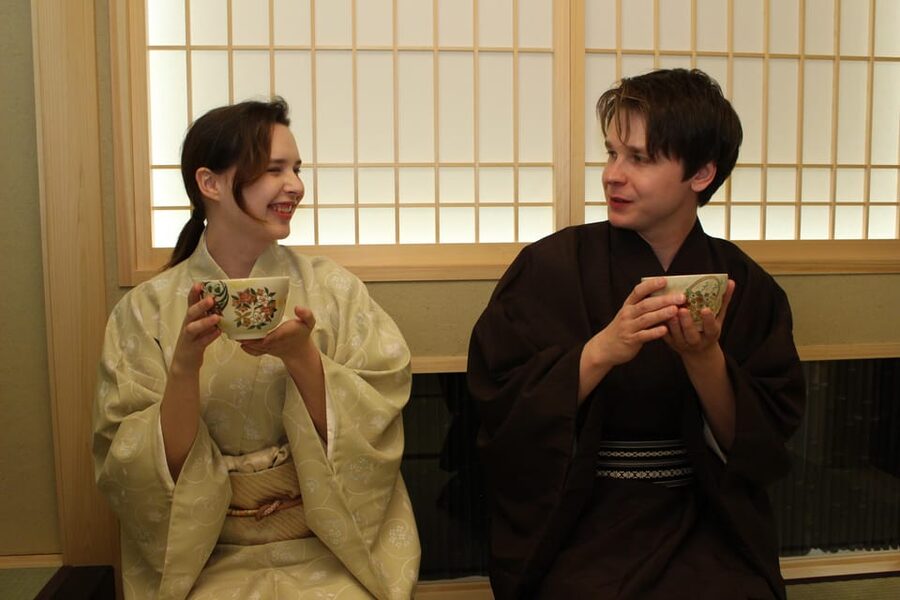
At $81 per person, this is not a bargain in the way a self-guided matcha stop might be. But it is also not just a coffee shop activity.
You are paying for:
- Tea and sweets included in the class flow
- Facility charges and taxes included in the price
- A private session for your group, with no mixing
- English instruction from teachers experienced in tea
- An Otemae demonstration plus hands-on matcha making
The best value angle here is the private format. In a mixed group class, you might spend more time waiting and less time actually learning. Here, your group gets attention, and you get guided participation.
Also, the lesson structure matters. You are not only drinking matcha. You are learning etiquette and the cultural meaning behind the steps, then applying it while making tea yourself. That is why the price can feel fair, even if it is higher than casual options.
If you are comparing costs, ask yourself a simple question: do you want tea as a quick snack, or tea as a mini lesson you can repeat with better understanding later?
Who should book, and timing tips that keep it stress-free
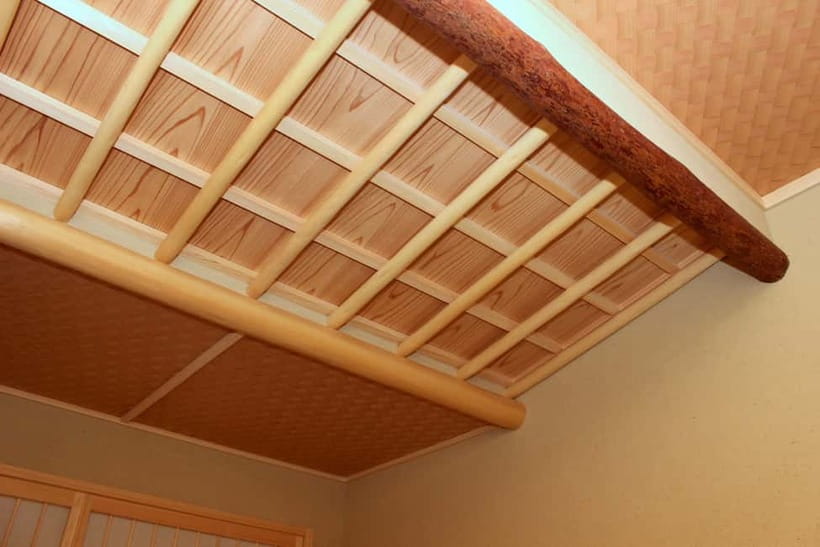
This tea ceremony is a strong fit if you want:
- A calm, indoor cultural activity in Shibuya
- An English-led class with time for questions
- A hands-on experience, not just watching someone pour tea
- A private format, especially for families or a small friend group
It may be less ideal if you want a fast photo-only stop with zero etiquette talk. This experience is structured for learning and tasting in a specific order.
Dress tip, because it can make or break the start: wear skirts or pants long enough to cover your knees. If not, they lend suitable pants or a wrap skirt for free. Plan for that before you go, so you are not rushing right at meeting time.
If you care about your schedule, browse the available dates and plans so you can match the session length to your day. Some people choose a shorter one hour ceremony, while longer options give more time for explanation, turning, and tasting.
Should you book this tea ceremony in Shibuya?
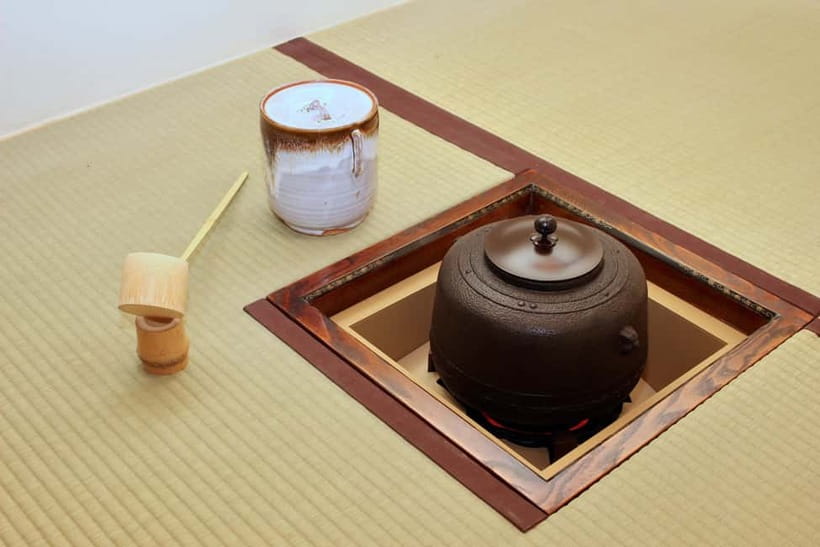
Yes, if you want a genuine tea ceremony lesson that is actually interactive. The private group size, English instruction, Otemae demonstration, and hands-on matcha making are the core reasons to book, and they hit the sweet spot between culture and hands-on fun.
Skip it if you already know tea ceremony basics and you mainly want a quick matcha fix. In that case, you might prefer a casual tea shop visit.
One last practical check before you go: confirm what you want most, learning the etiquette, making matcha, wearing a kimono upgrade, or buying a themed souvenir like Pokemon made from kimono material. This experience is best when you arrive with curiosity, not just hunger.
FAQ
Is the tea ceremony private?
Yes. It is a completely private experience for your group, and they do not mix your session with other people.
How many people can book together?
The group size is from 1 person up to 4 people per booking.
What language is the class taught in?
The class is taught in English.
What does the $81 price include?
The price includes tea and sweets fees, facility charges, and taxes.
Do I get to make matcha myself?
Yes. The experience includes making your own matcha, along with tasting your matcha tea and traditional Japanese sweets.
What should I wear?
Nothing special is required, but you should wear skirts or pants long enough to cover your knees. If needed, they will lend suitable pants or a wrap skirt for free.
Can I wear a kimono?
You may have the option to wear a kimono, and it has a charge if you choose it.
Newly listed around Tokyo
- Tokyo private transfer for Yokohama Port★ 4.5 · 63 reviews
- Luxury Kimono Photoshoot at Ginza Tokyo★ 5.0 · 7 reviews
- Tokyo Allstar Food Tour★ 4.5 · 206 reviews
- Tokyo Art Aquarium Museum E-Ticket with optional Tokyo Metro Pass★ 5.0 · 17 reviews
- Tokyo: Best Ginza Food Tour at 3 Local Eateries★ 5.0 · 83 reviews
- Private One Day Nikko Tour with Bilingual driver★ 3.5 · 11 reviews
- PRIVATE tour in 180SX to Daikoku+++++★ 5.0 · 6 reviews
- Kabuki Talk★ 5.0 · 10 reviews
Matcha & Tea Ceremony Sessions, compared.
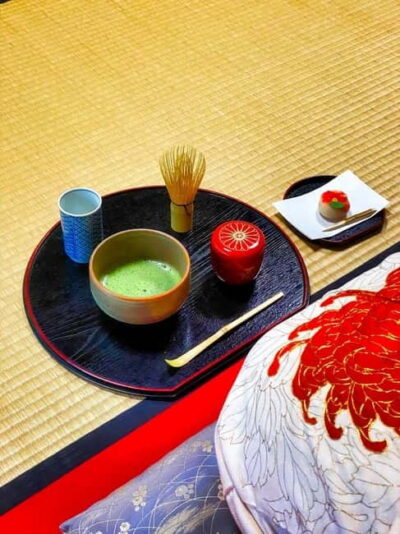
Tea Ceremony in a Traditional Tea House in Kiyomizu
Read our review →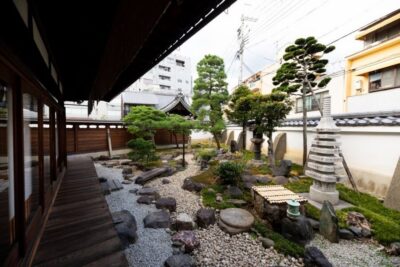
World Heritage Kyoto & Nara Uji Authentic Matcha Experience
Read our review →
Browse the lists this tour appears in