
Review · MATCHA & TEA CEREMONY SESSIONS
Tokyo:Tea ceremony experience at Komaba Warakuan
Tea time can be surprisingly personal. At Komaba Warakuan, the Japanese tea ceremony is beginner friendly, taught in a small group of 4. You also get to choose a rich or light tea plan, which changes the mood in the room.
I love that this feels calm and hands-on, not like a performance aimed at speed. I also like the fact that you are learning it inside a school with real credentials behind it, not just a generic demo.
One possible drawback: the experience is Japanese only, and one review noted it can be a little hard to find, so give yourself buffer time and have the meeting spot saved.
In This Review
- Key highlights to look for
- Komaba Warakuan: a tea lesson tied to real teaching tradition
- Rich tea vs light tea: choosing the mood before you sit down
- Before the lesson: tabi socks, open ground, and settling in
- The core experience: learning tea making step by step
- Tea, sweets, and the course structure you actually taste
- Duration and pacing: 90 minutes to 2 hours that feel doable
- Price and value: is $56 a fair deal for Tokyo?
- Who this tea ceremony suits best, and who might want a different plan
- Finding Komaba Warakuan: how to avoid stress on the day
- Should you book Komaba Warakuan tea ceremony?
- FAQ
- How long is the tea ceremony experience?
- How many people are in the group?
- What language is the instruction?
- Can I choose between rich tea and light tea?
- What happens during the experience?
- What is included in the price?
- Do I need to bring tabi socks or tools?
- What is the cancellation policy?
Key highlights to look for
- Rich tea seating that keeps you facing the tea quietly, for a more introspective feel
- Light tea seating that encourages brighter, more social conversation
- Small group of up to 4, so the instructor can slow down and correct basics
- Historical school context, linked to the Kobori Enshu style and tea instruction for the Tokugawa era
- Tabi socks experience, with tabi provided if you need them
- Tea and traditional sweets included with the course options
Komaba Warakuan: a tea lesson tied to real teaching tradition
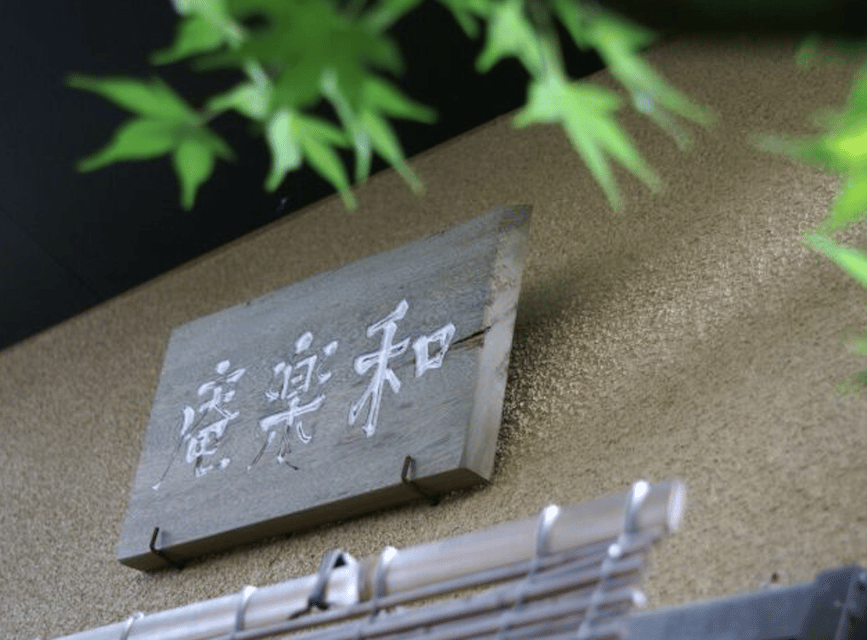
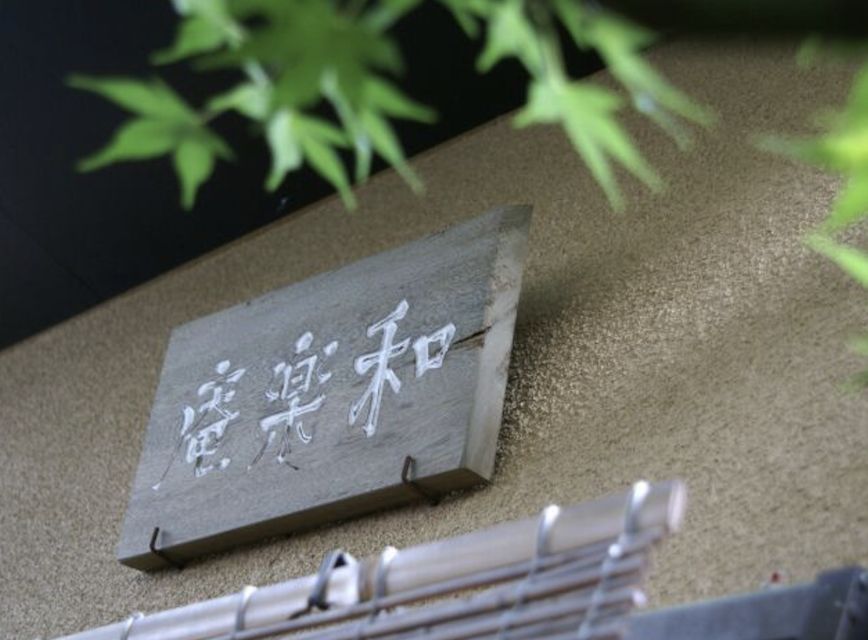
Komaba Warakuan is not just a room where someone pours tea. It is a school with a long teaching lineage that taught the Kobori Enshu school and also served as a tea ceremony instructor setting for the third Tokugawa shogun. That matters because tea ceremony is not only about taste. It is about rhythm, discipline, and respect for the space and tools.
In practice, that historical backdrop helps the lesson feel grounded. You are not rushing through a script. You are being guided through the process in a way that makes sense for first-timers, while still keeping the traditional structure intact.
You get Japanese tea plus traditional sweets as part of the course options. That blend is a big part of why this works as a Tokyo activity. It is not only instruction, it is a full small ritual that ends with something to eat and sip, so you leave feeling like you actually did something.
More Tea Ceremonies in Tokyo
- Matcha Making Class in Tokyo with Authentic Japanese Sweets Set
★ 5.0 · 744 reviews - Kimono Tea Ceremony at Tokyo, Asakusa Maikoya
★ 5.0 · 638 reviews - Tokyo: Traditional Tea Ceremony with a Tea Master
★ 5.0 · 528 reviews
Rich tea vs light tea: choosing the mood before you sit down
One of the best parts of this experience is that you can choose between rich tea and light tea, and the seating concept changes the tone.
Rich tea is described as a hidden seat. The idea is that you face the tea quietly, with a more reserved atmosphere. If you like calm, if you prefer fewer words, or if you just want a peaceful hour to reset, this plan fits well.
Light tea is described as the seat of the sun. Expect brighter energy and fun conversation to be part of the moment. If you are traveling with someone you want to chat with, or you learn better by talking through what you are doing, this choice can feel more natural.
My practical advice: pick the plan based on how you want to feel during the ceremony. Both are authentic. The difference is the social temperature of the space.
Before the lesson: tabi socks, open ground, and settling in
After you arrive, the instructor explains the flow of the process. That is not a quick lecture. It is your roadmap, so when you start moving and handling items, you are not guessing what happens next.
Then you change into tabi socks right away. Tabi socks are provided, and you are also welcome to bring your own. After you change, you lead to the tea room through open ground.
This part sounds simple, but it sets your mindset. Tea ceremony asks you to slow down and pay attention to small movements. Switching into tabi socks and walking into the tea space creates a physical cue that you are in a different mode than street life outside.
If you have sensitive feet, wear something comfortable under the provided tabi socks or bring your own pair for the best fit. It is a small thing, but it makes it easier to stay relaxed during the lesson.
The core experience: learning tea making step by step
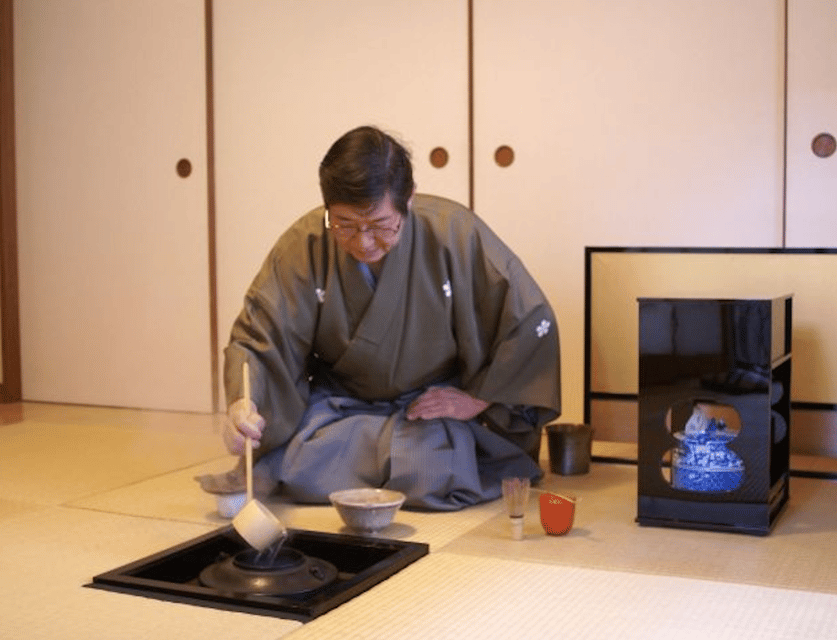
Once you are in the tea room, the instructor teaches you how to make tea carefully. The teaching style is important here. Since the group is limited to just 4 participants, there is room for personal guidance instead of a one-size-fits-all walkthrough.
The experience is beginner friendly, so you do not have to arrive knowing the terms or the etiquette already. You are guided through the steps, and you learn what to do and how to do it, not only what it looks like.
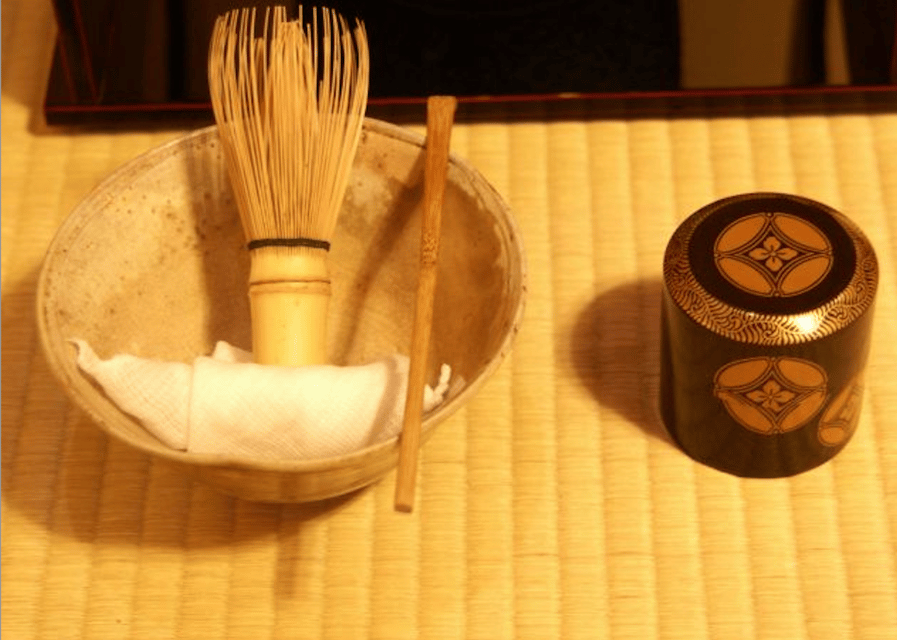
You will also be using tools associated with the ceremony. The experience mentions fukusa scissors, and gives examples like a folding fan, paper, toothpick, and similar items. If you have your own fukusa scissors tools, you can bring them. Otherwise, you will have what you need.
A quick expectation-setting point: because the language is Japanese, you will get the most from the session if you come with a calm attitude and a willingness to follow along even if every word is not perfect. This is one of those experiences where watching and copying matters just as much as understanding.
A different sort of day in Japan:
- Mt Fuji and Hakone 1-Day Bus Tour Return by Bullet Train
★ 5.0 · 26,383 reviews - 1-Day Tokyo Bus Tour
★ 5.0 · 14,250 reviews - Tokyo: TOKYO SKYTREE® Admission ticket
★ 4.5 · 11,192 reviews - Tokyo: teamLab Planets TOKYO Digital Art Museum Entry Ticket
★ 4.6 · 9,779 reviews
Tea, sweets, and the course structure you actually taste
All the course plans are experiences that include Japanese tea and traditional sweets. That is key, because it turns the ceremony into something you consume, not just something you observe.
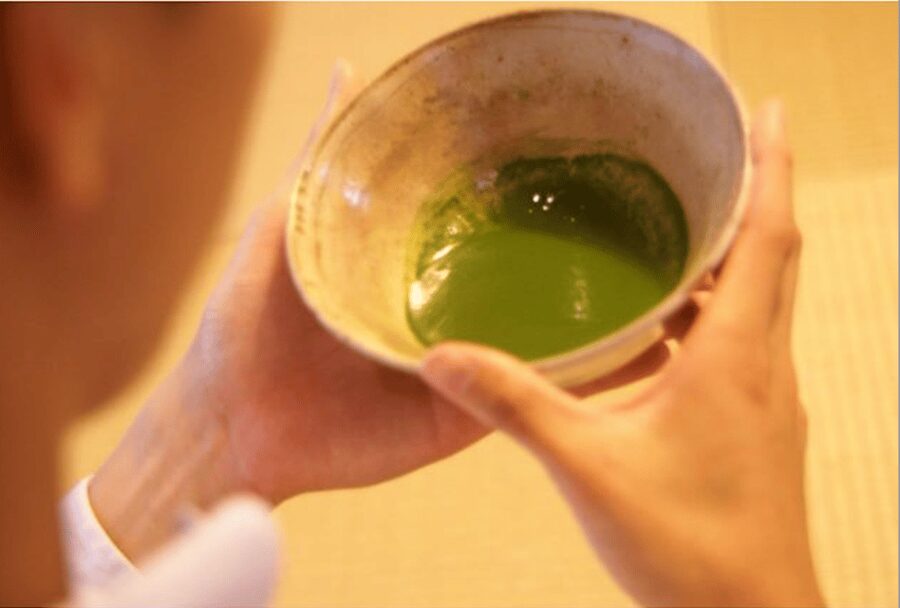
You can think of this as learning plus tasting. You practice the process, then you sit with the finished tea and sweets as part of the flow. It is also why this can work well even if you are not deeply obsessed with tea already. You still get a sensory payoff.
One review highlighted that the lesson includes the history behind it, and that it felt educational and relaxing. That matches the design: the school context gives meaning, and the tea and sweets give you something tangible to carry home.
If you have dietary needs, you would want to confirm in advance because the data here does not spell out options or substitutions. Still, it is very much a structured tea-and-sweet moment, not a random snack stop.
Duration and pacing: 90 minutes to 2 hours that feel doable
The ceremony runs about 90 minutes to 2 hours. That is a good time window in Tokyo, especially if you are mixing it with other neighborhood stops. It is long enough to learn and to enjoy the tea and sweets, but short enough that you are not giving up half a day.
Group size is limited to 4 participants. In my view, that is the real “value multiplier.” In a group of 4, the instructor can help you correct things early. That makes it easier to do the basics correctly instead of just going through motions.
Pacing also matters because you are changing into tabi socks and moving through open ground. If you come straight from a sprint around Shibuya or Harajuku, slow down first. You will enjoy the lesson more if your body is already calmer.
Price and value: is $56 a fair deal for Tokyo?
The price is $56 per person, and the experience fee includes tax. For Tokyo, that sits in the mid range for a guided cultural activity. The value comes from a few specific things that actually cost time and attention.
First, you get a small-group setting capped at 4 people. Second, you get a taught tea-making experience plus Japanese tea and traditional sweets. Third, you are doing it inside a school tied to the Kobori Enshu style and the Tokugawa-era teaching story.
That said, one review mentioned concern about prices being high compared with the average, so it is fair to acknowledge this. If you are only looking for a quick taste with minimal instruction, you might feel like you could spend less elsewhere. But if you want the lesson and the real-tea-and-sweets ritual, this price looks more justified.
My way to decide: treat it like a guided class plus a cultural meal moment, not like a photo stop. If that sounds like your style, you will probably feel it was worth it.
Who this tea ceremony suits best, and who might want a different plan
This is a great fit for beginners. The experience is explicitly beginner friendly, and the teaching happens with careful instruction rather than expecting you to already know the etiquette.
It also fits families. One review said it worked even for a 14-year-old and an 11-year-old, and that it felt educational and relaxing. If you are looking for a calm activity that teaches something real, not just a gimmick, it can make a lot of sense.
Choose rich tea if you want quiet focus. Choose light tea if you want a more talk-friendly vibe.
The main “not for everyone” situation is language. The session is Japanese, and while the structure is guided, you may find it harder if you rely heavily on detailed English explanations. You can still enjoy it, but you should go with the mindset of learning through observation and gentle correction.
Finding Komaba Warakuan: how to avoid stress on the day
One review specifically mentioned that directions and better photos of the location would help, and that it was difficult to find. So plan for the possibility that your first attempt at navigation might not go smoothly.
My practical approach: save the exact meeting location in your map app before you leave. If you can, walk there once earlier in the day or at least test the route on another trip. Give yourself buffer time, because a tea ceremony does not work well if you arrive frazzled and late.
If you are visiting during peak hours, expect transit crowds to slow you down. This is not a fast hop. Once you reach the school, the calm starts quickly.
Should you book Komaba Warakuan tea ceremony?
Book it if you want a guided Japanese tea ceremony with real instruction, a small group of 4, and the option to pick the experience mood with rich tea or light tea. It is also a strong pick if you like calm cultural activities that end with tea and sweets, not just a short demonstration.
I would think twice if you need English instruction, or if you are strictly budget-shopping for the cheapest tea taste in Tokyo. And if you struggle with directions, go in prepared, because the location can be tricky without clear visual help.
If your goal is to slow down, learn the basics properly, and sit with tea in a teaching-school setting, this one is a solid yes.
FAQ
How long is the tea ceremony experience?
It lasts about 90 minutes to 2 hours. Exact starting times depend on availability.
How many people are in the group?
The group is small, limited to 4 participants.
What language is the instruction?
The instructor teaches in Japanese.
Can I choose between rich tea and light tea?
Yes. You can choose the rich tea plan or the light tea plan.
What happens during the experience?
You will be guided through the flow of the process, change into tabi socks, walk to the tea room, then learn how to make tea with the instructor.
What is included in the price?
The included items are the experience fee and tax. The course itself includes Japanese tea and traditional sweets.
Do I need to bring tabi socks or tools?
Tabi socks are provided, and you are welcome to bring your own. Fukusa scissors and related items are also provided, but you can bring your own if you have them.
What is the cancellation policy?
You can cancel up to 3 days in advance for a full refund.
Newly listed around Tokyo
- Tokyo/Yokohama: Car meet Daikoku Parking Area★ 4.0 · 7 reviews
- Tokyo: Toshimaya Sake Brewery Tour with Sake Tasting★ 5.0 · 6 reviews
- :Tokyo,Shibuya/ Pro Photography in Kimono / English-Friendly★ 5.0 · 26 reviews
- Tokyo/Yokohama: Mt. Fuji and Hakone Private Day Tour★ 5.0 · 64 reviews
- From Tokyo: Mt Fuji Private Day Tour In Luxury Land Cruiser★ 4.9 · 94 reviews
- 【R34】Tokyo:Private Daikoku tour in Modified R34★ 4.9 · 92 reviews
- Tokyo:Izu Penisula Train Mt Omuro, Capybara Sightseeing Trip★ 4.1 · 10 reviews
- Tokyo:Mt Fuji & Hakone Day Tour with English Speaking Driver★ 5.0 · 26 reviews
Matcha & Tea Ceremony Sessions, compared.
Tea Ceremony in a Traditional Tea House in Kiyomizu
Read our review →
World Heritage Kyoto & Nara Uji Authentic Matcha Experience
Read our review →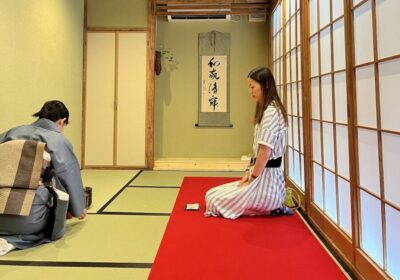
Browse the lists this tour appears in