
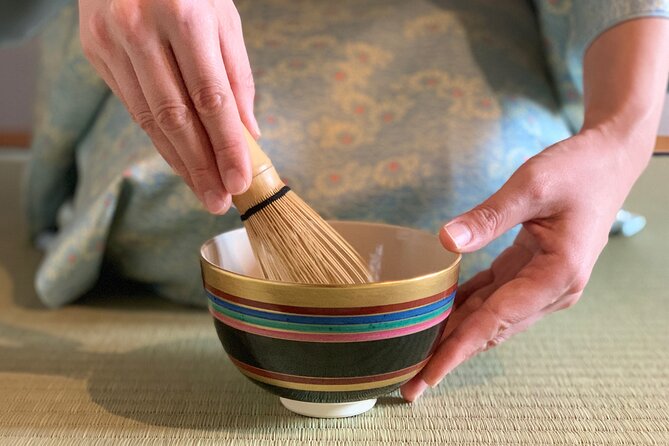
Review · MATCHA & TEA CEREMONY SESSIONS
Authentic Kyoto Tea Ceremony: Camellia Flower Teahouse
Forty-five minutes can feel like a reset. At Camellia Flower Teahouse in Higashiyama, you learn Kyoto-style matcha steps, then make your own bowl. It is a calm, hands-on break from Kyoto sightseeing, with an instructor who explains the ritual in clear English.
Two things I especially like are the small-group size (max 8), and the fact you do not just watch. You practice the utensil flow and whisking technique yourself, including mastering how to get that frothy consistency. You also get time to ask questions about Japan and tea culture, not a rushed script.
One possible drawback to plan for: this experience is not wheelchair accessible, and children under 6 cannot join. If mobility is a concern for you, you’ll want to think ahead before you book.
Camellia Flower keeps it small with a maximum of 8 people, which makes hands-on instruction realistic.
You’ll make your own matcha using provided bowls, scoops, and whisks, not just taste.
English-speaking instructors guide the full ceremony and invite questions during the session.
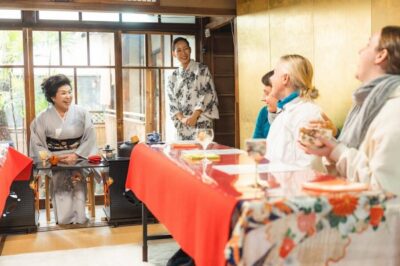
Chairs and tables are available, so you can choose comfort even if the traditional floor setup is expected.
Photos and short videos are permitted, so you can capture the moment without skipping the ritual.
Kimono rental can be requested for an extra charge and can make the whole scene feel more immersive.
In This Review
- Camellia Flower in Kyoto’s Higashiyama: what the setting is really like
- The 45-minute tea ceremony flow: from etiquette to your first whisk
- Making matcha your way: what you’ll learn (and why it’s harder than it looks)
- The tea and sweets: tasting is part of the lesson
- Kimono rental in Higashiyama: worth it, if you want the full vibe
- Price and value: what $36.48 buys you in Kyoto
- Who this Kyoto tea ceremony suits best (and who might want options)
- A balanced take: small space, big focus
- Should you book this Kyoto tea ceremony at Camellia Flower Teahouse?
- FAQ
- Where is the meeting point for the tea ceremony?
- How long does the Kyoto tea ceremony take?
- How many people are in each group?
- Is the experience wheelchair accessible?
- Can I use chairs instead of sitting on the floor?
- Is kimono rental included?
- Are photos or videos allowed?
- FAQ
- Can children join the tea ceremony?
- What is included in the matcha-making practice?
- What about cancellation or weather?
Camellia Flower in Kyoto’s Higashiyama: what the setting is really like
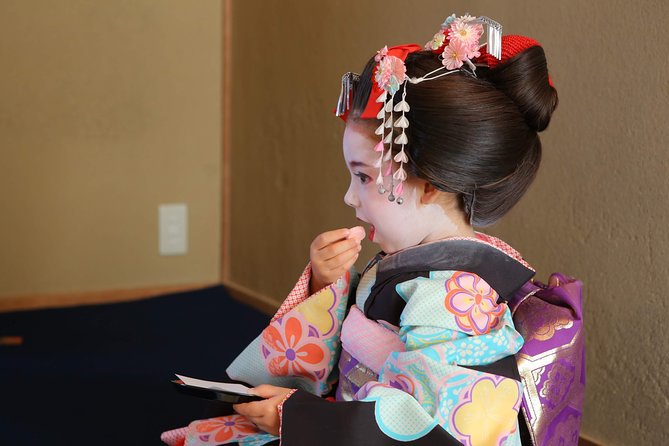
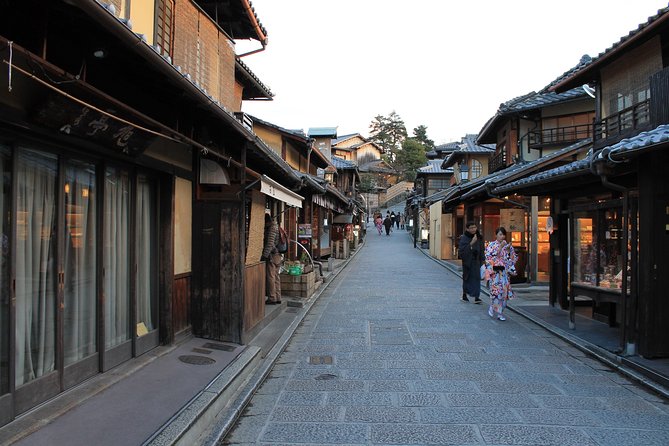
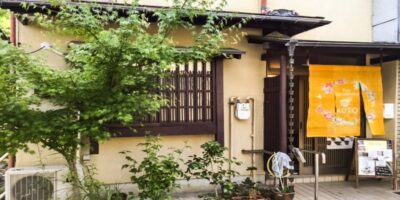
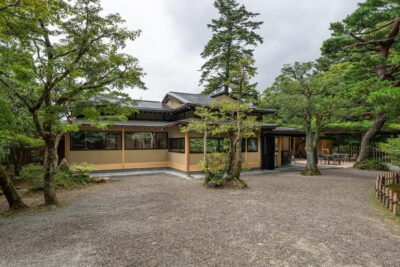
This tea ceremony happens in Kyoto’s Higashiyama Ward, at Tea Ceremony Camellia Flower, 349-13 Masuyachō, Higashiyama Ward, Kyoto (605-0826). If you are already planning to explore Higashiyama, this is a handy add-on because it fits neatly between temple stops.
I like that the experience has a small-group rhythm. When you only share the room with up to 7 other people, the instructor can slow down when you have questions, and you get more individualized correction while you whisk. That matters in tea ceremony, where small movements and timing really do change the result.
There’s also a practical mix of traditional and comfort options. The ceremony is often done seated on the floor, but chairs and tables are available if you would rather not spend 45 minutes on tatami-style seating. That means you can focus on technique and etiquette without fighting your body the whole time.
The 45-minute tea ceremony flow: from etiquette to your first whisk
Plan around 45 minutes for the ceremony itself. The pace is intentionally structured, and it helps if you go in expecting a sequence rather than a show. You’ll start with a welcome introduction to matcha and the basic mindset behind the ritual, not just the mechanics.
Then your instructor walks you through the steps before you try them. You’ll hear what each utensil is for and why the room setup and decoration layout matter. That may sound abstract, but in practice it gives you a reason for the choreography you are about to do. It also helps you understand why tea ceremony feels more like a practiced ritual than a drink-making class.
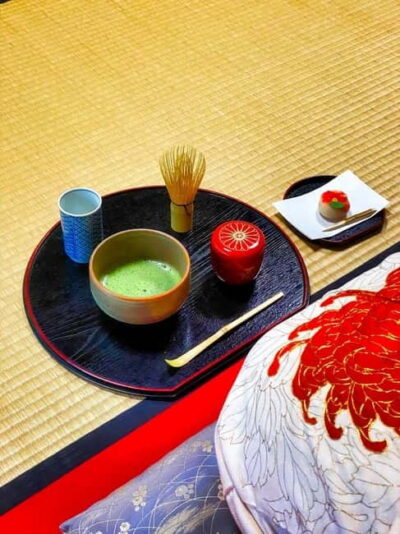
After the explanation, you will taste matcha along with a seasonal sweet. Then you get the best part, making your own bowl of frothy matcha at the end. The goal is not to rush through it, but to learn the basics of tea preparation and experience what the “precision” is like when you are holding the whisk yourself.
One theme that comes through in the experience is respect. For example, one guest noted the host explained cleansing with water as a mental preparation step and tied it to respect for the person tea is prepared for. Even if you have never seen tea ceremony before, that kind of context makes the etiquette feel meaningful instead of formal.
More Tea Ceremonies in Kyoto
- Kyoto: Tea Ceremony in a Traditional Tea House in Kiyomizu
★ 4.9 · 3,519 reviews - Kyoto: Tea Ceremony Ju-An at Jotokuji Temple
★ 4.9 · 3,207 reviews - Kyoto: 45-Minute Tea Ceremony Lesson Experience
★ 4.3 · 2,378 reviews
Making matcha your way: what you’ll learn (and why it’s harder than it looks)
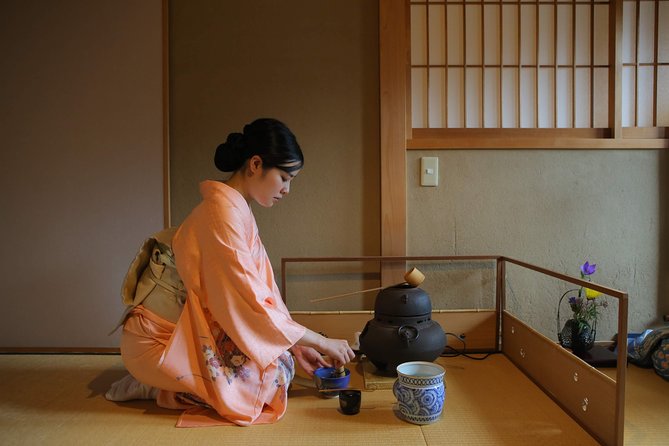
The ceremony includes what you need to practice: tea bowls, tea scoops, and tea whisks are provided. That is a big value point. You are not trying to improvise with random kitchen gear or guessing what the correct tools are supposed to look like.
I like that the instruction is focused on technique you can actually feel. Whisking matcha is where most first-timers discover the trick. You can watch someone do it and still miss the right rhythm. In this session, you get to try, and that is where you start to understand why tea ceremony is seen as an art.
Also, your instructor is from one of Kyoto’s three main schools of tea ceremony, and they speak English fluently. That matters because you get the “why” behind movements and decisions, not just a checklist. When you can ask questions in real time, you stop translating in your head and start learning in your own language.
Small detail that helps: chairs and tables are available. If your posture is uncomfortable, whisking gets awkward fast. With seating options, you can keep your focus where it belongs, on the whisking, the bowl handling, and the timing.
The tea and sweets: tasting is part of the lesson
Matcha is obviously the star, but the ceremony is not only about drinking. You’ll be served matcha and a seasonal sweet, and both are part of the teaching moment. The sweet helps you experience how the flavors work together, and the tasting moment helps you connect the ritual steps to what the tea actually tastes like.
Some tea ceremonies treat tasting like a side note. This one gives it more weight by pairing it with explanation and hands-on practice. You’ll learn what the utensils are doing, then you taste what results from proper preparation.
If you tend to rush food experiences, this is a good counterbalance. Tea is served in a slower rhythm, and you are encouraged to ask questions while chatting with the host. It is one of those experiences where you get better at noticing small sensory things, the aroma, the texture, and how the finish feels.
Kimono rental in Higashiyama: worth it, if you want the full vibe
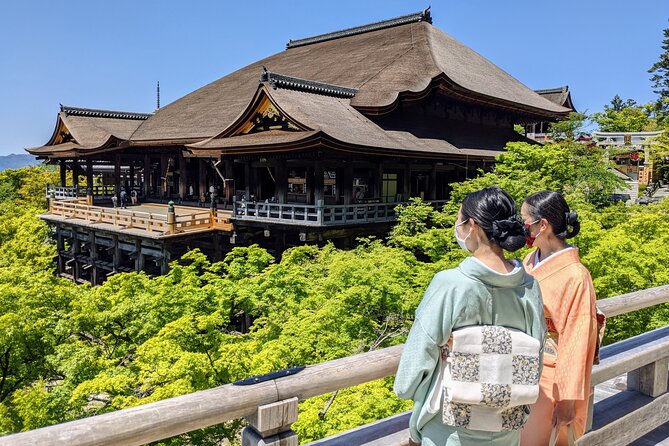
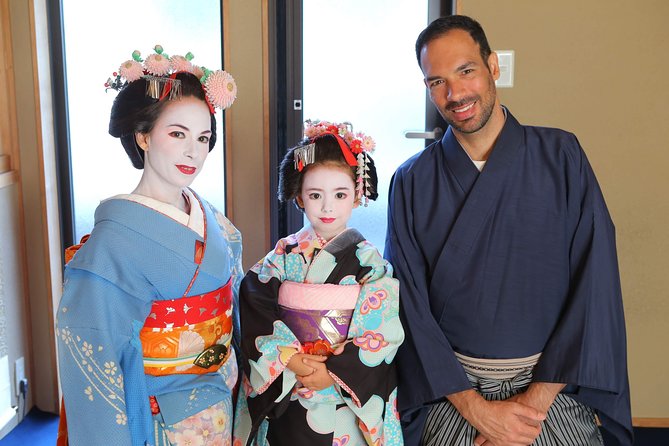
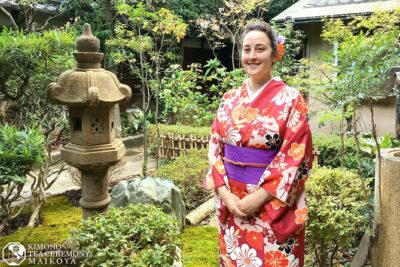
Kimono rental is not included in the base price, but you can request it by message for an additional charge. If you have any interest in dressing up for a cultural activity, this is one of the few times it actually supports the experience instead of just being a photo prop.
Multiple guests explicitly called the kimono rental worth it and said it made the ceremony feel more authentic. Even if you skip it, you can still get the cultural value through instruction and practice. But if you like turning an activity into a memory with atmosphere, kimono rental is a straightforward upgrade.
Practical tip: if you do rent a kimono, plan your day around it. You’ll want a little extra time for dressing and getting settled. The ceremony itself is about 45 minutes, but the rest of the day needs to absorb the “changed pace” that comes with the outfit.
A different sort of day in Japan:
- PERFECT KYOTO 1-Day Bus Tour
★ 5.0 · 13,518 reviews - Kyoto: Fushimi Inari, Kinkakuji, Bamboo Grove 1 Day Bus Tour
★ 4.8 · 4,316 reviews - Kyoto Geisha Walking Tour: Gion District & Hidden Gems
★ 4.7 · 3,273 reviews - Kyoto: Gion Geisha District Walking Tour – Stories of Geisha
★ 4.7 · 2,187 reviews
Price and value: what $36.48 buys you in Kyoto
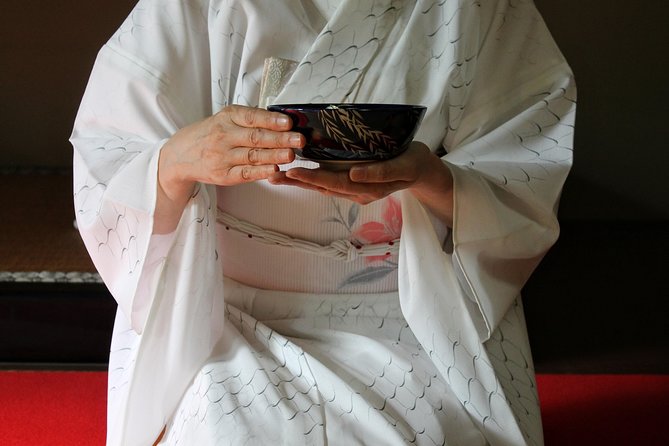
The price is $36.48 per person for about 45 minutes, with group discounts and a mobile ticket. On the surface, it can sound like a quick activity. In value terms, though, you’re paying for more than entry.
Here is what your money covers:
- The ceremony instruction in English
- Utensils and materials to make your own matcha (bowls, scoops, whisks)
- Matcha tasting plus a seasonal sweet
- The chance to ask questions and spend time with the host
- A small-group experience capped at 8 people
You are also not stuck standing in a crowded room. You get a guided sequence and hands-on participation, which is exactly what makes tea ceremony worth paying for. If you tried to DIY matcha at home without learning technique, you might end up with a disappointing texture and no context for the etiquette. This session gives you both the hands-on practice and the cultural framework.
If you want kimono, remember it is extra. Still, compared with booking time at a museum, a workshop, or a meal where you only observe, this is one of the more direct “learn a skill, taste it, take the method home” options in Kyoto.
Who this Kyoto tea ceremony suits best (and who might want options)
This experience is for all ages, but children under 6 cannot join. On the positive side, the activity is welcoming for kids who are old enough to sit through the ritual, ask a few questions, and handle the learning pace. One family shared that their kids, ages 7 and 8, loved it, which tells me the ceremony can work well for younger travelers who are curious.
It is not wheelchair accessible, so if you use a wheelchair or need barrier-free seating and movement, you should look for an alternative option in Kyoto. The fact that chairs and tables are available helps for many people who do not want to sit on the floor, but the listing still notes the lack of wheelchair accessibility.
I think it is a great fit if you:
- Want a calm cultural break from temples and crowds
- Like hands-on activities more than passive sightseeing
- Care about learning the “why” behind Japanese traditions
- Enjoy learning a practical technique you can repeat at home
It might be less ideal if you want a big, theatrical production or a long, multi-course experience. This is short by design at around 45 minutes, and the focus stays on matcha preparation and etiquette.
A balanced take: small space, big focus
One review flagged that the ceremony room felt very small and plain. That is worth considering if you are expecting a high-design, postcard-perfect tea setting. The point of tea ceremony is not luxury decor. It is discipline, attention, and the shared ritual flow.
For me, that small-room reality is actually part of the appeal. When the setting is simple, the instruction and your own movements become the center of the experience. You can hear the guidance, focus on utensil handling, and learn the whisking without distractions.
So keep your expectations grounded. This is not an all-day cultural festival. It is a focused, guided matcha session that treats 45 minutes as precious time.
Should you book this Kyoto tea ceremony at Camellia Flower Teahouse?
If you want a short, high-impact cultural activity in Kyoto that includes hands-on matcha making, I’d book it. The combo of small group size, English instruction, and the chance to whisk your own bowl is the real win. It is a skill you can use later, and the etiquette context helps it stick.
I would skip or carefully evaluate if you need wheelchair accessibility or if you are traveling with a child under 6. If you are flexible on seating, you can use chairs or tables, which makes the experience more workable for many people.
If you decide to add it, try going in with one goal. For example: learn how to make frothy matcha that tastes good, and ask at least one question about what the ritual steps mean. You’ll walk away with more than a photo, you’ll walk away with a method.
FAQ
Where is the meeting point for the tea ceremony?
You meet at Tea Ceremony Camellia Flower, 349-13 Masuyachō, Higashiyama Ward, Kyoto, 605-0826, Japan. The experience also ends back at this same meeting point.
How long does the Kyoto tea ceremony take?
Plan for about 45 minutes.
How many people are in each group?
The session has a maximum of 8 travelers per group.
Is the experience wheelchair accessible?
No, it is not wheelchair accessible.
Can I use chairs instead of sitting on the floor?
Yes, chairs and tables are available if you prefer not to sit on the floor.
Is kimono rental included?
Kimono rental is not included, but you can request it by message for an additional charge.
Are photos or videos allowed?
Photos and short videos are permitted.
FAQ
Can children join the tea ceremony?
It is for all ages, but children under 6 years old cannot join.
What is included in the matcha-making practice?
Tea bowls, tea scoops, and tea whisks are provided so you can make your own bowl of matcha.
What about cancellation or weather?
You can cancel for free up to 24 hours in advance. The experience requires good weather, and if it is canceled due to poor weather, you’ll be offered a different date or a full refund.
Newly listed around Kyoto
- Taste of Nishiki Market Walking Food Tour with Local guide★ 5.0 · 17 reviews
- Kyoto: Sushi Making Class with Sushi Chef★ 4.8 · 64 reviews
- Simple Plan with Maiko★ 4.4 · 10 reviews
- Shibori Furoshiki Course at Kyoto Shibori Museum★ 5.0 · 21 reviews
- Kyoto: City Secrets eBike Tour★ 4.9 · 196 reviews
- Sacred Pathways: Discover the Philosopher’s Path of Kyoto★ 4.9 · 20 reviews
- Private Tour to Monkey Park and Arashiyama Highlights★ 5.0 · 22 reviews
- Private Nara Tour from Osaka – Meet at Your Hotel★ 5.0 · 22 reviews
Matcha & Tea Ceremony Sessions, compared.
Tea Ceremony in a Traditional Tea House in Kiyomizu
Read our review →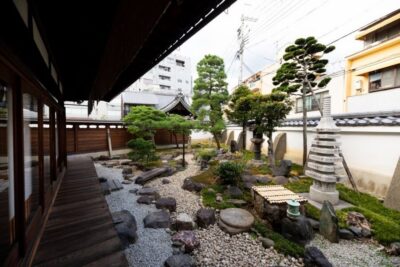
World Heritage Kyoto & Nara Uji Authentic Matcha Experience
Read our review →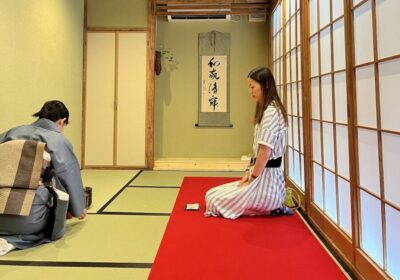
Browse the lists this tour appears in