
Review · MATCHA & TEA CEREMONY SESSIONS
Kyoto Fushimiinari:Wagashi Making & Small Group Tea Ceremony
Matcha and wagashi happen in a real Kyoto home. This 75-minute Kyoto Fushimiinari experience lets you make Japanese sweets with a host in a quiet house with a garden view, then you slow down for a tea ceremony that teaches the steps and the manners. Two things I like a lot are the hands-on wagashi making and the chance to practice matcha whisking yourself. One possible drawback: you’ll be on tatami, and it is not ideal for people who cannot sit on the floor, so plan on requesting chairs if you need them.
What makes it feel different from a standard show-and-taste is the small size, limited to 6 participants, and the use of English-speaking instructors who can explain the why behind the ritual. Expect a calm, guided pace, but also be ready for rules like no flash photography and bringing socks.
In This Review
- Key things to know before you go
- A quiet Kyoto break inside a local home near Fushimi Inari
- Wagashi making: one sweet, taught step by step
- Why this part is worth your time
- Tea ceremony etiquette, explained in plain English
- Matcha practice: the part that sticks with you
- A small bonus: serving matcha the right way
- What you eat and drink, and how it is handled
- Socks, sitting, and the photo rules that matter
- Price and value: what $55 buys you in Kyoto time
- How to fit this into your Kyoto day without stress
- Who this is perfect for, and who should skip it
- Should you book this wagashi making and matcha ceremony?
- FAQ
- How long is the Kyoto Fushimiinari wagashi making and tea ceremony?
- How many people are in the small group?
- Is the instruction in English?
- What is included in the price?
- What should I bring?
- Are bare feet allowed and can I record or photograph the session?
- Is it suitable for children or wheelchair users?
- Will the wagashi always match the pictures online?
- What is the cancellation policy and is pay later available?
Key things to know before you go
- A local house setting with a garden view, not a crowded public venue
- Hands-on wagashi making, plus instructions for how to eat and handle sweets
- Tea ceremony manners in a tatami room, including what the hanging scroll means in the alcove
- You make matcha too, with a bamboo whisk and a chance to prepare one bowl yourself
- Small group, up to 6, taught in clear English by licensed guide interpreters
- Photo and footwear rules, including socks and no video or flash
A quiet Kyoto break inside a local home near Fushimi Inari
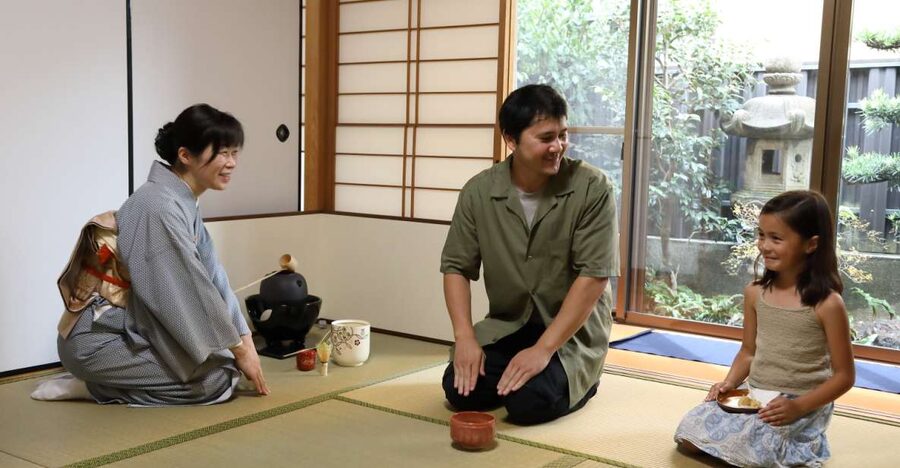
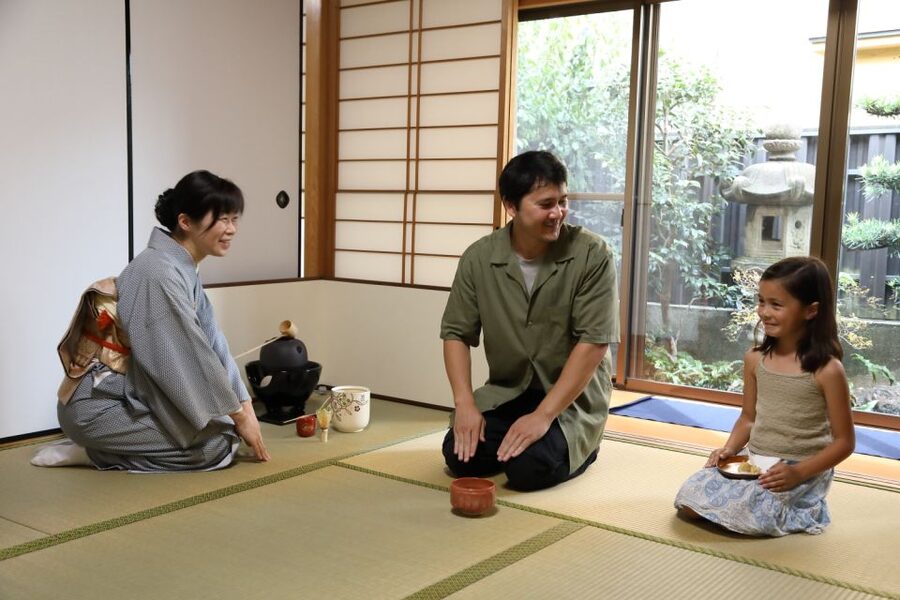
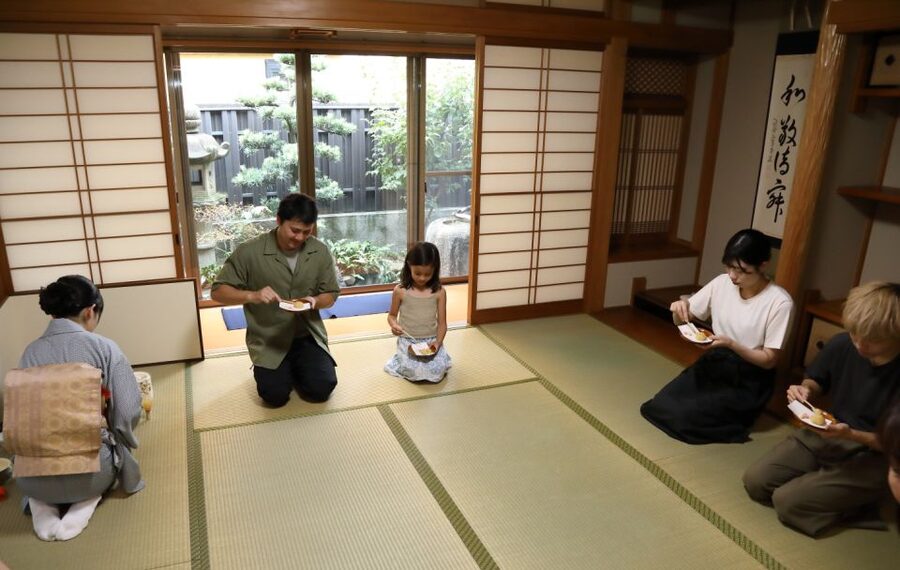
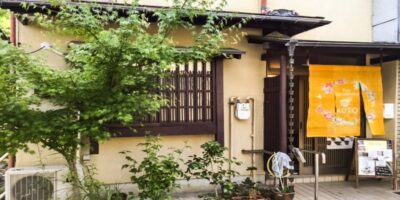
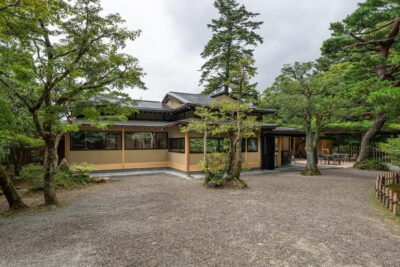
Kyoto can be loud, even on days when you are trying to see it slowly. This experience gives you a different rhythm right away. You arrive at a local house with Japanese-style rooms, and the first impression is calm, with a garden view that helps your brain switch gears from shrine crowds to something more intimate.
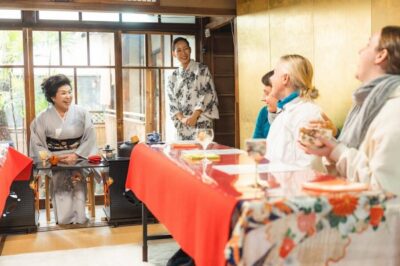
The group stays small, capped at 6 people, so questions feel normal instead of rushed. You also get a structured flow that moves from making, to ritual, to tasting. If you like learning by doing, this setup makes it easy to pay attention and actually remember the steps later.
There is also a practical comfort point baked in: chairs and tables are available if you find floor sitting difficult. Still, it is not set up for wheelchair use, so if mobility is a concern, this may not be your best match.
More Tea Ceremonies in Kyoto
- Kyoto: Tea Ceremony in a Traditional Tea House in Kiyomizu
★ 4.9 · 3,519 reviews - Kyoto: Tea Ceremony Ju-An at Jotokuji Temple
★ 4.9 · 3,207 reviews - Kyoto: 45-Minute Tea Ceremony Lesson Experience
★ 4.3 · 2,378 reviews
Wagashi making: one sweet, taught step by step
You start in the kitchen, with your English-speaking host guiding you. The class teaches you how to make one type of wagashi, and it is hands-on, not just watching. That matters, because wagashi is not about speed. It is about technique, texture, and small choices, like how you form and handle the sweet without rushing.
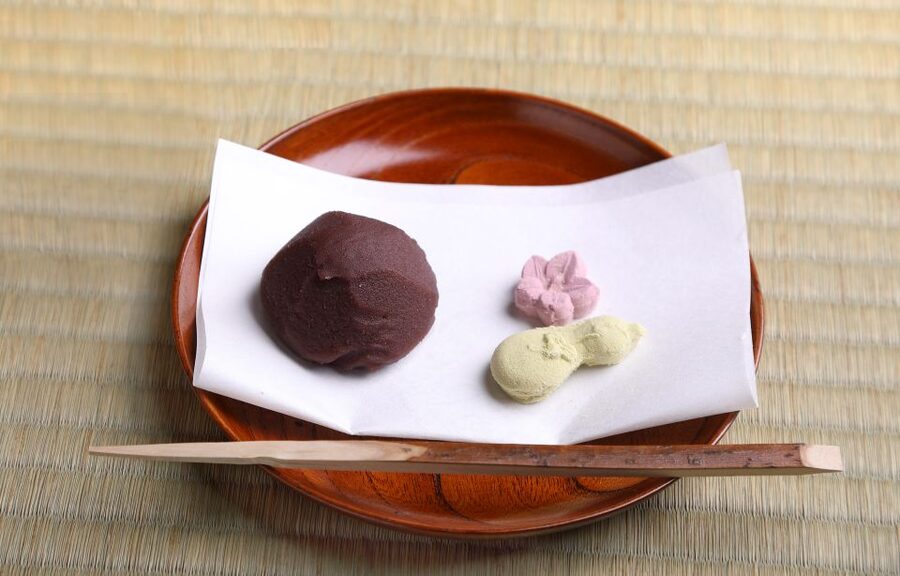
One neat thing to know is that the wagashi you make can vary by season, so the version in photos might not be the exact same one you get. That said, people have mentioned making mochi with red bean paste and white bean paste, which gives you an idea of the kind of classic, satisfying sweets that can show up.
During the class, the host explains what you are doing and why it connects to Japanese tea culture. You are not only producing something to eat later, you are learning the basics you can recognize at wagashi shops back home in your travels.
Why this part is worth your time
At $55 for 75 minutes, the best value is not that you taste something. The value is that you learn a repeatable skill: you will walk away able to tell the difference between the sweet types you see, and you will understand why tea and wagashi get paired the way they do.
Tea ceremony etiquette, explained in plain English
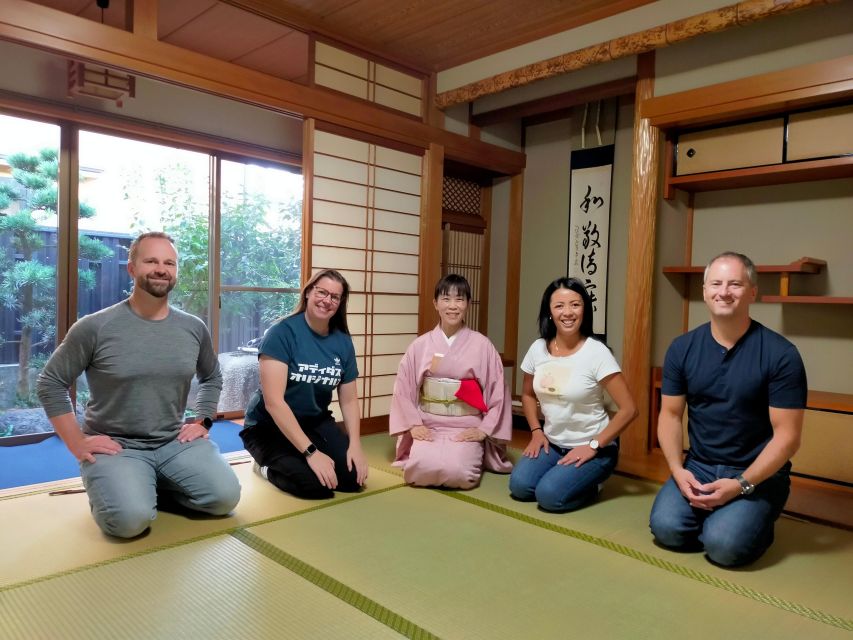
After the wagashi session, you shift into the tea ceremony portion. The host explains how to attend, with a focus on manners in the Japanese room. This is one reason the experience feels welcoming, even if you think you might feel awkward in traditional settings.
Then you move outside briefly and walk through a small garden path. The session enters an authentic Japanese-style room. If it is raining, the flow adjusts, but the goal stays the same: give you the feeling of stepping into a space designed for attention and calm.
On tatami, the instructor covers several core pieces:
- the history of tea and how it became tied to ceremony
- the meaning of the hanging scroll in the alcove
- the steps and pacing of how the tea is served and taken
They also explain how to eat the sweets properly alongside drinking matcha, so you are not left guessing. In tea culture, how you handle the wagashi and how you sip matcha both support the moment. When you understand that, the tasting stops being random.
A different sort of day in Japan:
- PERFECT KYOTO 1-Day Bus Tour
★ 5.0 · 13,518 reviews - Kyoto: Fushimi Inari, Kinkakuji, Bamboo Grove 1 Day Bus Tour
★ 4.8 · 4,316 reviews - Kyoto Geisha Walking Tour: Gion District & Hidden Gems
★ 4.7 · 3,273 reviews - Kyoto: Gion Geisha District Walking Tour – Stories of Geisha
★ 4.7 · 2,187 reviews
Matcha practice: the part that sticks with you
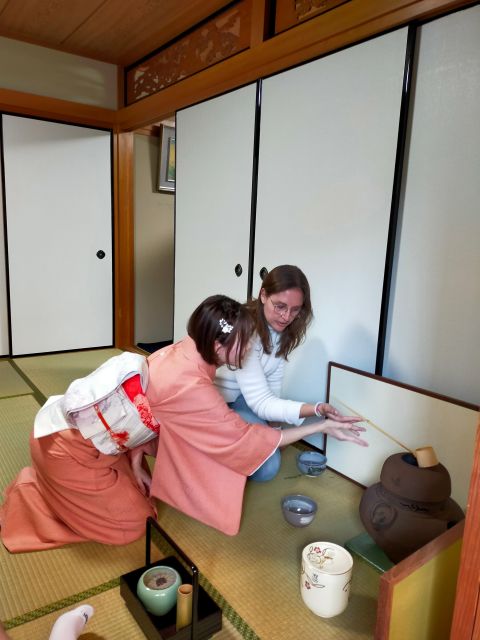
You do not just get one polite cup. You get real practice.
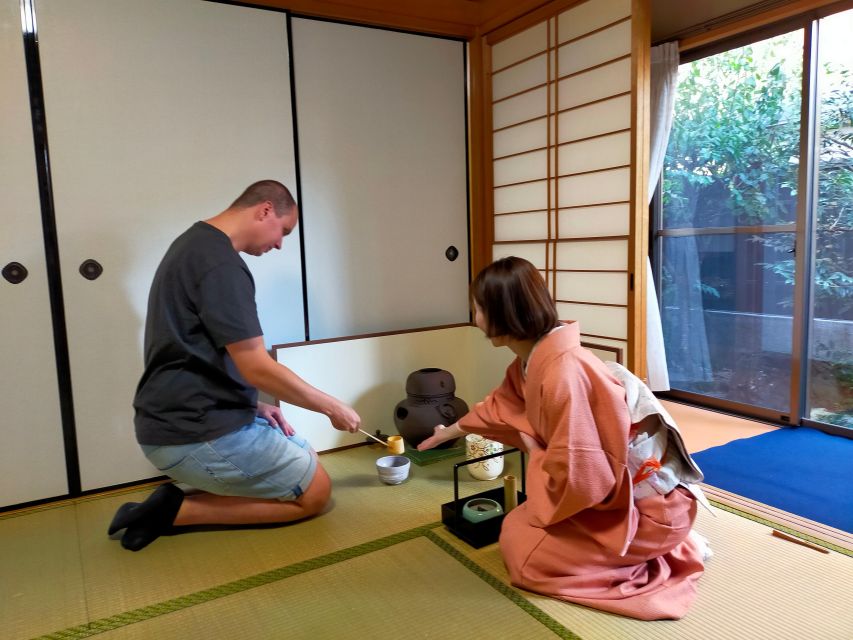
The experience includes two bowls of matcha, and you will participate in preparing one of them. First, the instructor demonstrates how to prepare and drink a bowl properly. Then the host demonstrates the ceremonial preparation. Finally, you get the chance to make matcha yourself using a bamboo tea whisk.
You will likely notice the difference between whisking for flavor and whisking for the texture you are meant to aim for. The bamboo whisk is central to that, and having your hands on it helps you understand the process in a way that watching never does.
If you enjoy interactive classes, this is the highlight. One common theme from people who did this before is that the instruction is clear and not overly strict, so you can follow along at your own pace. That is important. Tea ceremony can sound intense from the outside, but in a small group setting, it becomes something you can learn without fear of doing it wrong.
A small bonus: serving matcha the right way
Once you have practiced, you get more than a memory. You learn how to serve matcha properly to friends or family. Even if you never fully recreate the full ceremony at home, you will understand the key steps enough to do a decent, respectful version.
What you eat and drink, and how it is handled
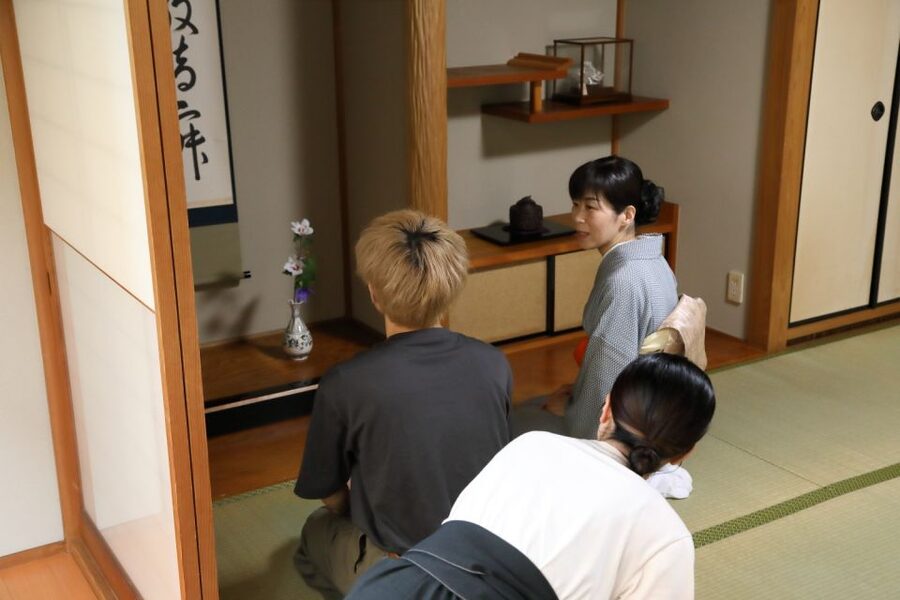
The tasting is built around the sweets you made and the matcha you prepare.
You savor the Japanese sweets you created, while the instructor demonstrates how to drink matcha. Then you enjoy the matcha prepared in the proper ceremonial way. After that, you prepare your own bowl and drink it.
This is more than a snack break. It is structured learning, with the sweet and tea tied to the same session so your brain connects taste to technique and etiquette.
A quick practical note: Japanese sweets may differ from what you see in pictures depending on the season. That is normal in Japan, and it usually means you are getting what is best for the time of year, not a forced, one-size-fits-all version.
If you have food restrictions or allergies, tell them in advance. The tour includes instruction and tasting, so they need to know what is safe for you before the session begins.
Socks, sitting, and the photo rules that matter
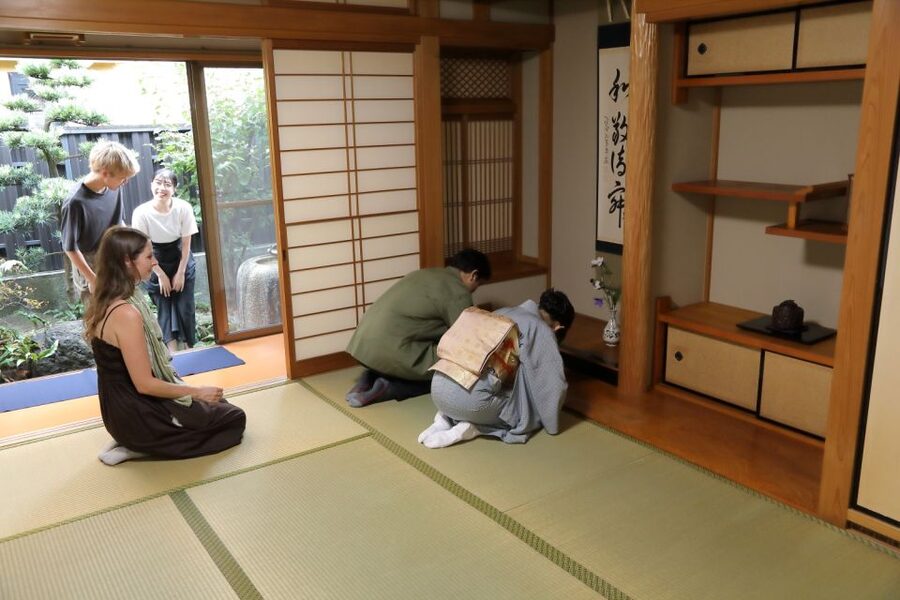
This class has clear rules, and following them makes everything smoother.
Bring socks. Bare feet are not allowed. That is not just for comfort, it is part of respecting the indoor space and floor environment in Japanese rooms.
For seating, chairs and tables are available if you find it difficult to sit on the floor. Let the organizers know in advance so they can plan for you. Without that heads-up, you might arrive and learn the chair options only after the room is already set.
Photo rules are also part of the flow:
- Flash photography is not allowed
- Video recording is not allowed
- You may be asked not to take photos during part of the session
This helps everyone experience the tea moment without screens competing for attention. If you want pictures, plan for the parts that are allowed and be ready to put your phone away when the host asks.
Finally, the experience is not suitable for children under 8, and it is not for wheelchair users. If you are traveling with a family, this one is better for older kids who can sit and focus through a full tea-and-sweets session.
Price and value: what $55 buys you in Kyoto time
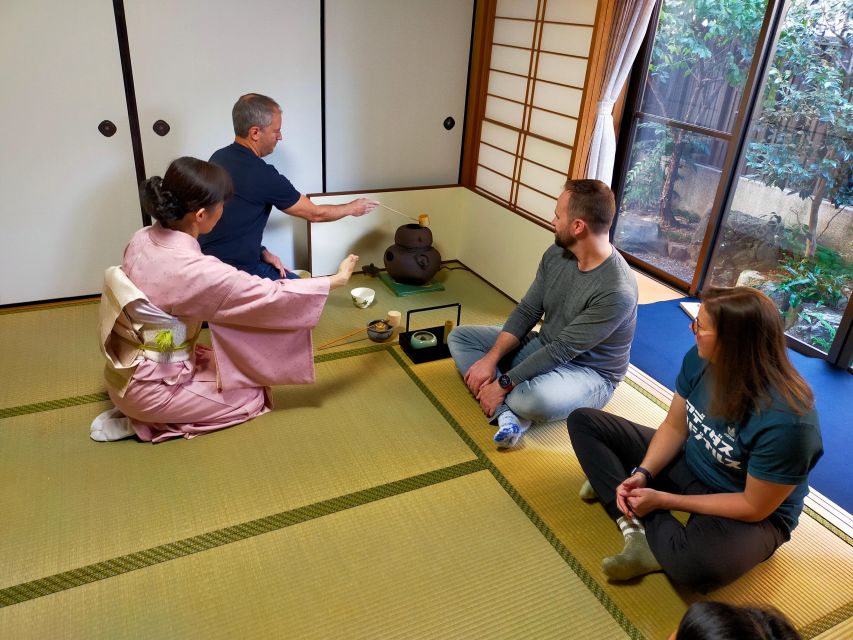
Let’s talk value in real terms. $55 for 75 minutes can feel steep if you are imagining just a tasting. But this experience does more than tasting.
You pay for:
- Hands-on instruction to make wagashi, not just watch
- Two bowls of matcha, including one you prepare yourself
- A guided explanation of manners and the steps in the tea ceremony
- English instruction by licensed guide interpreters
- All fees and taxes included
For many visitors, the value is the ability to take the ritual home. Tea ceremony is about attention and sequence, and matcha whisking is something you can actually practice. The wagashi skill is also memorable, because you will understand what you are buying later and what makes it feel special.
Also, the small group size matters. When the room holds only a handful of people, your questions get answered and your actions get corrected. That is the difference between a passive activity and a real class.
If you are visiting Kyoto and you want one experience that goes beyond photos, this is one of the better bets.
How to fit this into your Kyoto day without stress
You do not need a complicated plan, but timing helps your mood. Because this experience runs 75 minutes and involves quiet sitting and careful steps, I suggest scheduling it when you are not already exhausted from long lines.
If you are visiting the Fushimi Inari area, this is a great contrast activity. After temple stairs and crowds, you get a calm interior with tatami seating and a garden walk. Your legs will still get a break, especially if you request chairs in advance.
Also think about what you eat before you go. Since you will make and taste wagashi and drink matcha, avoid arriving overly hungry or overly full if you can help it. A moderate appetite makes it more enjoyable, since you will taste twice, with your own matcha bowl as the payoff.
Who this is perfect for, and who should skip it
This is perfect if you:
- want an activity where you do the work, not just watch
- like Japanese culture that you can feel through food and etiquette
- enjoy small group classes taught in English
- want a souvenir that is skill-based, like making matcha with a whisk and knowing how to serve it
It may not be perfect if you:
- cannot sit on the floor and do not want a room arranged for chair seating
- are traveling with young kids under 8
- prefer a casual, low-rule experience, since the session includes footwear and photography limits
- have strict dietary needs and have not informed the host in advance
Should you book this wagashi making and matcha ceremony?
If you want one Kyoto experience that turns into a skill, I think this is an easy yes. The combination of hands-on wagashi, clear instruction, and the chance to prepare your own matcha bowl makes it feel like you learned something real, not just sampled a few bites.
Book it if you like structure without stiffness, and if you enjoy learning manners and meaning, like why the hanging scroll in the alcove matters to the space.
Skip it if you are looking for a fast hit, or if your comfort needs do not match tatami-style rooms, because even with chair options, the experience is designed around a traditional setting.
If you do book, bring socks, plan to listen, and treat the session like a mini reset. Kyoto gets busy. This gives you a pocket of calm you can take with you.
FAQ
How long is the Kyoto Fushimiinari wagashi making and tea ceremony?
The experience lasts 75 minutes.
How many people are in the small group?
The group is limited to 6 participants.
Is the instruction in English?
Yes, it is an English-speaking instructor.
What is included in the price?
The price includes 2 bowls of matcha (one prepared by you), hands-on wagashi making for one type of Japanese sweet, explanation of how to make tea and eat the sweets, and all fees and taxes.
What should I bring?
You should bring socks.
Are bare feet allowed and can I record or photograph the session?
Bare feet are not allowed. Flash photography is not allowed, and video recording is not allowed. You may also be asked not to take photos during some parts.
Is it suitable for children or wheelchair users?
It is not suitable for children under 8, and it is not suitable for wheelchair users.
Will the wagashi always match the pictures online?
Not necessarily. Japanese sweets may differ from the pictures depending on the season.
What is the cancellation policy and is pay later available?
You can cancel up to 24 hours in advance for a full refund. There is also a reserve now and pay later option.
Newly listed around Kyoto
- Taste of Nishiki Market Walking Food Tour with Local guide★ 5.0 · 17 reviews
- Kyoto: Sushi Making Class with Sushi Chef★ 4.8 · 64 reviews
- Simple Plan with Maiko★ 4.4 · 10 reviews
- Shibori Furoshiki Course at Kyoto Shibori Museum★ 5.0 · 21 reviews
- Kyoto: City Secrets eBike Tour★ 4.9 · 196 reviews
- Sacred Pathways: Discover the Philosopher’s Path of Kyoto★ 4.9 · 20 reviews
- Private Tour to Monkey Park and Arashiyama Highlights★ 5.0 · 22 reviews
- Private Nara Tour from Osaka – Meet at Your Hotel★ 5.0 · 22 reviews
Matcha & Tea Ceremony Sessions, compared.
Tea Ceremony in a Traditional Tea House in Kiyomizu
Read our review →
World Heritage Kyoto & Nara Uji Authentic Matcha Experience
Read our review →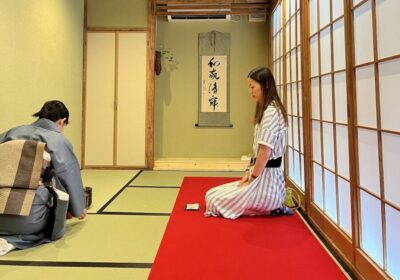
Browse the lists this tour appears in