
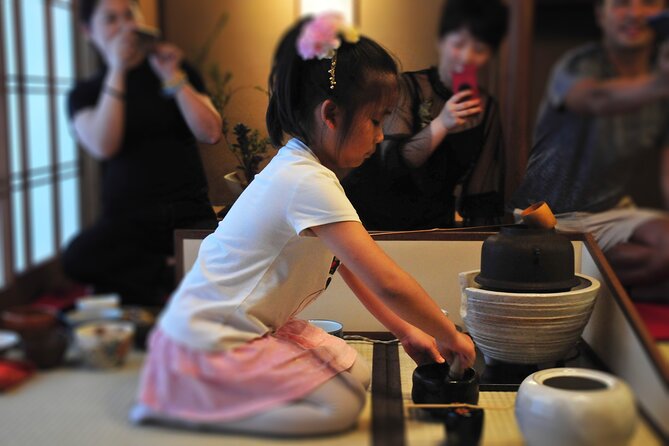
Review · MATCHA & TEA CEREMONY SESSIONS
Kyoto Japanese Tea Ceremony Experience in Ankoan
Tea feels different when you learn it slowly. This Kyoto tea ceremony at Ankoan turns a quick culture stop into a calm, step-by-step experience with hands-on matcha. You start with welcome tea, get the etiquette and meaning behind it, then you practice the core moves yourself in a small group.
Two things I really liked: the host, Yuka, makes it personal right away with relaxed conversation and strong language skills, so you are not just watching. And the format stays practical, you do the tea movements, then you taste what you made, with wagashi included during the tasting portion.
One thing to consider: it is not recommended for people with knee pain, so plan to sit comfortably and bring a calm, patient mindset for a ritual that is meant to be slow.
In This Review
- Kyoto’s Ankoan Studio, Where Tea Feels Practical
- First Steps at Ankoan, Welcome Tea and Easy Conversation
- Etiquette and Meaning, Not Just a Performance
- Matcha Making, Where You Really Learn the Ritual
- Wagashi and Tasting, The Sweet Companion
- Hands-On Tea Steps, Plus More Than One Way to Learn
- The Conversation Layer, Learning People Through Ritual
- Scheduling, Duration, and What Timing Feels Like
- Price and Value, Why $32.84 Makes Sense
- Kyoto Tips for Getting the Most Out of Your Session
- Who Should Book This, and Who Might Skip It
- Should You Book Ankoan? My Call
- FAQ
- How long is the tea ceremony experience at Ankoan?
- What language support is available during the ceremony?
- What is included in the booking?
- Is private transportation included?
- Can I take photos during the experience?
- What is the cancellation policy?
Kyoto’s Ankoan Studio, Where Tea Feels Practical
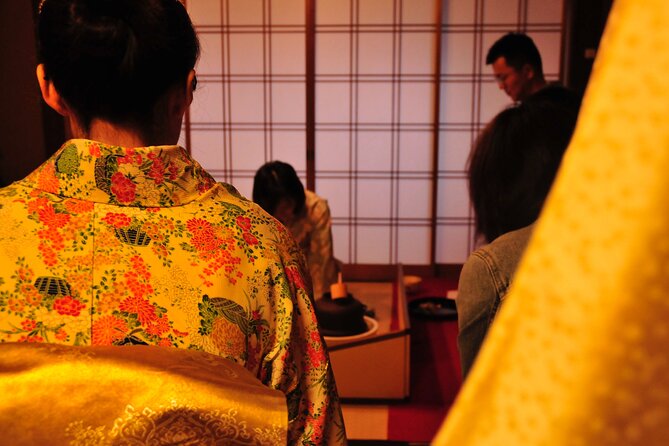
- Small group limit (max 8), so your questions actually get answered.
- Welcome tea with Yuka, plus time to talk before the formal steps begin.
- Clear matcha instruction, with you making matcha, not just observing.
- Wagashi tasting that fits the tea rhythm, not a random add-on.
- Indoor photo time, so you can capture the atmosphere without rushing.
First Steps at Ankoan, Welcome Tea and Easy Conversation
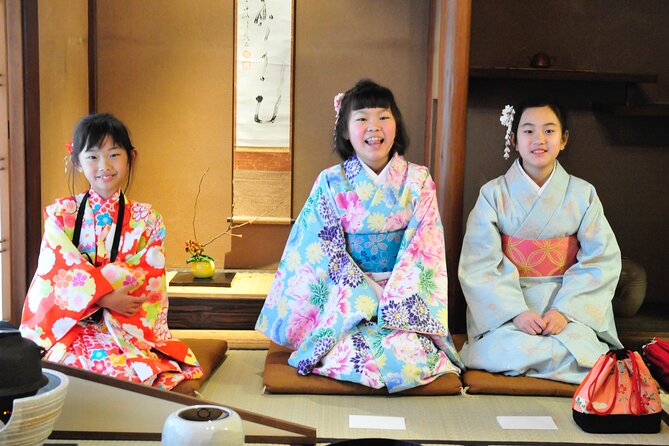
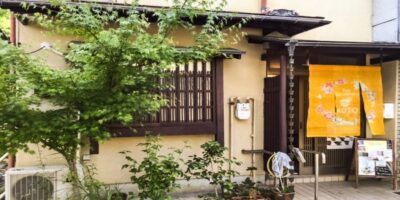
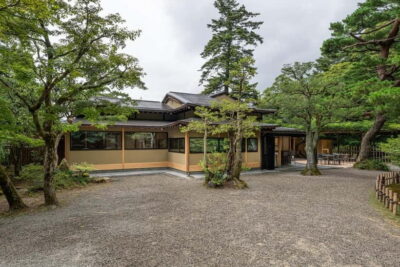
The meeting point is at 暗香庵 (Ankoan), Kyoto Kita Ward, Murasakino Monzenchō, right where you can settle in instead of sprinting around the city. You should expect a studio vibe: quiet enough that the ritual feels real, but open enough that you can ask questions without feeling put on the spot.
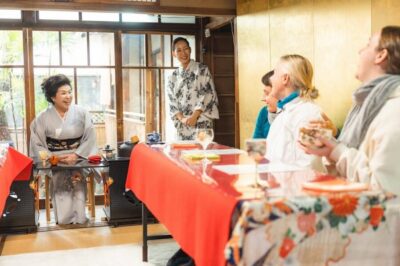
Before the ceremony proper starts, you get welcome tea and a chance to talk. That early pause matters in Kyoto. After travel days, people usually arrive tired, and the experience is designed to let you drop your shoulders. Yuka leads this friendly start, and the tone in the session is consistently warm and conversational.
From the info provided, you also get an overview of Japanese tea ceremony manners and the parts of the ceremony, so you can understand what you are seeing and doing. That is a big reason this feels more valuable than a quick show-and-tell.
More Tea Ceremonies in Kyoto
- Kyoto: Tea Ceremony in a Traditional Tea House in Kiyomizu
★ 4.9 · 3,519 reviews - Kyoto: Tea Ceremony Ju-An at Jotokuji Temple
★ 4.9 · 3,207 reviews - Kyoto: 45-Minute Tea Ceremony Lesson Experience
★ 4.3 · 2,378 reviews
Etiquette and Meaning, Not Just a Performance
What makes this tea ceremony experience work is that it explains the “why,” not only the “how.” You will learn about manners and the specific ideas behind key parts of the ceremony, then you watch the tea master demonstrate.
In a lot of cultural activities, you get facts dumped on you fast. Here, the pace is gentler. You begin with conversation, then you get an explanation, then you watch, then you try. That sequence helps the ritual stick.
If you like learning through small moments, you will probably enjoy the way the session mixes formality with discussion. The experience is not only about tea tools and movements. It also invites broader questions, like how Japanese people live and how Japanese culture formed in the first place. It is a subtle reminder that tea is not just a drink in Japan, it is a social and spiritual habit.
Matcha Making, Where You Really Learn the Ritual
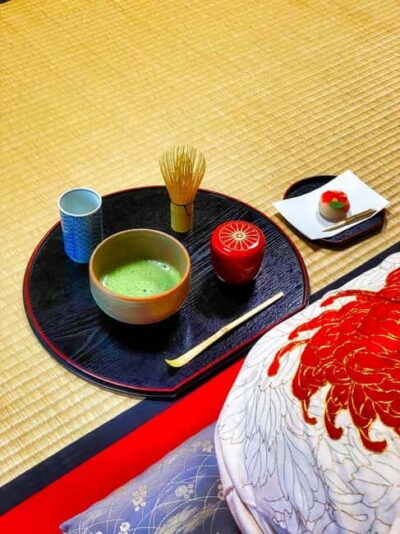
The heart of the experience is matcha. After the introduction and demonstration, you model the steps and take on the most essential parts of the tea procedure. This is not a “try once for a photo” situation. You get instruction, then you practice enough to feel what the motions are meant to do.
One key moment is preparing matcha yourself. You will learn the core process, and then your tea gets tasted by others in a shared, calm space. That part is important, because it turns matcha making from a solitary activity into a small ceremony with everyone participating.
You will also get a clear view of making matcha during the session, including watching the process in another matcha tearoom moment, then tasting matcha and wagashi, and then making your own matcha personally. Even if you already know what matcha is, you will likely pick up details in how the tool use and timing create the final cup.
Wagashi and Tasting, The Sweet Companion
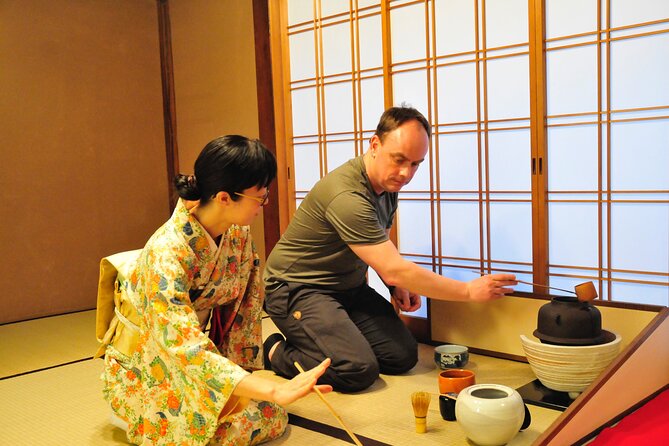
Tea ceremonies in Japan treat taste as a full experience, not a solo beverage event. In this session, you taste matcha, and you also enjoy delicious wagashi during the tasting portion.
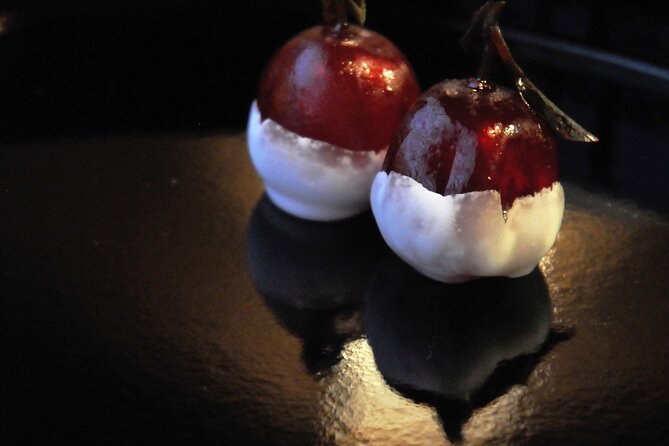
Why this matters for your trip: wagashi is often the missing link for visitors. People can learn tea movements and still miss the sensory balance that makes the ceremony feel complete. The wagashi portion gives your tongue context. It also gives you a chance to slow down and notice aroma, texture, and aftertaste, instead of rushing to the next attraction.
And because it is part of the ceremony flow, the wagashi is not just “a snack.” It is placed so you can experience how sweets and tea work together.
A different sort of day in Japan:
- PERFECT KYOTO 1-Day Bus Tour
★ 5.0 · 13,518 reviews - Kyoto: Fushimi Inari, Kinkakuji, Bamboo Grove 1 Day Bus Tour
★ 4.8 · 4,316 reviews - Kyoto Geisha Walking Tour: Gion District & Hidden Gems
★ 4.7 · 3,273 reviews - Kyoto: Gion Geisha District Walking Tour – Stories of Geisha
★ 4.7 · 2,187 reviews
Hands-On Tea Steps, Plus More Than One Way to Learn
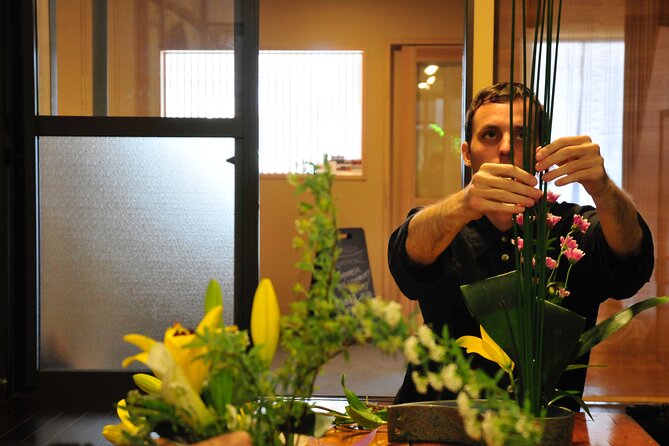
The experience is structured so you do the ceremony steps yourself, while the teacher supports you. That “one teach, one try” style is what makes hands-on cultural activities actually click.
What you should expect during your practice time:
- You follow along with instruction as you perform the key matcha and tea motions.
- You learn enough to understand what you are doing and why each step matters.
- You get to taste your own matcha afterward, which helps you connect the technique to flavor.
The photos also help here. Since you can take pictures indoors freely, you can record tools, the table setting, and your own practice setup. Just remember the ceremony is meant to be calm, so if you shoot photos, do it without turning the room into a camera test.
The Conversation Layer, Learning People Through Ritual
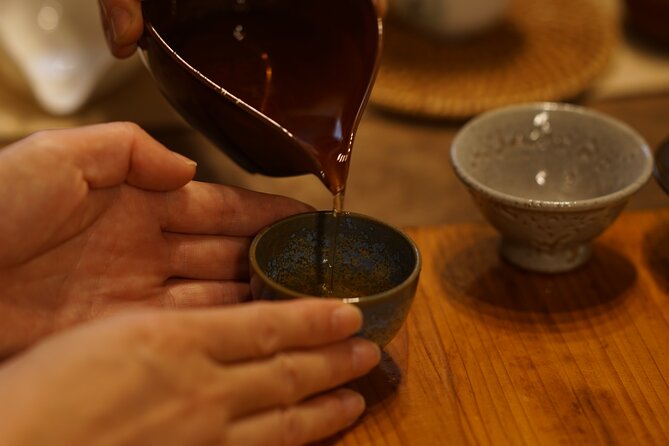
Tea ceremony is a social skill, not just a technique. In this experience, the conversation element shows up repeatedly. Yuka is described as a great conversationalist with very good English skills, and the session gives you room to talk during the early welcome tea and during breaks between steps.
You will likely find that the most memorable parts are not only the tool handling, but the human side of the ritual. The experience invites discussion about daily life and cultural origins, and it frames the tea ritual as a communication bridge between different cultures.
That makes it especially good if you are in Kyoto with travel fatigue. You get a calm setting, and you leave with new understanding, not only a list of facts.
Scheduling, Duration, and What Timing Feels Like
The listing shows 1 hour approx, but the experience description also references a 90-minute service, and some people report a total time closer to around two hours. Practically, that means you should plan for about 1.5 to 2 hours at the studio to avoid feeling rushed.
You also get a mobile ticket, and confirmation is received within 48 hours subject to availability. The group size is capped at 8 travelers, so your session will feel more like a small class than a crowded attraction.
Because private transportation is not included, build in time to reach the meeting point via public transportation. The good news: it is near public transportation, so you should be able to get there without needing a taxi.
Price and Value, Why $32.84 Makes Sense
At $32.84 per person, this is priced like a serious activity, not a quick add-on. The value comes from several practical pieces:
- You do the main work yourself, preparing matcha and practicing the steps.
- You get a guided explanation of manners and meaning, so the ritual becomes understandable.
- You taste your own tea, plus wagashi during the session.
- You get a small-group setting, with real time for questions and conversation.
Also, the experience includes coffee and/or tea, and the session itself includes welcome tea and matcha tasting. In other words, you are not paying only for an instructor to talk. You are paying for hands-on learning in a quiet setting with a thoughtful pace.
If you are trying to choose between a generic “see tea ceremony” show and an activity where you actively participate, this one leans toward participation. That shift is what makes the price feel fair.
Kyoto Tips for Getting the Most Out of Your Session
This is Kyoto, so you will be tempted to schedule it between temples and gardens. That can work well, since the studio area is described as being close to temple visits. If you go earlier in the day, you may find it pairs nicely with a short walk and a calm reset afterward.
A couple practical tips:
- Wear comfortable clothing and plan for a sitting posture. It is not recommended for those with knee pain, so if your knees are sensitive, consider alternative activities.
- Bring your curiosity. This experience rewards the people who ask simple questions about tea words, etiquette, and what you notice in the room.
- Keep your phone ready but respectful. You can take indoor photos freely, just try not to interrupt the quiet moments.
Who Should Book This, and Who Might Skip It
This is a strong fit if:
- You want a real participation experience, not a short performance.
- You like structured learning, watch, then practice, then taste.
- You enjoy cultural conversation and want a human guide rather than a strict lecture.
- You are traveling as a couple or a small group, where the max 8 cap keeps things friendly.
It might not be the best match if:
- You have knee pain or mobility limits, because the experience is not recommended for those situations.
- You want something very long or extremely fast-paced. The session is designed to be calm and focused, so it is not a big sightseeing sprint.
For families: one review notes it can work with kids, including a child around age 8 participating and making tea as well. If you are traveling with children, it is worth asking how your kids will be supported during hands-on steps when you reserve.
Should You Book Ankoan? My Call
I would book this if you want a Kyoto cultural experience that is both soothing and practical. You get welcome tea, a guided explanation of etiquette, a demonstration, then you actually make matcha yourself. The small group size, plus Yuka’s warm interaction and strong language ability, makes it feel personal without getting awkward.
I would hesitate only if knee pain is an issue for you or you strongly prefer sightseeing over quiet, hands-on rituals. If sitting comfortably is a challenge, you should pick a different experience.
If you do book, plan to arrive with a little breathing room. Kyoto rewards the calm stops, and this one is designed for that.
FAQ
How long is the tea ceremony experience at Ankoan?
It is listed as about 1 hour, and the experience description also refers to about a 90-minute service. Plan for roughly 1.5 to 2 hours so you are not rushed.
What language support is available during the ceremony?
The provider notes Chinese and English support.
What is included in the booking?
Coffee and/or tea are included. The experience also includes tasting welcome tea and matcha, plus wagashi during the session.
Is private transportation included?
No. Private transportation is not included.
Can I take photos during the experience?
Yes. You can take pictures indoors freely.
What is the cancellation policy?
You can cancel for a full refund up to 24 hours before the experience starts. The experience requires good weather, and if it is canceled due to poor weather, you will be offered a different date or a full refund.
Newly listed around Kyoto
- Zen Meditation for Life in Kyoto★ 5.0 · 10 reviews
- Kyoto: Zen Meditation at a Private Temple with a Monk★ 5.0 · 25 reviews
- Kyoto Private Customizable Day Tour with Guide and Vehicle★ 5.0 · 52 reviews
- Private Wagyu Beef Tour with a Local Guide★ 5.0 · 6 reviews
- Kyoto: Gion Geisha District & Sake-in-Hand Walking Tour★ 5.0 · 37 reviews
- Your Private Vacation Photography Session In Kyoto★ 5.0 · 110 reviews
- Private Guided Traditional Buddhist Cooking in Japan★ 5.0 · 16 reviews
- Private Pewter Sake Cup Experience with a Kyoto Artisan★ 5.0 · 31 reviews
Matcha & Tea Ceremony Sessions, compared.
Tea Ceremony in a Traditional Tea House in Kiyomizu
Read our review →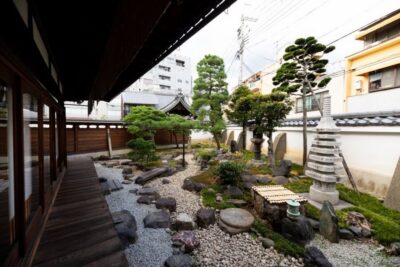
World Heritage Kyoto & Nara Uji Authentic Matcha Experience
Read our review →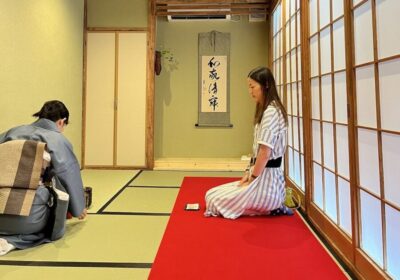
Browse the lists this tour appears in