
Review · MATCHA & TEA CEREMONY SESSIONS
Kyoto Kiyomizu Tea Ceremony with Scenic Garden Views
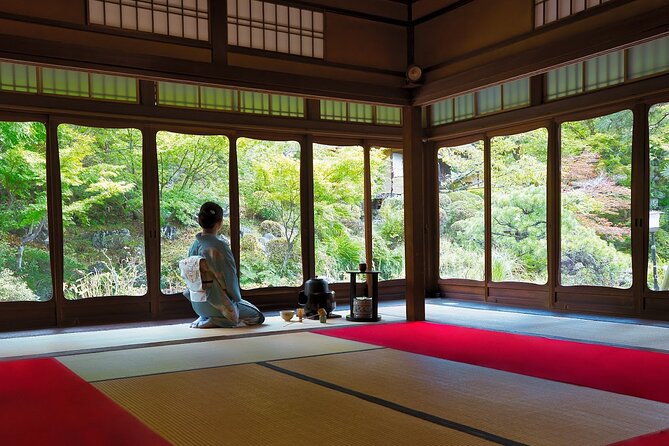
Tea, matcha, and a Kyoto garden pause. At Tea ceremony SAKAGUCHIAN in the Kiyomizu area, you get a guided matcha ritual plus a calm teahouse view into a traditional garden. I like that you learn the steps as the tea master performs them, and I like how the garden setting makes the whole experience feel like an actual break from sightseeing.
This is also one of those Kyoto activities that stays human-scale. With a maximum of 12 travelers, you can ask questions about utensils, technique, and meaning, and the host can keep things clear instead of rushing the room.
One consideration: it is not recommended for guests with foot and knee issues. If that’s you, this may not be the right format for comfortable seating.
In This Review
- Key Highlights You’ll Feel During the Ceremony
- Kyoto Kiyomizu Teahouse Views: What Makes SAKAGUCHIAN Special
- The 45-Minute Flow: Two Cups, One Calm Sequence
- Step-by-Step Matcha Techniques You’ll Actually Practice
- Wagashi Pairing: What to Expect From the Sweets
- Small Group Size Matters More Than You Think
- Price and Value: Is $50.87 Worth It?
- What to Bring and How to Prepare for Tea-Room Comfort
- Logistics That Make the Experience Smoother
- Who Should Book This Kyoto Kiyomizu Tea Ceremony?
- Should You Book This Kyoto Kiyomizu Tea Ceremony at SAKAGUCHIAN?
- FAQ
- How long is the Kyoto Kiyomizu Tea Ceremony at SAKAGUCHIAN?
- What’s included in the ticket price?
- What is not included?
- Where do I meet, and where does the experience end?
- How large is the group?
- Is this tea ceremony suitable for people with foot or knee problems?
- What happens if the weather is poor?
- Is free cancellation available?
Key Highlights You’ll Feel During the Ceremony
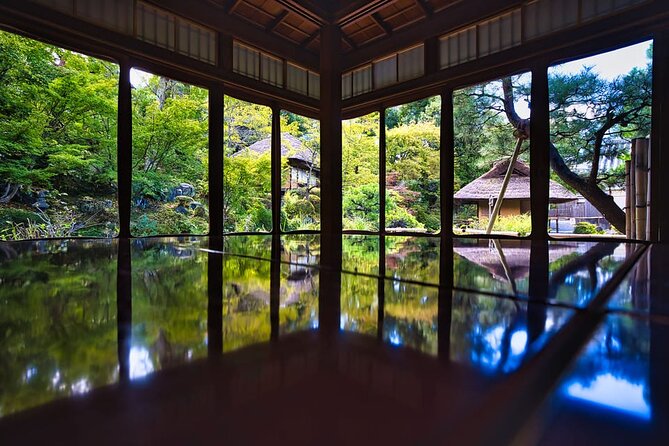
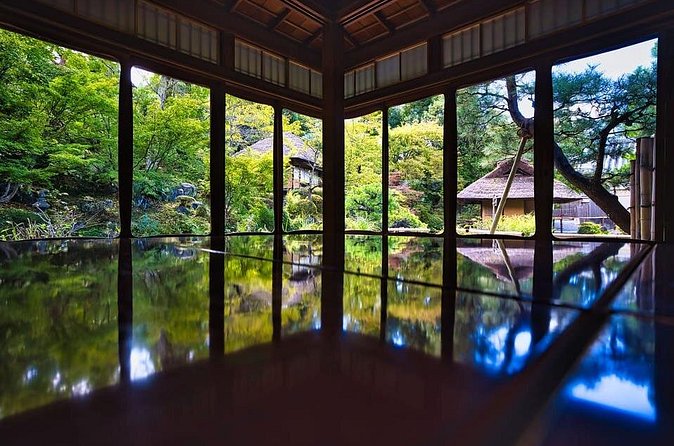
- Garden-facing teahouse setting with large windows and seasonal views
- Two cups of matcha, first as served, then taught step-by-step
- Ritual details you don’t get in a casual cafe, from purifying tools to whisking technique
- Wagashi sweets served alongside the tea as part of the tasting experience
- Small group size (up to 12), so explanations and Q&A actually happen
- Photo included, but no video recording, so plan accordingly
Kyoto Kiyomizu Teahouse Views: What Makes SAKAGUCHIAN Special
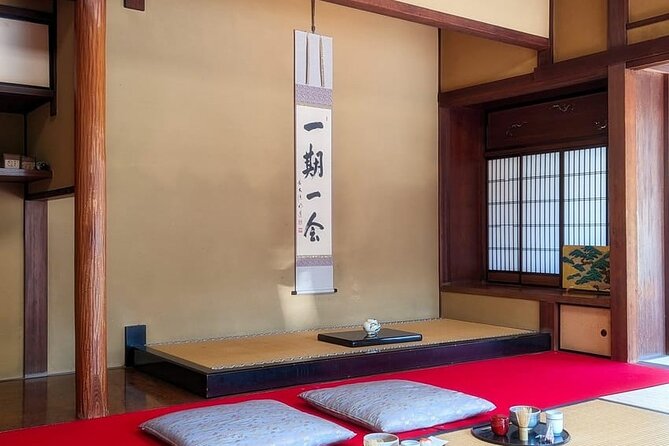
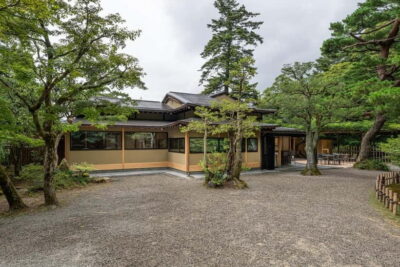
The meeting point is at Tea ceremony SAKAGUCHIAN (茶道体験 阪口庵), in Kyoto’s Higashiyama Ward, near Kiyomizu (3-chōme-334 Kiyomizu). Even if you arrive right after walking the neighborhood, the moment you settle in, the pace changes. The teahouse setting is designed for quiet attention, and the big window views do a lot of work in that.
What you’re looking at is a traditional garden perspective, and it shifts with the season. In warm months, people specifically note the garden as a relaxing backdrop, which makes sense. In other seasons, the view is still part of the ritual logic, because tea ceremony space is meant to be in conversation with nature, not cut off from it.
You’ll be inside a proper tea-room atmosphere, not a table-and-chair restaurant setup. That difference matters, because it changes how you experience each step. You slow down without being told to, and the movements feel like they belong to the room.
More Tea Ceremonies in Kyoto
- Kyoto: Tea Ceremony in a Traditional Tea House in Kiyomizu
★ 4.9 · 3,519 reviews - Kyoto: Tea Ceremony Ju-An at Jotokuji Temple
★ 4.9 · 3,207 reviews - Kyoto: 45-Minute Tea Ceremony Lesson Experience
★ 4.3 · 2,378 reviews
The 45-Minute Flow: Two Cups, One Calm Sequence
This experience runs about 45 minutes (roughly), and the structure is simple. You start in the tea room, watch the full ritual once, then you’ll get hands-on guidance for the second cup. The time is short enough that you won’t feel dragged through a lecture, but long enough that it doesn’t feel like a quick demo either.
Think of it as a two-part lesson:
- Cup one is about observing and understanding.
- Cup two is about doing the technique yourself, with guidance.
Most people find that pacing hits the sweet spot. You get the feeling of what a tea master is doing, then you get to try the key actions for yourself, instead of only tasting.
Step-by-Step Matcha Techniques You’ll Actually Practice
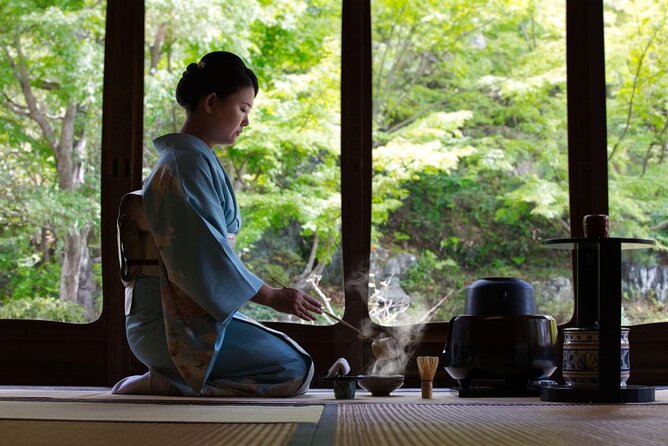
The tea master guides you through the ancient art of the tea ceremony, and you’ll see (and learn) practical technique choices. This isn’t just about drinking matcha. It’s about how each movement, tool, and posture supports the taste and the moment.
Here’s what to watch for and what you’ll be taught:
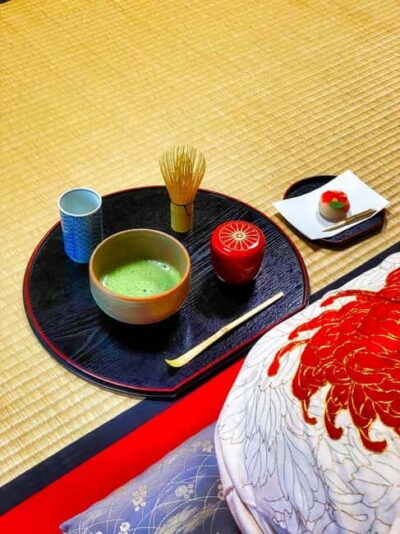
- Purifying utensils: You’ll see the ritual around preparing tools, which sets the tone. It’s a reminder that tea ceremony is part etiquette, part craftsmanship.
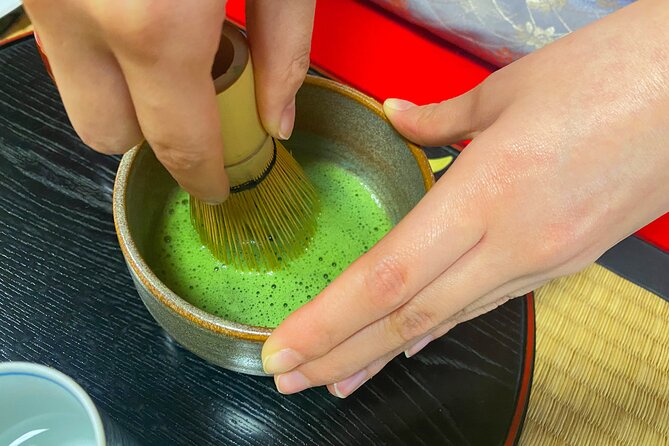
- How the whisking works: You’ll watch the matcha being prepared with the right motion to build froth.
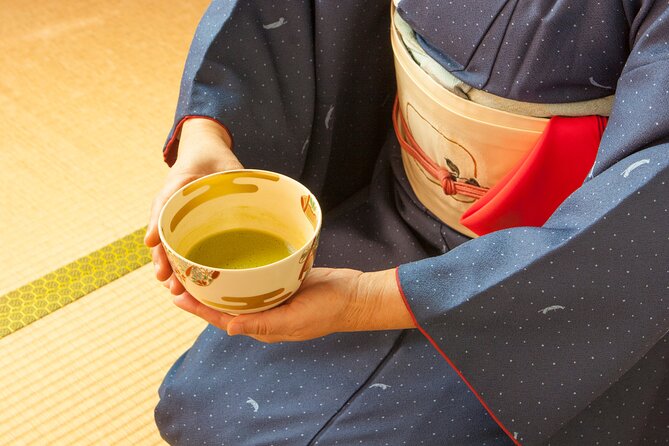
- Handling the tea bowl: You’ll learn the basic way to hold and present the bowl properly, which helps you slow down and stay intentional.
- Getting the froth right: You’ll be guided toward the texture that makes matcha taste balanced, not flat.
If you’re the type who hates vague instructions, you’ll like this. The host and tea master explain the process, and you get feedback on what you’re doing. Several people also highlight the precision of the tea master’s movements, which matters because technique is part of the meaning here. It’s not random grace, it’s practiced form.
Wagashi Pairing: What to Expect From the Sweets
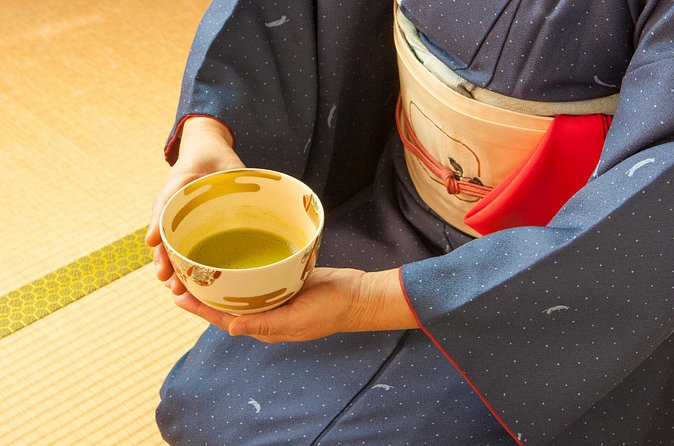
You get wagashi, traditional Japanese sweets, paired with your matcha. The point isn’t sugar overload. It’s that the sweet and tea together create the flavor rhythm of the session.
Wagashi texture and sweetness can be quite different from what you might expect if you’re used to Western desserts. People often mention that the tea tastes different from typical matcha in the US, and that the sweets are a highlight. Even if you’re not a dessert person, this pairing tends to make you pay attention to contrast: bitterness and aroma in matcha, and the soft sweetness of wagashi.
You’ll also get to experience the sweets in the context of the ceremony, which changes how you experience them. Food in a tea-room setting often feels more like a course in a ritual than a random snack.
A different sort of day in Japan:
- PERFECT KYOTO 1-Day Bus Tour
★ 5.0 · 13,518 reviews - Kyoto: Fushimi Inari, Kinkakuji, Bamboo Grove 1 Day Bus Tour
★ 4.8 · 4,316 reviews - Kyoto Geisha Walking Tour: Gion District & Hidden Gems
★ 4.7 · 3,273 reviews - Kyoto: Gion Geisha District Walking Tour – Stories of Geisha
★ 4.7 · 2,187 reviews
Small Group Size Matters More Than You Think
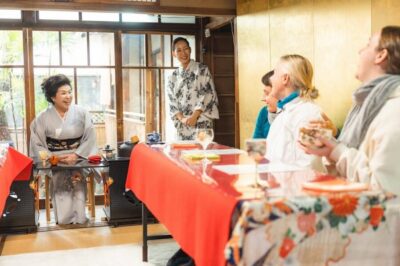
With a maximum of 12 travelers, you’re not competing for attention. This is a real advantage in a topic as technical as tea whisking and tea-room etiquette. When the room is small, the host can translate, explain the meaning behind steps, and still answer your questions.
In practice, that means you’re more likely to leave with details that stick. People mention that the staff were warm, respectful, and professional, and that the explanations added useful context, not just facts. You can ask about symbolism, about why certain movements happen, or about what you’re seeing in the tea master’s preparation.
If you enjoy learning by watching someone do something correctly, this format works. If you prefer a hands-on workshop style, it still delivers because you actually participate in the second cup.
Price and Value: Is $50.87 Worth It?
At $50.87 per person, you’re not paying for a casual matcha drink. You’re paying for a structured, guided tea ceremony with:
- Two cups of matcha
- Wagashi
- A photo
- A real tea-master-led experience with instruction
Value-wise, the main reason this can feel worth it is that you’re getting a full ritual sequence, not just a tasting. The tea master’s technique and the guided practice are the product. And the garden view is part of why it feels special, since the setting supports the slower pace.
That said, one fair consideration is duration. The experience is short, and a few people note it can feel like you scratch the surface of formal tea ceremony practice rather than getting the full training behind tea mastery. If you’re expecting a deep, multi-hour course, plan your expectations accordingly. This is a polished first taste, with key technique and culture explained in a compact format.
What to Bring and How to Prepare for Tea-Room Comfort
This kind of ceremony has a different physical rhythm than standing-and-walking sightseeing. It can involve sitting, and that ties into the accessibility note about foot and knee issues. If you have mobility limitations, it’s smart to weigh that before booking.
A simple practical tip from the experience community is to bring or wear socks. That makes sense for indoor seating situations where you want comfort and grip. If you forget, you might still manage, but socks can prevent the whole thing from turning into an uncomfortable distraction.
Dress is typically what you’d wear for a calm indoor activity. Choose something you can sit comfortably in. Also, since video recording is not included, you may want to take a moment to decide whether you’ll rely on the provided photo or just enjoy the moment without filming.
Logistics That Make the Experience Smoother
The session starts at Tea ceremony SAKAGUCHIAN in Higashiyama Ward, near Kiyomizu. It ends back at the meeting point, so you’re not scrambling to find the next location right after you drink tea. That alone helps your day feel organized.
Also, the experience requires good weather. If it’s canceled due to poor weather, you’ll be offered another date or a full refund. Since Kyoto weather can shift quickly, it’s worth checking forecasts and keeping your plan flexible on the day you book.
Who Should Book This Kyoto Kiyomizu Tea Ceremony?
This is a great fit if you want:
- A calm break during a busy Kyoto day
- Real technique, not just a photo op
- A tea-room setting with garden views
- A small group experience where you can ask questions
You might enjoy it most if you like arts, etiquette, and slow, sensory activities. Some people even describe it as a perfect pairing with sightseeing, because tea gives you a mental reset.
If you’re not interested in rituals or technique, you might find it too slow. And if you have foot or knee problems, it may not be the right format.
Should You Book This Kyoto Kiyomizu Tea Ceremony at SAKAGUCHIAN?
I think you should book it if you want Kyoto culture delivered in a thoughtful, structured way. The combination of matcha made from scratch, guidance for your second cup, and a garden-facing teahouse setting is a strong value proposition for a short session.
Skip or reconsider if mobility is an issue for you, or if you only want quick, casual sightseeing snacks. This is designed for calm attention. That’s exactly why it works.
If you’re choosing between a tea-cafe visit and a ceremony with instruction, go for the ceremony. You’ll taste the difference, learn the steps, and leave with an experience that feels less like a stop and more like a quiet reset.
FAQ
How long is the Kyoto Kiyomizu Tea Ceremony at SAKAGUCHIAN?
It lasts about 45 minutes (approx.).
What’s included in the ticket price?
The experience includes 2 cups of matcha, wagashi (traditional Japanese sweets), and a photo.
What is not included?
Kimono rental and video recording are not included.
Where do I meet, and where does the experience end?
You meet at Tea ceremony SAKAGUCHIAN (茶道体験 阪口庵), 3-chōme-334 Kiyomizu, Higashiyama Ward, Kyoto, and the activity ends back at the meeting point.
How large is the group?
The tour has a maximum of 12 travelers.
Is this tea ceremony suitable for people with foot or knee problems?
It is not recommended for guests with foot and knee issues.
What happens if the weather is poor?
This experience requires good weather. If it’s canceled due to poor weather, you’ll be offered a different date or a full refund.
Is free cancellation available?
Yes. You can cancel for a full refund up to 24 hours in advance. If you cancel less than 24 hours before the start time, the amount paid is not refunded.
Newly listed around Kyoto
- Zen Meditation for Life in Kyoto★ 5.0 · 10 reviews
- Kyoto: Zen Meditation at a Private Temple with a Monk★ 5.0 · 25 reviews
- Kyoto Private Customizable Day Tour with Guide and Vehicle★ 5.0 · 52 reviews
- Private Wagyu Beef Tour with a Local Guide★ 5.0 · 6 reviews
- Kyoto: Gion Geisha District & Sake-in-Hand Walking Tour★ 5.0 · 37 reviews
- Your Private Vacation Photography Session In Kyoto★ 5.0 · 110 reviews
- Private Guided Traditional Buddhist Cooking in Japan★ 5.0 · 16 reviews
- Private Pewter Sake Cup Experience with a Kyoto Artisan★ 5.0 · 31 reviews
Matcha & Tea Ceremony Sessions, compared.
Tea Ceremony in a Traditional Tea House in Kiyomizu
Read our review →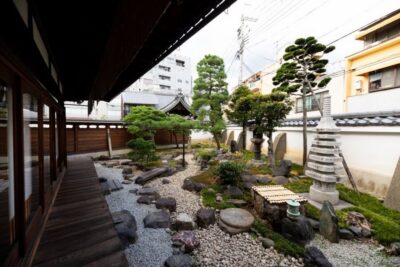
World Heritage Kyoto & Nara Uji Authentic Matcha Experience
Read our review →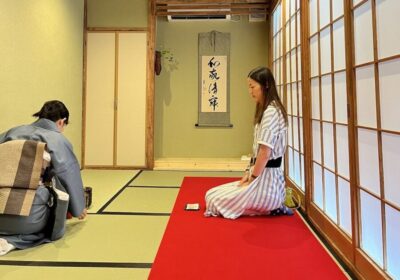
Browse the lists this tour appears in