
Review · SUSHI COOKING WORKSHOPS
Kyoto Making Wagyu Sushi experience
Wagyu sushi, made by your own hands. This Kyoto workshop has you build nigiri-style shari and toppings step by step, then roll sushi, finish gunkan, and sit down to a ready-made lunch set. I like the hands-on pacing and how it turns a sushi meal into a skill you can actually repeat at home.
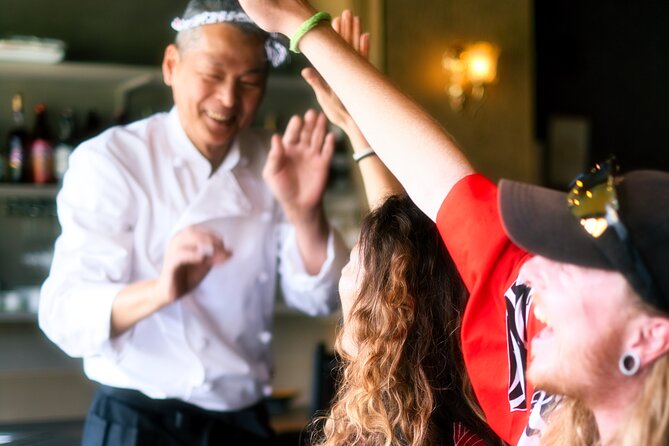
You also get special traditional styling with an offered happi (coat), which makes the whole thing feel like more than just cooking lessons. It is capped at a small group size, and the format is perfect for pairing with a short Kyoto lunch stop.
The main thing to plan for is the location. People can find the venue confusing, especially when navigating elevators inside the Golden Building, so give yourself a little extra time to arrive on the early side.
In This Review
- Quick Hits: What Makes This Kyoto Wagyu Sushi Class Worth Your Time
- Kyoto Wagyu Sushi at Cocotte Alpha Pontocho: What You Are Really Doing
- From Hand Washing to Gunkan: The 1 Hour 15 Minute Flow
- 1) Wash up, then get your shari right
- 2) Learn nigiri construction, including wasabi options
- 3) Move into rolling, then let the chef finish the cut
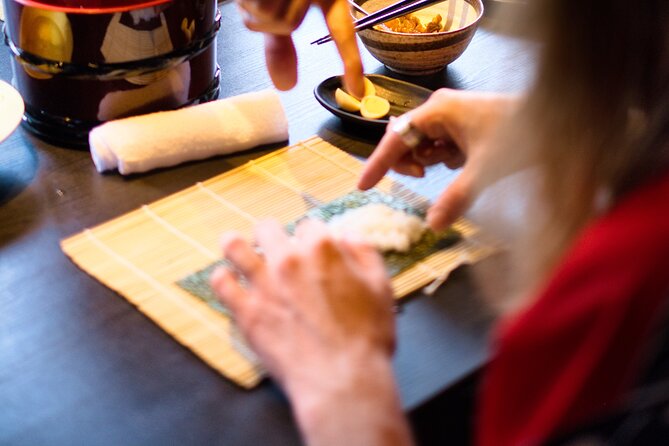
- 4) Make gunkan rolls, and notice the nori size difference
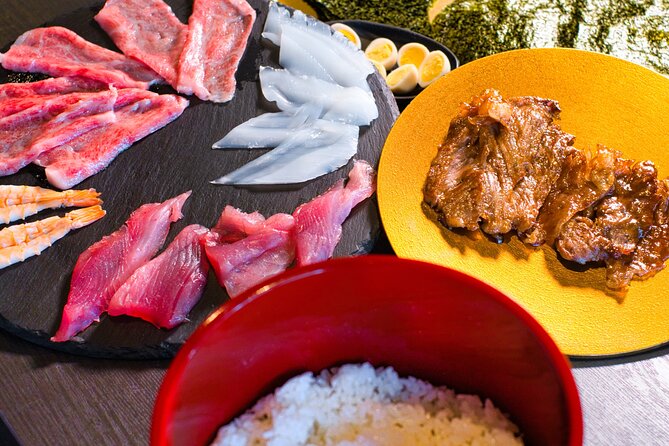
- Lunch After the Class: Sushi, Tempura, Miso Soup, Pickles, and a Drink
- The Wagyu Twist: Why It Feels Different From a Typical Sushi Lesson
- The Location Reality Check: Cocotte Alpha, Golden Building, 3F
- Price and Value at $70: What You Get For One Hour 15 Minutes
- Small Group Energy: Better for Dates and Families
- Allergy Notes You Should Not Ignore
- Weather and Planning: A Simple Risk to Know
- Should You Book Kyoto Making Wagyu Sushi?
- FAQ
- Where does the Kyoto wagyu sushi-making experience start?
- What time does the experience begin?
- How long is the experience?
- What does the experience include for making sushi?
- What meal do you get after you make sushi?
- Is there a mobile ticket?
- How large is the group?
- What should I do if I have allergies?
- What happens if it is canceled due to poor weather?
Quick Hits: What Makes This Kyoto Wagyu Sushi Class Worth Your Time
- Hands-on nigiri and roll-making: you assemble, top, roll, and finish sushi types in one session
- Chef-led knife work: the final cutting step is handled by the chef so your rolls still look clean
- Gunkan roll practice with different nori sizes: you get to see how seaweed size changes the final wrap
- Chef Yoshi’s fresh ingredient approach: the class uses fresh ingredients prepared for that day
- Lunch set included: sushi plus tempura, miso soup, pickles, and a soft drink
Kyoto Wagyu Sushi at Cocotte Alpha Pontocho: What You Are Really Doing
This is a short, focused cooking class in Kyoto that centers on making sushi, not watching someone else cook. You will wash your hands, make sushi rice (shari), top it, and then move into rolling and gunkan-style sushi. The wagyu angle is what makes it feel different from a standard sushi workshop, but the bigger value is learning repeatable steps and textures you can remember.
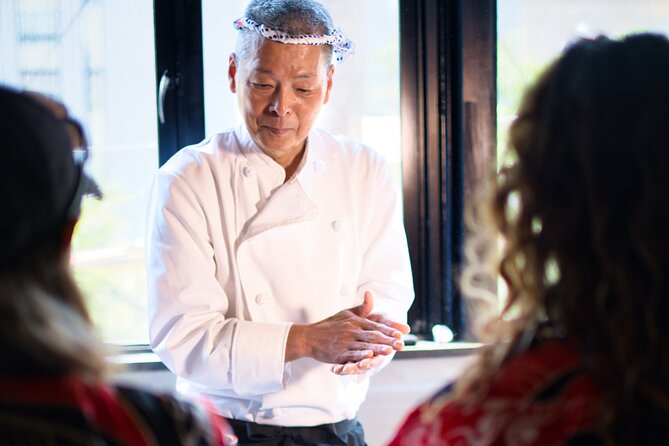
The class uses a “finish it yourself” flow. You are not just shaping rice and hoping it works. You follow guidance through several sushi styles, then the chef steps in for the precision moment when cutting the rolled sushi. That is a smart split, because rolling and cutting are where beginners usually get frustrated, and getting it right matters for presentation.
There’s also a clear family-friendly vibe. The session runs about 1 hour 15 minutes, and kids are able to join, as long as allergies are handled properly ahead of time. That timing is useful in Kyoto, where the day can disappear fast if you add too much to your schedule.
More Sushi Workshops in Kyoto
- The Original Small-Group Sushi Making Class in Kyoto
★ 5.0 · 436 reviews - Kyoto: Small-Group Authentic Sushi Making Workshop
★ 5.0 · 137 reviews - Sushi – Authentic Japanese Cooking Class – the best souvenir from Kyoto!
★ 5.0 · 93 reviews
From Hand Washing to Gunkan: The 1 Hour 15 Minute Flow
The session starts at 12:00 pm at Cocotte Alpha Premium Wagyu Teppanyaki Kyoto Pontocho. Once you are set up, the steps are straightforward, and the pace stays quick enough to keep momentum.
Here is what you can expect in order:
1) Wash up, then get your shari right
You begin with hand washing, then learn how to make the sushi rice base, the shari. This matters because nigiri lives or dies on rice texture and how it holds together. If you’ve only eaten sushi and never made rice before, this is where the biggest learning happens.
2) Learn nigiri construction, including wasabi options
Next you create nigiri-style pieces. You will add topping (the neta), and you can add wasabi depending on preference. The key idea is understanding the balance: how much topping you put on, how you place it, and how the rice supports everything.
This is also a good moment to tell the team about any spice or allergy limits. The class specifically asks you to notify them ahead of time if you have egg or shrimp allergies, which is important because sushi toppings and related items often contain those ingredients.
A different sort of day in Japan:
- PERFECT KYOTO 1-Day Bus Tour
★ 5.0 · 13,518 reviews - Kyoto: Fushimi Inari, Kinkakuji, Bamboo Grove 1 Day Bus Tour
★ 4.8 · 4,316 reviews - Kyoto: Tea Ceremony in a Traditional Tea House in Kiyomizu
★ 4.9 · 3,519 reviews - Kyoto Geisha Walking Tour: Gion District & Hidden Gems
★ 4.7 · 3,273 reviews
3) Move into rolling, then let the chef finish the cut
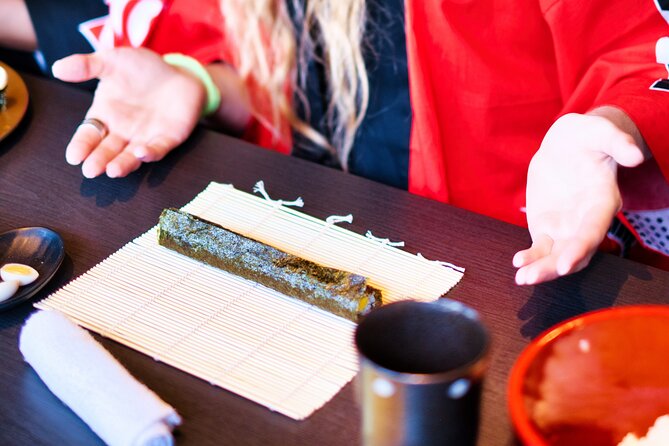
Then you switch to maki sushi. You will roll the sushi, and after that the chef cuts the rolls for you. That is a practical design choice. Rolling requires technique, but clean slicing requires speed and sharp control, which is easier for a professional to handle.
If you worry you will run out of time or mess up presentation, this chef-cut step is a relief. It keeps the end result looking like actual sushi you’d order in Kyoto, not a “kitchen attempt.”
4) Make gunkan rolls, and notice the nori size difference
Finally, you make gunkan maki. You will also learn a small but revealing detail: different seaweed (nori) sizes change how the wrap looks and fits. That is exactly the kind of practical insight that makes a class stick with you, because it connects a visual difference to a method choice.
After everything is assembled, you line up your own sushi, then share the meal moment with a “いただきます” greeting before eating. That ritual part sounds simple, but it makes the session feel respectful and celebratory, not rushed.
Lunch After the Class: Sushi, Tempura, Miso Soup, Pickles, and a Drink
One reason I think this workshop is good value is that you do not end with only what you made. You also get a full lunch set.
Your lunch includes:
- Sushi (your handmade pieces)
- Tempura
- Red miso soup (aka “赤だし”)
- Pickles
- Soft drink
In Kyoto, a “cooking class then snacks” setup can feel like you paid mostly for instruction. Here, the meal adds real weight. The tempura, soup, and pickles also help balance what you just made, especially if you are eating multiple sushi types back to back.
If you are planning your day around Pontocho or riverside streets, this is a clean way to build food into your itinerary without hunting for a separate lunch reservation afterward.
The Wagyu Twist: Why It Feels Different From a Typical Sushi Lesson
A wagyu sushi workshop is not just about the ingredient name. The practical benefit is that it pushes you to pay attention to how toppings behave. With richer meat involved, the flavor and texture contrast becomes more obvious, and your role shifts from repeating a shape to thinking about balance.
That balance shows up in your work with nigiri. You are learning placement and proportion, not just assembly. Then, with rolls and gunkan, your role becomes technique and structure, especially when nori size affects the final look.
Also, this is not presented as a full-blown theory class. It’s technique-driven. You will leave knowing what to do with your hands, which is what you really want if you plan to order or make sushi later.
The Location Reality Check: Cocotte Alpha, Golden Building, 3F
This is the part you should take seriously. Even with Google Maps, people report it can be tricky to figure out which elevator and route to use inside the building.
Here’s how to reduce stress:
- Arrive a bit early for a 12:00 pm start so you can sort the entrance calmly
- Use the meeting address details and aim for Golden Building 3F
- If something looks confusing, double-check the venue name and floor rather than forcing your first guess
The lesson itself is short, so losing time at the start would be a shame. With the location prep handled, the rest of the experience runs smoothly.
Price and Value at $70: What You Get For One Hour 15 Minutes
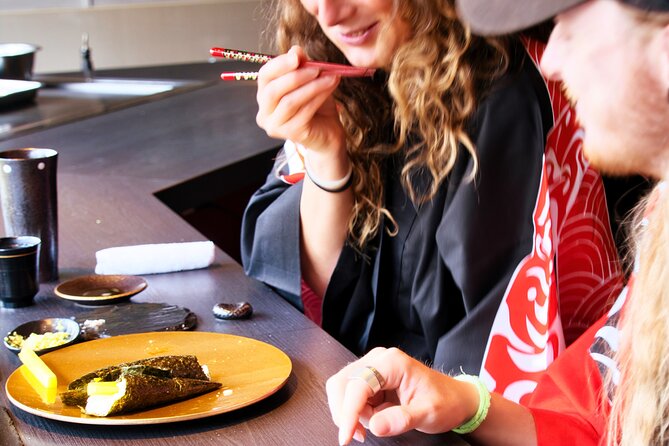
At $70 per person, the price only makes sense if you treat it like a lunch experience plus instruction. And that’s exactly what it is.
You are paying for:
- A guided sushi-making session (nigiri, maki, and gunkan)
- Ingredient handling and tools
- Chef support during the tricky part of cutting rolls
- A complete lunch set: sushi plus tempura, miso soup, pickles, and a soft drink
Where it feels like strong value is the meal part. In many cities, sushi instruction alone can leave you hungry at the end. Here, you finish with a full plate of Kyoto-style lunch items. And since the class lasts about 1 hour 15 minutes, it also fits into a tight itinerary without forcing an all-day commitment.
One more signal: it is commonly booked around 40 days in advance. That usually means it’s popular, often for lunch slots, date ideas, and family plans.
Small Group Energy: Better for Dates and Families
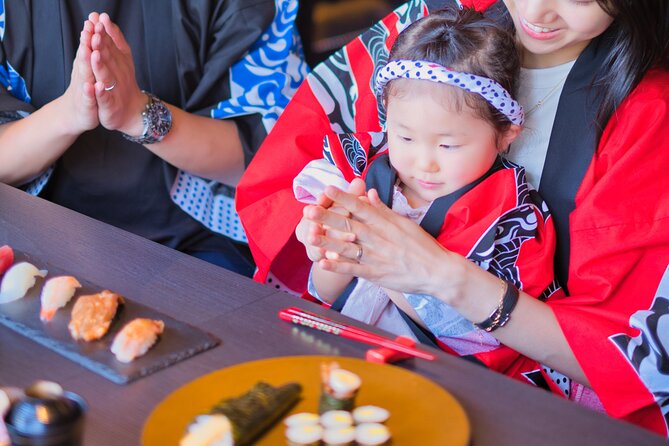
The group size max is 10 travelers. In practice, that usually means you get more attention while you are making sushi, especially when the steps get hands-on.
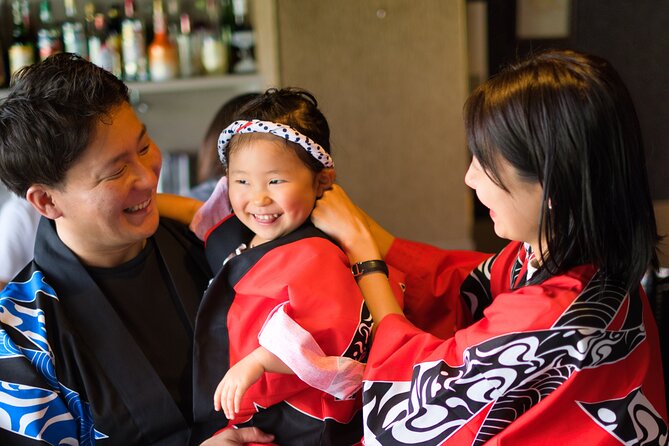
I also like that it can work for different group types. There’s a family-friendly angle, and kids around elementary age can participate. At the same time, the vibe suits couples too, since you are creating your meal together and ending with lunch.
If you are the type who enjoys learning by doing, this size and timing are a great match. You get enough interaction to feel guided, but not so large that you spend the session waiting your turn.
Allergy Notes You Should Not Ignore
The class asks you to inform them in advance if you have egg or shrimp allergies. That matters for two reasons.
First, those ingredients show up in a lot of Japanese food, including sushi-related components and often in side items. Second, if you wait until you arrive, you leave the team without time to adjust safely.
If allergies apply, send the info clearly at booking time. That keeps the experience comfortable and protects everyone’s meal.
Weather and Planning: A Simple Risk to Know
This experience requires good weather. If it is canceled due to poor weather, you will be offered a different date or a full refund. So you do have a safety net, but you should still plan with some flexibility in your Kyoto schedule.
You’ll also receive confirmation at booking time, and you use a mobile ticket. Near public transportation means you are not stuck with a remote meeting point, but the building navigation is still something to plan for.
Should You Book Kyoto Making Wagyu Sushi?
Book it if you want a hands-on Kyoto food experience that ends with a real lunch, not just a tasting. It is a strong fit if you like sushi and you want to learn how rice texture and topping placement affect the final bite.
I would skip it if you hate busy kitchens, dislike short-format classes, or have very limited patience for finding the venue inside a multi-elevator building. The activity is short on purpose, so you need to be ready to move through steps without overthinking every second.
If you do book, my best advice is simple: arrive early for the building, tell the team about any egg or shrimp allergies in advance, and treat the chef-cut and final assembly steps as part of the learning. When the class is done, you’ll have both the sushi and the story of how to make it.
FAQ
Where does the Kyoto wagyu sushi-making experience start?
It starts at Cocotte Alpha Premium Wagyu Teppanyaki Kyoto Pontocho, located in Kyoto, Nakagyo Ward, Zaimokuchō, Golden Building 3F.
What time does the experience begin?
The start time is 12:00 pm.
How long is the experience?
It lasts about 1 hour 15 minutes.
What does the experience include for making sushi?
You make sushi rice (shari), create nigiri by adding topping, make maki (rolled sushi), and make gunkan rolls. The chef cuts the rolled sushi.
What meal do you get after you make sushi?
Lunch is included with sushi, tempura, red miso soup, pickles, and a soft drink.
Is there a mobile ticket?
Yes, the experience uses a mobile ticket.
How large is the group?
The experience has a maximum of 10 travelers.
What should I do if I have allergies?
If you have allergies such as egg or shrimp, you should notify the team in advance.
What happens if it is canceled due to poor weather?
If it is canceled due to poor weather, you will be offered a different date or a full refund.
More Wagyu Beef Dinners in Kyoto
- Kyoto Food Tour of 10 Tastings with Wagyu, Mochi & More Surprises
★ 5.0 · 85 reviews - Tokyo Night Foodie Tour in Shinjuku – Seasonal Sushi, Wagyu Beef
★ 5.0 · 1,161 reviews - Tokyo: Wagyu and 7 Japanese Dishes Cooking Class
★ 4.9 · 273 reviews - Osaka:SUMO BEATS SHOWCASE: Taiko Drum and Wagyu burger!
★ 4.2 · 37 reviews
Newly listed around Kyoto
- Kyoto Samurai Discovery Samurai Sword Test Cutting Training★ 5.0 · 132 reviews
- Kyoto Sake Brewery Tour with Lunch★ 4.5 · 12 reviews
- Kyoto Sagano Insider: Rickshaw and Walking Tour★ 5.0 · 15 reviews
- Private Food & Sake Tour in Central Kyoto with Sake Sommelier★ 5.0 · 24 reviews
- Ramen Gyoza Onigiri Japanese Cooking Class in Kyoto★ 5.0 · 44 reviews
- Kyoto Rickshaw Tour★ 5.0 · 210 reviews
- Kyoto Ramen Tour★ 5.0 · 22 reviews
- Kyoto Portrait Tour with Kimono★ 5.0 · 48 reviews
Sushi Cooking Workshops, compared.
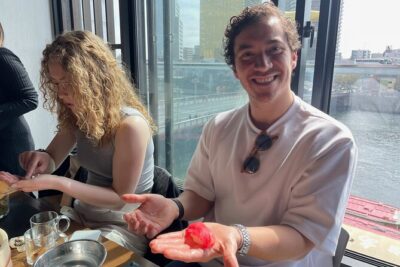
Sushi Making Tokyo Roll and Authentic Japanese Sushi Class
Read our review →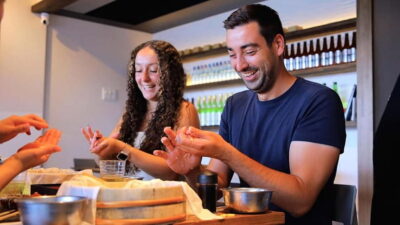
Roll and Authentic Sushi Making Class in Asakusa
Read our review →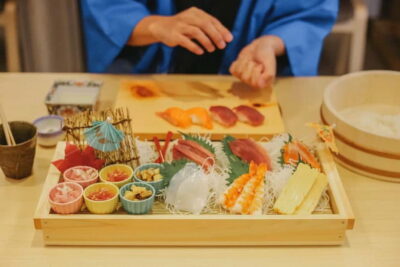
Sushi Making Class in a Happi Coat near a Famous Spot
Read our review →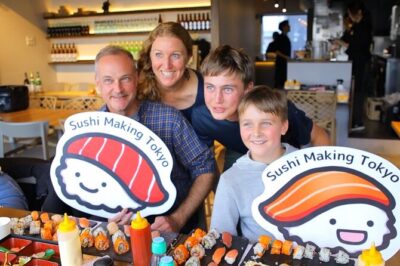
Sushi Making Tokyo! Popular Maki Sushi & Japanese Sushi(+Recipe!)
Read our review →
Tokyo Sushi Making Class in Tsukiji with Professional Chef
Read our review →
Tokyo Night Foodie Tour in Shinjuku – Seasonal Sushi, Wagyu Beef
Read our review →
Tsukiji Fish Market Guided Tour and Sushi Making with Pro Chef
Read our review →
Tsukiji Fish Market Sushi Making Class with Pro Chef
Read our review →Browse the lists this tour appears in