
Review · SUSHI COOKING WORKSHOPS
The Original Small-Group Sushi Making Class in Kyoto
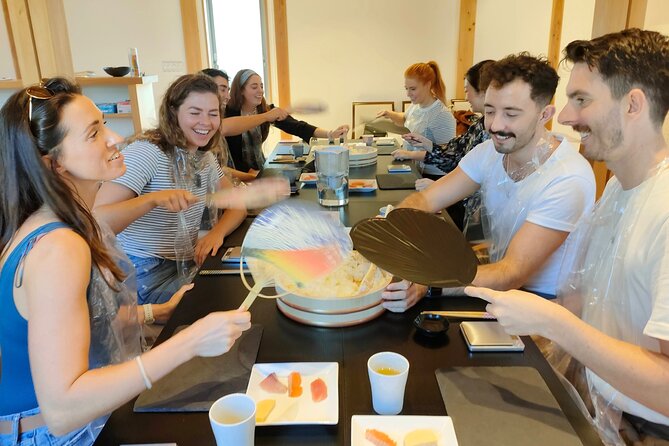
Kyoto can be serious about sushi, but this class keeps it human. In a small group of 8, you get hands-on coaching from Kana and her husband, and you finish with sushi you shaped yourself. I also love that you eat a real meal after class, not a token bite.
One thing to flag up front: there’s no vegetarian or vegan option listed, and the workshop centers on sushi using fresh fish. If you avoid raw fish, you’ll want to think twice before booking.
The setting adds a lot. The class happens in a restored historic townhouse near Kiyomizu-dera and Gion, so you can focus on technique without the noise and chaos of a busy food street.
In This Review
- Key highlights you will feel the moment you arrive
- A Kyoto sushi class that actually teaches the why
- Inside Atelier SUSHI: a restored townhouse near Kiyomizu-dera and Gion
- Your 90 minutes: from seasoned rice to nigiri and maki
- The rice step is where sushi class becomes real cooking
- Premium fish, local ingredients, and what that means for taste
- The meal at the end: you eat, you learn, you leave satisfied
- Language, teaching style, and the advantage of small-group feedback
- Price and value: what you truly get for $69.64
- Dietary needs: what is and is not listed
- Practical tips so you enjoy the class, not just survive it
- Who this Kyoto sushi class is perfect for
- Should you book Atelier SUSHI311 in Kyoto?
- FAQ
- How many travelers are in the small-group class?
- How long is the sushi-making workshop?
- Is the class taught in English?
- What sushi types will I learn to make?
- Do I eat the sushi I make?
- What’s included in the price?
- Is there a vegetarian or vegan option?
- Where does the class meet?
- Can I cancel for a full refund?
Key highlights you will feel the moment you arrive
- 8-person cap for steady, personal feedback while you work
- English instruction with a Japanese instructor guiding the details
- Hands-on nigiri and maki practice, including properly seasoned sushi rice
- You eat the results for lunch or dinner depending on your start time
- Tools and take-home extras, like class notes plus a sushi mat and chopsticks (from the experience set)
- Warm cultural chat, often including Kyoto travel tips along the way
A Kyoto sushi class that actually teaches the why
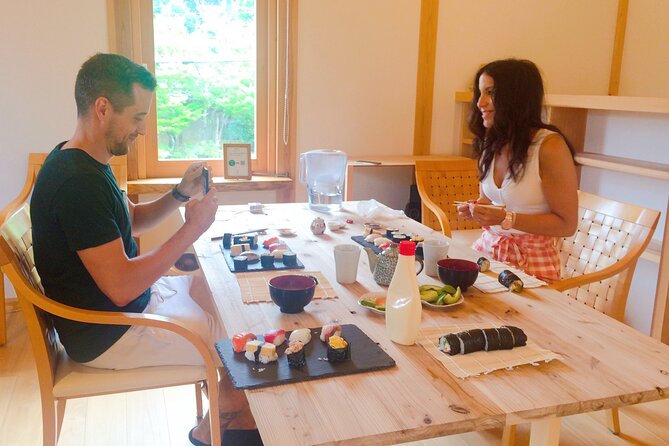
A lot of cooking classes in big cities teach steps. This one teaches the logic behind them, and that is what makes the food you make at the end taste right.
You’ll work in a small group, so you are not yelling across the room for help. You get enough time to ask questions about rice texture, knife skills you might use later, and shaping technique that affects how sushi feels in your mouth.
The vibe is also calm. Instead of racing through a script, the pace is relaxed and interactive, which matters when you are learning something that looks simple but is all about precision.
More Sushi Workshops in Kyoto
- Kyoto: Small-Group Authentic Sushi Making Workshop
★ 5.0 · 137 reviews - Sushi – Authentic Japanese Cooking Class – the best souvenir from Kyoto!
★ 5.0 · 93 reviews - Private Kyoto Sushi Cooking Class & Tea Ceremony with Emika
★ 5.0 · 66 reviews
Inside Atelier SUSHI: a restored townhouse near Kiyomizu-dera and Gion
The workshop meets at Atelier SUSHI, address given as 311-1 Kitatōryōchō, Higashiyama Ward, Kyoto (near public transportation). You also get a key location vibe: it is close to Kiyomizu-dera and Gion, so this is an easy match with a classic Kyoto day.
What I like about the townhouse setting is that it changes your focus. You are not standing at a counter under fluorescent lights. You are in a quieter, older space where sushi feels like part of Kyoto’s everyday craft, not a tourist show.
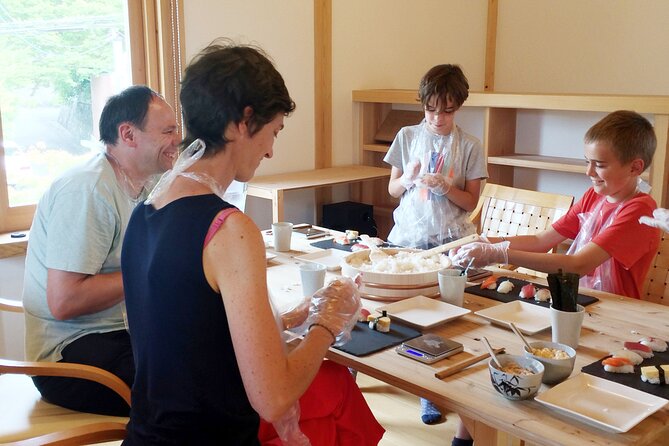
You’ll also appreciate the practical touches before you even start making sushi. Apron and gloves are provided, and they give you coffee and/or Japanese tea, so you can settle in before your hands start doing the work.
Your 90 minutes: from seasoned rice to nigiri and maki
The class runs about 1 hour 30 minutes, and the structure is simple: learn the key techniques, make a few styles of sushi, then eat what you prepared. The exact breakdown can vary by class flow, but the main pieces are consistent.
Here’s what you should expect to spend your time on:
- Sushi rice basics: rice that is cooked and seasoned correctly is the foundation. You learn how to season and handle it so it sticks the way you want, without turning gummy.
- Nigiri technique: shaping is a big focus. You’ll learn how to form nigiri so it holds together and looks clean.
- Maki rolling: you also make rolled sushi, with guidance on how to build the roll and shape it neatly.
What makes this valuable is that it is not only “watch and copy.” You practice. And because the group is capped at 8, the instructor can correct small details while you are still in the middle of the learning curve.
The rice step is where sushi class becomes real cooking
If you want one reason to take a dedicated class like this, it’s sushi rice. Many people think sushi rice is just rice plus vinegar. In practice, the seasoning and handling change everything: texture, flavor balance, and how well the sushi shapes.
In this workshop, you learn the rice seasoning process and how to work with it so it behaves while you shape nigiri and build maki. That means you can stop relying on a restaurant’s skill and start recreating something that tastes like sushi, not just shaped rice.
Rice also teaches you patience. You can’t rush this part. When you get it right, the rest of the class becomes easier because your nigiri and rolls hold their shape more naturally.
A different sort of day in Japan:
- PERFECT KYOTO 1-Day Bus Tour
★ 5.0 · 13,518 reviews - Kyoto: Fushimi Inari, Kinkakuji, Bamboo Grove 1 Day Bus Tour
★ 4.8 · 4,316 reviews - Kyoto: Tea Ceremony in a Traditional Tea House in Kiyomizu
★ 4.9 · 3,519 reviews - Kyoto Geisha Walking Tour: Gion District & Hidden Gems
★ 4.7 · 3,273 reviews
Premium fish, local ingredients, and what that means for taste
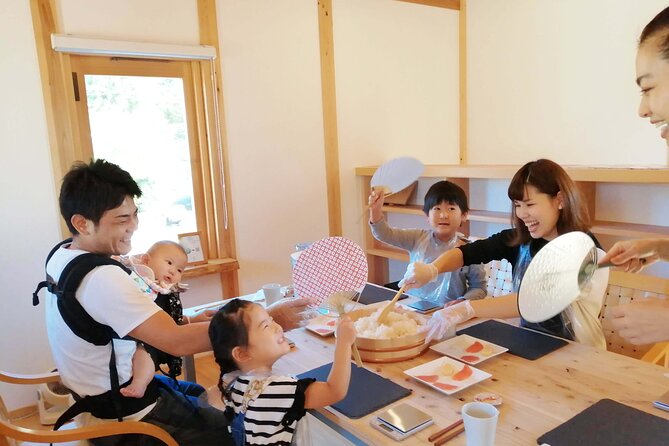
The workshop uses premium fresh fish and carefully selected local ingredients. That matters, because sushi is brutally honest about quality. If the fish is mediocre, seasoning and technique can only do so much.
The class also gives you a chance to understand something restaurants often do well but rarely explain. Fresh ingredients let even simple combinations taste clean and balanced. You notice the difference between bland and well-seasoned rice, between dry and properly prepared pieces, and between messy rolls and tight, even ones.
If you are used to sushi that already tastes perfect, you might think the big skill is “how to slice fish.” Here, the emphasis is on technique you can actually learn, shape, and control at home, especially rice, nigiri forming, and rolling maki.
The meal at the end: you eat, you learn, you leave satisfied
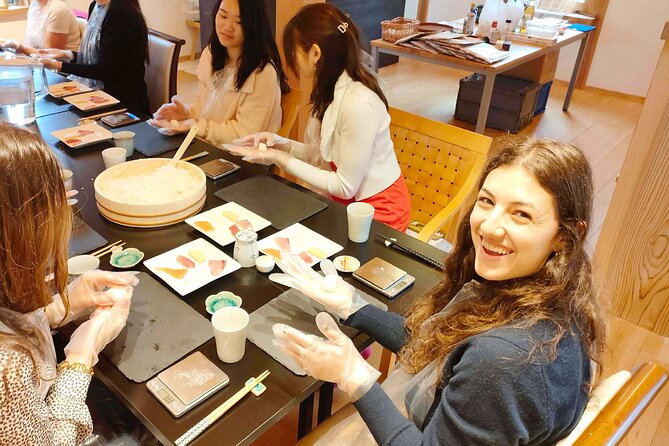
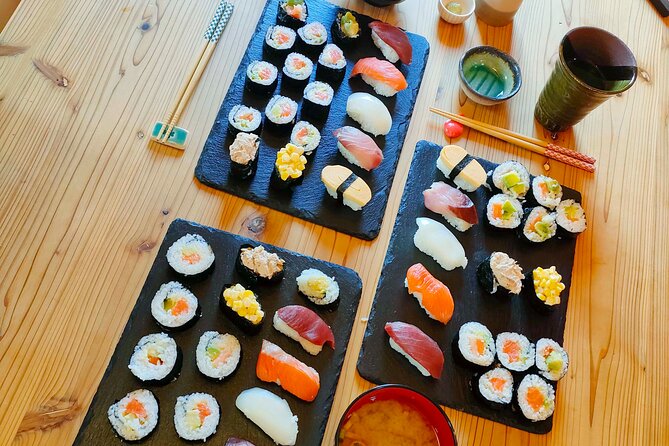
This class ends the way you want: you eat what you make. Depending on your workshop time, that meal is served as lunch or dinner. The portion is substantial enough that many people mention they do not leave hungry, which is a big deal at $69.64.
Also, this isn’t a “here’s sushi, now go.” The meal functions like part of the lesson. You can compare your work to what you think sushi should taste like, and then you understand what to adjust next time.
If you are planning your Kyoto schedule, treat this as a real food anchor. You’ll be in the area near Kiyomizu-dera and Gion, and you can plan other sightseeing after, rather than looking for a late snack to patch an empty stomach.
Language, teaching style, and the advantage of small-group feedback
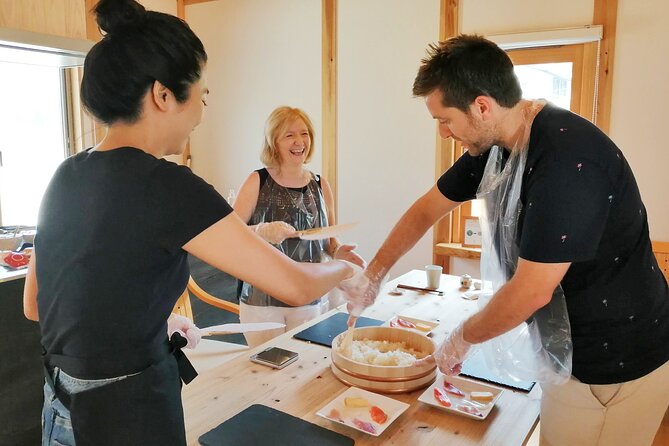
A key detail: the class is conducted in English, with a Japanese instructor leading. That makes it much easier to ask direct questions in plain language and get corrections you can act on right away.
One reason people rave about this place is the teaching tone. Kana is repeatedly described as patient and encouraging, and her husband often serves as an assistant during the session. That combination helps a lot when you are trying to learn muscle memory for shaping and rolling.
Also, the class comes with cultural context. Beyond sushi technique, you may hear stories and Japanese culture notes, plus travel tips for Kyoto. That makes it feel less like a cooking errand and more like a conversation in the middle of your trip.
Price and value: what you truly get for $69.64
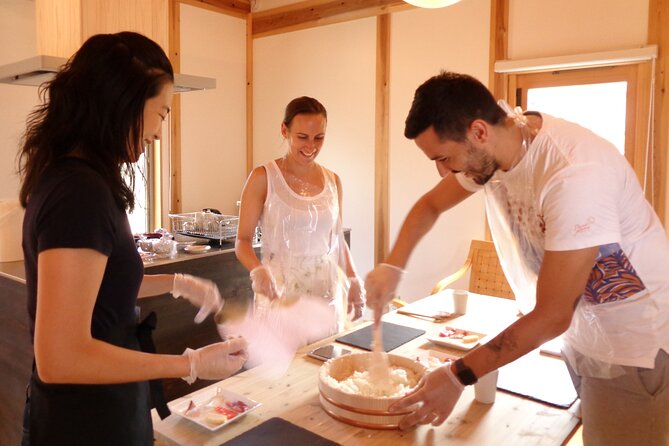
At $69.64 per person, you’re not just paying for “an activity.” You are paying for:
- A hands-on workshop with an instructor who can correct your technique
- A small group size that keeps the lesson personal
- Premium fresh fish and local ingredients
- A full sushi meal at the end (lunch or dinner)
- Apron and gloves
- Coffee and/or Japanese tea
- Plus take-home items and class materials mentioned by participants, like notes and sushi tools
If you compare this to the cost of sushi plus a lesson, it often feels like the lesson cost is “baked in,” especially because you leave with meal value and the practical tools to try again.
The real value is confidence. When the instructor shows you how to season rice and shape nigiri, you’re taking home technique, not just tasting a one-time meal.
Dietary needs: what is and is not listed
The tour information is clear about one limitation: there is no vegetarian or vegan option listed.
However, the experience is also described as accommodating for some allergies in prior classes, including gluten and shellfish allergies. If you have dietary restrictions, it’s smart to message in advance so they can confirm what they can safely adjust for your situation.
If you avoid raw fish entirely, the workshop is centered on sushi with fresh fish, so you should consider whether you’re comfortable with that format.
Practical tips so you enjoy the class, not just survive it
Here are a few ways to make your sushi-making day smoother in Kyoto.
Come hungry, but not rushing. You’ll be making sushi and eating it. Many people specifically note it is a lot of food, so plan your day around this as a main meal.
Ask questions as you go. Because the group stays small, it’s a good moment to clarify rice handling, how firm to shape nigiri, or what makes a roll look clean.
Treat it like a craft, not a performance. The best results come when you slow down your hands and trust the technique you’re being taught. Sushi looks casual, but it’s precise.
Fit it early in your Kyoto trip if you can. One practical tip from participants is to take the class early, because the hosts often share advice for the rest of your stay.
Plan your timing around the meeting point area. You’ll meet at Atelier SUSHI and return back there at the end. Since it’s near public transportation, you can keep your schedule flexible, especially if you’re bouncing between Kiyomizu-dera and Gion.
Who this Kyoto sushi class is perfect for
This is a great match if you want a hands-on experience without a huge group and without feeling lost.
I’d recommend it for:
- Couples who want a shared activity with real food payoff
- Solo travelers who want a guided table experience and easy conversation
- Families who have a child interested in sushi, since it is interactive and focused on doing
- Food lovers who want technique, not just tasting
It might be less ideal if:
- You need a vegetarian or vegan option (none is listed)
- You cannot eat sushi with fresh fish or raw preparations
Should you book Atelier SUSHI311 in Kyoto?
If your goal is to learn how to make sushi you can repeat, I’d book it. The 8-person limit, the English-speaking guidance, and the fact that you practice nigiri and maki before eating the meal are the big reasons it feels like real value.
Book it especially if you want a quieter, craft-focused Kyoto experience in a restored historic townhouse, close to Kiyomizu-dera and Gion. If you have dietary needs, send a note ahead and confirm what adjustments are possible for your situation.
If you are comfortable with fish-based sushi and you’re okay with no vegetarian or vegan option, this class is one of the most practical “Kyoto memories” you can turn into a skill you use later.
FAQ
How many travelers are in the small-group class?
The class has a maximum of 8 travelers, which keeps the experience intimate.
How long is the sushi-making workshop?
The duration is about 1 hour 30 minutes.
Is the class taught in English?
Yes, it is conducted in English.
What sushi types will I learn to make?
You will learn sushi-making techniques including nigiri and rolling maki.
Do I eat the sushi I make?
Yes, the sushi meal is included and you enjoy the sushi you prepare at the end of the class.
What’s included in the price?
Included items are the hands-on sushi-making workshop, a sushi meal (served as lunch or dinner depending on time), an English-speaking instructor, a small-group setting, apron and gloves, and coffee and/or Japanese tea.
Is there a vegetarian or vegan option?
No vegetarian or vegan option is listed as included.
Where does the class meet?
The meeting point is Atelier SUSHI, 311-1 Kitatōryōchō, Higashiyama Ward, Kyoto, 605-0918, Japan.
Can I cancel for a full refund?
Yes. Free cancellation is available, and you can cancel up to 24 hours in advance for a full refund.
Newly listed around Kyoto
- Taste of Nishiki Market Walking Food Tour with Local guide★ 5.0 · 17 reviews
- Kyoto: Sushi Making Class with Sushi Chef★ 4.8 · 64 reviews
- Simple Plan with Maiko★ 4.4 · 10 reviews
- Shibori Furoshiki Course at Kyoto Shibori Museum★ 5.0 · 21 reviews
- Kyoto: City Secrets eBike Tour★ 4.9 · 196 reviews
- Sacred Pathways: Discover the Philosopher’s Path of Kyoto★ 4.9 · 20 reviews
- Private Tour to Monkey Park and Arashiyama Highlights★ 5.0 · 22 reviews
- Private Nara Tour from Osaka – Meet at Your Hotel★ 5.0 · 22 reviews
Sushi Cooking Workshops, compared.
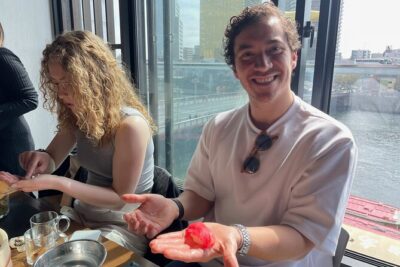
Sushi Making Tokyo Roll and Authentic Japanese Sushi Class
Read our review →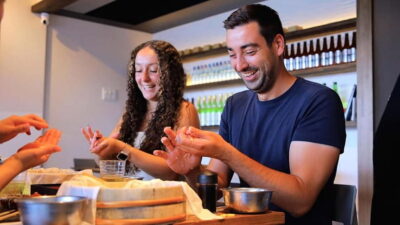
Roll and Authentic Sushi Making Class in Asakusa
Read our review →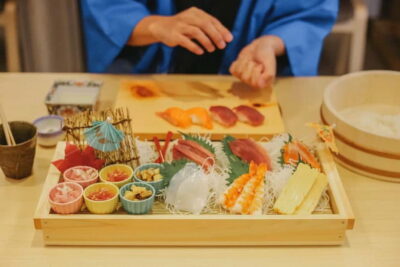
Sushi Making Class in a Happi Coat near a Famous Spot
Read our review →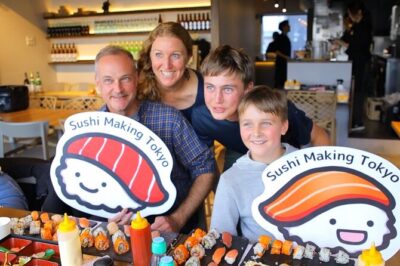
Sushi Making Tokyo! Popular Maki Sushi & Japanese Sushi(+Recipe!)
Read our review →
Tokyo Sushi Making Class in Tsukiji with Professional Chef
Read our review →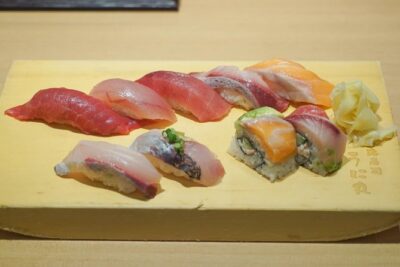
Tokyo Night Foodie Tour in Shinjuku – Seasonal Sushi, Wagyu Beef
Read our review →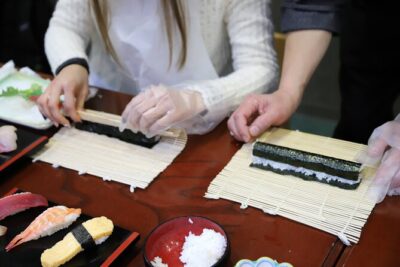
Tsukiji Fish Market Guided Tour and Sushi Making with Pro Chef
Read our review →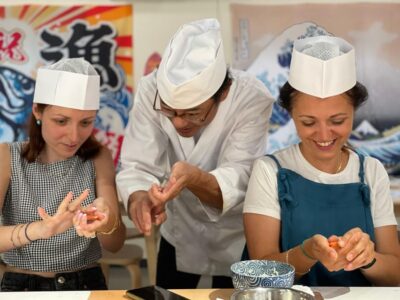
Tsukiji Fish Market Sushi Making Class with Pro Chef
Read our review →Browse the lists this tour appears in