
Review · MATCHA & TEA CEREMONY SESSIONS
Kyoto: Mindful Tea Ceremony in 100-Year-Old Teahouse
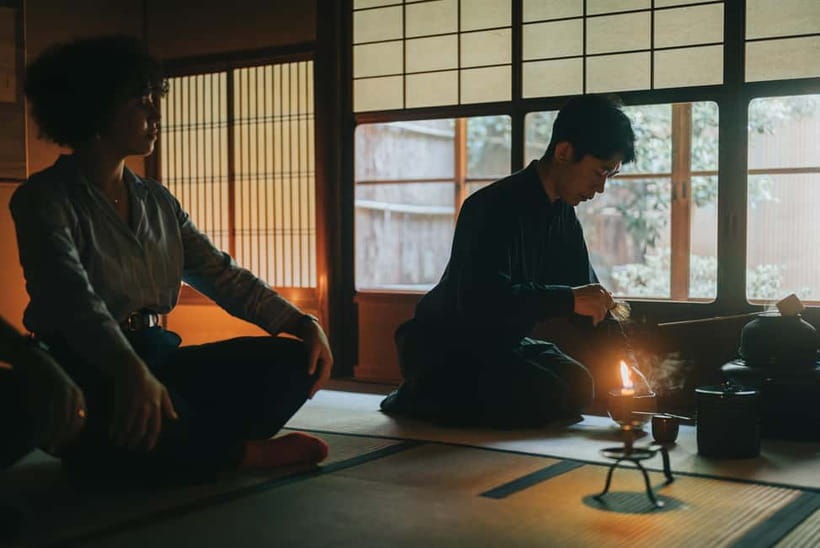
Candlelight slows Kyoto down. This 45-minute matcha experience in a 100-year-old teahouse uses low light, quiet focus, and gentle pacing so you feel your shoulders drop fast.
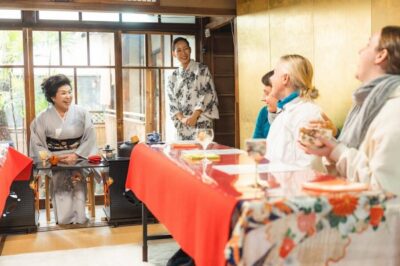
I love the way the host team, like Naoki or Taku, brings the tradition to life in English without turning it into a stiff test. You get to watch the steps up close, then enjoy your own bowl of matcha in a calm, candlelit room, but the only real drawback is timing, you will not be allowed in if you arrive more than 10 minutes late.
I also like that the atmosphere does most of the work for you, minimal décor, soft candlelight, and even small sensory cues like simmering water and the scent of matcha. If you hate silence or you need a lot of action and sightseeing during a short stop, this may feel more peaceful than fun.
In This Review
- Key moments that make Oboro special
- Kyoto mindful tea ceremony in a 100-year-old teahouse, why it feels different
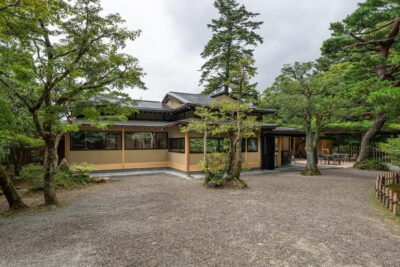
- Stepping into Oboro: candlelight, garden views, and minimal distractions
- The 45-minute structure: how the short time stays meaningful
- Welcome tea and seasonal sweets: setting your mood before the main matcha
- Main tearoom flow: utensil purification, matcha whisking, and a calm tasting
- A summer note: chilled water and ice
- How to get the most out of your matcha sip (even if you are new)
- Price and value: what $45 buys in Kyoto
- Who should book Oboro, and who should skip it
- Practical tips so your ceremony goes smoothly
- Should you book this Kyoto mindful tea ceremony?
- FAQ
- How long is the tea ceremony?
- How much does it cost?
- Is the instruction offered in English?
- What is the group size?
- What should I wear and bring?
- Are photos allowed during the ceremony?
- Do I need to arrive early?
- What happens if I am late?
- Is smoking allowed?
- Is the ceremony different in summer?
- Is this activity suitable for young children and wheelchair users?
Key moments that make Oboro special

- Candlelit calm in a 100-year-old teahouse: harsh overhead lighting is replaced by warm light.
- A small group, max 8 people: the pacing stays relaxed and personal.
- Easy guidance for newcomers: you observe matcha preparation without strict “do this perfectly” pressure.
- Sensory focus that feels real: you notice water sounds, utensil care, and the aroma before you sip.
- Welcome sweets plus matcha: your first taste comes with seasonal sweets.
- A take-home handmade candle: the calm does not end when the session does.
Kyoto mindful tea ceremony in a 100-year-old teahouse, why it feels different
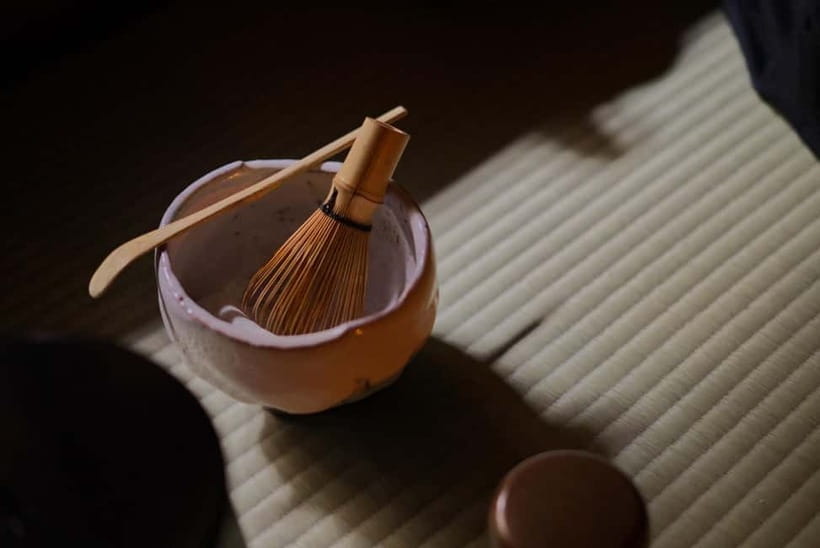
If Kyoto sometimes feels like a nonstop checklist, this tea ceremony is a quick reset. The whole experience leans on attention, not performance, so even if you are not a matcha person, you are guided to slow down and notice what is in front of you.
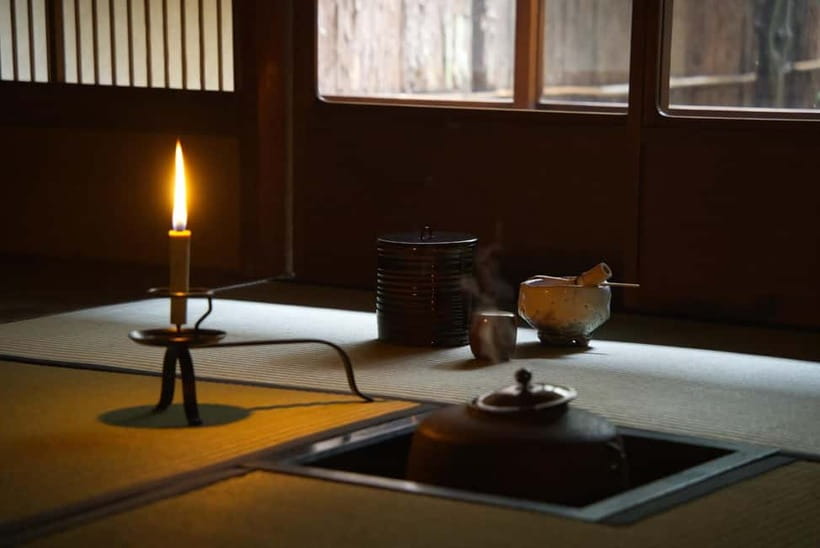
The big “wow” is the setting. Oboro keeps the room intentionally quiet and dim, so you naturally shift from street mode to sitting mode. One recent highlight was the calming effect of candlelight paired with a garden view through a window, which makes the room feel softer and more timeless.
More Tea Ceremonies in Kyoto
- Kyoto: Tea Ceremony in a Traditional Tea House in Kiyomizu
★ 4.9 · 3,519 reviews - Kyoto: Tea Ceremony Ju-An at Jotokuji Temple
★ 4.9 · 3,207 reviews - Kyoto: 45-Minute Tea Ceremony Lesson Experience
★ 4.3 · 2,378 reviews
Stepping into Oboro: candlelight, garden views, and minimal distractions
You arrive and enter a softly lit room where candlelight replaces harsh overhead light. That change matters more than it sounds. Bright rooms make you rush, but warm, low light signals your brain to settle.
Another detail worth your attention is the way the teahouse itself supports the mood. Reviews mention traditional interior space and the feeling of stepping back in time, but the modern benefit is practical too: fewer distractions, clearer focus. Even the gentle soundscape helps, like the soothing water simmering and the faint aroma of matcha hanging in the air.
You might also see the flow staged across different spaces during the ceremony. One account described a three-room approach that mirrors phases of the experience. Even if your session uses fewer visible “stops,” the pacing still feels like a journey instead of a single, rushed demo.
The 45-minute structure: how the short time stays meaningful
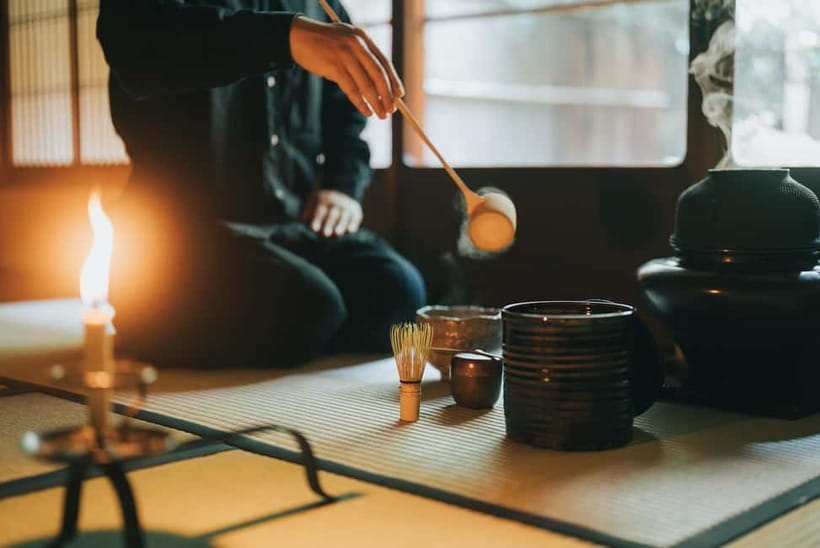
This is not a long, multi-hour production. It is 45 minutes, in a small group limited to 8 participants. That short length is a real value in Kyoto, where your day is often packed tight.
Here is how the time typically unfolds, and why it works:
- You start with a welcome and a quick intro to the flow.
- You then enjoy a welcome tea with seasonal sweets.
- Next comes the main tearoom, with quieter attention on matcha preparation and tasting.
- You finish with a small handmade candle to take home.
The pace is mindful, not slow for the sake of slow. You will notice you are given time to observe, to ask questions if you want, and to taste without feeling pressured to “get it right.”
Welcome tea and seasonal sweets: setting your mood before the main matcha
Your session begins with that first drink plus sweets. You may think of tea as the main event, but this warm-up changes how you experience the matcha that follows. The host will greet you and (if needed) help with storing belongings, then bring you into the ceremony rhythm.
The welcome sweets are seasonal. That matters because you are not eating something generic that could belong anywhere. It is part of the “today” feeling of the ceremony, and it gives your palate a gentle baseline before the matcha.
In practice, this first step also helps you settle physically. You get comfortable on your seats, you look around without being rushed, and you start breathing with the room instead of the city.
A different sort of day in Japan:
- PERFECT KYOTO 1-Day Bus Tour
★ 5.0 · 13,518 reviews - Kyoto: Fushimi Inari, Kinkakuji, Bamboo Grove 1 Day Bus Tour
★ 4.8 · 4,316 reviews - Kyoto Geisha Walking Tour: Gion District & Hidden Gems
★ 4.7 · 3,273 reviews - Kyoto: Gion Geisha District Walking Tour – Stories of Geisha
★ 4.7 · 2,187 reviews
Main tearoom flow: utensil purification, matcha whisking, and a calm tasting
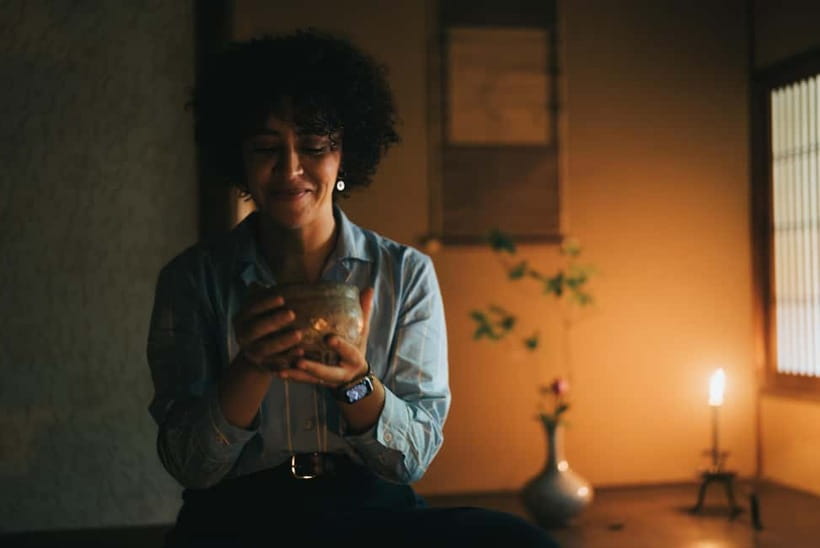
After the welcome, you move into the main tearoom. This is where the experience leans most into quiet senses. The décor stays minimal, so details pop more clearly, like the look of the bowl, the motion of the whisk, and the aroma before you drink.
What you will actually watch and learn includes:
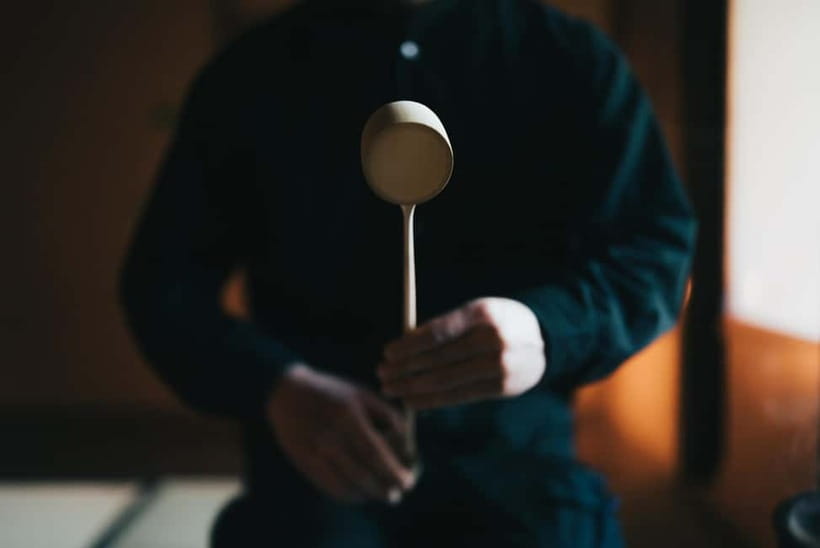
- The host purifies utensils before making tea.
- Matcha is whisked and presented with a graceful bow.
- You lift the bowl gently and savor the tea’s nuanced taste.
You are not expected to be an expert to enjoy this. The ceremony has roots in tradition, but the guidance style is gentle. People often love this part because it feels respectful without being intimidating.
One of the best practical cues is to focus on smell and warmth. The matcha is often served warm, and that warmth helps you stay present. Before the first sip, pause for a moment and notice how the scent changes once the bowl is in your hands.
A summer note: chilled water and ice
If you are visiting in summer, the ceremony may use chilled water and ice. That variation can change the texture and taste impression, so think of it as part of the season rather than a “different rule.”
How to get the most out of your matcha sip (even if you are new)
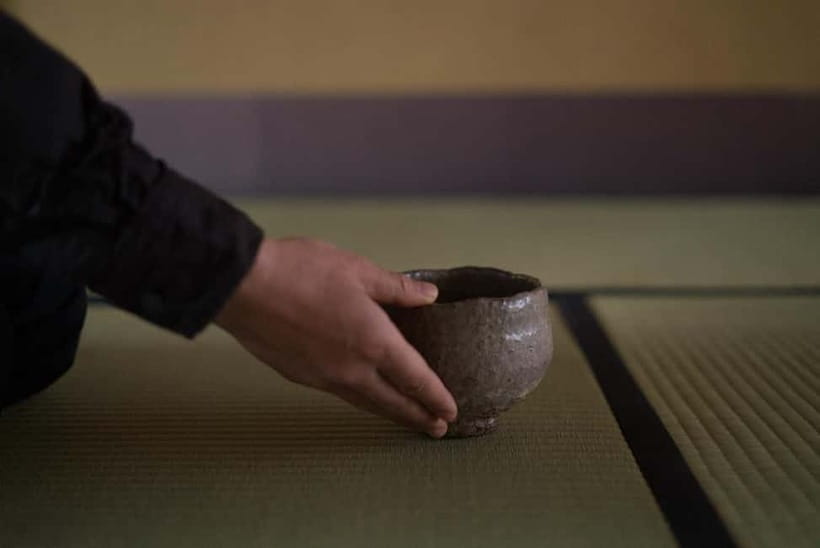
Matcha can be intimidating if your only experience is sweet, pre-bottled versions. The good news is that this ceremony gives you a clean, more nuanced first impression.
To enjoy your bowl, use this simple approach:
- Take a breath before you lift the bowl.
- Watch the surface and notice the texture.
- Sip slowly. Let the flavor build instead of hitting you all at once.
- Between sips, pause and check in with your body, warm bowl in hands, quiet room around you.
Some participants have described matcha as smooth and even mentioned a cold welcome green in their session. That lines up with why a ceremony tasting can convert people who were not sure about matcha, because you are experiencing quality and method, not just the ingredient.
Price and value: what $45 buys in Kyoto
At $45 per person for 45 minutes, this is not a “budget food stop.” But it is also not overpriced for what you receive in a city like Kyoto where short experiences can cost more.
Here is what the price actually covers:
- Expert instruction in English
- All necessary tea ceremony equipment
- Seasonal sweets
- Candlelight matcha experience
- A small handmade candle take-home gift
When you look at it this way, you are paying for a guided, small-group cultural moment with included materials and a souvenir. You are also getting a break from the noise of sightseeing. For many people, that mental reset is the main value, because it changes the tone of the rest of the day.
One small thing to plan around: meals are not included. If you want a full dinner, you will need to schedule food before or after.
Who should book Oboro, and who should skip it
This works best for:
- People who want a calm, indoor cultural experience in the middle of busy Kyoto days
- Anyone who likes mindfulness and slow attention
- Couples and solo travelers who value quiet time
- First-timers who want tradition explained clearly in English
It may not be ideal for:
- Children under 6 years
- People with back problems (you will be seated and asked to maintain quiet)
- Wheelchair users (the format requires restrictions mentioned for wheelchair access)
Also, be honest with yourself about silence. This is a quiet environment, and you are expected to maintain that.
Practical tips so your ceremony goes smoothly
A few details can make or break the experience, so lock these in early.
Arrive 10 minutes early. You will not be allowed to enter if you are more than 10 minutes late. Kyoto can be busy, and lines or walking time add up.
Wear comfortable clothes and socks. Socks are required because shoes must be removed. Plan for it to be more like sitting than standing.
Photography rules are simple. You can take photos without flash, and flash photography is not allowed. Smoking is also not allowed.
Keep the room quiet. The ceremony environment is designed for silence. If you have questions, you can ask, but keep your voice soft and your timing respectful.
For the meeting point, search on Google Maps for Oboro: Mindful Tea Ceremony. It makes finding the entrance much easier than guessing from nearby streets.
Should you book this Kyoto mindful tea ceremony?
Yes, if you want a short, high-attention experience that gives you more than a photo. This is the kind of activity that teaches you how to slow down for real, not just how to watch someone else do something pretty.
Book it especially if:
- You are craving calm after temples, crowds, and long walks.
- You want English instruction plus a gentle introduction to traditional matcha culture.
- You like sensory experiences, candlelight, and quiet pacing.
Skip it if:
- You need an energetic, social atmosphere.
- You have mobility or seating concerns like back issues.
- You are likely to run late.
If you do book, show up early, wear socks, and treat the 45 minutes like a mini sanctuary. The take-home handmade candle is a nice bonus, but the better souvenir is the way the room trains your attention before you return to Kyoto’s pace.
FAQ
How long is the tea ceremony?
The experience lasts 45 minutes.
How much does it cost?
The price is $45 per person.
Is the instruction offered in English?
Yes, the instructor teaches in English.
What is the group size?
The group is limited to 8 participants.
What should I wear and bring?
Wear comfortable clothes and bring socks. Shoes must be removed.
Are photos allowed during the ceremony?
Photography is allowed, but flash photography is not allowed.
Do I need to arrive early?
Yes, arrive 10 minutes early to prepare.
What happens if I am late?
You will not be allowed to enter if you are more than 10 minutes late.
Is smoking allowed?
No, smoking is not allowed.
Is the ceremony different in summer?
In summer, the ceremony may use chilled water and ice.
Is this activity suitable for young children and wheelchair users?
Children under 6 years are not suitable, and wheelchair users are not suitable. People with back problems are also not suitable.
Newly listed around Kyoto
- One Day Private Customized Self-Guided Tour in Kyoto★ 4.2 · 11 reviews
- Nishiki Market Food Tour with Cooking Class★ 4.9 · 42 reviews
- Nara Optional:Kyoto Private Car Tour with Japanese Navigator★ 4.8 · 17 reviews
- Half Day Matcha Tour in Uji, home of culture, with a local★ 4.8 · 14 reviews
- Making Fresh To-fu from soybeans in Kyoto★ 5.0 · 8 reviews
- Let’s make only one original onigawara in the world!!★ 4.9 · 21 reviews
- Kyoto:Private Tour/Luxury Vehicle with Guide & photographer★ 4.8 · 35 reviews
- Kyoto/Osaka: Kyoto Coast, Amanohashidate & Ine Bay Day Trip★ 4.4 · 7 reviews
Matcha & Tea Ceremony Sessions, compared.
Tea Ceremony in a Traditional Tea House in Kiyomizu
Read our review →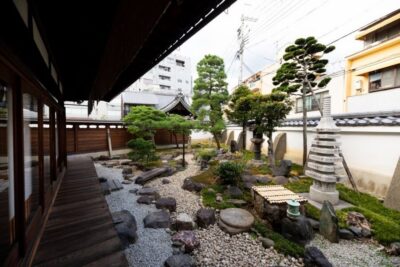
World Heritage Kyoto & Nara Uji Authentic Matcha Experience
Read our review →
Browse the lists this tour appears in