
Review · MATCHA & TEA CEREMONY SESSIONS
Kyoto: Nara & Traditional Matcha Experience Bus Tour
A single day, and your Kyoto trip suddenly feels bigger. You get World Heritage stops in Nara and Kyoto, then finish with hands-on matcha in Uji, the tea heartland.
What I like is the mix of big-ticket sights plus a calmer, local-feeling tea experience. You also get a professional English-speaking guide, with extra audio in multiple languages for clarity.
I especially like the way this route hits the Nara highlights in a smart order, without turning your day into a sprint. Todai-ji and Nara Park are the headline moments, and the guided context makes them easier to appreciate. The Uji matcha experience is not just sightseeing, you actually make the tea yourself.
One consideration: you’ll walk stairs and up hills, and this tour is not suitable for wheelchair users or people with mobility impairments. If you prefer flat, minimal-walking days, plan accordingly.
In This Review
- Key highlights you should care about
- Why this Kyoto to Nara and Uji day feels like a best-of combo
- Meeting at Tully’s Kyoto Avanti, then getting rolling early
- Coach comfort: Wi-Fi, ventilation, and a practical day setup
- The bus ride that quietly adds context
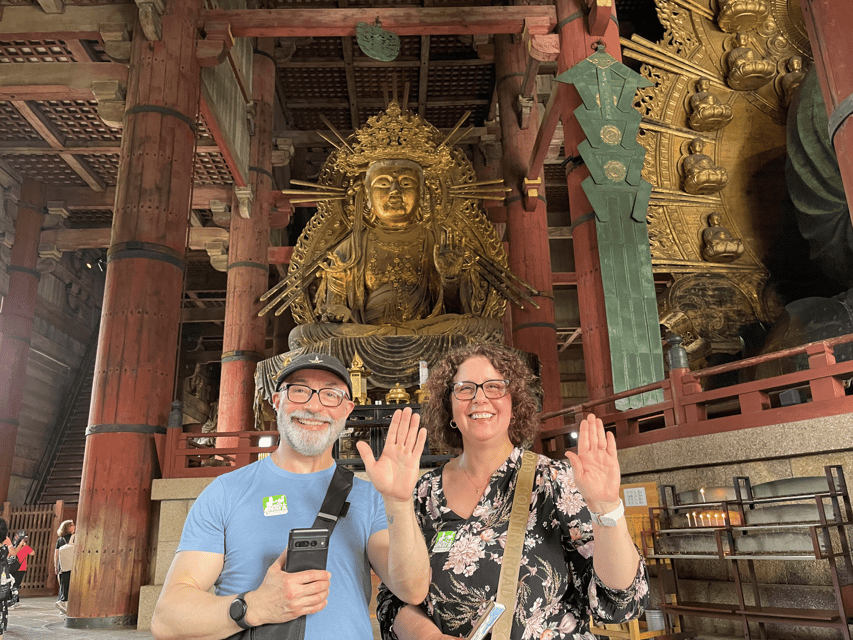
- Todai-ji Temple and the Daibutsuden Hall: your first big wow
- Nara Park deer time: fun, fast, and yes, watch your space
- Kasuga Taisha and the 3,000 stone lantern effect
- Lunch break in the middle: when the day needs fuel
- Byodoin Temple and the Phoenix Hall: the 10 yen coin moment
- Uji free time plus matcha making: the experience is more than tasting
- How the guides shape your day (At-chan, Mai, Nanami, and others)
- Price and value: about $122 for a structured day with real skills
- Timing, walking, and who this tour suits best
- Should you book this Kyoto Nara and Traditional Matcha bus tour?
- FAQ
- What is the meeting point and departure time?
- Is lunch included?
- What sites do you visit during the day?
- Does the tour include admission tickets?
- What languages are available for audio support?
- Is Wi-Fi available on the coach?
- Is the tour suitable for wheelchair users or mobility impairments?
Key highlights you should care about
- Todaiji Temple’s Daibutsuden Hall and the Great Buddha, inside one of the world’s largest wooden halls
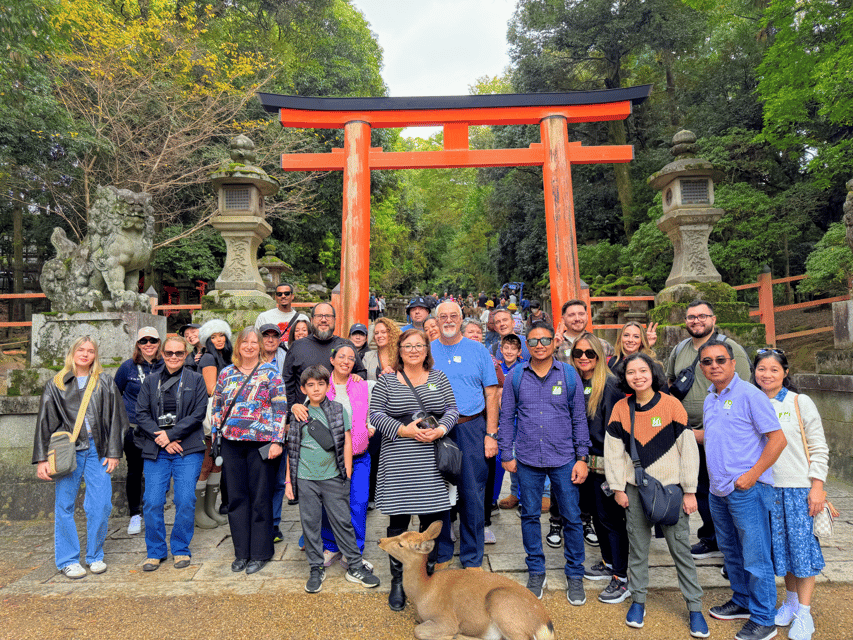
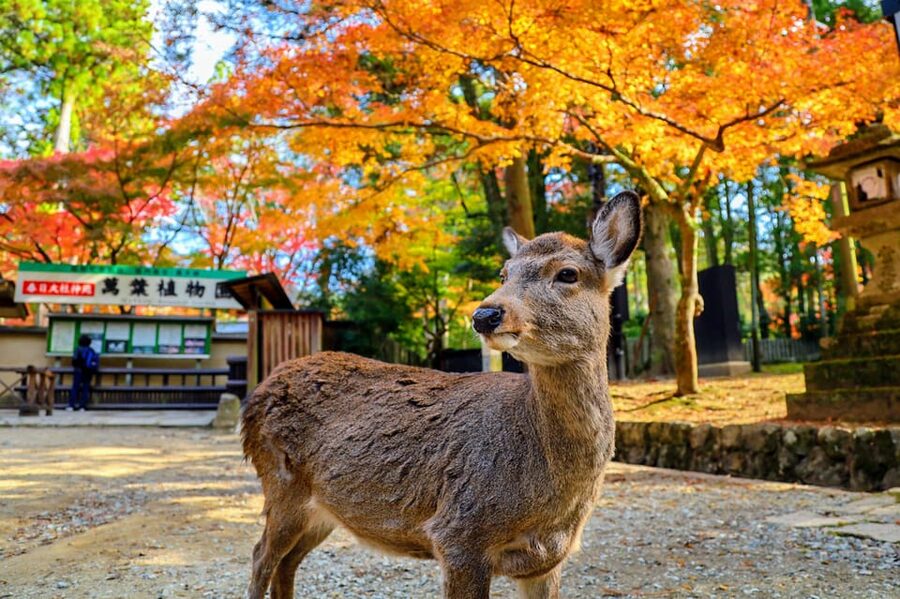
- Nara Park deer time with the classic experience of feeding them (yes, they can be bold)
- Kasuga Taisha’s 3,000 stone lanterns, the kind of sight you feel in your camera roll
- Uji matcha from scratch, with time for shopping in the area afterward
- Byodoin Temple and the Phoenix Hall, instantly recognizable from Japan’s 10 yen coin
- Guide-led day flow plus multilingual audio, so you can follow along even when you’re not listening closely
Why this Kyoto to Nara and Uji day feels like a best-of combo
This tour makes a strong case for doing Nara and Uji in one go. Nara gives you the grand temples and the deer park scene, while Uji adds something more personal: tea skills you take home as a memory, not just photos.
I also like the pacing logic here. You’re not only rushing from one “checklist” photo spot to the next. There’s a mix of guided time, plus breaks where you can breathe, eat, and look around.
More Tea Ceremonies in Kyoto
- Kyoto: Tea Ceremony in a Traditional Tea House in Kiyomizu
★ 4.9 · 3,519 reviews - Kyoto: Tea Ceremony Ju-An at Jotokuji Temple
★ 4.9 · 3,207 reviews - Kyoto: 45-Minute Tea Ceremony Lesson Experience
★ 4.3 · 2,378 reviews
Meeting at Tully’s Kyoto Avanti, then getting rolling early
Check in is at 7:50 AM at Tully’s Coffee, Kyoto Avanti Store, in front of the shop. The bus leaves at 8:00 AM, which matters because it helps you reach the busiest spots before the crowds fully lock in.
The meeting point is convenient if you’re already near Kyoto Station. It also means you avoid hotel transfers, which keeps the schedule tighter and the day simpler.
Coach comfort: Wi-Fi, ventilation, and a practical day setup
You travel by air-conditioned coach with free Wi-Fi. The bus has an antibacterial coating and is regularly ventilated, which is a small comfort factor when you’re spending most of the day on the road.
This matters more than it sounds. When you’re out from morning to late afternoon, you want the ride to feel like “transport” instead of “punishment.” The extra audio support also helps on the longer travel legs.
The bus ride that quietly adds context
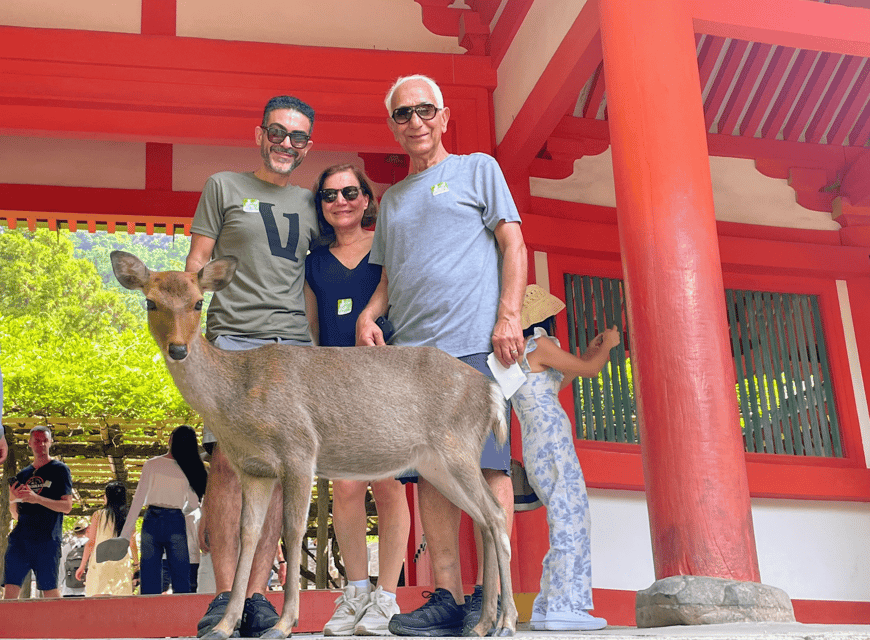
Before you dive into Nara, the coach passes by Fushimi Castle and Heijokyo palace on the way. Even if you never step inside, it gives your day a broader Kyoto background, so the later temple stories land better.
Think of this as the warm-up. It’s not the main event, but it helps you connect the dots between eras and locations.
A different sort of day in Japan:
- PERFECT KYOTO 1-Day Bus Tour
★ 5.0 · 13,518 reviews - Kyoto: Fushimi Inari, Kinkakuji, Bamboo Grove 1 Day Bus Tour
★ 4.8 · 4,316 reviews - Kyoto Geisha Walking Tour: Gion District & Hidden Gems
★ 4.7 · 3,273 reviews - Kyoto: Gion Geisha District Walking Tour – Stories of Geisha
★ 4.7 · 2,187 reviews
Todai-ji Temple and the Daibutsuden Hall: your first big wow
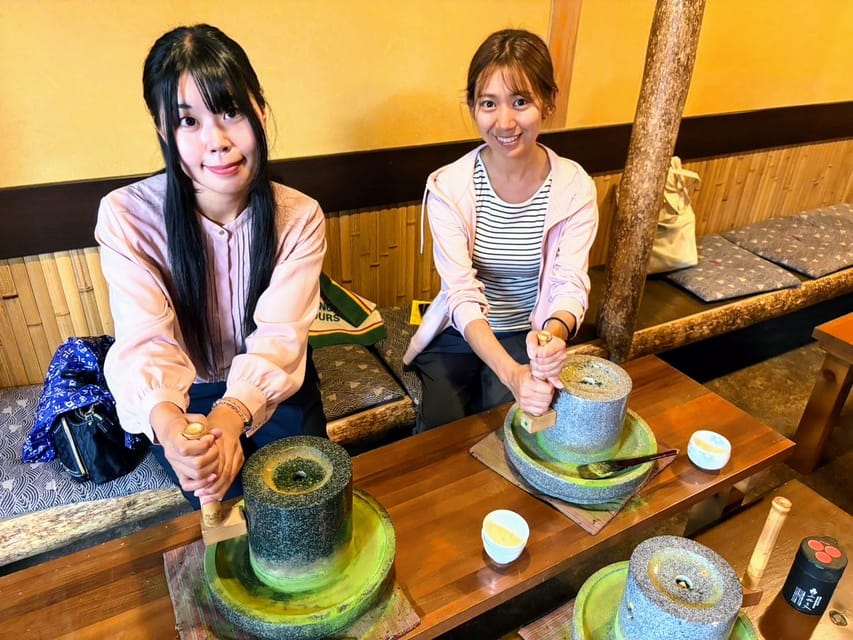
Todai-ji is the start of your Nara centerpiece time, with about 50 minutes on site. The complex centers on the Daibutsuden Hall, which houses the Great Buddha of Nara. This hall is famous for its scale, and standing in that space shifts the whole mood of your visit.
I love how the guide’s commentary makes the place more than a “big statue photo.” You get a clearer sense of what you’re looking at and why it mattered enough to become one of the World Heritage Sites.
Practical note: plan to climb stairs and move on uneven temple paths. Comfortable shoes really are non-negotiable here.
Nara Park deer time: fun, fast, and yes, watch your space
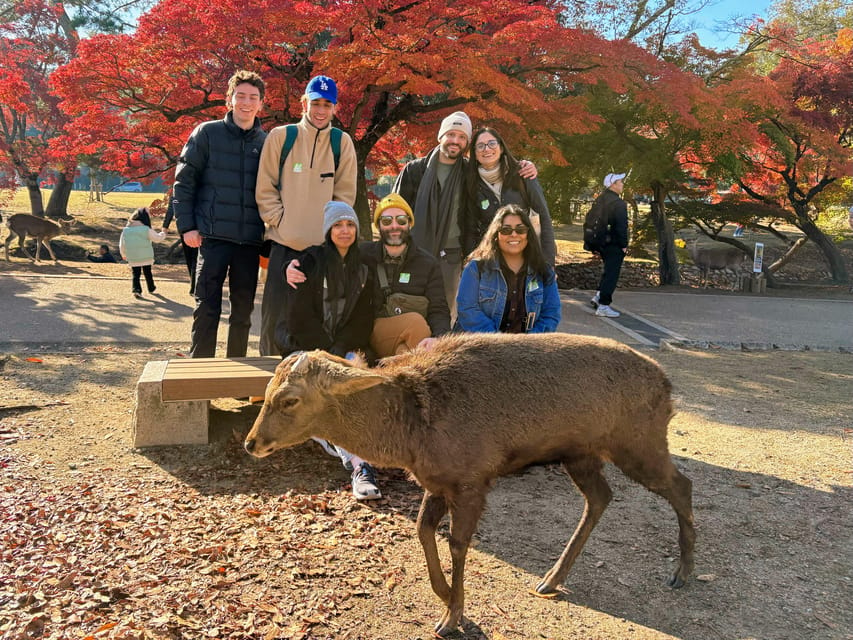
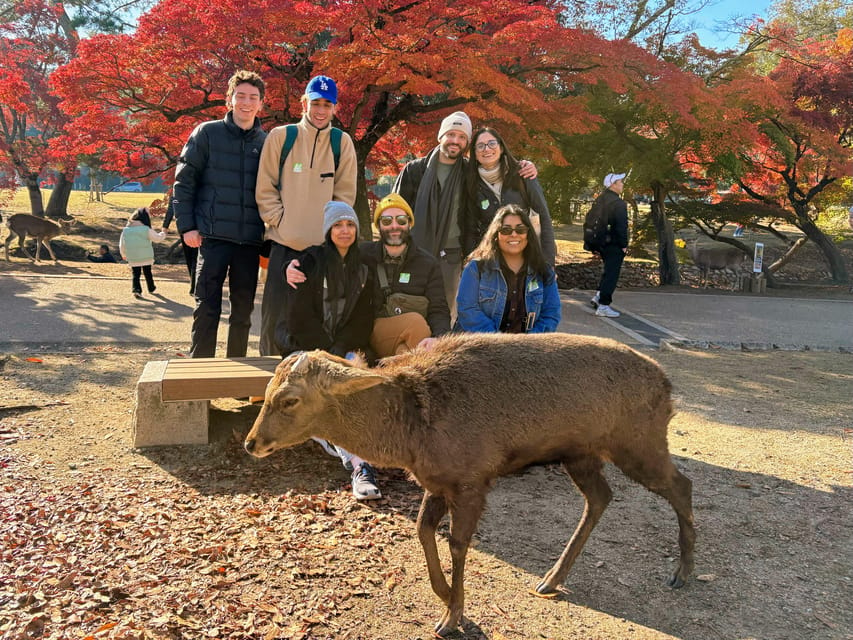
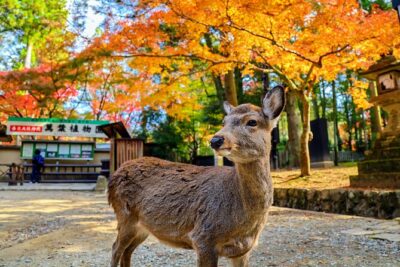
Right next to Todai-ji, you step into Nara Park with about 30 minutes. The deer are part of the identity of this area, and the experience is a lot more memorable when you’re not treating it like a photo shoot from behind a fence.
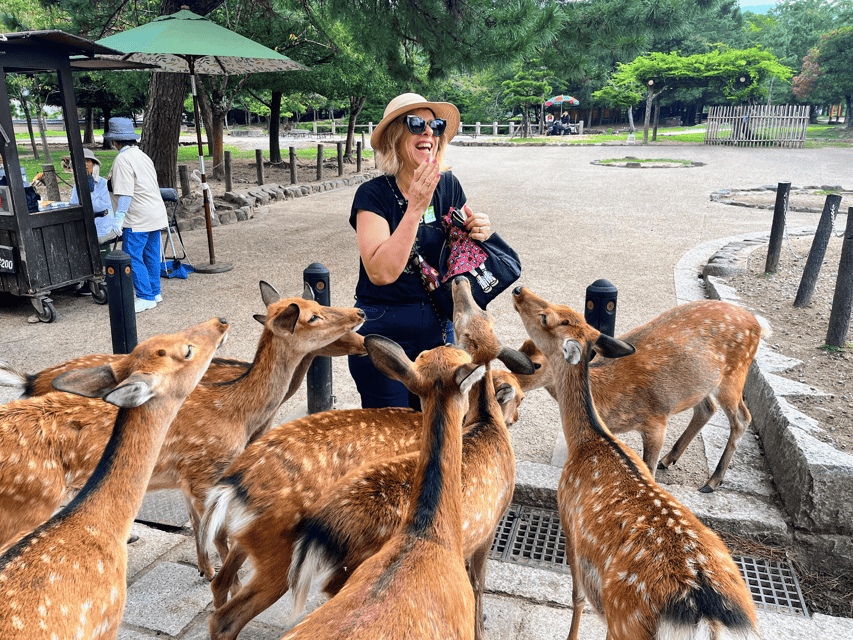
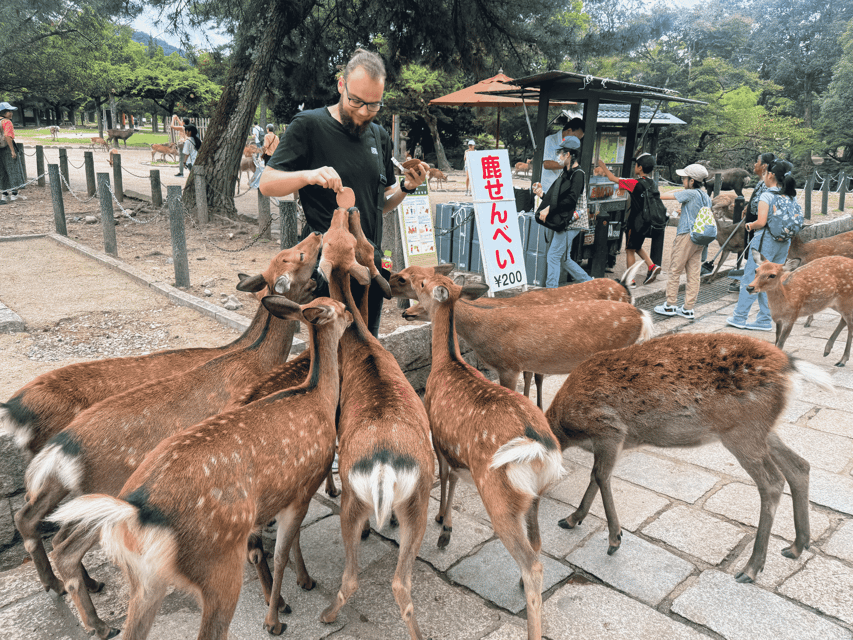
You’ll be able to purchase rice crackers at roadside stalls and along the shrine approaches. When you feed them, they may bow, which feels like the most polite version of chaos Japan can deliver.
One caution from real experience: be careful. Deer can bite, and they can get quick when they think you have food. Keep your hands close, stay alert, and don’t act like it’s a petting zoo.
Kasuga Taisha and the 3,000 stone lantern effect
After Todai-ji and the deer park moment, you head to Kasuga Taisha Shrine for about 30 minutes. The highlight here is the 3,000 stone lanterns, which create that otherworldly atmosphere even if you only have a short window.
This is one of those spots where even a tight schedule works. A guided route helps you see the lantern areas efficiently, and you can still pause for photos without feeling rushed.
If you’re sensitive to crowds, use your time intentionally. Walk slower, pick a lantern viewpoint, then let the shrine paths work their magic.
Lunch break in the middle: when the day needs fuel
Your lunch stop runs about 50 minutes at a local restaurant. If you booked the lunch option, you’ll get a Japanese lunch.
I like having food built into the schedule, because Nara and Uji can be tough if you try to wing it. If you have dietary needs, vegetarian arrangements can be made up to two days before your tour date. Last-minute vegetarian requests may receive the regular meal.
Byodoin Temple and the Phoenix Hall: the 10 yen coin moment
Next up is Byodoin Temple with about one hour on site. This is where you’ll see the Phoenix Hall, the one depicted on Japan’s 10 yen coin. Seeing the real building gives you a totally different appreciation for the icon.
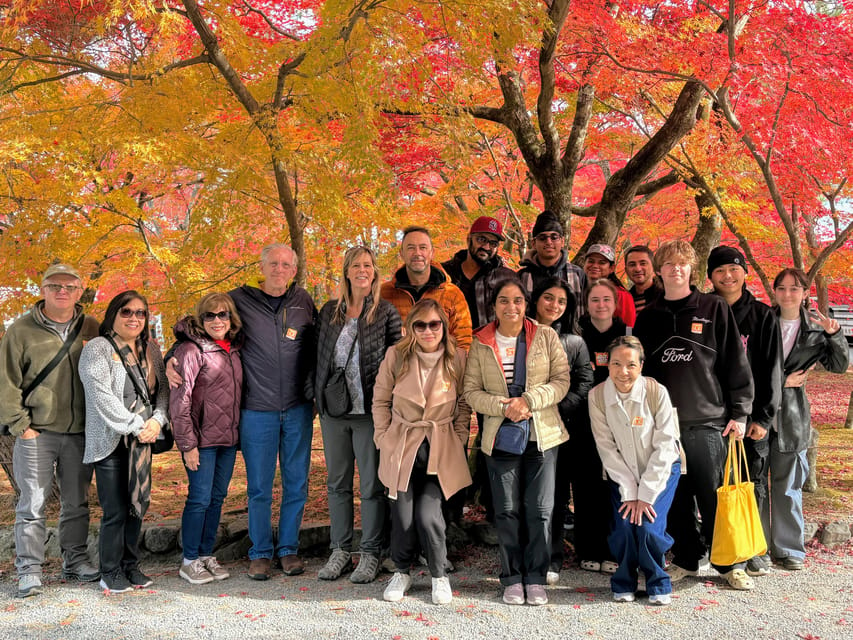
Byodoin is also registered as a World Heritage Site as part of the Historic Monuments of Ancient Kyoto. Your guide’s explanation helps you connect what you’re seeing to the bigger story, so it doesn’t feel like a quick stop for a single landmark.
Uji free time plus matcha making: the experience is more than tasting
Uji is the tea centerpiece, and it’s where the day changes pace. You get about 70 minutes for free time and the matcha experience, with time to explore the area afterward.
The matcha part is hands-on. You make matcha from scratch, using finely ground green tea leaves. Matcha in Japan isn’t only for formal tea ceremonies, it’s also used in sweets and cooking, so you’ll get that wider sense of how the tea fits into daily life.
What to look for during your shopping time: small shops and snack spots around the matcha area where you can buy souvenirs. If you want tea for gifts, Uji is an easy place to shop because it’s all themed around what you just learned.
How the guides shape your day (At-chan, Mai, Nanami, and others)
This tour’s best repeat theme is guide quality. The day runs smoothly because the guide is not only explaining sights, they’re managing timing and group flow so you have time to actually enjoy each stop.
Names that pop up often include At-Chan and Rino, who are described as friendly and helpful, plus Mai and Nanami, known for clear explanations and engaging energy. There’s also Yuta, Tsubasa, and Harry mentioned in connection with strong organization and cultural context.
A few specific behaviors to pay attention to if your guide does them:
- short Japanese phrase tips during bus rides, including basic counting and simple words
- visual explanations that make temple and shrine concepts easier to grasp
- extra personal care if someone seems overheated, like borrowing a neck fan when it gets hot
These moments are small, but they’re exactly what turn a group tour into something you’ll remember.
Price and value: about $122 for a structured day with real skills
At $122 per person for roughly 510 minutes (about 8.5 hours), you’re paying for a structured day with guided narration, admission fees, and a paid matcha workshop.
Here’s what makes the value feel real:
- Admission is included for Todai-ji and Byodoin, which can otherwise be a budget hit
- The matcha experience in Uji is included, and it’s not just watching
- You get transport on an air-conditioned coach with Wi-Fi, plus audio headsets for multiple languages
- You’re skipping the ticket line, which saves time when sites are busy
If you’re the kind of traveler who likes clarity and a plan, this price starts to make sense fast. If you prefer total freedom, you might find cheaper DIY options. But DIY usually means more time spent figuring out routes, timing, and buying tickets.
Timing, walking, and who this tour suits best
This is a full-day circuit with multiple stops and some walking up stairs and hills. Even with guided pacing, your body will do some work by the end.
I think it suits:
- first-timers who want the major highlights without stress
- families who want a guided structure, though you still need comfortable walking
- food and culture lovers who want matcha-making, not only tea tasting
It’s not suitable for wheelchair users or people with mobility impairments.
If you’re visiting in warmer months, bring water and use the free time strategically, so you’re not stuck thirsty near shop streets.
Should you book this Kyoto Nara and Traditional Matcha bus tour?
If you want a single-day hit of Nara landmarks plus a memorable Uji matcha workshop, I’d book it. The strongest reason is the mix: big iconic temple moments paired with an actual skill activity that feels personal.
I’d especially recommend it if you:
- like the idea of World Heritage sights with guided context
- want deer park time but prefer going with a guide for flow and safety tips
- care about tea culture enough to learn how matcha is made
Skip it, or at least think twice, if you hate walking hills and stairs or you need a more accessible route.
FAQ
What is the meeting point and departure time?
You meet in front of Tully’s Coffee (Kyoto Avanti Store), and check-in is at 7:50 AM. The bus departs at 8:00 AM.
Is lunch included?
Lunch is included only if you selected the lunch option. The lunch stop runs about 50 minutes.
What sites do you visit during the day?
You visit Todai-ji, Nara Park, Kasuga Taisha Shrine, Byodoin Temple, and the Uji area for the matcha experience.
Does the tour include admission tickets?
Yes. Admission fees for Todai-ji and Byodoin Temple are included.
What languages are available for audio support?
English is available through the live guide, and audio headsets are available in Spanish, French, Italian, German, Portuguese, and Ukrainian.
Is Wi-Fi available on the coach?
Yes. The air-conditioned coach includes free Wi-Fi.
Is the tour suitable for wheelchair users or mobility impairments?
No. The tour is not suitable for wheelchair users or people with mobility impairments.
Newly listed around Kyoto
- Taste of Nishiki Market Walking Food Tour with Local guide★ 5.0 · 17 reviews
- Kyoto: Sushi Making Class with Sushi Chef★ 4.8 · 64 reviews
- Simple Plan with Maiko★ 4.4 · 10 reviews
- Shibori Furoshiki Course at Kyoto Shibori Museum★ 5.0 · 21 reviews
- Kyoto: City Secrets eBike Tour★ 4.9 · 196 reviews
- Sacred Pathways: Discover the Philosopher’s Path of Kyoto★ 4.9 · 20 reviews
- Private Tour to Monkey Park and Arashiyama Highlights★ 5.0 · 22 reviews
- Private Nara Tour from Osaka – Meet at Your Hotel★ 5.0 · 22 reviews
Matcha & Tea Ceremony Sessions, compared.
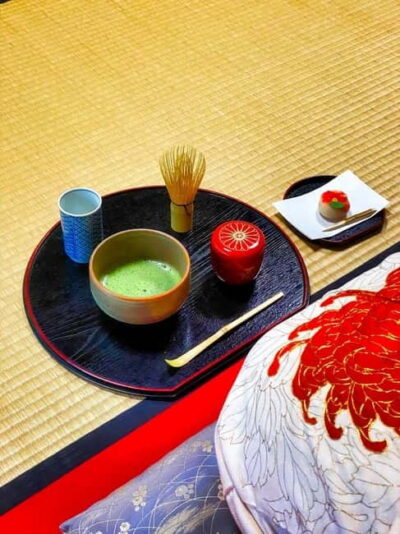
Tea Ceremony in a Traditional Tea House in Kiyomizu
Read our review →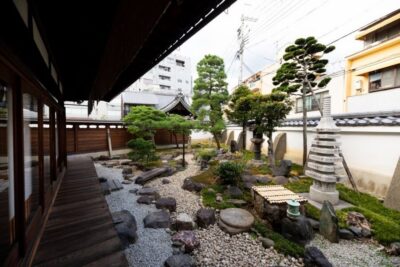
World Heritage Kyoto & Nara Uji Authentic Matcha Experience
Read our review →
Browse the lists this tour appears in