
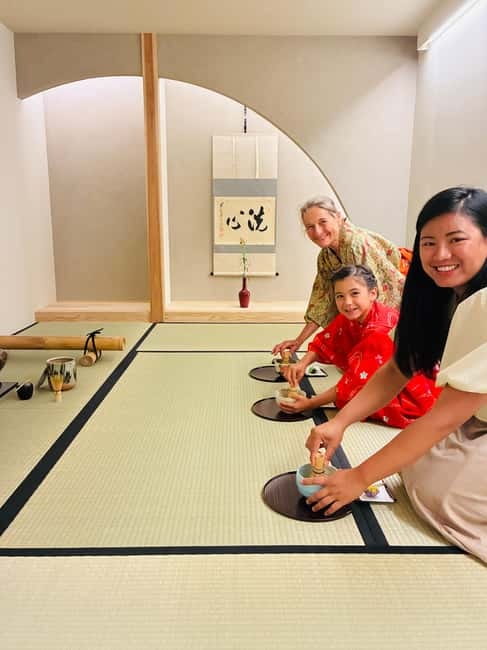
Review · MATCHA & TEA CEREMONY SESSIONS
Kyoto: Newly Opened Tea Ceremony – Sanjo Chasuian
A crawl-in doorway and two rounds of matcha. That is the winning combo here. Sanjo Chasuian is a newly opened Kyoto tea ceremony experience focused on hands-on practice and a calm, respectful pace.
I especially like that you get two bowls of matcha (one made by the host, one made by you), and you also get seasonal Kyoto sweets included. One thing to consider: this is a shared session with timing rules, so you need to show up on time and wear socks.
In This Review
- Key highlights to know before you go
- Kyoto Tea Ceremony at Sanjo Chasuian: why this feels different
- Getting there from Karasuma Oike: location that saves your day
- Entering through Nijiriguchi: the ritual starts before the tea
- The flow of the ceremony: from tea history to hands-on matcha
- Your two bowls of matcha, and why it is worth the price
- Wagashi included: seasonal sweets that make the tea make sense
- Small group size and English instruction: calm learning, not a rush
- Pace rules you should plan around (seriously)
- Uchikake coat-style kimono option: dressing up without the full rental
- What you can buy, and how the session becomes take-home matcha skills
- Sake tasting at the facility: possible, but not the focus of your hour
- Who this Kyoto tea ceremony suits best
- Who should skip or choose a different plan
- Price and value: $31 for two matcha bowls plus instruction
- Should you book Sanjo Chasuian’s newly opened tea ceremony?
- FAQ
- Is the tea ceremony taught in English?
- What is included in the shared plan?
- How long is the experience?
- Do I need to bring anything?
- Is there kimono rental included?
- Is it suitable for wheelchair users or young children?
Key highlights to know before you go
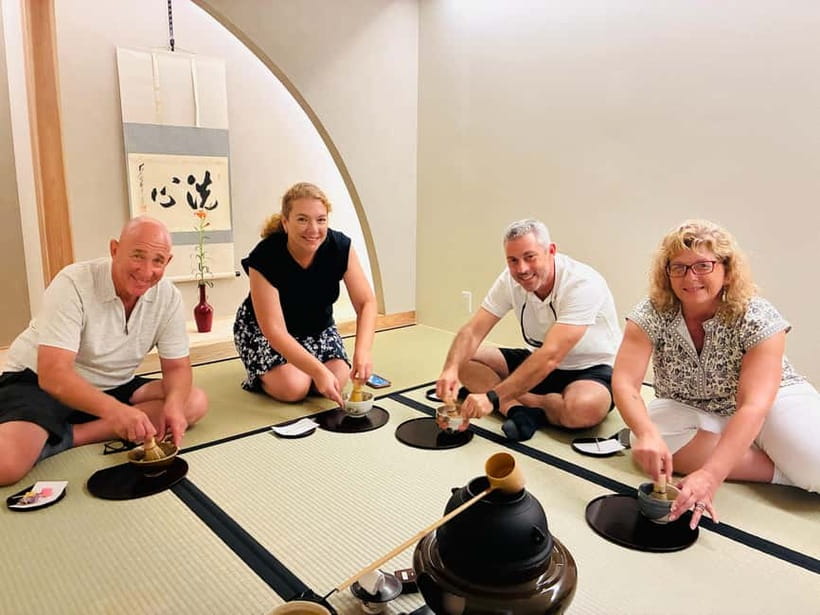
- 5-minute walk from Karasuma Oike Station: easy start, even if your Kyoto day is packed.
- Nijiriguchi crawl-in entrance: the room-changing moment happens before the first sip.
- Two bowls of matcha: watch, then whisk your own bowl.
- Seasonal wagashi included: a Kyoto confectioner with 100 years of history.
- Small group, English guidance: limited to 10 participants for a more personal feel.
Kyoto Tea Ceremony at Sanjo Chasuian: why this feels different
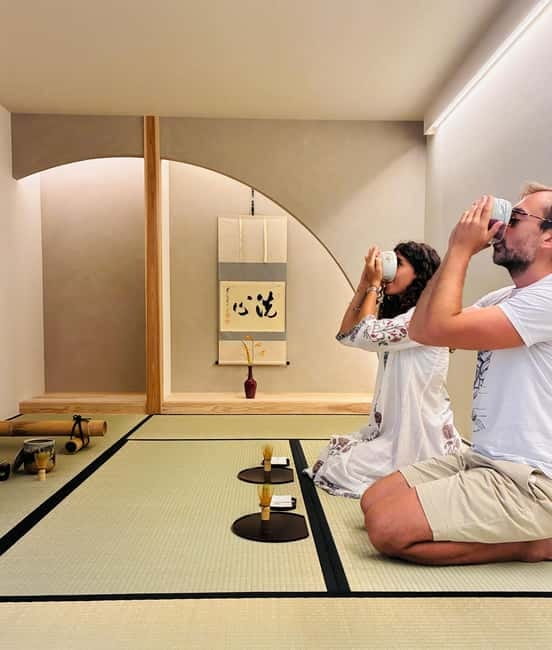
If you want a Kyoto tea ceremony that is more than a sit-and-watch show, this one makes it easy. Sanjo Chasuian builds the experience around doing, not just observing, with a clear flow from history to practice.
I also like the way this setup respects the tea room mood. You are guided in English, but once the ceremony begins, the focus stays on the ritual itself, not chatter. The result is that you get that rare mix of cultural context plus actual technique.
The other good news is that the experience is short. At 1 hour, you can tuck it between sightseeing and dinner without feeling like you lost half your day.
More Tea Ceremonies in Kyoto
- Kyoto: Tea Ceremony in a Traditional Tea House in Kiyomizu
★ 4.9 · 3,519 reviews - Kyoto: Tea Ceremony Ju-An at Jotokuji Temple
★ 4.9 · 3,207 reviews - Kyoto: 45-Minute Tea Ceremony Lesson Experience
★ 4.3 · 2,378 reviews
Getting there from Karasuma Oike: location that saves your day
This venue is a 5-minute walk from Subway Karasuma Oike Station, which matters more in Kyoto than you might think. Kyoto is great, but transfers can eat time. Being this close to the subway helps you arrive relaxed, not stressed.
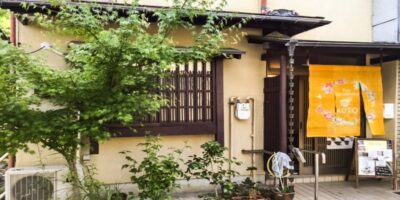
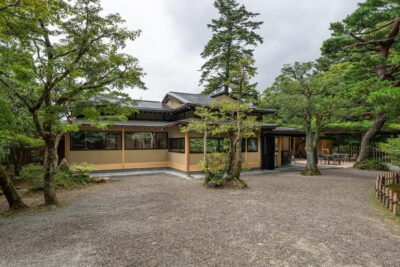
When you reach the area, look for the facility sign: there is a large plate with the Sanjo Chasuian logo and name by the entrance. You open the door, and staff will meet you.
One practical note: the experience is time sensitive. Entry is allowed only from 5 minutes before the start time. Once the session begins, the door locks, and even a minute late means you cannot join and refunds are not given. So plan to arrive early enough to use the restroom and get your socks sorted.
Entering through Nijiriguchi: the ritual starts before the tea
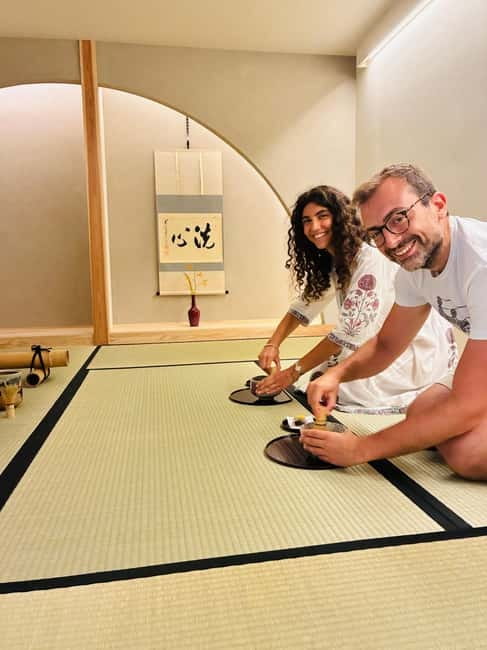
The most memorable moment is the nijiriguchi, the crawl-in entrance that leads you into the heart of the ceremony space. It is not just a quirky detail. It changes how you move and how you pay attention. You literally leave the outside world behind.
In your room, the tone stays quiet. Chairs are available if you prefer not to sit on the floor, so you can still keep your body comfortable while you focus on the process.
And yes, there is a basic expectation that helps everyone keep the room rules. Bring or wear socks for the experience. It sounds minor, but it is part of how the tea room stays clean and respectful.
The flow of the ceremony: from tea history to hands-on matcha
This experience is structured like a good lesson. You do not just get handed a bowl and told to try. You start with the history of the tea ceremony, plus an explanation of what each part means and why the movements matter.
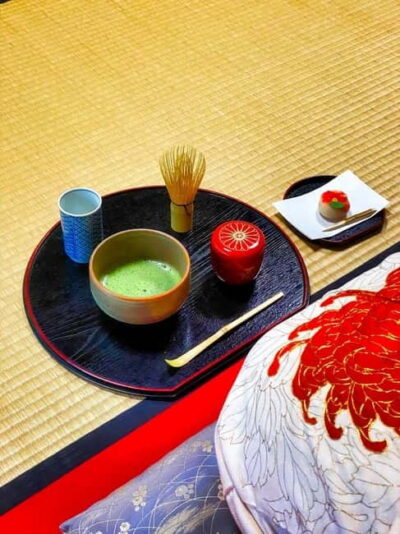
After that teaching comes the practical part. You will first see matcha prepared by the host, then you get your chance to make your own bowl.
Here is what makes this format valuable for you:
- You learn the steps by watching the host’s timing and utensil use.
- Then you practice immediately, while the instructions are still fresh.
- You get feedback through your own repetition, not just a one-time demo.
A different sort of day in Japan:
- PERFECT KYOTO 1-Day Bus Tour
★ 5.0 · 13,518 reviews - Kyoto: Fushimi Inari, Kinkakuji, Bamboo Grove 1 Day Bus Tour
★ 4.8 · 4,316 reviews - Kyoto Geisha Walking Tour: Gion District & Hidden Gems
★ 4.7 · 3,273 reviews - Kyoto: Gion Geisha District Walking Tour – Stories of Geisha
★ 4.7 · 2,187 reviews
Your two bowls of matcha, and why it is worth the price
The biggest highlight on the program is simple: you drink two servings of matcha. One bowl is made by the host. The second bowl is made by you, either solo or with a companion.
That setup is the difference between a passive experience and a skill-building one. You get context from the host’s bowl, then you compare it with what you make yourself. You also get a feel for how small motions and whisking rhythm affect the final cup.
If you are the type who worries tea ceremonies are too formal or too confusing, this structure reduces the stress. You are not expected to be perfect on bowl one. Bowl two is where you apply what you learned.
Wagashi included: seasonal sweets that make the tea make sense
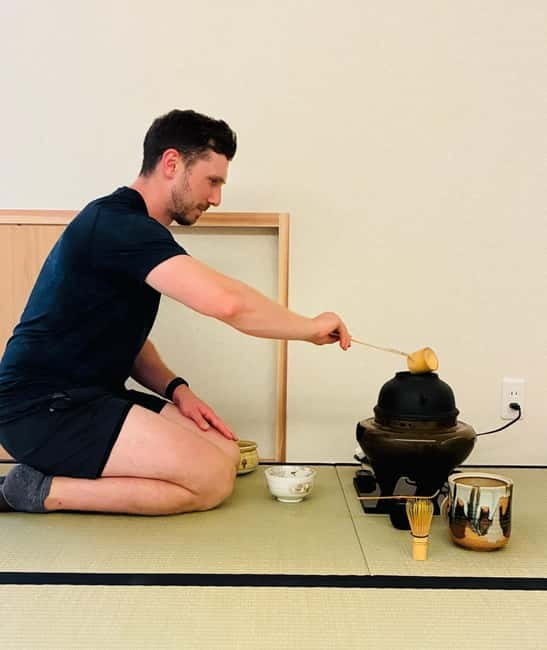
This is not a tea ceremony without food. You get traditional seasonal Japanese confectionary (wagashi) included, selected from a Kyoto sweet shop with over 100 years of history.
Why this matters: wagashi is not just a snack. In a well-run tea ceremony, it balances the flavor of matcha and gives you something to experience alongside the tea’s bitterness and depth.
In your hour, you get the sweet as part of the ceremony flow, so you are tasting in the intended order. That pacing can be surprisingly calming when your Kyoto day is otherwise go-go-go.
Small group size and English instruction: calm learning, not a rush
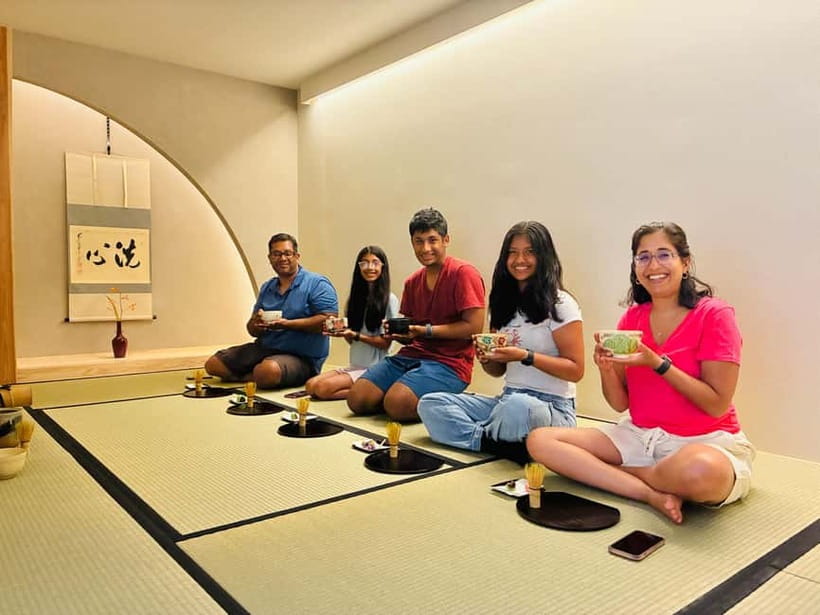
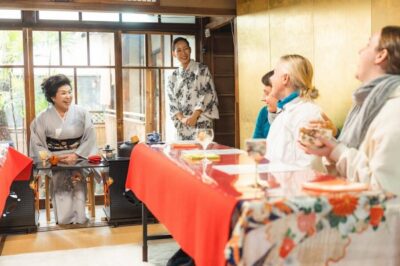
The format is a small group limited to 10 participants. That limit is a big deal. With fewer people, the host can explain steps without having to shout or rush, and you are more likely to understand what to do next.
The instructor is English-speaking, so you are not left guessing. And since the ceremony includes a hands-on matcha making component, having explanations in a language you understand helps you get it right faster.
If you want a respectful cultural experience without feeling like you are missing half the meaning, this is the sweet spot. You get context, then you practice the technique.
Pace rules you should plan around (seriously)
This session is designed to protect the quiet. That means a few rules are not optional.
- Arrive early enough to enter within the 5-minute window.
- Once the session starts, the door is locked and late entry is not allowed.
- Socks are required (bring them or wear them).
There is also a comfort note: chairs are available for those who prefer them. That helps if kneeling or floor sitting is not your thing.
Also, this is a shared plan, meaning it is scheduled as a group session with other guests. If you want the experience to be more private or you have special needs, you may need the private plan instead.
Uchikake coat-style kimono option: dressing up without the full rental
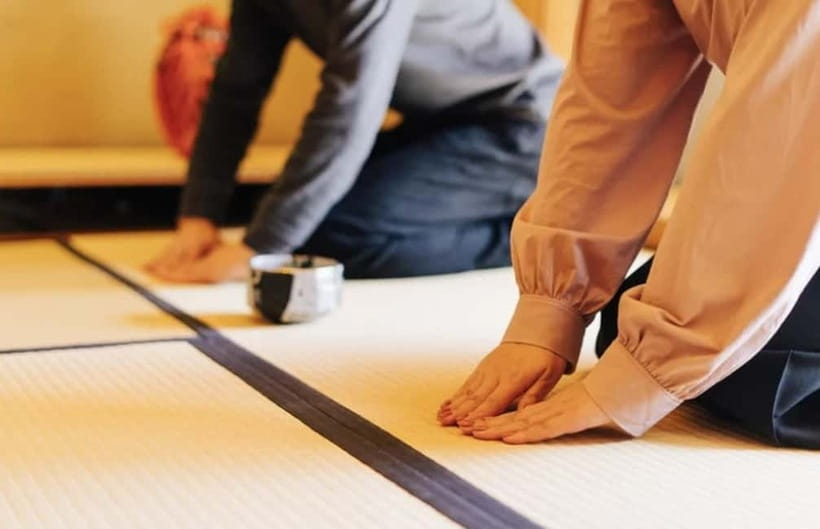
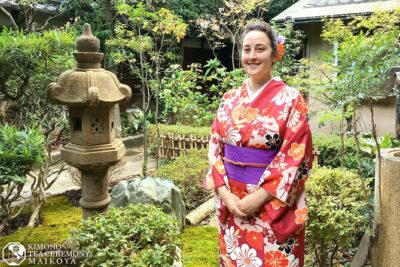
Sanjo Chasuian does not provide standard kimono rental or dressing services, but there is an optional uchikake (coat-style kimono) experience for ¥1,500 (tax included).
What I like about this approach is that it keeps the focus on the tea. You can add a visual Kyoto touch without turning the whole hour into a long dressing process.
Also, the option is available on the day (advance reservations are not accepted) and quantities are limited, so if you want it, consider showing up ready to say yes quickly.
What you can buy, and how the session becomes take-home matcha skills
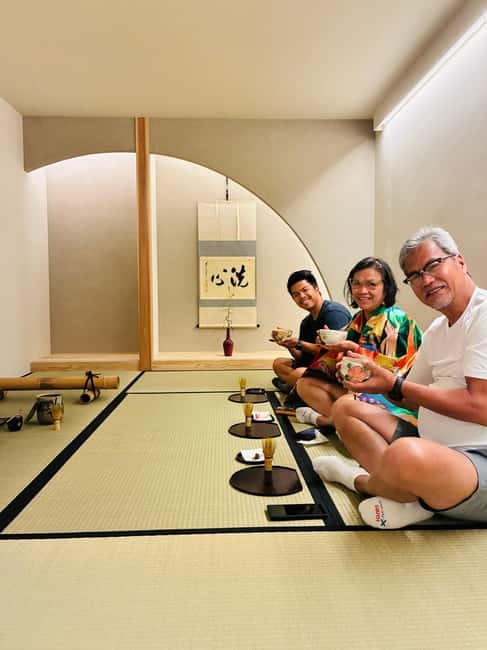
At the end (and sometimes during the experience), you can purchase matcha and items. The venue mentions matcha, tea bowls, and select items are available for purchase.
One of the smart reasons to do a hands-on ceremony is that it can help you shop better afterward. Instead of buying random matcha, you are buying something that fits the tools and technique you practiced.
If you enjoy matcha and want to bring a bit of this ritual into your kitchen, this is the logical next step.
Sake tasting at the facility: possible, but not the focus of your hour
The facility is described as offering tea ceremony experiences and sake tasting. However, the included parts of this specific 1-hour session are clear: two cups of matcha (one hosted, one you make) plus seasonal wagashi.
So treat sake as a “maybe at the venue” bonus rather than something you should plan around for this time block. Your hour is built around matcha, instructions, and tasting.
Who this Kyoto tea ceremony suits best
This is a strong fit if you want a tea ceremony that is:
- Hands-on, not just a performance
- Short and structured (1 hour)
- English guided, with a clear explanation of what you are doing
It also makes sense if you are traveling solo or as a couple. Since the session includes making your own bowl and you can do it alone or with a companion, the format works either way.
Who should skip or choose a different plan
This experience is not suitable for children under 6 years old and it is not suitable for wheelchair users.
Also, for children under 5, you are told they must book the private plan. And if you need an interpreter, the guidance points you toward the private plan as well. If any of those apply, double-check your plan type before you go.
Price and value: $31 for two matcha bowls plus instruction
At $31 per person for 1 hour, you are paying for a lot more than the ingredients. You are buying:
- A guided lesson in English
- A host demonstration
- Time to make and drink your own matcha
- Two servings total
- Seasonal wagashi included
That value gets even better during the grand opening discount until September 15th. If that discount is active when you book, it is a rare chance to get a high-touch cultural activity at a lower rate.
What you are not paying for is also clear. Hotel transfers and transfer to the venue are not included. You will get yourself there, but the Karasuma Oike proximity makes that manageable.
Should you book Sanjo Chasuian’s newly opened tea ceremony?
Book it if you want a Kyoto tea ceremony with real participation, not just a seated viewing. The two bowl format, the nijiriguchi entry, and the English explanation make it a good first tea ceremony, especially if you are unsure how the ritual works.
Skip it or rethink if you need wheelchair access, are traveling with kids under the age guidance, or you hate strict timing. The session door locks once it starts, so you have to be early.
If you are planning a Kyoto itinerary, I’d treat this as a reset button. One hour of quiet technique and careful attention can make your evening meal feel better, not harder.
FAQ
Is the tea ceremony taught in English?
Yes. The instructor provides guidance and explanations in English.
What is included in the shared plan?
You get two cups of matcha, one made by the host and one you make yourself (with a companion if you prefer), plus traditional seasonal Japanese confectionary (wagashi).
How long is the experience?
The session lasts 1 hour.
Do I need to bring anything?
You should bring socks, or wear socks during the experience.
Is there kimono rental included?
There is no standard kimono rental. An optional uchikake (coat-style kimono) experience is available for ¥1,500 on the day, with limited quantities.
Is it suitable for wheelchair users or young children?
No. It is not suitable for wheelchair users, and it is not suitable for children under 6 years old.
Newly listed around Kyoto
- Taste of Nishiki Market Walking Food Tour with Local guide★ 5.0 · 17 reviews
- Kyoto: Sushi Making Class with Sushi Chef★ 4.8 · 64 reviews
- Simple Plan with Maiko★ 4.4 · 10 reviews
- Shibori Furoshiki Course at Kyoto Shibori Museum★ 5.0 · 21 reviews
- Kyoto: City Secrets eBike Tour★ 4.9 · 196 reviews
- Sacred Pathways: Discover the Philosopher’s Path of Kyoto★ 4.9 · 20 reviews
- Private Tour to Monkey Park and Arashiyama Highlights★ 5.0 · 22 reviews
- Private Nara Tour from Osaka – Meet at Your Hotel★ 5.0 · 22 reviews
Matcha & Tea Ceremony Sessions, compared.
Tea Ceremony in a Traditional Tea House in Kiyomizu
Read our review →
World Heritage Kyoto & Nara Uji Authentic Matcha Experience
Read our review →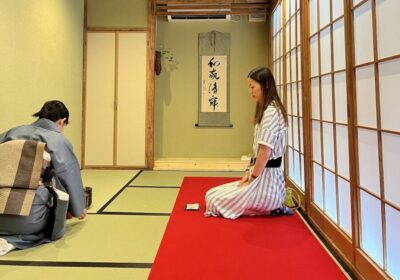
Browse the lists this tour appears in