
Review · MATCHA & TEA CEREMONY SESSIONS
Kyoto: Nighttime Zen Meditation and Matcha Tea Experience
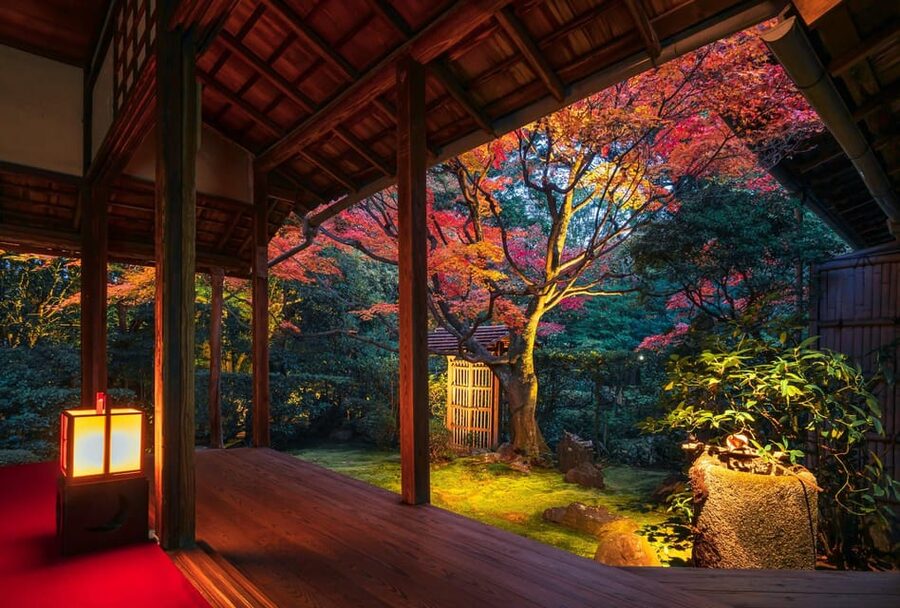
Quiet temples after dark are different. In Kyoto’s Keishunin Temple, a sub-temple of Myoshinji, you get a guided night visit where four gardens glow with light and the pace slows on purpose. I really like that you are not just sightseeing, you do zazen meditation and then finish with matcha and Japanese sweets. One thing to consider: this is a quiet, seated experience, so if you want nonstop action, you might find the pacing a bit slow.
I also love the way the night tour is staged for atmosphere. You walk in, learn the temple’s culture from the guide, then move into tea room views and art details in a calm order. The guides can be relaxed and funny, which helps you feel at ease right before meditation.
This is also a private group experience, which usually means you can settle in faster and ask small questions without feeling rushed. Still, you should dress for cold evenings, because the whole point is nighttime tranquility.
In This Review
- Key highlights you should care about
- Nighttime Keishunin Temple, why it feels calmer than daytime
- The illuminated four gardens: what you actually see at night
- Sehakuan tea room and Kano Sansetsu fusuma paintings
- Zazen meditation: how it’s guided, and what to do if you get tired
- Matcha tea and Japanese sweets: the ritual ending you’ll remember
- Price and value: is $206 for 90 minutes worth it?
- Who this nighttime Zen session suits best
- Practical tips so you stay comfortable and present
- Should you book Keishunin at night?
- FAQ
- How long is the Kyoto Nighttime Zen Meditation and Matcha Tea experience?
- Where does the experience take place?
- What’s included during the 90 minutes?
- Do I need to buy tickets in advance?
- What languages are offered for the live guide?
- What should I wear or bring?
- Are there any rules about photography or smoking?
- What is the cancellation policy?
Key highlights you should care about
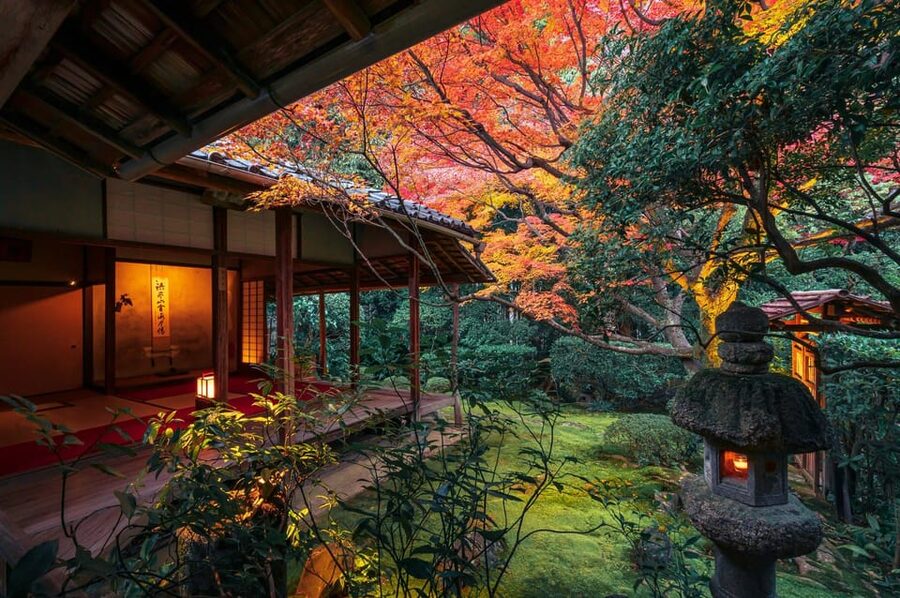
- Night visit to Keishunin Temple where the four gardens are illuminated by lights
- Sehakuan tea room tour plus viewing Kano Sansetsu fusuma paintings
- Guided zazen meditation led by temple leadership and translated by your guide team when needed
- Matcha and Japanese sweets tasting served as part of the experience, not an add-on
- Skip-the-line access so you spend more time inside the calm setting and less time waiting
Nighttime Keishunin Temple, why it feels calmer than daytime
Keishunin is tucked into Kyoto in a way that makes you feel like you stepped aside from the main tourist current. At night, the temple gardens look almost different on purpose. The lights soften sight lines, and the shadows make you notice shape and stone more than crowds.
If you’ve done Kyoto at daytime speed, this is a good counterweight. You still get culture and art, but the pace is gentler. You’re learning while you’re walking slowly, and then you sit still. That switch from motion to quiet is the whole idea.
And this is not an “audio-guide, shuffle along” kind of evening. You meet your guide at the temple and move through the experience with explanations in English or Chinese. You can tell the guides are used to setting a respectful tone fast, which matters because meditation is not something you can fake.
More Tea Ceremonies in Kyoto
- Kyoto: Tea Ceremony in a Traditional Tea House in Kiyomizu
★ 4.9 · 3,519 reviews - Kyoto: Tea Ceremony Ju-An at Jotokuji Temple
★ 4.9 · 3,207 reviews - Kyoto: 45-Minute Tea Ceremony Lesson Experience
★ 4.3 · 2,378 reviews
The illuminated four gardens: what you actually see at night
A big part of the tour is the walk through Keishunin’s four gardens, each designated as nationally designated historical sites and scenic spots. During the day, you might admire them as scenery. At night, you start noticing something else: how the design guides attention.
The lights do a practical thing. They help you see the intended composition without you having to guess where the important view is. As you move, your guide points out cultural context and what to look for as you pass through each garden area.
This is where the experience becomes more than pretty photos. You’re learning why these spaces are designed for quiet looking. The gardens set you up for zazen because they train your eyes to settle. If you have a restless mind, the garden sequence gives it something structured to do.
One small drawback to plan around: it’s still a walking tour, just at a slower tempo. If your legs get cold easily or you hate being outdoors after dark, bring warm layers and take your time.
Sehakuan tea room and Kano Sansetsu fusuma paintings
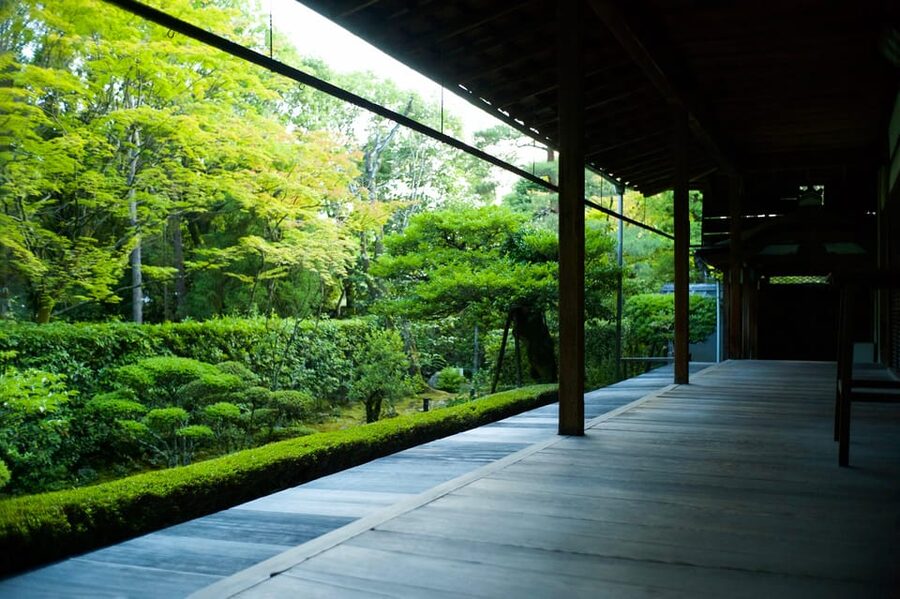
After the garden walk, you move into the temple’s indoor cultural highlights. The tour includes a visit to the hidden tea room Sehakuan and viewing of Kano Sansetsu’s fusuma paintings.
This part is valuable because it shifts your attention from landscape to craft. Gardens teach you to observe. Fusuma paintings and tea-room design teach you to observe stillness and detail. Even if you do not know Japanese art history, the guide’s explanations help you connect style to meaning.
The word hidden is doing real work here. Tea rooms in Kyoto often feel like you found them, even though you didn’t really “discover” them. The effect is a sense of privacy, which pairs well with the rest of the night’s theme.
You’ll likely spend time looking at the fusuma art before the session settles into meditation. That transition matters. It stops you from treating meditation like a quick performance. You are entering the mental space the temple wants you to experience.
Zazen meditation: how it’s guided, and what to do if you get tired
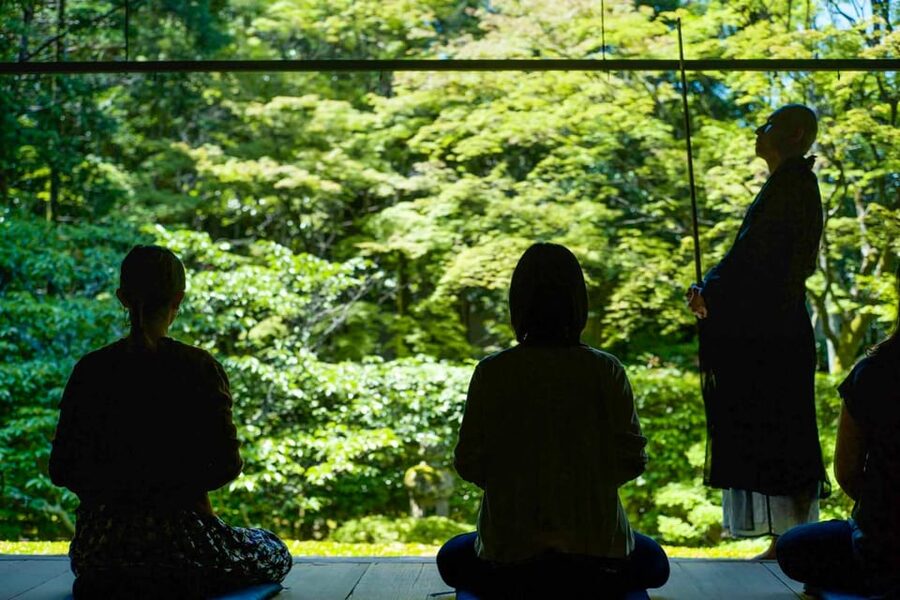
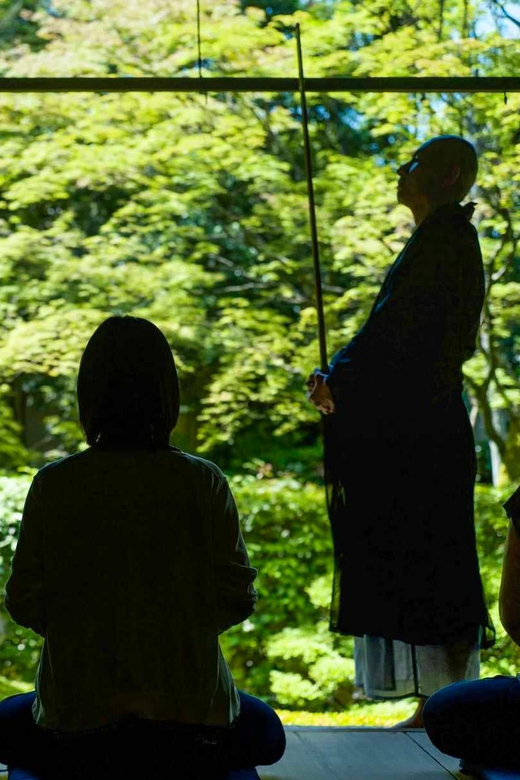
Then comes the core event: zazen meditation. This part is guided, not just instruction and good luck. The session is led as part of the temple program, and you’ll do it with a focus on calming your body and settling your attention.
One of the most interesting takeaways from the experience is that you learn a custom for when a practitioner gets tired and needs a refreshing reminder to keep going. That detail is surprisingly practical. Meditation on paper sounds simple, but in real life you need a way to respond to discomfort without treating it as failure.
If you’ve never done zazen before, you’ll probably appreciate the structure. Your guide can help with what posture to use and how to handle that first wave of restlessness. And based on feedback from prior participants, the guide team can also translate clearly, so you are not stuck guessing what’s happening.
Also, expect the guides to set the mood. One review described the guide’s serene presence and another noted a sense of humor. That mix works. Humor can reduce embarrassment, and serenity protects the experience from turning awkward.
A different sort of day in Japan:
- PERFECT KYOTO 1-Day Bus Tour
★ 5.0 · 13,518 reviews - Kyoto: Fushimi Inari, Kinkakuji, Bamboo Grove 1 Day Bus Tour
★ 4.8 · 4,316 reviews - Kyoto Geisha Walking Tour: Gion District & Hidden Gems
★ 4.7 · 3,273 reviews - Kyoto: Gion Geisha District Walking Tour – Stories of Geisha
★ 4.7 · 2,187 reviews
Matcha tea and Japanese sweets: the ritual ending you’ll remember
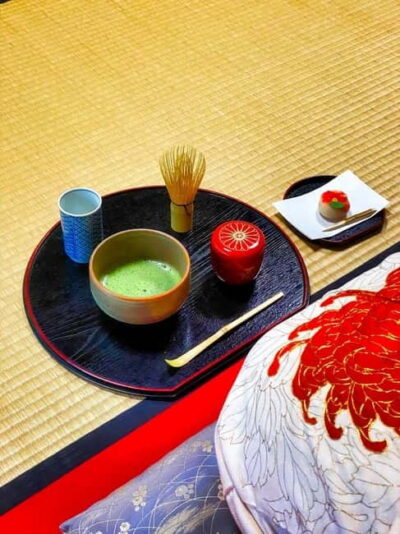
After meditation, you get the warm, human side of the night. Matcha tea and Japanese sweets are included, served as part of the experience rather than a rushed snack at the end.
Matcha with sweets works because it completes the emotional arc. You’ve trained your attention to slow down, then you get a sensory reset that is still quiet and respectful. The flavors of matcha tend to feel clean and grounded, and the sweets add a comforting sweetness to balance the bitterness.
The matcha and sweets tasting is hosted by Keishunin’s Deputy Chief Priest Yasumasa Arashima. If you like experiences where you can connect to real people in cultural roles, this is one of the stronger parts of the tour. You’re not just listening about Zen culture. You’re participating in a small, traditional moment.
And there’s often a chance for brief conversation afterward. One review described sharing tea and exchanging impressions. Even if you do not speak much, you get that feeling that the experience isn’t just a checklist.
Price and value: is $206 for 90 minutes worth it?
At $206 per person for a 90-minute experience, you’re paying for access, guidance, and the specific night-only atmosphere. This is not a short add-on. You’re getting:
- a special nighttime visit to Keishunin Temple
- a guided look at four illuminated gardens
- a tour of Sehakuan tea room
- viewing Kano Sansetsu fusuma paintings
- a guided zazen meditation session
- matcha tea and Japanese sweets tasting
You’re also skipping the ticket line. That one line detail matters more at night than you might think. It helps you arrive inside the quiet moment the temple is trying to create.
Where the price feels most justified is the combination: meditation plus art plus tea plus gardens, all guided. Many Kyoto experiences split those into separate tours. Here, you get a unified flow, and that flow is what makes the experience feel coherent.
The main “value risk” is if you are the type who wants lots of movement, shopping, or a high-energy itinerary. This is slow by design. If that’s your style, you will feel shortchanged even if the quality is excellent.
Who this nighttime Zen session suits best
This experience is intended for primary school students and above, but it’s not suitable for children under 12. So think in terms of families with older kids, or adults who want a quiet, guided cultural evening.
It’s also not suitable for wheelchair users, so plan accordingly if mobility is an issue.
You’ll probably love this most if you:
- want a break from Kyoto’s daytime crowds
- like structured calm, not random wandering
- enjoy matcha culture and tea-room craft
- are curious about zazen customs, including what to do when you get tired
It can be a great choice for travelers who already saw major temples in daylight and want something with a different texture. It also fits well as a later evening activity when your brain is ready to slow down.
Practical tips so you stay comfortable and present
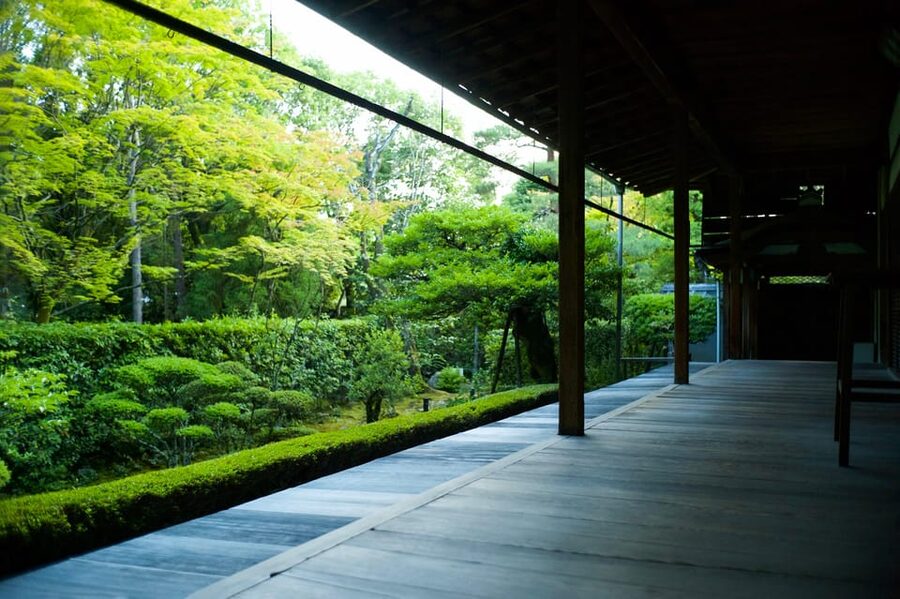
This tour has a clear “dress for the night” vibe. Bring warm clothing and wear comfortable clothes. Night meditation and outdoor garden viewing can be chilly, even if you usually handle Kyoto weather well.
A couple of rules keep the atmosphere respectful:
- No smoking
- No flash photography
One more practical point: you need a reservation. Starting times can vary depending on availability, so decide your date early and lock it in.
Also, transportation is not included. That means you should budget time to get to the meeting point calmly. Arriving flustered makes it harder to settle into a meditation mindset.
Finally, even though it’s private group, you should still expect a quiet flow. If you’re coming with a phone full of plans to film and multitask, you’ll have a worse time. Put your device away. The temple will reward you for it.
Should you book Keishunin at night?
I’d book this if you want Kyoto with less noise and more meaning. The highest praise centers on the tranquility of the nighttime gardens, the guided depth of meditation, and the warm, human touch around matcha. If that sounds like your kind of evening, this tour is a strong value because it bundles access to gardens, tea room, art, meditation, and tasting into one smooth night sequence.
Skip it if you only want big landmarks and lots of activity. This is about stillness, light, and gentle instruction, not speed.
If you’re on the fence, here’s my simple test: if you would willingly spend time quietly looking at gardens and then sit for zazen, you’ll likely feel the payoff. If you’d rather be walking through markets all night, choose a different Kyoto plan.
FAQ
How long is the Kyoto Nighttime Zen Meditation and Matcha Tea experience?
It lasts 90 minutes.
Where does the experience take place?
It’s at Keishunin Temple, a sub-temple of Myoshinji Temple in Kyoto.
What’s included during the 90 minutes?
You’ll visit the illuminated four gardens, tour the hidden tea room Sehakuan, view Kano Sansetsu fusuma paintings, do zazen meditation, and have matcha tea plus Japanese sweets tasting.
Do I need to buy tickets in advance?
Reservation is required, and the experience includes skip the ticket line.
What languages are offered for the live guide?
The live tour guide is available in English and Chinese.
What should I wear or bring?
Wear warm clothing and comfortable clothes.
Are there any rules about photography or smoking?
Smoking is not allowed, and flash photography is not allowed.
What is the cancellation policy?
Cancel up to 3 days in advance for a full refund. From 3 days before the start date to the day before, the cancellation charge is 20%. On the day, it is 50%. Non-participation without notice and after the start of the trip is charged at 100%.
Newly listed around Kyoto
- Kyoto: Private Customizable Day Trip by Car★ 5.0 · 38 reviews
- Kyoto: Photo Shoot with a Private Vacation Photographer★ 5.0 · 8 reviews
- Kyoto Private Car Tour with Japanese Navigator (+Nara) T5★ 4.7 · 19 reviews
- Kyoto: Nishiki Market and Depachika Food Tour with a Local★ 4.7 · 76 reviews
- Kyoto: Hands-on Takoyaki and Okonomiyaki Cooking (1 Hour)★ 4.7 · 25 reviews
- Kyoto: Non-Verbal Theatre Show Tickets at GEAR★ 4.9 · 154 reviews
- Kyoto: Personalized Guided Private Tour★ 4.8 · 19 reviews
- Kyoto: Personalize, private tour (3h, 5h, 8h) [W/Car Option]★ 4.9 · 24 reviews
Matcha & Tea Ceremony Sessions, compared.
Tea Ceremony in a Traditional Tea House in Kiyomizu
Read our review →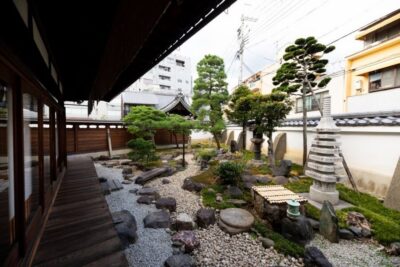
World Heritage Kyoto & Nara Uji Authentic Matcha Experience
Read our review →
Browse the lists this tour appears in