
Review · MATCHA & TEA CEREMONY SESSIONS
Kyoto Ninenzaka: Tea Ceremony in Old Townhouse with Chairs
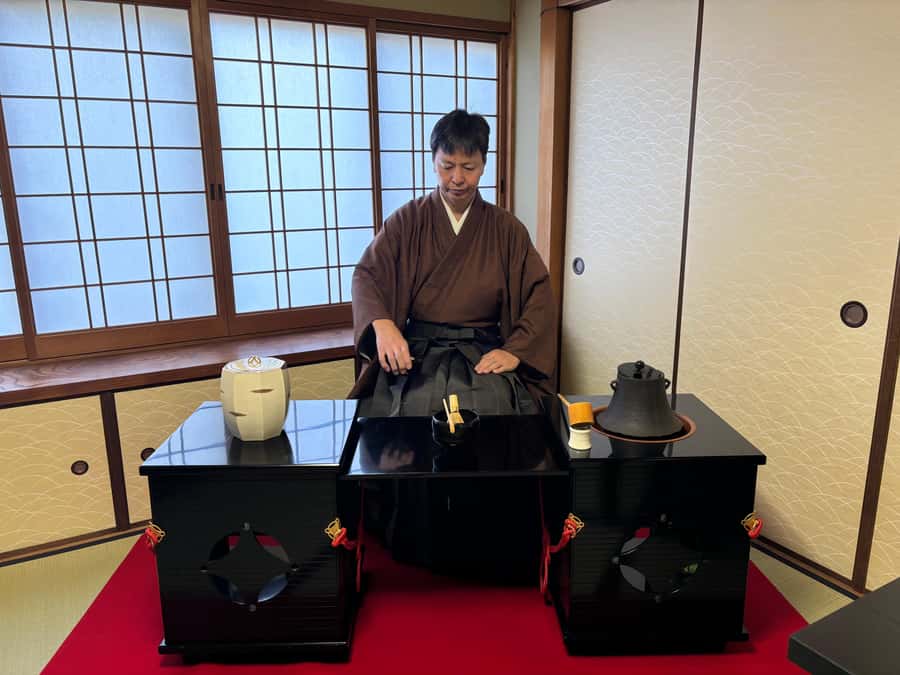
Stepping into a tea room changes your pace. Here you practice Zen through matcha, utensils, and quiet etiquette in a traditional townhouse. It is not a fast photo stop, it is a focused 50 minute ritual.
I love that you prepare the tea yourself, using premium Uji matcha and traditional tools, so you taste the difference between real ceremonial matcha and supermarket dust. I also love the wagashi, handcrafted sweets chosen from a long-established Kyoto confectioner, served as seasonal hospitality, not as an afterthought.
One thing to consider: the venue involves stairs and a small, low-ceiling space, and the experience has strict rules (like socks required, no perfume, and no recording). If you want a casual, flexible hangout, this may feel too formal.
In This Review
- Key Things to Know Before You Go
- Entering the Quiet World of Ninenzaka Tea
- Chair-Style Tea Ceremony: Comfort Without Losing Tradition
- What You Learn Before You Whisk Matcha
- Making Matcha With Your Own Hands
- Wagashi: Seasonal Sweets With a Purpose
- The Townhouse Setting: Old Bones, Clean Mind
- How the Rules Keep the Experience Sacred
- Price and Value: What $21 Buys You
- Where It Fits in Your Kyoto Plan
- Who Should Book This Tea Ceremony, and Who Should Skip It
- Should You Book Kangetsu Kyoto’s Ninenzaka Tea Ceremony?
- FAQ
- How long is the Kyoto Ninenzaka tea ceremony?
- How much does it cost?
- Where is the meeting point?
- Is this ceremony done sitting on the floor?
- Do I need to bring socks?
- Are there rules about clothing and accessories?
- Can I take photos or record video?
- Is kimono included in the price?
- Is this experience suitable for children and wheelchair users?
Key Things to Know Before You Go
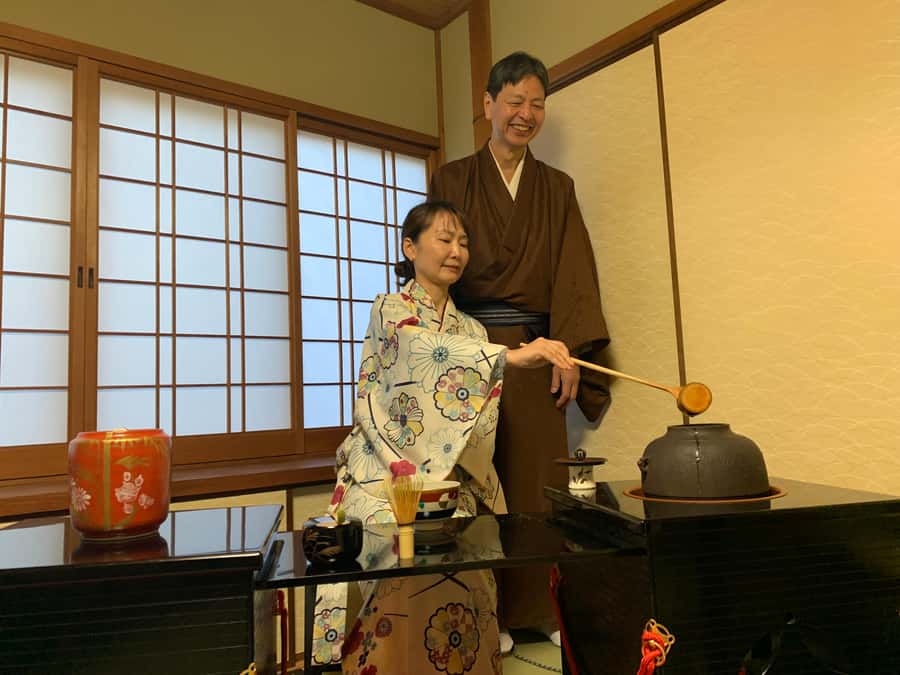
- Premium Uji matcha directly tied to a farming family history (Bunsei era, 1818 to 1831)
- Chair-style comfort, with a seated ceremony stand, while still keeping the ritual calm
- Handcrafted Kyoto wagashi from a long-established shop affiliated with the Kyoto Prefectural Confectionery Association
- Small-group, question-friendly pacing, designed for you to understand each step, not just watch
- A real townhouse setting, built about 150 years ago, with renovated interiors but original character
- House rules that protect the sensory calm, including socks, fragrance limits, and no professional cameras
Entering the Quiet World of Ninenzaka Tea
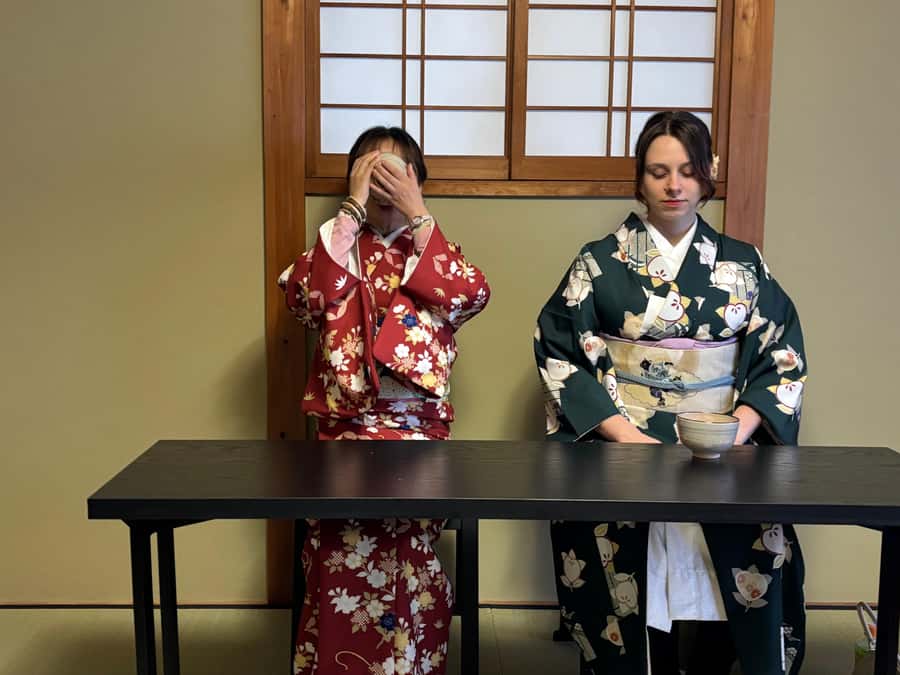
Kyoto’s tea culture is often shown as something you watch, then forget. This one asks you to slow down enough to feel the point. The experience is hosted in a traditional Japanese townhouse in the Ninenzaka area, near Kiyomizu Temple, at the end of an alley by the Starbucks on Ninenzaka.
The best part for me is the atmosphere. Low noise. Soft focus. No sudden interruptions. Even if you arrive from the busy streets, once you step inside, the pace shifts. That matters, because tea ceremony is not mainly about taste. It is about attention.
The room itself is old-style Japanese: small spaces, low ceilings, and a sense of closeness. It is renovated inside, so it feels comfortable, but you should still expect a classic townhouse layout. You also need socks for the experience, since bare feet are not allowed.
More Tea Ceremonies in Kyoto
- Kyoto: Tea Ceremony in a Traditional Tea House in Kiyomizu
★ 4.9 · 3,519 reviews - Kyoto: Tea Ceremony Ju-An at Jotokuji Temple
★ 4.9 · 3,207 reviews - Kyoto: 45-Minute Tea Ceremony Lesson Experience
★ 4.3 · 2,378 reviews
Chair-Style Tea Ceremony: Comfort Without Losing Tradition
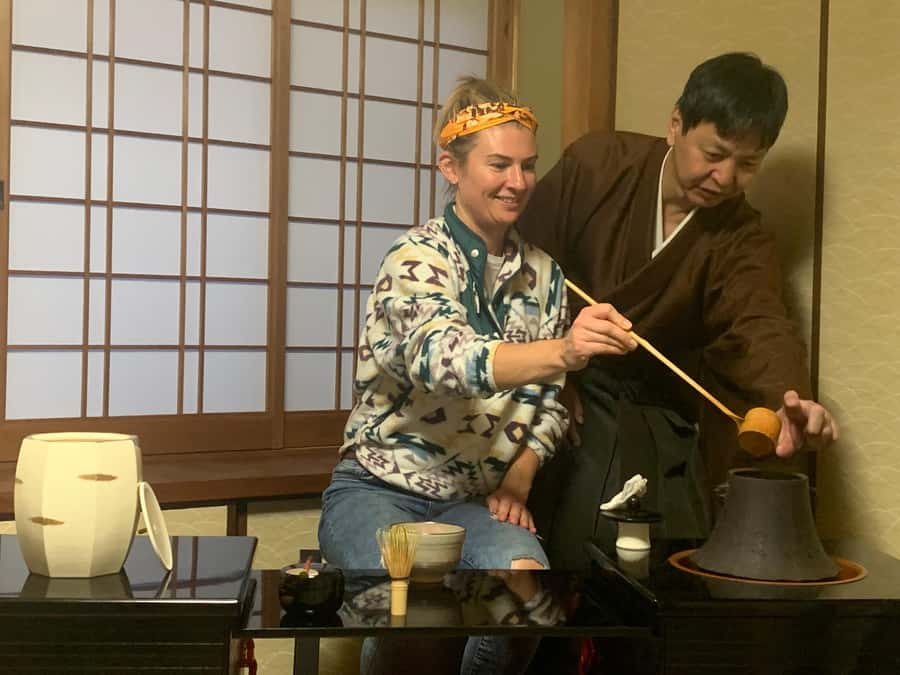
This is designed for people who do not want floor sitting. You get the ceremony while seated at a stand, and the experience is also described as a standing tea ceremony style, which is meant to be easier for guests who find floor sitting challenging.
That combination is why I like it. You keep the choreography and the etiquette, but you are not fighting your knees for 50 minutes. One practical tip: if you know you get cold easily, Japan indoor spaces in older buildings can feel cooler than you expect. Dress in layers so you can stay relaxed.
Do note the physical setup. Some areas involve narrow, steep stairs to reach the venue. If stairs are a problem for you, it is worth taking that seriously before you book.
What You Learn Before You Whisk Matcha
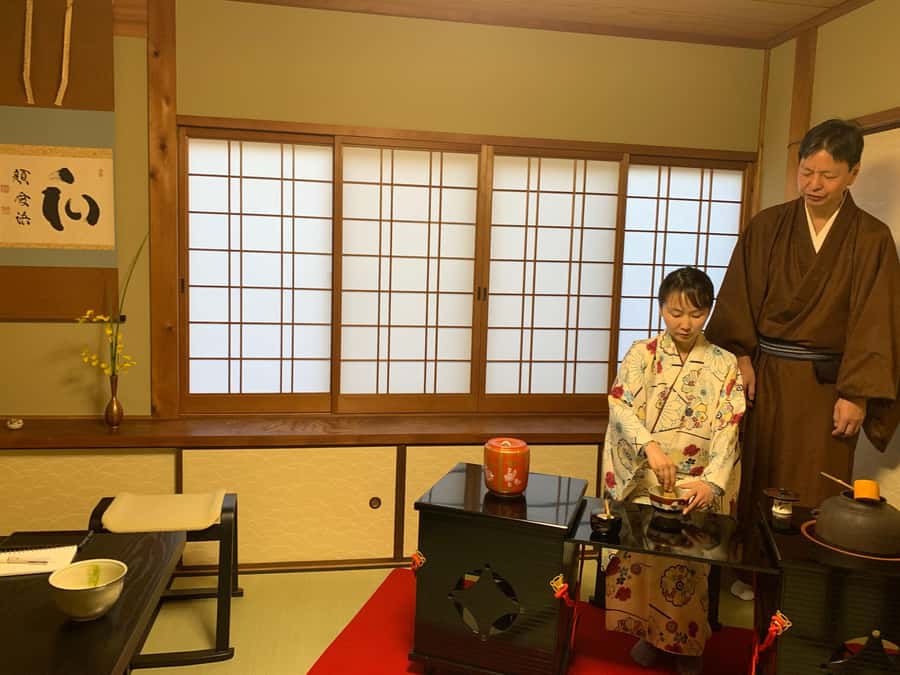
The ceremony is built around teaching, not just performing. You start with history and cultural significance, then move into the nuts and bolts: the utensils, how they are used, and how to care for them. This is not a vague talk about tradition. You learn the why behind the movements.
You will also practice proper tea etiquette and serving techniques. The goal is simple: do things correctly, calmly, and in the right order. In tea ceremony, tiny actions are part of respect. Knowing what you are doing changes how you feel doing it.
Then you see a demonstration. The instructor shows the elegant flow of the process, and you pick up the rhythm before you try your own cup. After that, there is time for Q&A, so you can ask about matcha, wagashi, tools, or what Zen has to do with the way tea is made.
One review mentioned that the explanations felt close to a real ceremony, not a tourist script. That matches the structure here. You should come away understanding how each step connects to a philosophy of peace and harmony.
Making Matcha With Your Own Hands
This is the main event, and it is hands-on in a good way. You prepare matcha yourself using traditional utensils. That means you do not just taste tea, you learn the technique of whisking.
The matcha you use is Uji matcha, described as premium and sourced from a tea farmer family that has been cultivating since the Bunsei era (1818 to 1831). That detail is not just marketing. It signals a serious approach to quality, and you can taste the difference in the final cup.
When you whisk, you start to understand what makes matcha different from green tea powder in a mug. The texture, the foam, and the balance of flavor are all tied to the method and the tea quality. Even if you have made matcha at home before, ceremonial matcha often behaves differently, and the ritual teaches you how to treat it.
Then you taste what you made. You get two cups of matcha as part of the included experience, which gives you a chance to compare your first attempt with how you feel after the guidance and adjustments.
If you care about Japanese food culture at a “how is this made” level, this portion is the payoff. Reviews repeatedly highlight how step-by-step the explanation is, and how much time you get to ask questions.
A different sort of day in Japan:
- PERFECT KYOTO 1-Day Bus Tour
★ 5.0 · 13,518 reviews - Kyoto: Fushimi Inari, Kinkakuji, Bamboo Grove 1 Day Bus Tour
★ 4.8 · 4,316 reviews - Kyoto Geisha Walking Tour: Gion District & Hidden Gems
★ 4.7 · 3,273 reviews - Kyoto: Gion Geisha District Walking Tour – Stories of Geisha
★ 4.7 · 2,187 reviews
Wagashi: Seasonal Sweets With a Purpose
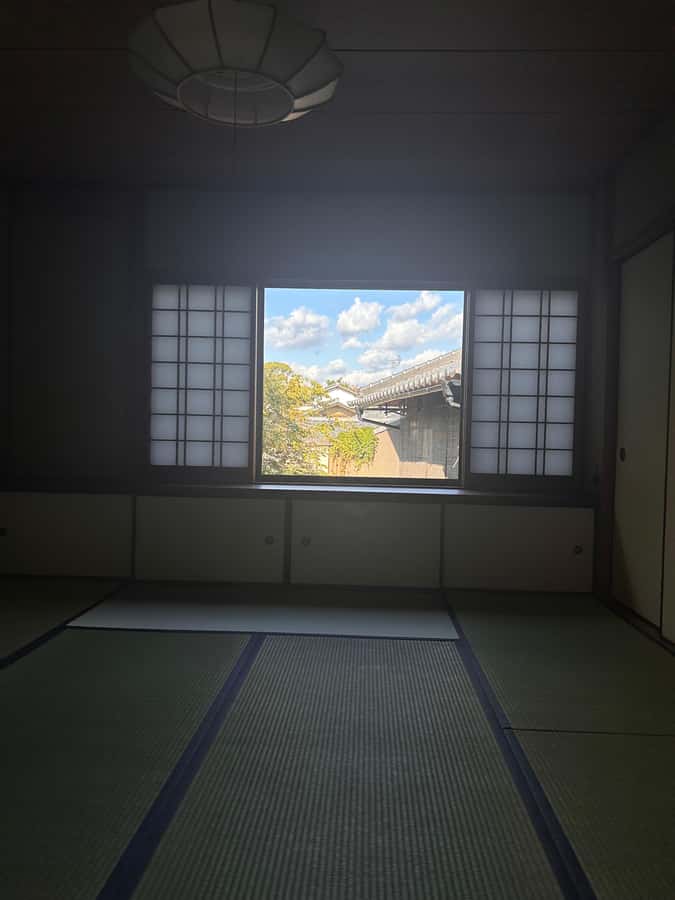
Tea ceremony and sweets are not random pairings. Wagashi is part of the seasonal hospitality that frames the tea.
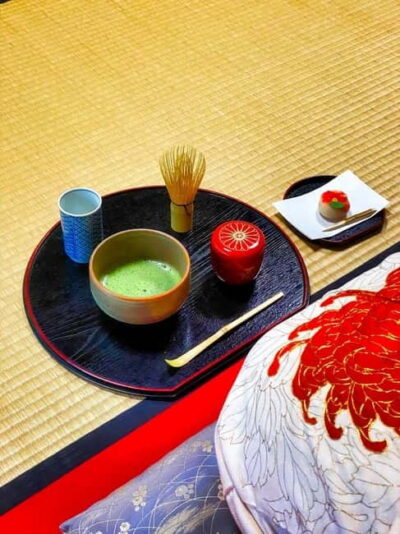
In this experience, you are served handcrafted wagashi sourced from a long-established Kyoto confectioner. These are described as specially ordered for the class and connected to the Kyoto Prefectural Confectionery Association. In plain terms, you are not getting a generic cookie in a paper wrapper.
Expect delicate sweetness and careful presentation. Wagashi is often shaped to match a season or theme, so your bite connects to the same mindset as the tea. It is another way the ceremony asks you to notice details.
If you are the kind of person who normally skips dessert, I still think you should try the wagashi here. It is part of how the ceremony builds calm, not just something sweet to fill time.
The Townhouse Setting: Old Bones, Clean Mind
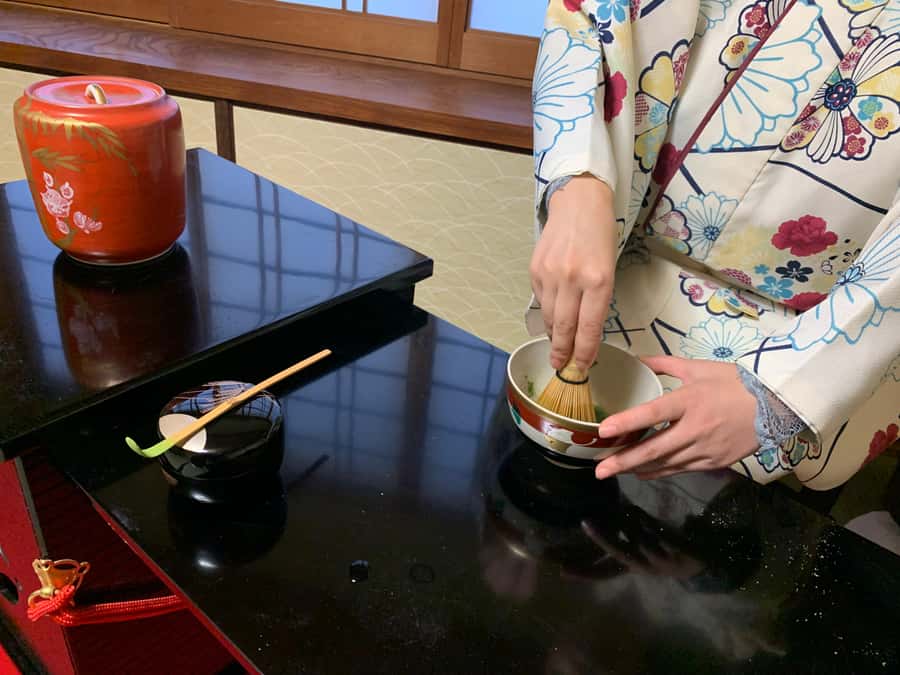
The venue is a traditional Japanese townhouse built about 150 years ago. The inside is renovated, but the character remains. Rooms are small and the ceilings are low, which is part of why the experience feels focused instead of showy.
In tea rooms, the idea is to reduce outside distractions. In this class, they make that real through the rules and the structure. You enjoy the ceremony quietly, without the usual interruptions that turn cultural activities into a performance.
One thing that comes up in reviews is that it feels serious in a respectful way, not stiff and scary. You are allowed to learn, ask, and enjoy the moment, but the setting encourages you to treat it as a real practice.
How the Rules Keep the Experience Sacred
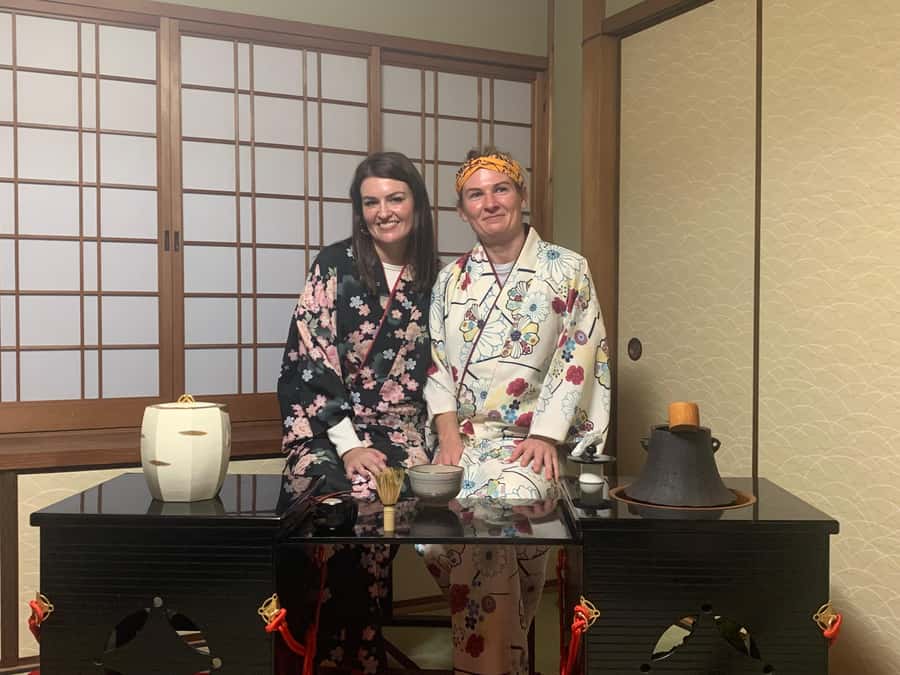
Tea ceremony asks for sensory calm. That is why the rules are specific. They may sound strict, but they exist for a reason: matcha has a delicate aroma, and incense or ink scents can interfere with the focus.
Here are the key constraints you should plan around:
- Socks are required. Bare feet are not allowed. Socks can be purchased for 500 yen if you need them.
- Fragrance policy: do not wear perfume or strongly scented products. This protects the subtle smells of matcha and incense elements.
- No hats, no oversize luggage, and no smoking or vaping indoors.
- No professional cameras, no video recording, no audio recording, and no flash photography.
- Avoid big accessories like long necklaces, large rings, or bracelets because they can bump the tea bowl.
- If you have long hair, tie it up so it does not fall into the bowl.
There is also a list of items you cannot bring or use indoors, including drinks and large bags. These constraints are part of the point, so plan ahead. If you show up with a heavy bag and expect to bounce around taking photos, this will not feel like the kind of Kyoto activity built for that.
Price and Value: What $21 Buys You
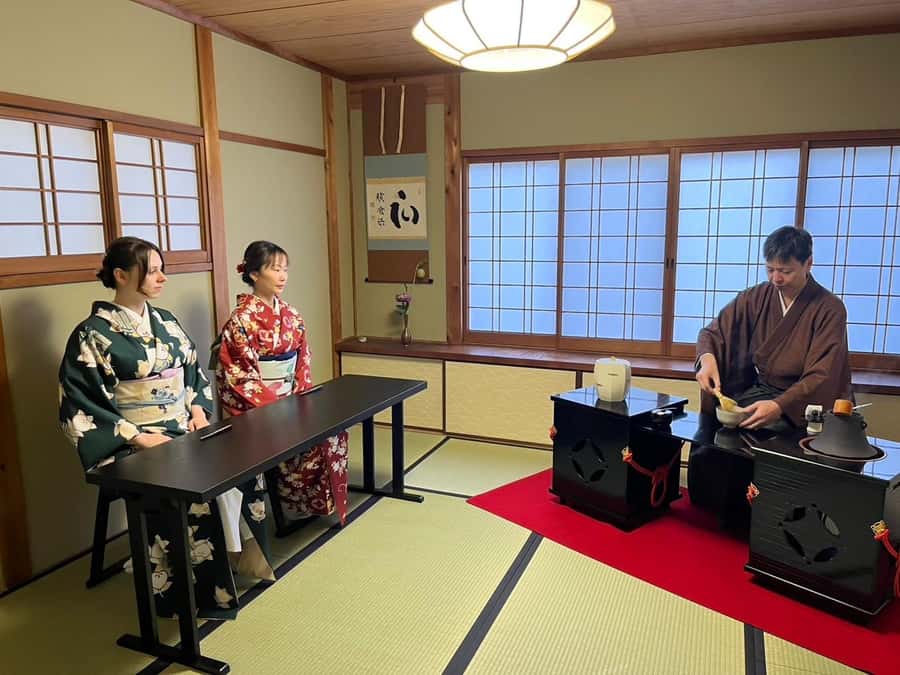
At $21 per person for about 50 minutes, the value depends on what you want. If you want a quick cultural snapshot, you might feel like you could find cheaper. But if you want a true tea experience with hands-on preparation and guided understanding, this pricing is reasonable.
You get:
- Experienced instructors
- Detailed guidance
- A stand for a seated tea ceremony
- An original booklet about tea ceremony
- Two cups of matcha
- Seasonal beautiful Japanese sweets (wagashi)
That package matters because the cost is mostly tied to teaching and quality ingredients, not entertainment. Uji matcha and Kyoto wagashi from established sources are not cheap ingredients. The class also builds in time for explanation and questions, which is where the experience turns from watch-only to actually learned.
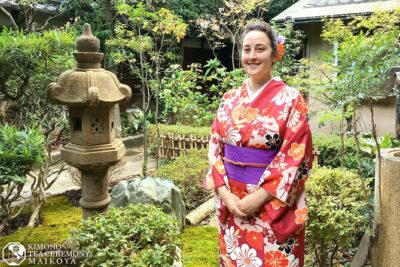
Optional extras can include kimono rental. Kimono is noted as not included, but reviews indicate you can rent one at the venue. If you like dressing up for photos, a kimono can make the experience feel extra special, as long as you follow the room rules.
Where It Fits in Your Kyoto Plan
This experience sits in the classic Kyoto sightseeing zone. If you are already doing the Kiyomizu Temple area and Ninenzaka streets, it is a good pause before or after temple walking. The timing is short at 50 minutes, so it fits without hijacking your day.
Because the venue is tucked in an alley, it can be tricky to find. The location is conveniently described near Kiyomizu Temple at the end of the alley by the Starbucks on Ninenzaka. If your navigation reroutes you incorrectly, it is worth relying on the written directions you receive and taking your time in the neighborhood.
Also consider the schedule. If you book late, you may find that class requests might not be fully accommodated. The experience runs in English, and the host or greeter is English-speaking, but last-minute changes can happen.
Who Should Book This Tea Ceremony, and Who Should Skip It
I think this fits best if you care about Japanese aesthetics and traditional arts, and you like learning the meaning behind the ritual. It is especially good if you want to taste real ceremonial matcha and understand how it is made.
It is not a good match if you:
- Need full wheelchair accessibility (this is listed as not suitable for wheelchair users)
- Are going with young kids (children under 10 are not accepted, due to the need for tranquility)
- Have a cold (people with a cold are listed as not suitable)
- Want loud group energy, casual conversation, or nonstop photos (the rules and quiet focus are part of the experience)
One more practical fit point: this is described as a chair-friendly option, which is great for people with knee issues. Reviews specifically mention choosing this because it is not floor sitting.
If you want a calm, respectful cultural class that feels like a real practice, this is exactly the kind of Kyoto activity that can become a highlight.
Should You Book Kangetsu Kyoto’s Ninenzaka Tea Ceremony?
Book it if you want a short, high-quality cultural experience with real ingredients and hands-on matcha practice. The biggest reason is that it is not just watching. You learn the steps, you make the tea, and you get guidance plus Q&A in a calm setting.
Skip it if you are traveling for quick thrills, heavy nightlife energy, or a big-group photo tour. The strict house rules, the quiet tempo, and the no-recording approach are deliberate.
If you do book: wear socks, avoid perfume, and plan for the stairs and small space. Also, arrive with an open mind. Tea ceremony is not about speed. It is about noticing.
FAQ
How long is the Kyoto Ninenzaka tea ceremony?
The experience lasts about 50 minutes.
How much does it cost?
It is priced at $21 per person.
Where is the meeting point?
It is near Kiyomizu Temple at the end of the alley next to the Starbucks on Ninenzaka.
Is this ceremony done sitting on the floor?
No. It is a standing tea ceremony style, and the setup includes a stand for a seated tea ceremony, which is meant to be easier for people who find floor sitting challenging.
Do I need to bring socks?
Yes. Bare feet are not allowed, and socks are required. Socks can be purchased for 500 yen if needed.
Are there rules about clothing and accessories?
Yes. Hats are not allowed. You are also asked to remove large accessories like long necklaces, big rings, and bracelets because they can hurt the tea bowl. If you have long hair, tie it up.
Can I take photos or record video?
Professional cameras and flash photography are not allowed, and video recording and audio recording are not allowed indoors. There is also a note that an event photo opportunity happens at the end.
Is kimono included in the price?
No. Kimono is listed as not included (2-piece kimono type available for an additional cost).
Is this experience suitable for children and wheelchair users?
Children under 10 are not accepted. Wheelchair users are not suitable for the experience. People with a cold are also listed as not suitable.
Newly listed around Kyoto
- Taste of Nishiki Market Walking Food Tour with Local guide★ 5.0 · 17 reviews
- Kyoto: Sushi Making Class with Sushi Chef★ 4.8 · 64 reviews
- Simple Plan with Maiko★ 4.4 · 10 reviews
- Shibori Furoshiki Course at Kyoto Shibori Museum★ 5.0 · 21 reviews
- Kyoto: City Secrets eBike Tour★ 4.9 · 196 reviews
- Sacred Pathways: Discover the Philosopher’s Path of Kyoto★ 4.9 · 20 reviews
- Private Tour to Monkey Park and Arashiyama Highlights★ 5.0 · 22 reviews
- Private Nara Tour from Osaka – Meet at Your Hotel★ 5.0 · 22 reviews
Matcha & Tea Ceremony Sessions, compared.
Tea Ceremony in a Traditional Tea House in Kiyomizu
Read our review →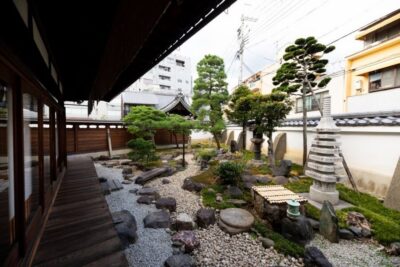
World Heritage Kyoto & Nara Uji Authentic Matcha Experience
Read our review →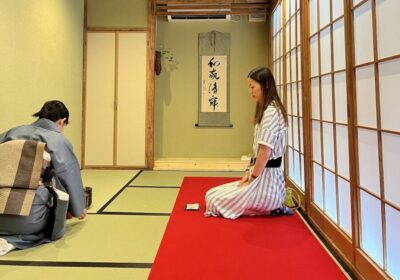
Browse the lists this tour appears in