
Review · MATCHA & TEA CEREMONY SESSIONS
Kyoto: Private Tea Ceremony at local home with tea master
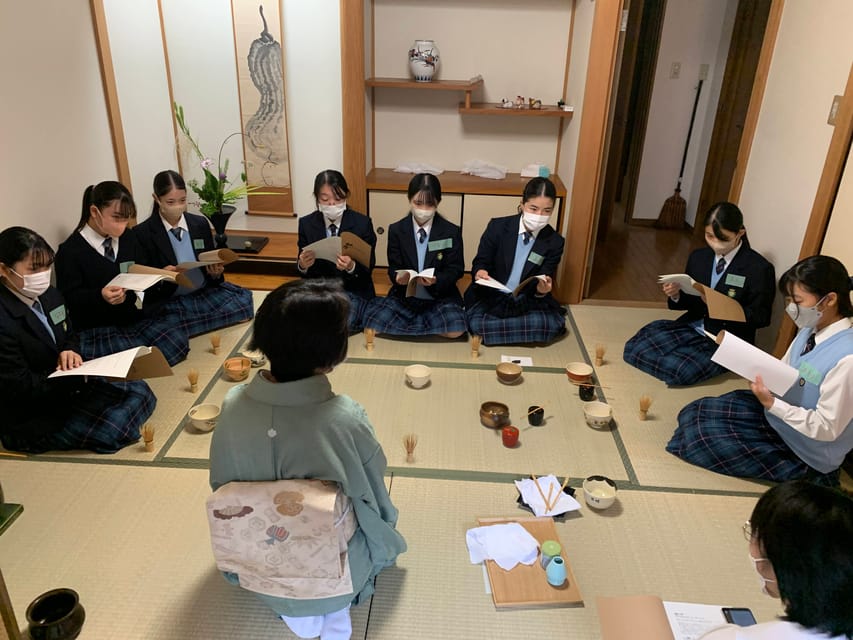
A tea ritual, in a Kyoto home.
This private ceremony near Nijo Castle trades tourist scripts for calm, hands-on lessons in Japanese tea culture. I especially love the quiet, respectful pace and the way the tea master explains what each gesture means. The only real catch is that a one-hour format can feel a bit tight if you want extra questions at the end.
You’ll get high-quality matcha from Uji plus two kinds of seasonal Japanese sweets ordered for you, so the tasting feels complete. It’s also one of the rare experiences that’s set up for different needs, including Halal, Vegan, allergies, and LGBTQ travelers. The main thing to consider is the dress and etiquette rules, like long pants or a long skirt, socks, no perfume, and no indoor shoes.
In This Review
- Kyoto Tea Ceremony Near Nijo Castle: The Quick Take
- Key highlights worth caring about
- How to Get There Near Nijo Castle Without Stress
- Stepping Into a Real Kyoto Tea Room, Not a Set
- The etiquette rules start before the tea
- The Tea Master’s Lesson Plan in Plain, Useful Steps
- Uji Matcha and Seasonal Sweets, Why This Pairing Works
- Hands-On Matcha: Where the Ceremony Gets Real
- Etiquette You Can Actually Use After the Ceremony
- Price and Value: Is $101 Per Person Worth It?
- Who This Private Tea Ceremony Fits Best
- Book It or Skip It: My Verdict
- FAQ
- How long is the Kyoto private tea ceremony?
- Where does the experience start?
- How close is it to Nijo Castle and public transit?
- What languages are offered?
- Is this a private group experience?
- What is included in the price?
- Can you accommodate Halal, Vegan, and allergies?
- Are there any dress or behavior rules?
- Are children allowed?
- Is it wheelchair accessible?
Kyoto Tea Ceremony Near Nijo Castle: The Quick Take
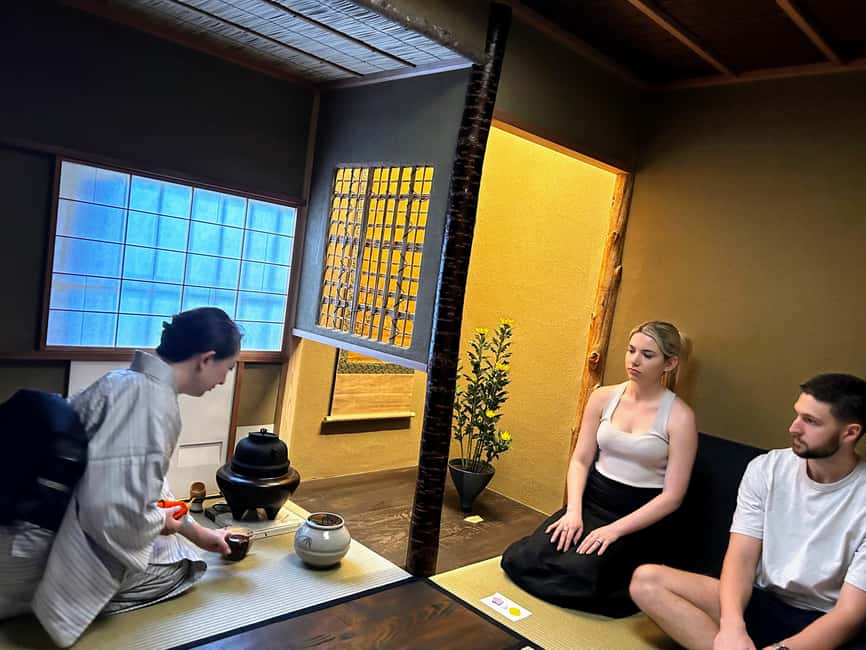
If you want a tea ceremony that feels like Kyoto life, this is a strong choice. The location is convenient for seeing central sights, and the format is private, so you can keep up without feeling rushed by a big group. You’ll learn the purpose behind the utensils and the manners that shape the whole experience, not just how to drink matcha.
Key highlights worth caring about
- A local-home setting close to Nijo Castle, Kyoto Imperial Palace, and central transit routes
- Certified tea master teaching, with step-by-step meaning behind the movements
- Uji matcha plus seasonal sweets, served in a way that balances flavor and texture
- Hands-on participation, including preparing matcha yourself
- Practical culture lessons, from utensils (chawan, chasen, chashaku) to etiquette
More Tea Ceremonies in Kyoto
- Kyoto: Tea Ceremony in a Traditional Tea House in Kiyomizu
★ 4.9 · 3,519 reviews - Kyoto: Tea Ceremony Ju-An at Jotokuji Temple
★ 4.9 · 3,207 reviews - Kyoto: 45-Minute Tea Ceremony Lesson Experience
★ 4.3 · 2,378 reviews
How to Get There Near Nijo Castle Without Stress
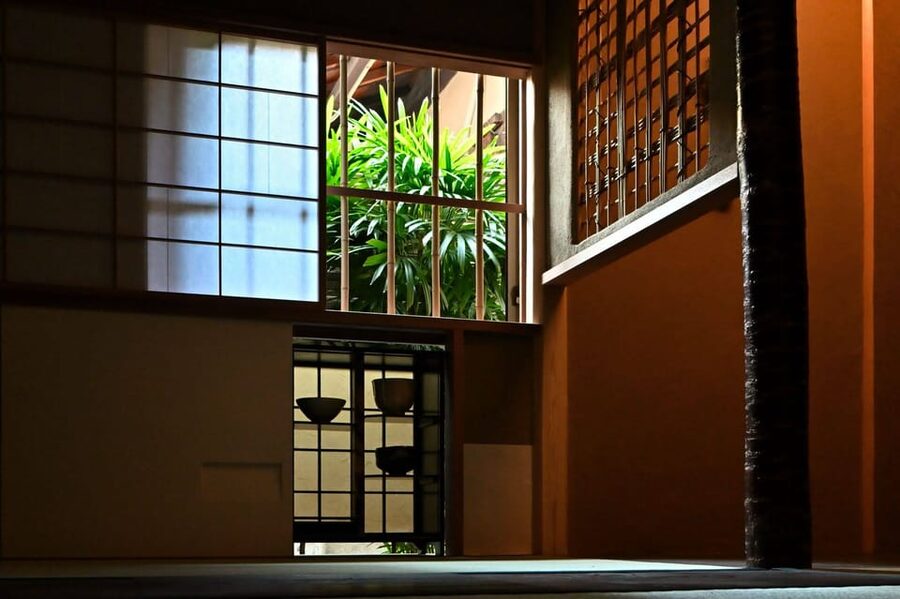
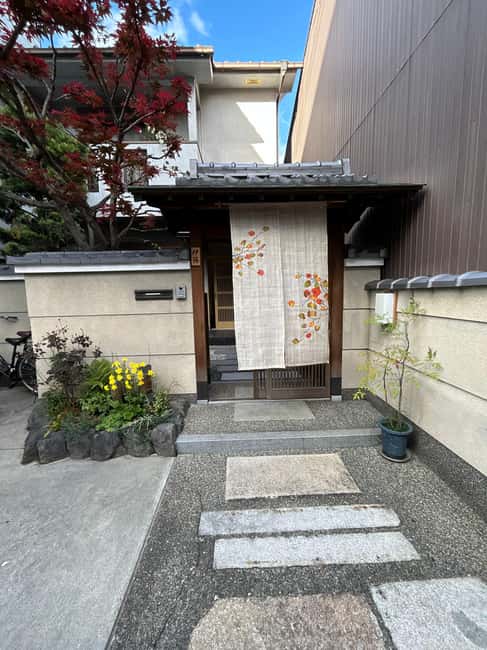
Your meeting point is Sakura 日本文化体験, a very short walk from the Nijojomae subway station and also close to Nijo Castle. If you are coming by bus, the Nijojomae stop is about a 3-minute walk too. From JR Kyoto Station, plan on about a 10-minute taxi ride.
Why this matters: you are not fighting Kyoto traffic or hunting for a hidden address at the end of the day. A tea ceremony works best when you arrive calm and on time, not sweaty and flustered.
Stepping Into a Real Kyoto Tea Room, Not a Set
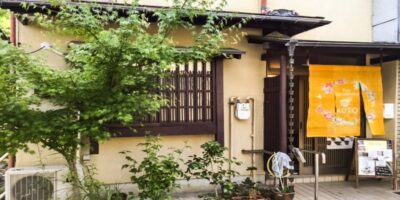
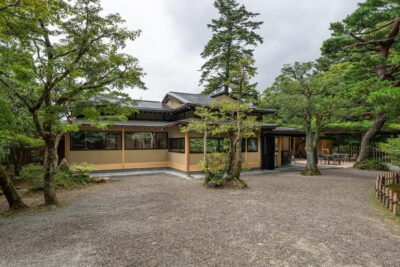
The ceremony happens in a warm tea room inside a local home, so the atmosphere feels lived-in, not staged. When you enter, the focus is immediately on respect and tranquility, and you feel it in the way the tea master guides everyone through the ritual.
This is where you’ll notice the difference between “watching tea” and actually learning tea. The tone is thoughtful, and every step is treated like it has a reason, not just a performance.
The etiquette rules start before the tea
You do not just follow rules to be polite. In tea culture, the rules help you slow down and keep the space clean and comfortable for everyone.
Plan to bring:
- Long pants (or a long skirt)
- Socks (you can also have socks provided if you do not have them)
- Comfortable clothes you can sit in easily
Plan to avoid:
- Shorts and short skirts (they can hurt the tea room setting)
- Jewelry
- Perfume or strong fragrances
- Hats
- Indoor shoes (you’ll need socks instead)
- Video or audio recording
- Smoking, vaping, alcohol, and drugs
If you think this sounds picky, you’re right. But the payoff is real: the tea room stays quiet, and the ceremony stays focused.
A different sort of day in Japan:
- PERFECT KYOTO 1-Day Bus Tour
★ 5.0 · 13,518 reviews - Kyoto: Fushimi Inari, Kinkakuji, Bamboo Grove 1 Day Bus Tour
★ 4.8 · 4,316 reviews - Kyoto Geisha Walking Tour: Gion District & Hidden Gems
★ 4.7 · 3,273 reviews - Kyoto: Gion Geisha District Walking Tour – Stories of Geisha
★ 4.7 · 2,187 reviews
The Tea Master’s Lesson Plan in Plain, Useful Steps
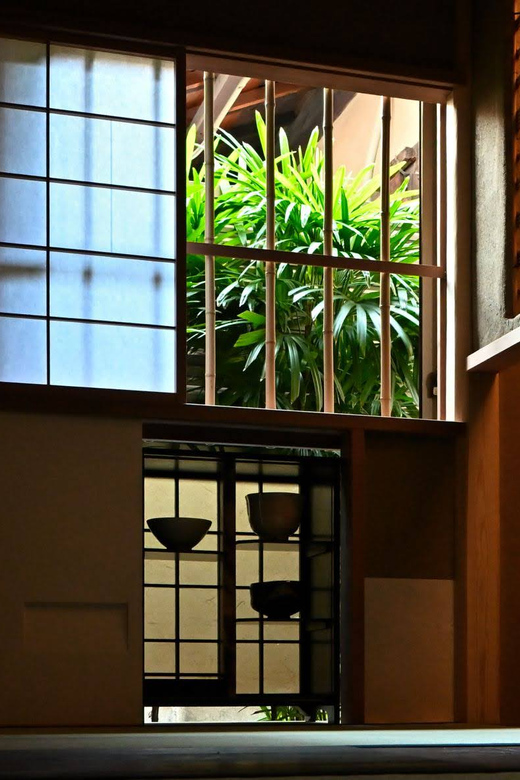
This private session is built like a guided course, but it never feels like a lecture. You’ll start with a foundation, then move into tools, manners, and hands-on preparation.
Here’s what you can expect to cover:
- Introduction and history: where tea ceremony traditions come from and how they connect to Japanese culture
- Tea utensils and what they mean: you’ll learn roles for the tea bowl (chawan), tea whisk (chasen), and tea scoop (chashaku), including care and maintenance tips
- Etiquette for tea preparation and appreciation: how to handle the bowl properly and the mindset behind the manners
- A demonstration: you watch the graceful sequence, then you get the chance to do parts yourself
- Hands-on matcha preparation: you’ll experience the actual whisking and pouring process
- Q and A and reflection: time to ask questions and make sense of what you just learned
- Culture beyond tea: how the ceremony mindset shows up in daily life
Why this is valuable: you’re not collecting facts. You’re learning a framework you can take back to how you eat, how you show respect, and how you pay attention.
Uji Matcha and Seasonal Sweets, Why This Pairing Works
You’ll be served two cups of matcha during the session, and the matcha is described as made in Uji, Kyoto. Uji matcha is famous for quality, and here it’s presented as something you taste slowly, not something you rush through.
You’ll also enjoy two kinds of seasonal Japanese sweets, ordered for you, to pair with the tea. The format is specifically seasonal, so the sweets are meant to change with the time of year and to complement the matcha experience.
Here’s what that means for you in practice:
- The sweets add contrast, so the matcha tastes more layered, not just green and grassy.
- Seasonal choices give you a snapshot of Kyoto’s calendar, even though you’re only there for an hour.
- The “two cups” approach gives you a chance to adjust your palate after the first sip, then taste again with more awareness.
If you have dietary needs, tell the team ahead of time. This experience states they can accommodate Halal, Vegan, allergies, and even different LGBTQ needs. I’d treat that as a real capability, not a vague promise, and confirm any specifics early.
Hands-On Matcha: Where the Ceremony Gets Real
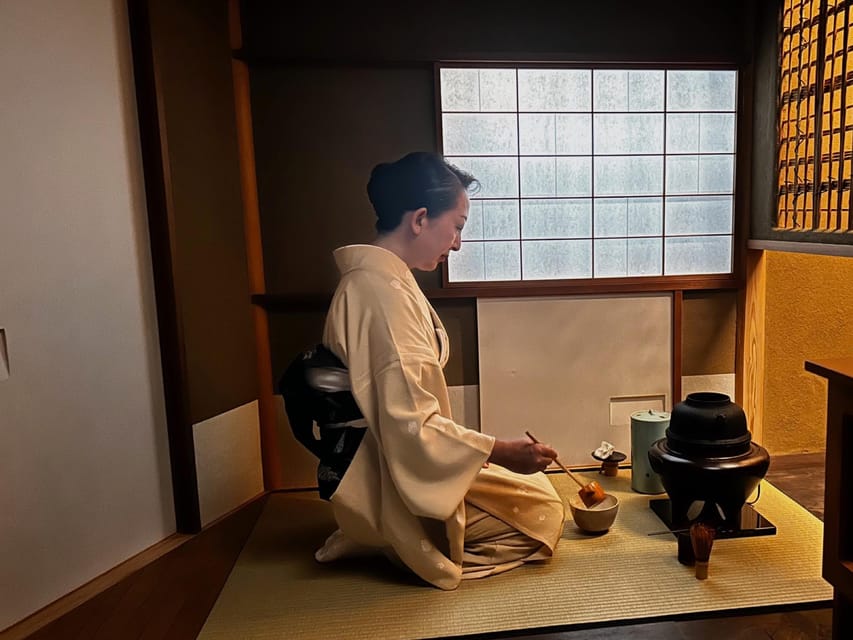
Watching someone whisk matcha is soothing. Doing it yourself is different. You’ll get the chance to prepare the matcha, which turns the ceremony into an embodied lesson in rhythm and control.
In tea preparation, the details matter:
- How the utensils are handled
- How you pour
- How you treat the whisk and bowl as tools, not props
And because this is taught in a small, private setting, you are not left guessing. The tea master guides you through the steps at a pace that makes sense.
One practical thing: you may feel the time pressure of a one-hour format, especially near the end. The good news is that most of the core learning happens earlier, and you’ll still get Q and A.
Etiquette You Can Actually Use After the Ceremony
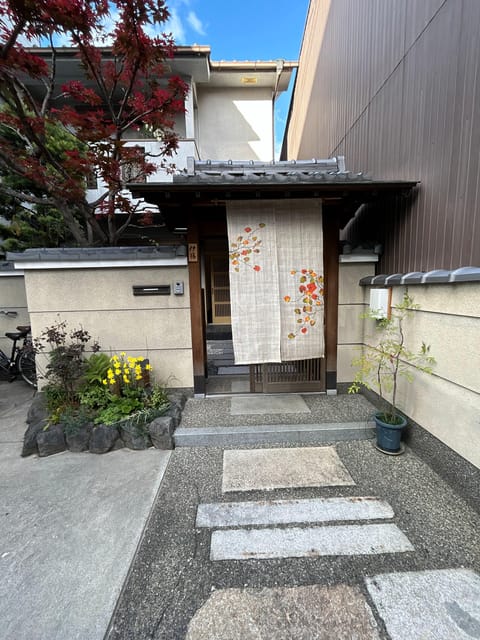
Even if you never host a full tea ceremony at home, you can still use the etiquette lessons. The tea master focuses on proper handling of the bowl and the mindset behind manners, which is what makes the experience feel respectful rather than formal.
A few principles you’ll likely take away:
- Handle the bowl carefully, because it is part of the art
- Slow down your movements, because it changes how you taste
- Treat the room and utensils as shared space, not your personal stage
The utensils lesson also has a practical side. You’ll learn how to care for the tools, and you’ll get a clearer idea of why each piece exists. That makes your tea experience at home less confusing, if you try it again later.
Price and Value: Is $101 Per Person Worth It?
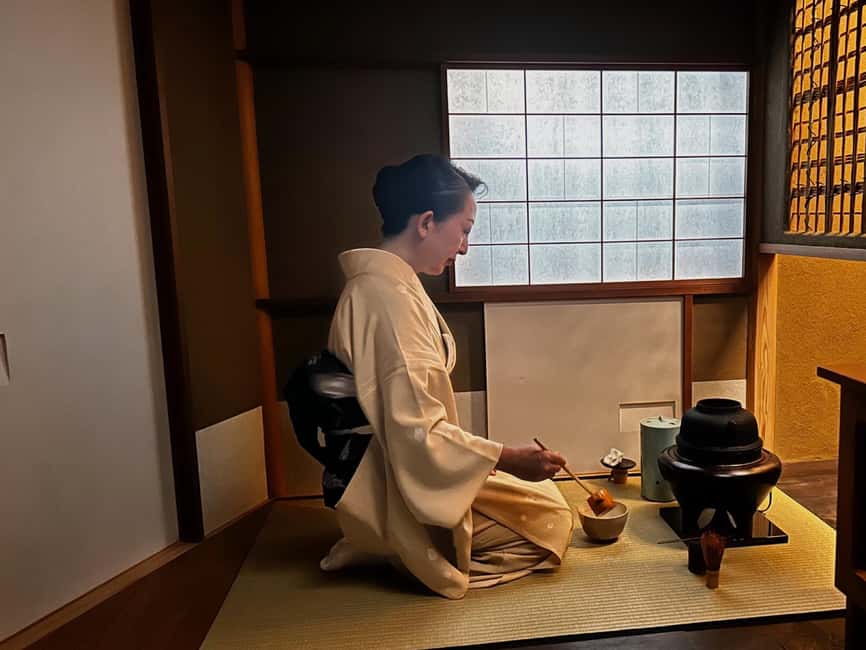
At $101 per person for about one hour, this is not the cheapest Kyoto activity. But it is also not trying to be.
You are paying for:
- A private experience with a tea master in a local home
- Two cups of matcha included
- Two kinds of seasonal sweets included
- A structured lesson that covers history, utensils, etiquette, and hands-on matcha prep
- A teacher who can teach in English and Japanese
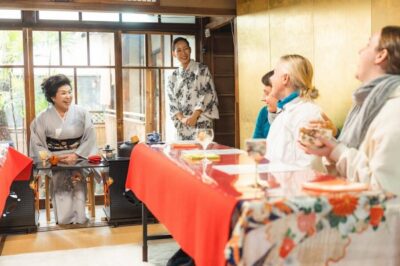
Where the value really shows up is personalization. In a one-hour private format, you get more direct attention than you would in large-group classes, and you don’t have to interpret everything on your own. If you’re the kind of traveler who likes small moments with meaning, this usually feels worth it.
Who This Private Tea Ceremony Fits Best
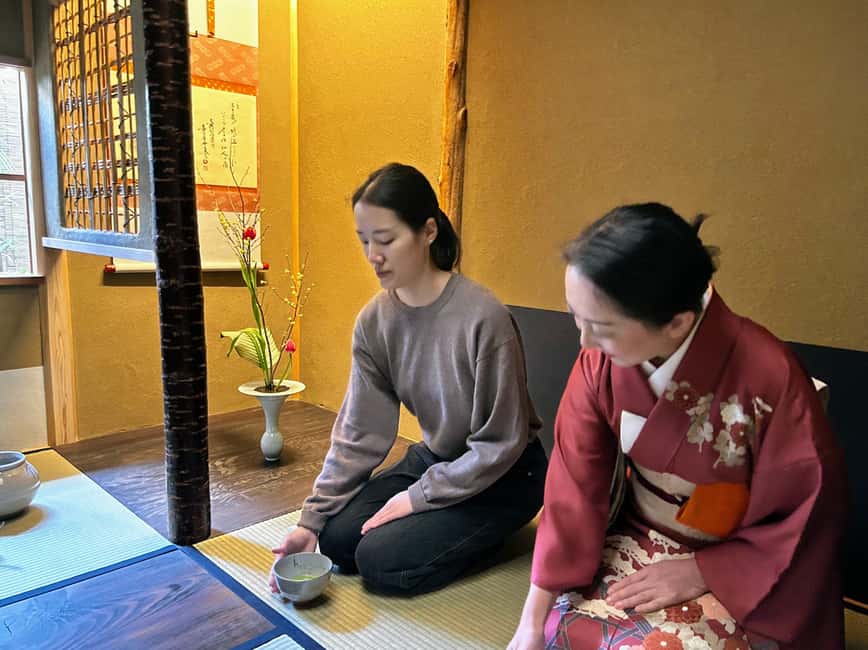
This works especially well if you:
- Want an authentic cultural experience in central Kyoto without long travel time
- Like learning how things work, not just taking photos
- Are going as a couple, solo traveler, or small party and want a calmer setting
- Have dietary needs like Halal or Vegan, or need help with allergies
It is not suitable for children under 13, and it is set up as a private group experience.
If you’re sensitive to strict rules, read them carefully first. No indoor shoes, no shorts, no perfume, and no recording means the day will require a little preparation.
Book It or Skip It: My Verdict
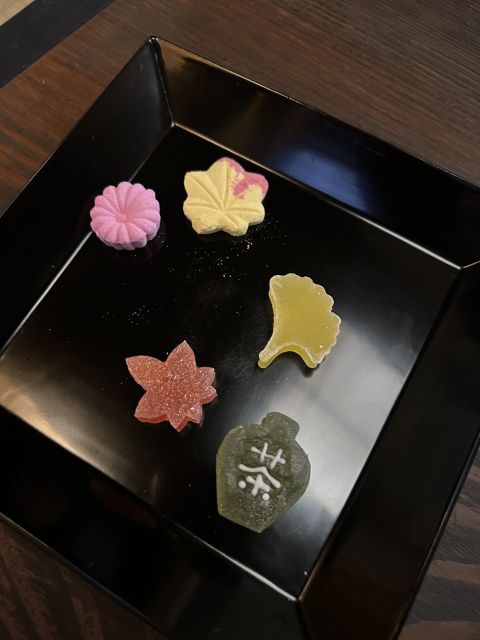
I’d book this if you want Kyoto culture through a slow, respectful ritual, with real hands-on learning. The setting near Nijo Castle keeps logistics easy, and the mix of Uji matcha, seasonal sweets, and a structured lesson makes the hour feel complete.
Skip it only if you want something casual and spontaneous with no etiquette requirements. This experience asks you to show up prepared, sit comfortably, and follow the tea room rules so the ceremony stays quiet and respectful.
FAQ
How long is the Kyoto private tea ceremony?
It lasts about 1 hour.
Where does the experience start?
You meet at さくら 日本文化体験.
How close is it to Nijo Castle and public transit?
It is about a 3-minute walk from Nijo Castle and Kyoto subway line Nijojomae station, and about a 3-minute walk from the Kyoto city bus Nijojomae stop. From JR Kyoto Station, it is about a 10-minute taxi ride.
What languages are offered?
The instructor speaks English and Japanese.
Is this a private group experience?
Yes, it is a private group.
What is included in the price?
You get 2 cups of matcha and 2 kinds of traditional Japanese dried sweets, plus a certification from a tea master.
Can you accommodate Halal, Vegan, and allergies?
Yes. The experience states they can accommodate Halal, Vegan, allergies, and also LGBTQ needs.
Are there any dress or behavior rules?
Yes. You should wear comfortable clothes with long pants or a long skirt, bring socks, and avoid shorts, short skirts, hats, jewelry, perfume, and indoor shoes. Video and audio recording are not allowed.
Are children allowed?
No, it is not suitable for children under 13 years old.
Is it wheelchair accessible?
Yes, it is wheelchair accessible.
Newly listed around Kyoto
- Taste of Nishiki Market Walking Food Tour with Local guide★ 5.0 · 17 reviews
- Kyoto: Sushi Making Class with Sushi Chef★ 4.8 · 64 reviews
- Simple Plan with Maiko★ 4.4 · 10 reviews
- Shibori Furoshiki Course at Kyoto Shibori Museum★ 5.0 · 21 reviews
- Kyoto: City Secrets eBike Tour★ 4.9 · 196 reviews
- Sacred Pathways: Discover the Philosopher’s Path of Kyoto★ 4.9 · 20 reviews
- Private Tour to Monkey Park and Arashiyama Highlights★ 5.0 · 22 reviews
- Private Nara Tour from Osaka – Meet at Your Hotel★ 5.0 · 22 reviews
Matcha & Tea Ceremony Sessions, compared.
Tea Ceremony in a Traditional Tea House in Kiyomizu
Read our review →
World Heritage Kyoto & Nara Uji Authentic Matcha Experience
Read our review →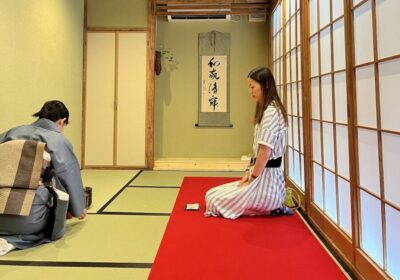
Browse the lists this tour appears in