
Review · MATCHA & TEA CEREMONY SESSIONS
Kyoto Private Tea Ceremony with Tea Master at Home
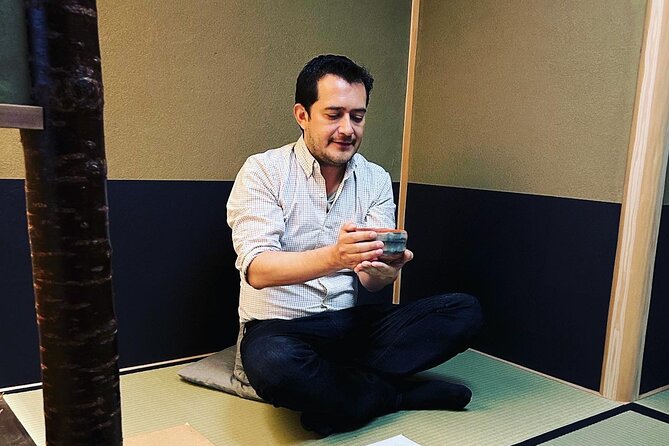
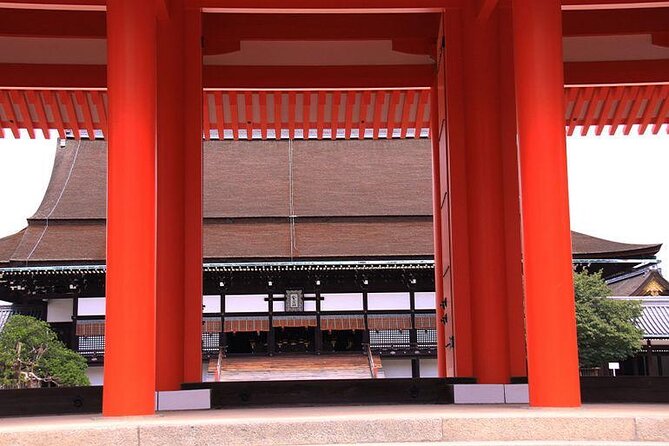
An hour of tea, done the Kyoto way. This private ceremony takes place in real tea rooms, Koma and Hiroma, inside Sakura Experience Japanese Culture near Nijo Castle, guided by Aya-sensei, a licensed tea instructor. I love the quiet, at-home setting that makes the ritual feel respectful rather than performative.
I also love learning the hands-on core, matcha made with a bamboo whisk and served with care. One thing to plan around: the experience is strict about tea-room basics, including socks for tatami, no perfume, and an early cut off if you arrive late.
This is paired with three seasonal wagashi and a take-home booklet, so you leave with both a moment and a reference you can actually use.
In This Review
- Key things that make this Kyoto tea ceremony special
- A Kyoto tea room, shared like a living craft
- The first minutes set the tone: rules, respect, and calm
- Wagashi: three seasonal sweets that work for many diets
- Matcha from the bamboo whisk: what you do, not just watch
- The take-home booklet: your cheat sheet for tea etiquette
- Price and value: what $99.08 buys you in Kyoto
- Practical Kyoto tea tips: socks, fragrance, and how to dress
- Who should book this private tea ceremony?
- Should you book Aya-sensei’s Kyoto tea ceremony at a home?
- FAQ
- How long is the Kyoto private tea ceremony?
- Where does the experience take place?
- What is included in the price?
- Is there a kimono rental included?
- Do you need socks for the tea room?
- What should you wear?
- Are children allowed?
- What happens if you arrive late?
- Is the tour private?
Key things that make this Kyoto tea ceremony special
- A private tea room in a real home near Nijo Castle, not a scripted showroom
- Aya-sensei’s instruction focuses on etiquette and the why behind each step
- Three seasonal wagashi from a long-established Kyoto confectioner that are gluten-free and vegan
- Hands-on matcha preparation, plus you get to drink two bowls made with blended matcha from Uji
- A tea ceremony booklet souvenir to help you remember the spirit and the steps
- Tea-room rules that protect the atmosphere, including socks, no fragrance, and proper attire
A Kyoto tea room, shared like a living craft
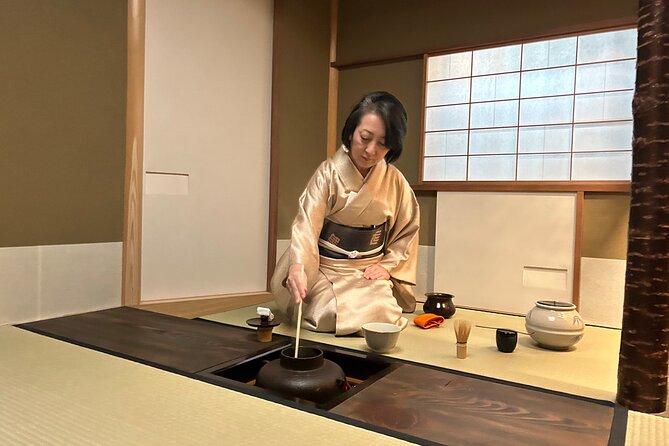
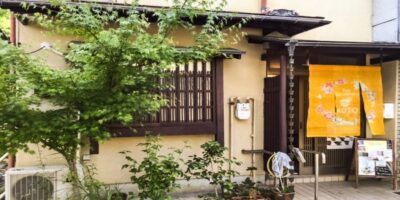
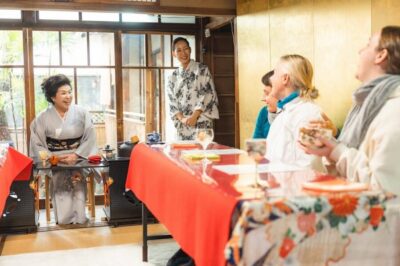
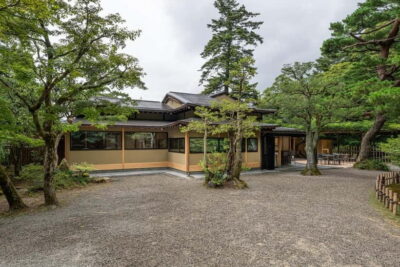
Kyoto’s best cultural experiences feel personal because they are not rushed and not noisy. Here, you enter Sakura Experience Japanese Culture in a local home setting, where tradition is treated as something still practiced, not something staged for tourists. It is explicitly private, so it is just your group in the tea room.
The ceremony takes place in two traditional spaces, Koma and Hiroma, which matters more than you might think. Different rooms can change how the ritual feels, the pacing, and even how you move, since you are living within the flow of the ceremony rather than standing around watching.
Aya-sensei and her tea team are trained masters in related arts as well, including calligraphy and ikebana. That cross-training shows in how the session is explained, since tea is not just taste and technique. It is also about attention, posture, and timing.
If you want a calm, “I can actually slow down here” kind of experience, this setup fits. If you want a loud performance with photos every five seconds, you may find the tone too quiet.
More Tea Ceremonies in Kyoto
- Kyoto: Tea Ceremony in a Traditional Tea House in Kiyomizu
★ 4.9 · 3,519 reviews - Kyoto: Tea Ceremony Ju-An at Jotokuji Temple
★ 4.9 · 3,207 reviews - Kyoto: 45-Minute Tea Ceremony Lesson Experience
★ 4.3 · 2,378 reviews
The first minutes set the tone: rules, respect, and calm
Tea ceremony etiquette can sound formal, but the goal is simple: protect the atmosphere so everyone stays present. When you arrive, you are expected to be on time. If you show up more than 15 minutes late, you will not be able to join, and there is no refund.
Before you even step into the tea room, you will likely notice the setup is designed for hygiene and comfort on tatami. You are required to wear socks and keep bare feet off the mats. If you forget, socks are available for purchase on site, so you are not totally stuck, but you should try to plan ahead.
Dress code is also part of the ceremony rhythm. You need clothing with sleeves and either a long skirt or long pants. Sleeveless tops, shorts, and mini skirts are not permitted. The tea room atmosphere is also fragrance-free, so you should avoid perfume and musk-based scents. If you do wear fragrance, you may be asked to remove it before entry.
The net effect is that the space feels focused. You get fewer distractions, and you can actually learn the steps instead of just trying to survive them. There is also seating available with small chairs if you need them, so the ritual is not automatically built only for people who sit comfortably on the floor.
If you bring a teen, this is still a good fit, but there is an age limit: children 13 and under cannot join.
Wagashi: three seasonal sweets that work for many diets
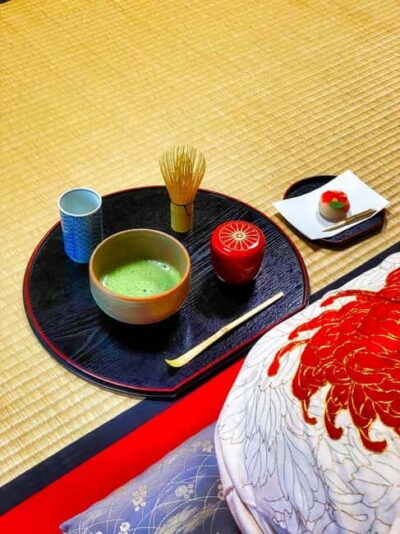
Part of what makes Japanese tea culture so satisfying is the pairing. You do not just get matcha. You also get wagashi, served in a way that follows the season and the mood of the room.
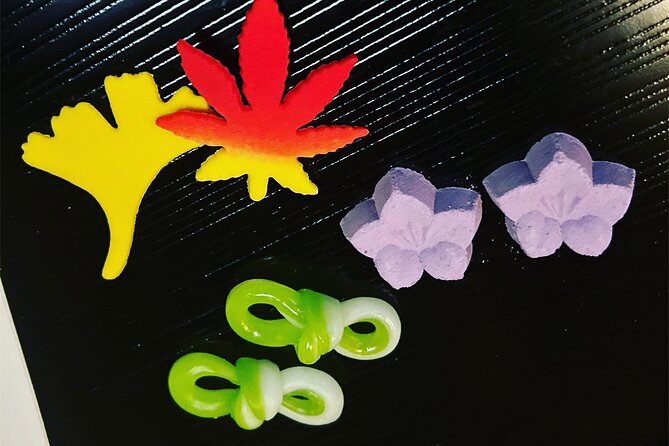
In this ceremony you snack on three types of wagashi, prepared by a long-established Kyoto confectioner and described as coming from a historical shop. The important practical detail is that the sweets are gluten-free and vegan, which is rare enough that it can be a genuine relief.
If you have dietary restrictions, this matters because it changes how you experience the ceremony. You do not end up scanning ingredient lists while everyone else is enjoying a shared moment. You can focus on how the sweetness complements the matcha, and how the flavors shift as you move from one sweet to the next.
How you eat also fits the ritual. You are not expected to treat wagashi like a random snack. You are guided through the right etiquette, so the tasting becomes part of learning rather than a break from it.
Also, the experience includes a short souvenir booklet on tea ceremony spirit and etiquette. That means the sweets are not just tasty, they become a concrete way to remember what you were taught.
Matcha from the bamboo whisk: what you do, not just watch
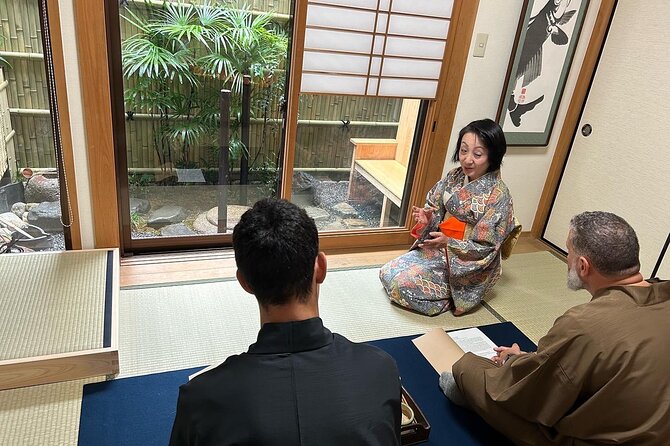
The heart of this experience is matcha, and you do not only watch. Aya-sensei guides you through making matcha in the traditional way using a bamboo whisk, then you sip as part of the ceremony.
The hands-on piece is where the session becomes memorable. You see the steps, you learn what each motion is supposed to accomplish, and then you try it. That is how you understand why tea masters take technique seriously.
You will prepare matcha, and the ceremony also includes two bowls of matcha prepared with the experience’s original blended matcha from Uji. Uji is the classic tea-growing region people connect with high-quality green tea in Japan, so sourcing it that way supports the overall authenticity of the session.
When matcha is done well, it is not just about “tastes green.” It is about texture and balance. The whisking step is a big deal because it affects how the tea feels in your mouth, and how the sweetness and wagashi pairing lands.
A helpful detail for expectations: the ceremony is about pacing. Even though the total duration is about an hour, it is not a rushed assembly line. You will have time to absorb what is happening, ask questions, and get corrected gently as you practice.
This is also one reason why the instructor’s presence matters. In the past, Aya-sensei has been praised for being warm, friendly, and patient, with English that is easy to follow. That kind of clarity helps if you want to understand the meaning behind the motions, not memorize them like a dance.
A different sort of day in Japan:
- PERFECT KYOTO 1-Day Bus Tour
★ 5.0 · 13,518 reviews - Kyoto: Fushimi Inari, Kinkakuji, Bamboo Grove 1 Day Bus Tour
★ 4.8 · 4,316 reviews - Kyoto Geisha Walking Tour: Gion District & Hidden Gems
★ 4.7 · 3,273 reviews - Kyoto: Gion Geisha District Walking Tour – Stories of Geisha
★ 4.7 · 2,187 reviews
The take-home booklet: your cheat sheet for tea etiquette
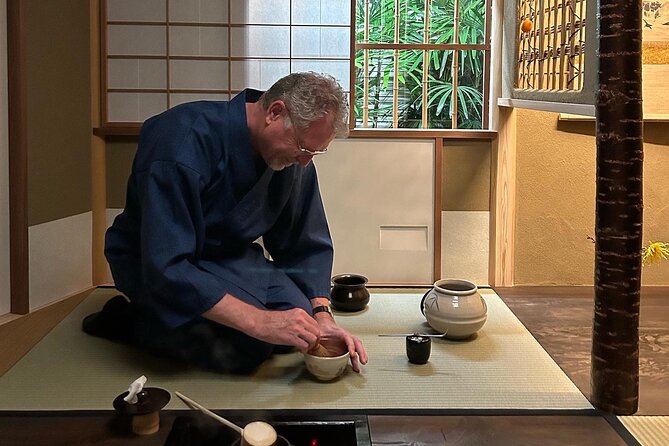
One of my favorite parts of this kind of cultural class is the souvenir that keeps paying off after your trip. Here, you take home a concise booklet about the spirit and etiquette of the tea ceremony.
You can treat it like a guide for remembering what you learned, especially the order of steps and the mindset behind them. Tea ceremony has a lot of small gestures, and when you only have one hour, a written reminder helps the memory stick.
It also makes a nice “quiet gift” to yourself or someone at home. You can read it when you are ready, then revisit your own notes while you practice at home.
And since the booklet focuses on etiquette, it gives you language you can reuse. If you visit a Japanese teahouse later, you will likely notice the details more because you will know what matters and why.
Price and value: what $99.08 buys you in Kyoto
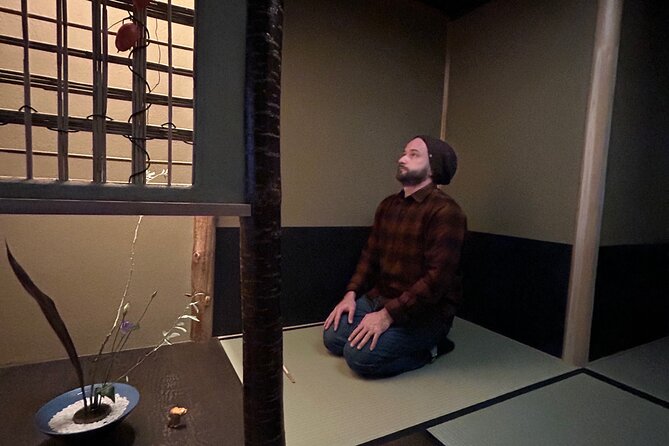
At $99.08 per person for about an hour, this is not a cheap impulse activity. But in Kyoto, private, home-based instruction tends to cost more than group classes for a reason. You are paying for privacy, a dedicated instructor, and access to a tea room that is functioning like a real one, not a demo set.
What you get for the price is concrete:
- Three types of handcrafted wagashi (gluten-free and vegan)
- A take-home tea ceremony booklet
- Guided demonstration plus hands-on matcha preparation
- Two bowls of matcha made with blended matcha from Uji
Those inclusions change the value equation. You are not paying only for instruction time. You are also receiving the tasting experience and the matcha itself, plus a souvenir that helps you retain the lesson.
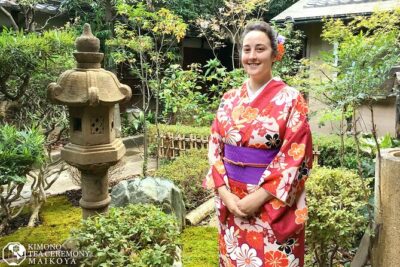
One note for budgeting: kimono rental is not included. If you were hoping to dress up, plan on wearing your own clothing that fits the rules (sleeves, long bottoms). If you want a kimono look, you might need to book that separately elsewhere.
Also, this kind of experience typically fills ahead. The average booking window is about 48 days, so if Kyoto is busy when you go, earlier booking helps.
Practical Kyoto tea tips: socks, fragrance, and how to dress
This is where most people either make it easy or make it stressful. With tatami and etiquette rules, you will feel better if you prepare before you leave your hotel.
Bring or wear socks you will be comfortable in. Socks are not a style choice here, they are part of tatami hygiene. If you forget, socks can be purchased on site, but you do not want a last-minute scramble.
Dress for form, not for fashion. Choose a top with sleeves and long pants or a long skirt. Leave the shorts and sleeveless tops at home for this one.
Skip perfume. The tea room atmosphere is treated as something delicate, and fragrance can interfere. If you are sensitive to this rule, keep your routine fragrance-light for the day of the ceremony.
If mobility or sitting on the floor is a challenge, tell the organizer in advance so seating with a small chair can be arranged. This is an experience built for learning, not for testing how long you can sit.
And if you are coming from Nijo Castle, you are in a good spot. The location is near public transportation, and the area makes it easy to connect the ceremony with other nearby sights without wasting your afternoon.
Who should book this private tea ceremony?
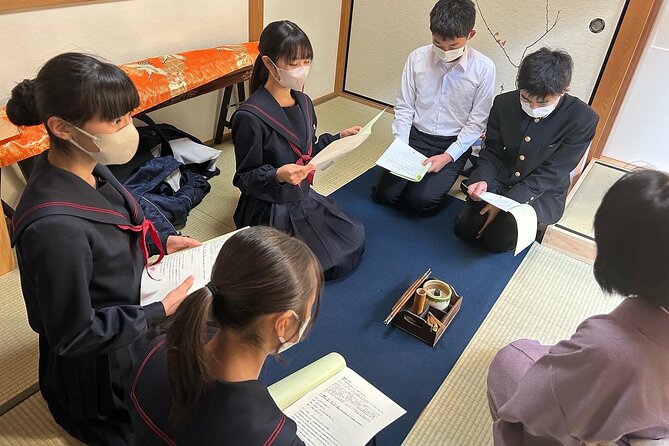
Book it if you want Kyoto culture with a calm pace. This fits people who enjoy quiet settings, cultural depth, and traditional etiquette, and who want to do more than just take photos.
It also fits diet-conscious travelers because the wagashi are described as gluten-free and vegan. That lets you participate in the shared tasting without guessing what you can safely eat.
It is also a great choice for couples and small groups who want privacy. The private format helps because the instructor can slow down, correct details, and answer questions without the pressure of a large class.
Think twice if you arrive expecting a theatrical show or if you need a very flexible schedule. The session runs about an hour and starts on time. If you miss the start window, you will not be able to participate.
And since kids 13 and under cannot join, it is not the best family pick for younger travelers.
Should you book Aya-sensei’s Kyoto tea ceremony at a home?
Yes, you should strongly consider booking this if you want an experience that feels respectful and real, not packaged. The biggest reasons are the private tea-room setting, the hands-on matcha whisking, and the fact that you also get three diet-friendly wagashi plus a take-home booklet.
If you are the type who likes learning the meaning behind cultural practices, Aya-sensei’s teaching style is likely to click with you. You can walk away understanding not just what to do, but why each step matters.
If you want to feel prepared, do three things: wear the right clothes, bring socks, and skip perfume. Then show up on time, so you get the full hour.
That combination is what turns this from a nice activity into a Kyoto memory that stays with you.
FAQ
How long is the Kyoto private tea ceremony?
It runs about 1 hour.
Where does the experience take place?
The meeting point is at さくら日本文化体験 二条城教室, near Nijo Castle in Kyoto, and the activity ends back at the meeting point.
What is included in the price?
You get three types of seasonal wagashi, matcha preparation guidance, two bowls of matcha, and a tea ceremony booklet souvenir.
Is there a kimono rental included?
No. Kimono rental is not included.
Do you need socks for the tea room?
Yes. Socks are required to protect the tatami mats. If you forget, socks are available to purchase on site.
What should you wear?
You should wear a top with sleeves and either a long skirt or long pants. Sleeveless tops, shorts, and mini skirts are not permitted.
Are children allowed?
Children aged 13 and under are not permitted to join.
What happens if you arrive late?
If you arrive more than 15 minutes after the start time, you will not be able to participate and no refund can be provided.
Is the tour private?
Yes. Only your group will participate.
Newly listed around Kyoto
- Zen Meditation for Life in Kyoto★ 5.0 · 10 reviews
- Kyoto: Zen Meditation at a Private Temple with a Monk★ 5.0 · 25 reviews
- Kyoto Private Customizable Day Tour with Guide and Vehicle★ 5.0 · 52 reviews
- Private Wagyu Beef Tour with a Local Guide★ 5.0 · 6 reviews
- Kyoto: Gion Geisha District & Sake-in-Hand Walking Tour★ 5.0 · 37 reviews
- Your Private Vacation Photography Session In Kyoto★ 5.0 · 110 reviews
- Private Guided Traditional Buddhist Cooking in Japan★ 5.0 · 16 reviews
- Private Pewter Sake Cup Experience with a Kyoto Artisan★ 5.0 · 31 reviews
Matcha & Tea Ceremony Sessions, compared.
Tea Ceremony in a Traditional Tea House in Kiyomizu
Read our review →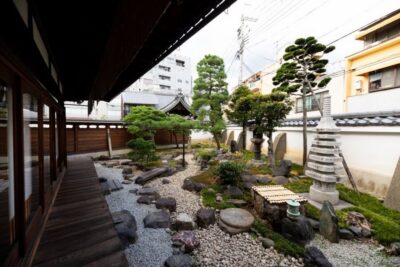
World Heritage Kyoto & Nara Uji Authentic Matcha Experience
Read our review →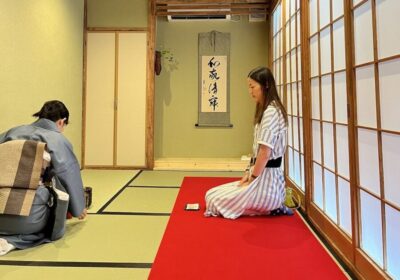
Browse the lists this tour appears in