
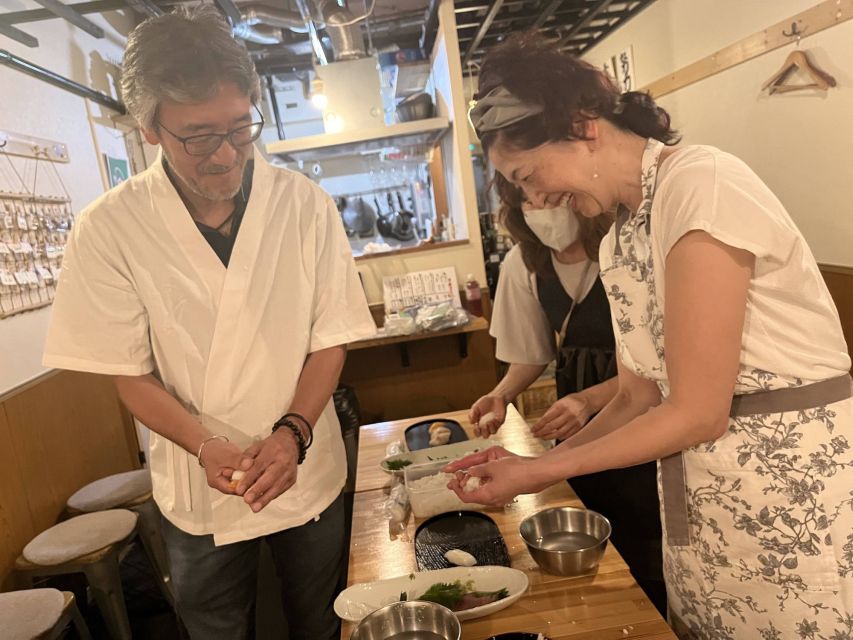
Review · SUSHI COOKING WORKSHOPS
Kyoto: Sushi Making Class with Sushi Chef
Fresh fish, real technique, and you on a chef’s schedule.
This class pairs Kyoto Central Wholesale Market fish with step-by-step instruction that makes sushi feel doable, even for first-timers. I especially like the hands-on flow from practice to real nigiri, plus the small-group pace that keeps you from feeling rushed. One thing to plan for, it is not set up for food allergies, so you’ll want to think carefully before booking.
The class runs about 90 minutes to 3 hours, taught in English or Japanese, and it ends with you eating what you made. You also get a photo-taking service during the session, so you can focus on technique instead of grabbing your phone every five seconds.
In This Review
- Key Things You’ll Notice Right Away
- Kyoto Sushi Making That Feels Like Skill, Not a Show
- From Kyoto Central Wholesale Market to Your Cutting Moment
- The Step-by-Step Flow That Keeps Beginners Calm
- Nigiri First: Getting the Feel of Real Sushi
- Then the Maki Rolls: A Tool Helps You Nail the Shape
- Decorating Your Plate, Then Eating the Lunch You Made
- The Photo Service Changes How You Experience the Class
- Price and Value: What $74 Buys You in Kyoto
- Language, Group Size, and How the Teaching Feels
- Who Should Book This and Who Should Skip It
- Timing and Where You Meet Near Shijo Karasuma
- Practical Tips So You Leave With Sushi Confidence
- Should You Book This Kyoto Sushi Making Class?
- FAQ
- How long is the Kyoto sushi making class?
- What is included in the class fee?
- What will I learn to make during the session?
- Where do I meet for the class?
- How big is the group?
- What languages are used by the instructor?
- Are photos and videos taken during the class?
- Is this class suitable for people with food allergies?
- Is there a cancellation policy?
- Are strong fragrances allowed?
Key Things You’ll Notice Right Away
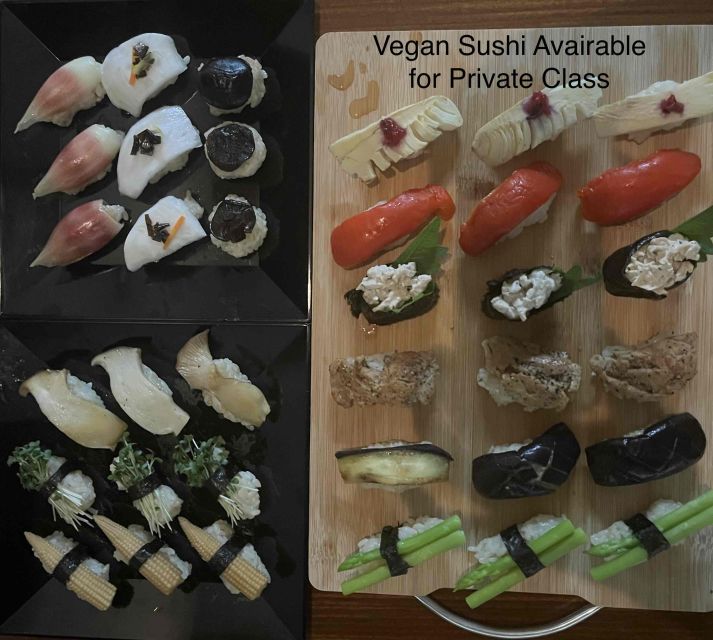
- Wholesale market fish, sourced early so the ingredients start fresh
- Toy practice first, then real nigiri, so your hands learn before pressure hits
- Nigiri, then maki rolls, using a special tool for the roll step
- Chef-led plating and decoration, so you finish with a lunch-ready presentation
- Photos and videos shared after, which makes the class feel more relaxed while you work
- Small group size (up to 8) for patient, close instruction
Kyoto Sushi Making That Feels Like Skill, Not a Show
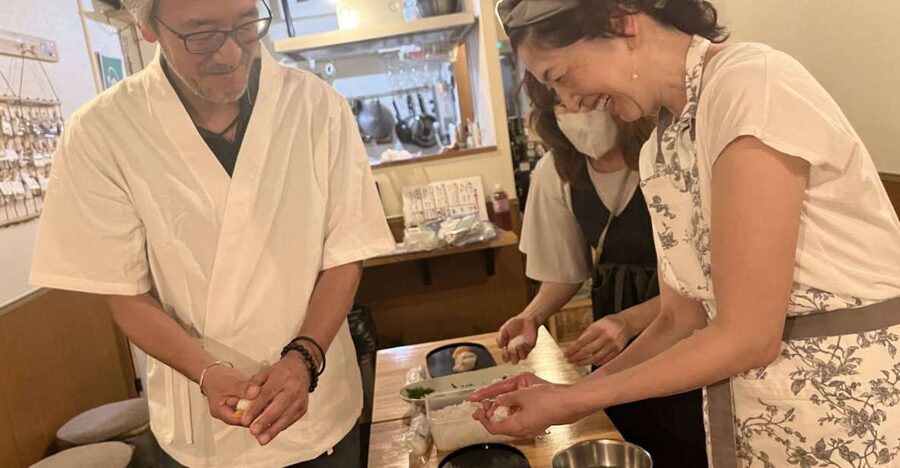
If you think sushi is just ordering something pretty, this class changes that fast. You get taught how sushi is actually built: rice handling, fish prep, shaping, rolling, then finishing touches that make it look right on the plate. The best part is that the chef doesn’t treat it like a magic trick. It’s method. Step. Repeat.
The class structure matters because it keeps your brain from getting overloaded. You start with a simple practice stage, then move into real nigiri once your hands get the feel. That flow shows up in the way the instructors teach, too. In past sessions, chefs like Hide, Yukihide-san, Nami, and Yone are repeatedly described as patient and clear, and that’s the difference between a fun cooking demo and something you can actually repeat at home.
One small caution: the activity says strong fragrances are not allowed, so skip heavy perfume or aftershave. If you are sensitive to smells, it helps the whole group stay comfortable while you learn.
More Sushi Workshops in Kyoto
- The Original Small-Group Sushi Making Class in Kyoto
★ 5.0 · 436 reviews - Kyoto: Small-Group Authentic Sushi Making Workshop
★ 5.0 · 137 reviews - Sushi – Authentic Japanese Cooking Class – the best souvenir from Kyoto!
★ 5.0 · 93 reviews
From Kyoto Central Wholesale Market to Your Cutting Moment
The fish is a big deal here, and not in a vague way. The chef purchases fresh fish early in the morning at Kyoto Central Wholesale Market, then prepares the setup for your class. That means you are not working with mystery seafood that’s been sitting around. You are working with ingredients that are meant to be eaten at their best.
Why it matters: sushi technique is precise, but the flavor starts at the ingredient stage. Good fish helps your nigiri taste like nigiri, not like rice with a topping. Several experiences note the fish as fresh and nicely cut, and that lines up with the market-to-class rhythm you’re getting.
Also, this is Kyoto, so the fish-and-rice relationship feels serious. The class includes a Japanese-style dashi soup, which is a nice palate reset while you work and then eat.
If you are the type who likes to understand the supply chain, this part gives you that context. You can see how sushi starts before it ever hits a counter.
The Step-by-Step Flow That Keeps Beginners Calm
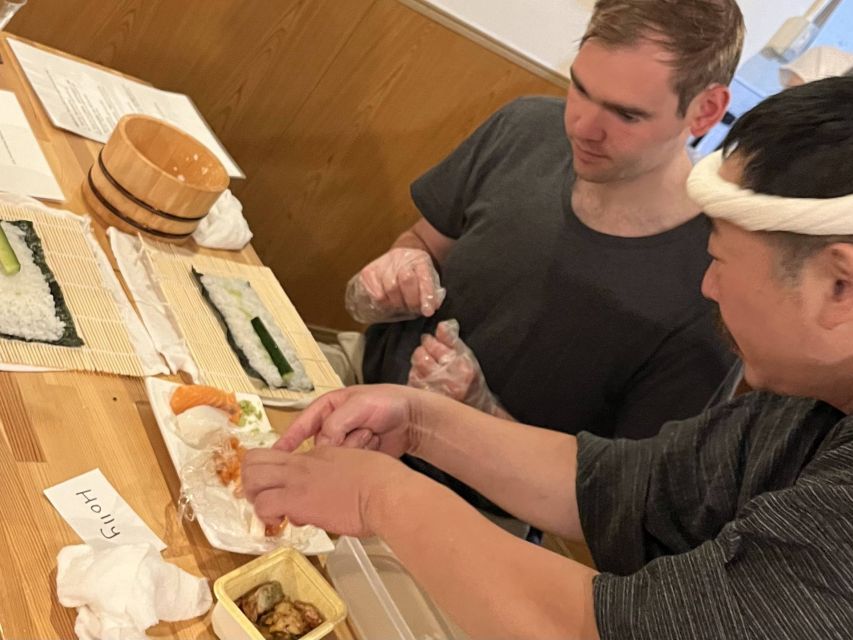
The class doesn’t throw you straight into complicated sushi. It starts with a sushi sample toy so you practice basic handling first. Once you get used to the movements, you transition to real nigiri sushi.
That sequencing is smart for you, because sushi is mostly muscle memory. Rice pressure, shape, and how you pick up the fish all have a feel. Learning the feel on a toy first keeps your confidence from crashing when the real ingredient shows up.
Next comes the roll step. You use a special tool to help with the maki process. You decorate and assemble at the end on your sushi plate, so the last phase becomes creative and satisfying instead of just technical.
And yes, kids can enjoy it because the chef teaches step-by-step, and the pace is geared to your group size. Reviews mention kids having a great time, especially when the instructor stays patient and explains clearly.
Nigiri First: Getting the Feel of Real Sushi
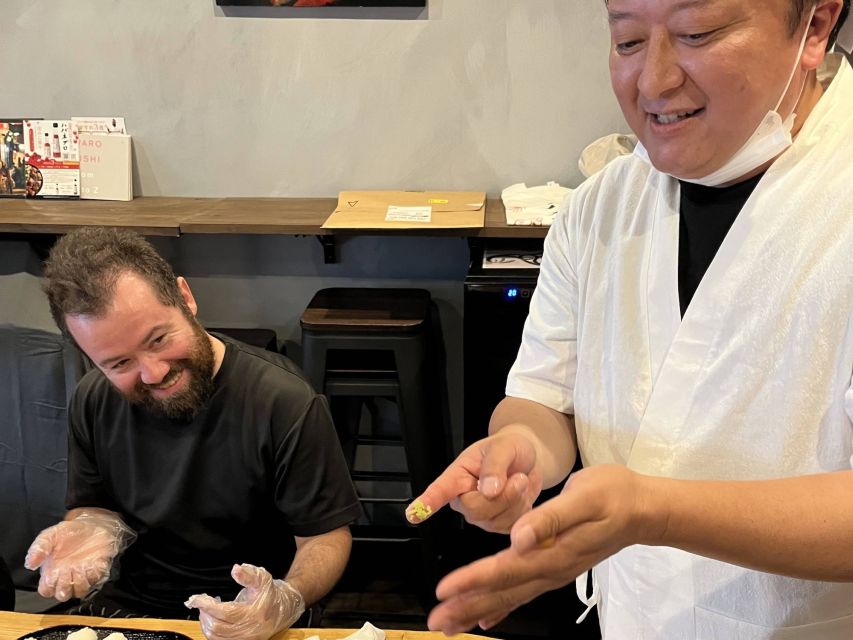
Nigiri is the backbone of sushi, and this class makes it the first main production step. You learn how to shape and assemble it in a way you can actually explain back home later.
Even if you’ve eaten sushi your whole life, nigiri can be humbling. The rice portion needs the right shape. The fish placement needs to be gentle and confident. The chef’s guidance helps you avoid the two common beginner mistakes: making the rice too loose or handling it too aggressively.
In several past classes, chefs gave extra context beyond the step. You might hear why certain knives are used or why dining etiquette matters. One review specifically mentions etiquette and dining behavior, which is helpful if your goal is to order sushi like you belong at the counter.
A different sort of day in Japan:
- PERFECT KYOTO 1-Day Bus Tour
★ 5.0 · 13,518 reviews - Kyoto: Fushimi Inari, Kinkakuji, Bamboo Grove 1 Day Bus Tour
★ 4.8 · 4,316 reviews - Kyoto: Tea Ceremony in a Traditional Tea House in Kiyomizu
★ 4.9 · 3,519 reviews - Kyoto Geisha Walking Tour: Gion District & Hidden Gems
★ 4.7 · 3,273 reviews
Then the Maki Rolls: A Tool Helps You Nail the Shape
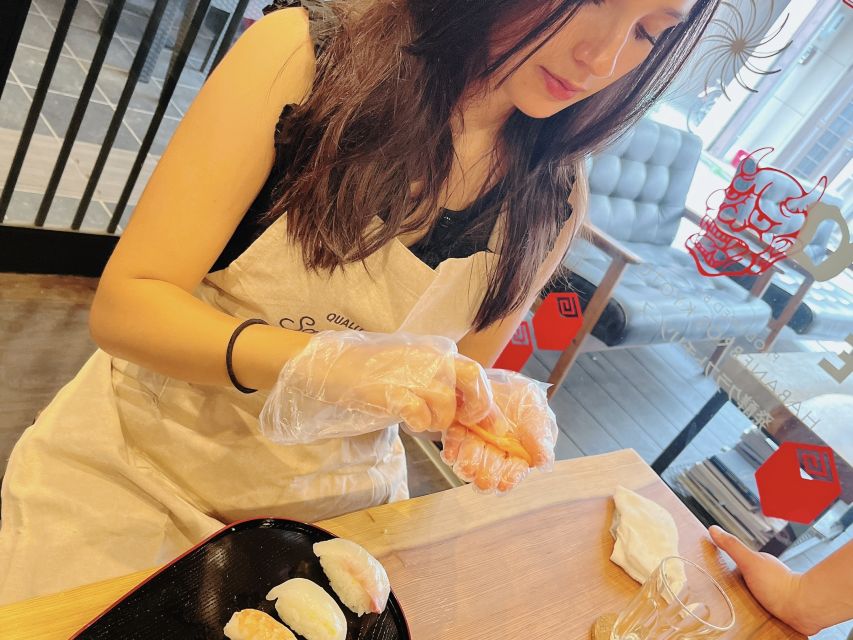
After nigiri, you shift to sushi roll (maki). This is where that special roll tool comes in. Rolling can look easy until you’re actually doing it, and then you realize you need tension, alignment, and a consistent finish.
The upside for you is that the class is built to get you to a good result. You are not stuck watching someone else do the hard part. You make the rolls yourself with the chef guiding the technique.
What you should pay attention to during this step:
- how you place the filling so it doesn’t shift
- how you keep the roll even as you form it
- how you finish the roll so it slices cleanly
You might not leave thinking you’re a master sushi roller. But you will leave with the main habits that make a roll look right.
Decorating Your Plate, Then Eating the Lunch You Made
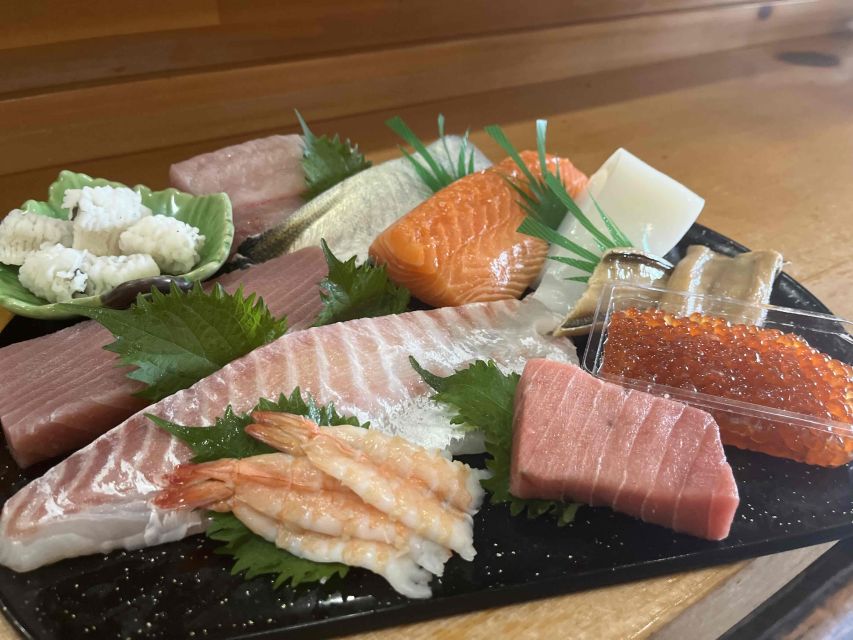
After the nigiri and rolls, you finish by decorating your sushi on a sushi plate, then you eat it as lunch. This is the part I like most, because it turns “cooking practice” into “you produced food that tastes good, right now.”
The included tea or water keeps you hydrated during the session, and the dashi soup adds warmth and balance. It’s also practical. Sushi rice plus seafood can feel rich, and dashi helps reset your taste buds.
A detail that matters for your enjoyment: the class includes photo and video coverage during your session. That means you can focus on eating and decorating instead of stepping away constantly to take pictures. Later, the photo data is shared with you after class, so you still get the memories without the distraction.
The Photo Service Changes How You Experience the Class
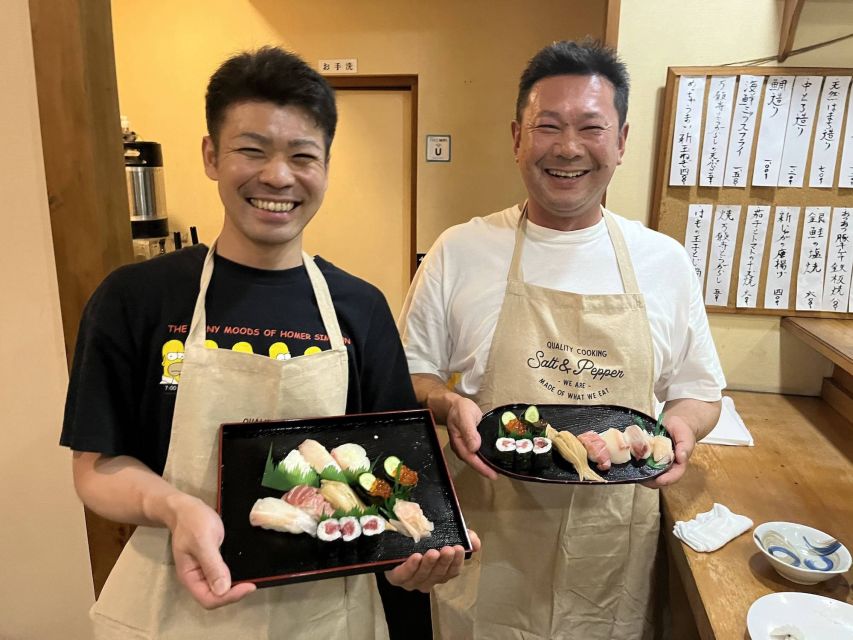
Most cooking classes force you to choose between technique and documentation. Here, the class takes care of the documentation. During the session, someone takes photos and videos, then shares the data afterward.
For you, that’s a real value point, because it lets you stay in the moment. You’ll actually notice the way the chef positions fish, how they handle rice, and how the roll step comes together. Then you’ll have the visuals to reinforce the steps later.
If you care about making sushi at home, those photos can help you remember your final plating look. If you just want a great keepsake, it also gives you something better than shaky phone shots during busy hands-on cooking.
Price and Value: What $74 Buys You in Kyoto
At $74 per person, this class isn’t cheap, but it also isn’t overpriced for what you’re doing. You’re paying for:
- a chef-led, step-by-step experience (not a vague buffet)
- fresh fish purchased early from Kyoto Central Wholesale Market
- hands-on practice across multiple sushi styles (nigiri and rolls)
- included lunch components (your sushi plus dashi soup)
- a photo-taking service during the class
The “value” isn’t just the final meal. It’s the instruction plus ingredient quality. Sushi is one of those foods where technique matters. If you tried to learn from a generic recipe video, it’s hard to judge rice pressure, shaping, and timing. Here, you get guided corrections in real time.
Also, small groups (limited to 8 participants) matter. More attention is the most practical form of “value,” because you’re less likely to get stuck on one step without help.
Language, Group Size, and How the Teaching Feels
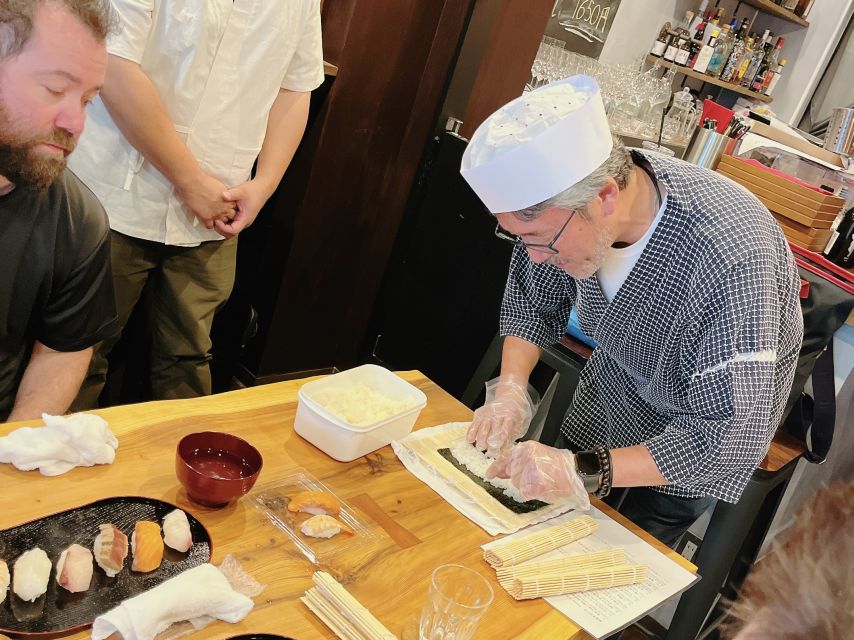
The instructor can teach in English and Japanese. That matters a lot because sushi has fine details, and “close enough” doesn’t always work. When you can ask questions in your language, you learn faster and you feel less stressed.
Small group size keeps things personal. If you’re someone who worries about holding up the line, you’ll likely feel comfortable here. Past feedback emphasizes patient teaching and relaxed pacing, and that matches the small-group structure.
Chefs named in past sessions include Hide, Yukihide-san, Yune, Yutaka, Nami, and Yone. Even with different personalities, the common thread in the teaching style is clear explanation and patience.
Who Should Book This and Who Should Skip It
This class is a great match if you:
- want hands-on cooking instruction in Kyoto, not just a tasting
- care about using fresh fish and learning sushi basics properly
- like meals where you cook, then immediately eat what you made
- are traveling with family, since kids can enjoy the step-by-step teaching pace
You might want to think twice if:
- you have food allergies, because the activity information says it is not suitable for people with food allergies
- you are very sensitive to smells, since strong fragrances are not allowed
- you want full, independent control of every step with no guidance (this is chef-led by design)
One interesting nuance from past experiences: one class noted that gluten free was no problem. Still, because the official guidance says not suitable for food allergies, don’t assume other allergies are covered. If you have any allergy concerns at all, ask directly before you go.
Timing and Where You Meet Near Shijo Karasuma
You meet at one of two venues around Shijo Karasuma. The location you get can change depending on the number of people taking the class, and you’ll receive a Google map link by email. On arrival, you look for a team member holding a welcome board.
Because the class length can run from 90 minutes to 3 hours, your start time can vary. If your Kyoto day is tightly scheduled, choose a class that gives you breathing room afterward. Sushi may sound light, but rice and fish add up fast, and you may want a calm meal afterward rather than a sprint to the next stop.
Practical Tips So You Leave With Sushi Confidence
Bring a good attitude, and you’ll get a lot out of this. The class is short, but the skills you learn can stick if you pay attention.
A few practical things to do:
- Avoid strong fragrances so you stay within the class guidelines
- Come ready to wash hands and work with food directly
- Watch the chef’s wrist and rice-handling more than the fish itself, because rice control is the hardest part
- Take notes on what “good” looks like for rice pressure and roll tightness, then compare it to your photos afterward
- If you have dietary needs, confirm them ahead of time since the activity says it is not suitable for food allergies
Finally, if your goal is to order sushi in a restaurant later, pay attention to dining etiquette that chefs sometimes explain during the session. Learning when and how to eat sushi is part of making the whole experience stick.
Should You Book This Kyoto Sushi Making Class?
Yes, if you want a real sushi skill session with fresh market fish, a patient chef, and a lunch you’ll actually enjoy eating. The combination of nigiri plus rolls, the beginner-friendly toy practice, and the photo service makes this feel like a balanced activity. You’re learning technique, not just collecting pictures.
I’d be cautious if allergies are involved, because the activity states it is not suitable for food allergies, even though at least one past experience mentioned gluten free being manageable. If that applies to you, ask directly before committing.
If you’re choosing one cooking class in Kyoto that gives you something you can repeat at home, this is a strong contender. It’s also a fun way to break up the sightseeing grind, because your hands, your senses, and your stomach all get involved.
FAQ
How long is the Kyoto sushi making class?
The duration is listed as 90 minutes to 3 hours, depending on the available time slot.
What is included in the class fee?
You get the sushi making class with a sushi chef, tea or water, Japanese-style dashi soup, and you eat the sushi after making it. Photo data is also shared after the class.
What will I learn to make during the session?
You’ll practice first with a sushi sample toy, then make real nigiri sushi, make sushi rolls using a special tool, and decorate sushi on a sushi plate before eating lunch.
Where do I meet for the class?
Meeting points are around Shijo Karasuma, and the provider will email you a Google map link. Two venues are used depending on group size, and you’ll meet with a welcome board.
How big is the group?
It is a small group, limited to 8 participants.
What languages are used by the instructor?
Instruction is available in English and Japanese.
Are photos and videos taken during the class?
Yes. The class includes photos and videos taken during the session, and the provider shares the photo data after the class.
Is this class suitable for people with food allergies?
The activity information states it is not suitable for people with food allergies.
Is there a cancellation policy?
Free cancellation is offered, with full refund if you cancel up to 2 days in advance.
Are strong fragrances allowed?
No. Strong fragrances are not allowed.
Newly listed around Kyoto
- Taste of Nishiki Market Walking Food Tour with Local guide★ 5.0 · 17 reviews
- Simple Plan with Maiko★ 4.4 · 10 reviews
- Shibori Furoshiki Course at Kyoto Shibori Museum★ 5.0 · 21 reviews
- Kyoto: City Secrets eBike Tour★ 4.9 · 196 reviews
- Sacred Pathways: Discover the Philosopher’s Path of Kyoto★ 4.9 · 20 reviews
- Private Tour to Monkey Park and Arashiyama Highlights★ 5.0 · 22 reviews
- Private Nara Tour from Osaka – Meet at Your Hotel★ 5.0 · 22 reviews
- Private Sake Tasting in Central Kyoto — 1 Group Only★ 5.0 · 11 reviews
Sushi Cooking Workshops, compared.
Sushi Making Tokyo Roll and Authentic Japanese Sushi Class
Read our review →
Roll and Authentic Sushi Making Class in Asakusa
Read our review →
Sushi Making Class in a Happi Coat near a Famous Spot
Read our review →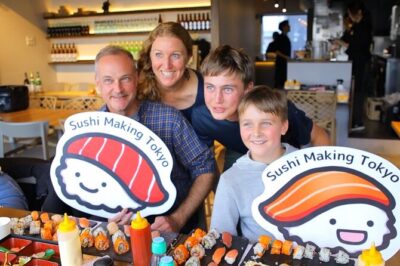
Sushi Making Tokyo! Popular Maki Sushi & Japanese Sushi(+Recipe!)
Read our review →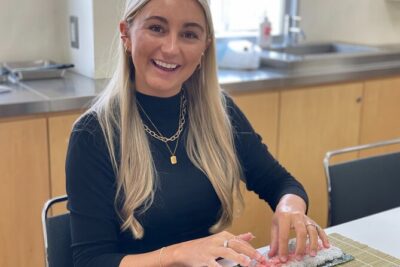
Tokyo Sushi Making Class in Tsukiji with Professional Chef
Read our review →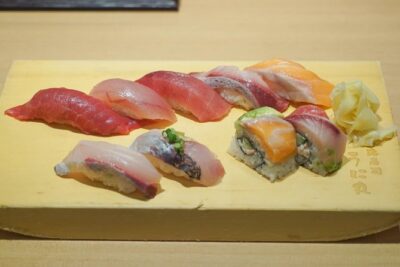
Tokyo Night Foodie Tour in Shinjuku – Seasonal Sushi, Wagyu Beef
Read our review →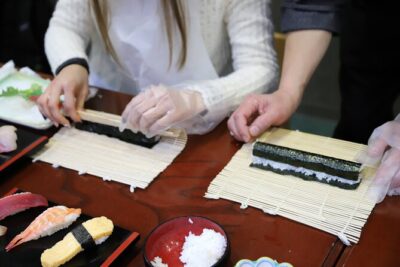
Tsukiji Fish Market Guided Tour and Sushi Making with Pro Chef
Read our review →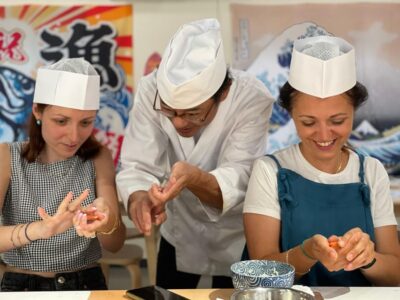
Tsukiji Fish Market Sushi Making Class with Pro Chef
Read our review →Browse the lists this tour appears in