
Review · SUSHI COOKING WORKSHOPS
Kyoto: Sushi Making Experience in Kawaramachi
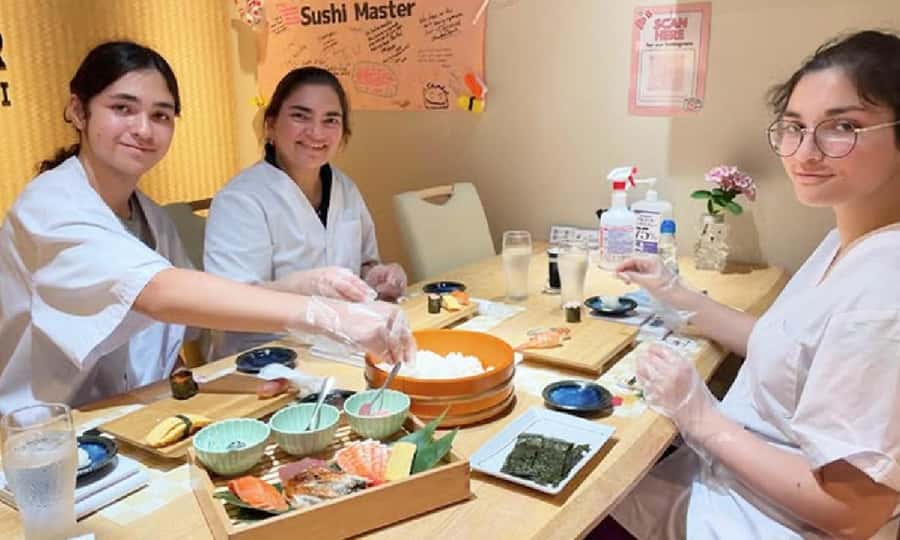
Kyoto smells like rice vinegar. In Kawaramachi, a 90-minute sushi-making class teaches you to form nigiri and gunkan-maki, then you eat the results. It is hands-on, fun, and much more personal than simply ordering sushi at a counter.
I love that the session starts with a short lecture on the history of Japanese cuisine and sushi, so the techniques feel grounded, not random. The staff are friendly and speak English fluently, which makes learning easier if your Japanese is limited. One possible drawback: they only accommodate shellfish allergies (octopus and squid can be substituted) and they do not offer special dishes for vegetarians, vegans, or halal diets.
In This Review
- Key Things You Should Know Before You Go
- Getting Oriented in Kawaramachi, Then Getting to Work
- The 90-Minute Flow That Makes This Class Work
- Two Course Options, Pick the Style That Matches Your Mood
- Classic Sushi Making Course: Nigiri and Gunkan-Maki
- Temari Sushi Making Course: Temari Focus With Gunkan-Maki
- What You Really Learn From the Hands-On Technique
- The Meal Part Matters, Because You Get Immediate Feedback
- The Included Gift, and Why a Souvenir Beats a Token
- Price and Value: Why $40 Can Make Sense in Central Kyoto
- Who This Sushi Experience Is Best For
- Small Practical Tips Before You Book
- Should You Book This Kyoto Kawaramachi Sushi-Making Experience?
- FAQ
- How long is the sushi making experience in Kyoto?
- What sushi will I make in the classic sushi making course?
- What will I make in the temari sushi making course?
- Do you offer hotel pickup or drop-off?
- Is drinks included in the price?
- What dietary needs can you accommodate?
- Is the price $40 per person, and what is included?
Key Things You Should Know Before You Go
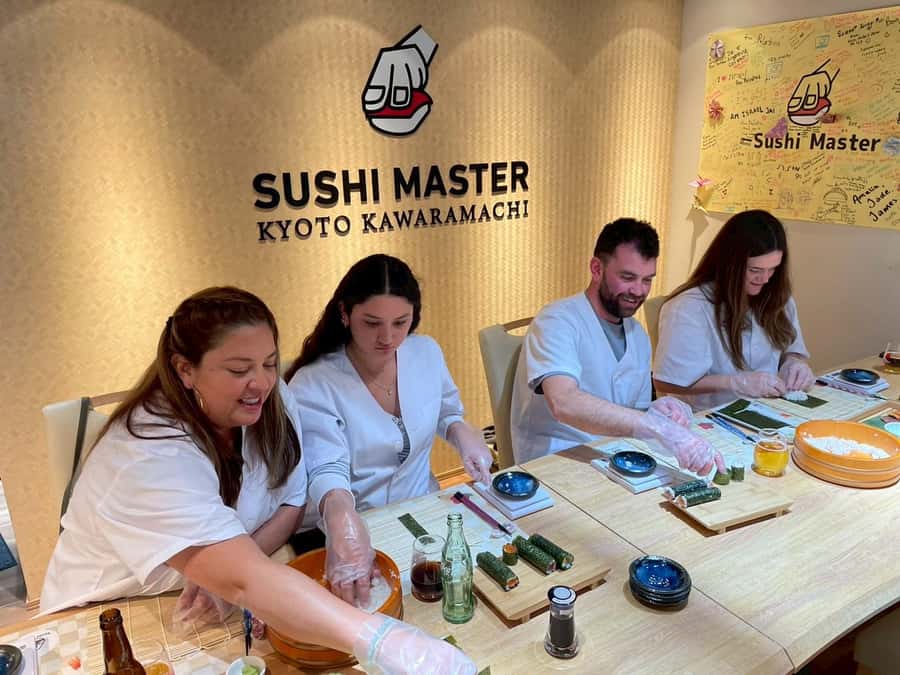
- Kawaramachi location: about a 5-minute walk from Kyoto Kawaramachi Station on the Hankyu Kyoto Line
- Two course styles: classic sushi making (nigiri and gunkan-maki) or temari sushi focus
- You eat what you make: after the lecture and practice, your meal is part of the class
- English instruction: the staff speak English fluently, so you get real guidance, not guesswork
- Included value: ingredients, sushi meal, and a special gift are part of the $40 price
- Diet limits: shellfish allergy substitutions are possible, but vegetarian, vegan, and halal special dishes are not offered
Getting Oriented in Kawaramachi, Then Getting to Work
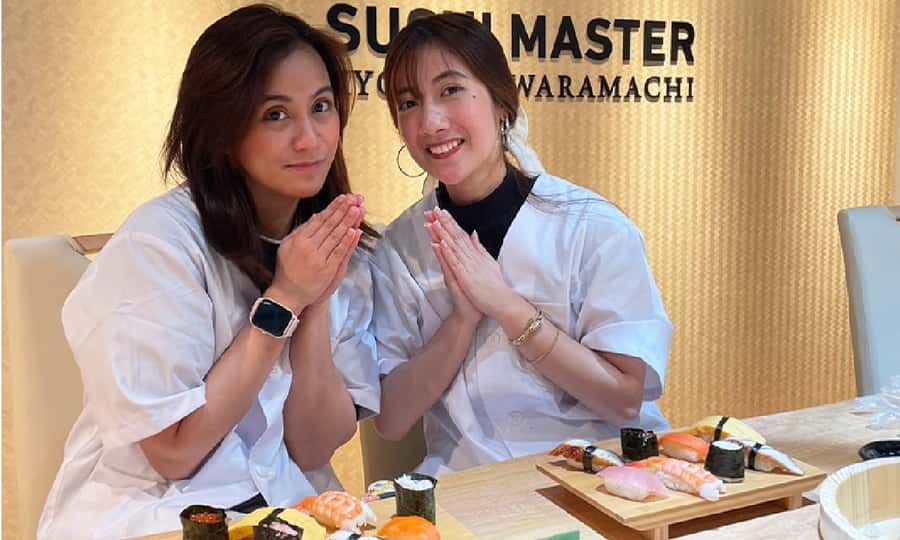
This class is in Honshu, Kyoto, right in Kawaramachi, one of the most convenient areas for both old and new Kyoto vibes. The meeting point is a short walk from Kyoto Kawaramachi Station (Hankyu Kyoto Line), so you can fit it into a day of temples, markets, and side streets without a lot of hassle.
Do plan to go directly to the class location. There is no hotel pickup or drop-off, and the start point can vary depending on what option you booked. The good news is that Kawaramachi is packed with shops nearby, so even if you arrive a bit early, you are not stuck waiting in the middle of nowhere.
More Sushi Workshops in Kyoto
- The Original Small-Group Sushi Making Class in Kyoto
★ 5.0 · 436 reviews - Kyoto: Small-Group Authentic Sushi Making Workshop
★ 5.0 · 137 reviews - Sushi – Authentic Japanese Cooking Class – the best souvenir from Kyoto!
★ 5.0 · 93 reviews
The 90-Minute Flow That Makes This Class Work
The session runs for 90 minutes, and it is built in a logical order: short lecture, hands-on practice, then eating. First, you get a talk on the history of Japanese cuisine and sushi, which helps you understand why certain steps exist, like rice handling and shaping.
Then comes the part you actually came for: you make sushi yourself with guidance from the staff. After that, you sit down and enjoy the sushi you made, so the class ends on a satisfying note instead of feeling like you only learned skills and went hungry.
Two Course Options, Pick the Style That Matches Your Mood
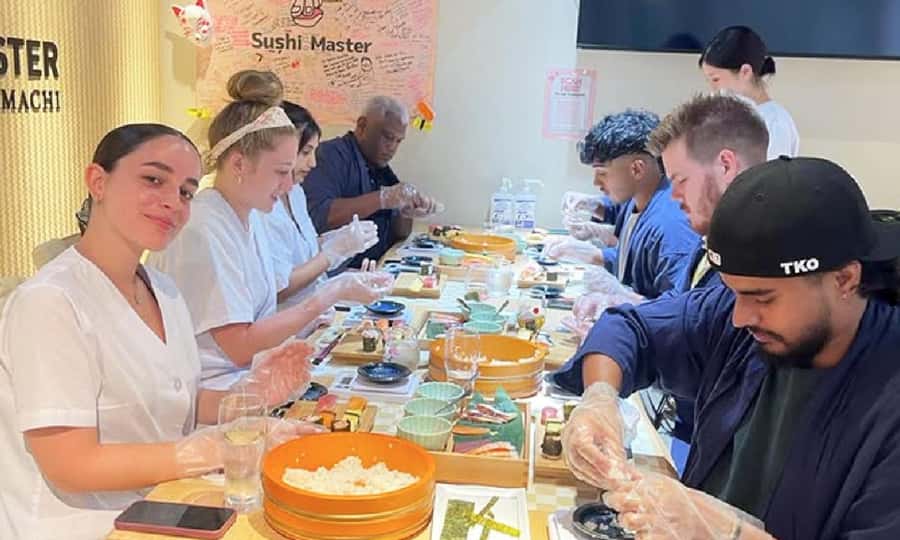
You have two course choices, and which one you pick changes what you will produce.
Classic Sushi Making Course: Nigiri and Gunkan-Maki
This option focuses on nigiri and gunkan-maki. You make 9 pieces of nigiri sushi and 3 pieces of gunkan-maki, which is a very direct way to learn the basics you see in sushi counters.
If you are hoping to walk away with a mental map of how sushi is assembled, this is the cleanest choice. You get repeat practice on shaping and topping, and the end result is exactly the kind of sushi most people recognize.
A different sort of day in Japan:
- PERFECT KYOTO 1-Day Bus Tour
★ 5.0 · 13,518 reviews - Kyoto: Fushimi Inari, Kinkakuji, Bamboo Grove 1 Day Bus Tour
★ 4.8 · 4,316 reviews - Kyoto: Tea Ceremony in a Traditional Tea House in Kiyomizu
★ 4.9 · 3,519 reviews - Kyoto Geisha Walking Tour: Gion District & Hidden Gems
★ 4.7 · 3,273 reviews
Temari Sushi Making Course: Temari Focus With Gunkan-Maki
The second option leans into temari sushi, with 10 pieces of temari sushi plus 2 pieces of gunkan-maki. Temari sushi is often a more playful way to learn shaping and presentation, and it can feel less intimidating if you are not sure about the classic nigiri look yet.
This option can also be a great choice if you like variety in what you learn, because you are working with a different sushi form rather than repeating only the same assembly style.
What You Really Learn From the Hands-On Technique
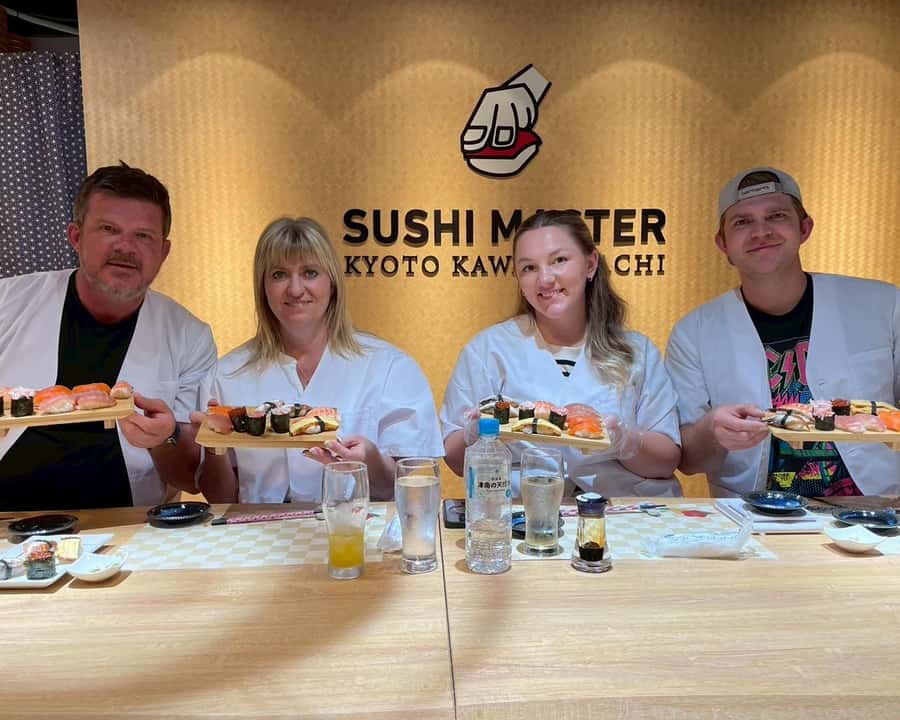
This is not a show-and-tell class. You are actively shaping sushi, practicing the steps, and getting feedback while you work.
What makes it feel authentic is the combination of background and execution. The staff start with the why behind the food, then you apply that knowledge immediately. That is the difference between making sushi like a craft project and making it like a traditional technique.
Also, pay attention to what you are taught about handling rice and forming pieces. Even without going super technical, the staff guide you toward the right look and structure, which is what you want if your goal is to learn something you can appreciate later when you eat sushi in Japan.
The Meal Part Matters, Because You Get Immediate Feedback
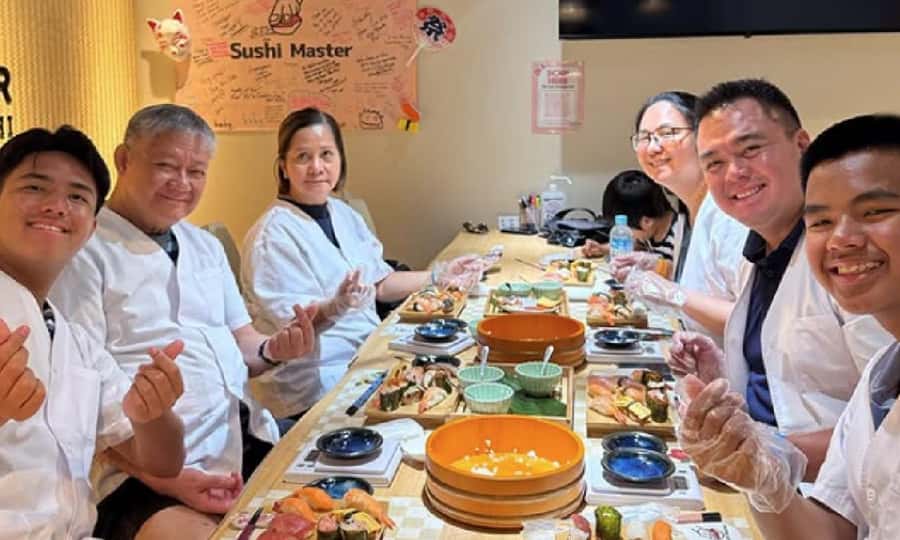
After you finish making your sushi, you eat it. That might sound obvious, but it is a big deal in terms of learning and value.
When you taste what you made, you can instantly connect technique to flavor and texture. If the rice seasoning feels too strong or too mild, or the balance between toppings and rice seems off, you notice right away. And since your meal is included, you are not juggling extra spending or a separate dinner plan.
If you want drinks, those are available for purchase on site. This helps keep the class experience complete without forcing you to stop elsewhere just to hydrate or cool down.
The Included Gift, and Why a Souvenir Beats a Token
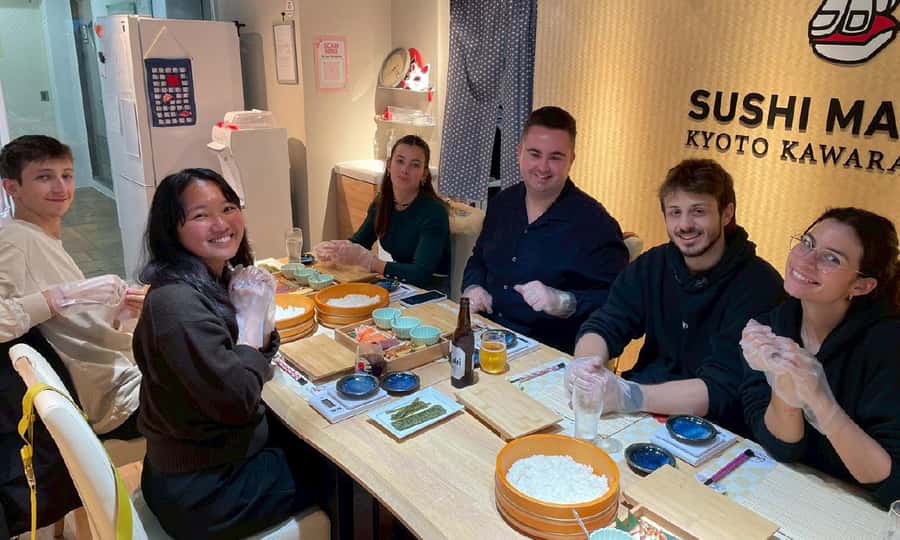
This experience includes a special gift to take home. Souvenirs can be hit or miss, but here it fits the theme of the class: it is tied to what you did, not just a generic shop sticker.
The practical angle is that it is easy to justify buying something small in Japan when you already have a meaningful keepsake from the activity. Think of it as your reminder that you did something hands-on in Kyoto, not just watched it happen.
Price and Value: Why $40 Can Make Sense in Central Kyoto
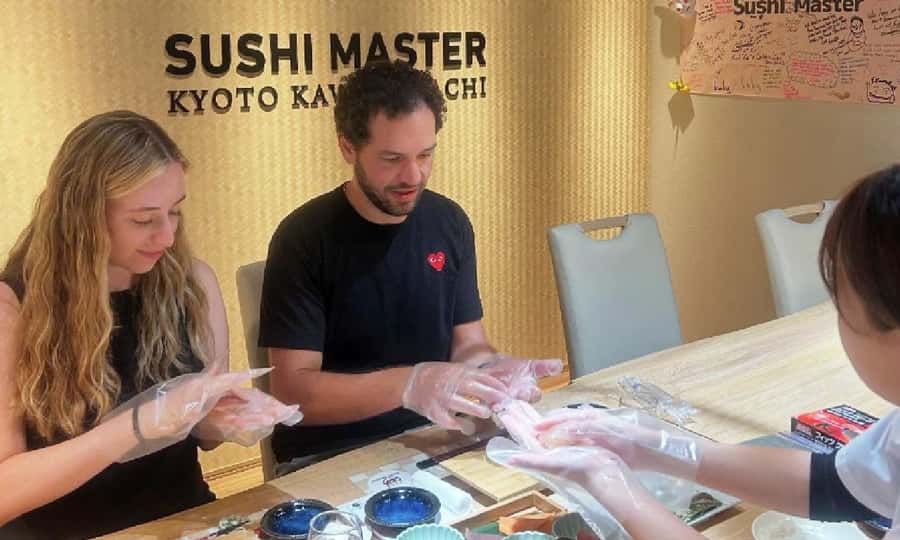
The price is $40 per person, and that is the key question: is it worth it?
For the value side, you are getting more than instruction. You also receive the sushi ingredients used during the class, the sushi meal after making, and the special gift. That bundle matters in a place like Kyoto where food, cooking workshops, and central-area activities can add up quickly.
What is not included is also clear. Drinks are not included, and there is no hotel pickup or drop-off. If you are already staying nearby or planning to use the station, the lack of pickup is not a dealbreaker. If you are far outside the center and were hoping for transport help, it might change your cost calculation.
Who This Sushi Experience Is Best For
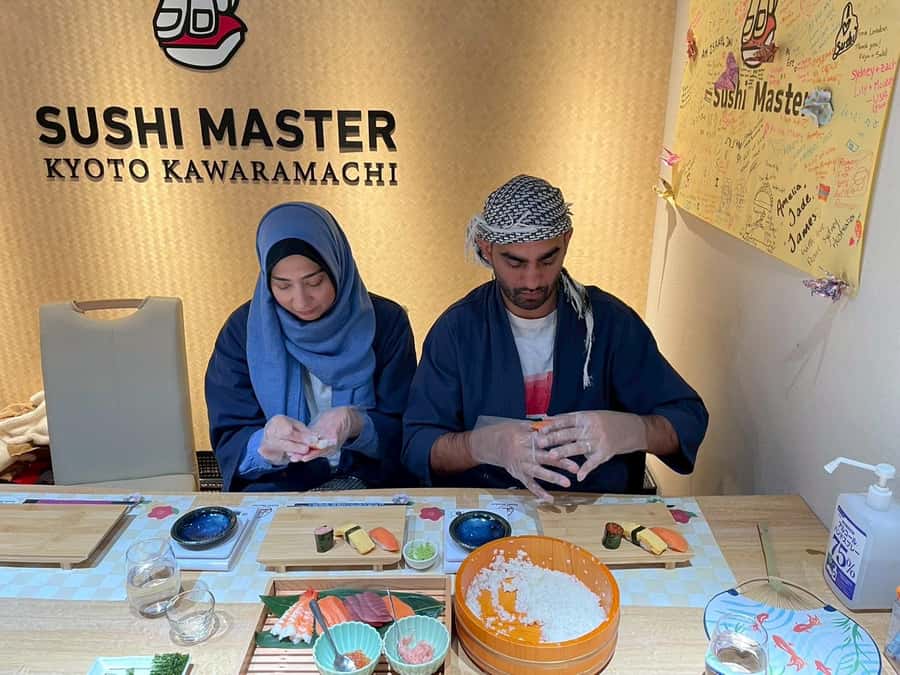
This class is a strong fit if you want a hands-on Kyoto sushi experience in a central area. It is also a good match if you want English guidance and you like learning through doing, not just reading about food culture.
If you are traveling solo, it can work well because the instruction is structured around you making your own pieces, and you still end up with a complete meal at the end. If you are with friends or family, it can be a fun shared activity, since everyone gets to eat what they produced.
One important caution: dietary restrictions are limited. If you need vegetarian, vegan, or halal-friendly special dishes, this is not the right fit based on what they offer. For shellfish allergies, they only accommodate those, and substitutions can be made by swapping in octopus and squid options.
Small Practical Tips Before You Book
- Go with the expectation of a structured, 90-minute class, not a long food tour
- If you have any shellfish allergy, bring it up and confirm the substitution detail in advance
- Check which meeting point your booking lists, since it can vary
- If you want alcohol or soda, plan on ordering separately since drinks are not included
Should You Book This Kyoto Kawaramachi Sushi-Making Experience?
I would book it if you want a straightforward, English-friendly sushi workshop in a convenient Kyoto location, with a built-in meal and a souvenir. The biggest strengths are the friendly, English-fluent staff and the fact that you learn by making, then you eat what you make.
I would skip it if your diet requires vegetarian, vegan, or halal-specific meals, or if you are expecting hotel pickup. Otherwise, for $40, it is a fair deal for a real skill you can use as a conversation starter and a memory you will actually taste.
FAQ
How long is the sushi making experience in Kyoto?
The class runs for 90 minutes. It includes a short lecture, hands-on sushi making, and then eating the sushi you made.
What sushi will I make in the classic sushi making course?
In the Sushi Making Experience Course, you make 9 pieces of nigiri sushi and 3 pieces of gunkan-maki.
What will I make in the temari sushi making course?
In the Temari Sushi Making Course, you make 10 pieces of temari sushi and 2 pieces of gunkan-maki.
Do you offer hotel pickup or drop-off?
No. Pickup and drop-off from your hotel is not available, so you need to come directly to the class meeting point.
Is drinks included in the price?
No. Drinks are not included, but you can order soft drinks and alcohol on site during the class.
What dietary needs can you accommodate?
They only accommodate shellfish allergies, and octopus and squid can be substituted. They do not offer special dishes for vegetarians, vegans, or halal diets.
Is the price $40 per person, and what is included?
Yes, the price is $40 per person. Included are sushi ingredients for the experience, your sushi meals, and a special gift.
Newly listed around Kyoto
- Taste of Nishiki Market Walking Food Tour with Local guide★ 5.0 · 17 reviews
- Kyoto: Sushi Making Class with Sushi Chef★ 4.8 · 64 reviews
- Simple Plan with Maiko★ 4.4 · 10 reviews
- Shibori Furoshiki Course at Kyoto Shibori Museum★ 5.0 · 21 reviews
- Kyoto: City Secrets eBike Tour★ 4.9 · 196 reviews
- Sacred Pathways: Discover the Philosopher’s Path of Kyoto★ 4.9 · 20 reviews
- Private Tour to Monkey Park and Arashiyama Highlights★ 5.0 · 22 reviews
- Private Nara Tour from Osaka – Meet at Your Hotel★ 5.0 · 22 reviews
Sushi Cooking Workshops, compared.
Sushi Making Tokyo Roll and Authentic Japanese Sushi Class
Read our review →
Roll and Authentic Sushi Making Class in Asakusa
Read our review →
Sushi Making Class in a Happi Coat near a Famous Spot
Read our review →
Sushi Making Tokyo! Popular Maki Sushi & Japanese Sushi(+Recipe!)
Read our review →
Tokyo Sushi Making Class in Tsukiji with Professional Chef
Read our review →
Tokyo Night Foodie Tour in Shinjuku – Seasonal Sushi, Wagyu Beef
Read our review →
Tsukiji Fish Market Guided Tour and Sushi Making with Pro Chef
Read our review →
Tsukiji Fish Market Sushi Making Class with Pro Chef
Read our review →Browse the lists this tour appears in