
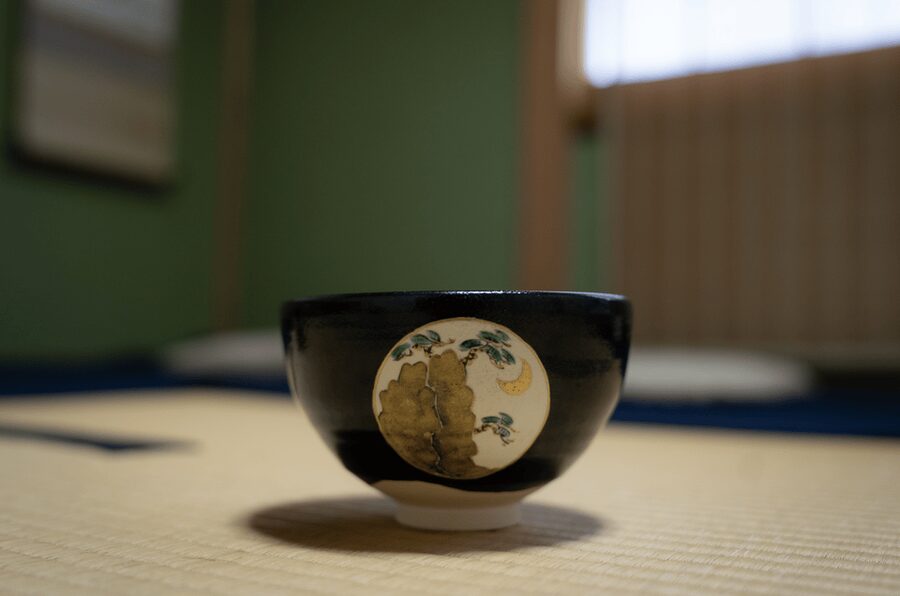
Review · MATCHA & TEA CEREMONY SESSIONS
Kyoto: Tea Ceremony Experience in a Small Tea Room
Tea time in Kyoto feels like a reset. This small-room experience near the Kamogawa Delta turns a “tour moment” into a focused hour of guided matcha, led by an instructor with 30 years of tea training. You get hands-on learning, not just watching.
Two things I especially like: you can make your own matcha at your own pace, and the English instruction keeps the whole ritual clear and welcoming, even if you’ve never done a tea ceremony before. One consideration, since it’s a single 1-hour session, is that you’ll want to plan a little buffer time so you are not rushing in and out.
In This Review
- Key reasons this tea ceremony is worth your Kyoto time
- Finding the small tea room near Kamogawa Delta and Demachiyanagi
- Entering the tea ceremony space: how the hour is structured
- The matcha lesson that actually sticks: whisking technique and timing
- Traditional dried sweets and why the pairing matters
- Why the small-group size changes everything
- A good place to fit into a Kyoto day
- Price and value: what $38 really covers
- Who this Kyoto tea ceremony is best for
- Should you book this tea ceremony near the Kamogawa Delta?
- FAQ
- How long is the Kyoto tea ceremony?
- What is the price per person?
- Is the class taught in English?
- How big is the group?
- What’s included in the experience?
- Can I make the matcha myself?
- Where do I meet the group?
- Is there a cancellation option?
Key reasons this tea ceremony is worth your Kyoto time
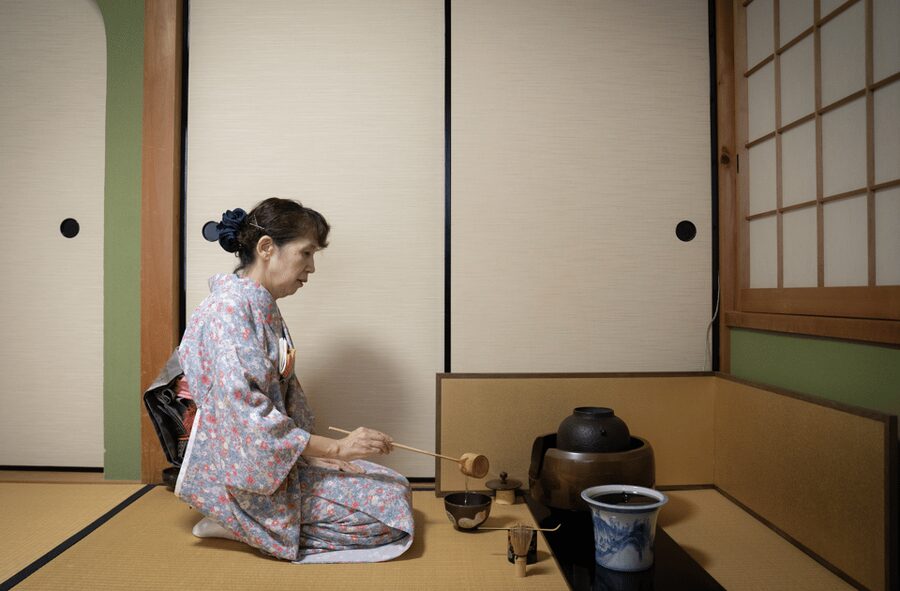
- Small group (up to 6), so you actually get guidance while you whisk
- Hands-on matcha preparation, including a chance to make your own tea
- English-led teaching, with explanations designed for beginners
- Near Kamogawa Delta, a great area to stroll before or after
- Traditional dried sweets included, paired with what you learn about tea timing
Finding the small tea room near Kamogawa Delta and Demachiyanagi
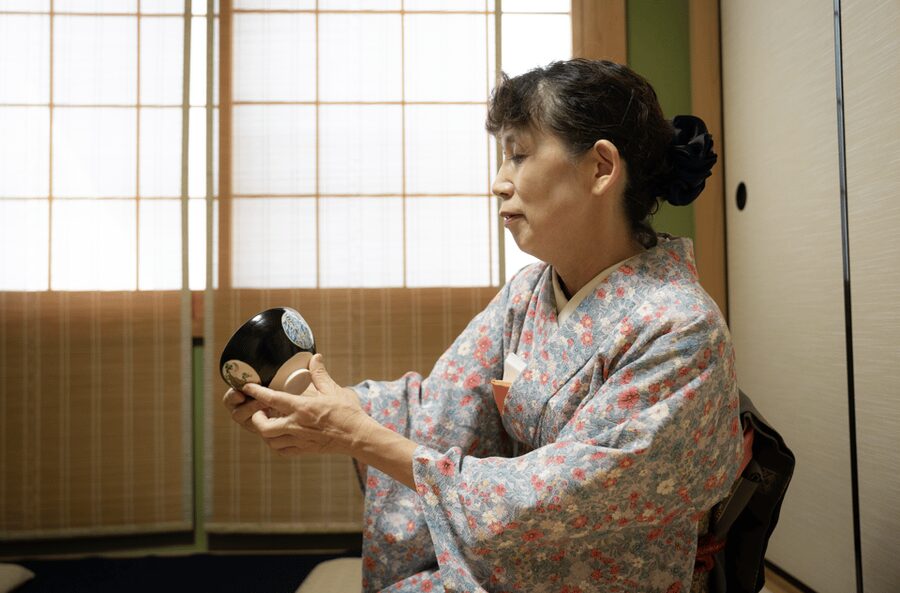
Kyoto makes it easy to build a day around small, walkable experiences. This ceremony starts close to two useful landmarks. You’re about a 15-minute walk from the Kamogawa Delta, and about a 15-minute walk from Demachiyanagi Station (handy if you’re also planning a visit toward Kibune Shrine and Rurikou Temple).
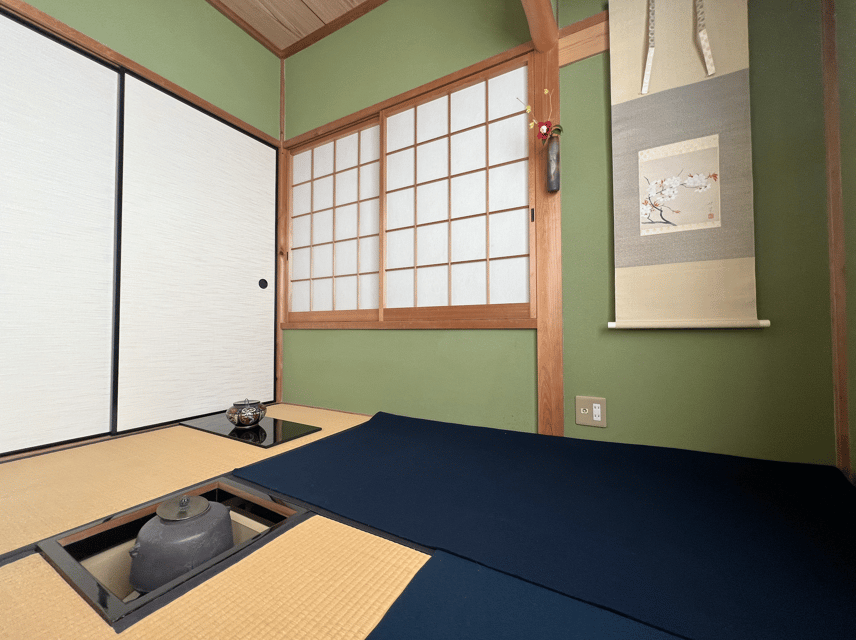
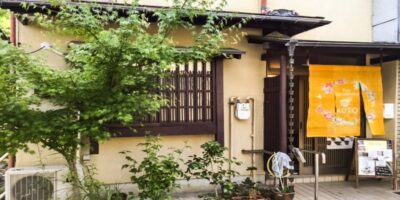
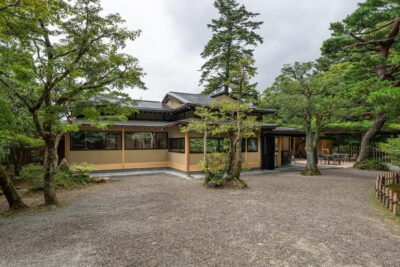
Your real “getting there” tip is simple: look for a Japanese house with a sign that says Tisato. That’s your visual anchor. Because the group is small, it also helps to arrive a bit early, not late. You want a calm start, not a frantic scramble, especially in a setting where the whole point is slowing down.
More Tea Ceremonies in Kyoto
- Kyoto: Tea Ceremony in a Traditional Tea House in Kiyomizu
★ 4.9 · 3,519 reviews - Kyoto: Tea Ceremony Ju-An at Jotokuji Temple
★ 4.9 · 3,207 reviews - Kyoto: 45-Minute Tea Ceremony Lesson Experience
★ 4.3 · 2,378 reviews
Entering the tea ceremony space: how the hour is structured
This is a traditional tea ceremony, but it’s built to feel accessible. The session is led by an English instructor with 30 years of expertise, and the format is designed so first-timers do not feel like they’re “getting it wrong.”
Here’s how the hour typically unfolds based on what you’re told to expect:
- You settle in with the group of up to six.
- The instructor explains the basics and the meaning behind the steps.
- You learn matcha preparation, including how to whisk it properly.
- You taste the tea along with traditional dried sweets.
- If you want, you make your own tea under guidance.
Even though the time is short, the pacing matters. A good teacher doesn’t just “teach the steps,” they teach your hands and your attention. In the feedback, the strongest praise repeatedly points to clarity and patience, including a named instructor, Ms Yamazaki, who shows up in comments as especially kind and careful with learners.
The matcha lesson that actually sticks: whisking technique and timing
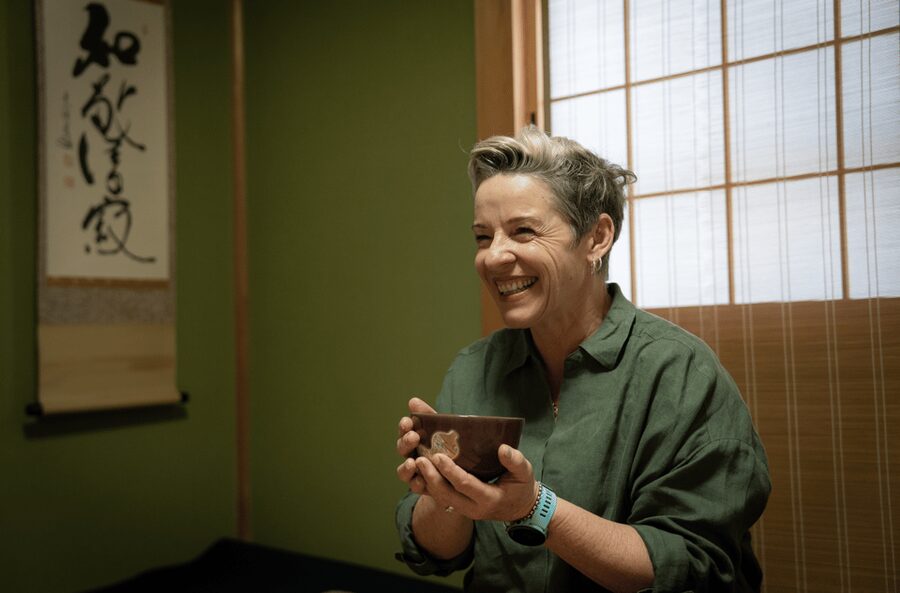
The star skill here is matcha. Not matcha as a vague idea, but matcha as a set of real motions. The session includes instructions on how to prepare matcha, from whisking the powdered tea to the precise movements that reflect mindfulness.
What you’ll get out of it is more than a recipe. You’ll learn what each step is trying to accomplish:
- Whisking is not just mixing. It changes the texture and the feel of the tea.
- The “precise movements” aren’t about being rigid. They’re about staying steady and present.
- Timing matters, because you’re tasting and learning as you go, not after the fact.
And yes, you can make your own tea if you wish. That’s the difference between a performance and a lesson. You’ll watch, you’ll practice, and you’ll get corrections while it still makes sense to you. In a small room, you’re not competing for attention. You’ll know what to do next.
If you’re the kind of traveler who likes to bring a new skill home, this is one of the best Kyoto-style experiences for that. You’re not just buying a souvenir, you’re leaving with a repeatable action you can do back in your kitchen.
Traditional dried sweets and why the pairing matters
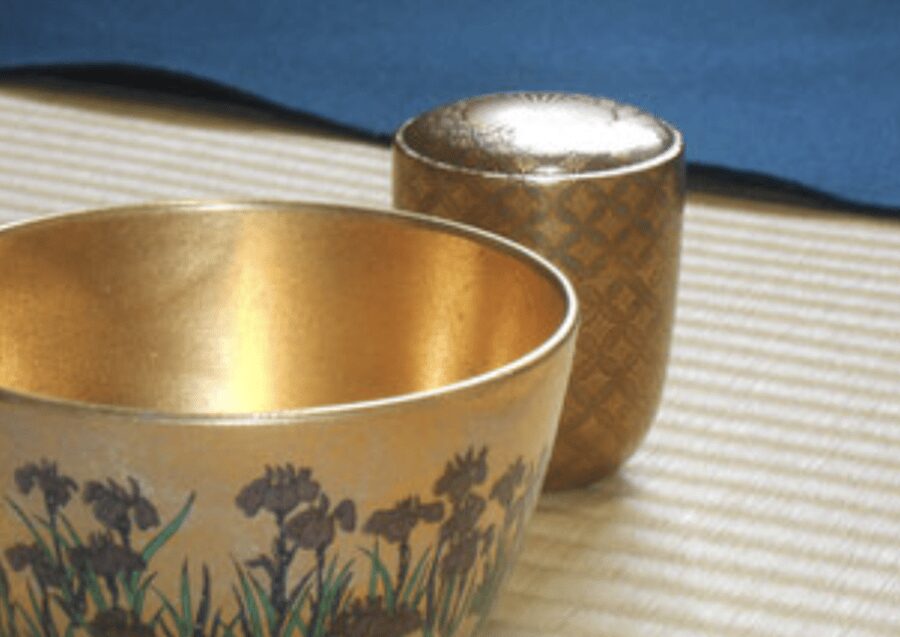
Tea ceremonies often include sweets for a reason. Here, you’re provided with traditional dried sweets, included as part of the session.
What this adds for your experience:
- It gives you a taste counterpoint to the matcha. Matcha is earthy and slightly bitter, and sweets help balance the mood and flavors.
- It also breaks the session into a natural rhythm: taste, learn, then taste again with your own tea.
- It keeps the ceremony feeling complete, not like a quick matcha demo.
If you’re sensitive to strong flavors, don’t worry. Because the session is guided and the sweets are part of the package, you’re not thrown into matcha overload with no context.
Several pieces of feedback also highlight that the tea and sweets are simply tasty. That matters, because a tea ceremony should feel good on your palate, not only meaningful in theory.
A different sort of day in Japan:
- PERFECT KYOTO 1-Day Bus Tour
★ 5.0 · 13,518 reviews - Kyoto: Fushimi Inari, Kinkakuji, Bamboo Grove 1 Day Bus Tour
★ 4.8 · 4,316 reviews - Kyoto Geisha Walking Tour: Gion District & Hidden Gems
★ 4.7 · 3,273 reviews - Kyoto: Gion Geisha District Walking Tour – Stories of Geisha
★ 4.7 · 2,187 reviews
Why the small-group size changes everything
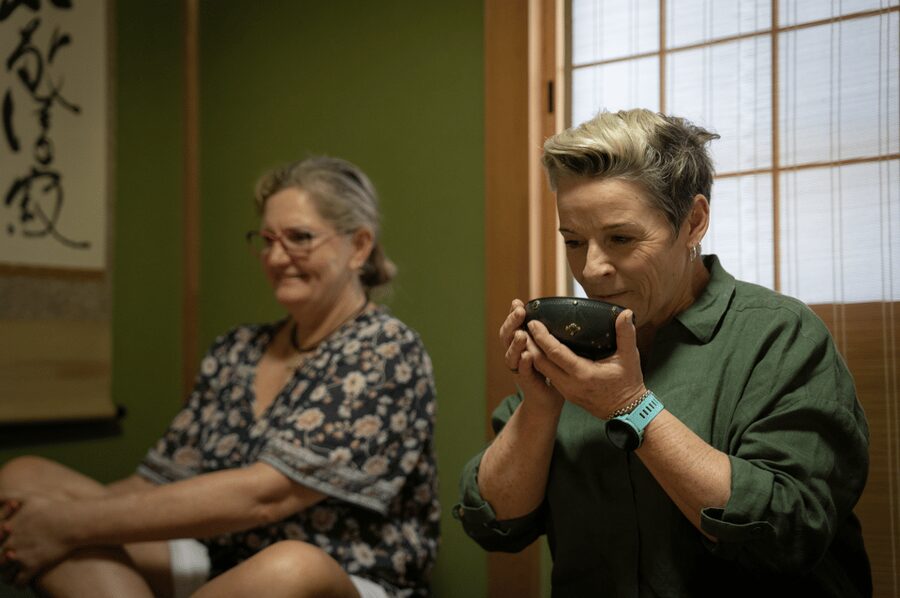
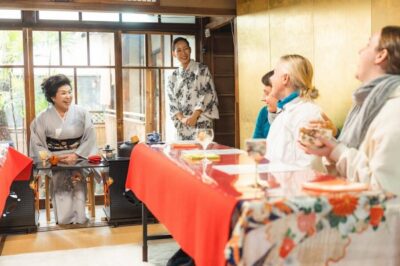
This is limited to 6 participants, which is exactly what you want for something hands-on.
In a larger group, you often end up watching from a distance and hoping the teacher notices you. In this format, the guidance stays practical. You can ask questions, and the instructor can correct technique in real time, especially during the whisking steps.
The reviews lean heavily into this comfort factor. People repeatedly call out explanations that are clear, hosts who are patient, and the overall calm vibe. In other words, you’re not being rushed through a checklist. You’re being coached through an experience.
For you, that means two things:
- You’ll feel more confident trying the whisking yourself.
- You’ll leave with a better understanding of what you just did, not just a photo.
A good place to fit into a Kyoto day
The big advantage of this ceremony’s location is that it’s easy to stitch into a walking-friendly route.
If you start near Kamogawa Delta, you can take a gentle pre-ceremony stroll. That area is known for riverside calm, and it sets the tone. You’re already in the Kyoto mood before you sit down.
If you’re coming from the direction of Demachiyanagi Station, it can also work as a “pause button” between sights. Demachiyanagi is a useful starting point for exploring toward Kibune Shrine and Rurikou Temple, so consider treating this tea ceremony like a planned rest stop. Not every Kyoto attraction gives you a quiet moment to reset your brain. This one does.
Practical pacing tip: plan to keep the rest of your schedule flexible around the ceremony. You’re going to want a calm walk back out afterward, not sprint to the next crowded spot.
Price and value: what $38 really covers
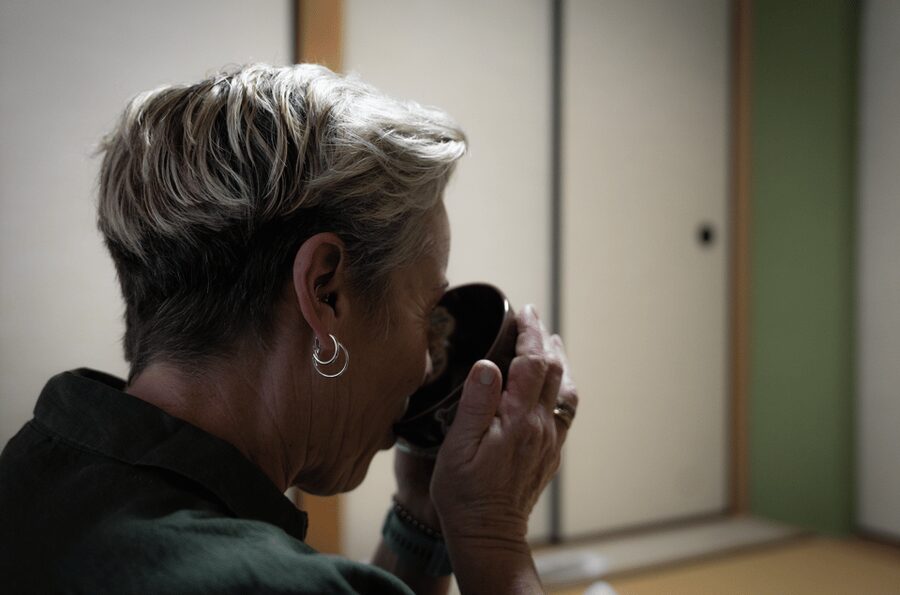
At $38 per person for 1 hour, this sits in the “pay-for-quality” category. The price makes sense when you consider what’s included:
- Tea ceremony experience
- Instruction by an experienced teacher
- Matcha tea
- Traditional dried sweets
But the bigger value piece is not the items. It’s the teaching style and the group size. Limited to six, you’re paying for time with an instructor who can correct your whisking and explain what matters. If you’ve ever taken a class where you only get a brief look at the process, you’ll appreciate how this format is designed for actual participation.
Also, the session is in English, which is a real value in Kyoto when you want context, not translation guesswork. You’re not paying extra for “general comfort.” You’re paying for understanding.
And if you’re wondering whether tea ceremonies are touristy, this one is presented as accessible and welcoming, aimed at both beginners and people who want more cultural depth.
Who this Kyoto tea ceremony is best for
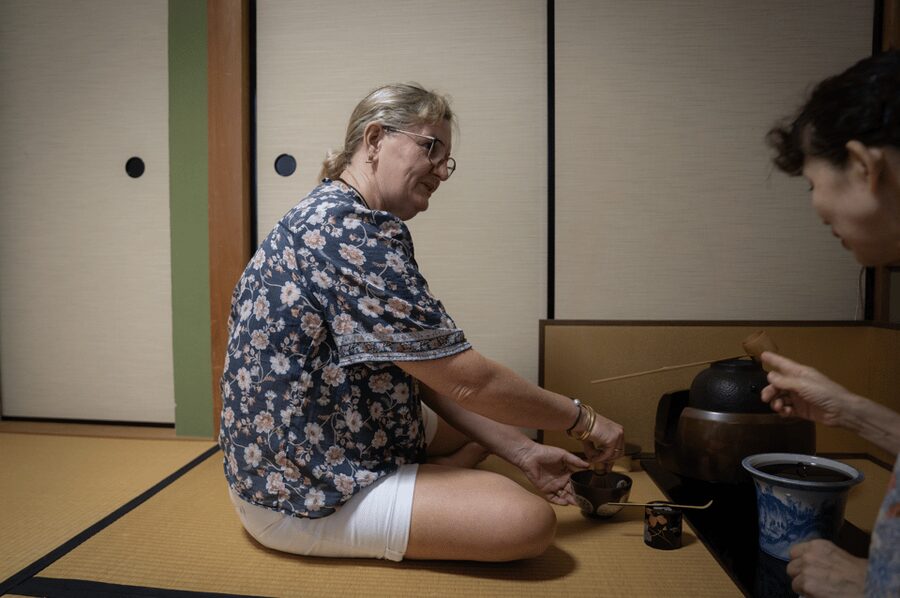
I think this experience is a strong fit if any of these describes you:
- You want a calm, meaningful Kyoto activity that’s not physically exhausting.
- You’re curious about Japanese culture and want more than a quick explanation.
- You’re willing to slow down for 1 hour and learn a small ritual properly.
- You want hands-on participation, not just observation.
It’s also a good choice if you’re traveling with someone who is new to tea. The session is explicitly designed to lower the barrier that sometimes surrounds traditional ceremonies. That means the teacher’s approach should feel supportive rather than intimidating.
On the other hand, if you are looking for a long, multi-stop itinerary packed with multiple temples in one day, this won’t be that. It’s one hour in a tea room. The payoff is focus, not variety.
Should you book this tea ceremony near the Kamogawa Delta?
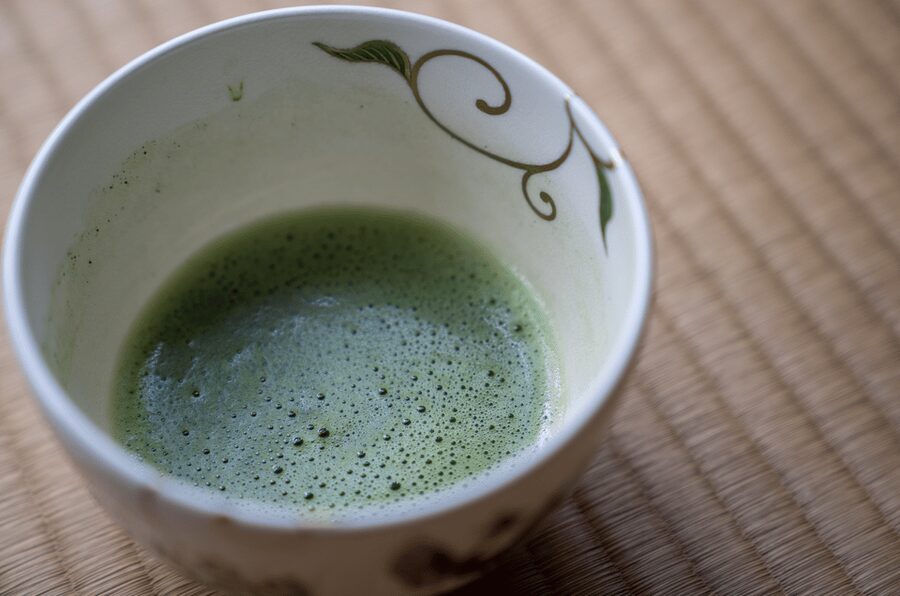
Book it if you want a genuine Kyoto experience where you learn something you can repeat. The strongest reasons to go are the small group size, the chance to make your own matcha, and the consistent emphasis on clear instruction and patience, including named instructor Ms Yamazaki in recent feedback.
Skip it only if you hate structured activities, feel uncomfortable sitting quietly for an hour, or you already have your heart set on a temple-and-shrine day with minimal time indoors. Otherwise, this is a high-value use of time, especially because it pairs easily with walks around Kamogawa Delta and transit connections near Demachiyanagi.
FAQ
How long is the Kyoto tea ceremony?
The tea ceremony lasts 1 hour.
What is the price per person?
It costs $38 per person.
Is the class taught in English?
Yes, the instructor teaches in English.
How big is the group?
The group is limited to 6 participants.
What’s included in the experience?
You get the tea ceremony, instructions from the teacher, matcha tea, and traditional dried sweets.
Can I make the matcha myself?
Yes. You can make your own tea if you wish, with guidance from the instructor.
Where do I meet the group?
Meet at the Japanese house with a sign that says Tisato.
Is there a cancellation option?
Yes. You can cancel up to 24 hours in advance for a full refund.
Newly listed around Kyoto
- Taste of Nishiki Market Walking Food Tour with Local guide★ 5.0 · 17 reviews
- Kyoto: Sushi Making Class with Sushi Chef★ 4.8 · 64 reviews
- Simple Plan with Maiko★ 4.4 · 10 reviews
- Shibori Furoshiki Course at Kyoto Shibori Museum★ 5.0 · 21 reviews
- Kyoto: City Secrets eBike Tour★ 4.9 · 196 reviews
- Sacred Pathways: Discover the Philosopher’s Path of Kyoto★ 4.9 · 20 reviews
- Private Tour to Monkey Park and Arashiyama Highlights★ 5.0 · 22 reviews
- Private Nara Tour from Osaka – Meet at Your Hotel★ 5.0 · 22 reviews
Matcha & Tea Ceremony Sessions, compared.
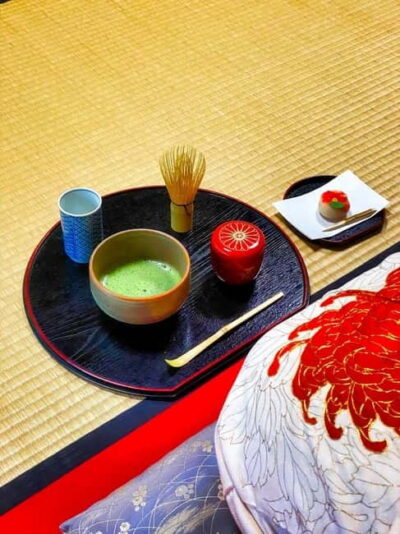
Tea Ceremony in a Traditional Tea House in Kiyomizu
Read our review →
World Heritage Kyoto & Nara Uji Authentic Matcha Experience
Read our review →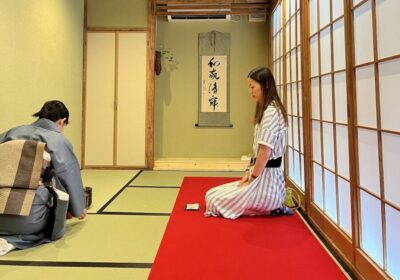
Browse the lists this tour appears in