
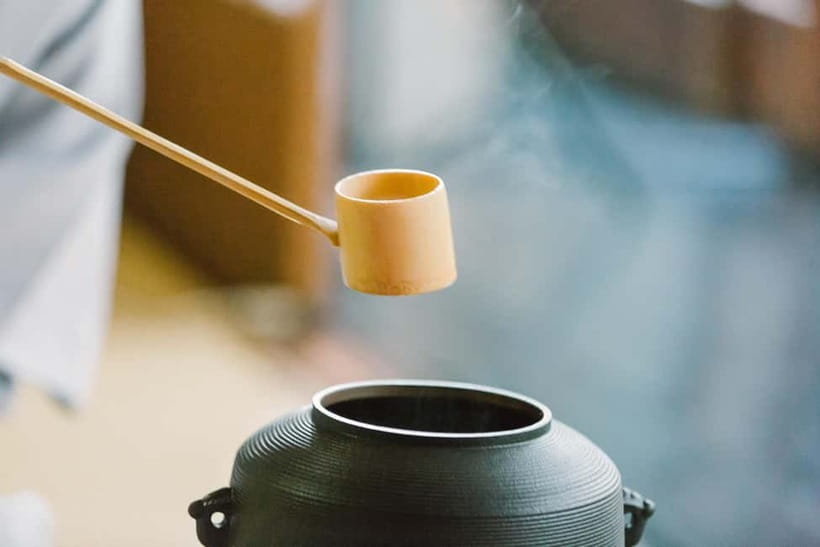
Review · MATCHA & TEA CEREMONY SESSIONS
Kyoto: Tea Ceremony in 100-year-old Kyo-Machiya Townhouse
Matcha tastes better when you learn the rules. I like this experience because you get hands-on matcha prep with a tea master and then relax in a calm 100-year-old machiya townhouse setting. The one thing to plan for is the etiquette, meaning quiet voices and either floor seating or a small chair.
The optional kimono makes the timing make sense too. You start by picking a kimono at the shop, you get dressed, and later you head into the tea room, then you can walk around Kyoto in your kimono afterward and return it the same day.
In This Review
- Key things that make this Kyoto tea ceremony special
- Entering the Gojo Shop and picking your kimono colors
- The wait-and-go timing: why your tea starts two hours after you dress
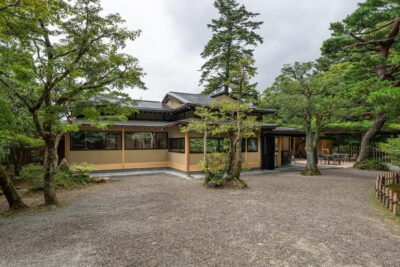
- Yumeyakata Oike Bettei, a calm room in a 100-year-old machiya
- Tea ceremony basics: etiquette, history, and how to read the moment
- Making your own matcha under supervision
- After tea: kimono strolls around Kyoto and the optional machiya moment
- Price and value: is $31 per person fair for what you get?
- Group sessions, socks, and camera rules you should take seriously
- Who should book this, and who should skip it
- Should you book this Kyoto tea ceremony in a machiya?
- FAQ
- How long is the Kyoto tea ceremony experience?
- Does the tour include a kimono rental?
- What time does the tea ceremony start if I choose the kimono rental?
- Where do I go if I book tea ceremony only?
- What should I bring with me?
- Are sandals or flip-flops allowed?
- Is this a private tea ceremony?
Key things that make this Kyoto tea ceremony special
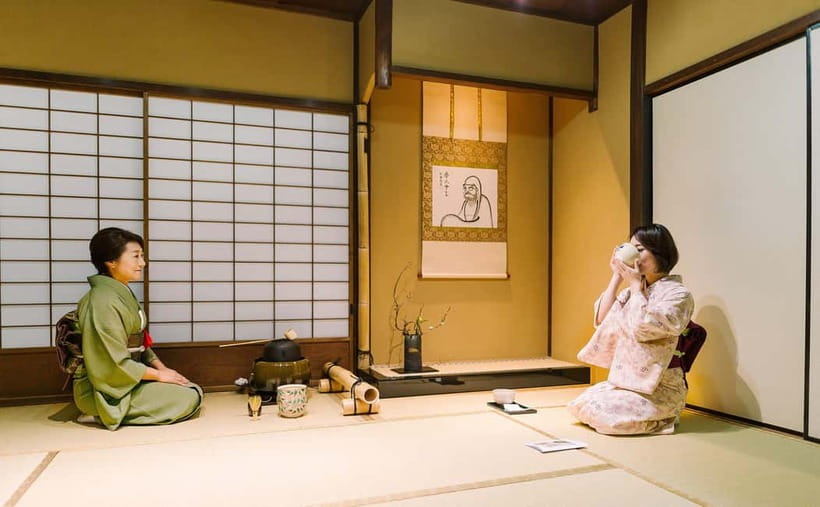
- A 100-year-old machiya setting that feels like Kyoto living heritage, not a staged showroom
- You make your own matcha while a master supervises the steps and pacing
- Tea etiquette taught clearly, including how to bow, greet, eat sweets, drink tea, and read the tea bowl
- A group session with a small-venue feel, up to 20 people, with seating set by the room layout
- Kimono time after tea if you choose the rental add-on, plus an optional machiya moment right after
- Multiple English support options through an interpreter, and you can ask questions after the ceremony
Entering the Gojo Shop and picking your kimono colors
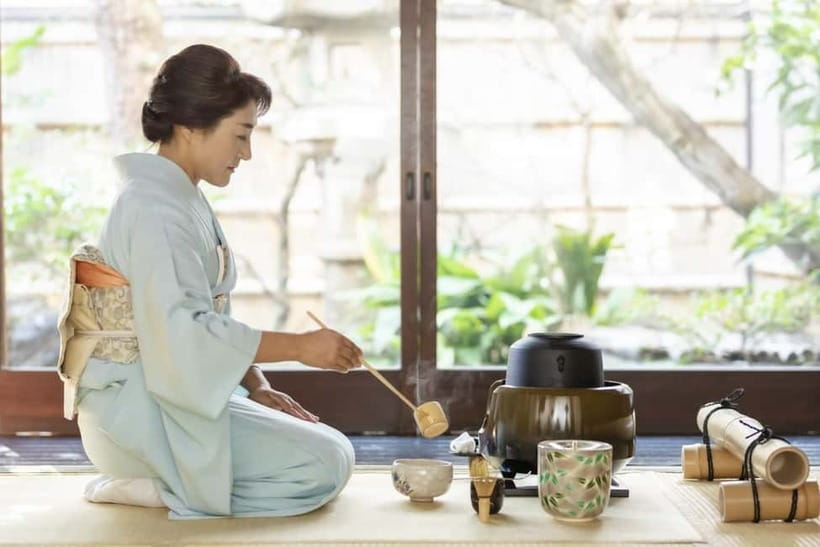
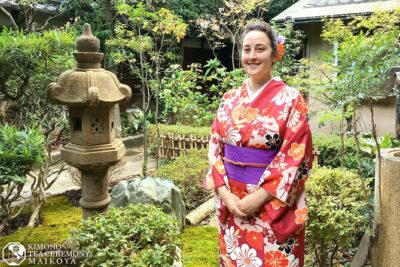
Most people should treat the kimono portion as part of the fun, not an accessory hunt. If you book the bundle, you visit the Gojo Shop at the starting time on your voucher, then you choose your kimono from a range of colors, designs, and sizes. Think of it like getting dressed for a role, then stepping into the story.
If you add the extra women’s upgrade, you may get hair styling, makeup, and an upgrade from casual kimono to a more formal style called Houmongi. Even if you do not do the upgrade, the rental still changes how you experience the neighborhood afterward, because you move slower, look around more, and you naturally slow down your photos too.
A practical note: kimono is not built for quick socks-and-sneakers movement. You will be walking after the ceremony, so wear comfortable socks and plan for a day that is a bit more deliberate than your usual Kyoto sprint.
More Tea Ceremonies in Kyoto
- Kyoto: Tea Ceremony in a Traditional Tea House in Kiyomizu
★ 4.9 · 3,519 reviews - Kyoto: Tea Ceremony Ju-An at Jotokuji Temple
★ 4.9 · 3,207 reviews - Kyoto: 45-Minute Tea Ceremony Lesson Experience
★ 4.3 · 2,378 reviews
The wait-and-go timing: why your tea starts two hours after you dress
Here is the schedule quirk that matters: when you choose the kimono option, the tea ceremony begins two hours after the selected starting time. So if your voucher says 11:00 AM, your ceremony starts at 1:00 PM.
That two-hour gap is why this works best if you do light planning for the area around Kyoto Gosho, or you simply keep your day flexible. You are not meant to bolt to another attraction between dressing and tea, because you want to arrive calm and ready.
If you book tea ceremony only (no kimono rental), you go directly to Oike Bettei and should arrive 5 to 10 minutes before the starting time on your voucher. This option fits best if you want to trade kimono logistics for straight-to-tea focus.
Yumeyakata Oike Bettei, a calm room in a 100-year-old machiya
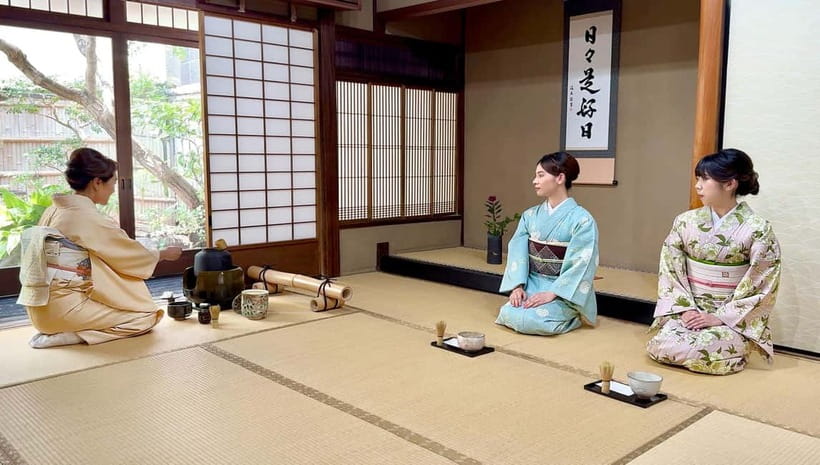
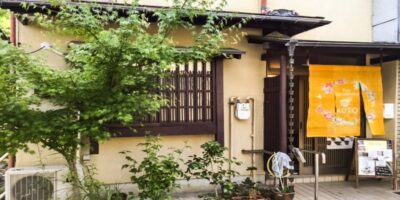
After dressing, your ceremony happens at a traditional machiya townhouse called Yumeyakata Oike Bettei. The big value here is how the space supports the ritual. Tatami-style flooring, paper screens, and the kind of quiet you do not find in most urban venues make it easier to follow instructions and actually feel the rhythm of the ceremony.
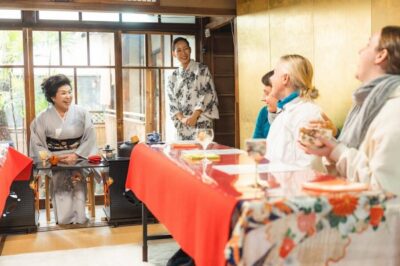
Your room may vary depending on group size, and this is a real point to consider. The session can accommodate up to 20 people, so it is not private. That does not mean chaotic, but it does mean you should expect shared attention and a set flow.
Good news: seating is flexible. If you prefer not to sit on the floor, you can sit on a small chair. And if you can handle floor seating, it helps you feel the traditional layout of the room and the pacing of each step.
Tea ceremony basics: etiquette, history, and how to read the moment
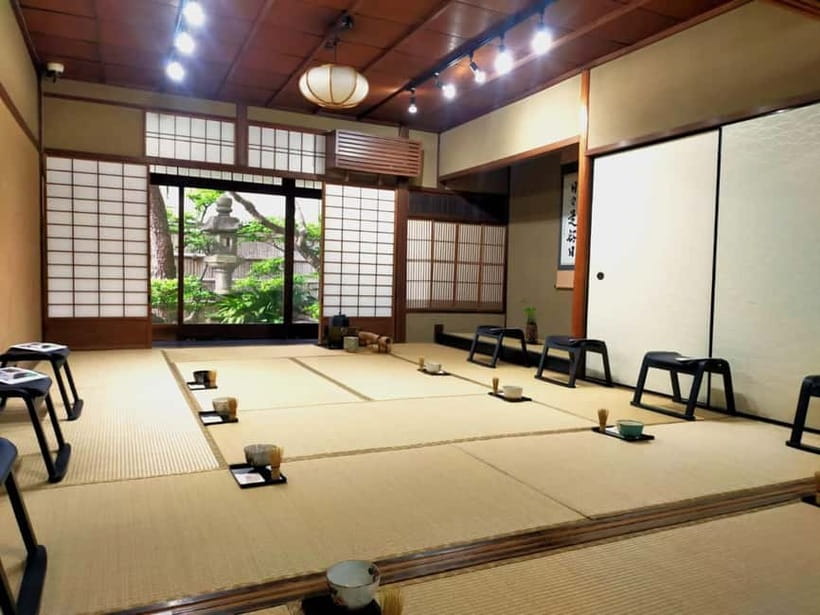
The ceremony starts with an explanation that covers tea’s journey into Japan, roughly 1,200 years ago from China, and how it became the Japanese Way of Tea you see today. I like that they do not treat tea as a single trick with matcha powder. Instead, they connect the gestures to meaning.
Then comes etiquette, and this is the part that makes a beginner feel competent fast. You will be taught how to:
- bow and use proper greetings
- eat the traditional sweets before the tea
- drink the tea in the correct way
- observe and appreciate the tea bowl instead of rushing through it
The tone stays respectful, not overly academic. You learn the structure, then you get to try it.
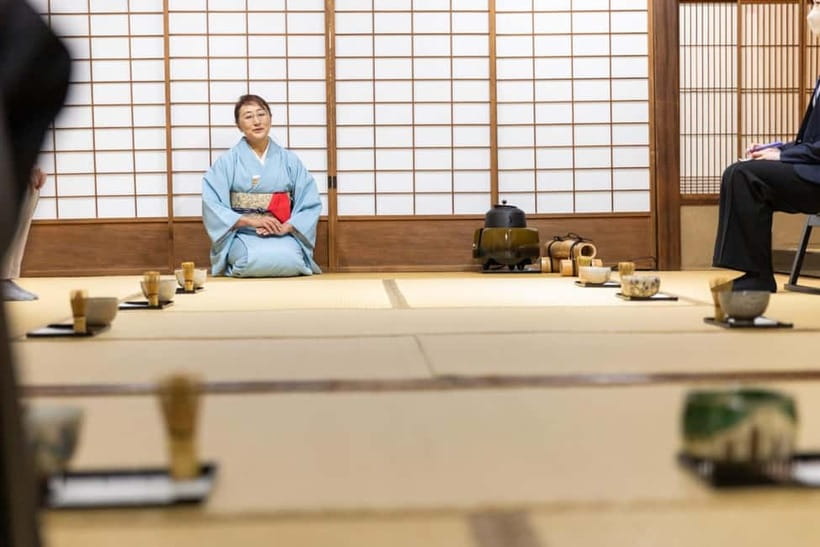
You will also see the master bring the tools into the room and prepare the first serving. That first round matters because it shows the tempo. Watch how the master handles each action, then your own turn feels less mysterious.
A different sort of day in Japan:
- PERFECT KYOTO 1-Day Bus Tour
★ 5.0 · 13,518 reviews - Kyoto: Fushimi Inari, Kinkakuji, Bamboo Grove 1 Day Bus Tour
★ 4.8 · 4,316 reviews - Kyoto Geisha Walking Tour: Gion District & Hidden Gems
★ 4.7 · 3,273 reviews - Kyoto: Gion Geisha District Walking Tour – Stories of Geisha
★ 4.7 · 2,187 reviews
Making your own matcha under supervision
The hands-on segment is the highlight for most people, and I get why. After the first tea service, you prepare the tea yourself under the master’s supervision. In other words, you are not just tasting. You are learning the movements that produce a smoother, better cup.
You also get to enjoy matcha along with traditional Japanese sweets. The sweets are not just a snack. They are part of the ceremony pacing, helping you shift your palate before tea and giving you something sweet to focus on while you learn proper order and timing.
You can ask questions before you leave, which is a big deal if you want to walk away with more than photo memories. In past sessions, the experience has included friendly interpretation support by English-speaking staff, and you might meet instructors or interpreters such as Lim, Ling, or Maki, depending on the day.
One more practical reality: the ceremony asks for quiet behavior. No noisy chatter during instructions. No interrupting the flow. This is not the place to multitask.
After tea: kimono strolls around Kyoto and the optional machiya moment
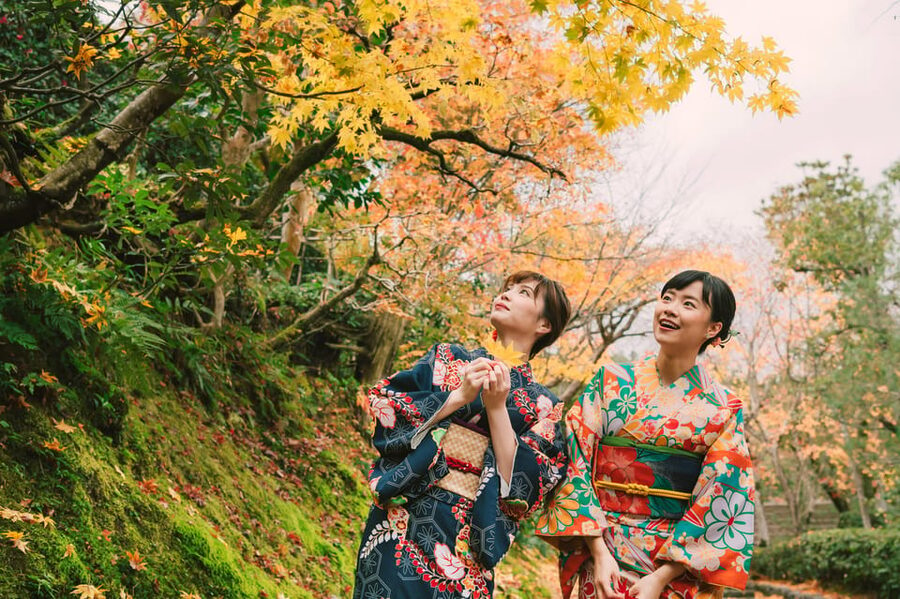
If you choose the kimono rental add-on, you can wear your kimono after the ceremony and stroll around Kyoto. You just need to return it to the Yumeyakata Gojo Shop by 5:30 PM the same day.
This is where the value often feels most personal. You will see Kyoto differently in kimono because you naturally look up, pause more, and behave with extra care in crowded streets. It also gives you a coherent story for the day, tea in the old townhouse, then a slow walk afterward.
If you select the add-on, you may also join a Kyo-Machiya Tour right after tea at the same location. It is described as a 30-minute machiya moment, made of a 20-minute tour plus 10 minutes of selfie time. Based on session experiences, the selfie moment can include playful photo props in the garden setting, like a katana and umbrella, plus chances to take photos near the historic architecture.
Just keep expectations practical. This is a short added experience, not a full guided architectural lecture. It still adds context fast, especially if your Kyoto day is packed.
Price and value: is $31 per person fair for what you get?
At $31 per person, the price feels reasonable because you are paying for more than a tea taste. You get:
- a tea ceremony in a traditional townhouse
- matcha tea and traditional sweets
- guidance from a tea master with an interpreter
- a leaflet explaining the ceremony
- and, if selected, a kimono rental plus optional styling upgrades
In practical terms, this is a good deal if you want a structured introduction to tea etiquette without needing prior knowledge. The supervised matcha prep and the chance to ask questions are what turn it from a performance into a learnable skill.
The main tradeoff is that it is not private. Up to 20 people means you are part of a group rhythm. If you hate group settings or need one-on-one attention, look for a more tailored experience. Otherwise, the setup is efficient and often feels worth it.
Group sessions, socks, and camera rules you should take seriously
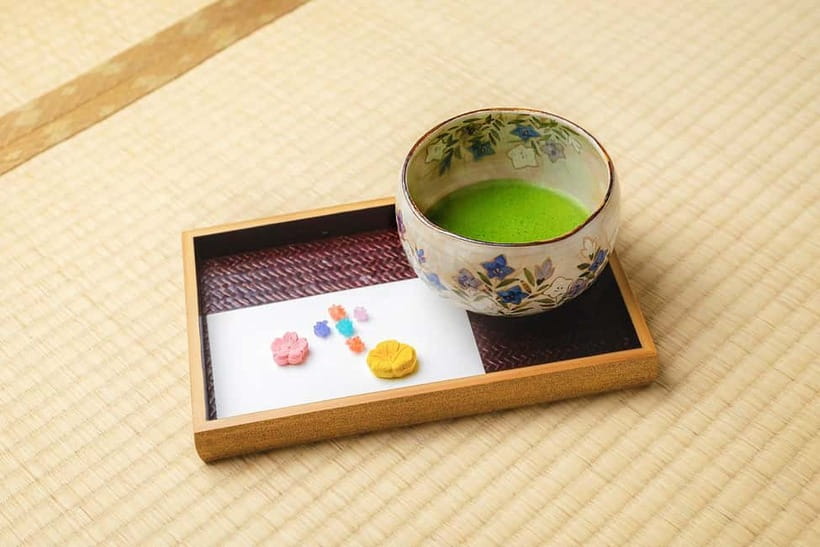
This ceremony runs as a group session, up to 20 people, so the atmosphere depends on everyone following the rules. The venue asks for a quiet environment, and disruptive behavior can lead to being asked to leave.
You also need to come prepared:
- Bring socks
- No sandals or flip-flops
- No smoking indoors
- No flash photography
- No pets
If you are the kind of person who always carries extra snacks, this is one of those moments you skip that instinct. Food and drinks are not allowed during the session.
One small comfort detail: you can sit on a small chair if you do not want floor seating. That helps a lot if your legs prefer less traditional punishment.
Who should book this, and who should skip it
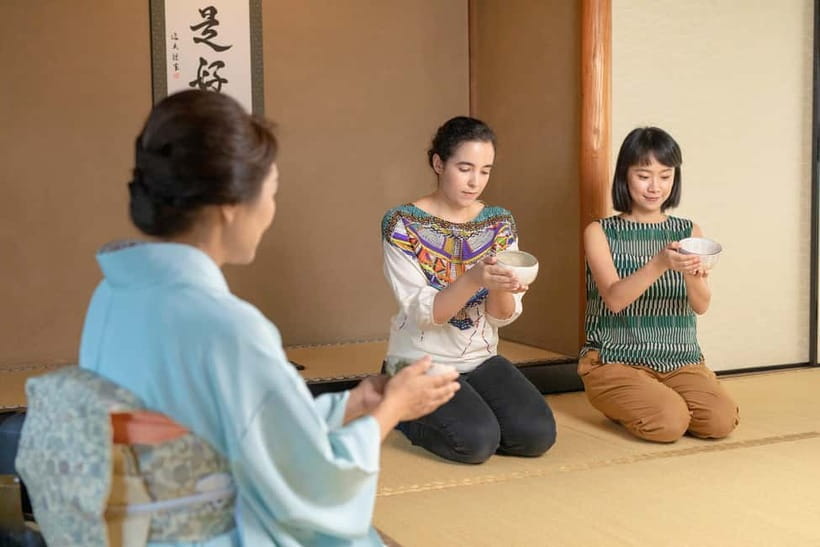
This is a strong fit if you:
- want an easy, structured cultural activity that explains the meaning behind the steps
- enjoy calm, hands-on learning (you will mix your own matcha)
- like historical settings, especially traditional townhouses in Kyoto
- are curious about kimono and want to use it right away instead of treating it like a distant photo costume
It may not work if you are:
- traveling with a child under 10
- pregnant
- using a wheelchair
- visually impaired
- under 1 year old (babies)
- over 6 ft 6 in (200 cm) or over 209 lbs (95 kg)
If any of those apply, do check alternative formats. This one is designed around specific comfort and movement needs for the ritual.
Should you book this Kyoto tea ceremony in a machiya?
I think you should book it if you want a high-signal cultural experience that combines tea etiquette, supervised matcha practice, and Kyoto’s townhouse atmosphere in one smooth block of time. The $31 price makes sense because you are not only watching, you are doing, and then you get a kimono option that extends the day beyond the tea room.
Skip it only if you dislike group settings, do not handle quiet instructions well, or know you will struggle with the seating style and rules. Otherwise, this is the kind of activity that makes Kyoto feel intentional, not just scenic.
If you want one simple strategy: choose the kimono option if you can handle a more slow-paced day. Choose tea ceremony only if you want maximum focus and less outfit fuss.
FAQ
How long is the Kyoto tea ceremony experience?
The duration is listed as 50 minutes to 3 hours, depending on the option you select and starting time.
Does the tour include a kimono rental?
It depends on the option you book. There is a tea ceremony only option, and a tea ceremony plus kimono rental option where you can pick and wear a kimono.
What time does the tea ceremony start if I choose the kimono rental?
For the kimono rental option, the tea ceremony starts two hours after the selected starting time on your voucher.
Where do I go if I book tea ceremony only?
If you book tea ceremony only, visit Oike Bettei 5 to 10 minutes before the starting time on your voucher.
What should I bring with me?
Bring socks.
Are sandals or flip-flops allowed?
No. Sandals and flip-flops are not allowed.
Is this a private tea ceremony?
No, it is held as a group session that can accommodate up to 20 people.
Newly listed around Kyoto
- Taste of Nishiki Market Walking Food Tour with Local guide★ 5.0 · 17 reviews
- Kyoto: Sushi Making Class with Sushi Chef★ 4.8 · 64 reviews
- Simple Plan with Maiko★ 4.4 · 10 reviews
- Shibori Furoshiki Course at Kyoto Shibori Museum★ 5.0 · 21 reviews
- Kyoto: City Secrets eBike Tour★ 4.9 · 196 reviews
- Sacred Pathways: Discover the Philosopher’s Path of Kyoto★ 4.9 · 20 reviews
- Private Tour to Monkey Park and Arashiyama Highlights★ 5.0 · 22 reviews
- Private Nara Tour from Osaka – Meet at Your Hotel★ 5.0 · 22 reviews
Matcha & Tea Ceremony Sessions, compared.
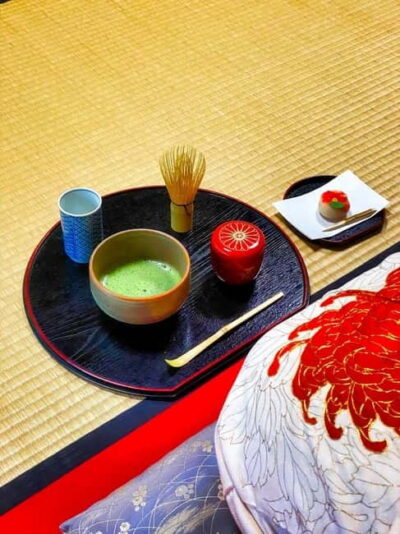
Tea Ceremony in a Traditional Tea House in Kiyomizu
Read our review →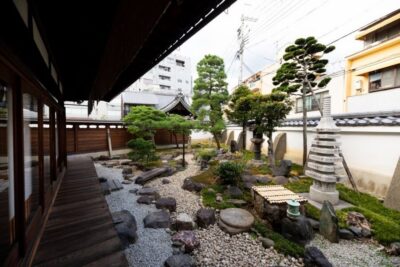
World Heritage Kyoto & Nara Uji Authentic Matcha Experience
Read our review →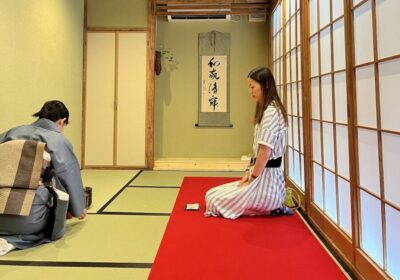
Browse the lists this tour appears in