
Review · MATCHA & TEA CEREMONY SESSIONS
Matcha Green Tea Plantation and Matcha Factory Visit
Matcha turns magical once you see it made. This small-group tour takes you to Uji, where you get access to an old matcha plantation plus a working matcha factory. I especially like the hands-on tasting (with Japanese sweets) and the chance to compare multiple matcha varieties, including the more expensive styles.
One possible drawback: the tour is not a meal. You get tastings and sweets, so plan to eat before you go.
You also get a real sense of why matcha matters in Japan. Matcha was introduced by a Zen monk in the 12th century, and this tour shows how that legacy plays out today in one of the country’s matcha heartlands. It is not a long bus ride, either. You ride by train from Kyoto Station area, then spend your time where tea is grown and processed.
For $154.84 per person, the value comes from what is included, not what you have to add on. You are paying for an English-speaking guide, entrance fees, tastings, sweets, and transportation, with a maximum of 6 travelers. If you want a matcha lesson that feels practical and local, this is a strong fit.
In This Review
- Key things to know before you go
- Kyoto to Uji: the short ride that sets the tea mood
- Inside the plantation and matcha factory in Uji
- What you’ll likely notice during the factory part
- The tea hut tasting: premium matcha and Japanese sweets
- The ceremony-style moment
- Learning the history of matcha without the textbook feel
- What shopping in Uji actually means (and how to do it smart)
- Price and logistics: is $154.84 a good use of time?
- Morning versus afternoon: picking the slot that fits your Kyoto plan
- Who this matcha plantation tour is best for
- Should you book this matcha plantation and factory visit?
- FAQ
- How long is the Matcha Green Tea Plantation and Matcha Factory Visit?
- Where does the tour start in Kyoto?
- How do I get to the Uji area during the tour?
- Is the guide English-speaking?
- What is included with the tasting?
- Do I need to buy admission tickets?
- Is there a morning and afternoon option?
- How large is the group?
- Is transportation included?
- What happens if the weather is poor?
Key things to know before you go
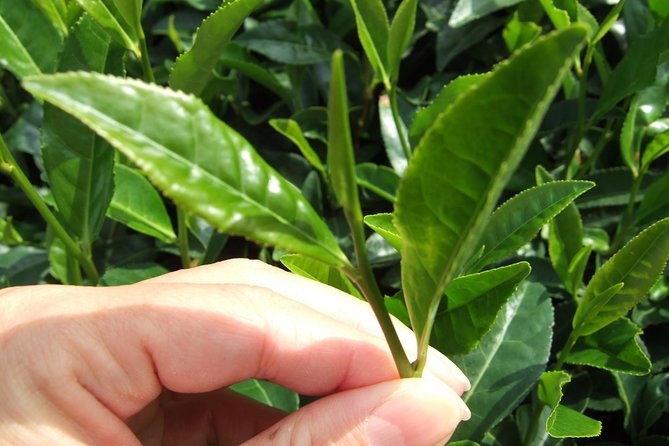
- Uji matcha access: you visit an old plantation and a matcha factory, not just a shop stop
- Multiple tastings: you sample different matcha varieties, including pricier grades
- Tea hut sweets: you pair matcha with Japanese sweets in a traditional setting
- A guide who explains real use: you learn how to build a matcha habit into daily life in your home country
- Small groups: max 6 travelers keeps questions practical
- Train from Kyoto Station: getting there is part of the experience, simple and smooth
Kyoto to Uji: the short ride that sets the tea mood
The day starts at Hotel Granvia Kyoto, inside the JR Kyoto Station complex. It is a convenient meeting spot because Kyoto Station is easy to navigate, even if you are new to Japan’s rail system. Then you head to the Uji region by train, in the southern part of Kyoto.
Uji is famous for matcha in a way that is hard to describe unless you are there. Think of it like Scotland for Scotch whiskey. The point is the concentration of quality, and the fact that the region has a long-running identity tied to the crop.
This transfer matters more than it sounds. Because you are only out for about 3 hours 30 minutes, you want the time you spend outside Kyoto to feel focused. The train ride keeps it efficient, and once you arrive, the tour turns into something visual and sensory: plants, processing, and tasting.
If you pick the morning or afternoon option, you get the same core experience. The only difference is light and energy. Morning often feels calmer, and afternoon can be nice if you want a slower start in Kyoto before you go.
More Tea Ceremonies in Kyoto
- Kyoto: Tea Ceremony in a Traditional Tea House in Kiyomizu
★ 4.9 · 3,519 reviews - Kyoto: Tea Ceremony Ju-An at Jotokuji Temple
★ 4.9 · 3,207 reviews - Kyoto: 45-Minute Tea Ceremony Lesson Experience
★ 4.3 · 2,378 reviews
Inside the plantation and matcha factory in Uji
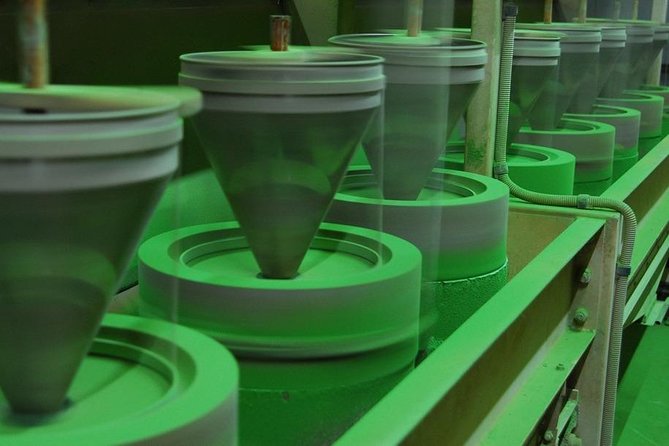
The heart of the tour is Uji’s older tea plantation and its matcha factory. You are not just looking at finished products. You get to see how green tea is handled and how matcha is made in a way that connects the plant in the field to the final cup.
This is where the tour becomes more than souvenir shopping. Matcha is processed differently from regular green tea. So if all you know is that matcha is “green tea powder,” this visit gives you the missing link: what happens before that powder reaches your whisk.
You also learn about the world-famous health benefits of Japanese green tea. The tour frame is educational, not medical, so you get the story and the commonly cited benefits, along with practical context for why matcha is treated as a daily drink in Japan.
What you’ll likely notice during the factory part
Even without getting lost in technical jargon, you should come away with a clear timeline:
- how the crop is handled for matcha
- what production steps look like up close
- how quality differences show up in the end result
One of the most praised parts of the experience is that you get to see the growing side and the manufacturing side together. It makes the process feel real, and it also helps you taste with more understanding later.
The tea hut tasting: premium matcha and Japanese sweets
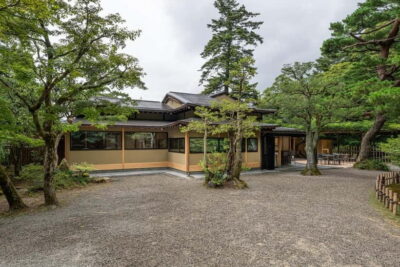
The tasting happens at a traditional tea hut, after you have seen the plantation and factory. This is a smart structure. You do the visuals first, then your senses make sense of what you learned.
You sample multiple varieties of matcha. That matters because matcha is not one flavor. Even within the same tea culture, you can taste differences tied to grade and character. The tour includes a look at the more expensive matcha as well, which is where many first-time visitors start to understand why it costs more.
And yes, there are Japanese sweets. These are included with the matcha, and that pairing helps you taste matcha’s sweetness balance. It also takes away the pressure of trying to force-matcha with nothing but the powder and water.
A different sort of day in Japan:
- PERFECT KYOTO 1-Day Bus Tour
★ 5.0 · 13,518 reviews - Kyoto: Fushimi Inari, Kinkakuji, Bamboo Grove 1 Day Bus Tour
★ 4.8 · 4,316 reviews - Kyoto Geisha Walking Tour: Gion District & Hidden Gems
★ 4.7 · 3,273 reviews - Kyoto: Gion Geisha District Walking Tour – Stories of Geisha
★ 4.7 · 2,187 reviews
The ceremony-style moment
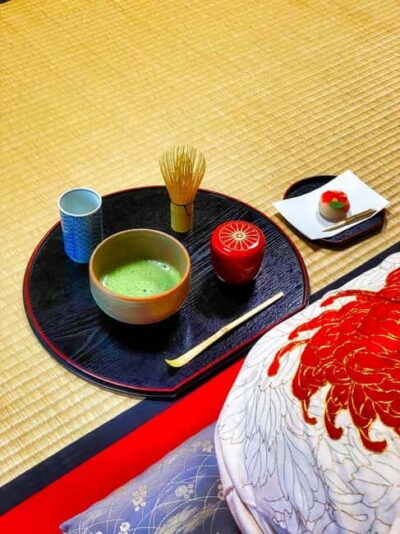
One detail that shows up clearly in people’s accounts is the feeling of a matcha tea ceremony experience during the tasting. Sometimes it is more like a short, guided ceremony moment than a full formal event, but either way, it helps you slow down. You taste, you learn, and you connect the ritual to the drink you are actually holding.
Learning the history of matcha without the textbook feel
Matcha’s story starts in Japan with Zen influence in the 12th century, and the tour uses that background to make the present-day experience feel grounded. Instead of treating history as trivia, the guide connects it to why people keep drinking matcha and why Uji became so central.
You will also get tips on how to incorporate the habit of drinking green tea into your daily life back home. That is one of the underrated values of this tour. Plenty of tours show you how something is made. Fewer help you translate it into your own routine.
This is where the best guides make a difference. In feedback, names like Mia and Mie come up, and people highlight that their explanations feel grounded and human. They do not just recite facts. They point out how matcha fits into daily life and why Japanese tea culture is more routine than event.
What shopping in Uji actually means (and how to do it smart)
After the tasting, there is time to shop for green tea and sometimes tea utensils. This is important because Uji is not just selling matcha. It is selling the tools and culture around matcha.
You may find:
- matcha products you do not see back in Kyoto’s busiest areas
- tea utensils that are harder to locate elsewhere
How to shop smart? Use the tasting as your starting point. If you liked a certain variety, ask what that type is best suited for. If the guide mentions different matcha characters, pay attention, then compare it when you are choosing a bag.
Also, consider what you will do once you get home. If you want to make matcha regularly, buy a smaller starter pack first. If you only want a one-off experience, a higher-grade bag might feel more worthwhile. The tour sets you up to make that decision with confidence.
Price and logistics: is $154.84 a good use of time?
At $154.84 per person, this tour is not a budget impulse buy. But it can feel like a fair deal once you break down what you get.
Included in the price:
- an English-speaking professional guide
- entrance fees
- matcha tasting and sweets
- transportation fees from the Kyoto Station area
Not included:
- food and drink beyond what is mentioned (the tour is tastings plus sweets, not a full meal)
- hotel pickup and drop-off
So the real question is: do you want this experience in a guided, hands-on way, in a small group, with tasting and access behind the scenes? If yes, the price starts to make sense. You are paying for guided access to both the plantation and the factory, plus guided tasting. If you are the type who likes “see it, taste it, then understand it,” this kind of structure often costs less than you think once you price the individual components.
The group size helps the value too. With a maximum of 6 travelers, you are less likely to be a face in a crowd. You can ask follow-up questions when something clicks.
One more practical note: this tour is often booked around 61 days in advance on average. If you have fixed dates in Kyoto and matcha is a must, book earlier rather than gambling on last-minute availability.
Morning versus afternoon: picking the slot that fits your Kyoto plan
You can choose a morning or afternoon departure. That flexibility is actually useful in Kyoto because your day can get crowded fast with temples, neighborhoods, and long lines.
If you are planning other daytime sights, morning can help you lock in the matcha tour early, when your energy is higher and your day still has room for spontaneous add-ons. If you prefer a slower morning, an afternoon slot lets you ease into Kyoto first.
Either way, the tour ends back at the meeting point in the Kyoto Station area. That makes it easy to connect to dinner plans without committing to long transfers or a complicated end-of-day commute.
Who this matcha plantation tour is best for
This tour fits you if:
- you are a matcha lover and want more than tasting from a shop counter
- you want the connection between growing, processing, and drinking
- you like small-group tours with time to ask questions
- you want to bring something home, not just memories
It also works well if you are curious about Japanese tea culture and want an experience that is structured but not stiff. You are learning history, but you are also learning how matcha becomes a daily drink, not only a special occasion.
If you are only interested in a quick photo stop or a short shopping trip, you may find the tour feels more educational than you want. But if you come for understanding, it delivers.
Should you book this matcha plantation and factory visit?
I recommend booking if matcha is a top priority for your Kyoto trip and you want a guided, behind-the-scenes experience in Uji. The best part is the combination: plantation plus factory, then tasting at a traditional tea hut with Japanese sweets. That sequence helps you taste with context.
It is also a strong choice when you want value that feels earned. You are not just buying a product. You are paying for access, interpretation, and included tastings that help you understand what to buy later.
Book it a bit early if you can, since demand is clearly steady. And do yourself a favor, eat something before you go, so the included sweets and matcha tasting feel like the highlight instead of your only meal.
FAQ
How long is the Matcha Green Tea Plantation and Matcha Factory Visit?
The tour lasts about 3 hours 30 minutes.
Where does the tour start in Kyoto?
The meeting point is Hotel Granvia Kyoto, JR Kyoto Station Central Entrance.
How do I get to the Uji area during the tour?
The tour includes a transfer by train from Kyoto Station to the Uji region.
Is the guide English-speaking?
Yes. The tour includes a professional English-speaking guide.
What is included with the tasting?
You get matcha tasting plus Japanese sweets during the tour.
Do I need to buy admission tickets?
Entrance fees are included.
Is there a morning and afternoon option?
Yes. You can choose from flexible morning or afternoon departure times.
How large is the group?
The maximum group size is 6 travelers.
Is transportation included?
Yes. Transportation fees are included.
What happens if the weather is poor?
The experience requires good weather. If it is canceled due to poor weather, you will be offered a different date or a full refund.
Newly listed around Kyoto
- Zen Meditation for Life in Kyoto★ 5.0 · 10 reviews
- Kyoto: Zen Meditation at a Private Temple with a Monk★ 5.0 · 25 reviews
- Kyoto Private Customizable Day Tour with Guide and Vehicle★ 5.0 · 52 reviews
- Private Wagyu Beef Tour with a Local Guide★ 5.0 · 6 reviews
- Kyoto: Gion Geisha District & Sake-in-Hand Walking Tour★ 5.0 · 37 reviews
- Your Private Vacation Photography Session In Kyoto★ 5.0 · 110 reviews
- Private Guided Traditional Buddhist Cooking in Japan★ 5.0 · 16 reviews
- Private Pewter Sake Cup Experience with a Kyoto Artisan★ 5.0 · 31 reviews
Matcha & Tea Ceremony Sessions, compared.
Tea Ceremony in a Traditional Tea House in Kiyomizu
Read our review →
World Heritage Kyoto & Nara Uji Authentic Matcha Experience
Read our review →
Browse the lists this tour appears in