
Review · MATCHA & TEA CEREMONY SESSIONS
Nerikiri and Matcha Making Class in Kyoto
Kyoto can feel intense, but this class slows you down fast. You will learn how nerikiri sweets are shaped for tea ceremony, then make matcha with your own hands. It is a small, hands-on session where the pace stays gentle.
What I love most is that you learn real technique, not just a demo, and you leave with five finished sweets you can share or savor later. The other big win is the calm, therapeutic feeling, aided by clear, step-by-step guidance and a well organized class flow.
One consideration: this is not a drop-in spectacle. Space is limited, and only participants can join, so you need to plan to be actively making throughout the 2.5 hour session.
In This Review
- Key Things to Know Before You Go
- A Quiet Kyoto Skill Class, Not a Show
- What You’ll Make: Five Nerikiri Designs and Tea Ceremony Style Details
- Step-by-Step Dough and Shaping, With Tools That Teach You
- Matcha Making at the Table, Then Taste Your Own Sweets
- The 2.5 Hour Flow: From Matsugasaki Station to Your Take-Home Box
- Price and Value: What $84.92 Really Covers
- Who This Class Is Best For (And Who Might Skip It)
- Practical Tips That Make the Class Easier
- Should You Book This Nerikiri and Matcha Class?
- FAQ
- What is included in the class?
- How long is the experience?
- Where does the class meet in Kyoto?
- What time does the class start?
- How many people are in the group?
- Are spectators allowed to watch?
- Who can join the class?
- Do you get to take the nerikiri home?
- What happens after the class about recipes?
- What about confirmation after booking and rescheduling?
Key Things to Know Before You Go
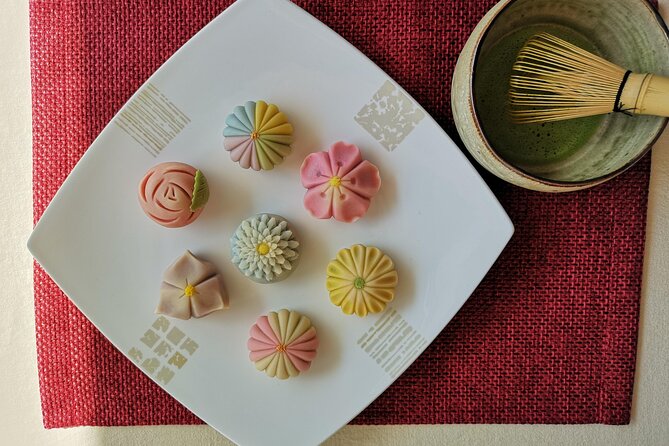
- Five nerikiri designs included, built through guided shaping with different techniques
- Matcha making at the table, so you practice what you learn instead of only watching
- Small group size (max 8) keeps attention focused on your hands and your questions
- Take-home container provided, so you can bring leftovers with you in Kyoto
- Recipe follow-up by email: you can request two nerikiri dough recipe versions after the class
- Age requirement is 10+, and the class is limited to participants only
A Quiet Kyoto Skill Class, Not a Show
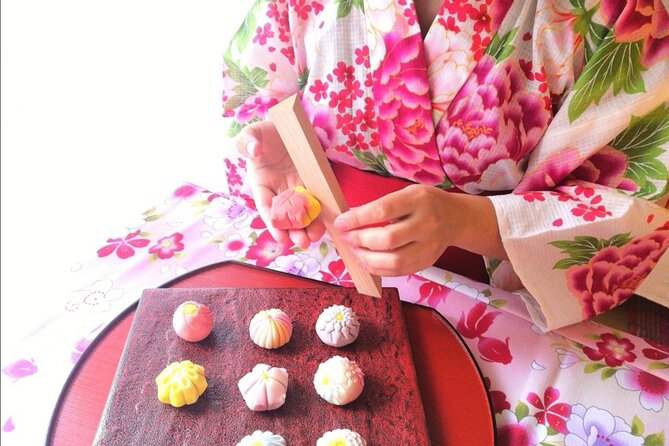
If you are craving something more personal than a typical sightseeing stop, this Nerikiri and Matcha making class fits the bill. Kyoto has plenty of cultural tours, but here the focus is your hands, your timing, and your own careful shaping of sweet dough into tea ceremony style confections.
I like that the class is built around learning. The instructor explains the process first, then you practice design after design using specific nerikiri tools. And you also get the sensory reward built in, you make matcha and taste it alongside what you made. It is relaxing in a very practical way, you are doing one small task at a time, and the structure keeps you from feeling rushed.
The class is offered by Nariko’s Kitchen, and the atmosphere tends toward comfort and calm. In the reviews, the instructor inviting people into her home and making everyone feel at ease is a recurring theme. That matters. When you feel relaxed, fine motor skills get easier, and you stop worrying about doing it wrong.
More Tea Ceremonies in Kyoto
- Kyoto: Tea Ceremony in a Traditional Tea House in Kiyomizu
★ 4.9 · 3,519 reviews - Kyoto: Tea Ceremony Ju-An at Jotokuji Temple
★ 4.9 · 3,207 reviews - Kyoto: 45-Minute Tea Ceremony Lesson Experience
★ 4.3 · 2,378 reviews
What You’ll Make: Five Nerikiri Designs and Tea Ceremony Style Details
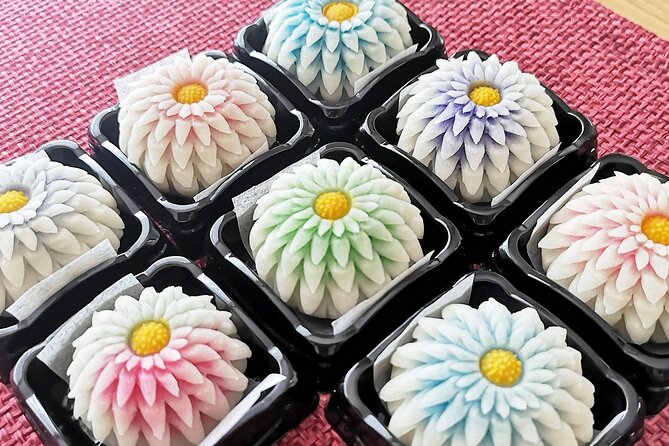
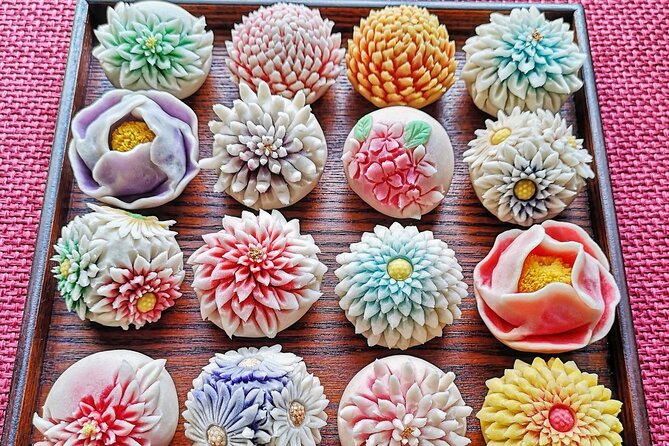
This class is centered on nerikiri, the Japanese confection traditionally served during a tea ceremony. Nerikiri are typically made from sweet white bean paste, shaped into beautiful designs. In practice, that means you are not just rolling something sweet and calling it done. You are learning how to shape, refine edges, and create recognizable forms.
You will make five nerikiri designs during the 2 hours 30 minutes. That is a great amount for beginners. It is enough repetition to build confidence, while still giving you variety so the session does not feel monotonous.
Here is how the learning usually lands for most people: the first design teaches you the basics of dough handling, the middle designs help you apply different shaping techniques, and the later designs let you start noticing how small changes affect the look. By the time you reach the fifth one, you can often see improvement in your own work, even if your first attempt looked rough. The goal is not perfection, the goal is technique you can reuse later.
And the fact that the dough designs are paired with matcha tasting is smart. Nerikiri are meant to be enjoyed slowly, and matcha fits that tempo. You get an immediate payoff instead of taking home something you never taste.
Step-by-Step Dough and Shaping, With Tools That Teach You
The instructor prepares the nerikiri dough before class. That is a practical benefit. It saves time, and it means you start with dough that is ready to shape. You can focus on what the class is really about, the design steps and the shaping techniques.
In class, you begin with an explanation and demonstration of how to make the nerikiri dough process. Then the hands-on part takes over. You will make five designs, and you will learn how to shape them using different techniques with various nerikiri tools.
Why tools matter here: shaping nerikiri is all about subtle pressure, precise forms, and clean surfaces. A tool can guide those details much better than fingers alone. So even if you think you are just copying what you see, the tool work is what helps you understand how the final look is achieved.
From a practical standpoint, expect a “do, stop, adjust” rhythm. The class flow is built around instruction first, then creating. That is especially helpful if you are new to Japanese sweets. The class is delicate but doable with guidance, and you will feel that on the first design. You might not get everything perfect immediately, but you will get enough direction to keep moving.
Also important: you are not stuck with a single design theme. The class uses multiple shaping approaches across your five creations. So you leave with a mini skill set rather than one lucky souvenir.
Matcha Making at the Table, Then Taste Your Own Sweets
After you finish your nerikiri shaping, it transitions naturally into matcha. You will make matcha tea table-style. That matters, because it is an active part of the class, not just a tasting.
Matcha is part art, part practice. Even if you have had it before, making it yourself gives you a better sense of texture and flavor balance. And pairing it with the nerikiri you made creates a loop that helps everything feel meaningful. The sweetness, the bean paste flavor, and the matcha bitterness or umami balance all show up together.
This is one of the best reasons to choose this class over a more generic cooking workshop. The tasting is tied to the techniques you are learning, so it feels like closure. You do not leave with only edible objects, you leave with a sense of how the flavors are designed to work in a tea ceremony style setting.
A different sort of day in Japan:
- PERFECT KYOTO 1-Day Bus Tour
★ 5.0 · 13,518 reviews - Kyoto: Fushimi Inari, Kinkakuji, Bamboo Grove 1 Day Bus Tour
★ 4.8 · 4,316 reviews - Kyoto Geisha Walking Tour: Gion District & Hidden Gems
★ 4.7 · 3,273 reviews - Kyoto: Gion Geisha District Walking Tour – Stories of Geisha
★ 4.7 · 2,187 reviews
The 2.5 Hour Flow: From Matsugasaki Station to Your Take-Home Box
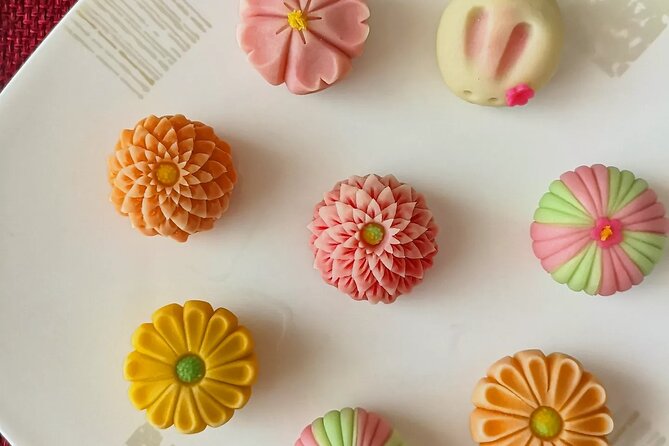
The meeting point is Matsugasaki Station, located in Sakyo Ward, Kyoto. The class starts at 10:00 am and ends back at the meeting point. The activity time runs about 2 hours 30 minutes.
The class is near public transportation, which is key for Kyoto. You will not be searching for a random address with zero transit support. You can plan your day around it like a normal scheduled experience rather than turning it into a logistics puzzle.
Inside the session, the time is used in a clean sequence:
- Intro and nerikiri dough explanation
- Step-by-step shaping practice for five designs
- Matcha making at the table
- Enjoying your matcha and your nerikiri
Also note the rules. Only people participating can attend due to limited space, so plan on being there fully. You will be seated and working, so it is best to arrive on time and stay until the tasting portion is done.
One small but important detail: any extra nerikiri you make can go home with you. A container is provided. That turns the class into a practical souvenir, not just a temporary treat you eat in someone’s home. It is also a nice way to share with your future self, or bring to someone who could not join.
Price and Value: What $84.92 Really Covers
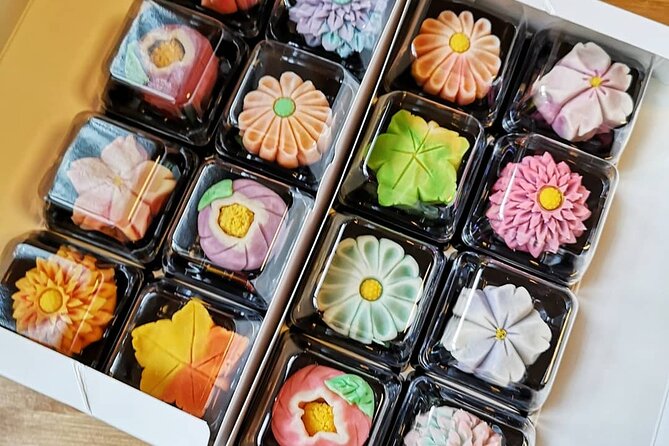
At $84.92 per person, this is not a budget activity. But it also is not a high cost for what you get, especially in Kyoto where many cultural experiences are either short or mostly observational.
Here is what your payment covers:
- Five nerikiri made during class
- Matcha
- A container to take the rest home
Then you add the value of instruction quality. The class is designed for learning technique, not just making something “cute.” And the small maximum group size supports that. When an instructor can actually guide your shaping and adjust your approach, your results improve and you get more confidence for future attempts.
Another value layer: after the class, you can request recipes by email. The instructor sends two versions of nerikiri dough recipes. That turns your visit into something you can repeat later. If you have ever made a dish while traveling and thought, I wish I could recreate this, this part helps close that gap.
So the math feels fair. You pay for ingredients, tools, instruction, and an end-to-end experience from shaping to tasting, plus take-home sweets.
Who This Class Is Best For (And Who Might Skip It)
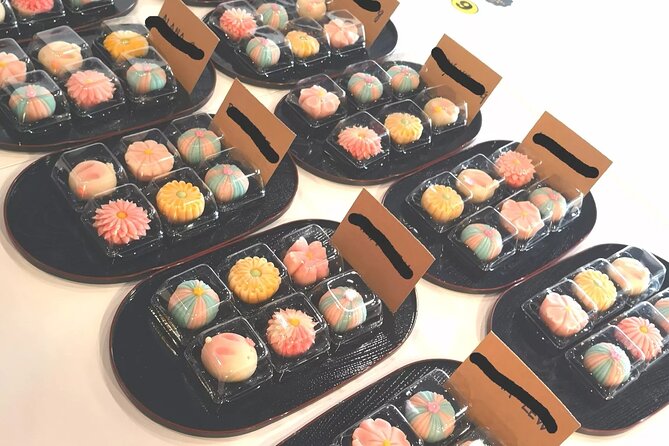
This class suits you if you want a unique Kyoto experience that feels calm, hands-on, and genuinely instructional. You do not need to be an expert. The guidance is built in, and the designs are achievable with careful shaping.
You will probably enjoy it most if you like:
- slow, focused activities
- food craftsmanship
- making something you can take home
- learning techniques you can reuse later
It can be less of a fit if you prefer purely scenic experiences or you want a social outing where others can watch. The class does not allow spectators due to limited space, and it requires participants to be active throughout.
Age matters too. Participants must be older than 10. If you are traveling with kids, this is something to consider early, since younger kids may not be eligible.
Practical Tips That Make the Class Easier
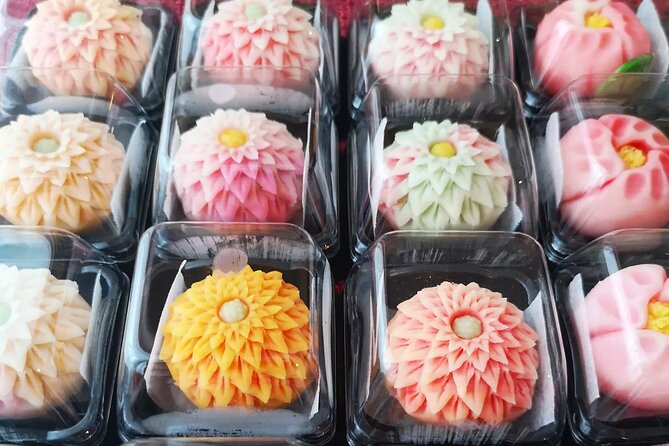
You do not need special experience, but a few practical habits help.
- Plan to be on time for the 10:00 am start at Matsugasaki Station. This class works like a workshop, and starting late can throw off the sequence.
- Bring your email info and be ready to provide it if you want the two nerikiri dough recipe versions after class.
- Wear comfortable clothes that let you sit and work comfortably for about 2.5 hours. You will be shaping dough, so you will want easy-to-manage sleeves and pants you do not mind adjusting.
- Expect limited group space and prepare for a “participate, not watch” setup.
If you are pairing this with other Kyoto plans, build in buffer time. You will want a little breathing room afterward, especially if you plan to eat lunch or hop on transit soon after.
Should You Book This Nerikiri and Matcha Class?
Yes, if you want a calm, skill focused Kyoto experience where you actively learn and leave with edible results. The biggest reasons to book are simple: five nerikiri designs, matcha you make yourself, and instruction that helps you shape delicate sweets with confidence. Add in the small group size and the take-home container, and it feels like a thoughtful use of time in Kyoto, not a rushed stop.
You might skip it if you hate hands-on workshops, you want spectators allowed, or you are only looking for a quick taste without technique. Also keep the budget in mind. This is priced like a true class, not a casual activity.
If you book, you will probably walk away with the kind of memory that sticks. Not because it was loud or dramatic, but because you made something careful with your own hands, then enjoyed it immediately with matcha.
FAQ
What is included in the class?
The class includes 5 nerikiri, matcha, and a container to take the nerikiri home.
How long is the experience?
It lasts about 2 hours 30 minutes.
Where does the class meet in Kyoto?
The meeting point is Matsugasaki Station, Matsugasaki Rokunotsubocho, Sakyo Ward, Kyoto 606-0915, Japan.
What time does the class start?
The start time is 10:00 am.
How many people are in the group?
The class has a maximum of 8 travelers.
Are spectators allowed to watch?
No. Only people participating in the class may attend due to limited space.
Who can join the class?
Participants must be older than 10.
Do you get to take the nerikiri home?
Yes. You can take the remaining nerikiri home, and the container is provided.
What happens after the class about recipes?
After the class, the instructor emails 2 versions of nerikiri dough recipes if you provide your email address.
What about confirmation after booking and rescheduling?
You receive confirmation within 48 hours of booking, subject to availability. The experience is non-refundable and cannot be changed for any reason.
Newly listed around Kyoto
- Zen Meditation for Life in Kyoto★ 5.0 · 10 reviews
- Kyoto: Zen Meditation at a Private Temple with a Monk★ 5.0 · 25 reviews
- Kyoto Private Customizable Day Tour with Guide and Vehicle★ 5.0 · 52 reviews
- Private Wagyu Beef Tour with a Local Guide★ 5.0 · 6 reviews
- Kyoto: Gion Geisha District & Sake-in-Hand Walking Tour★ 5.0 · 37 reviews
- Your Private Vacation Photography Session In Kyoto★ 5.0 · 110 reviews
- Private Guided Traditional Buddhist Cooking in Japan★ 5.0 · 16 reviews
- Private Pewter Sake Cup Experience with a Kyoto Artisan★ 5.0 · 31 reviews
Matcha & Tea Ceremony Sessions, compared.
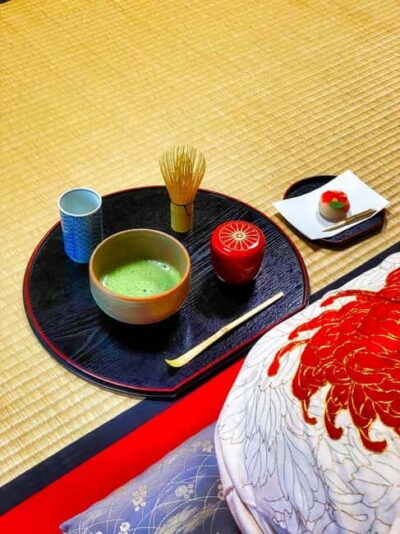
Tea Ceremony in a Traditional Tea House in Kiyomizu
Read our review →
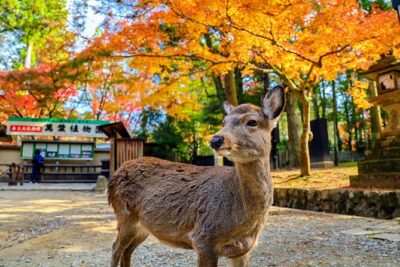
World Heritage Kyoto & Nara Uji Authentic Matcha Experience
Read our review →
Browse the lists this tour appears in