
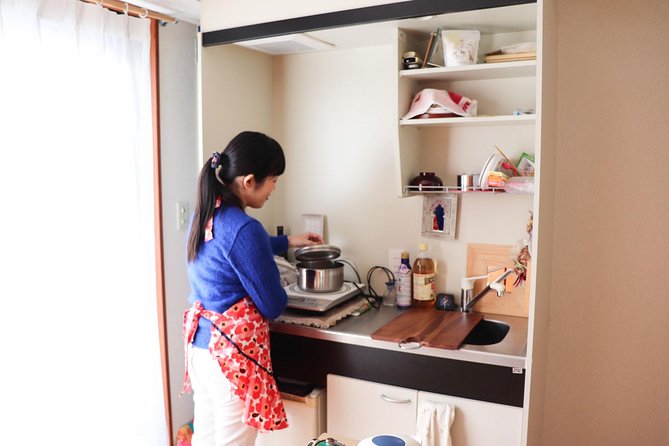
Review · SUSHI COOKING WORKSHOPS
Sushi or Traditional Japanese Cuisine in a Kyoto Home with Emika
A home meal in Kyoto beats any restaurant for me. You start with Emika’s matcha tea in a Kyoto household, then settle into an Obanzai-style table where seasonal vegetables and seafood show up in comforting, well-timed courses, including miso soup, rice, sushi, and a sweet that fits the matcha. The host factor is huge here too, because Emika (and her father for tea) bring a calm, personal way of explaining what you are eating, not just feeding you. One thing to consider: this is hosted at a private home, so you should be ready for a schedule that feels more local and less rigid than a big restaurant dinner.
If you want something flexible, this one works. You can choose lunch or dinner, it runs about 1 hour 30 minutes, and it is private, so you are not squeezed into a noisy group experience. Price is $79 per person, and you are getting a full seated meal with local alcohol, plus conversation, not just a quick bite.
In This Review
- Key highlights at a glance
- Entering Emika’s Kyoto Home, Where the Meal Starts With Tea
- Obanzai Cooking in Plain View, Seasonal Ingredients That Actually Mean Something
- Sushi and Miso Soup, What You Gain Beyond the Bite
- The Matcha Moment, Then a Possible Tea Ceremony Touch
- Timing, Duration, and Why the Private Format Feels Worth It
- Getting There and What to Expect When No One Picks You Up
- Who This Kyoto Home Meal Is For, and Who Might Want to Skip It
- Should You Book Sushi or Traditional Japanese Cuisine in a Kyoto Home with Emika?
- FAQ
- How much is the Kyoto home meal with Emika?
- How long does the experience last?
- Is this experience private?
- What will I eat during the meal?
- Can I do lunch or dinner?
- Do I get hotel pickup or drop-off?
- What if I have dietary requirements?
- What is the cancellation policy?
Key highlights at a glance
- Traditional matcha tea first, prepared in the Kyoto style before you eat
- Obanzai-focused cooking, using seasonal ingredients you can taste right away
- A real home-table meal, so the pacing feels personal, not tourist-fast
- Sushi and miso soup in the lineup, often explained as part of the experience
- A tea ceremony moment may be part of the evening flow, led by Emika’s father, per participant accounts
Entering Emika’s Kyoto Home, Where the Meal Starts With Tea
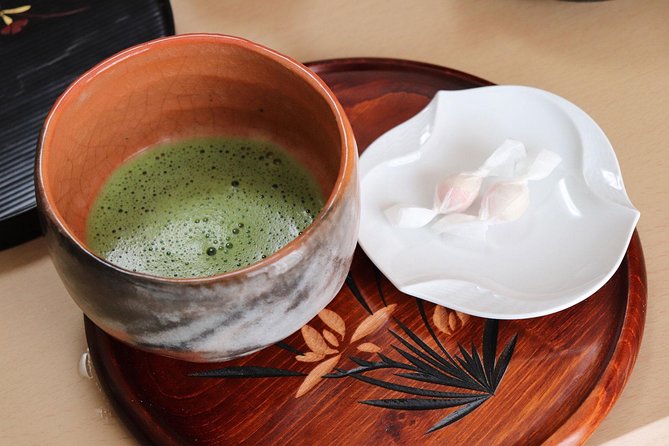
The best part of this experience is that it is not staged like a show, even though you do learn along the way. You meet Emika at her home address in Nishikyo Ward, Kyoto, and from the first minutes you are inside a local routine. Instead of rushing straight into food, the experience sets the tone with green tea prepared in the traditional style.
Expect a comfortable sit-down setup around a dining table. That matters because Obanzai cooking is not just about ingredients, it is about timing and conversation, and those are easier when you are not on a tight restaurant schedule. You are also not just eating politely, you are invited into a shared meal and chat.
One practical note: there is no hotel pickup or drop-off. You will want to plan your route and arrive on time under your own steam, since the experience ends back at the meeting point.
More Sushi Workshops in Kyoto
- The Original Small-Group Sushi Making Class in Kyoto
★ 5.0 · 436 reviews - Kyoto: Small-Group Authentic Sushi Making Workshop
★ 5.0 · 137 reviews - Sushi – Authentic Japanese Cooking Class – the best souvenir from Kyoto!
★ 5.0 · 93 reviews
Obanzai Cooking in Plain View, Seasonal Ingredients That Actually Mean Something
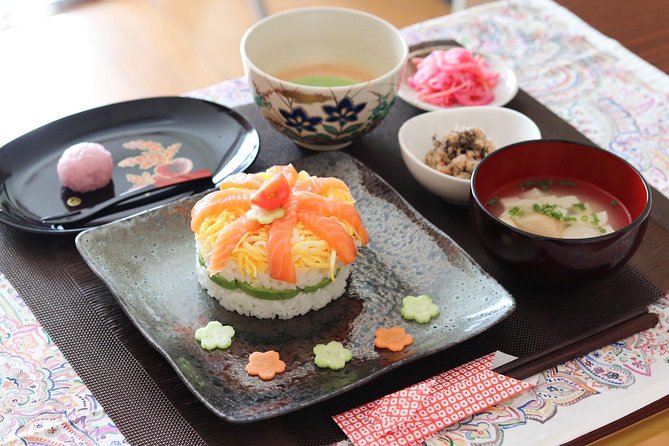
Kyoto Obanzai is often described in big, poetic terms, but what you feel at the table is simpler. Obanzai is household-style Kyoto cooking that leans on seasonal vegetables and seafood, with lots of small dishes rather than one heavy plate. In this home experience, that turns into a meal where you taste several flavors and textures instead of repeating the same profile.
A highlight from participant accounts is how fresh and local the ingredients taste. Emika shares experiences and lifestyle, and you also hear that much of the produce is described as coming from her own garden. Even if you do not think about farming while you travel, you can usually tell when ingredients are handled with care, and the flavors here tend to feel clean and focused.
Because the menu may vary by season, do not expect the exact same dishes every time. What stays consistent is the structure: you start with tea, then move into a traditional Japanese meal that can include miso soup, rice, multiple Obanzai dishes, and a sweet that pairs with matcha. That pairing detail is one of the subtle joys, since matcha is both flavorful and dry in a way that calls for the right finish.
If you are a foodie who loves learning at the table, this is a strong fit. If you are the type who hates small talk, you can still enjoy the meal, but this is built around conversation, so a little curiosity will pay off.
Sushi and Miso Soup, What You Gain Beyond the Bite
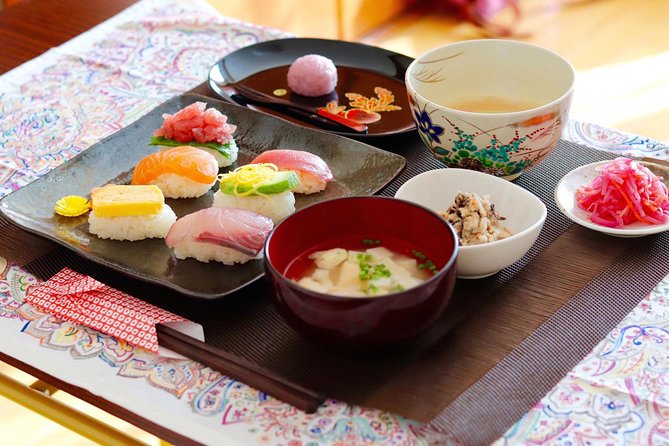
Even with the focus on Obanzai, sushi shows up in the meal. Based on the experience description, you can expect an authentic lineup that includes sushi along with miso soup, rice, and other traditional sides. Some participants also highlight that the host explains traditional ways of making sushi and miso soup, so this is not just eating, it is learning the basics behind the comfort.
Why that matters: sushi is not one flavor. It is technique plus texture plus timing, and miso soup is all about balance, saltiness, and warmth. When someone takes a moment to explain what you are seeing and tasting, your memory lasts longer than a menu photo.
Also, because this is a private home experience, the pacing tends to be calmer than what you get in many sightseeing-heavy meals. You can ask questions when curiosity hits, instead of guessing right after the waitress is gone. You are sitting with your host, and the table becomes part of the lesson.
One consideration: since the menu is seasonal and can vary, you should not treat this as a guaranteed exact dish list like a restaurant tasting menu with fixed courses. The overall direction is consistent, but the details can shift.
The Matcha Moment, Then a Possible Tea Ceremony Touch
If you come for matcha, you are in the right place. You start with a cup of green tea prepared traditionally, and you are not just handed a drink. Emika prepares it or her father does, and participant accounts mention that her father is a master of tea ceremony.
In some cases, the meal flows into a small tea ceremony element. That is the kind of cultural detail that feels small but memorable, because it is done quietly, with attention to how you hold, taste, and appreciate. Even if you have tried matcha before, the difference is in the context. Here, it is not just a beverage, it is part of the ritual that sits alongside the food.
Be ready for the tone to be more reflective than chaotic. This is a good match if you enjoy slowing down, paying attention, and learning a few cultural habits rather than collecting 12 attractions in a day.
A different sort of day in Japan:
- PERFECT KYOTO 1-Day Bus Tour
★ 5.0 · 13,518 reviews - Kyoto: Fushimi Inari, Kinkakuji, Bamboo Grove 1 Day Bus Tour
★ 4.8 · 4,316 reviews - Kyoto: Tea Ceremony in a Traditional Tea House in Kiyomizu
★ 4.9 · 3,519 reviews - Kyoto Geisha Walking Tour: Gion District & Hidden Gems
★ 4.7 · 3,273 reviews
Timing, Duration, and Why the Private Format Feels Worth It
This experience runs about 1 hour 30 minutes. That is a smart length for a Kyoto day because you get a full meal without eating your whole afternoon or evening. You can add it as a lunch reset or as a dinner anchor, and the time window makes it easier to coordinate with other sightseeing.
The private format also affects the experience quality. You are not sharing your host’s attention with a large group, and that usually improves what you learn, what you ask, and how comfortable you feel at the table. Multiple reviews also describe Emika as gracious, warm, and witty, with a quiet presence that turns conversation into something natural, not forced.
Now about value. At $79 per person, this is not the cheapest meal you can find in Kyoto. But you are paying for a full seated home-cooked Japanese meal, local alcohol included, and host-guided cultural context in a private setting. When you compare that to the cost of two people eating separately plus paying for a structured cultural activity, it starts to feel more reasonable, especially if you care about authenticity.
If you are traveling on a tight budget, you might prefer street food and casual ramen. If you want one meal that feels distinct from everyday dining, this is a great place to spend.
Getting There and What to Expect When No One Picks You Up
Logistics are refreshingly straightforward. There is one meeting point at Emika’s home in Nishikyo Ward, Kyoto, and the activity ends back there. There is no hotel pickup and drop-off, so you need to navigate on your own.
The good news: the listing notes it is near public transportation. That matters because Kyoto can be slow on foot and sometimes complicated for taxis. If you plan your route early, you will avoid the common stress of showing up late to a private appointment.
Also, it is a mobile ticket. You will want your phone ready at check-in. Confirmation is received at booking time, and you can advise dietary needs in the special requirements box when you book.
Finally, this is service-animal friendly, and it is a private group, so your party is the only one participating.
Who This Kyoto Home Meal Is For, and Who Might Want to Skip It
This experience is ideal if you:
- Want Kyoto home cooking rather than a restaurant in a tourist district
- Enjoy matcha and want it treated as part of the meal, not an afterthought
- Like small, seasonal flavors and several courses rather than one big flashy dish
- Would rather have a conversation with a local host than follow a rigid tour script
It may feel less perfect if you:
- Want a quick, no-conversation meal with zero cultural context
- Have very specific dietary restrictions that require detailed accommodation, since the menu may change with the season and you need to communicate needs in advance
- Prefer fixed menus and set dish names every time, because Obanzai and course details can shift
If you are flexible and curious, this experience fits very well into a Kyoto itinerary.
Should You Book Sushi or Traditional Japanese Cuisine in a Kyoto Home with Emika?
I think you should book it if you want your Kyoto day to include one genuine, seated local moment. The combination of traditional matcha, Obanzai cooking, and the host-led cultural context is exactly the kind of experience that sticks after you leave town. Add the private format, the warm hospitality described by participants, and the possibility of a tea ceremony touch, and the meal becomes more than food.
One smart decision rule: if you can spend a bit more for a focused, memorable meal instead of trying to sample everything, this is a strong choice. If your schedule is tight and you do not want to manage your own transportation to a residential meeting point, then you might need to weigh that before you commit.
If you want to taste Kyoto in a way that feels lived-in, this is the kind of dinner you plan around.
FAQ
How much is the Kyoto home meal with Emika?
It costs $79.00 per person.
How long does the experience last?
The duration is about 1 hour 30 minutes.
Is this experience private?
Yes. It is a private tour or activity, and only your group participates.
What will I eat during the meal?
You will enjoy a traditional Japanese meal that may include sushi, miso soup, rice, Obanzai dishes, matcha green tea, and sweets. The exact menu can vary depending on the season.
Can I do lunch or dinner?
Yes, you can choose lunch time or dinner time.
Do I get hotel pickup or drop-off?
No. Hotel pickup and drop-off are not included. The experience starts at Emika’s home address and ends back at the meeting point, and it is near public transportation.
What if I have dietary requirements?
You should advise any dietary requirements at the time of booking in the special requirements box. The menu may vary by season, so sharing needs early is the safest move.
What is the cancellation policy?
You can cancel for free up to 24 hours in advance for a full refund. If you cancel less than 24 hours before the experience starts, the amount paid is not refunded.
Newly listed around Kyoto
- Zen Meditation for Life in Kyoto★ 5.0 · 10 reviews
- Kyoto: Zen Meditation at a Private Temple with a Monk★ 5.0 · 25 reviews
- Kyoto Private Customizable Day Tour with Guide and Vehicle★ 5.0 · 52 reviews
- Private Wagyu Beef Tour with a Local Guide★ 5.0 · 6 reviews
- Kyoto: Gion Geisha District & Sake-in-Hand Walking Tour★ 5.0 · 37 reviews
- Your Private Vacation Photography Session In Kyoto★ 5.0 · 110 reviews
- Private Guided Traditional Buddhist Cooking in Japan★ 5.0 · 16 reviews
- Private Pewter Sake Cup Experience with a Kyoto Artisan★ 5.0 · 31 reviews
Sushi Cooking Workshops, compared.
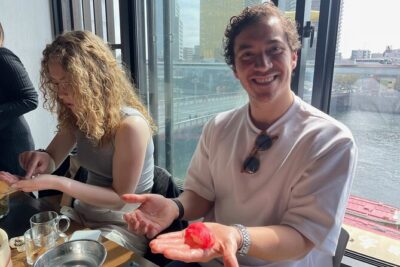
Sushi Making Tokyo Roll and Authentic Japanese Sushi Class
Read our review →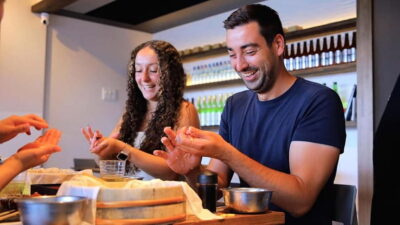
Roll and Authentic Sushi Making Class in Asakusa
Read our review →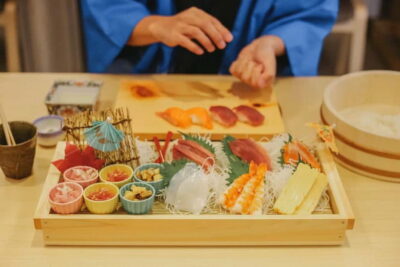
Sushi Making Class in a Happi Coat near a Famous Spot
Read our review →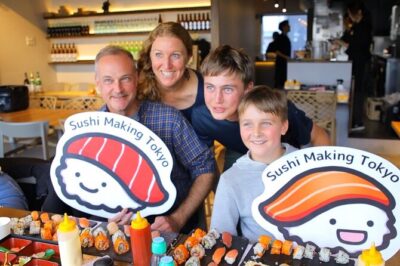
Sushi Making Tokyo! Popular Maki Sushi & Japanese Sushi(+Recipe!)
Read our review →
Tokyo Sushi Making Class in Tsukiji with Professional Chef
Read our review →
Tokyo Night Foodie Tour in Shinjuku – Seasonal Sushi, Wagyu Beef
Read our review →
Tsukiji Fish Market Guided Tour and Sushi Making with Pro Chef
Read our review →
Tsukiji Fish Market Sushi Making Class with Pro Chef
Read our review →Browse the lists this tour appears in