
Review · MATCHA & TEA CEREMONY SESSIONS
Tea Ceremony Experience in Kyoto
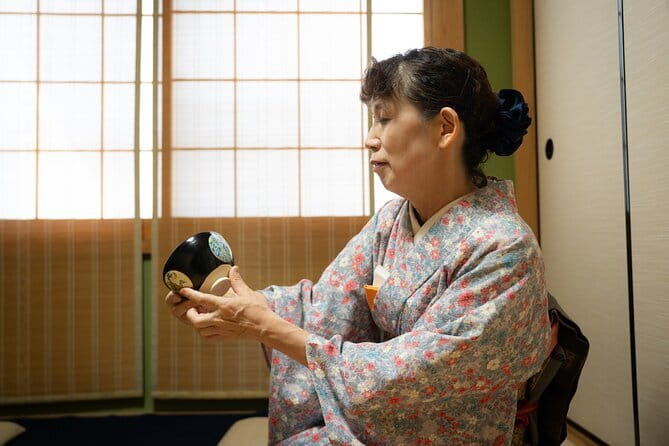
Matcha gets personal in Kyoto. This one-hour tea ceremony experience with Chisato turns Kyoto tradition into something you can actually follow, from the first whisk to your first sip. I especially like the chance to learn the movements behind matcha making, then try them yourself.
The second thing I like is how welcoming this session is for beginners, with the teacher offering guidance on mindfulness and respect for the ritual. A small consideration: it is not wheelchair accessible, and since the experience is run in English, you may need to keep questions simple to get what you want out of it.
In This Review
- Key points before you go
- Where to meet: Shimogamo area, Kamogawa Delta, and Demachiyanagi links
- In the tea room: matcha steps, whisking technique, and respectful etiquette
- The optional part: making your own tea (and why you should choose yes)
- Wagashi and the one-hour rhythm: tasting, pacing, and balance
- Language and communication: getting what you want out of English explanations
- Group size, “private” feel, and how the room changes your experience
- What you do not get (and what to plan for): kimono and tips
- Price and value: what $39.09 buys you in Kyoto
- Practical logistics: timing, mobile ticket, and what to wear
- Who this Kyoto tea ceremony suits best
- Should you book this tea ceremony with Chisato?
Key points before you go
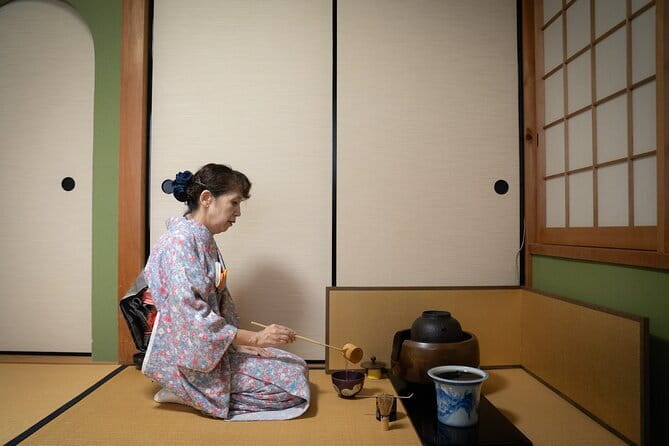
- Make your own matcha if you want, with step-by-step guidance
- Wagashi included to balance the flavor and pace of the ceremony
- Chisato leads the session and brings decades of tea experience to the explanations
- Small group size, max 6 helps it feel calm and personal
- Convenient meeting area is about a 15-minute walk from Demachiyanagi Station and the Kamogawa Delta
- Mobile ticket makes entry smoother on the day
Where to meet: Shimogamo area, Kamogawa Delta, and Demachiyanagi links
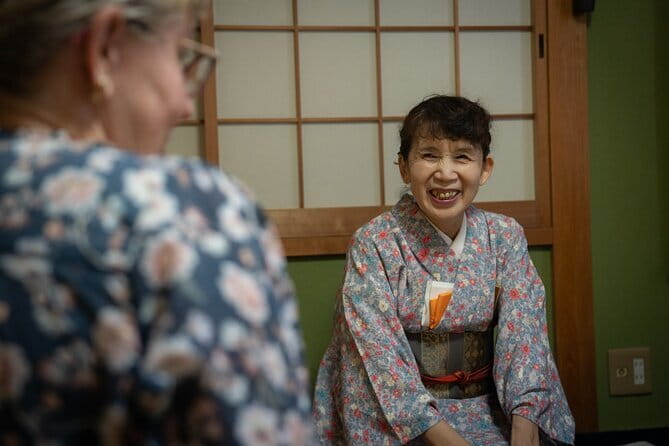
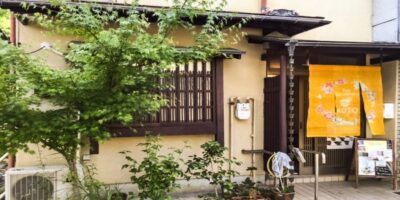
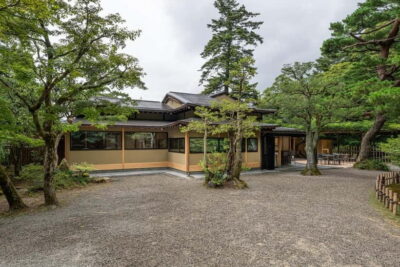
You meet at Tea Ceremony Experience Chisato, 67-23 Shimogamo Matsunokichō, Sakyo Ward, Kyoto, 606-0816. The setting matters here, because you are not tucked into some far-away “tour-only” location. You are in Kyoto proper, with local streets around you.
The listing notes two helpful reference points for planning your day. It is about a 15-minute walk from the Kamogawa Delta, a riverside spot known for slow, scenic strolling. It is also about a 15-minute walk from Demachiyanagi Station, the start point for day extensions like Kibune Shrine and Rurikou Temple.
That means you can pair this well with other Kyoto time. If your mornings are crowded, plan the tea ceremony for mid-day or early afternoon, then take a quiet walk afterward. And if you are doing Northern Kyoto sights, this fits neatly before you hop on trains from Demachiyanagi.
More Tea Ceremonies in Kyoto
- Kyoto: Tea Ceremony in a Traditional Tea House in Kiyomizu
★ 4.9 · 3,519 reviews - Kyoto: Tea Ceremony Ju-An at Jotokuji Temple
★ 4.9 · 3,207 reviews - Kyoto: 45-Minute Tea Ceremony Lesson Experience
★ 4.3 · 2,378 reviews
In the tea room: matcha steps, whisking technique, and respectful etiquette
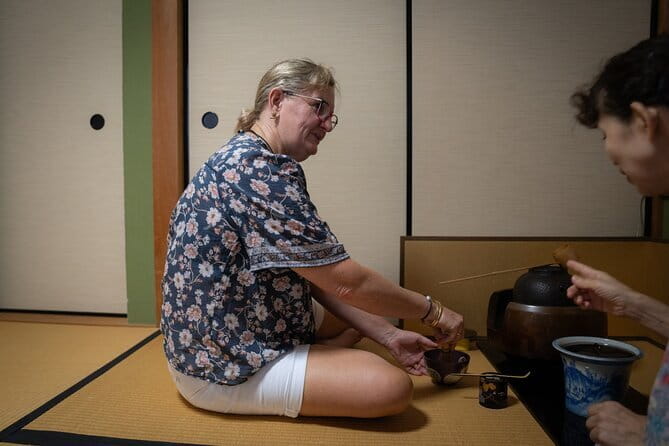
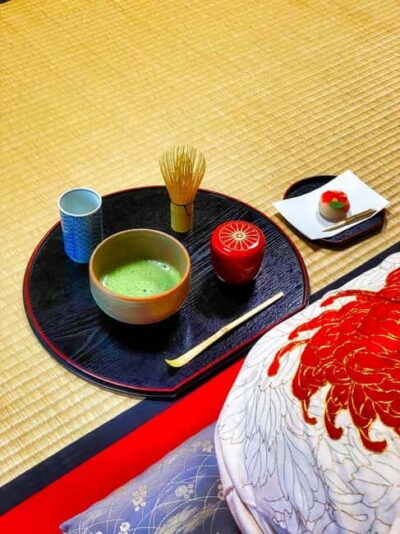
This ceremony is built around one core idea: you learn by doing. Under Chisato’s guidance, you go through the steps for preparing matcha, starting with the powdered tea and moving into the whisking process.
The focus is not on speed. It is on the small, repeated motions that connect to mindfulness and harmony in Japanese tea tradition. Chisato explains the ritual in a way that aims to lower the barriers that often make visitors feel intimidated.
A big practical win for you: the experience is designed for both complete beginners and people with some tea-ceremony familiarity. You do not have to know anything before you arrive. You just need curiosity, and the willingness to slow down for an hour.
When it comes to etiquette, Chisato’s teaching style is centered on respect and presence. One of the standout impressions from past guests is that Chisato emphasizes how to be attentive during the process, not just how to copy the technique.
The optional part: making your own tea (and why you should choose yes)
One of the highlights is the chance to make your own matcha if you wish. Even if you are the type who usually skips hands-on activities, this is the kind that pays off. Tea ceremonies are about texture, temperature, and technique, and you cannot really understand matcha by watching alone.
You’ll learn the basic “how” and then try the movements yourself. The experience frames this as more than a souvenir moment. It is about intention, so your tea becomes part of the rhythm instead of a task to check off.
There’s also a calmer effect. When you are whisking and pouring carefully, you stop thinking about the next train or the next queue. You may not realize how much mental noise you brought into the session until it is quieted.
Wagashi and the one-hour rhythm: tasting, pacing, and balance
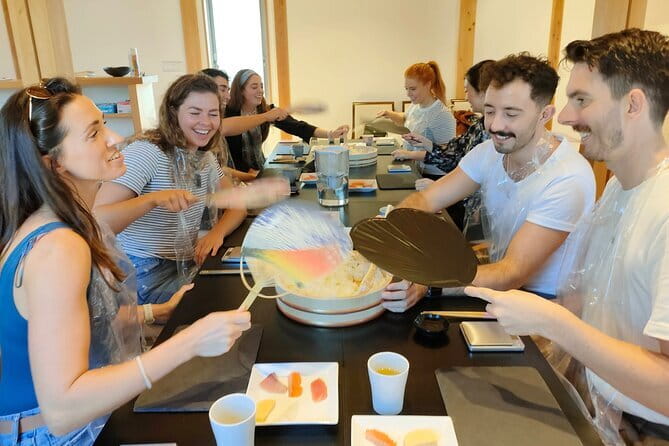
This experience includes wagashi, traditional Japanese sweets. Pairing wagashi with matcha is not random. It’s a practical part of the ceremony’s balance, since the sweetness and texture help round out the matcha flavor.
In a one-hour format, timing matters. You get enough structure to learn, taste, and ask questions, without feeling like you are trapped for half a day. The session is approximate 1 hour, which is ideal if Kyoto planning already has you juggling temples, gardens, and transit time.
Based on guest feedback, the sweets are a real part of the enjoyment, not just a checkbox. People repeatedly point to delicious wagashi and a relaxed, calm atmosphere, which fits the whole reason tea ceremonies feel restorative.
A different sort of day in Japan:
- PERFECT KYOTO 1-Day Bus Tour
★ 5.0 · 13,518 reviews - Kyoto: Fushimi Inari, Kinkakuji, Bamboo Grove 1 Day Bus Tour
★ 4.8 · 4,316 reviews - Kyoto Geisha Walking Tour: Gion District & Hidden Gems
★ 4.7 · 3,273 reviews - Kyoto: Gion Geisha District Walking Tour – Stories of Geisha
★ 4.7 · 2,187 reviews
Language and communication: getting what you want out of English explanations
The guidance is offered in English, and the teacher’s explanations are clearly meant to be approachable. If you have questions, you’ll want to keep them straightforward. One practical note from feedback: sometimes you may need to ask more simply to get the exact answer you’re hoping for.
My advice is to come with two or three focused questions. For example: what changes when the whisking technique changes, or what guests should notice during the taste. Short questions land better in any language, and they also help you stay in the flow of the ceremony.
Also, don’t worry if you feel awkward at the start. One review noted that Chisato can seem nervous at the beginning, but her knowledge and comfort come through as the session continues. That’s normal. Tea preparation is precise, and a teacher still has to get everyone coordinated.
Group size, “private” feel, and how the room changes your experience
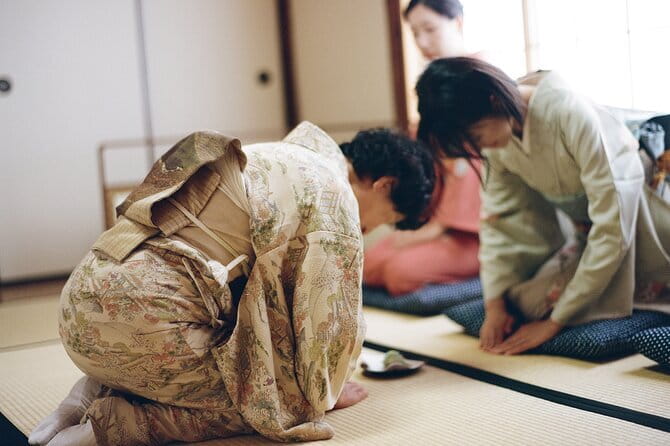
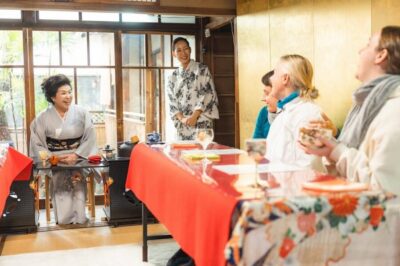
This activity caps at 6 travelers. That small group size is a big deal. It gives you a better chance to receive personal attention, and it keeps the ceremony from turning into a loud production.
Some guests even described it as private. Even if you do not expect a fully private ceremony, a max-of-6 group tends to create the same effect: you can hear instructions, and you can move without constantly waiting your turn.
If you are traveling with family, this is especially relevant. Feedback includes praise for accommodating small children. That does not mean it becomes a playground, but it suggests the teacher is prepared for real-world situations, not just quiet adults with perfect manners and perfect timing.
What you do not get (and what to plan for): kimono and tips
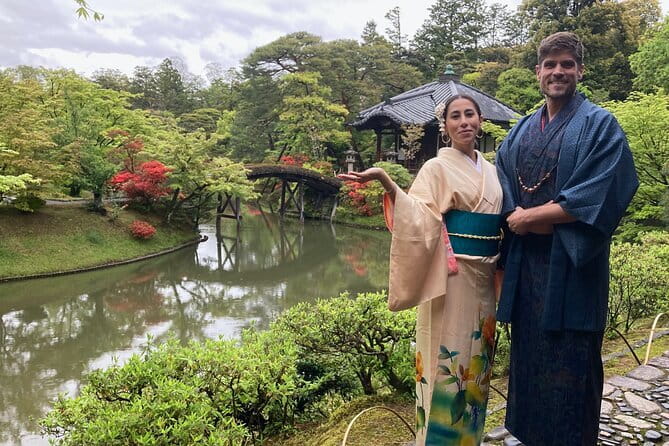
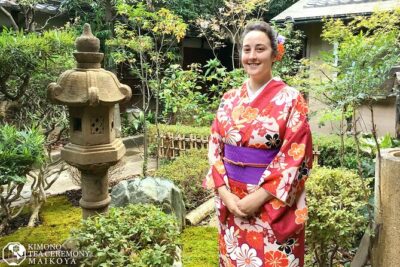
Two items are not included: kimono and tips. If you want to wear a kimono for photos, you will need to arrange it separately. The upside is you are not required to spend extra money just to participate.
Tips are also your choice. The ceremony includes matcha, wagashi, and the guide, so you already have the essentials covered. If you feel Chisato guided you well and made the experience easy to understand, you may want to tip accordingly. If you prefer not to, you still have a complete, satisfying session because the core elements are included.
Price and value: what $39.09 buys you in Kyoto
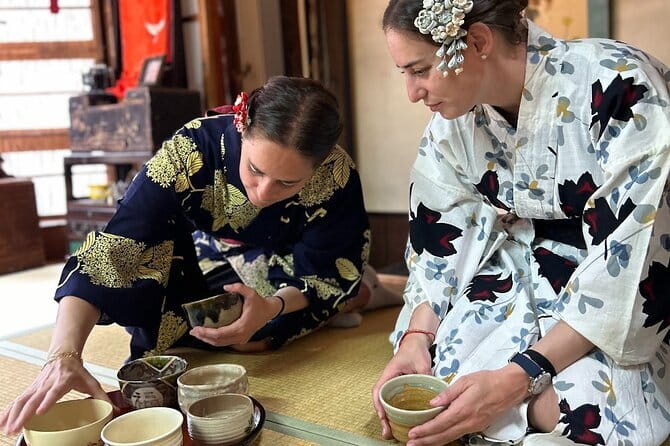
At $39.09 per person for about an hour, this is positioned as a practical cultural activity rather than a high-end luxury show. Here’s what you get that justifies the price:
- Matcha is included, so you are not paying extra for the main ingredient.
- Wagashi is included, so your taste experience is complete, not just “tea plus instructions.”
- You have a guide, Chisato, with decades of experience.
- The session is small group capped at 6, which usually means better attention.
- You can participate in making your own tea if you choose.
In Kyoto, you can spend a lot for “cultural” experiences that end up feeling scripted or detached. This one feels more like a lesson you can actually use, because it is built around technique and mindfulness, not just watching someone perform.
Practical logistics: timing, mobile ticket, and what to wear
The activity uses a mobile ticket, which is helpful if your day is already packed and you do not want to manage paper. Confirmation is received at booking, so you should have what you need before you head out.
Duration is about 1 hour. Plan to arrive a little early so you have time to settle. Tea ceremonies work best when you are not rushing through the last minute.
As for what to wear, you do not have kimono included. So dress comfortably. You want clothes that let you sit and move easily during the whisking and tasting parts.
Finally, note one limitation: the experience is not wheelchair accessible. If mobility is a factor, you’ll want to plan a different activity.
Who this Kyoto tea ceremony suits best
This is a strong match for you if you want a calmer, more personal Kyoto moment that does not require prior experience. It works especially well if:
- You are a matcha beginner and want real step-by-step guidance
- You like hands-on learning, not just watching
- You want a cultural activity that includes etiquette and mindfulness, not only food
- You want something that fits into a busy day, at about an hour
- You are traveling with children and need a patient, accommodating approach
If you already know every matcha term and you crave advanced tea-ceremony study, you might still enjoy the session, but the one-hour format may feel introductory.
Should you book this tea ceremony with Chisato?
If you want a welcoming introduction to tea ceremony that still feels authentic and thoughtful, I think it’s worth booking. The small group size, the included matcha and wagashi, and the chance to make your own tea are the big reasons.
Book it if you value calm structure in your travel day, and if you are okay with an hour that prioritizes technique and presence over spectacle. Skip it or consider another option if you need wheelchair accessibility, or if you want a highly technical, advanced training session.
If your Kyoto plans include time near Demachiyanagi Station or the Kamogawa Delta, this fits neatly into the rhythm. Go in curious, ask simple questions in English, and take the tea slowly. That’s the whole point.
Newly listed around Kyoto
- Zen Meditation for Life in Kyoto★ 5.0 · 10 reviews
- Kyoto: Zen Meditation at a Private Temple with a Monk★ 5.0 · 25 reviews
- Kyoto Private Customizable Day Tour with Guide and Vehicle★ 5.0 · 52 reviews
- Your Private Vacation Photography Session In Kyoto★ 5.0 · 110 reviews
- Private Wagyu Beef Tour with a Local Guide★ 5.0 · 6 reviews
- Kyoto: Gion Geisha District & Sake-in-Hand Walking Tour★ 5.0 · 37 reviews
- Private Guided Traditional Buddhist Cooking in Japan★ 5.0 · 16 reviews
- Private Pewter Sake Cup Experience with a Kyoto Artisan★ 5.0 · 31 reviews
Matcha & Tea Ceremony Sessions, compared.
Tea Ceremony in a Traditional Tea House in Kiyomizu
Read our review →
World Heritage Kyoto & Nara Uji Authentic Matcha Experience
Read our review →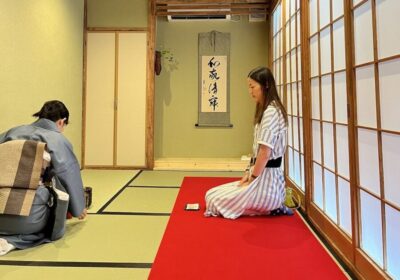
Browse the lists this tour appears in