
Review · MATCHA & TEA CEREMONY SESSIONS
The Art of Mindful Living: Tea Ceremony in Kyoto
Kyoto slows you down with tea. In a Japanese old residence in Ukyo Ward, you get a calm tea-ritual lesson, organic Uji matcha, and the chance to make matcha yourself. The big thing to consider is location: it is not in the downtown crush, so plan extra time getting there.
I like that the experience is built around both the meaning and the how, not just watching a performer. You also have practical options like vegan and allergy accommodation, plus a child-friendly alternative with cocoa instead of matcha.
In This Review
- Key Highlights You Should Know Before You Go
- A Kyoto Tea Ceremony With Real Quiet, Not Just a Performance
- Price and Timing, and Whether It’s Good Value
- Inside the Tea Room: Matcha, History, and How to Drink It
- Japanese Sweets Pairing: Daifuku Choices and Allergy-Friendly Handling
- Hands-On Matcha Making: What You Learn Beyond Tasting
- Chairs, Garden Photos, and the Umbrella Rule for Kimono Days
- Kimono and Private Sessions: When to Upgrade and When to Keep It Simple
- Logistics in Kyoto: Getting There Without Losing Your Cool
- Who This Tea Ceremony Is Best For
- Should You Book This Tea Ceremony in Kyoto?
- FAQ
- How long does the tea ceremony last?
- What is included in the price?
- Will I be able to make matcha myself?
- Can you accommodate allergies or vegan diets?
- Are kimono rentals available, and how much do they cost?
- Can I cancel, and what happens if the weather is bad?
Key Highlights You Should Know Before You Go
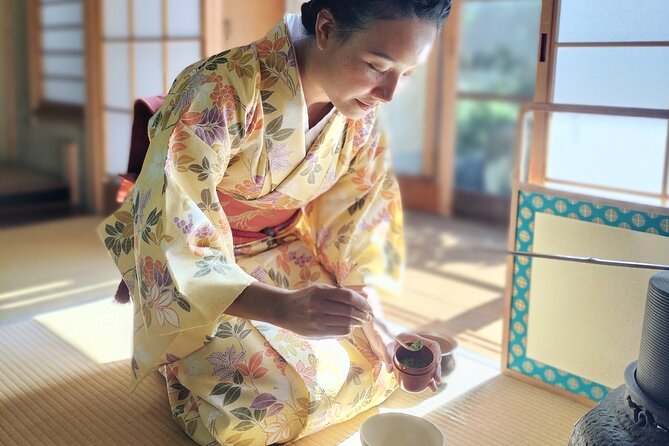
- Organic Uji matcha from Kyoto: The ceremony uses Uji matcha made in Kyoto.
- You do the making: You actively try preparing matcha, not just tasting it.
- Food needs are handled: Allergy and vegan options are available.
- Kimono is a real option: Rental kimono (and other variations) can be added for a fee.
- Photos without stress: Take pictures in the garden before, and during the ceremony; a special umbrella and imitation sword option is available for private sessions (for photos only).
- Child-friendly swap: Kids can have cocoa instead of matcha.
A Kyoto Tea Ceremony With Real Quiet, Not Just a Performance
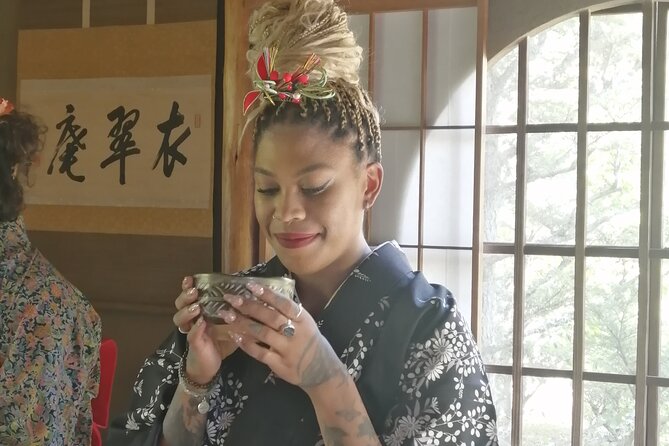
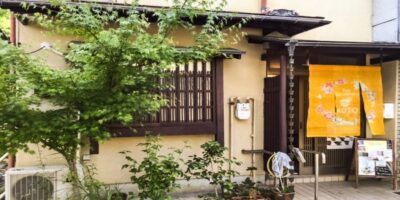
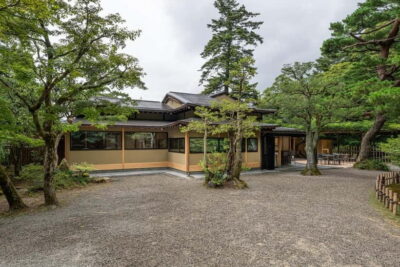
This is the kind of tea ceremony where the setting does half the work. You meet at Kaze no Waon in Ukyo Ward and step into a Japanese old residence, with a tea room and a garden that gives you calmer light for photos before you sit down.
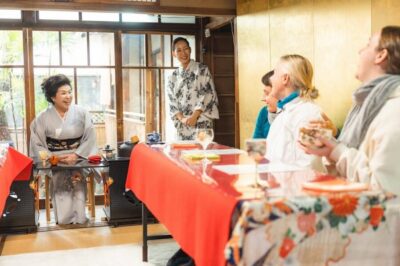
What makes it feel authentic is the pacing. The host explains what tea is doing in this culture, including history and how to drink matcha correctly, then you taste sweets and matcha while the atmosphere stays respectful and unhurried.
The group stays small. The group session maximum is 6 travelers, which helps the lesson feel personal. Chairs are provided too, so you can focus on the ritual rather than wrestling with your seating.
More Tea Ceremonies in Kyoto
- Kyoto: Tea Ceremony in a Traditional Tea House in Kiyomizu
★ 4.9 · 3,519 reviews - Kyoto: Tea Ceremony Ju-An at Jotokuji Temple
★ 4.9 · 3,207 reviews - Kyoto: 45-Minute Tea Ceremony Lesson Experience
★ 4.3 · 2,378 reviews
Price and Timing, and Whether It’s Good Value
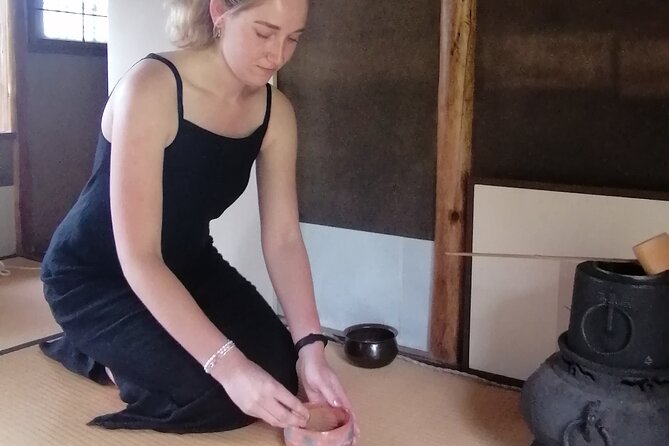
At $44.42 per person for about 1 hour, you are paying for instruction plus a full tea moment: matcha, a Japanese sweet, and time to make your own matcha. It is not a long class, but it is structured, so you leave with practical takeaways you can use later.
You also get a mobile ticket, and you will receive confirmation within 48 hours of booking, based on availability. Average booking happens about 13 days in advance, which usually means you should not wait until the last minute if you want a specific time.
Is it expensive? Only if you think of it as a quick photo stop. If you want a mini lesson that also includes tea, sweets, and hands-on practice in a traditional home, it is solid value.
Inside the Tea Room: Matcha, History, and How to Drink It
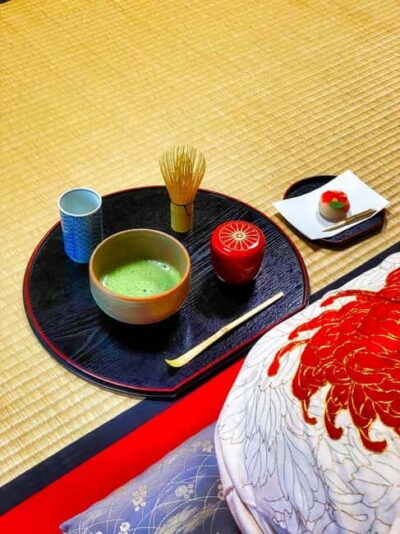
The core flow is simple and logical. First, you learn what the ceremony is about and why matcha matters in Japanese tea culture. The explanation includes the effects of matcha, types of matcha and Japanese tea, and how to drink matcha properly.
Then you settle in for the actual ceremony experience. You are not just sipping something green. You learn how to approach the cup with attention, what to watch for in the texture and taste, and how to treat the sweet-and-tea rhythm as part of the ritual.
One nice touch: the host emphasizes the calm side of tea. In real life, that can be the most useful part of the lesson, because you leave Kyoto with a routine you can repeat at home when you want to slow down.
Japanese Sweets Pairing: Daifuku Choices and Allergy-Friendly Handling
Tea makes most sense with the right sweet. During the ceremony, you enjoy a Japanese sweet and matcha together in the tea space.
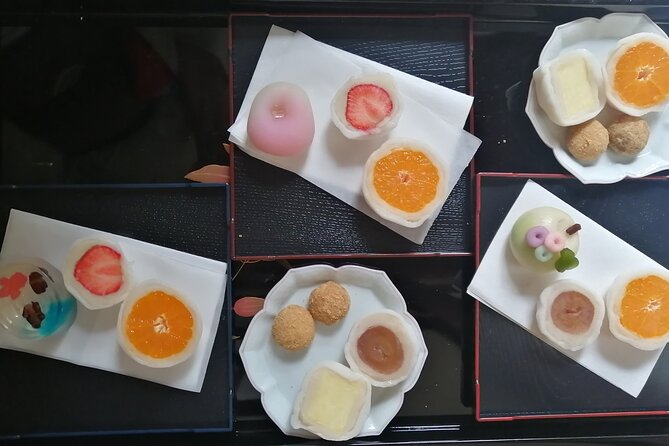
You get a choice of sweet style: traditional bean paste cake or fresh fruit daifuku. One sweet is already included in the price, so you can keep it simple and pick your favorite.
If you want both, there is an additional fee of ¥500 per person. That is a fair add-on if you are a dessert person, but if you want to keep the experience light and not rushed, just choose one and enjoy it slowly with the matcha.
Food needs are taken seriously here. Vegan options and accommodations for food allergies are available, so you do not have to worry about skipping the sweet portion.
And if you are bringing kids, cocoa is available instead of matcha. That keeps the experience family-friendly without forcing children into a taste that may not work for them.
A different sort of day in Japan:
- PERFECT KYOTO 1-Day Bus Tour
★ 5.0 · 13,518 reviews - Kyoto: Fushimi Inari, Kinkakuji, Bamboo Grove 1 Day Bus Tour
★ 4.8 · 4,316 reviews - Kyoto Geisha Walking Tour: Gion District & Hidden Gems
★ 4.7 · 3,273 reviews - Kyoto: Gion Geisha District Walking Tour – Stories of Geisha
★ 4.7 · 2,187 reviews
Hands-On Matcha Making: What You Learn Beyond Tasting
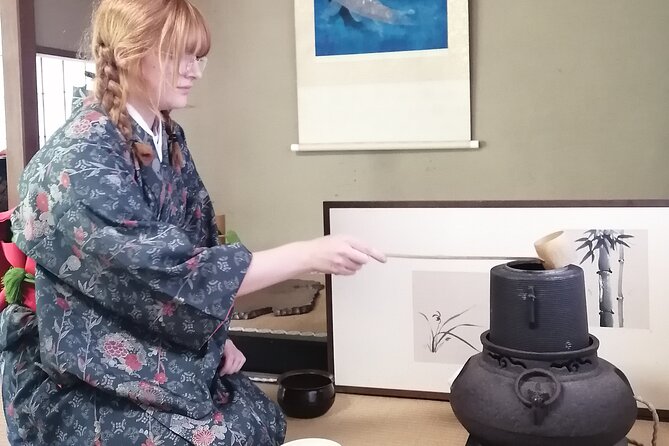
The best part for most people is the making. After you watch and learn, you try making matcha yourself during the ceremony.
This matters because matcha is not just a flavor, it is technique. The whole point of letting you practice is so you understand what changes when you whisk, how the texture should look, and how the drink feels once it is properly prepared.
You also get a sense of how the host thinks about quality. The matcha is not marketed as some famous brand, but the experience focuses on quality and taste, and you can tell quickly from the cup.
Bring curiosity, not expectations of perfection. You are learning a small craft inside a traditional setting, and that is the value. Even if your first whisk is not museum-grade, you still gain the rhythm and the method.
Chairs, Garden Photos, and the Umbrella Rule for Kimono Days
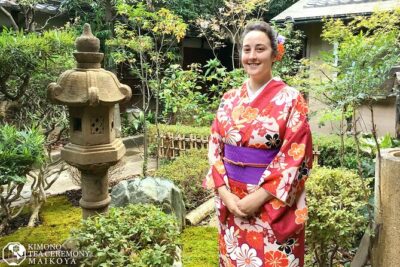
Even if you do not rent kimono, you still get a key photo window. Before the ceremony, you can take photos in the beautiful garden. If rain shows up, you should expect to take photos while holding an umbrella.
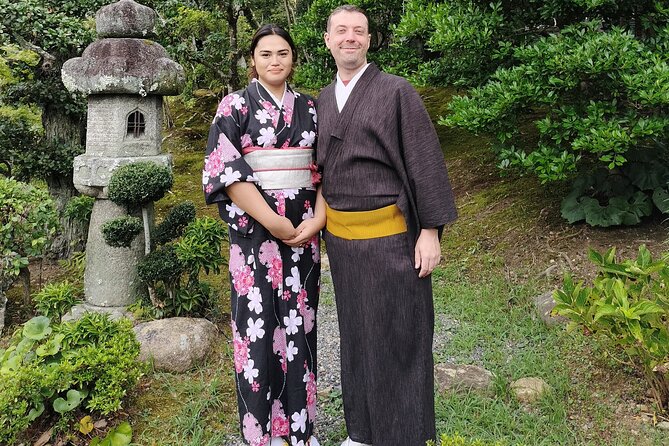
Now, if you add kimono, plan more carefully. Rental kimono is ¥4000 during the ceremony, and chairs are provided, which helps you stay comfortable while dressed. There are also other rental options:
- Rental hakama: ¥8000
- Baby romper-type kimono: ¥600
- Undershirt rental: ¥200
No hair set or makeup is included, but hair accessories are provided so you can style yourself within the rental setup.
Here is the practical caution: it is not possible to take photos while wearing a kimono in the rain without an umbrella and without getting wet. That matters because kimono and wet fabric can quickly become a problem for the look and for your comfort.
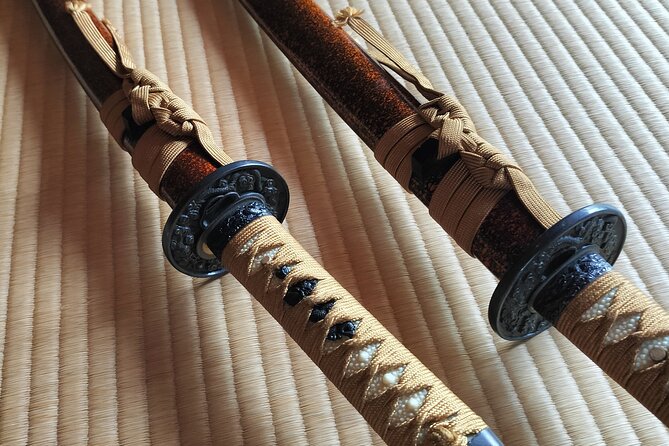
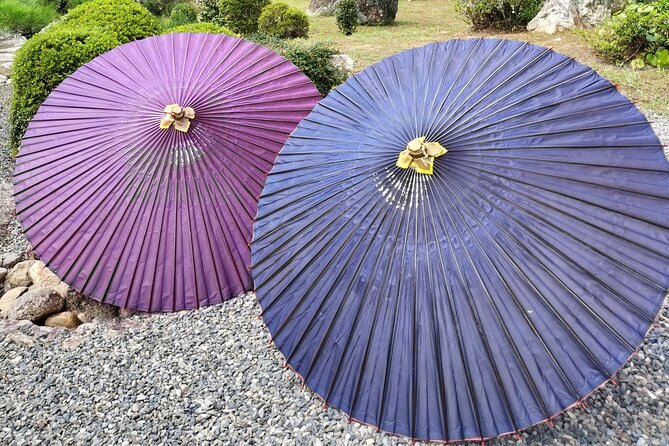
For private tea ceremony sessions, there is also a fun photo option. You can use a Japanese traditional umbrella and an imitation sword for taking pictures only. Think of it as a styling moment, not a prop you use during the ritual.
Kimono and Private Sessions: When to Upgrade and When to Keep It Simple
The experience offers a private session option, but you need to contact the provider before booking to arrange it. If you want one-on-one guidance, or you are traveling with a group that does not fit nicely into a small shared session, this upgrade can be worth it.
Also, kimono is a personal call. ¥4000 is not a small add-on, but it can turn the memory into something more visual and more immersive, especially if you love photos. The garden photos before the tea are a strong reason to consider it.
On the other hand, kimono takes time and mental energy. You should expect some extra steps around changing and getting ready, and the location outside downtown can already add travel time. If you are on a tight schedule, you might prefer skipping kimono and investing that time elsewhere.
Logistics in Kyoto: Getting There Without Losing Your Cool
This is not centrally located in the downtown tourist core. The experience is in Ukyo Ward at Kaze no Waon, 14 Utanokitanoinchō, which is in the direction of Kinkakuji Temple and Arashiyama. That can be a plus if you are already planning that side of Kyoto.
The upside is that you are rewarded with a calmer environment once you arrive. The downside is that public transit time can feel longer than you expect, especially if you are bouncing between multiple sights in one day.
If you are using a stroller, you can enter the premises with it, but you cannot bring the stroller inside the building. That is a key detail if you are traveling with a very small child and need a smooth, hands-free setup.
For the easiest day, I’d map your plan around nearby sights first, then treat the tea ceremony as a pause between heavier landmarks. You will feel less rushed, and the whole point of the ritual works better.
Who This Tea Ceremony Is Best For
This experience is ideal if you want a Kyoto cultural moment that is calm and practical. If your travel style is slow food, mindful breaks, and learning small traditions you can actually repeat at home, you are in the right place.
It is also a good choice for:
- Couples who want a quieter activity together
- Families who want a kid-friendly option (cocoa instead of matcha)
- Small groups who like instruction rather than a quick show
- People who care about food restrictions and want vegan or allergy accommodation
If you want a nonstop, entertainment-heavy hour, this might feel too quiet. The value here is in method, setting, and attention, not spectacle.
Should You Book This Tea Ceremony in Kyoto?
I would book it if you want more than a matcha tasting. The combination of high-quality Kyoto Uji matcha, Japanese sweets, and hands-on practice makes this one of those activities that changes how you drink tea after you get home.
I would think twice if you hate travel time and you need everything to be close to the busiest downtown streets. Since the location is farther out, build in buffer so you arrive relaxed, ready to listen, and able to enjoy the garden before the ceremony.
If you like the idea of dressing up and taking pictures, kimono can be a nice add-on, especially with the garden photo window. But if you are short on time, you can still get a great experience without it, because the ceremony itself is the main event.
FAQ
How long does the tea ceremony last?
The experience lasts about 1 hour.
What is included in the price?
The price includes snacks, matcha, and a Japanese sweet (one sweet is included). Alcoholic beverages are not included.
Will I be able to make matcha myself?
Yes. Part of the experience is trying making matcha during the ceremony.
Can you accommodate allergies or vegan diets?
Yes. Food allergy and vegan options are available.
Are kimono rentals available, and how much do they cost?
Yes. Rental kimono is ¥4000. Rental hakama is ¥8000. Baby romper-type kimono is ¥600, and undershirt rental is ¥200.
Can I cancel, and what happens if the weather is bad?
You can cancel for a full refund up to 24 hours in advance. The experience requires good weather, and if it is canceled due to poor weather, you will be offered a different date or a full refund.
Newly listed around Kyoto
- Zen Meditation for Life in Kyoto★ 5.0 · 10 reviews
- Kyoto: Zen Meditation at a Private Temple with a Monk★ 5.0 · 25 reviews
- Kyoto Private Customizable Day Tour with Guide and Vehicle★ 5.0 · 52 reviews
- Private Wagyu Beef Tour with a Local Guide★ 5.0 · 6 reviews
- Kyoto: Gion Geisha District & Sake-in-Hand Walking Tour★ 5.0 · 37 reviews
- Your Private Vacation Photography Session In Kyoto★ 5.0 · 110 reviews
- Private Guided Traditional Buddhist Cooking in Japan★ 5.0 · 16 reviews
- Private Pewter Sake Cup Experience with a Kyoto Artisan★ 5.0 · 31 reviews
Matcha & Tea Ceremony Sessions, compared.
Tea Ceremony in a Traditional Tea House in Kiyomizu
Read our review →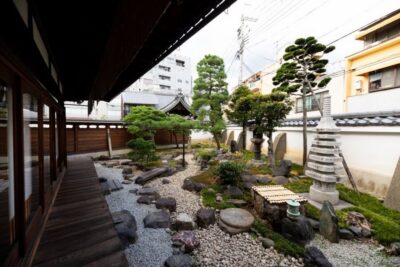
World Heritage Kyoto & Nara Uji Authentic Matcha Experience
Read our review →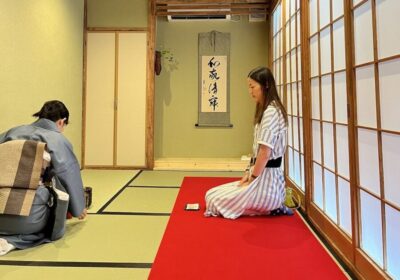
Browse the lists this tour appears in