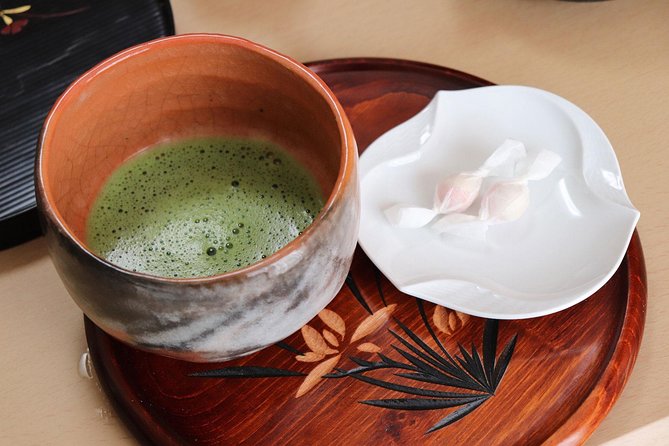
Review · MATCHA & TEA CEREMONY SESSIONS
Private Kyoto Sushi Cooking Class & Tea Ceremony with Emika
A Kyoto home kitchen beats any restaurant buzz. This is a private sushi and Obanzai cooking class with Emika, then you finish with matcha and a tea ceremony, all in a real neighborhood setting. One heads up: there is no hotel pickup, and you’ll likely walk from nearby public transit, including a 10 to 15 minute stroll from Kasura station in some cases.
What I like most is how personal the teaching feels, step-by-step and patient, even when your Japanese cooking skills are basic. You also get to use organic vegetables grown by Emika and learn why Kyoto Obanzai tastes the way it does: seasonal, lightly prepared, and balanced.
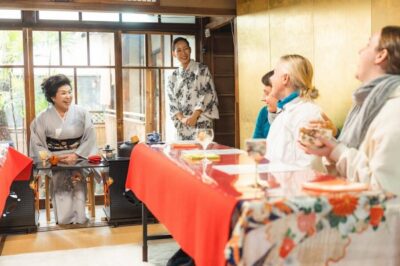
A third thing you’ll appreciate is the atmosphere. Expect conversation at the table, plus guidance on Japanese food culture and etiquette alongside practical cooking tips you can actually repeat at home. Just note that the menu is something you confirm ahead of time, so double-check whether you’re aiming for sushi, an Obanzai-focused meal, or a specific format.
In This Review
- Key highlights you should care about
- A Kyoto home kitchen with Emika in Nishikyo
- Matcha first, tea ceremony last: how the meal timing feels
- Obanzai cooking with seasonal vegetables, and why it tastes different
- Sushi workshop details: sushi of your choice, plus hands-on basics
- The optional market tour: ingredient spotting after lunch
- Price value at $109: what you get for your money
- Practical tips so you enjoy it fully
- Who should book this class in Kyoto?
- Should you book Emika’s Kyoto sushi cooking class and tea ceremony?
- FAQ
- How long is the Private Kyoto Sushi Cooking Class & Tea Ceremony with Emika?
- Is this a private experience or shared with other people?
- What will I cook during the class?
- Can I choose lunch or dinner?
- Are drinks included?
- If I choose the Market tour option, do we go before or after eating?
- Is hotel pickup included?
- What is the cancellation policy?
Key highlights you should care about
- Private Kyoto home setting with Emika, not a big classroom
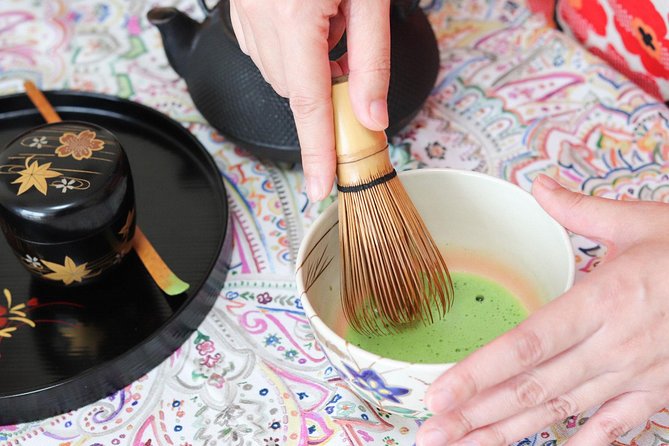
- Matcha experience and a tea ceremony that bookends your meal
- Organic, seasonal vegetables from Emika’s garden used in your dishes
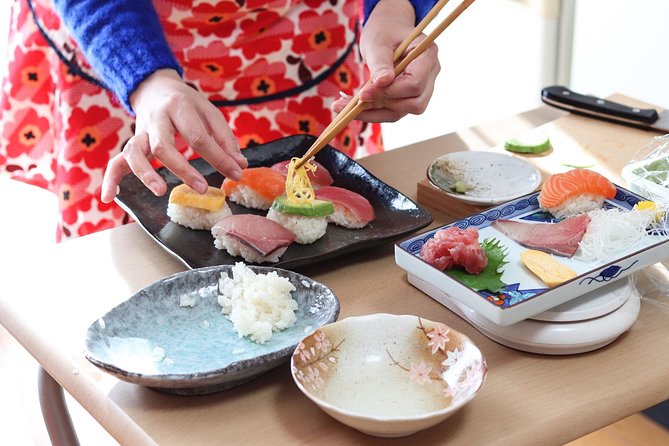
- Hands-on cooking including sushi (or a traditional main), plus two Obanzai style vegetable sides
- Optional local market tour after eating to understand ingredients and seasonings
- Drink pairing included, either local alcohol (1 to 2 glasses) or matcha paired with your food
A Kyoto home kitchen with Emika in Nishikyo
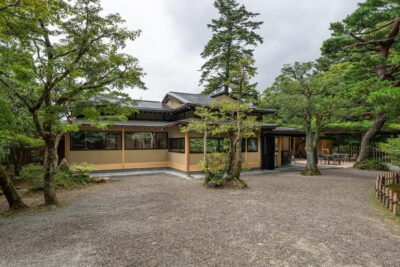
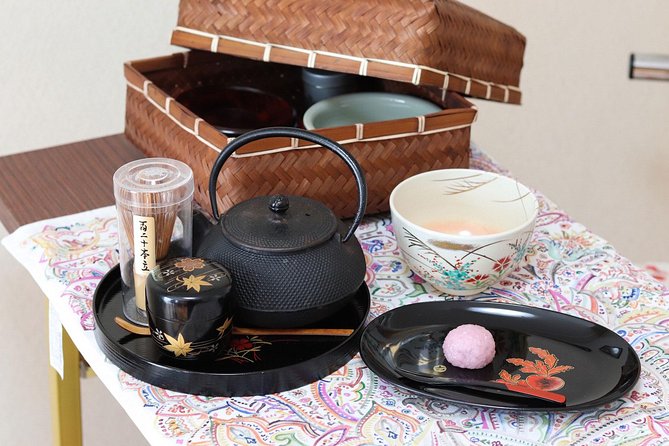
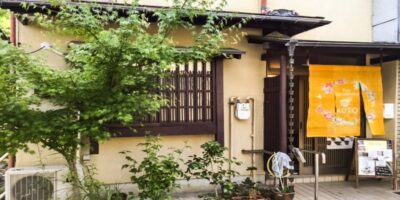
This experience starts in a residential Kyoto address in Nishikyo Ward. That matters because the goal is not just food, it’s everyday Japanese home life. You’ll meet Emika at her home, where the pace is calmer than most cooking classes. Instead of rushing through stations, you cook together, talk together, and eat what you make.
The practical side is simple but important: there is no hotel pickup. The good news is that it’s near public transportation. In at least one experience, guests walked about 10 to 15 minutes from Kasura station using Google Maps. Plan on a little walking, not a door-to-door taxi shuffle.
What also helps is that it’s truly private. Only your group participates, so you can move at your pace. If you want to ask more questions about ingredients, miso, tofu, or knife basics, you can. If your group includes a teen or someone who gets nervous in kitchens, the format is relaxed enough to work.
More Cooking Classes in Kyoto
- Ramen Cooking Class at Ramen Factory in Kyoto
★ 5.0 · 1,937 reviews - Kyoto: Ramen Cooking Class at a Ramen Factory with Souvenir
★ 4.9 · 532 reviews - Kyoto: Ramen, Gyoza, and Onigiri Cooking Class
★ 5.0 · 445 reviews
Matcha first, tea ceremony last: how the meal timing feels
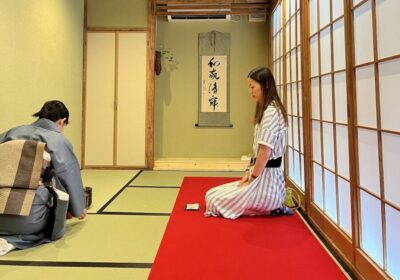
The flow is one of the most enjoyable parts. Your experience starts or ends with fresh matcha, prepared by Emika or her father, depending on how your session is arranged. That first cup is more than a drink. It helps you settle in, and it gives you a baseline flavor to keep in mind while you cook.
The class portion takes about one hour. After that, you sit down and enjoy the meal you prepared together. Then you finish with a tea ceremony. That sequence is smart for two reasons.
First, it prevents the common cooking-class problem where you feel too full too soon, or too wired to appreciate what you made. Second, the tea ceremony adds structure and meaning. You’re not just eating, you’re learning how a Kyoto table experience often wraps up.
If you’re the kind of traveler who likes “why this food works” moments, this format delivers. You get matcha, you cook, you eat, then you slow down again for tea.
Obanzai cooking with seasonal vegetables, and why it tastes different
Obanzai is Kyoto’s home-style cooking, and this experience leans hard into that. The plan includes traditional Obanzai style vegetable dishes, not just a couple of token sides. You’ll work with ingredients that are seasonal, and in this case you also get the extra layer of meaning: Emika grows organic vegetables herself.
In real terms, that means the flavor starts earlier than the seasonings. You’re using produce that tastes like something, not like a generic salad mix. You also learn how vegetables get treated in Kyoto cooking. Instead of heavy sauces or big fry steps, you often get techniques that keep flavors gentle and textured.
From the dishes mentioned in the experience details and cooking guidance, you might make items such as marinated vegetables, slow-cooked vegetables, and tofu dishes. You’ll also likely touch classic Kyoto foundations like miso soup, which is part of how the meal feels complete rather than like an assortment of separate items.
Two practical takeaways you’ll walk away with:
- How to season without overwhelming the main ingredient
- How to think about vegetables as the star, not a side quest
Sushi workshop details: sushi of your choice, plus hands-on basics
Your main cooking focus is sushi of your choice or a traditional main, depending on what you and Emika set when you book. Either way, the class includes sushi rice preparation steps and the mechanics of assembling sushi.
You’ll typically learn key fundamentals such as:
- Preparing sushi rice
- Understanding how to shape and roll
- Working with toppings like raw fish or other sushi ingredients, depending on your menu
What I appreciate here is that the teaching style is described as patient and detailed, with clear instructions and tips that help you avoid common sushi fails like mushy rice or sloppy rolling. In the experience feedback, guests highlighted Emika’s ability to explain customs alongside the cooking steps, which is a big deal because sushi is not just a recipe, it’s a set of cultural expectations.
Drink pairing also plays into the sushi portion. Local alcohol is included as 1 to 2 glasses for those who drink, and matcha can be paired with the meal as well. One important note: people did recommend a specific local option such as nigori sake, but the main takeaway is that you’re not left guessing about what to drink with what you cooked.
If you’re vegetarian, you’re not stuck. There is at least one account of Emika accommodating vegetarian needs by adjusting what was prepared and taught. Still, you should message your preferences early and clearly.
More Cooking Workshops in Kyoto
- Kyoto: Japanese Washoku Bento Small Group Cooking Class
★ 5.0 · 380 reviews - Kyoto: Afternoon Japanese Izakaya Cooking Class
★ 4.9 · 241 reviews - Izakaya Style Cooking Class
★ 5.0 · 219 reviews - Kyoto: Morning Japanese Bento Cooking Class
★ 5.0 · 149 reviews
The optional market tour: ingredient spotting after lunch
The market option is one of the best “bring it home” add-ons, because it turns your cooking class into an ingredient education.
Here’s the timing to note: the market tour happens after your cooking class and lunch, not before. Then you’ll walk about 10 minutes together to the supermarket. The idea is to see how locals shop, and to understand Japanese product types and seasonings you might not find easily in your home country.
What this is best at:
- Showing you what to buy for sauces and seasonings
- Naming ingredients you might only recognize after tasting them
- Helping you figure out substitutions if you want to cook again later
If you want to recreate Kyoto flavors at home, this is the moment that makes that realistic. Without it, you can end up with a memory and a few spices you can’t identify. With it, you can buy the right stuff.
If you’re the type who loves wandering food aisles, it’s enjoyable even if you don’t plan to cook much afterward.
Price value at $109: what you get for your money
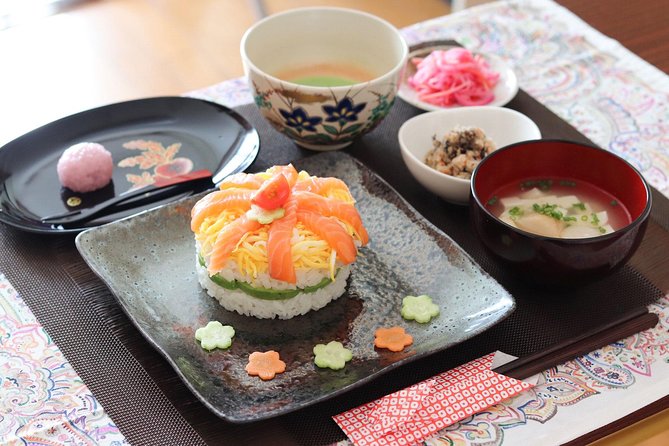
At $109 per person, the price can look like a splurge until you break down what’s included.
You are paying for:
- A private class in a local home
- A cooking session that teaches sushi plus additional Obanzai style vegetable dishes
- Matcha and a full tea ceremony
- A meal you eat together, made from seasonal ingredients
- Local alcohol (1 to 2 glasses) included, or matcha pairing
- Optional market and produce stop with guidance
In Kyoto, there are cooking classes that feel like you pay for a shared kitchen and standardized prep. This one is different because Emika’s home and garden involvement make it harder to replicate. The organic vegetables detail is not just marketing fluff. It changes what you cook with, and it changes how the meal tastes.
Is it perfect value for everyone? If you only want a quick cooking demo and you prefer restaurants where you never lift a spatula, this might feel like work. But if you want an intimate, learn-and-eat experience that feels like Kyoto living rather than a tourist workshop, the price starts to make sense fast.
Practical tips so you enjoy it fully
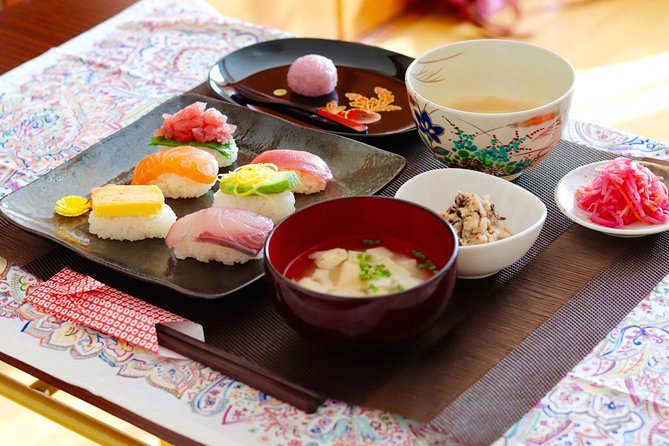
A few things will make the session smoother and more rewarding.
1) Pick your menu option clearly
When booking, tell Emika whether you prefer sushi or an Obanzai (native Kyoto) menu. If your group has special needs like allergies or dietary restrictions, share them at booking. This matters because it affects what Emika cooks and what you learn.
2) Plan for a real neighborhood meet-up
Since there is no hotel pickup, go prepared for a short walk from public transit. If you use Maps, it helps you navigate winding residential streets without stress.
3) Ask questions while you cook
The format is conversation-friendly. If you want to know why miso soup tastes the way it does, or how seasonings differ by season, ask. Emika’s teaching includes explanation of Japanese customs and etiquette, not only recipes.
4) Eat what you make, slowly
The meal is part of the learning. If you rush through it, you miss the point. You’ll get matcha, then cooking, then tea ceremony. Give your taste buds time to catch up.
5) If you add the market tour, come with curiosity
Bring a notepad for ingredient names. Even if you do not cook often, these products are interesting for future home experiments.
Who should book this class in Kyoto?
This is a great fit if you want:
- A hands-on Kyoto experience instead of passive sightseeing
- Sushi instruction with context, not just technique
- Obanzai cooking with seasonal vegetables and tofu, plus miso soup-style foundations
- A calmer, conversation-based meal in a local home
It’s especially good for couples and small groups because private time makes the class feel personal. It also works well for families, including teens, because the teaching style is described as relaxed and engaging, with room for questions.
If you are traveling with a very tight schedule, the experience is about 3 hours. That is manageable, but you should build in a little buffer for walking to the meet-up point.
Should you book Emika’s Kyoto sushi cooking class and tea ceremony?
Yes, if you value the rare things: learning from a real person in a real home, cooking with seasonal ingredients, and ending with matcha and tea ceremony structure.
I’d skip it only if you dislike walking to a residential address, or if you are looking for a big-group show with lots of spectacle. This is quieter, more hands-on, and more about learning how Kyoto food culture works at the table.
If you book, do it with one mindset: you’re not just collecting photos. You’re bringing home techniques, ingredient names, and a sense of what Kyoto tastes like when it’s cooked like someone lives there.
FAQ
How long is the Private Kyoto Sushi Cooking Class & Tea Ceremony with Emika?
It lasts about 3 hours.
Is this a private experience or shared with other people?
It is private. Only your group will participate.
What will I cook during the class?
You will make sushi of your choice or a traditional main, plus two Obanzai style vegetable dishes. The experience also includes learning to make items such as miso soup and tofu dishes.
Can I choose lunch or dinner?
Yes. You can choose the lunch or dinner option to fit your schedule.
Are drinks included?
Yes. Local alcohol (1 to 2 glasses) is included. Matcha is also part of the experience.
If I choose the Market tour option, do we go before or after eating?
After. The market and produce market tour happens after your cooking class and lunch, then you walk together about 10 minutes to the supermarket.
Is hotel pickup included?
No. Hotel pickup and drop-off are not included.
What is the cancellation policy?
You can cancel up to 24 hours in advance for a full refund. If you cancel less than 24 hours before the experience starts, the amount paid is not refunded.
More Tea Ceremonies in Kyoto
- Kyoto: Tea Ceremony in a Traditional Tea House in Kiyomizu
★ 4.9 · 3,519 reviews - Kyoto: Tea Ceremony Ju-An at Jotokuji Temple
★ 4.9 · 3,207 reviews - Kyoto: 45-Minute Tea Ceremony Lesson Experience
★ 4.3 · 2,378 reviews - Kyoto: Table-Style Tea Ceremony at a Kyo-Machiya
★ 4.9 · 1,211 reviews
More Sushi Workshops in Kyoto
- The Original Small-Group Sushi Making Class in Kyoto
★ 5.0 · 436 reviews - Kyoto: Small-Group Authentic Sushi Making Workshop
★ 5.0 · 137 reviews - Sushi – Authentic Japanese Cooking Class – the best souvenir from Kyoto!
★ 5.0 · 93 reviews - Kyoto: Sushi Making Class with Sushi Chef
★ 4.8 · 64 reviews
Newly listed around Kyoto
- Taste of Nishiki Market Walking Food Tour with Local guide★ 5.0 · 17 reviews
- Kyoto: Sushi Making Class with Sushi Chef★ 4.8 · 64 reviews
- Simple Plan with Maiko★ 4.4 · 10 reviews
- Shibori Furoshiki Course at Kyoto Shibori Museum★ 5.0 · 21 reviews
- Kyoto: City Secrets eBike Tour★ 4.9 · 196 reviews
- Sacred Pathways: Discover the Philosopher’s Path of Kyoto★ 4.9 · 20 reviews
- Private Tour to Monkey Park and Arashiyama Highlights★ 5.0 · 22 reviews
- Private Nara Tour from Osaka – Meet at Your Hotel★ 5.0 · 22 reviews
Matcha & Tea Ceremony Sessions, compared.
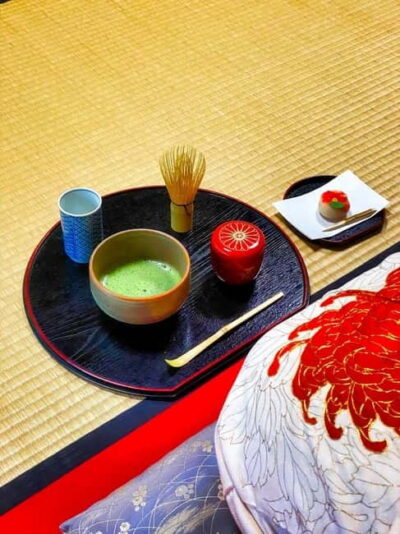
Tea Ceremony in a Traditional Tea House in Kiyomizu
Read our review →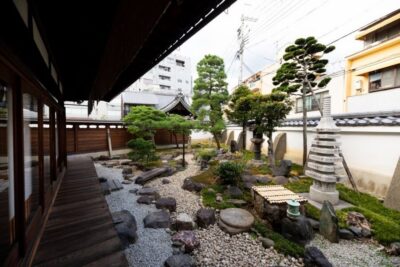
World Heritage Kyoto & Nara Uji Authentic Matcha Experience
Read our review →