
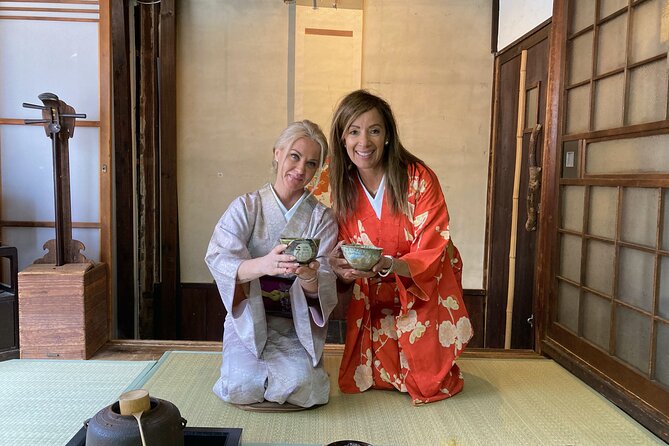
Review · MATCHA & TEA CEREMONY SESSIONS
Visiting to Katsura Imperial villa and tea ceremony experience
Tea, kimono, and a 400-year villa.
This 3-hour Kyoto experience strings together two things people actually dream about: a visit to Katsura Imperial Villa and a tea ceremony where you wear an antique kimono. I love that the visit is built around limited, permission-based garden access, and you get ticket handling so you do not have to wrestle with the rules. I also like the low-stress pace near Katsura, where the tea ceremony happens in a quieter traditional setting rather than in the middle of the city. The main thing to think about is value: at this price, you are paying for more than the villa entry fee, and if you only care about seeing the garden, it may feel steep.
The villa part is not just sightseeing. Katsura Imperial Villa dates to 1615 and is known for its circular gardens and the Sukiya-style tea house, a design language tied closely to Japanese aesthetics and tea culture. The tea ceremony comes right after, hosted at a 100-year-old Japanese house, with the fourth-generation owner, Tokusaburo Miyagawa, coordinating your kimono and guiding the experience.
Just know one practical detail. The English experience at the villa may be delivered via headset audio rather than a full live English narration in every moment, so set expectations for what you will hear and when.
In This Review
- Key highlights before you go
- Katsura Imperial Villa: circular gardens and the tea-house view
- Ticket timing and the smooth plan to Katsura Rikyu
- Tea ceremony in a 100-year-old Japanese house, with Tokusaburo Miyagawa
- What you do during the tea ceremony: sweets, matcha, and etiquette
- Kimono logistics and photo time: how the day feels in practice
- Price and value: what $169.90 is really buying
- Who should book this Kyoto Katsura plus tea ceremony day
- Should you book it? My honest take
- FAQ
- FAQ
- What is the duration of the Katsura Imperial Villa and tea ceremony tour?
- Where is the meeting point, and what time does the tour start?
- Is this tour private?
- What is included in the price?
- Do I get to wear an antique kimono?
- How many cups of matcha are served?
- What happens if weather is poor?
- How far in advance can I cancel for a full refund?
Key highlights before you go
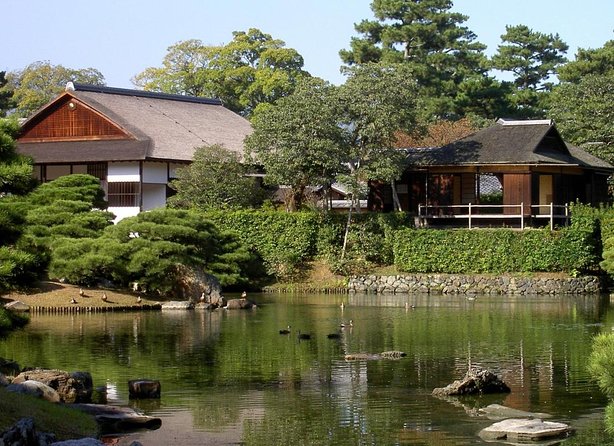
- Katsura Imperial Villa ticket help for limited garden access, arranged through the host store
- Antique kimono rental (early Showa period) plus obi coordination with Tokusaburo Miyagawa
- Tea ceremony in a 100-year-old house, with matcha and Japanese sweets included
- 2 cups of matcha plus instruction on drinking and preparing it
- Round-trip transfer from the meeting shop to Katsura Imperial Villa, about 5 minutes away by car
Katsura Imperial Villa: circular gardens and the tea-house view
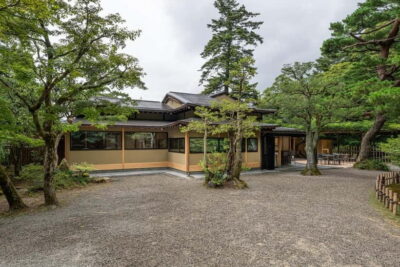
Katsura Imperial Villa is one of those Kyoto stops that rewards calm attention. It was built in 1615 as an imperial villa, and while it has been renovated many times, it remains almost unchanged in its overall form. The garden layout is famous for its circular feel, so as you move, you get views that feel composed, not random.
What I like about having this placed at the start of the day’s story is that it gives you context for the tea ceremony. Katsura is closely tied to tea culture, including the Sukiya-style tea house. When you see how the spaces are designed for beauty, quiet, and ceremony, the matcha later does not feel like a separate activity. It feels like the second chapter of the same theme.
There is also a “permission” element here. Access to the garden during limited hours is not a free-for-all, so a big part of the value is getting you into the right time window. That is exactly what the host store handles for your plan: Tokusaburo Miyagawa prepares numbered admission tickets that are hard to obtain.
More Tea Ceremonies in Kyoto
- Kyoto: Tea Ceremony in a Traditional Tea House in Kiyomizu
★ 4.9 · 3,519 reviews - Kyoto: Tea Ceremony Ju-An at Jotokuji Temple
★ 4.9 · 3,207 reviews - Kyoto: 45-Minute Tea Ceremony Lesson Experience
★ 4.3 · 2,378 reviews
Ticket timing and the smooth plan to Katsura Rikyu
This is where the experience earns its keep, especially if you like your Kyoto days orderly. After meeting at the tea-ceremony location (32-4 Katsuranozatochō, Nishikyo Ward, Kyoto, 615-8073), you are handled as a private group. The tour runs about 3 hours in total, starting at 1:00 pm.
You transfer by car from the shop area to Katsura Imperial Villa, roughly 5 minutes away. That short hop matters. It keeps you from bleeding time on Kyoto transit, and it helps the day stay focused on the two featured experiences.
Inside the villa, you will likely follow a structured route, including Sukiya-style tea house context. One detail to be aware of: English information at Katsura may come through audio headsets rather than purely live English guidance. If you are the type who wants a guide to answer every question in real time, you might find the audio format less flexible. On the other hand, it can also be a distraction-free way to keep moving.
Bottom line: this plan is designed so you do not have to be a ticket-planning expert just to see Katsura when limited access is happening.
Tea ceremony in a 100-year-old Japanese house, with Tokusaburo Miyagawa
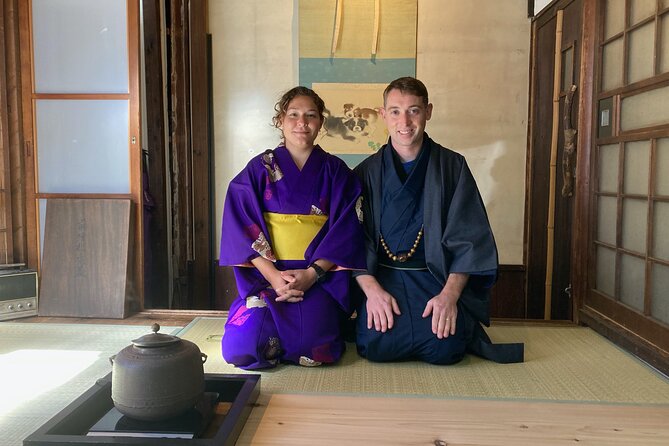
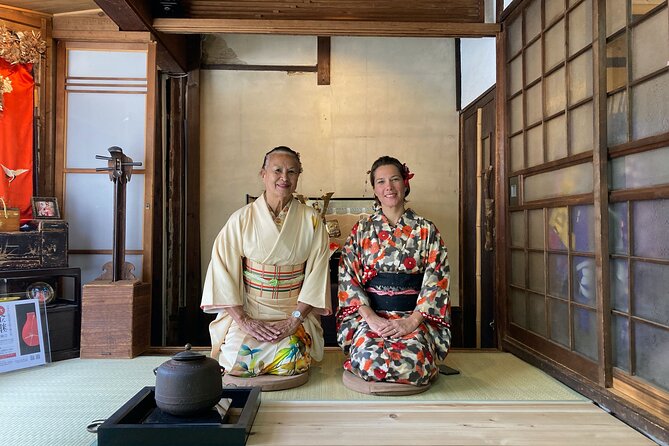
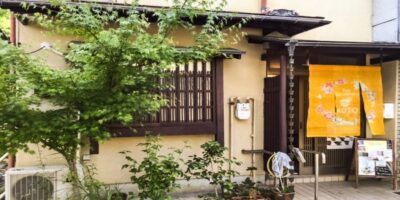
After the villa visit, the tone changes in the best way. The tea ceremony takes place at the host shop, in a 100-year-old traditional Japanese house, so the setting feels calmer than doing tea in a busy city area.
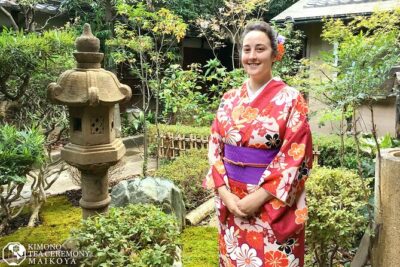
The standout element here is the kimono. You are not just wearing any costume. You select and wear an antique kimono and obi under the guidance of Tokusaburo Miyagawa, the fourth-generation owner of the store. The kimono used for this experience is from the early Showa period, which makes it a different kind of souvenir. You are also getting help coordinating the fit and look, rather than doing it yourself from a rental rack.
One of the most praised parts of this experience is that Tokusaburo does not treat kimono as a quick photo op. He helps you wear it properly, and he stays involved through the tea lesson. That matters because kimono is part clothing, part posture, part etiquette. When you have a real person correcting details, you spend less time guessing and more time learning.
And yes, there is time for photos. Multiple people enjoy the chance to see themselves in kimono while the overall scene is quiet and carefully arranged.
What you do during the tea ceremony: sweets, matcha, and etiquette
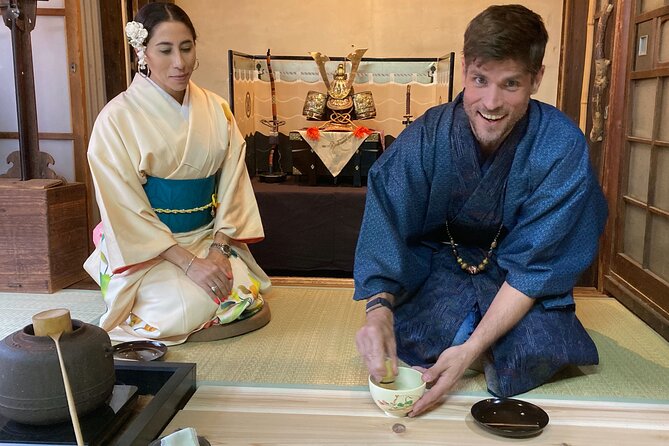
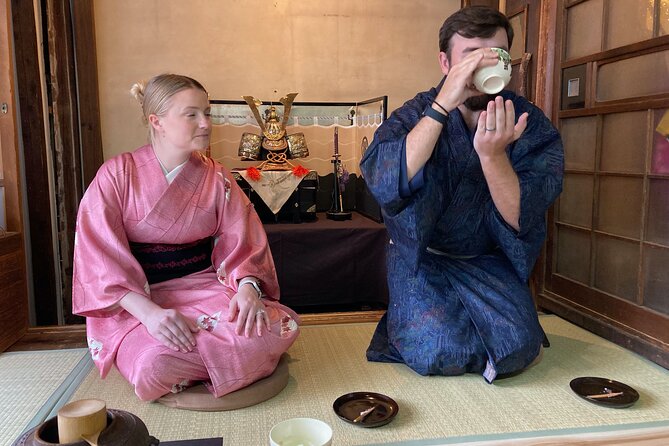
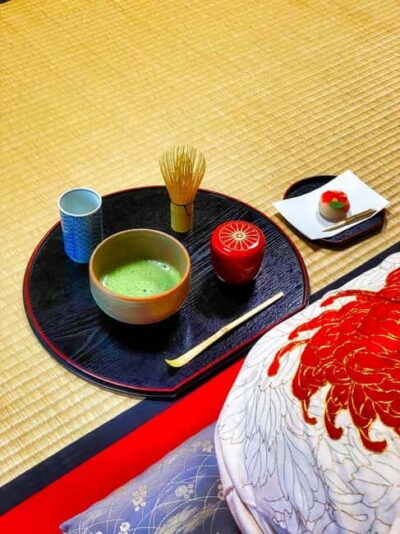
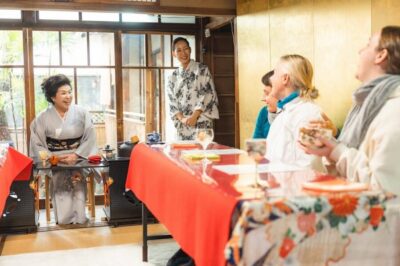
This tea ceremony is built around actual practice and instruction, not just watching someone pour. You receive Japanese sweets made by a local confectioner in the Katsura area, and you are served 2 cups of matcha.
The lesson includes:
- How to properly drink matcha
- How to prepare matcha
- The expected tea-culture etiquette that goes with both
This is the kind of experience that changes what you notice. After you learn the process, matcha is no longer just a drink. You start paying attention to texture, aroma, and the rhythm of the ritual.
If you are hoping for a very strict, silent performance, you might find the atmosphere can feel lively. Some people describe the tea ceremony portion as fun and a bit theatrical in the moment. That does not mean it is not respectful. It just means you might get more back-and-forth, and you might be encouraged to participate.
The practical upside: you leave with hands-on understanding you can apply if you ever try to make matcha again at home, or even if you just want to drink it more intentionally at a café in Kyoto.
A different sort of day in Japan:
- PERFECT KYOTO 1-Day Bus Tour
★ 5.0 · 13,518 reviews - Kyoto: Fushimi Inari, Kinkakuji, Bamboo Grove 1 Day Bus Tour
★ 4.8 · 4,316 reviews - Kyoto Geisha Walking Tour: Gion District & Hidden Gems
★ 4.7 · 3,273 reviews - Kyoto: Gion Geisha District Walking Tour – Stories of Geisha
★ 4.7 · 2,187 reviews
Kimono logistics and photo time: how the day feels in practice
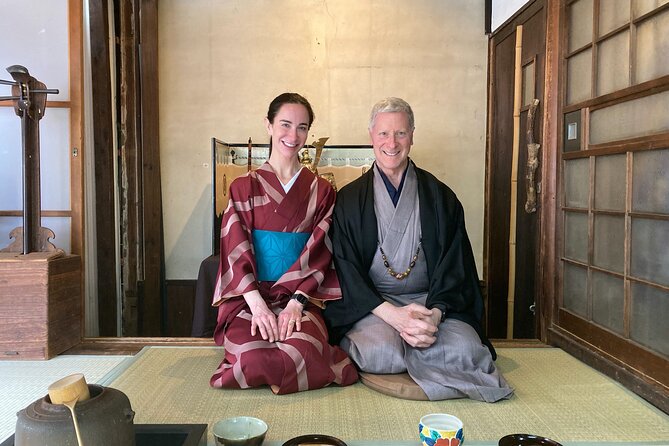
Because you wear an antique kimono, the day has a slightly different rhythm than a standard temple tour. You get dressed with staff help at the store before heading to Katsura Imperial Villa. Then you move through the villa wearing it, which creates that classic Kyoto look without you needing to find a separate kimono shop.
Here is the trade-off. Dressing takes time, and movement can feel a bit constrained depending on your comfort level. The experience tries to reduce stress by having staff handle dressing and coordination. Still, if you prefer spontaneity and quick bathroom breaks, you may want to plan a calm mindset. This is a “slow down and follow along” kind of day.
Also, note that the villa portion may be guided by a Japanese-speaking guide for some of the narration. Meanwhile, your host accompanies you as part of the overall experience, including inside Katsura Rikyu. So you get a blend: your main host and structured local guidance.
For photos, the circular garden and tea-house setting are naturally camera-friendly. You also have an opportunity at the tea ceremony location, where the home setting helps you get images that look more “Kyoto” than theme-park staged.
Price and value: what $169.90 is really buying
At $169.90 per person, this package is not priced like a basic entry-ticket add-on. You are paying for several things bundled together:
- Antique kimono rental fee (including dressing)
- Tea ceremony fee with matcha and Japanese sweets (held at the shop)
- Katsura Imperial Villa admission arrangement, including a limited-quantity ticket fee
- Round-trip transfer between the shop and Katsura (about 5 minutes by car)
- Katsura Imperial Villa entrance fee
Some people feel the villa ticket portion is relatively modest compared to the total price. The villa entry itself is described as around Y3,000 per person, which means much of the total cost goes toward the kimono and tea ceremony plus the ticket handling and transport.
So I think about value like this:
- If you want Katsura access plus a real tea ceremony plus kimono, this is a reasonable way to buy everything in one go.
- If you only want the villa garden and you could handle ticket logistics on your own, you may feel the package is paying for services you do not need.
My practical advice: be honest about your priorities. This is a “culture day” package. It is less of a “just show me the garden” bargain.
Who should book this Kyoto Katsura plus tea ceremony day
This tour fits best if you want a structured day that includes both major highlights. I especially recommend it for:
- People who want Katsura Imperial Villa access without doing ticket wrangling
- First-time kimono wearers who want real help choosing and fitting an antique look
- Visitors who care about tea culture as more than a photo background
- Travelers who like the idea of starting at Katsura and ending in a calmer traditional house setting
It may be less satisfying if you strongly prefer a fully live English guide for every minute of the villa, or if your main goal is only to check the garden off your list.
Also, since this is private, it is a better fit for couples and small groups who do not want to feel like they are being swept along with strangers.
Should you book it? My honest take
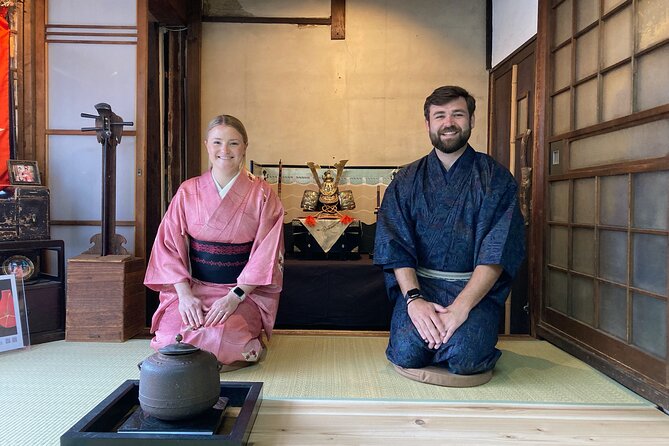
If you are the kind of person who likes experiences with a clear theme, I think you will enjoy this. Katsura is famous for a reason, and the tea ceremony portion is the practical link that helps the day make sense. The kimono is not just a costume, and Tokusaburo Miyagawa’s role is central enough that it changes the feel of the tea lesson.
But go into it with eyes open about two things. First, the total price includes a package, not only the villa. Second, English delivery at the villa may be via headset audio in some parts, so your experience will depend on what you expect from narration.
If those points match your style, booking is a solid choice for a Kyoto afternoon that feels genuinely traditional.
FAQ
FAQ
What is the duration of the Katsura Imperial Villa and tea ceremony tour?
It runs for about 3 hours.
Where is the meeting point, and what time does the tour start?
You meet at 32-4 Katsuranozatochō, Nishikyo Ward, Kyoto, 615-8073, Japan, and the start time is 1:00 pm.
Is this tour private?
Yes. It is listed as a private tour/activity, so only your group participates.
What is included in the price?
You get antique kimono rental fee (including dressing), the tea ceremony experience fee with matcha and Japanese sweets (held at the shop), Katsura Imperial Villa same-day admission ticket arrangement fee, round-trip transportation between the shop and Katsura, and the Katsura Imperial Villa entrance fee.
Do I get to wear an antique kimono?
Yes. You rent and wear an antique kimono and obi with advice and help from the fourth-generation owner.
How many cups of matcha are served?
You are served 2 cups of matcha.
What happens if weather is poor?
The experience requires good weather. If it is canceled due to poor weather, you are offered a different date or a full refund.
How far in advance can I cancel for a full refund?
Free cancellation is available up to 24 hours in advance for a full refund. If you cancel less than 24 hours before the start time, the amount paid is not refunded.
Newly listed around Kyoto
- Zen Meditation for Life in Kyoto★ 5.0 · 10 reviews
- Kyoto: Zen Meditation at a Private Temple with a Monk★ 5.0 · 25 reviews
- Kyoto Private Customizable Day Tour with Guide and Vehicle★ 5.0 · 52 reviews
- Private Wagyu Beef Tour with a Local Guide★ 5.0 · 6 reviews
- Kyoto: Gion Geisha District & Sake-in-Hand Walking Tour★ 5.0 · 37 reviews
- Your Private Vacation Photography Session In Kyoto★ 5.0 · 110 reviews
- Private Guided Traditional Buddhist Cooking in Japan★ 5.0 · 16 reviews
- Private Pewter Sake Cup Experience with a Kyoto Artisan★ 5.0 · 31 reviews
Matcha & Tea Ceremony Sessions, compared.
Tea Ceremony in a Traditional Tea House in Kiyomizu
Read our review →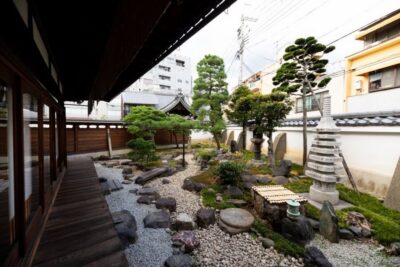
World Heritage Kyoto & Nara Uji Authentic Matcha Experience
Read our review →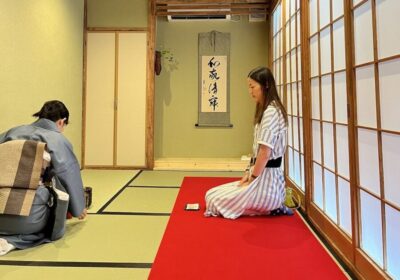
Browse the lists this tour appears in