
Review · WALKING TOURS
Kamakura: Half day Walking tour & Japanese sweets
Kamakura feels like a quiet time machine. In four hours with local guide Kelly, you’ll see the Great Buddha at Kotoku-in and enjoy Matcha sweets with Nerikiri at a café, all while learning samurai-era culture and Zen ideas. The tradeoff is that this is a walking tour with some stairs, so it is not a great fit if your mobility or fitness is limited.
I like that the tour keeps things focused. You start at Kamakura Station East exit at 13:00, use a short local train ride, and end in the lively shopping area of Komachi-dori.
In This Review
- Key highlights I’d plan around
- Why Kamakura works so well for a 4-hour walk
- Meeting point and getting your bearings from Kamakura Station
- Kotoku-in and the Great Buddha: the photo, plus the meaning
- Hase-dera gardens, observation deck, and the donjon cave
- Tsurugaoka Hachimangu: where 800 years of samurai energy lives
- Komachi-dori, sweets, and the calm satisfaction of a good pause
- Local back streets and shopping that feel like real Kamakura
- Price and value: what $64 really covers
- Who this tour suits best, and who should skip it
- Should you book this Kamakura half-day with Kelly?
- FAQ
- What time does the tour start and how long is it?
- Where do I meet the guide?
- Is the train fare included?
- Are entrance fees included?
- Is the food included, and do you offer vegetarian options?
- What should I wear or avoid?
Key highlights I’d plan around
- Kelly is a licensed local guide who knows the stories and the practical shortcuts for tight streets
- Kotoku-in’s Great Buddha with included entrance time and context for what you’re seeing
- Hase-dera’s garden, views, and donjon cave with an included entrance fee
- Tsurugaoka Hachimangu at the center of Kamakura where samurai history is part of the scenery
- Nerikiri and matcha break at a café, with vegetarian friendly food included
- Small group size (max 6) for a more relaxed pace and real conversation time
Why Kamakura works so well for a 4-hour walk
Kamakura is one of those rare places where history feels physical, not museum-flat. Temples sit close to the sea, streets are narrow, and samurai-era culture still shapes the vibe of town.
In just half a day, you get a satisfying mix: a huge landmark temple stop, a garden-and-views temple stop, then a shrine that anchors the town’s story. Add in a food break with matcha and Nerikiri, and you leave feeling like you did more than just collect photos.
A few more Kamakura days to weigh up
- Kamakura Historical Walking Tour with the Great Buddha
★ 5.0 · 129 reviews - Kamakura: A Journey Through Medieval Japan (Walking Tour)
★ 4.9 · 26 reviews - Kamakura: Walking Tour through the City of Samurai
★ 4.9 · 12 reviews
Meeting point and getting your bearings from Kamakura Station
You meet just outside the ticket gates at Kamakura Station, East exit, at the tourist information area. The guide holds a meeting board, so you can spot the group without playing station detective.
This start matters. It puts you on foot quickly, then uses a short local train ride to hit Hase-dera efficiently without burning time. Also, you’re done inside the same general area where you can keep exploring afterward since the walk finishes on Komachi-dori Street.
One more practical note I appreciated: the tour is live and in English, and the group is small. That combo makes it much easier to ask questions as you go, especially about what connects samurai history to Buddhist ideas.
Kotoku-in and the Great Buddha: the photo, plus the meaning
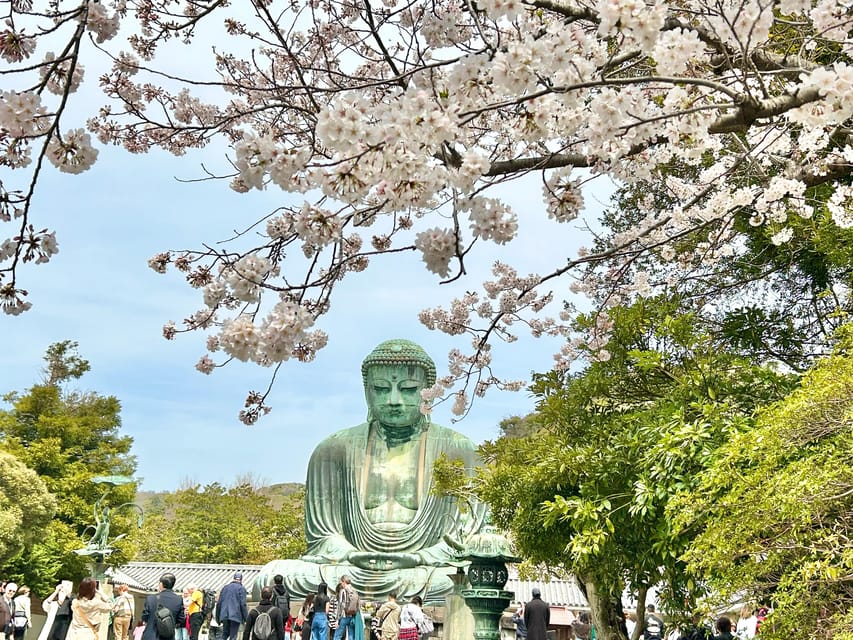
Your first major stop is Kotoku-in, home to the Great Buddha statue. You typically spend about 30 minutes here, which is enough time to look carefully, take photos from good angles, and hear the background so it actually lands.
What I like most about this kind of stop is that it is not just a landmark. The guide explains the statue’s history and why it became such a powerful symbol, then connects it to the samurai period and Zen philosophy that you’ll keep hearing about throughout Kamakura.
Entrance is included, so you avoid the annoying scavenger hunt for tickets mid-visit. The site is also one of Japan’s most recognizable Buddha scenes, so if you want a single “wow” moment early, this is it.
Hase-dera gardens, observation deck, and the donjon cave
After the Great Buddha, you take a short local train ride toward Hase station and continue on to Hase-dera. Plan for about 1 hour at Hase-dera, which is a smart amount of time because the grounds are varied.
At this stop you’ll get:
- Beautiful Japanese gardens
- An observation deck where you can admire the beach and townscape of Kamakura
- A mysterious donjon cave located in the precinct
This is the part of the tour I think most people remember after the fact. It’s not only pretty, it gives you a change of pace from the big monumental look of the Great Buddha. Plus, getting views toward the coast helps you understand why Kamakura became such an important place in the first place.
Entrance is included here too. And since some parts involve steps, comfortable shoes matter more than you might expect, especially if you’re going to Japan in humid weather.
A different sort of day in Japan:
- Tokyo: Kamakura & Enoshima Day Trip including Temple Tickets
★ 4.5 · 1,375 reviews - From Tokyo: Kamakura & Enoshima 1-Day Bus Tour
★ 4.5 · 189 reviews - Kamakura Private Tour: Temples, Nature, and the Great Buddha
★ 5.0 · 121 reviews - From Tokyo: Kamakura Full Day Tour with a Local Expert Guide
★ 4.6 · 43 reviews
Tsurugaoka Hachimangu: where 800 years of samurai energy lives
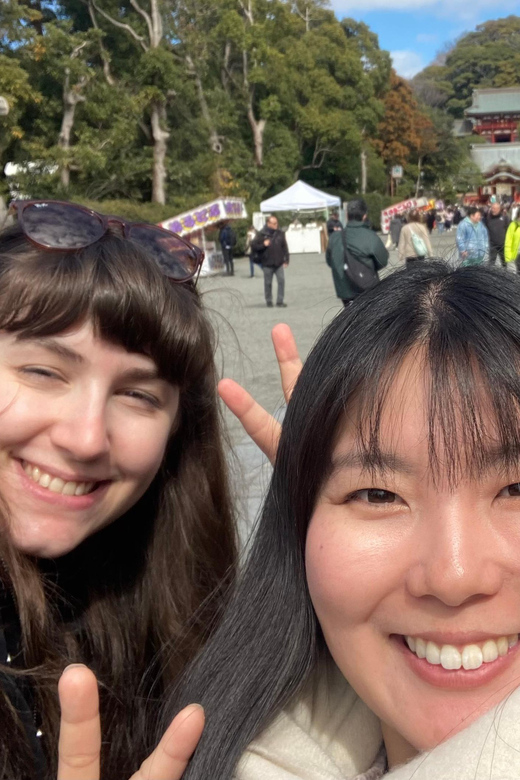
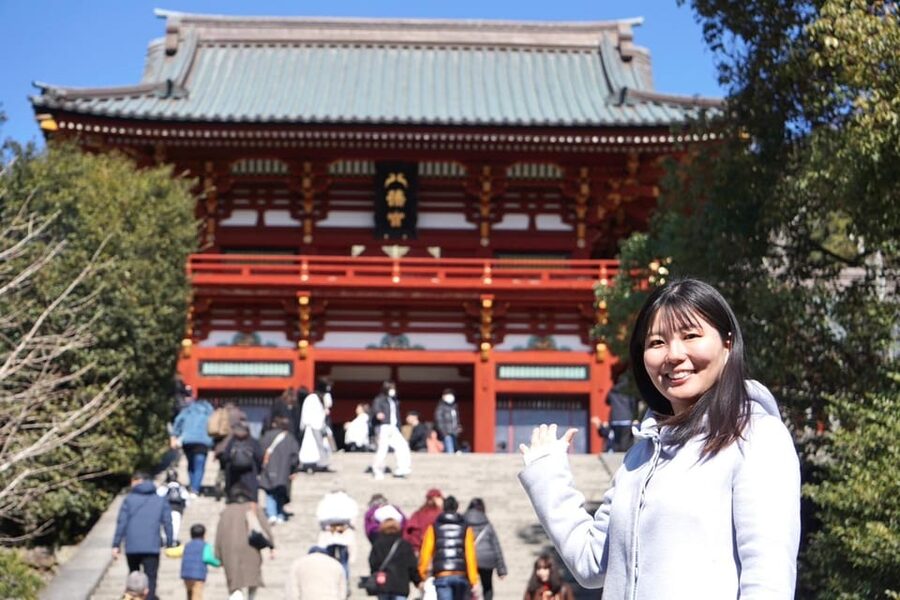
Next comes Tsurugaoka Hachiman-gū, often described as the heart of Kamakura. You’ll spend about 45 minutes here, and it’s a great anchor point after the temple landscape of Kotoku-in and Hase-dera.
This shrine matters because it sits at the center of local history. The guide walks you through samurai-era background and points out traces of that long timeline, with about 800 years of history tied to the place.
There is no entrance fee included for this stop, but that’s fine because the value comes from the context. When someone connects architectural details and the shrine setting to the samurai culture around it, it transforms the visit from sightseeing into understanding.
Komachi-dori, sweets, and the calm satisfaction of a good pause
By the time you reach Komachi-dori Street, you’ve built up a lot of walking and a lot of listening. Then the tour shifts into a more human rhythm: tea and sweets, a chance to slow down, and time to enjoy the town’s everyday feel.
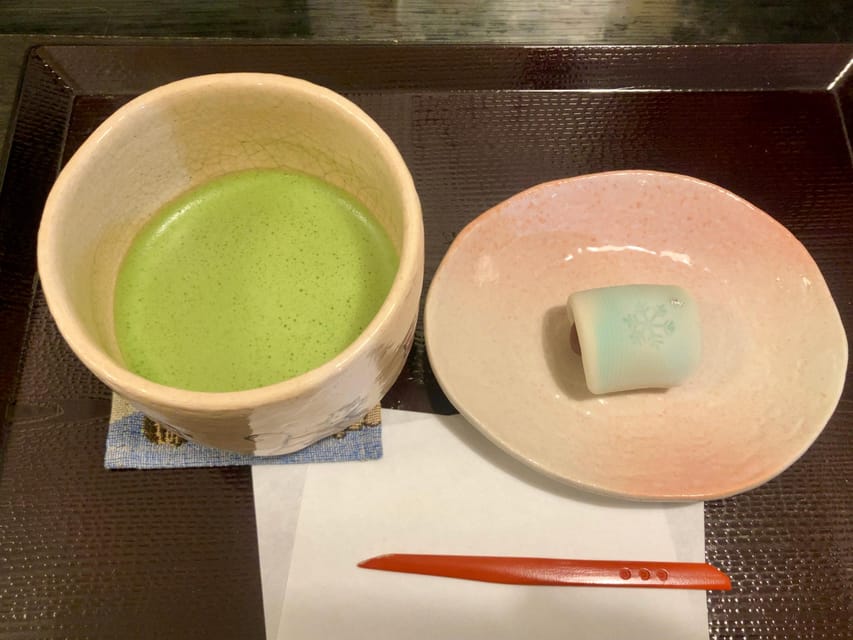
You’ll stop at a recommended café for traditional Japanese sweets including Nerikiri, plus matcha green tea. The food cost is included, and the tour is vegetarian friendly, which is a real relief when you’re trying to plan a day without doing extra research.
I like this break because it is not a random tourist snack. Nerikiri is shaped and made for the tea culture, and the guide can explain what to look for while you’re eating.
Also, there’s a practical win here. After temples and shrines, sugar and tea turn the rest of the walk into something easier to enjoy, not just survive.
Local back streets and shopping that feel like real Kamakura
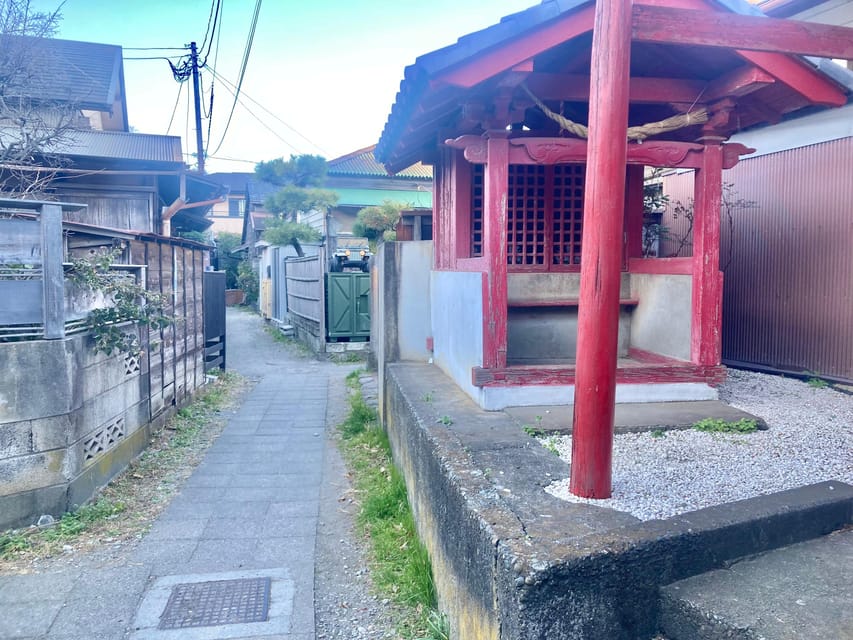
Here’s where the tour becomes more than highlights. Between the main sights, you also walk narrow side streets that are more familiar to locals than to the typical one-day sightseeing crowd.
Kamakura is famous for tiny lanes, and this part of the walk gives you that “how do people actually live here?” feeling. The streets have an atmosphere that even shows up in anime and TV dramas, and it helps the town feel story-like instead of checklist-like.
Then there’s shopping time on Komachi-dori Street. The guide also takes you beyond the most obvious lanes into areas locals seem to like more. If you enjoy browsing snacks, small crafts, or just watching daily life, this is the segment that makes it feel authentic.
One thing I’d call out for value: Kelly is not just guiding your feet, she’s helping you navigate. People mention getting help lining up the right train connection afterward, which is exactly what you want when your day ends and you still have a commute.
Price and value: what $64 really covers

At $64 per person for a 4-hour small-group tour, the key question is what you’re paying for besides walking.
Here’s what’s included:
- A national licensed, English live guide (Kelly)
- Entrance fees for Kotoku-in and Hase-dera
- Food cost at the café (Japanese sweets and matcha)
- Vegetarian friendly options
What’s not included:
- Train fare, including the local connection toward Hase station (listed as ¥200 one way in the tour details)
- The extra transit cost noted for Kamakura to and from Hase
So the math is fairly straightforward. Your money goes to guide time, site entry, and the café experience. If you tried to assemble this solo, the hardest part would not be getting to temples. It would be getting the connections: samurai culture, Zen ideas, and why each place matters in the broader Kamakura story.
In my view, the $64 price makes the most sense if you care about learning, not only photographing. If you just want quick temple visits with no explanation, you might spend less on your own. But if you want the “why” behind what you’re seeing, this is a good deal.
Who this tour suits best, and who should skip it
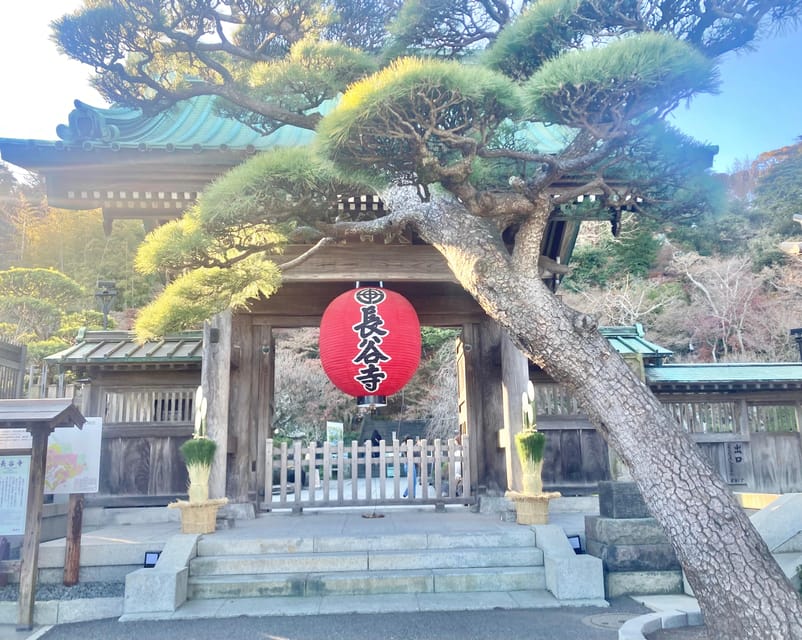
This tour fits best if you:
- Want an easy half-day escape from Tokyo-area travel rhythm
- Like history with real-world context (samurai, Zen, temple background)
- Enjoy food stops and small moments, like the Nerikiri and matcha break
- Appreciate a small group and the chance to ask questions without rushing
It is not ideal if you:
- Use a wheelchair or need step-free routes
- Have low fitness, because there are stairs and a lot of walking
- Prefer high-heeled shoes (they’re not allowed)
Should you book this Kamakura half-day with Kelly?
I’d book it if your goal is a compact day that actually makes sense. You get the big standout of the Great Buddha, the calmer garden-and-coast feeling of Hase-dera, then the cultural anchor of Tsurugaoka Hachimangu, plus a very satisfying matcha and Nerikiri pause.
Skip it if your day needs to be ultra-light on walking or totally step-free. This is a “comfortable shoes first” kind of experience.
If you’re standing in Kamakura for only a short window, this is a smart way to do it: you come away with stories, not just snapshots.
FAQ
What time does the tour start and how long is it?
The tour starts at 13:00 and lasts about 4 hours.
Where do I meet the guide?
Meet at Kamakura City Tourist Information Center, just next to the ticket gate at Kamakura Station, East exit. The guide will have a meeting board.
Is the train fare included?
No. The local train fare is not included. The tour details list ¥200 one way for the train toward Hase station.
Are entrance fees included?
Yes. Entrance fees are included for Kotoku-in (the Great Buddha statue) and Hase-dera.
Is the food included, and do you offer vegetarian options?
Yes. The café break includes Japanese sweets and matcha green tea, and the tour is vegetarian friendly.
What should I wear or avoid?
Wear comfortable shoes since some places have stair cases. High-heeled shoes are not allowed. Pets are not allowed (assistance dogs are allowed).
More Dessert Tours in Kamakura
- Matcha Making Class in Tokyo with Authentic Japanese Sweets Set
★ 5.0 · 744 reviews - Matcha Making Class in Osaka with Authentic Japanese Sweets Set
★ 5.0 · 509 reviews - Tokyo: Matcha Making Experience with Mochi Sweets in Asakusa
★ 4.9 · 388 reviews - Kyoto: Japanese Traditional Sweets Making and Tea Ceremony
★ 4.4 · 314 reviews
Newly listed around Kamakura
- Kamakura: Private History and Heritage Tour by Rickshaw★ 4.9 · 7 reviews
- Kamakura Private Custom Tour with Local Guide★ 5.0 · 7 reviews
- Kamakura: Walking Tour through the City of Samurai★ 4.9 · 12 reviews
- Kamakura: Daibutsu Hiking Trail Tour with Local Guide★ 5.0 · 10 reviews
- Kamakura; First Samurai Capital walking tour★ 5.0 · 8 reviews
- Kamakura Half Day Tour with a Local Expert Guide★ 4.4 · 23 reviews
- Kamakura and Enoshima: Private Guided Day Tour with Vehicle★ 3.9 · 17 reviews
- Kamakura: A Journey Through Medieval Japan (Walking Tour)★ 4.9 · 26 reviews
Walking Tours, compared.
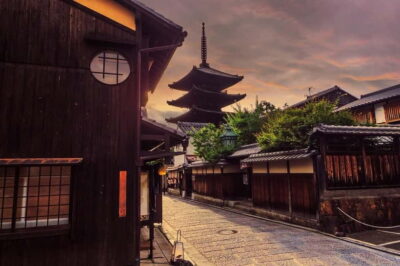
Kyoto Geisha Walking Tour: Gion District & Hidden Gems
Read our review →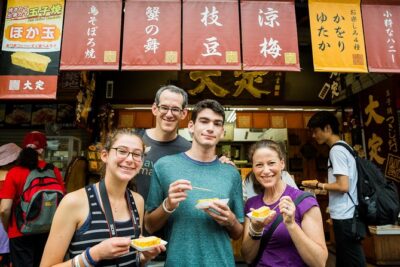
Tokyo Tsukiji Fish Market Food and Culture Walking Tour
Read our review →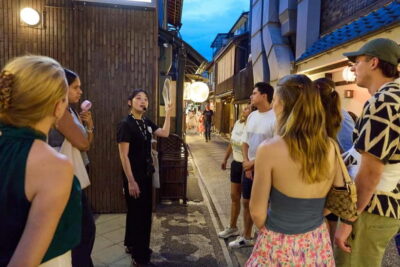
Gion Geisha District Walking Tour – Stories of Geisha
Read our review →
Shinjuku Local Bar and Izakaya Guided Walking Tour
Read our review →
Asakusa Walking Tour with Sensoji Temple Visit
Read our review →
Kyoto Gion Geisha District Walking Tour – The Stories of Geisha
Read our review →Browse the lists this tour appears in