
Review · MATCHA & TEA CEREMONY SESSIONS
Matcha Grinding Experience and Walking Tour in Uji Kyoto
Stone-ground matcha in Kyoto’s temple town.
This half day-style experience takes you through Uji’s tea country and pairs it with an easy walking circuit anchored by Byodo-in Temple (famous on the 10 yen coin), then ends with a hands-on matcha tasting you can actually taste while it is fresh. You also get an English guide who helps you connect the dots between places and the tea culture behind them.
The two best parts are the stone mill matcha grinding and the way the tour mixes tea making with real sightseeing. You do not just watch tea trivia from a distance, you grind the leaves, then drink what you made, with Japanese snacks or matcha ice cream.
One thing to plan for: you need WhatsApp available before the tour for easy guide communication, and you are asked to wear a mask during the matcha making workshop. Add that to the early 9:30 am start near Kyoto Station, and you will want to be organized from the jump.
In This Review
- Key Highlights You Should Know
- Uji Tea Country, in About 4 Hours
- Getting There From Kyoto Station: Meeting Point and Pace
- Byodo-in Temple and the 10 Yen Coin Connection
- Uji Shrine Stop: A Calmer Contrast to the Big Icon
- The Stone Mill Matcha Session: Your Hands Go to Work
- Where Fukujuen Ujicha Kobo Fits In
- Learning the Story of Uji Tea, Not Just the Steps
- Price and Value: What You Get for $130.46
- Who This Tour Suits Best
- Should You Book This Matcha Grinding and Walking Tour?
- FAQ
- How long is the Matcha Grinding Experience and Walking Tour in Uji?
- What is included in the ticket price?
- Where do I meet for the tour?
- Does the tour include hotel pick-up?
- Do I need WhatsApp before the tour?
- Is a mask required?
- What is the maximum group size?
Key Highlights You Should Know
- Byodo-in Temple with the 10 yen coin connection: A UNESCO World Heritage stop tied to Japan’s tea-shaped history.
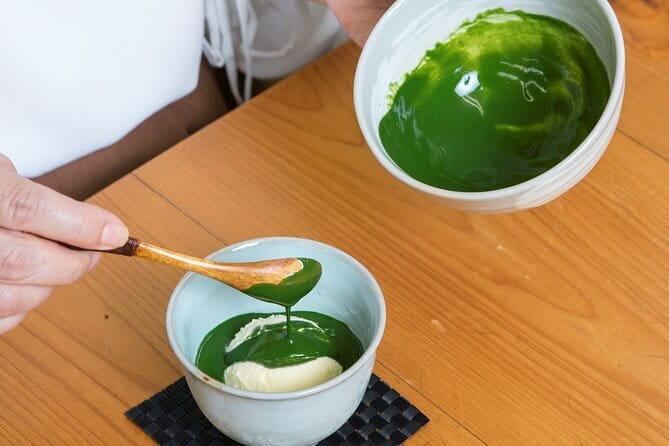
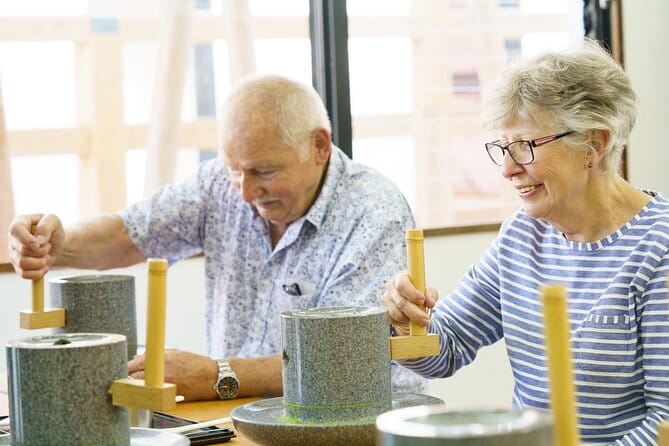
- Stone mill matcha grinding, hands-on: You grind your own leaves, then drink your tea right after.
- Small group size (max 6): More back and forth with your English guide, less waiting around.
- Uji walking circuit: Temples, a shrine, and a tea workshop in one smooth 4 hour loop.
- Choice of sweets or matcha ice cream: Your fresh tea tasting has a real payoff, not just a sip.
Uji Tea Country, in About 4 Hours
Uji is where Kyoto’s tea reputation gets a little more serious. Instead of treating matcha like a cute souvenir stop, this tour builds the day around tea making and the historic sites that made Uji famous. You get the structure of a guided walk, but the focus stays practical: how matcha is made, where it fits into local culture, and what the key sights mean.
The timing is also a sweet spot. At about 4 hours, you can fit Uji into a Kyoto day without losing your whole afternoon to transit and lines. And with a maximum of 6 travelers, the experience tends to feel more personal than the big group style.
If you like tours that teach by doing, this one is built for you. You are not just told what matcha is. You grind it, you taste it, and you leave with a clearer sense of why Uji has a reputation for top quality green tea.
More Tea Ceremonies in Kyoto
- Kyoto: Tea Ceremony in a Traditional Tea House in Kiyomizu
★ 4.9 · 3,519 reviews - Kyoto: Tea Ceremony Ju-An at Jotokuji Temple
★ 4.9 · 3,207 reviews - Kyoto: 45-Minute Tea Ceremony Lesson Experience
★ 4.3 · 2,378 reviews
Getting There From Kyoto Station: Meeting Point and Pace
This starts at Shinshindo by JR Kyoto Station, with the meeting point listed near the Central Exit area and the bus ticket center. The start time is 9:30 am, and the tour ends back at the same meeting point. There is no hotel pick-up included, so plan to get yourself to Kyoto Station first.
For me, this matters because it keeps the day simple. You do not have to coordinate a hotel pickup window. But you do need to show up on time at the right rail and street area. Kyoto Station is huge, so give yourself buffer time to find Shinshindo without rushing.
The tour also runs as a walking experience, so comfortable shoes are a must. Even if the stops feel close on a map, you will still cover temple steps and walkway time. Bring a light layer too, because mornings can feel cooler around temple grounds.
One more practical note: the organizer asks you to have WhatsApp available before the tour. If your phone number or messaging setup is flaky, fix it before the day. It is there so the guide can contact you smoothly.
Byodo-in Temple and the 10 Yen Coin Connection
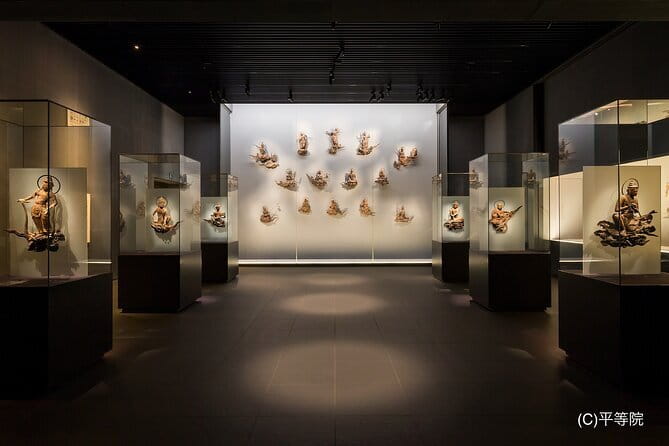
Your first stop is Byodo-in Temple, and it is a big deal for a reason you can spot instantly in your guide’s explanation. Byodo-in is a UNESCO World Heritage Site, and it is also famous because it appears on the 10 yen coin. That coin connection is not just trivia. It is a shortcut to why this place matters in Japan’s everyday cultural life.
What I like about starting here is the way it anchors the whole tour. You see an iconic temple, then you move into smaller stops and hands-on tea making. The guide can point out architecture and the atmosphere that make Byodo-in so recognizable, then connect that to Uji’s identity as a tea town.
A practical tip: expect a bit of slow walking and photo stops at Byodo-in. Build in patience for temple grounds and let the guide set the rhythm. If you rush ahead, you will miss the context you paid for, especially the parts that explain why this setting connects so naturally to the tea story.
Uji Shrine Stop: A Calmer Contrast to the Big Icon
After Byodo-in, the route continues to Uji Shrine. This stop is a nice change of pace. Byodo-in is the headline sight, but Uji Shrine helps round out your understanding of the area beyond a single famous landmark.
Even if your main interest is matcha, a shrine stop makes sense here. Tea culture in Japan is tied to more than flavor. It also sits inside local traditions, rituals, and the way people mark seasonal life. Your guide’s job is to connect those threads without turning it into a lecture.
This is where the walking tour format pays off. A dedicated matcha workshop alone would be fun, but adding shrine and temple stops makes the experience feel like a place, not just an activity. It also gives you time to reset between the more structured temple time and the hands-on workshop.
More Walking Tours in Kyoto
- Kyoto Geisha Walking Tour: Gion District & Hidden Gems
★ 4.7 · 3,273 reviews - Kyoto: Gion Geisha District Walking Tour – Stories of Geisha
★ 4.7 · 2,187 reviews - Night Walk in Gion: Kyoto’s Geisha District
★ 4.5 · 2,003 reviews - Kyoto Gion Geisha District Walking Tour – The Stories of Geisha
★ 5.0 · 1,441 reviews
The Stone Mill Matcha Session: Your Hands Go to Work
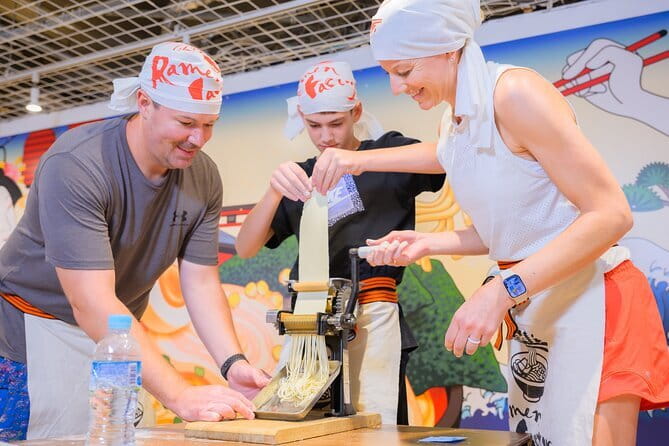
The heart of the tour is the matcha making part, and you do it in a way that actually teaches you something: grinding tea leaves into matcha powder with a traditional stone mill. That detail matters. Powdering tea by stone gives you a different feel than a quick commercial process, and it changes the way you pay attention to texture and aroma.
You will also drink the matcha you made, fresh and right away, with your choice of Japanese sweets or matcha ice cream. This is a smart structure because you get instant feedback. You grind, then taste. If you are curious about what makes a good matcha feel right, you have a chance to notice it while the moment is still fresh.
Mask policy is part of the workshop instructions, so come prepared. Even if you normally skip masks when you travel, you will want to follow the workshop rule here.
Here is how to make the most of the hands-on time:
- Watch the guide’s rhythm for a minute before jumping in.
- Grind slowly at first, then follow the pace they show.
- When you taste, take small sips and compare sweetness and texture with what you selected, whether sweets or ice cream.
If you love matcha, this is the moment that turns the tour from sightseeing into craft. If you do not know much about matcha, it still works, because the guide can explain what you are doing as you do it.
Where Fukujuen Ujicha Kobo Fits In
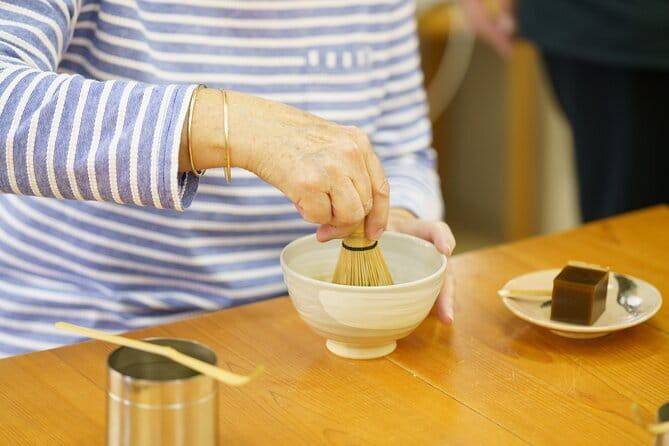
One of the stops listed on the route is Fukujuen Ujicha Kobo. This is part of the tea-focused side of the day, and it is where the workshop experience fits into the walking circuit. Think of it as the place where Uji’s matcha culture becomes hands-on, not just something you read about.
I like the way the tour uses a stop like this rather than sending you across town. You stay in the same story line: you see the historic sites first, then you step into the tea-making setting, then you taste the result.
Learning the Story of Uji Tea, Not Just the Steps
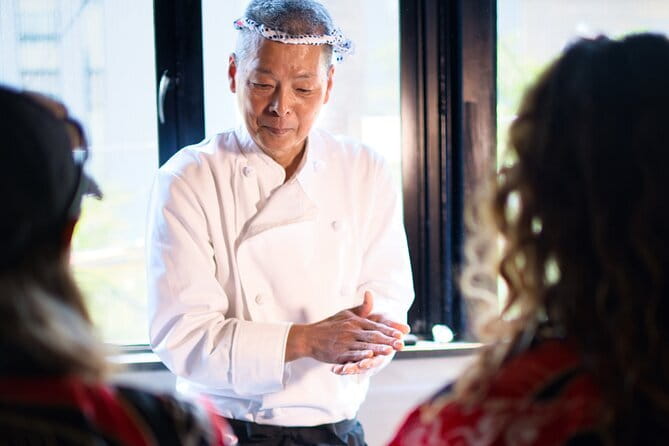
Your guide covers the history of Uji tea and why the region is known as Japan’s top area for high-quality green tea. That is a key part of what you are paying for, because matcha is one of those foods where small differences matter, and people usually do not explain the why unless they have local context.
Here is what you should listen for during the explanation:
- What makes Uji’s tea reputation strong.
- How Uji connects to the broader Kyoto tea identity.
- Why freshness and process matter when you taste matcha.
Even without technical details, you can leave with practical understanding. You will know how to talk about matcha beyond the label on a package, and you will better understand what you taste after grinding it yourself.
Price and Value: What You Get for $130.46
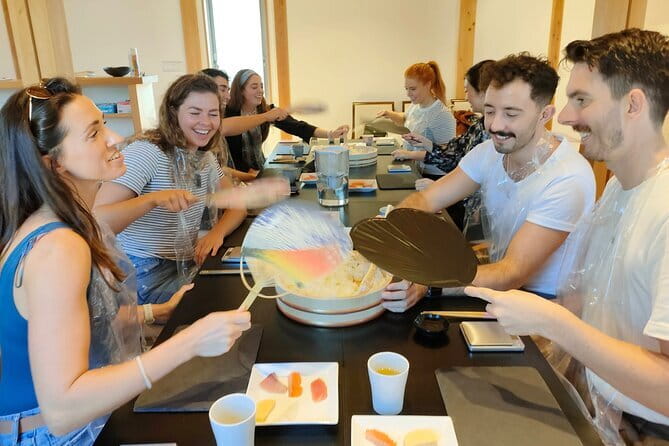
At $130.46 per person, this is not the cheapest tour in Kyoto. But it also does not pretend to be budget. For the time involved, and the fact that it is capped at 6 travelers, I consider it fair value, especially because several items are included.
What is included:
- Admission fee for Byodo-in Temple
- Matcha making class with stone mill grinding
- Japanese snacks or matcha ice cream
What is not included:
- Hotel pick-up
So you are paying for a guided experience that combines entry fees, an activity with equipment and instruction, and a tasting component. If you tried to DIY this, you would still likely pay for the temple admission plus seek out a matcha workshop, and those workshops often come with their own class fees. The guide helps you stitch it together into one smooth half day instead of separate planning tasks.
Also, the mobile ticket format is mentioned. That can save time at the start, because you are not scrambling for a paper voucher.
If you want maximum value, go hungry enough for the included snack or ice cream, but do not overdo it before the workshop. The fresh matcha tasting is the payoff.
Who This Tour Suits Best
This tour is a strong fit if:
- You are a matcha lover or want to understand what you are actually tasting
- You want a guided walking day in Uji without managing directions on your own
- You like small groups, where the guide can spend time explaining rather than rushing everyone along
It may not be the best choice if:
- You hate wearing a mask during food or craft steps
- You prefer fully self-paced temple hopping and workshop scheduling
- You cannot manage a 9:30 am start from Kyoto Station
If you do book it, you can also expect the guide to be talkative about what you see along the way. In prior experiences with this tour style, guides like Vincent were praised for being friendly and for explaining what you pass, while also guiding you clearly through the matcha steps. That kind of explanation is exactly what turns a tea workshop into a story you remember.
Should You Book This Matcha Grinding and Walking Tour?
If your goal is Uji with a matcha focus, I would book it. It is built around the right ingredients: Byodo-in Temple, a shrine stop to round out the spiritual side of the area, and a hands-on matcha workshop that ends with you drinking what you made. The small group size is also a big plus for comfort and attention.
Before you pull the trigger, do three things:
- Make sure you have WhatsApp ready ahead of time.
- Bring a mask for the workshop.
- Wear comfortable shoes and plan to arrive a little early at the Kyoto Station meeting point.
One final practical note: the tour lists free cancellation up to 24 hours in advance for a full refund, so you have a safety net if your Kyoto plan shifts.
If that sounds like your kind of day, this is a smart way to experience Uji beyond photos, with the real taste of matcha at the center.
FAQ
How long is the Matcha Grinding Experience and Walking Tour in Uji?
The tour is approximately 4 hours.
What is included in the ticket price?
Included are the Byodo-in Temple admission fee, the matcha making class, and Japanese snacks or matcha ice cream.
Where do I meet for the tour?
The tour starts at Shinshindo near JR Kyoto Station. The listed meeting point is in the Kyoto Station area, near the Central Exit bus ticket center.
Does the tour include hotel pick-up?
No, hotel pick-up is not included.
Do I need WhatsApp before the tour?
Yes. The instructions say you should ensure WhatsApp is available prior to the tour, since the guide will use it to contact you.
Is a mask required?
Yes. You are asked to wear a mask during the matcha making workshop.
What is the maximum group size?
The tour has a maximum of 6 travelers.
Newly listed around Kyoto
- Zen Meditation for Life in Kyoto★ 5.0 · 10 reviews
- Kyoto: Zen Meditation at a Private Temple with a Monk★ 5.0 · 25 reviews
- Kyoto Private Customizable Day Tour with Guide and Vehicle★ 5.0 · 52 reviews
- Private Wagyu Beef Tour with a Local Guide★ 5.0 · 6 reviews
- Kyoto: Gion Geisha District & Sake-in-Hand Walking Tour★ 5.0 · 37 reviews
- Your Private Vacation Photography Session In Kyoto★ 5.0 · 110 reviews
- Private Guided Traditional Buddhist Cooking in Japan★ 5.0 · 16 reviews
- Private Pewter Sake Cup Experience with a Kyoto Artisan★ 5.0 · 31 reviews
Matcha & Tea Ceremony Sessions, compared.
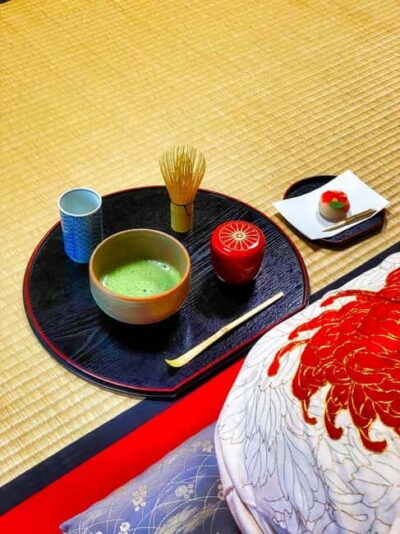
Tea Ceremony in a Traditional Tea House in Kiyomizu
Read our review →
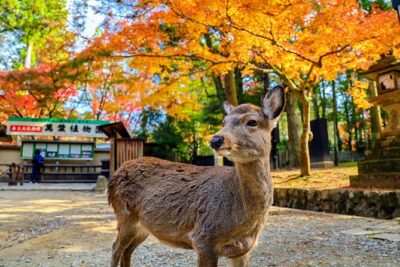
World Heritage Kyoto & Nara Uji Authentic Matcha Experience
Read our review →
Browse the lists this tour appears in