
Review · MATCHA & TEA CEREMONY SESSIONS
Mochi Matcha Gluten Free Japanese Sweets Class near Shibuya area
A sticky, chewy dessert class can be surprisingly relaxing. This Mochi Matcha Gluten Free Japanese Sweets Class near Shibuya turns matcha mochi and other Japanese sweets into a hands-on lesson in a real home kitchen, not a commercial studio. I love the recipe you take home and the fun photo op table for your finished sweets. One consideration, though, is that the best results come from following a step-by-step process closely, because mochi is all about texture and timing.
The session runs about 2 hours and is set up as a private workshop, so you get focused attention from the teacher, Sakura-san. It also works well when Tokyo weather is doing its thing, since you stay indoors. If you have gluten-free needs, plan to be clear about them up front, even though the class is built around gluten-free sweets.
In This Review
- Key things to know before you go
- A Matcha Mochi Workshop in Tokyo’s Shibuya Area, in a Private Home
- What You’ll Make: Mochi Plus 4 Types of Gluten-Free Japanese Sweets
- The 2-Hour Flow: Tea, Dough Work, and a Photo Op Table
- Sakura-san’s Teaching Style, and Why It Feels Personal
- Gluten-Free Japanese Sweets: What You Can Count On
- Taking the Recipe Home: The Real Value of Learning, Not Just Eating
- Price and What’s Included at $112.01 Per Person
- Getting There: Sangenjaya Start Point Near Public Transportation
- Who This Workshop Fits Best (and Who Might Skip It)
- Should You Book This Mochi Matcha Gluten-Free Sweets Class?
- FAQ
- Where is the class meeting point?
- How long does the workshop last?
- Is this experience private?
- What’s included in the price?
- Do you make gluten-free Japanese sweets?
- How many sweets do you make?
- Can I get a full refund if I cancel?
Key things to know before you go
- Real home-kitchen vibe in the Shibuya area: You meet in Sangenjaya and learn in a cozy, local setting.
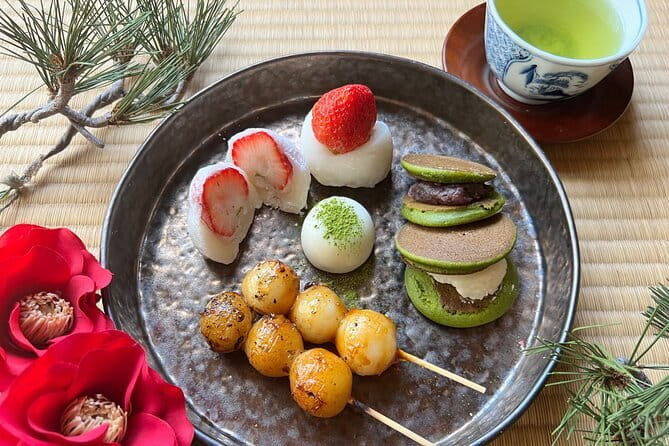
- 4 different sweets in one session: You make multiple items, not just one beginner recipe.
- Photo op after you finish: There’s a table designed for snapping cool dessert photos.
- Sakura-san is center stage: The workshop is taught with close, attentive guidance.
- Gluten-free Japanese sweets focus: The class is designed for gluten-free learning and results.
- You leave with a recipe: That makes the experience usable long after Tokyo.
A Matcha Mochi Workshop in Tokyo’s Shibuya Area, in a Private Home
This is the kind of Tokyo food experience I like: practical, hands-on, and local-feeling. Instead of standing in line for a snack and moving on, you get to slow down and learn how mochi and Japanese sweets come together. The class is near the Shibuya area, with the meeting point at 1-chōme-11-13 Sangenjaya in Setagaya City.
The private setup matters. You are not sharing the instructor’s time with a crowd. That means fewer blank moments while you wonder what to do next, and more chances to ask questions while your dessert is still in progress. The best part is that this is an indoor activity, so it fits any season and any weather mood.
More Tea Ceremonies in Tokyo
- Matcha Making Class in Tokyo with Authentic Japanese Sweets Set
★ 5.0 · 744 reviews - Kimono Tea Ceremony at Tokyo, Asakusa Maikoya
★ 5.0 · 638 reviews - Tokyo: Traditional Tea Ceremony with a Tea Master
★ 5.0 · 528 reviews
What You’ll Make: Mochi Plus 4 Types of Gluten-Free Japanese Sweets
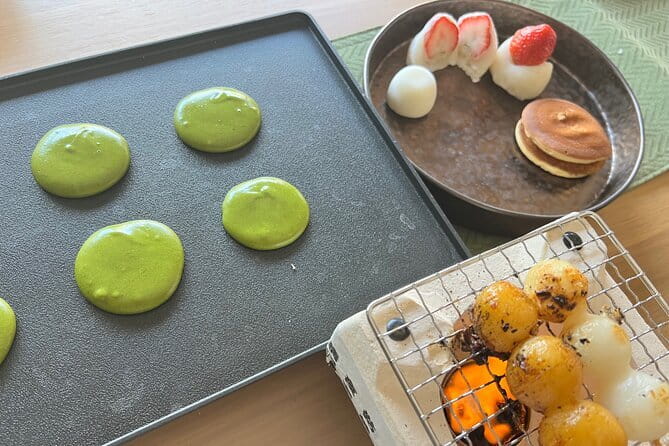
The workshop is built around making mochi and gluten-free Japanese sweets, with matcha green tea at the heart of it. The class includes making 4 different types of sweets together, so you get variety in flavors, textures, and presentation style rather than repeating one item four times.
The exact menu isn’t spelled out in the details you’re given, but you can count on a mix of traditional Japanese sweet-making techniques. Expect to get your hands involved. Mochi is the showpiece ingredient because it is chewy, sticky, and very texture-driven. That also means the learning curve is real in a fun way. If you’ve never worked with sticky dough before, you might feel a little clumsy at first, then quickly realize that the process becomes manageable once you follow each step.
And yes, matcha is part of the fun. You’re not just tasting it, you’re learning how matcha flavors show up in a classic Japanese sweet.
The 2-Hour Flow: Tea, Dough Work, and a Photo Op Table
The class runs about 2 hours, which is a sweet spot. Long enough to learn multiple items, but not so long that your energy fades halfway through. Here’s the practical flow you can expect based on how the workshop is described and what the experience is like for people who love it.
First comes the guided start. You’ll get coffee and/or tea, plus Japanese green tea. Then you’re set up with an apron. From there, the instruction focuses on making the sweets step by step, with your teacher staying focused on your group rather than juggling a large class.
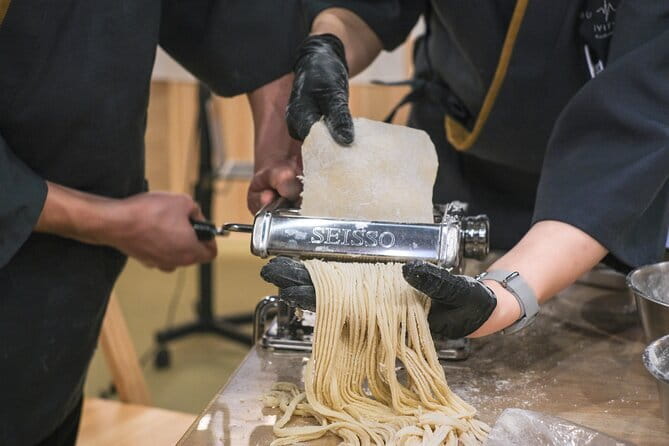
The middle part is the work: shaping, mixing, and assembling. Mochi in particular can feel intimidating because it is sticky and forgiving in some ways, but not in others. The good news is that Sakura-san is described as patient and great at teaching, including for kids. That matters even if you are an adult beginner, because you get calm, clear explanations instead of rushed directions.
Then comes the part I always think is underrated: a built-in moment to show off what you made. There’s a photo op table specifically for finished desserts. This is where your desserts stop being just food and start becoming something you can share. It’s also a nice visual reward after the messier parts of sweet-making.
Sakura-san’s Teaching Style, and Why It Feels Personal
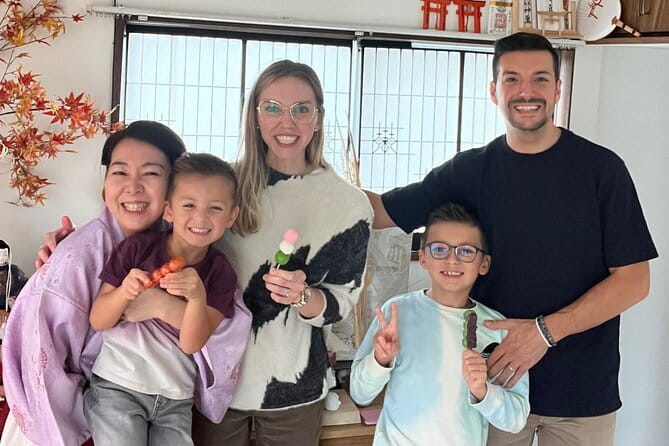
This class is centered on Sakura-san, and the tone you want from a cooking workshop is exactly the tone you get here. Sakura-san is described as welcoming, kind, and professional, with a passion for teaching that shows in the way she explains things. She also communicates clearly in English, which reduces the usual fear factor for visitors who don’t speak Japanese.
One reason people rate this so highly is that the instructor’s attention stays on you. Even though it’s not described as a strict one-person private session every time, it is a private tour/activity, meaning only your group participates. Some groups end up with a smaller class feel, which pushes it even closer to a private lesson vibe.
Also, it helps that the teacher is comfortable in the family-friendly zone. Experience teaching kids comes up repeatedly, and it tells you the class isn’t only built for advanced food nerds. It’s built so beginners can succeed.
A small bonus from the real-home setting: you may see the teacher’s dog, Chocolate, and that cute distraction can actually make the session feel less formal.
A few more Shibuya and Shinjuku Nightlife around Tokyo:
- Tokyo: Shinjuku Food Tour (13 Dishes at 4 Local Eateries)
★ 5.0 · 6,603 reviews - Tokyo Bar Hopping Tour in Shinjuku (All-You-Can-Drink + Dinner)
★ 5.0 · 3,587 reviews - Official Street Go-Kart in Shibuya
★ 5.0 · 3,435 reviews - Tokyo: Shinjuku Food Tour (15 Dishes and 4 Eateries)
★ 4.9 · 2,033 reviews
Gluten-Free Japanese Sweets: What You Can Count On
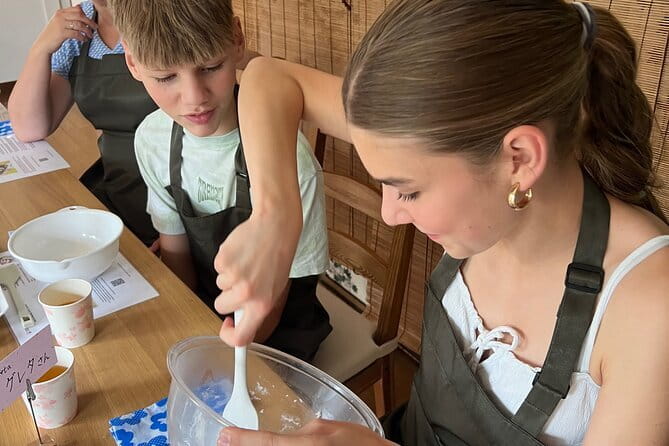
The title is explicit: gluten-free Japanese sweets are part of the experience. That gives you peace of mind compared with trying to translate allergies while ordering treats on the street.
Still, I’d treat this as a partnership, not a guarantee. Bring up your gluten-free needs clearly during booking or before you arrive, especially if you have severe sensitivity. The class is meant to be gluten-free, and it’s presented as a safe way to enjoy mochi-style sweets, including for people who identify as gluten-free or celiac.
What I like about this setup is that you are learning the method for sweets you can actually make again later. Too many food experiences are just tasting. Here, you’re building the skills and getting the recipe so you can recreate the experience without guessing.
Taking the Recipe Home: The Real Value of Learning, Not Just Eating
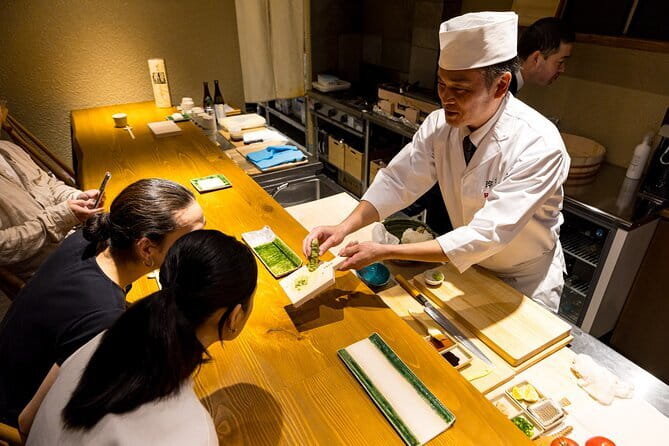
Cooking classes can be worth it for one reason only: can you do something with the knowledge later? Here, the answer is yes. You come away with a recipe so you can make the sweets at home for your family and friends.
That changes the math of the price. Even if you’re not into cooking every day, you’ll likely use this once or twice during your Tokyo memories run, and that makes the class feel less like a one-time activity and more like a souvenir with calories.
You also get a better relationship with Japanese sweets. Mochi is not just a chewy snack. It has cultural roots and a specific texture logic. When you understand that, you’ll be more confident eating wagashi later, because you’ll recognize what you learned and what it tastes like when you’re not standing at a workbench.
Price and What’s Included at $112.01 Per Person
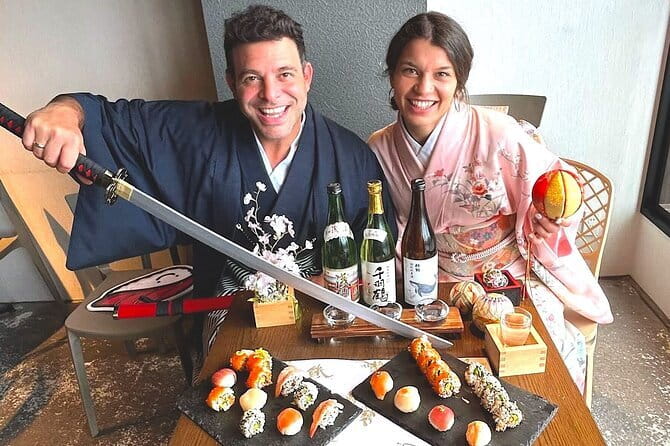
At $112.01 per person for about 2 hours, this is not a budget street-snack stop. But it also isn’t a generic cooking lesson where you watch while someone else does the hard parts.
Here’s what you do get that supports the price:
- Guided instruction with your teacher focused on your group
- An apron
- Coffee and/or tea, including Japanese green tea
- The chance to make 4 different sweets
- A recipe to take home
- A designed photo op table for your finished desserts
For my money, that combination is what you’re paying for: time, instruction, and something you can repeat later. If you’re traveling with a group, the class also offers group discounts, which can improve value if you can split the cost across family or friends.
Booking timing can matter too. It’s commonly booked about 38 days in advance, so if your trip is tight, don’t wait until the last minute.
Getting There: Sangenjaya Start Point Near Public Transportation
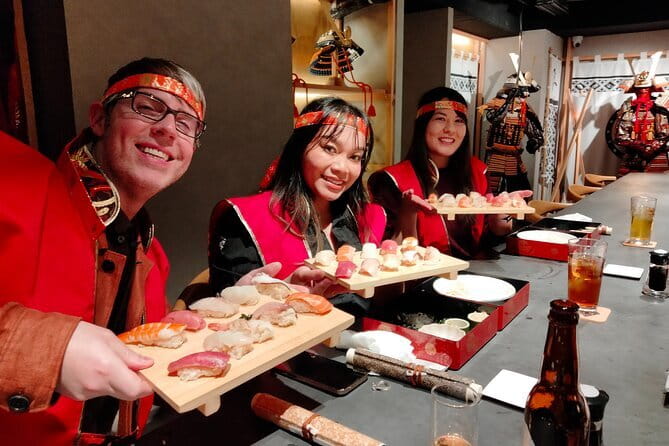
The meeting point is in Sangenjaya, at 1-chōme-11-13 Sangenjaya, Setagaya City. It ends back at the same place. The details also say it is near public transportation, which is key because Shibuya is convenient, but Sangenjaya can feel a bit less obvious if you’re arriving fresh.
Plan for a calm arrival. Since mochi and sweets do not pause for late guests, you’ll want to get there early enough to settle and start with full attention. Bring an appetite too, because you’re making desserts and you’ll likely want to enjoy what you create.
Who This Workshop Fits Best (and Who Might Skip It)
This class fits best if you want a hands-on Japanese food experience that’s not dependent on the weather, and you like learning skills you can use again at home.
It’s especially a good match if:
- You love matcha and want more than a basic drink
- You’re curious about mochi texture and technique
- You need gluten-free options and want to learn, not just search
- You want a more personal Tokyo experience in a real home setting
- You’re traveling with kids or family, since Sakura-san is described as great with them
You might consider skipping if you hate tactile cooking. Mochi work can get sticky, and that’s part of the deal. Also, if you only want to eat and you’re not interested in making, a tasting-focused stop might feel more efficient.
Should You Book This Mochi Matcha Gluten-Free Sweets Class?
If you’re deciding based on value, the easiest way to judge is this: do you want to leave Tokyo with a skill, a recipe, and photos of desserts you made with your own hands? If yes, this is a strong choice.
I would book it if you:
- Want a private, guided cooking experience near the Shibuya area
- Care about gluten-free Japanese sweets that are part of a planned lesson
- Like the idea of learning mochi rather than only eating it
- Appreciate the small details like a photo op table and a take-home recipe
If you’re on the fence, think about how often you actually cook at home. If cooking is in your wheelhouse even occasionally, this class gives you a practical souvenir you can use.
FAQ
Where is the class meeting point?
You start at 1-chōme-11-13 Sangenjaya, Setagaya City, Tokyo 154-0024, Japan, and the activity ends back at the meeting point.
How long does the workshop last?
The class duration is about 2 hours.
Is this experience private?
Yes. It is a private tour/activity, and only your group participates.
What’s included in the price?
The included items are an apron, coffee and/or tea including Japanese green tea, and guided instruction.
Do you make gluten-free Japanese sweets?
Yes. The class is specifically described as making gluten-free Japanese sweets along with mochi and matcha green tea sweets.
How many sweets do you make?
You make 4 different types of sweets together during the lesson.
Can I get a full refund if I cancel?
Free cancellation is available. You can cancel up to 24 hours in advance for a full refund. If you cancel less than 24 hours before the start time, the amount paid is not refunded.
More Dessert Tours in Tokyo
- Tokyo: Matcha Making Experience with Mochi Sweets in Asakusa
★ 4.9 · 388 reviews - Make Traditional Nerikiri Sweets & Matcha experience in Shibuya
★ 5.0 · 130 reviews - Private Mochi Sweets Making class near Shibuya area
★ 5.0 · 93 reviews - Sweets Making and Kimono Tea Ceremony at Tokyo Maikoya
★ 5.0 · 57 reviews
Newly listed around Tokyo
- From Tokyo: Mount Fuji Sightseeing One Day Trip★ 4.5 · 42 reviews
- Mount Fuji Full Day Private Tour with English Speaking Driver★ 5.0 · 23 reviews
- Customizable Private Tour in Mt Fuji from Tokyo by Car or Van★ 5.0 · 107 reviews
- Mount Fuji Full Day Tour form Tokyo Lake Kawaguchi & Yamanaka★ 5.0 · 9 reviews
- Full Guided Mt. Fuji & Shiba-Sakura Festival One Day Pvt.Tour★ 5.0 · 6 reviews
- Tokyo: Mount Fuji Must-see Attractions One Day Sightseeing Tour★ 4.5 · 13 reviews
- Mount Fuji Day Tour:Lake Kawaguchi, HealingVillage,Oshino Hakkai★ 4.5 · 8 reviews
- Mt.Fuji day trip with English Speaking Chauffer★ 5.0 · 39 reviews
Matcha & Tea Ceremony Sessions, compared.
Tea Ceremony in a Traditional Tea House in Kiyomizu
Read our review →
World Heritage Kyoto & Nara Uji Authentic Matcha Experience
Read our review →
Browse the lists this tour appears in