Review · MATCHA & TEA CEREMONY SESSIONS
Tokyo:Genuine Tea Ceremony, Kimono Dressing, and Photography
A kimono and matcha is a rare combo. This 2.5 hour experience pairs a hands-on tea ceremony with dressing in a traditional kimono or yukata, then you get photos at a nearby shrine and tea room. I especially like how close you get to the real ritual, from watching matcha being prepared to making your own.
I also like that the group is tiny, limited to 3 participants, so you get real attention with the movements, the manners, and the photo time. One thing to plan for: you must pick your outfit by the day before the tour, which means you will do a quick back-and-forth with the host to choose from more than 50 yukata or kimono.
In This Review
- Key highlights to expect (and why they matter)
- First, the overall vibe: quiet, respectful, and very photo-friendly
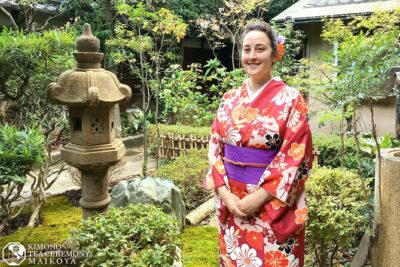
- Kimono and yukata dressing: more than just getting dressed
- Walking manners with the AKIZAKURA umbrella
- Shrine visit and photography: respectful posing, not random snapshotting
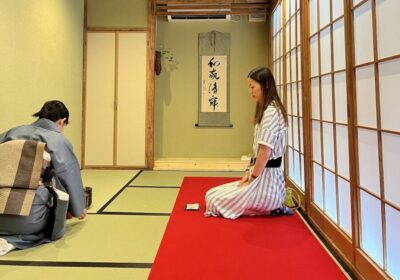
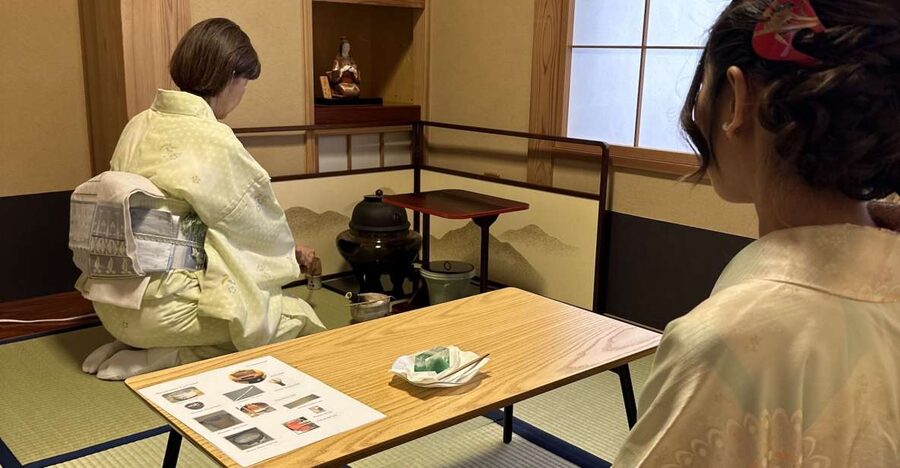
- The tea room: matcha culture explained with real movement
- Joining the ritual: what you actually practice
- Who this is for, and who should think twice
- Price and value: is $115 reasonable for what you get?
- Practical timing, weather, and what to wear
- Photos and keepsakes: iPhone shots with optional upgrades
- Language and group size: small, personal, and guided
- Should you book AKIZAKURA’s tea ceremony and kimono experience?
- FAQ
- How long is the Tokyo tea ceremony, kimono dressing, and photography experience?
- How big is the group?
- What languages are available during the tour?
- What is included in the price?
- What is not included, and what add-ons are available?
- Do I need to choose my kimono in advance?
- Does the tour run in bad weather?
Key highlights to expect (and why they matter)
- Small group, up-close teaching: Limited to 3 people, so the instructor can slow down and correct how you hold, move, and sit.
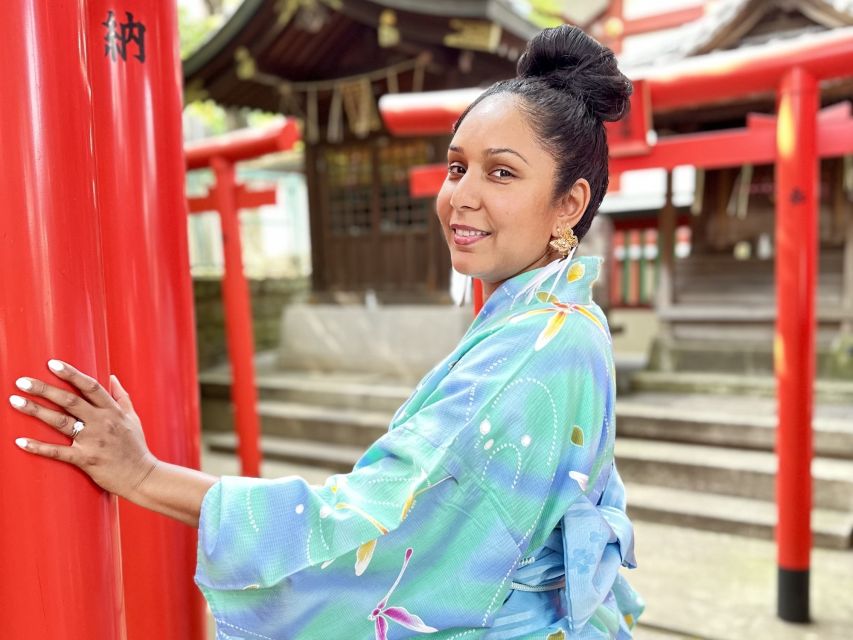
- Proper Shinto shrine behavior: You learn the respectful way to pray and how to behave while you are dressed for the photos.
- Kimono or yukata dressing with silk options: You can choose more than 50 outfits, including authentic silk kimono, and you get help with the obi and accessories.
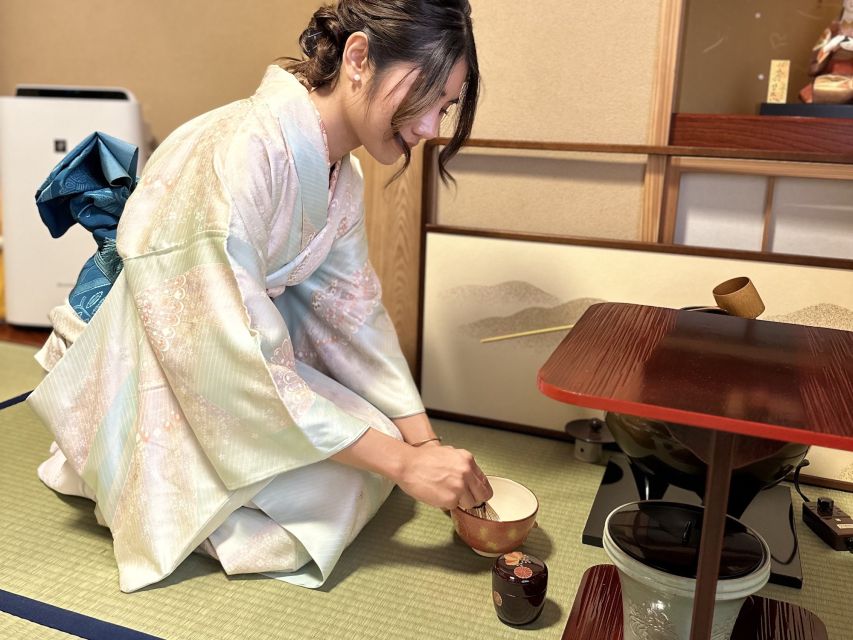
- You make matcha, not just watch: You enjoy professionally prepared matcha, then make your own.
- Photo time designed for the outfit: You shoot with an iPhone 14 Pro, plus optional extras if you want a professional photographer or hair and makeup.
- Rain or shine, you are covered: A plastic umbrella is included, and the tour goes forward in bad weather.
First, the overall vibe: quiet, respectful, and very photo-friendly
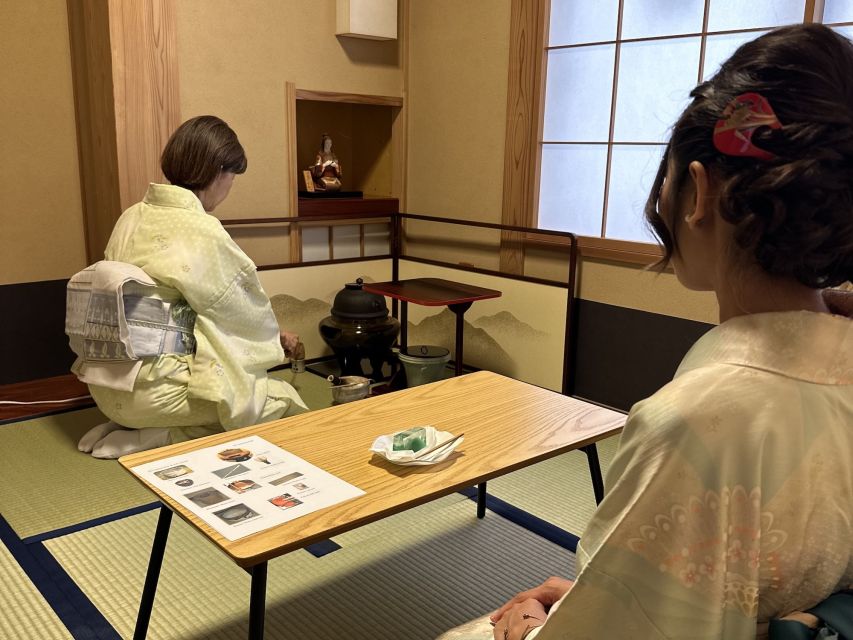
This is not a quick cultural show where you sit, sip, and leave. The pace is measured, and you are taught what to do and why. The calm tone matters because tea culture and shrine manners are both about attention, not performance.
You also look the part. Dressing in a silk kimono in winter or a yukata in summer puts you in the same visual language locals use in seasonal traditions. If you care about photos, you get time to pause and pose in the right spots at a local shrine and tea room. If you care about the ritual, you get the lesson on matcha, plus the movements and etiquette that make it feel authentic.
The value angle is simple: $115 is steep for a short activity, but you are paying for three things at once. You get hands-on instruction, a complete costume service with accessories, and structured photo time with a guide who understands the flow of where you stand and how you move.
More Kimono Rentals in Tokyo
- Kimono Tea Ceremony at Tokyo, Asakusa Maikoya
★ 5.0 · 638 reviews - Tokyo: Kimono Dressing, Walking, and Photography Session
★ 4.9 · 427 reviews - Let’s make kimono !(Kimono is a gift for you
★ 5.0 · 252 reviews
Kimono and yukata dressing: more than just getting dressed
The experience starts with you choosing your outfit, then putting it on correctly. You will pick your kimono or yukata by the day before the tour. After you book, AKIZAKURA contacts you through GetYourGuide or WhatsApp to help you choose. You reply after checking, and they reach out within about 12 hours after booking.
On the day, you will wear either:
- Yukata (summer cotton kimono) in summer, or
- Kimono in winter time
They offer authentic kimonos made in the traditional way, including silk options. You can choose from more than 50 yukata or kimono, which is a big deal if you want your look to feel personal instead of random.
Practical comfort note: kimonos look elegant, but floor sitting can be tough. If you need it, they provide a table, chairs, and other equipment to help avoid leg pain from sitting on the floor. That means you can focus on the tea and manners instead of counting minutes until you can stand.
Walking manners with the AKIZAKURA umbrella
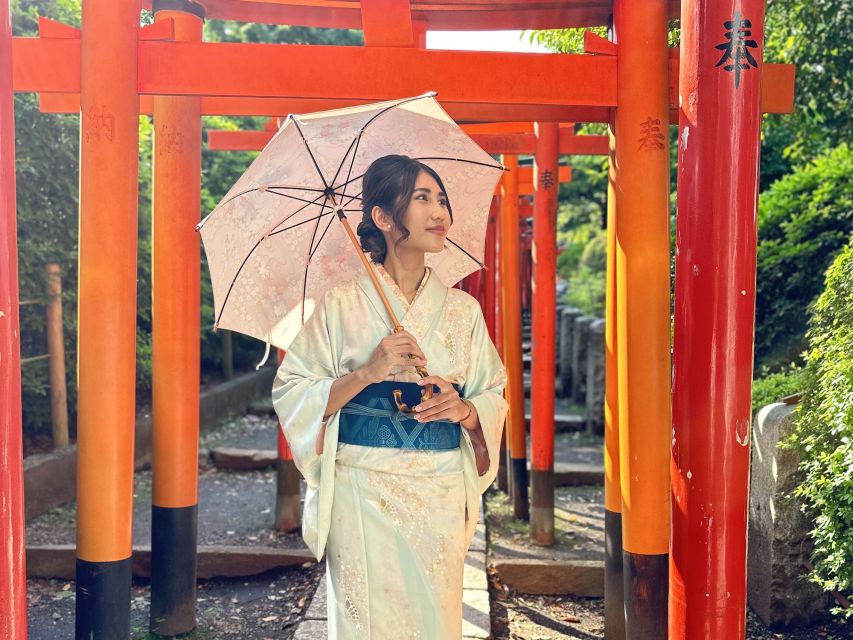
After you are dressed, you do a short walk outdoors with guidance. The host uses AKIZAKURA’s kimono upcycled umbrella, which also helps with photos. More importantly, they show you how to walk and how to handle yourself while wearing a kimono or yukata.
This part sounds small, but it is one of those “you only notice it when someone teaches it” details. A kimono changes the way fabric moves and how you need to step. With instruction, you stop worrying about tripping, bunching fabric, or walking in a way that looks awkward in photos.
They also teach:
- Stylish walking manner with yukata and kimono
- How to sit down
- Patterns of behavior you should use as you move through shrine spaces
If you have ever worn a costume and felt clumsy, you will appreciate this. It turns the outfits from something fragile into something you can wear naturally.
Shrine visit and photography: respectful posing, not random snapshotting
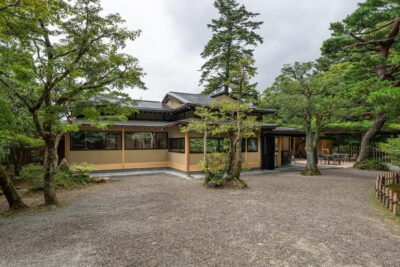
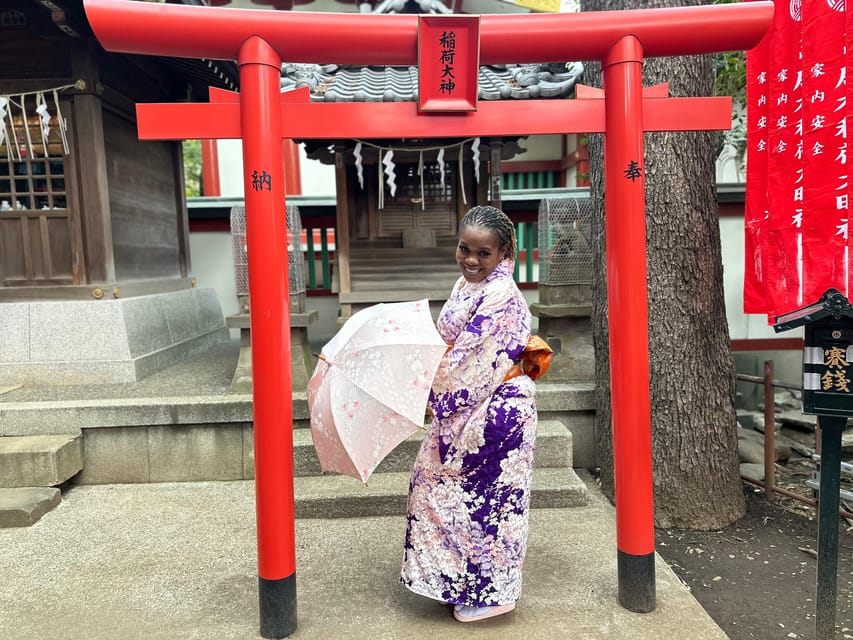
You then head to a local shrine for commemorative photos. This is not just a pretty stop. They guide you on how to behave while dressed for a Shinto space, including the correct way to pray.
That means two things for your trip:
- You get better photos because you are standing and moving correctly.
- You avoid that awkward, guess-and-hope feeling at a religious site.
Photo time is built in. In some cases, the host, Sayoko, helps with photography and you also have structured shooting using an iPhone 14 Pro. The guide’s job is to make sure your kimono looks good in different angles and lighting, while also keeping you respectful in the shrine area.
If you want even more, professional photography is available as an add-on cost. And if you want to polish your look further, professional hair and makeup is also available for an additional fee. Those extras matter most if you are taking this as a major portrait moment for your trip rather than a casual souvenir.
More Photo Tours in Tokyo
- Best Go Kart Experience in Shibuya Crossing with Iconic Photos
★ 5.0 · 348 reviews - Tokyo Go-Karting Experience: Shibuya Crossing with Photos
★ 4.8 · 190 reviews - Tokyo: Exclusive Access to Sumo Morning Practice with Photos
★ 4.8 · 107 reviews - Tokyo: Sumo Practice Tour with Ring-Side Seat and Photoshoot
★ 4.7 · 103 reviews
The tea room: matcha culture explained with real movement
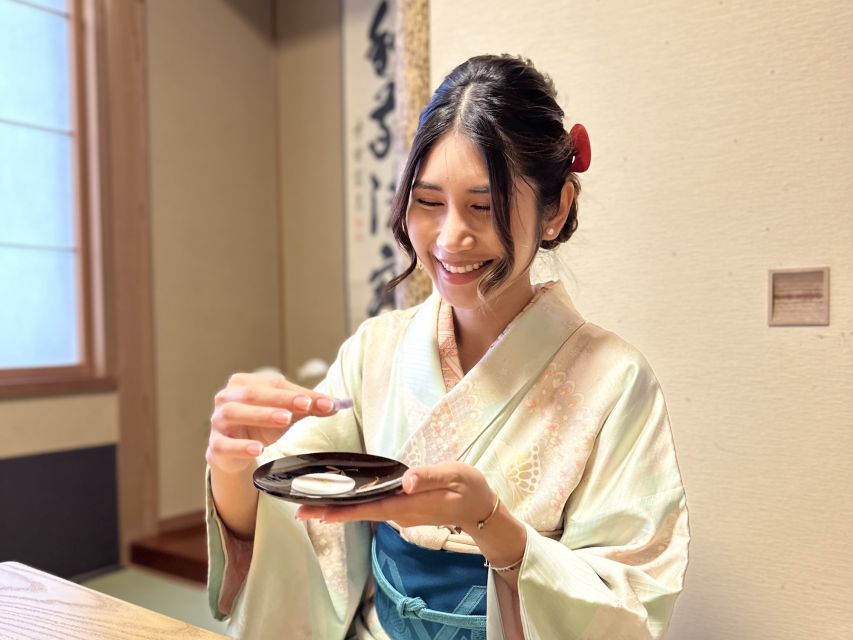
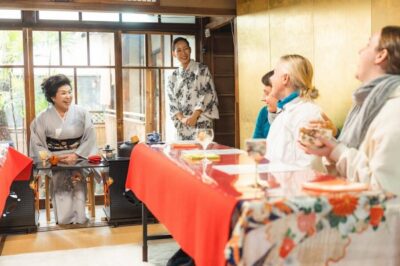
Now you get to the main event: the tea ceremony. The structure is thoughtful. You see how matcha is prepared, you get the explanation, and you also take part so the lesson sticks.
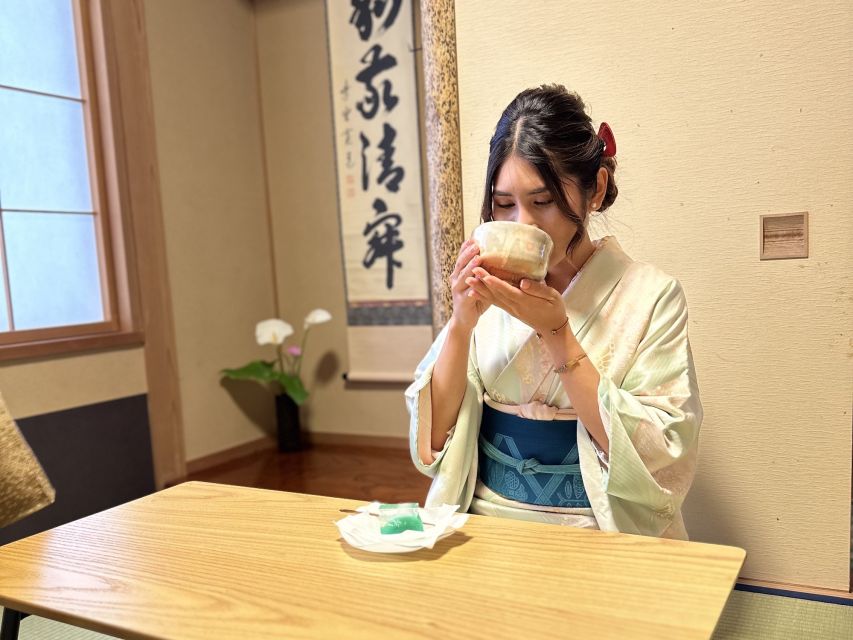
They walk you through the intricate process of making matcha up close and personal. You will enjoy both:
- Professionally prepared matcha, and
- Your own matcha that you make during the session
This is a key difference from many “tea experiences.” Watching someone do it is nice, but making it yourself is where you learn the rhythm and the details. Matcha is not just a drink. It is a ritual with posture, attention, and timing.
They also provide matcha tea sweets during the ceremony experience. It helps you stay with the moment. You taste, you learn, and you connect the flavors to the culture instead of rushing through.
You can expect instruction in mindfulness and respect. That is not marketing fluff. It shows up in the way you are taught to handle the steps calmly, in the pace of the movements, and in the way you are guided to sit, receive, and respond.
Joining the ritual: what you actually practice
During the tea ceremony, you do more than just sip. You learn and practice parts of the process and the manners that surround it.
Based on how the session is described and the way it is run, you can expect:
- Watching an experienced tea teacher make matcha with explanations in English or Japanese
- Learning how to correctly participate in the ceremony steps
- Trying your own matcha making
- Eating the matcha sweets as part of the tasting flow
They also set up the experience so you can participate comfortably. If sitting on the floor is uncomfortable for you, the table and chair option helps you stay involved without forcing you into pain.
The small group size, limited to 3 participants, is part of why this works. You are not competing with a crowd for attention. Your instructor can guide you when something looks off and keep the mood calm.
Who this is for, and who should think twice
This experience is best for you if you:
- Want an authentic cultural activity that includes real participation, not just observation
- Like photo moments, but also want the manners part so your photos feel appropriate
- Enjoy traditional Japanese aesthetics and want help dressing correctly
- Prefer small group experiences where you can ask questions in real time
You might think twice if you:
- Hate being in close instruction settings and want total freedom
- Have very limited interest in etiquette and shrine behavior, since the ritual and respectful steps are part of the core value
- Are not prepared to choose your kimono or yukata by the day before
Price and value: is $115 reasonable for what you get?
$115 is not a bargain price, especially compared to generic walking tours. But here is what you are paying for in concrete terms:
- A full kimono or yukata dressing service with obi and accessories
- A guided walk with kimono etiquette help
- A tea ceremony led by an experienced teacher, including tasting and you making matcha
- Tea sweets included
- A photo component using iPhone 14 Pro for commemorative shots
- A small group format, limited to 3 participants
- Rain coverage with a plastic umbrella, and the tour runs rain or shine
When a price includes outfit styling plus guided cultural instruction plus structured photos, it becomes easier to justify. The real question is whether you will enjoy the etiquette and the hands-on part. If yes, this is a strong buy. If your goal is just a quick souvenir photo, you may find you paid extra for lessons you do not plan to use.
Practical timing, weather, and what to wear
The tour runs about 2.5 hours, and you should check availability for starting times. It takes place rain or shine.
Dress code is not detailed in the info you provided, but you can make your day smoother by planning around two things:
- You will be changing into a kimono or yukata with accessories, so keep your clothing easy to handle
- The walk and shrine area can be wet in rainy weather, so footwear that stays steady matters for comfort during the steps
You will receive a plastic umbrella if it rains.
Photos and keepsakes: iPhone shots with optional upgrades
You get shooting using an iPhone 14 Pro. That is a useful inclusion because it means you are not worrying about whether you packed the right camera settings. The host knows how to frame a dressed kimono look at different angles.
If you want more polished portraits, professional photographer shooting is available for an extra cost. And if you want a full beauty session, professional hair and makeup is also available for an additional fee.
My take: if you are budget-conscious, start with what is included. If you are celebrating something or you want a head-to-toe portrait result, consider the add-ons.
Language and group size: small, personal, and guided
The instructor is listed as English and Japanese, so you should feel comfortable if you speak either. The group is limited to 3 participants, which keeps the experience personal and helps with pacing.
This matters because tea ceremony etiquette takes time. If the group were larger, you would spend more time waiting and less time learning. Here, your guide can correct your movements and keep the ritual flowing.
Should you book AKIZAKURA’s tea ceremony and kimono experience?
Book it if you want a true cultural practice with a costume component that actually gets you included. You get both: matcha practice and kimono dressing, plus a shrine stop where you learn respectful behavior. That combination is hard to find in one tight 2.5-hour window.
Skip it if you only want one of those parts. If you mainly want photos, there are cheaper options. If you only want tea without the outfit and shrine manners, look for a more focused tea class. This one is designed to give you the full scene, including how to move through it.
If you do book, do yourself a favor: take the kimono choice seriously, and reply quickly when they message you about selecting your outfit. That small bit of effort pays off in how good you feel and how good your photos look.
FAQ
How long is the Tokyo tea ceremony, kimono dressing, and photography experience?
The duration is about 2.5 hours. You can check availability to see starting times.
How big is the group?
It is a small group, limited to 3 participants.
What languages are available during the tour?
The instructor speaks English and Japanese.
What is included in the price?
Included are matcha green tea and tea sweets, kimono or yukata with obi and accessories, the AKIZAKURA kimono upcycling umbrella, shooting with an iPhone 14 Pro, and a plastic umbrella if it rains.
What is not included, and what add-ons are available?
Not included are professional photographer shooting (available for an additional fee) and professional hair and makeup (available for an additional fee).
Do I need to choose my kimono in advance?
Yes. You must choose your kimono to wear by the day before the tour. After booking, AKIZAKURA will message you via GetYourGuide or WhatsApp to help you choose, and you reply after checking.
Does the tour run in bad weather?
Yes. The tour takes place rain or shine.
More Photography Sessions in Tokyo
- Tour with Pro Tokyo Photographer and take Edgy Unique Portraits
★ 5.0 · 80 reviews - Tokyo: Evening Photography Tour
★ 4.8 · 61 reviews - Tokyo Asakusa: Miu Kimono Rental and Optional Photoshoot
★ 4.9 · 54 reviews - Tokyo: Photo Shoot with a Private Vacation Photographer
★ 5.0 · 53 reviews
More Tea Ceremonies in Tokyo
- Matcha Making Class in Tokyo with Authentic Japanese Sweets Set
★ 5.0 · 744 reviews - Tokyo: Traditional Tea Ceremony with a Tea Master
★ 5.0 · 528 reviews - Tokyo: Matcha Making Experience with Mochi Sweets in Asakusa
★ 4.9 · 388 reviews - Asakusa Cultural Walk & Matcha Making Tour
★ 5.0 · 245 reviews
Newly listed around Tokyo
- Tokyo private transfer for Yokohama Port★ 4.5 · 63 reviews
- Luxury Kimono Photoshoot at Ginza Tokyo★ 5.0 · 7 reviews
- Tokyo Allstar Food Tour★ 4.5 · 206 reviews
- Tokyo: Best Ginza Food Tour at 3 Local Eateries★ 5.0 · 83 reviews
- Private One Day Nikko Tour with Bilingual driver★ 3.5 · 11 reviews
- Tokyo Art Aquarium Museum E-Ticket with optional Tokyo Metro Pass★ 5.0 · 17 reviews
- PRIVATE tour in 180SX to Daikoku+++++★ 5.0 · 6 reviews
- Kabuki Talk★ 5.0 · 10 reviews
Matcha & Tea Ceremony Sessions, compared.
Tea Ceremony in a Traditional Tea House in Kiyomizu
Read our review →
World Heritage Kyoto & Nara Uji Authentic Matcha Experience
Read our review →