
Review · MATCHA & TEA CEREMONY SESSIONS
Authentic Japanese Tea Ceremony Experience in Kamakura
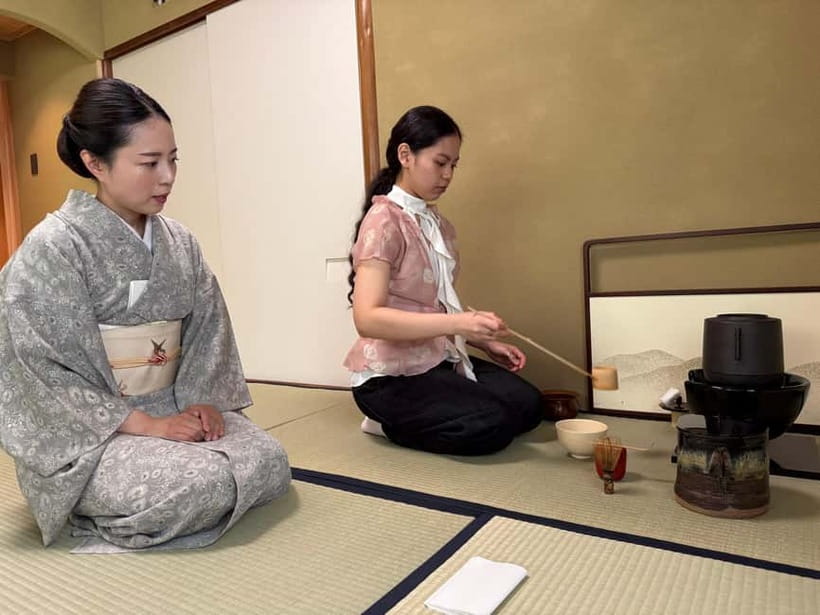
Kamakura tea is a reset button. You’ll step into a traditional tea room and learn sadō through a calm, small-group session that also lets you whisk and taste matcha yourself. The best parts for me were practicing the real movements, and getting the etiquette behind them, not just the steps. One thing to consider is the floor seating, since you’ll remove shoes and kneel on tatami (chairs are available if you need them, just tell the team ahead of time).
In 60 minutes you’ll go from watching to doing, with two matcha servings and seasonal wagashi. The style feels personal, not rushed, which makes it easier to actually remember what you’re taught. If you want the kind of cultural activity where you leave with both a new skill and better manners, this is a strong pick.
In This Review
- Key highlights I’d prioritize
- Why Kamakura Tea Ceremony Feels Different From a Tokyo Stop
- Arriving at 茶室「竹翠庵」, Shoes Off on Tatami
- Inside the Tea Room: What the Traditional Space Teaches You
- What You Learn From a Tea Master in 60 Minutes
- The Live Demonstration: Watch Omotenashi in Action
- Whisk and Serve Your Own Matcha, Step-by-Step
- Wagashi Pairings: Seasonal Sweets That Explain the Tea
- Etiquette Tips You’ll Actually Remember
- Price and Value: Is $36 Fair for a 60-Minute Session?
- Logistics That Matter More Than You Think
- Who Should Book, and Who Should Skip It
- Should You Book Authentic Japanese Tea Ceremony in Kamakura?
- FAQ
- How long is the Japanese tea ceremony experience in Kamakura?
- What is the price per person?
- Where do I meet the group?
- Is the experience in English?
- Do I need to know how to whisk matcha beforehand?
- What is included in the session?
- What should I wear or bring?
- Is it okay if kneeling is difficult?
- Can I take photos during the ceremony?
Key highlights I’d prioritize
- Sukiya-zukuri tea room setting that keeps the focus on the ritual
- Certified-tea-master explanations of the meaning behind sadō
- Hands-on matcha whisking, step-by-step, no experience needed
- Two matcha tastings paired with seasonal wagashi
- Etiquette lessons you can use the next time you encounter tea customs
Why Kamakura Tea Ceremony Feels Different From a Tokyo Stop
Kamakura is a smart base for a tea ceremony because the pace already leans quiet and reflective. You’re not packing your day with five big sights. Instead, you’re doing one focused cultural moment, then going back into your day with your head clearer.
This matters because sadō is not just about the drink. It’s about attention, movement, and manners. When you have time and a calm start, the lesson lands better. Also, the location is close to JR Kita-Kamakura Station, so you can keep your schedule realistic even if you’re coming from Tokyo.
And price-wise, this session is very normal for what you get: a private-feeling lesson format (max 6 people) plus matcha, wagashi, utensil rental, and a live performance component.
More Tea ceremonies in Kamakura:
- Private Tour in Kamakura: Matcha Tea Tasting & Photo Session
★ 5.0 · 6 reviews - Kyoto: Tea Ceremony in a Traditional Tea House in Kiyomizu
★ 4.9 · 3,519 reviews - Kyoto: Tea Ceremony Ju-An at Jotokuji Temple
★ 4.9 · 3,207 reviews
Arriving at 茶室「竹翠庵」, Shoes Off on Tatami
You’ll meet at 茶室「竹翠庵」, near the restaurant 航 (written as 航 in Japanese). From JR Kita-Kamakura Station it’s about a 7-minute walk, so you can usually arrive without stress if you give yourself a few extra minutes to orient.
Here’s the practical part that affects your comfort: you’ll remove shoes. The tea room setup uses tatami, and the experience is designed around floor seating. That means you should wear something that won’t make you slip or feel awkward once you’re on tatami.
- Bring socks (this is specifically called out)
- Wear modest attire if you can, even though there’s no strict dress code
- If kneeling is hard for you, chairs are available if you notify in advance
One small note: photos are allowed at designated times, not continuously. So plan to enjoy the moment first, then follow the instructor’s cue for pictures.
Inside the Tea Room: What the Traditional Space Teaches You
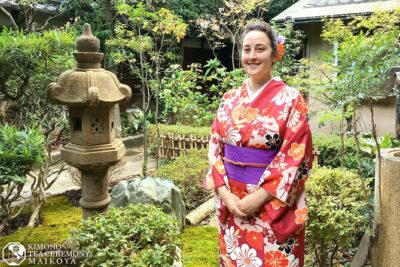
The session starts in a traditional tea room designed in the sukiya-zukuri style. Even before anyone speaks, the room communicates the point of sadō: remove distraction, slow your body down, and handle objects with care.
For you, that means you’re not learning tea etiquette as a concept. You learn it as a physical routine. You’ll see how the space sets expectations for posture, how people move with intention, and why the host’s actions matter as much as the drink itself.
This is one reason the small-group limit is so important. With up to 6 participants, you get to watch closely, ask questions (in English, if you need it), and practice without feeling like the group is waiting on you.
What You Learn From a Tea Master in 60 Minutes
The core of this experience is explanation plus demonstration. You’ll be welcomed into the tea room, then you’ll learn the background of sadō, including the history and the meaning behind the ritual, taught by a certified tea master.
What I like about this structure is that it prevents the common problem with cultural demos. If you only learn what to do, you can end up doing it like choreography. If you also learn why, you understand what your movements are meant to express.
From this session, expect three big categories of learning:
- The philosophy behind the ritual, including the Zen and mindfulness ideas connected to how you move
- The hospitality concept of omotenashi, shown live through tea-making
- Etiquette and manners rooted in traditional customs, so you know what is polite, what is respectful, and what to avoid
You don’t need a background in tea. The teaching is built for first-timers, and the instructor is comfortable working with English speakers.
A few more Kamakura days to weigh up
- Tokyo: Kamakura & Enoshima Day Trip including Temple Tickets
★ 4.5 · 1,375 reviews - From Tokyo: Kamakura & Enoshima 1-Day Bus Tour
★ 4.5 · 189 reviews - Kamakura Historical Walking Tour with the Great Buddha
★ 5.0 · 129 reviews - Kamakura Private Tour: Temples, Nature, and the Great Buddha
★ 5.0 · 121 reviews
The Live Demonstration: Watch Omotenashi in Action
Next comes the part that always makes tea ceremonies feel real: the instructor performs the ritual live. You’ll watch the full flow of tea-making, and you’ll see how the host controls pace, posture, and attention.
This is where you’ll notice the small details that most people miss when they only taste matcha. The ceremony is built on pacing. It’s built on handling objects correctly. It’s built on serving with care.
You’ll also get context while you watch, so it’s not silent observation. The aim is to teach you how to interpret the actions, not just copy them.
Then, you shift from watching to participating.
Whisk and Serve Your Own Matcha, Step-by-Step
Here’s the highlight I’d bet on if you’re choosing between cultural experiences: you don’t just sample matcha, you whisk and enjoy it yourself.
The session includes instruction for making and serving tea step-by-step. You’ll practice the motions with rental tea utensils provided for you, so you’re not scrambling to find tools or worry about doing it wrong.
And you get two servings. That’s a big deal for learning. With only one sip, it’s easy to feel like you barely had time to taste. With two, you can better notice differences in flavor and aroma as you go through the process. You’re also given seasonal Japanese sweets (wagashi), which changes the way the tea tastes on your palate.
If you’re the type who learns by doing, you’ll appreciate the format. You’ll leave with muscle memory and a clearer sense of what hospitality looks like when it’s practiced slowly, in person.
Wagashi Pairings: Seasonal Sweets That Explain the Tea
Tea ceremonies often feel overly focused on the drink alone, but wagashi brings a second layer. You’ll enjoy seasonal Japanese sweets paired with the matcha you whisk and drink.
This matters because matcha is distinctive. It’s not like coffee or milk tea where sweetness covers everything. Wagashi supports the experience, helping balance bitterness and earthy notes, while also adding texture and sweetness at the right moments.
It’s also part of the etiquette side of the ceremony. You’re learning how to accept sweets and tea respectfully, and how to eat and drink in the way the ritual expects.
If you’re curious about Japanese taste culture, this combo is a practical way to experience it without needing a restaurant reservation or a full food tour.
Etiquette Tips You’ll Actually Remember
You’ll learn etiquette and manners rooted in traditional Japanese customs. In a setting like this, etiquette is not about acting stiff. It’s about showing respect through your posture, your attention, and how you handle objects.
A few things you can take from this style of lesson:
- Slow down your movements and keep your body steady when you’re seated on tatami
- Treat utensils and serving items with care, like you’re handling something important
- Follow the instructor’s timing closely, because the ceremony works like a rhythm
Also, you get a sense of what good hospitality looks like. Omotenashi isn’t a slogan here. It’s shown through how tea is served and how questions are handled during a small-group session.
This is why the English-speaking instructor part is more than convenience. When you understand the meaning behind what you’re doing, you can keep the lesson in your head after you stand up and return to the street.
Price and Value: Is $36 Fair for a 60-Minute Session?
At about $36 per person for roughly one hour, this sits in a reasonable range for an experience that includes:
- Matcha
- Japanese sweets (wagashi)
- Rental utensils
- Traditional tea ceremony performance
- Instruction in etiquette and the meaning of sadō
- Small-group format (max 6)
The value is in the combination. You’re not paying only for tasting. You’re paying for guided practice and a guided explanation, both of which are harder to recreate on your own.
Is it “cheap”? No, but it’s not overpriced either, especially since you’re getting hands-on time and a complete ritual flow. If you like activities where you leave with a skill, this price starts to make sense fast.
It’s also a good deal if you’re visiting Kamakura for temples and beaches and want one cultural activity that isn’t just walking and photos.
Logistics That Matter More Than You Think
You’re in a tatami tea room, and you’re doing kneeling practice. That’s the biggest practical factor.
If kneeling is difficult, the good news is that chairs are available if you notify in advance. If you don’t tell them ahead of time, you could end up uncomfortable, so plan to communicate your needs early.
Also, photography is allowed at designated times. Don’t plan to record everything on your phone. Use pictures as a quick memory after you’ve absorbed the ritual.
As for who runs the experience, it’s provided by 株式会社ノアダンスアカデミー, and the language options are Japanese and English.
Who Should Book, and Who Should Skip It
This tea ceremony works especially well for:
- First-time Japan visitors who want something cultural but not complicated
- Couples who want a calm, intimate activity close to transit
- Families with kids age 7 and up, since the session is designed for beginners
- Anyone who likes mindfulness-style experiences where you learn real etiquette
It may not be the best match if:
- You are pregnant, since it is not suitable for pregnant women
- You use a wheelchair, since it is not suited to wheelchair users
- You have mobility issues and haven’t planned for the tatami setup (chairs can help, but this still is a floor-focused experience)
Should You Book Authentic Japanese Tea Ceremony in Kamakura?
I think you should book this if you want a tea ceremony that gives you more than a quick sample. You’ll practice matcha whisking yourself, enjoy two servings, learn the etiquette, and get the meaning behind the ritual from a certified teacher, all in a small group setting.
Skip it if your priority is maximum comfort over floor seating. Also, if you dislike structured activities where you follow an instructor’s pace, this could feel like a lesson rather than free time.
If you do book, do one thing that pays off immediately: arrive with socks ready and give yourself a few minutes to find 茶室「竹翠庵」 near restaurant 航. Then relax. This is the kind of experience where showing up calm makes the tea taste better.
FAQ
How long is the Japanese tea ceremony experience in Kamakura?
It lasts about 60 minutes.
What is the price per person?
The price is $36 per person.
Where do I meet the group?
You meet at 茶室「竹翠庵」 near the restaurant 航. It is about a 7-minute walk from JR Kita-Kamakura Station.
Is the experience in English?
Yes. The instructor provides Japanese and English, and the session is described as English-speaking for a stress-free experience.
Do I need to know how to whisk matcha beforehand?
No. You’ll be guided step-by-step, and no prior experience is needed.
What is included in the session?
Matcha, Japanese sweets (wagashi), rental tea ceremony utensils, and the traditional tea ceremony performance are included.
What should I wear or bring?
Shoes must be removed inside the tea room, so bring socks. There is no strict dress code, but modest attire is recommended.
Is it okay if kneeling is difficult?
Chairs are available if kneeling is difficult, but you should notify in advance.
Can I take photos during the ceremony?
Yes, photos are allowed at designated times during the session.
Newly listed around Kamakura
- Introducing all the Famous Spots in Kamakura and Enoshima!★ 5.0 · 7 reviews
- First time in Kamakura? Enjoy a Tour of All Must-sees!★ 5.0 · 15 reviews
- Kamakura 4hr Private Trip with Government-Licensed Guide★ 5.0 · 58 reviews
- Your Own HANKO Name Seal Activity in Kamakura.★ 5.0 · 24 reviews
- Kamakura Heritage Bike or Walk Tour with ex-Rickshaw guide★ 5.0 · 11 reviews
- Exciting Kamakura – One Day Tour from Tokyo★ 5.0 · 40 reviews
- Kamakura Walking Tour – The City of Shogun★ 5.0 · 100 reviews
- Japanese Sweets Making in Kamakura★ 5.0 · 6 reviews
Matcha & Tea Ceremony Sessions, compared.
Tea Ceremony in a Traditional Tea House in Kiyomizu
Read our review →
World Heritage Kyoto & Nara Uji Authentic Matcha Experience
Read our review →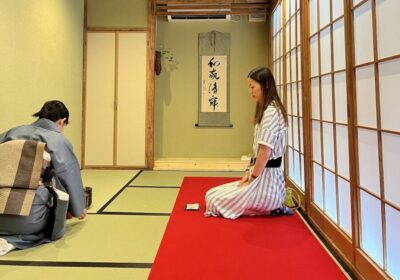
Browse the lists this tour appears in