
Review · MATCHA & TEA CEREMONY SESSIONS
Tokyo: Two Types of Japanese Sweets Making and Tea Ceremony
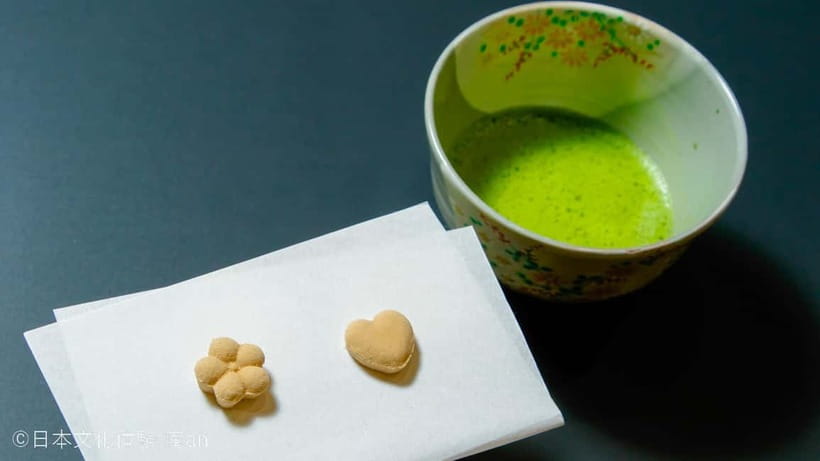
Wagashi feels simple, until you shape it. In this Tokyo workshop, you make Ohigashi and two seasonal Nerikiri using Kyoto bean paste, then finish with single-origin matcha and a friendly tea ceremony. I love the clear, practical steps and the way the instructor explains what you are doing and why. One thing to plan for: the Nerikiri shaping can take a steady touch, so don’t expect perfect results on the first try.
This is a good value if you want more than a tastings tour. For $28 and about 125 minutes, you leave with the sweets you made and the matcha experience is hands-on, including grinding.
If you are short on time in Tokyo, this class is also nicely self-contained. The schedule includes breaks, photo time, and an end-of-class eating moment, so you are not stuck on nonstop instruction.
In This Review
- Key things I think you will notice
- Three sweet stops in 125 minutes
- Price and what you get for $28
- Where you start: AN TOKYO and how the class flows
- Ohigashi making with Wasanbon dried sweet technique
- Nerikiri: flower shaping plus Kinton Nerikiri
- The flower-shaped Nerikiri
- Kinton Nerikiri
- Optional presentation upgrades
- Matcha grinding and a relaxed tea ceremony
- Whisking for foam
- Picture time and tasting
- Breaks, pace, and how to get the most out of it
- Who this workshop is perfect for
- Quick logistics you should know before you go
- Should you book this Tokyo Japanese sweets and tea class?
- FAQ
- How long is the experience?
- What sweets will I make?
- Will I make matcha or just drink it?
- Are there English instructions during the class?
- Is there anything I can buy to take home?
- Where do I meet for the activity?
- What are the operating hours and what if I book late?
- Can I watch instead of participate?
Key things I think you will notice
- You make three distinct parts of Japanese sweets and tea in one session: Ohigashi, Nerikiri, and matcha
- Wasanbon is central to the dried sweet so you taste and shape something traditional, not a shortcut version
- Your Nerikiri is seasonal and based on white or red bean paste from Kyoto’s long-established shops
- Matcha is single-origin and hands-on, starting with a grinding demonstration
- The tea ceremony part is casual and doable, including whisking matcha until it foams
- You get small optional add-ons if you want them: take-out box, extra color, or a completion certificate
Three sweet stops in 125 minutes
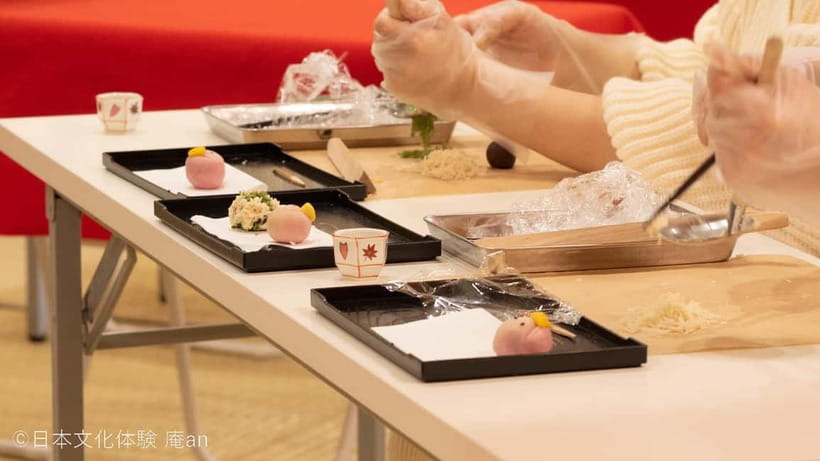
This class is built around a simple idea: Japanese sweets are not one thing. They are techniques, textures, and ingredients that change based on season and occasion. So instead of making one cookie-like sweet, you get a mini timeline of Japanese flavor and craft.
The whole experience runs 125 minutes. In that time, you spend around 20 minutes starting with Ohigashi, then you move into a longer Nerikiri making stretch, and finally you transition to tea, matcha grinding, and a relaxed tea ceremony moment.
You also get built-in pauses. There is a break after the Ohigashi portion, and another break right as the sweets-making segment ends. That helps you stay calm during the more detail-heavy Nerikiri steps.
More Tea Ceremonies in Tokyo
- Matcha Making Class in Tokyo with Authentic Japanese Sweets Set
★ 5.0 · 744 reviews - Kimono Tea Ceremony at Tokyo, Asakusa Maikoya
★ 5.0 · 638 reviews - Tokyo: Traditional Tea Ceremony with a Tea Master
★ 5.0 · 528 reviews
Price and what you get for $28
At $28 per person, the biggest question is always value. Here, you are paying for two things that tours often split up: real hands-on sweets making and a matcha ceremony experience. You also get enough time to actually eat and drink what you made.
You will make:
- Ohigashi, a dried-style Japanese sweet
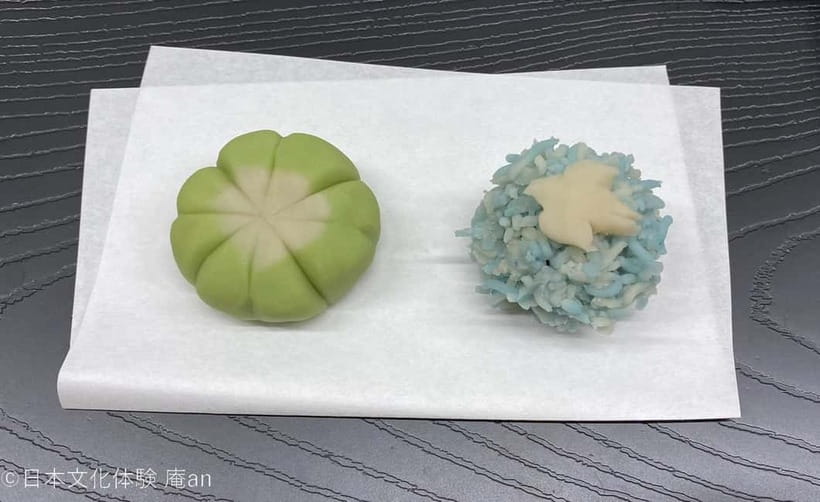
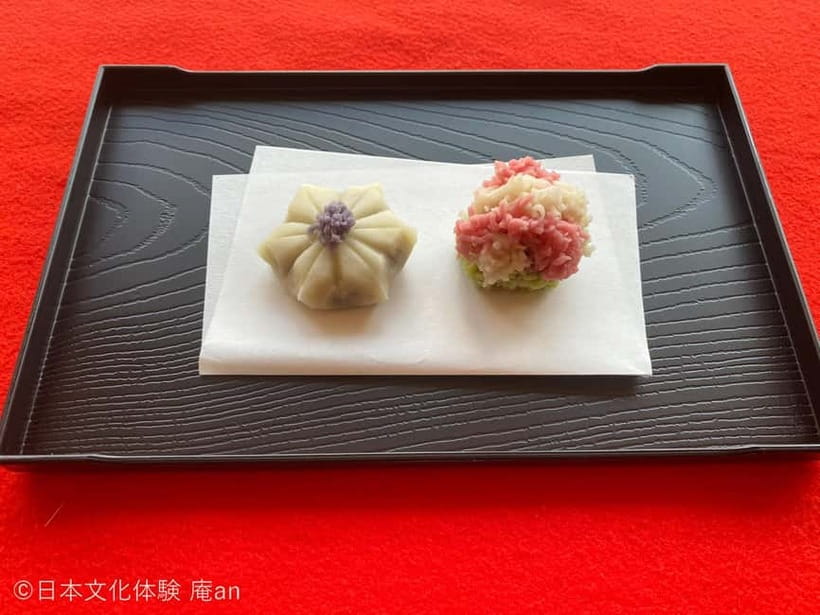
- Two Nerikiri sweets, chosen to match the season
- Your own matcha and tea ceremony tasting
On top of that, you are using ingredient types that sound small but matter. Wasanbon is a traditional Japanese sugar, and matcha is described as single-origin special matcha. The bean paste for Nerikiri comes from Kyoto’s long-established shops, which usually means more attention to flavor than bargain ingredients.
Optional extras do cost more. A take-out box is 100 JPY, adding color is 200 JPY, and an experience completion certificate is 300 JPY. If you want a more polished souvenir, factor in those extras. If you just want to make and taste, you can keep it simple.
Where you start: AN TOKYO and how the class flows
You meet at AN TOKYO Japanese Culture Experience. The instructor is Japanese, and English translation is provided as much as possible. That matters because wagashi technique is physical. Even if you can read, you will still benefit from step-by-step explanation.
The day has a clear arc:
- First, you hear about traditional Japanese sweets
- Then you make Ohigashi
- Next comes Nerikiri shaping, including a flower-shaped Nerikiri and a Kinton Nerikiri
- Finally, you learn the tea portion, grind matcha, and do a tea ceremony experience
There are a few practical timing realities. The class cannot be held for delays, and anyone who does not participate will not be allowed to enter. So treat it like a scheduled activity, not something you can casually slide into.
Ohigashi making with Wasanbon dried sweet technique
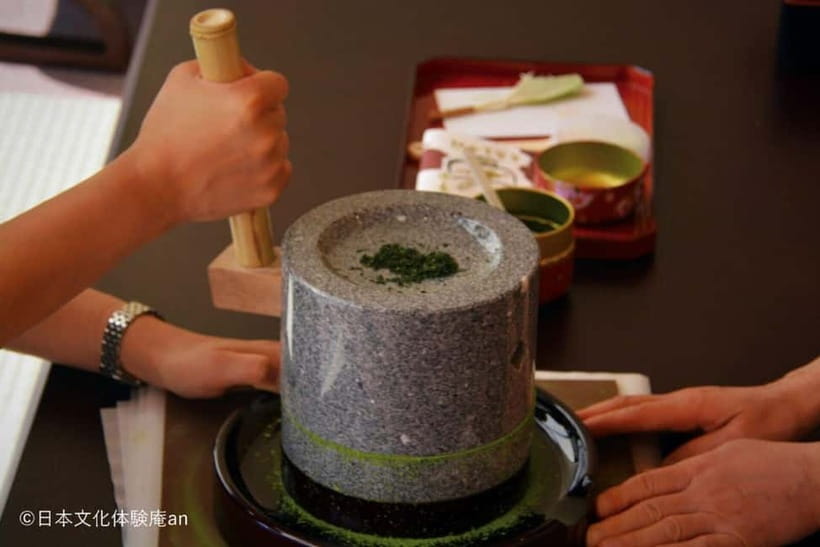
Ohigashi is the dried-type Japanese sweet portion. This is a great start because it focuses on texture and handling rather than complicated decoration.
You will make an Ohigashi style sweet using wasanbon, traditional Japanese sugar. Wasanbon is known for a different sweetness profile than regular refined sugar, and it tends to feel more delicate. In a class like this, that means you get to taste and work with something that feels distinct, even if you are new to wagashi.
You will also learn how the ingredients behave as you shape them. Even if the final look is simple, the key value here is understanding how a dried sweet sets and holds its form. That knowledge will make the later, more moldable Nerikiri portion easier to approach.
A small drawback: dried sweets can be a bit less forgiving if you rush the handling. But that is also why it is a good warm-up. You are learning the rhythm of the workshop without having to master a highly intricate decoration first.
A different sort of day in Japan:
- Mt Fuji and Hakone 1-Day Bus Tour Return by Bullet Train
★ 5.0 · 26,383 reviews - 1-Day Tokyo Bus Tour
★ 5.0 · 14,250 reviews - Tokyo: TOKYO SKYTREE® Admission ticket
★ 4.5 · 11,192 reviews - Tokyo: teamLab Planets TOKYO Digital Art Museum Entry Ticket
★ 4.6 · 9,779 reviews
Nerikiri: flower shaping plus Kinton Nerikiri
Nerikiri is where most people get nervous, and that is normal. Nerikiri is made with bean paste, and in this class you use white or red bean paste produced by Kyoto’s long-established shops. That Kyoto connection matters because it helps the filling taste more nuanced than generic paste.
You make two seasonal sweets. Seasonal here is practical, not just marketing. You get a sense of how wagashi changes with time of year, and you are not repeating the same flavor and shape formula.
The flower-shaped Nerikiri
You spend a block of time on a flower-shaped Nerikiri making step. This is less about perfect petals and more about consistent pressure and smooth shaping. If you have a steady hand, you will feel progress quickly.
If you do not, you can still do well. The workshop format gives you time, and the instructor provides guidance. Just plan to slow down. Nerikiri is one of those things where speed can ruin the surface.
Kinton Nerikiri
Next comes Kinton Nerikiri. This part is often trickier because it asks you to refine the shape and work with the paste while it stays workable. The good news is you still get that same calm pacing with the built-in break nearby.
This is the one place where the workshop can test you. You might find the Nerikiri process requires a bit of fine touch, especially if you are trying to match the intended form. But that is also why it feels authentic. You are not just assembling. You are practicing a classic wagashi technique.
By the time you finish Nerikiri, you are usually thinking two things at once. First, you finally understand why bean paste sweetness is not the same as Western sweetness. Second, you appreciate how much skill goes into making something that looks delicate.
Optional presentation upgrades
If you want a take-home presentation, you can add on extras. There is an option for a take-out box for 100 JPY, and adding color is 200 JPY. If you want a simple souvenir for someone back home, these are worth considering.
Matcha grinding and a relaxed tea ceremony
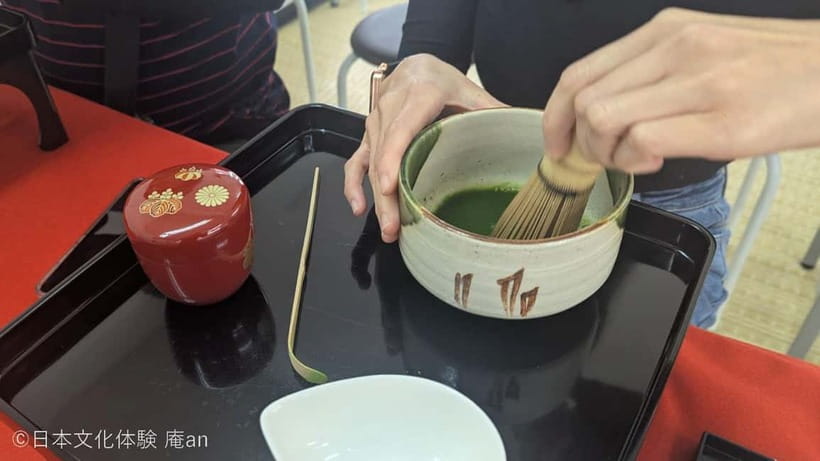
After the sweets, the mood shifts to tea. You get an explanation regarding tea, then you move into matcha grinding, and finally you do the tea ceremony experience.
One detail I especially like is that matcha is not treated as a background flavor. You see the grinding step through a demonstration, and then you get to make your own matcha. That hands-on moment changes how matcha tastes to you. It stops being just a green drink and becomes a crafted ingredient.
The instructor also explains background concepts. From what I learned in the experience style, you should expect discussion of types of okashi and the difference between green tea and matcha. That helps you place matcha correctly in your own tea knowledge, instead of treating it like a generic trend.
Whisking for foam
The tea ceremony portion includes whisking matcha. If you have ever seen the frothy surface of good matcha, this is the step that creates it. The workshop pace makes this feel manageable, even for first-timers.
One practical tip: once you start whisking, stay consistent. If you keep changing your motion, the foam can look uneven. You are aiming for a smooth, light foam, not aggressive bubbles.
Picture time and tasting
Right before you finish, there is picture time. Then you eat and drink. That is important. Sweets workshops are sometimes all hands and no taste. Here, you get to enjoy what you made while everything is still fresh.
Breaks, pace, and how to get the most out of it
The class includes two breaks. The first happens after the Ohigashi making phase, and the second occurs after more Nerikiri instruction and work time. These pauses are not filler. They help you reset your hands and your focus.
This pacing also helps with the hardest part for most people: Nerikiri shaping. If you push through fatigue, you start to squeeze too hard or rush smoothing. The breaks help you avoid that.
What should you do beforehand?
- Wear comfortable clothes, since the process involves sticky paste
- Keep your phone accessible for picture time
- Don’t overpack your schedule right before class, since delays are not accommodated
Also, remember this is an organized cultural experience, not a casual walk-in tasting. If you want the full value, you should plan to participate fully.
Who this workshop is perfect for
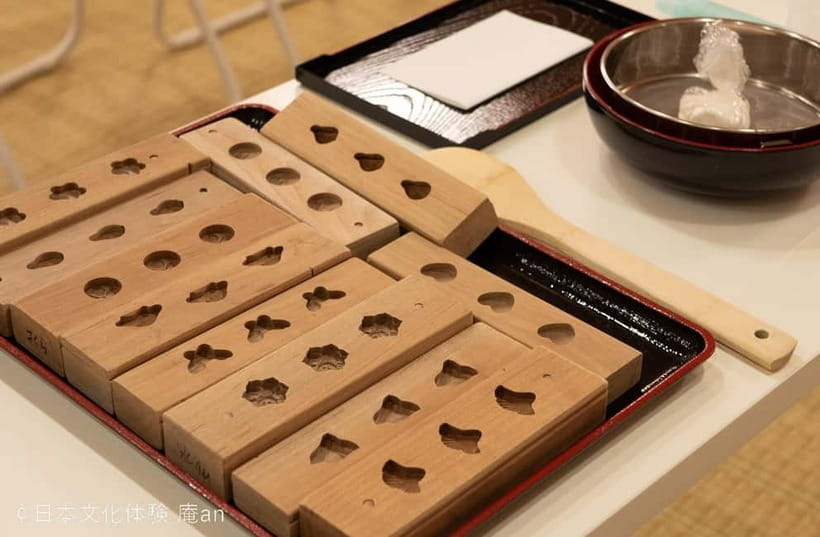
This is ideal if you want a practical, hands-on introduction to Japanese sweets and tea without needing a deep background. You do not have to know wagashi terms ahead of time. The class starts with traditional sweet basics, and you build from there.
It is also a good fit if you like small crafted skills. You will feel the difference between a dried sweet like Ohigashi and the shaped, bean-paste flexibility of Nerikiri. Then you switch to matcha, where texture and flavor depend on preparation.
If you are traveling with someone who likes food but gets impatient with long demonstrations, the structure helps. You actively make things, then you taste them, all within about two hours.
Less perfect for people who:
- Want only eating, no hands-on work
- Get frustrated with tasks that require fine touch
- Are looking for a purely historical museum-style experience rather than practice
Quick logistics you should know before you go
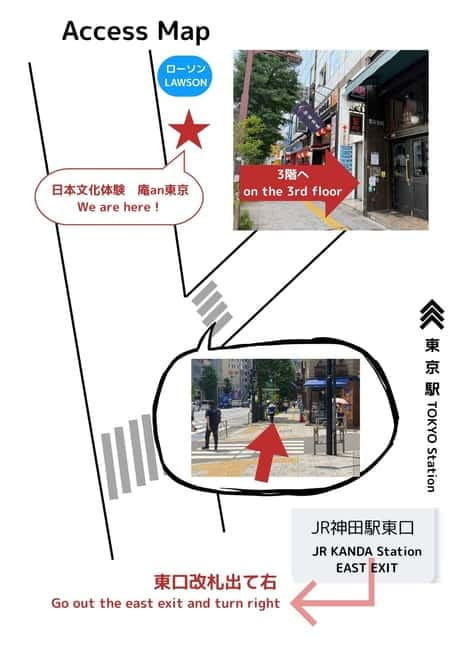
Operations run from 10:00 to 17:00. If you reserve after 17:00, it is processed next day. The class is taught in Japanese, with English translation provided as much as possible.
The experience is 125 minutes total, and room departure happens at the end with time for eating and drinking. If you want take-home items, remember the take-out box option costs extra.
If you care about flexibility, there is a free cancellation option up to 24 hours in advance for a full refund, and you can reserve now and pay later.
Should you book this Tokyo Japanese sweets and tea class?
I would book it if you want a real, hands-on introduction to wagashi and matcha. The mix of Ohigashi, seasonal Nerikiri, and the matcha and tea ceremony experience gives you three skills in one session. For $28, it is hard to beat the practicality of making two sweets plus preparing matcha.
I would think twice if you are very time-sensitive or you hate anything that involves fine shaping. Nerikiri is the part where many people slow down, and the nicest results come from patience.
If you are in Tokyo and you want an authentic, not-too-long food craft experience, this is a strong pick.
FAQ
How long is the experience?
It lasts 125 minutes, including instruction, breaks, making the sweets, the tea ceremony experience, and time to eat and drink.
What sweets will I make?
You will make Ohigashi (a dried-type Japanese sweet) and two seasonal Nerikiri sweets made with white or red bean paste.
Will I make matcha or just drink it?
You will grind matcha in a demonstration and then have a tea ceremony experience where you use your own matcha.
Are there English instructions during the class?
English translation is provided as much as possible, and the instructor is Japanese.
Is there anything I can buy to take home?
Yes. A sweets take-out box is available for 100 JPY. You can also choose to add color for 200 JPY, or buy an experience completion certificate for 300 JPY.
Where do I meet for the activity?
You meet at AN TOKYO Japanese Culture Experience.
What are the operating hours and what if I book late?
Operation hours are from 10:00 to 17:00. Reservations received after 17:00 will be processed next day.
Can I watch instead of participate?
No. Those who do not participate in the experience will not be allowed to enter. Children who sit on their parents’ laps are free of charge for children under 2 years old.
More Dessert Tours in Tokyo
- Tokyo: Matcha Making Experience with Mochi Sweets in Asakusa
★ 4.9 · 388 reviews - Japanese Traditional Sweets making and Tea Ceremony
★ 4.7 · 50 reviews - Japanese Traditional Sweets making
★ 4.1 · 19 reviews - Tokyo: Hama-rikyu Gardens tour with Japanese Tea & Sweets
★ 4.7 · 14 reviews
Newly listed around Tokyo
- Modern Vegan Night Foodie Tour in Tokyo★ 3.9 · 7 reviews
- Tokyo: Asakusa Night Waling & Food Tour★ 4.9 · 16 reviews
- Tokyo Vegan Food Tour★ 5.0 · 8 reviews
- Tokyo: Tsukiji Market Walking Tour & Sushi Cooking Class★ 4.6 · 122 reviews
- Tokyo: Tsukiji walk & sushi private tour with Uni Students★ 5.0 · 17 reviews
- Tokyo Tsukiji Food & Culture Private Tour Licensed Guide★ 4.9 · 28 reviews
- Tokyo: Tsukiji Fish Market Culture Tour with Sashimi Tasting★ 4.6 · 54 reviews
- Tokyo: Tsukiji Market Guided Tour & Sushi-Making Experience★ 4.4 · 11 reviews
Matcha & Tea Ceremony Sessions, compared.
Tea Ceremony in a Traditional Tea House in Kiyomizu
Read our review →
World Heritage Kyoto & Nara Uji Authentic Matcha Experience
Read our review →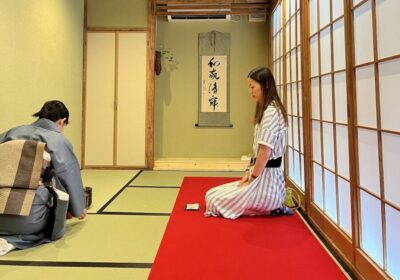
Browse the lists this tour appears in