
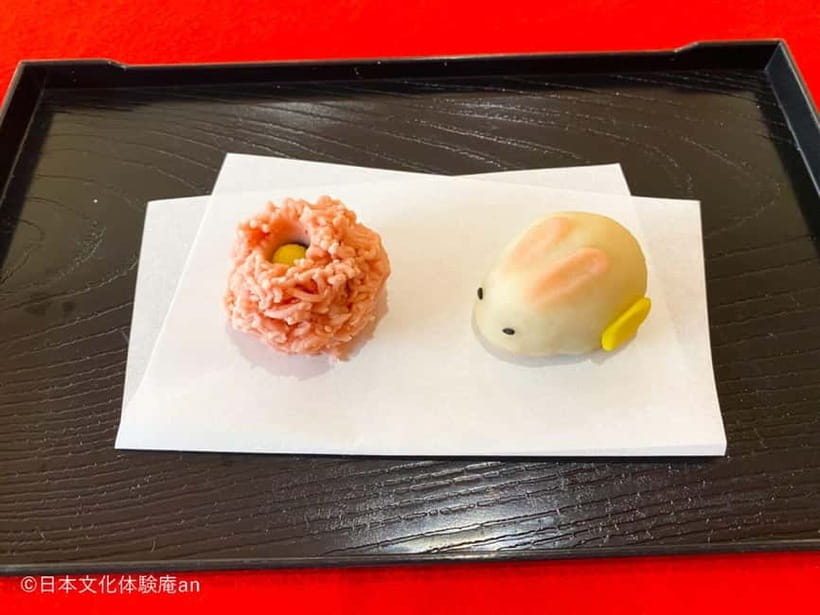
Review · MATCHA & TEA CEREMONY SESSIONS
Japanese Traditional Sweets making with Tatedashi Matcha
Handmade sweets feel like instant art. In this 65-minute class in Honshu, you shape Nerikiri with Kyoto-sourced bean paste, then eat what you made with Tatedashi Matcha at the end. You also build two seasonal sweets, so it feels more like a real craft lesson than a one-shot demonstration.
The best part is that the ingredients are serious, the work is practical, and the result is something you can plate and enjoy right away. One possible drawback: classes can feel crowded, so expect a shared pace and limited one-on-one attention.
In This Review
- Key points before you go
- Nerikiri and Tatedashi Matcha, the practical way
- Getting to the meeting point near Gojo Station
- The 65-minute flow: flower Nerikiri, then Kinton Nerikiri
- Seasonal Nerikiri: why making two sweets feels like real value
- Taste on the spot: Tatedashi Matcha with your own sweets
- Instructor-led shaping, and what to expect from the class style
- Price and value: $14 for two sweets plus matcha
- Who should book this Nerikiri class
- Should you book it?
- FAQ
- What do I make in the class?
- How long is the experience?
- Is Tatedashi Matcha included?
- Can I eat the sweets on site?
- Where is the meeting point?
- What languages are used?
- Is it accessible for wheelchair users?
- Are there any extra costs?
Key points before you go
- Kyoto long-established bean paste made for both white and red styles
- Two seasonal Nerikiri sweets you make yourself
- Flower-shaped Nerikiri plus Kinton Nerikiri in the same session
- Tatedashi Matcha included, served with time to eat your sweets on the spot
- Picture time built in, so you can document your finished plate
- Quick 65-minute format that fits between sightseeing plans
Nerikiri and Tatedashi Matcha, the practical way
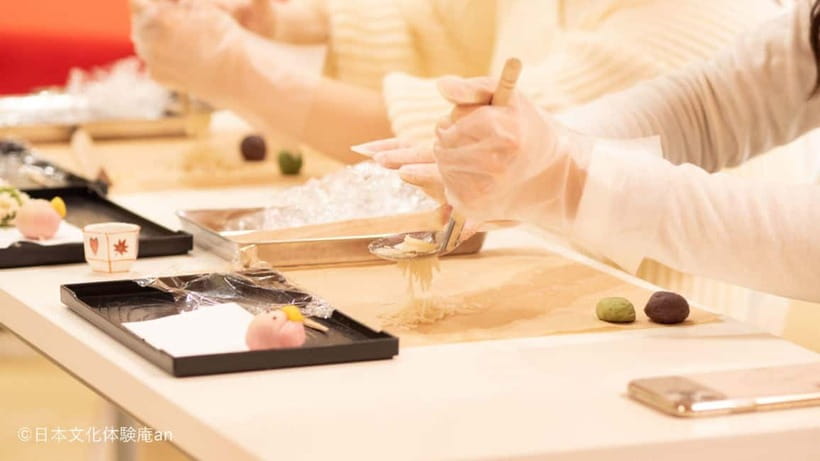
Japanese sweets classes can go two ways: either you watch, or you make. This one puts you in the maker seat. You will shape Nerikiri sweets, using real bean paste made by long-established Kyoto shops. That matters, because it is the difference between a craft that feels real and a craft that feels like you are working with generic ingredients.
You also do not end the experience on an empty stomach. After the sweet-making portion, you get Tatedashi Matcha and time to eat and drink what you created. That is a simple but smart value-add. You learn by doing, then you taste immediately, so your brain connects technique to flavor.
The format is also short enough to stay fun. You get a clear start, a focused run, then a finish. And based on what I saw in the class vibe, it is best for people who like hands-on activities and do not need a deep lecture to enjoy themselves.
More Tea Ceremonies in Kyoto
- Kyoto: Tea Ceremony in a Traditional Tea House in Kiyomizu
★ 4.9 · 3,519 reviews - Kyoto: Tea Ceremony Ju-An at Jotokuji Temple
★ 4.9 · 3,207 reviews - Kyoto: 45-Minute Tea Ceremony Lesson Experience
★ 4.3 · 2,378 reviews
Getting to the meeting point near Gojo Station
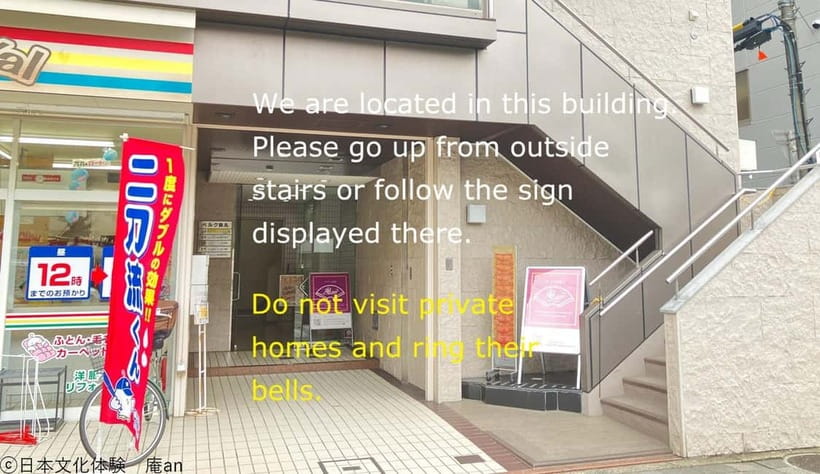
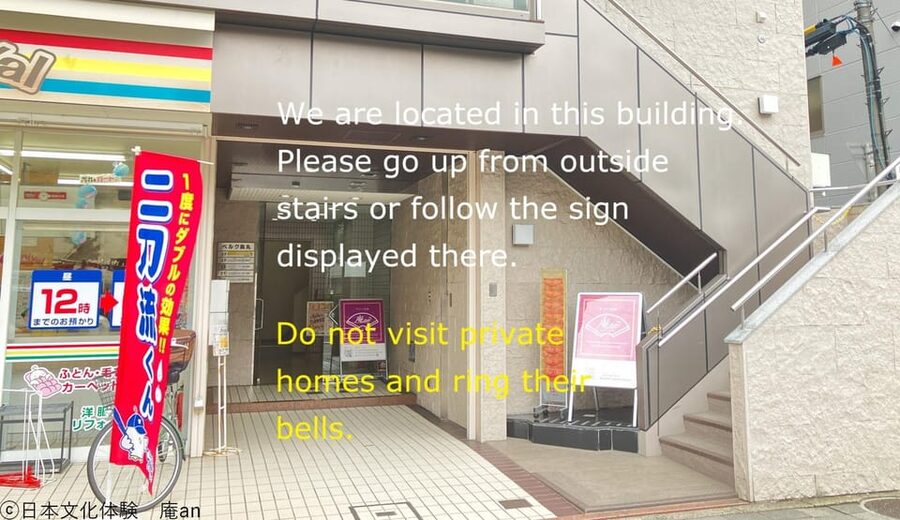
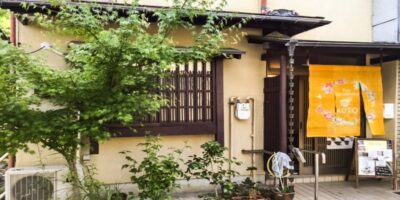
You meet 1 minute walk from Exit 1 of the Subway Karasuma Line Gojo Station. The store entrance faces Gojo-dori, which makes navigation easier than it sounds. If you follow that street orientation, you should find the door without turning it into an urban scavenger hunt.
One logistical note to keep in mind: there is no elevator, and you will need stairs to reach each venue. The activity is marked wheelchair accessible, but the lack of an elevator means you should plan for stairs if you or anyone in your group needs that.
Also, you cannot expect them to wait for late arrivals. The event will not be held to accommodate delays. So show up close to on time, not 15 minutes after you think it starts. This is one of those experiences where good timing protects the whole session for everyone.
The 65-minute flow: flower Nerikiri, then Kinton Nerikiri
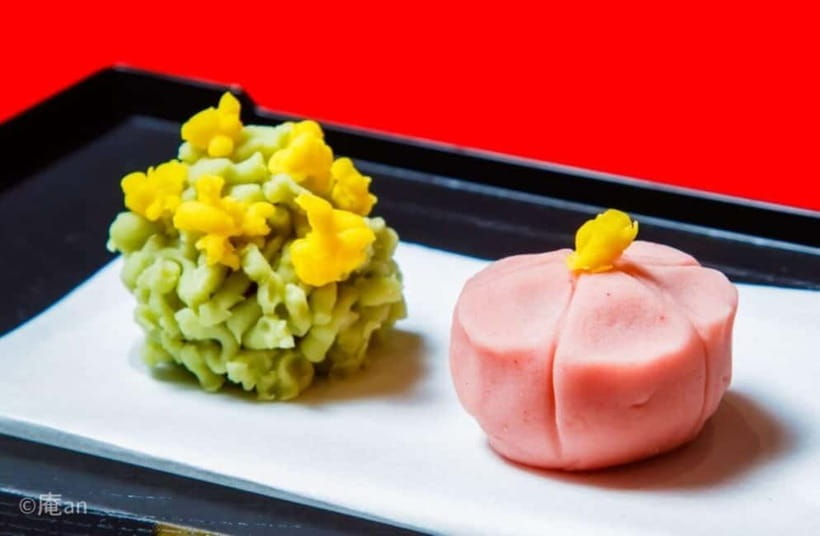
This class runs 65 minutes total, with a clear rhythm.
First, you get an explanation about Japanese traditional sweets. It is not a long history lecture. It is more like a quick orientation so you know what you are about to do.
Then comes the main hands-on work: you make two seasonal Nerikiri sweets.
1) Flower-shaped Nerikiri making
You learn the shaping process by crafting a flower form. It is a great warm-up because the design is immediately visual. Even if your first version is not gallery-perfect, you still get the satisfaction of seeing the shape take form.
2) Kinton Nerikiri making
After that, you move into Kinton Nerikiri. This is the second sweet you will make yourself, so you are not just repeating the same step. Doing two different pieces helps the time feel full instead of repetitive.
At the end, there is picture time. Then the Tatedashi Matcha portion starts, and you get eating and drinking time before room departure at 65 minutes.
Seasonal Nerikiri: why making two sweets feels like real value
Making just one sweet would be cute. Making two, both tied to the season, gives you a stronger sense of accomplishment. You get variety in the same session, which also helps if you are traveling with someone who has different taste preferences. One person can love the flower look, while the other might prefer the second style.
It also changes how you approach the class. With two sweets, you have a chance to improve during the session. Your hands learn quickly. Your pacing improves. And when you put the finished sweets on a plate, it feels like you made something you can actually present, not just a craft you will shove into a bag.
One more small but meaningful detail: you are encouraged to feel free to try the sweets. That points to a philosophy of participation. You learn by tasting and adjusting, which is how you end up with something you genuinely want to eat.
A different sort of day in Japan:
- PERFECT KYOTO 1-Day Bus Tour
★ 5.0 · 13,518 reviews - Kyoto: Fushimi Inari, Kinkakuji, Bamboo Grove 1 Day Bus Tour
★ 4.8 · 4,316 reviews - Kyoto Geisha Walking Tour: Gion District & Hidden Gems
★ 4.7 · 3,273 reviews - Kyoto: Gion Geisha District Walking Tour – Stories of Geisha
★ 4.7 · 2,187 reviews
Taste on the spot: Tatedashi Matcha with your own sweets
This is not a take it and forget it experience. You get your Tatedashi Matcha after the sweet-making portion, plus time to eat and drink on site.
That timing is ideal for most people. You are fresh from shaping, so the flavors make sense right away. You also avoid the common frustration of buying sweets in a hurry and realizing later that you did not enjoy them properly.
If you want a souvenir for later, there is an option, but it is not included. A sweets take-out box costs 100 JPY. There is also a completion certificate available for 300 JPY if you want something official to go with your memories. The default, though, is built around enjoying what you make right then.
Instructor-led shaping, and what to expect from the class style
The instructor is Japanese, and English translation is provided as much as possible. If you need more help with language, you can contact them to add it.
Now, about the overall feel. One thing you should be aware of: the class can get busy. A larger group can mean less personal space and a shared pace. If you want a slow, quiet workshop with constant individual correction, plan for a more communal setup.
At the same time, the upside of that structure is momentum. The class does not drag. You get guidance, you get moving, and you end with tasty results. And the sweets are described as tasty, so you are not only making something pretty.
If you are bringing kids, the experience can work well because it is hands-on and playful. One caution from a past experience: if you expect a detailed breakdown of what the sweet ingredients are doing, you might find it more like playful shaping than a scientific lesson. For some families, that is exactly the point.
Price and value: $14 for two sweets plus matcha
At $14 per person, this class costs roughly what you would spend on a good meal plus a dessert on top. Here, you get more than a snack. You get the process, you get two seasonal sweets you make yourself, and you get Tatedashi Matcha included.
The value jumps further because the class uses white/red bean paste produced by Kyoto’s long-established shops. That is the kind of ingredient detail that elevates the experience from generic to authentic. Even if you are not a “food expert,” better ingredients make better tasting sweets, and you can taste that immediately at the end.
If you want extras, there are add-ons:
- Take-out box: 100 JPY
- Completion certificate: 300 JPY
But you can keep it simple. Most people will be happy with the included experience and the on-the-spot tasting.
Who should book this Nerikiri class
This is a strong fit if you want a hands-on cultural activity without a huge time commitment. You will learn in about an hour, then you eat what you made with matcha. That makes it ideal for a break from walking all day. Think of it as a reset button.
You will also like it if you enjoy crafts where the final product matters. The class even includes picture time, which tells you they expect you to take pride in your plate.
Consider a different option if:
- You are sensitive to crowding and crowded workstations
- You want lots of deep ingredient theory, not just practical shaping
Families can consider it too. Children under 2 who sit on their parents’ laps are free of charge. Just remember the experience involves stairs to reach venues.
And if you are traveling with a group, it can be a good shared activity. You get a fun story to tell later, plus actual sweets to taste.
Should you book it?
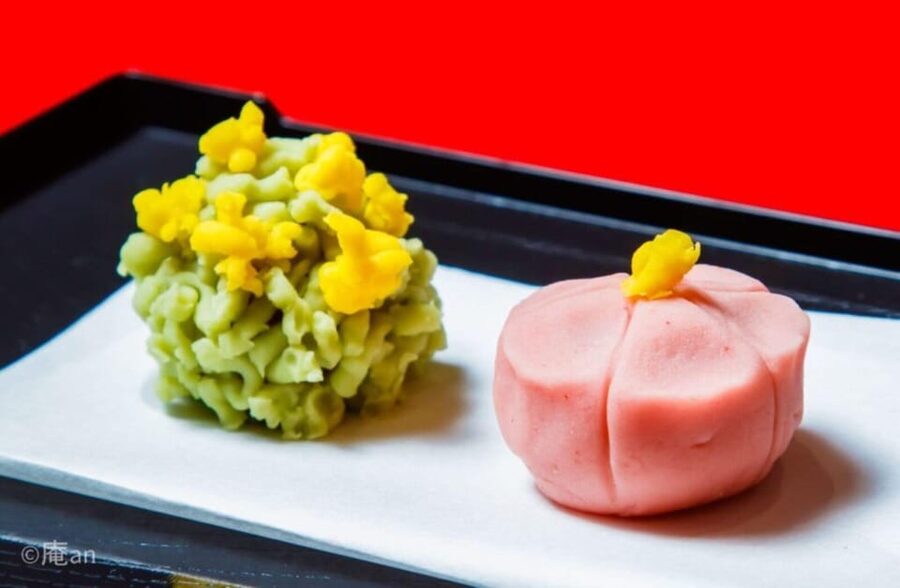
Book this class if you want two seasonal Nerikiri sweets made by your own hands, plus Tatedashi Matcha served at the end. The price feels fair for the time and included tasting, especially with Kyoto-style bean paste doing the heavy lifting.
Skip it or adjust your expectations if you dislike busy classrooms or you want a slow, highly individualized workshop. This is a friendly, active session with a clear agenda, not a private masterclass.
If you are in Kyoto and you want a hands-on cultural stop that ends with something you can eat immediately, this one is worth your time.
FAQ
What do I make in the class?
You will make two seasonal Japanese traditional sweets called Nerikiri. The session includes flower-shaped Nerikiri making and Kinton Nerikiri making.
How long is the experience?
The experience lasts 65 minutes.
Is Tatedashi Matcha included?
Yes. Tatedashi Matcha is provided after the sweet-making portion, and there is time to eat and drink.
Can I eat the sweets on site?
Yes. You are welcome to try and eat the sweets on the spot.
Where is the meeting point?
Meet 1 minute walk from Exit 1 of the Subway Karasuma Line Gojo Station. The store entrance faces Gojo-dori.
What languages are used?
The activity language is Japanese. English translation is provided as much as possible, and you can contact them if you would like to add it.
Is it accessible for wheelchair users?
The activity is wheelchair accessible, but there is no elevator in the building. You will need stairs to reach each venue.
Are there any extra costs?
A sweets take-out box costs 100 JPY if you want one. A completion certificate is 300 JPY if you want that option.
More Dessert Tours in Kyoto
- Kyoto: Japanese Traditional Sweets Making and Tea Ceremony
★ 4.4 · 314 reviews - Japanese Traditional Sweets ”Nerikiri” making
★ 4.3 · 17 reviews - 2 Types of Japanese Sweets making and Tea Ceremony
★ 4.6 · 17 reviews - Matcha Making Class in Tokyo with Authentic Japanese Sweets Set
★ 5.0 · 744 reviews
Newly listed around Kyoto
- Kyoto: Kimono Rental in Gion Provided by RikaWafuku★ 4.6 · 8 reviews
- Japanese Traditional Sweets ”Nerikiri” making★ 4.3 · 17 reviews
- Japanese Sake Breweries Tour in Kyoto Fushimi★ 4.3 · 13 reviews
- Itajime Shibori Scarf Class at Kyoto Shibori Museum★ 4.9 · 24 reviews
- Insider Kyoto Ramen Tour★ 5.0 · 7 reviews
- Inside of Fushimi Inari – exploring and lunch with locals★ 4.9 · 30 reviews
- Gyoza Cooking Class in Kyoto: Traditional Japanese Dumplings★ 5.0 · 12 reviews
- Full-Day Kyoto Walking Tour: Most Iconic Landmarks & Monkeys★ 5.0 · 6 reviews
Matcha & Tea Ceremony Sessions, compared.
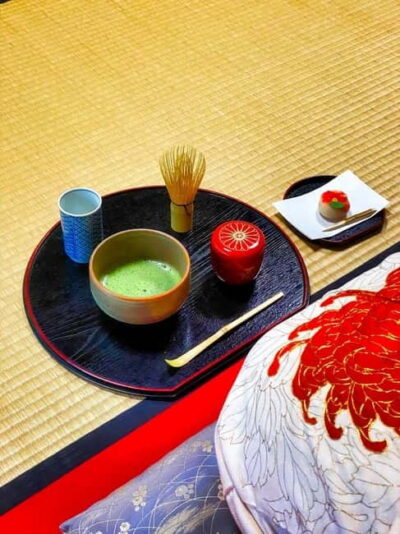
Tea Ceremony in a Traditional Tea House in Kiyomizu
Read our review →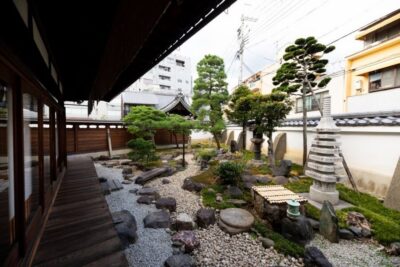
World Heritage Kyoto & Nara Uji Authentic Matcha Experience
Read our review →
Browse the lists this tour appears in