Review · SUSHI COOKING WORKSHOPS
Kyoto: Cooking class, learning how to make authentic sushi
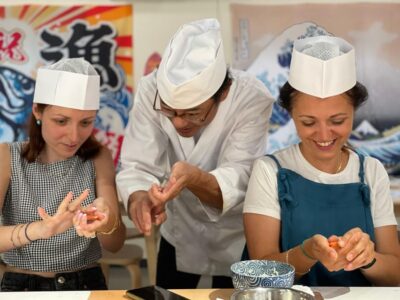
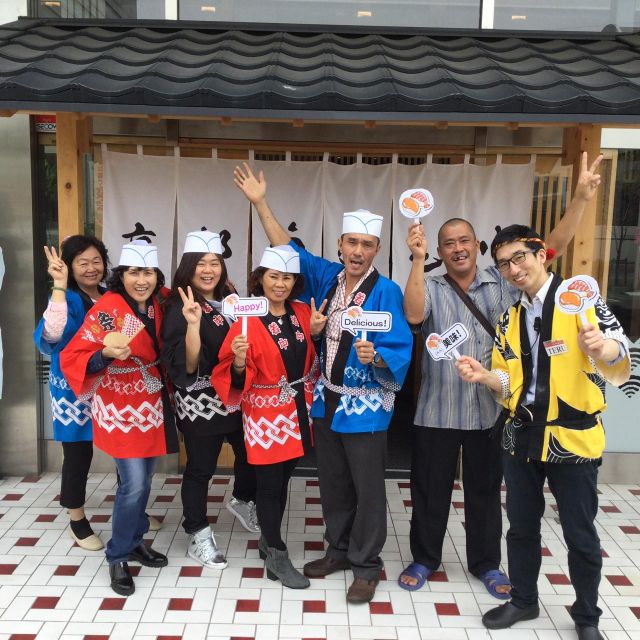
The first time you shape sushi rice, Kyoto feels close up. This 90 minute class mixes hands on technique with Japanese spirit themed moments, and you also get to wear a Happi outfit while you cook.
I love that the ingredients are already prepped for beginners, so you can focus on learning instead of hunting down tools or toppings.
One thing to consider is that the hands on output is fairly compact, centered on eight pieces of sushi, so if you want lots of variety beyond basic nigiri, you may feel the value is tighter.
In This Review
- Key things that make this class worth your time
- Happi, Japanese spirits, and the mood of a sushi school
- Getting there from Takeda Station, then a short walk
- The real starting line: shari, or sushi rice with vinegar
- Picking toppings that match your diet, skill level, and curiosity
- Shaping nigiri and building confidence fast
- Japanese spirits experience, certificate, and why the ending matters
- What you actually eat: eight pieces, seasonal toppings, and mindset
- Price and value: $113 for 90 minutes, the good and the tradeoff
- Who should book this Kyoto sushi workshop
- Practical tips before you go (so the class feels easy)
- Should you book it?
- FAQ
- Is sushi making taught step-by-step for beginners?
- What will I make during the class?
- Are vegetarian, vegan, and Muslim options available?
- Can I request gluten-free, allergy, or non-raw options?
- Do I get to wear traditional clothing?
- Does the price include anything besides sushi?
- Is a drink included?
- Is warm udon included?
- Where do I meet the instructor?
- FAQ
- Is the class held even if the weather is bad?
- Is the building wheelchair accessible?
Key things that make this class worth your time
- Happi rental clothing included, with multiple styles to choose from
- Shari (vinegar rice) practice as the foundation before you touch toppings
- English-speaking instructor plus support for dietary needs like vegan, vegetarian, and Muslim friendly options
- Japanese spirits experience built into the flow, not just a quick photo moment
- Certificate of completion and graduation ceremony, plus souvenir photography
Happi, Japanese spirits, and the mood of a sushi school
Kyoto sushi classes can be very different depending on the tone. Here, the energy feels like a small ceremony as much as a cooking lesson. You start by getting into the right mindset, then you put on traditional clothing, Happi, and you’re ready to work with your hands.
Two parts of this experience stick with me for different reasons. First, the atmosphere is welcoming and straightforward, which matters when you are learning something as fussy as sushi rice. Second, the instructor experience is clearly the point, with an English-speaking guide and a hands on pace that keeps beginners from feeling lost.
The one drawback to plan for is how tightly the class is structured. You will make a set amount of sushi, typically eight pieces, and the course content can feel more foundational than expansive. If you were hoping for advanced variety, multiple fish cutting stations, or a long tasting menu, adjust your expectations before you book.
More Cooking Classes in Kyoto
- Ramen Cooking Class at Ramen Factory in Kyoto
★ 5.0 · 1,937 reviews - Kyoto: Ramen Cooking Class at a Ramen Factory with Souvenir
★ 4.9 · 532 reviews - Kyoto: Ramen, Gyoza, and Onigiri Cooking Class
★ 5.0 · 445 reviews
Getting there from Takeda Station, then a short walk
The meeting point is easy once you know the basic route: get off at the west entrance of Takeda Station on the Kintetsu line or Subway line. Then take a city bus to the bus stop in front of Puls Plaza.
From there, it is a simple street walk. Go down the road and turn right at the first corner. If you turn left at the first corner after that, you should see the school on your right.
This matters because you are not just arriving, you are arriving on schedule for the 90 minute session. I recommend giving yourself buffer time, especially if you are coordinating bus timing. The good news is the building is close to public transportation, and the class runs no matter the weather, so you are not waiting for perfect conditions.
Small practical note for mobility: there is no elevator. Staff can help with stairs if you need it, so if stairs are tough for you, arrive a little earlier so you have time to settle in.
The real starting line: shari, or sushi rice with vinegar
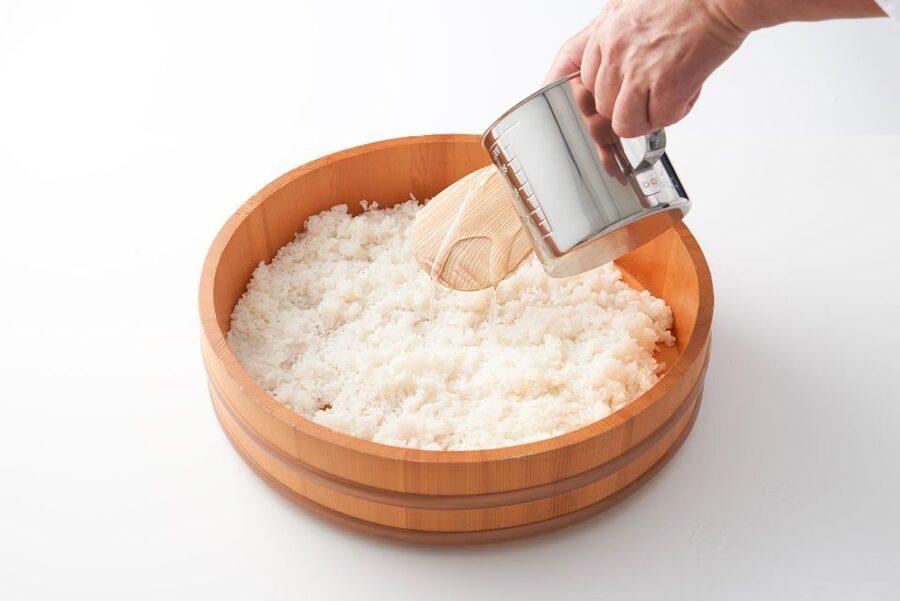
Every sushi workshop claims you will learn the basics. This one actually starts there, with shari (also called sumeshi), the vinegar rice that makes or breaks the bite.
You will learn how to mix a specially blended vinegar into freshly cooked rice, and you also learn that there is a trick to doing it well. That part matters because sushi rice is not just cooked grains. You are aiming for rice that tastes right and feels right when it is shaped and topped.
One detail I like for first timers is that the class prep does not leave you totally empty handed. Ingredients for your session are already cut in advance. So your energy goes into mastering the sequence: rice first, then toppings, then shaping.
If you want to go deeper, you can. The class is open to questions about fish cuts, so if that is your goal, ask during the session rather than assuming you will not get the chance.
Picking toppings that match your diet, skill level, and curiosity
Once the rice work is underway, the class shifts into choosing and building. You can select from different toppings, including items like green onion and ginger, and you can customize what you top your sushi with.
The value here is that the menu is described as friendly to many diets. You can get options that work for vegetarians, vegans, and Muslims. You can also request allergy options, plus other variations like non-raw and gluten-free. That flexibility is not always common in hands on food classes, so it is worth treating it as a real feature, not a footnote.
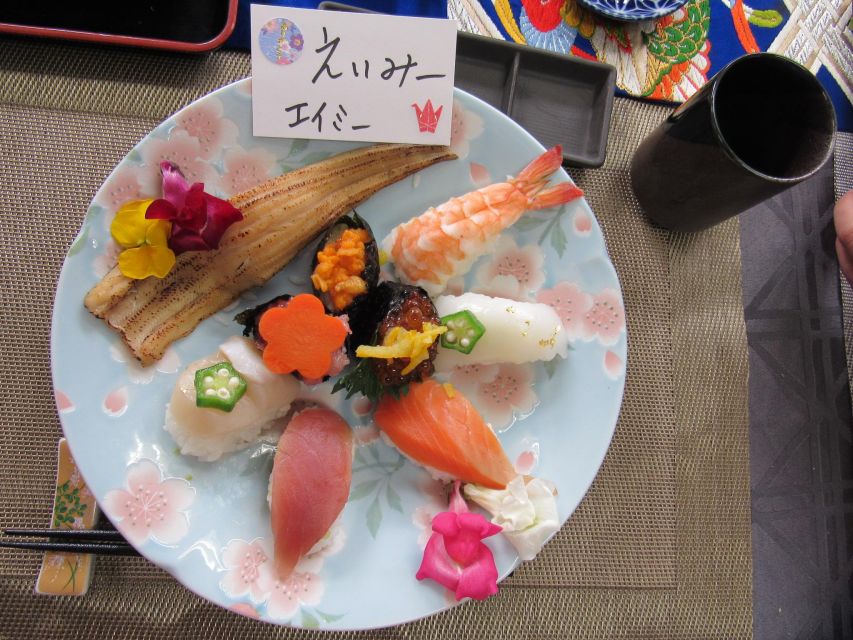
What you eat is meant to feel seasonal and also special. The class highlights rare, higher end style toppings you might experience, like extra fatty tuna, and a sweet, almost creamy fresh red shrimp. You may or may not get the exact same seafood depending on the season, but the point is that you are not only making filler nigiri.
If you want something more challenging, you can ask about fish cutting. If you want a smoother first lesson, focus on shaping and topping your set pieces carefully. Either way, you leave with a small skill boost you can actually use again later.
More Cooking Workshops in Kyoto
- Kyoto: Japanese Washoku Bento Small Group Cooking Class
★ 5.0 · 380 reviews - Kyoto: Afternoon Japanese Izakaya Cooking Class
★ 4.9 · 241 reviews - Izakaya Style Cooking Class
★ 5.0 · 219 reviews - Sushi – Authentic Japanese Cooking Class – the best souvenir from Kyoto!
★ 5.0 · 93 reviews
Shaping nigiri and building confidence fast
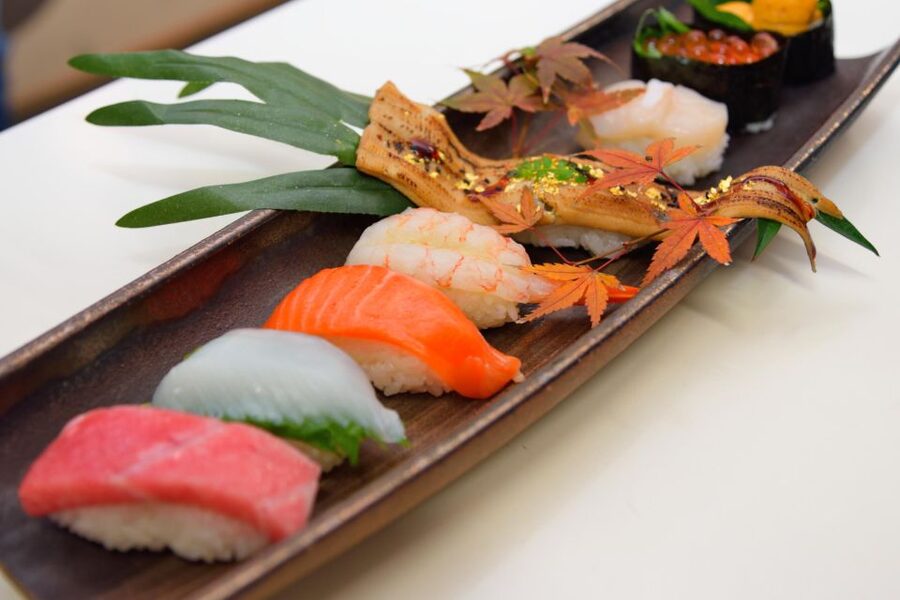
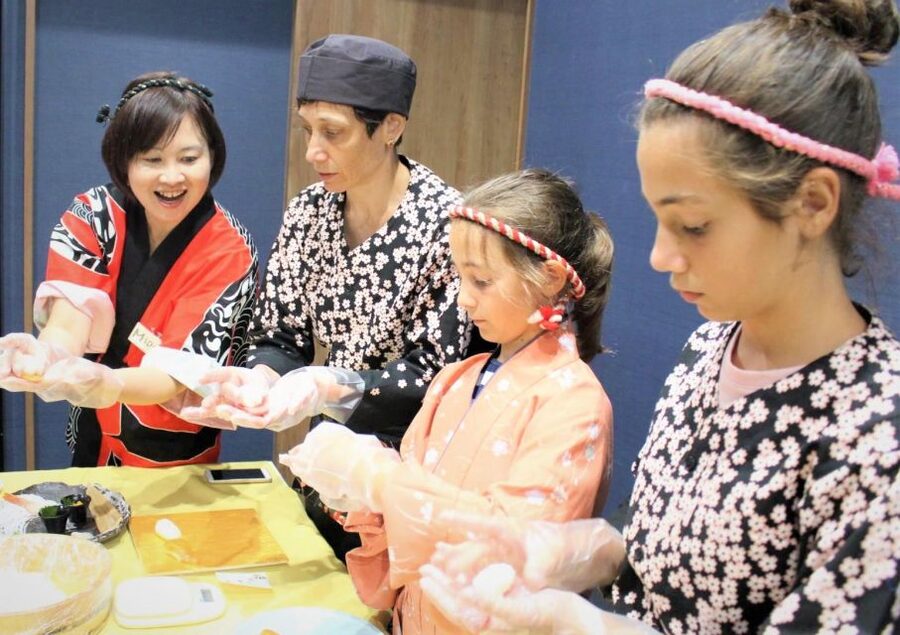
Making nigiri is where most first time sushi students get nervous. You have to get rice texture right, and you have to place toppings with a light hand. The class is designed so beginners are welcome, largely because your ingredients are already prepped and your instructor guides the steps.
This is also where wearing the Happi can help your brain. It gives the session a clear identity, not just a random cooking lesson. You move from observer to maker, and you get to see how small movements change the final look and bite.
You can also choose how adventurous you want to be. The structure is straightforward, but the instructor encourages questions. If you want to learn fish cuts, you can ask. If you just want to nail the core rice and topping method, you can keep it simple and still finish satisfied.
Japanese spirits experience, certificate, and why the ending matters
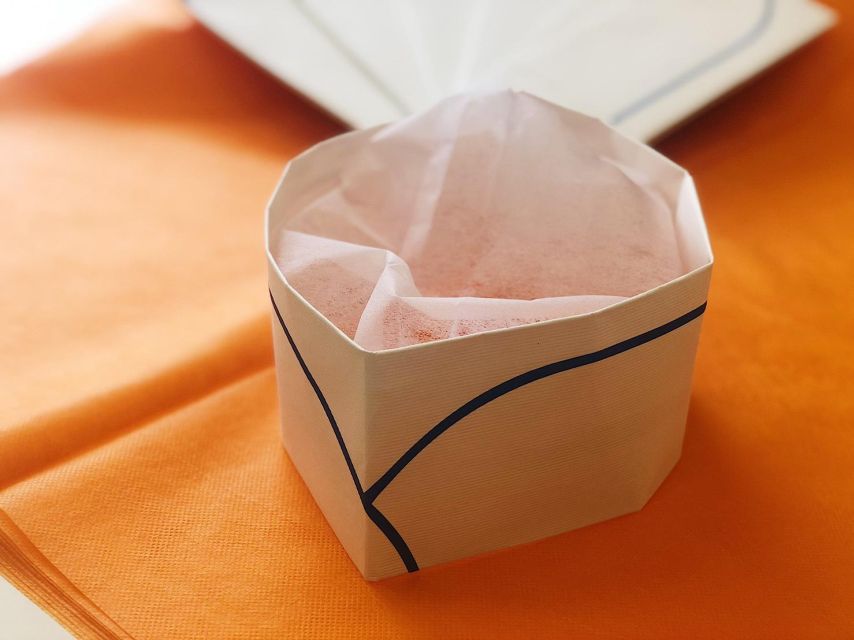
A sushi workshop is normally about eating. This one makes the end feel like a completion moment.
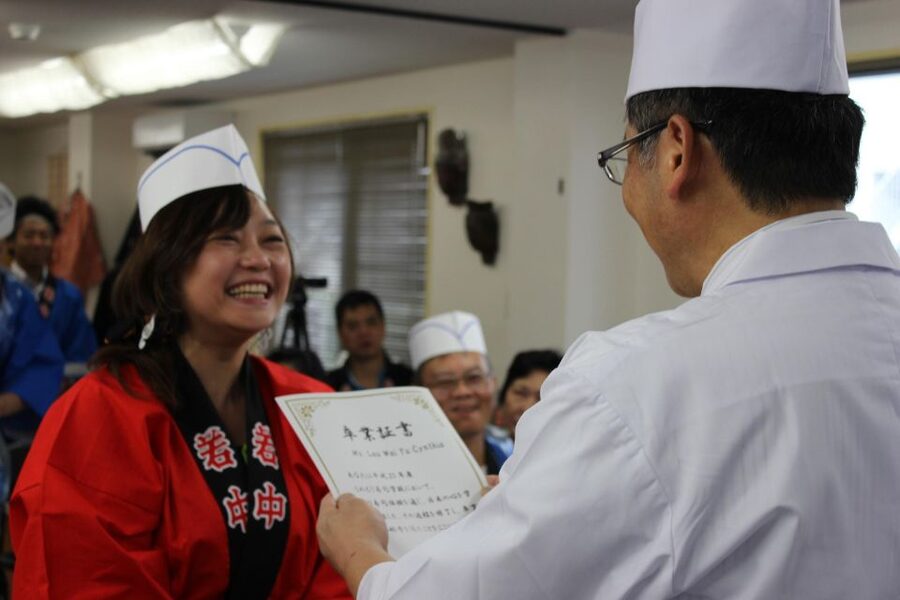
Along the way, you have an experience linked to Japanese spirits. The course also includes rental clothing, and it builds in graduation style elements at the end: a certificate of completion and a graduation ceremony. Then you get souvenir photography.
I like this ending because it turns a one time class into something you can remember clearly. When you get your certificate, it is not abstract. It is attached to the rice you made and the pieces you shaped.
And yes, you actually eat what you make. You do not just watch, snack, and leave. You finish the class with the eight pieces of sushi from your session, so the learning converts into a meal.
What you actually eat: eight pieces, seasonal toppings, and mindset
Your meal is part of the class plan: you will eat the sushi you make. The provided details specify 8 pieces of sushi, and the toppings are described as variable by season.
For first timers, that structure is a plus. Eight pieces is enough for variety in topping choices without turning the workshop into a marathon. It also keeps the class focused on technique, especially the shari foundation.
One practical thing to notice is what is not included. Drink is not included, so if you want something specific, plan to buy it separately. Warm udon is optional, not part of the base experience, and other dishes like tempura or shabu-shabu are also not part of the included menu. In other words, this class is about sushi skill and sushi eating, not a full Kyoto food tour in one sitting.
If you are vegetarian, vegan, or Muslim, you should still plan your expectations around sushi style flavors. The menu is designed to accommodate you, but you are still learning how to combine rice with topping ingredients in a Japanese sushi format.
Price and value: $113 for 90 minutes, the good and the tradeoff
At $113 per person for a 90 minute class, you are paying for instruction plus included extras. What you get is not only a cooking lesson. You also get an English-speaking instructor, lecture time, rental clothing (Happi), certificate and graduation ceremony, souvenir photography, and a meal made from your own work.
That adds up to more than just ingredients and rice. You are essentially buying a guided experience with a clear endpoint and a photoable souvenir. If you want a memorable Kyoto activity that feels cultural and interactive, this pricing starts to make sense.
The tradeoff is quality of depth. One caution I take seriously from the feedback is that the workshop can feel basic for the price if you expected lots of hands on variation. If your dream is advanced fish cutting, many different sushi styles, or a long list of seafood techniques, this may not match that wish.
So I treat this as a best fit for first timers and skill builders who want a calm, guided intro with a real meal at the end. It is a strong value if you are there to learn and enjoy the process, not to complete an intensive master class.
Who should book this Kyoto sushi workshop
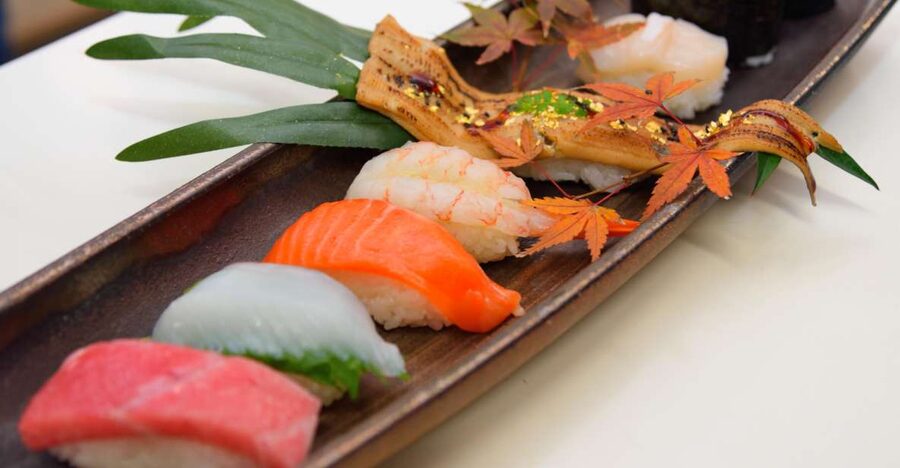
This class fits a specific kind of traveler. If you like doing one thing well, learn a technique, and then eat it, you will probably enjoy it.
You should strongly consider booking if:
- You are new to sushi making and want shari practice first
- You want an English-speaking guide and a beginner friendly setup
- You need dietary friendly options, including vegan, vegetarian, and Muslim friendly meals
- You want a cultural add on through Happi and a ceremony style finish
It may be less ideal if:
- You want a wide range of sushi styles or lots of advanced fish cutting focus
- You are only motivated by maximum menu variety rather than learning the core steps
Age matters too. It is not suitable for children under 3 years. Pets are not allowed (assistance dogs are allowed), and smoking indoors is not allowed.
Practical tips before you go (so the class feels easy)
I recommend thinking of this as a short lesson with a meal, not a casual snack. Arrive with a plan to focus for 90 minutes, because you will be mixing vinegar rice, choosing toppings, and shaping your pieces.
Bring a flexible attitude toward seasonality. Toppings can vary, so if you are excited about a specific seafood, the best move is to enjoy what is available that day.
Also, plan your clothing mindset. You will be renting Happi, so wear comfortable clothes underneath and keep it simple.
Finally, if you have allergies or need non-raw or gluten-free options, you should mention it ahead of time so the class can match you with the right ingredients.
Should you book it?
Book this Kyoto sushi class if you want a guided first step into sushi making, with shari learning, Happi outfit fun, and a finish that feels celebratory thanks to the certificate and graduation ceremony. The included meal of eight pieces makes it easy to justify the price as more than a demo.
Skip it or reconsider if you are chasing advanced depth, lots of complex variety, or a long multi-dish cooking program. At $113 and 90 minutes, the focus is on core technique and a satisfying personal meal, not on covering every sushi skill under the sun.
FAQ
Is sushi making taught step-by-step for beginners?
Yes. The class prepares ingredients that have already been cut, and it starts with learning how to make shari or sumeshi, the vinegar rice used for sushi.
What will I make during the class?
You will make sushi during the course, and you eat what you make. The included portion is 8 pieces of sushi.
Are vegetarian, vegan, and Muslim options available?
Yes. The menu is described as friendly to vegetarians, vegans, and Muslims.
Can I request gluten-free, allergy, or non-raw options?
Yes. The tour notes that allergies and options like non-raw and gluten-free are available.
Do I get to wear traditional clothing?
Yes. You get rental cloth (Happi), and you can choose from various kinds of clothes.
Does the price include anything besides sushi?
Yes. Included items cover a lecture about making sushi, an experience of Japanese spirits, your sushi meal, the rental clothing, toppings you choose, a completion certificate and graduation ceremony, souvenir photography, and an English-speaking instructor.
Is a drink included?
No. Drink is not included.
Is warm udon included?
Warm udon is optional, so it is not included as part of the base experience.
Where do I meet the instructor?
Meet at the west entrance of Takeda Station. Take a city bus to the bus stop in front of Puls Plaza, then walk down the street and turn right at the first corner to find the school on your right.
FAQ
Is the class held even if the weather is bad?
Yes. The tour is held no matter the weather.
Is the building wheelchair accessible?
Yes, wheelchair accessible. However, there is no elevator, and staff can help with stairs if needed.
More Sushi Workshops in Kyoto
- The Original Small-Group Sushi Making Class in Kyoto
★ 5.0 · 436 reviews - Kyoto: Small-Group Authentic Sushi Making Workshop
★ 5.0 · 137 reviews - Private Kyoto Sushi Cooking Class & Tea Ceremony with Emika
★ 5.0 · 66 reviews - Kyoto: Enjoy Sushi & Market Tour! Best for Family & Couple!
★ 4.8 · 20 reviews
Newly listed around Kyoto
- Kyoto: Enjoy Sushi & Market Tour! Best for Family & Couple!★ 4.8 · 20 reviews
- Kyoto: Early Bird E-Bike Tour with Lunch★ 5.0 · 14 reviews
- Kyoto Early Bird English Tour: Fushimi-Inari and Arashiyama★ 4.8 · 40 reviews
- Kyoto: Discover Every Bit of Kyoto Imperial Palace★ 4.4 · 21 reviews
- Kyoto: Nishiki Market Food Tour★ 4.9 · 21 reviews
- Kyoto: Guided Tour in UNESCO Site, Kiyomizu-dera – 90 Min.★ 5.0 · 7 reviews
- Kyoto: Lunch or Dinner with Maiko★ 4.2 · 52 reviews
- Kyoto: Customizable Full-Day Tour with Privarte Transfers★ 3.5 · 13 reviews
Sushi Cooking Workshops, compared.
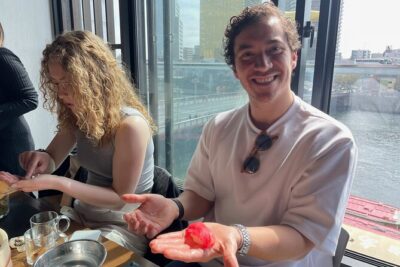
Sushi Making Tokyo Roll and Authentic Japanese Sushi Class
Read our review →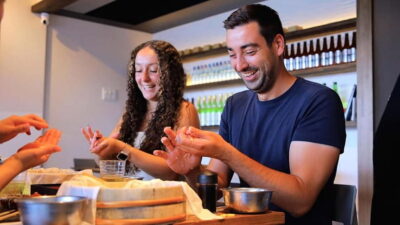
Roll and Authentic Sushi Making Class in Asakusa
Read our review →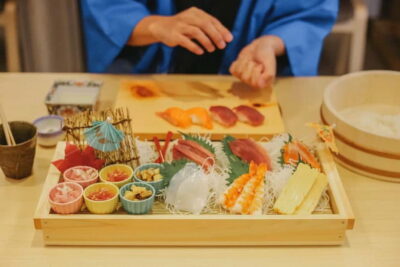
Sushi Making Class in a Happi Coat near a Famous Spot
Read our review →
Sushi Making Tokyo! Popular Maki Sushi & Japanese Sushi(+Recipe!)
Read our review →
Tokyo Sushi Making Class in Tsukiji with Professional Chef
Read our review →
Tokyo Night Foodie Tour in Shinjuku – Seasonal Sushi, Wagyu Beef
Read our review →
Tsukiji Fish Market Guided Tour and Sushi Making with Pro Chef
Read our review →